

Bulgaria's National & Nature Parks: The Complete Picture
In this guide▾
Roughly a third of Bulgaria has some form of protected status, split across categories that visitors routinely mix up. "National park," "nature park," and "strict reserve" mean genuinely different things here, and the difference determines what you are allowed to do.
Here is the full picture, and which ones are actually worth planning a trip around.
🏷️ The Categories
| Category | Count | What it means |
|---|---|---|
| National park | 3 | No settlements, no commercial forestry or farming. Managed primarily for conservation. |
| Nature park | 11 | May contain villages, working forests, and agriculture. Conservation balanced with human use. |
| Strict reserve | many | The tightest tier, often inside a park. Marked trails only; no camping, fires, or collecting. |
The practical difference: a nature park feels lived-in — you will pass villages, guesthouses, and grazing livestock. A national park feels wild, because nobody lives there.
💡 Access is free and there is no permit system for marked trails, which surprises visitors used to Alpine or North American parks. What restricts you are the reserve rules, not a ticket. Signage at the trailhead is the authority.
🏔️ The Three National Parks
1. Rila National Park
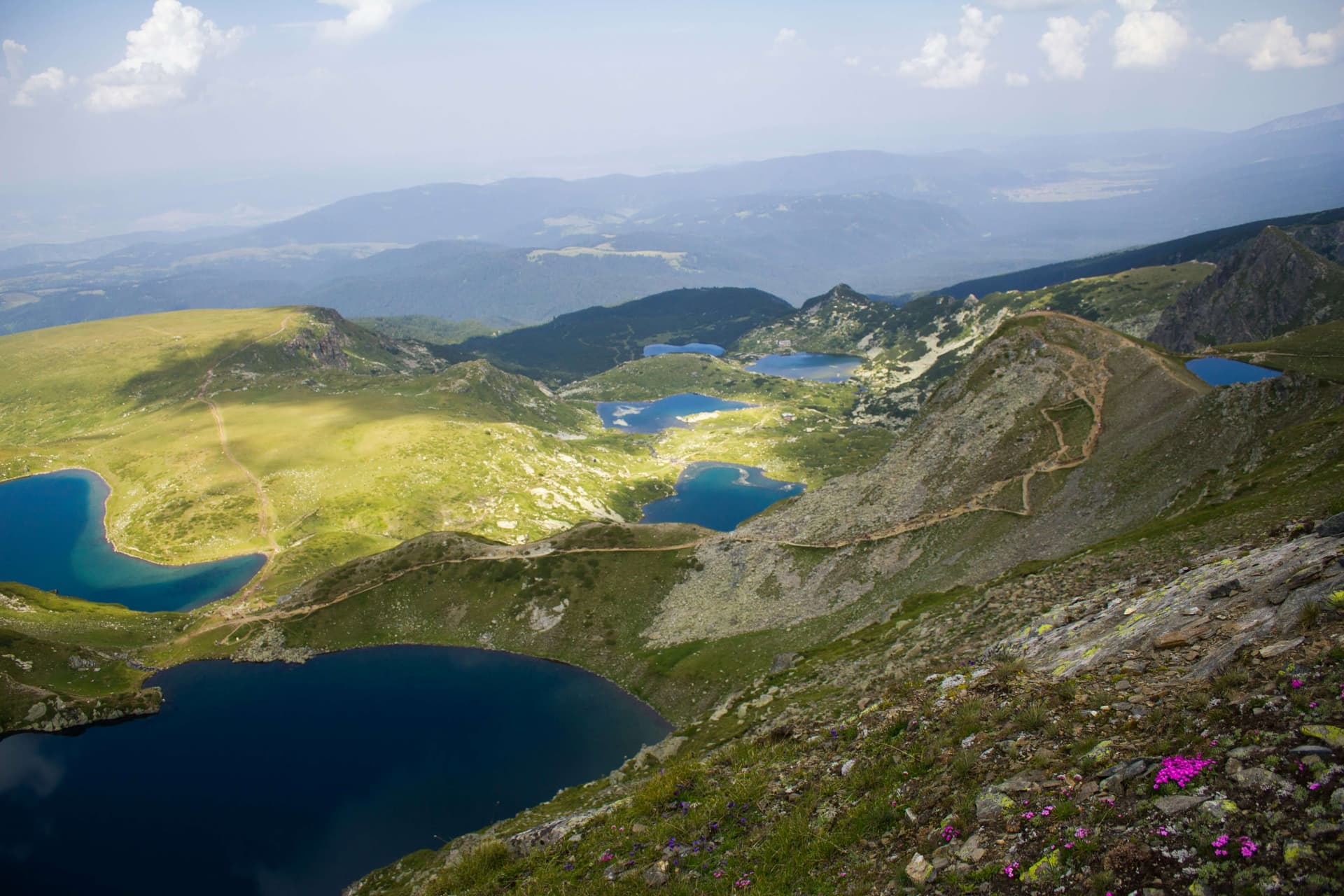
The most visited, and the most accessible from Sofia. It holds Musala (2,925 m), the highest peak in the Balkan Peninsula, and the Seven Rila Lakes, the single most photographed landscape in the country. Rila Monastery sits in its own separate nature park immediately adjacent.
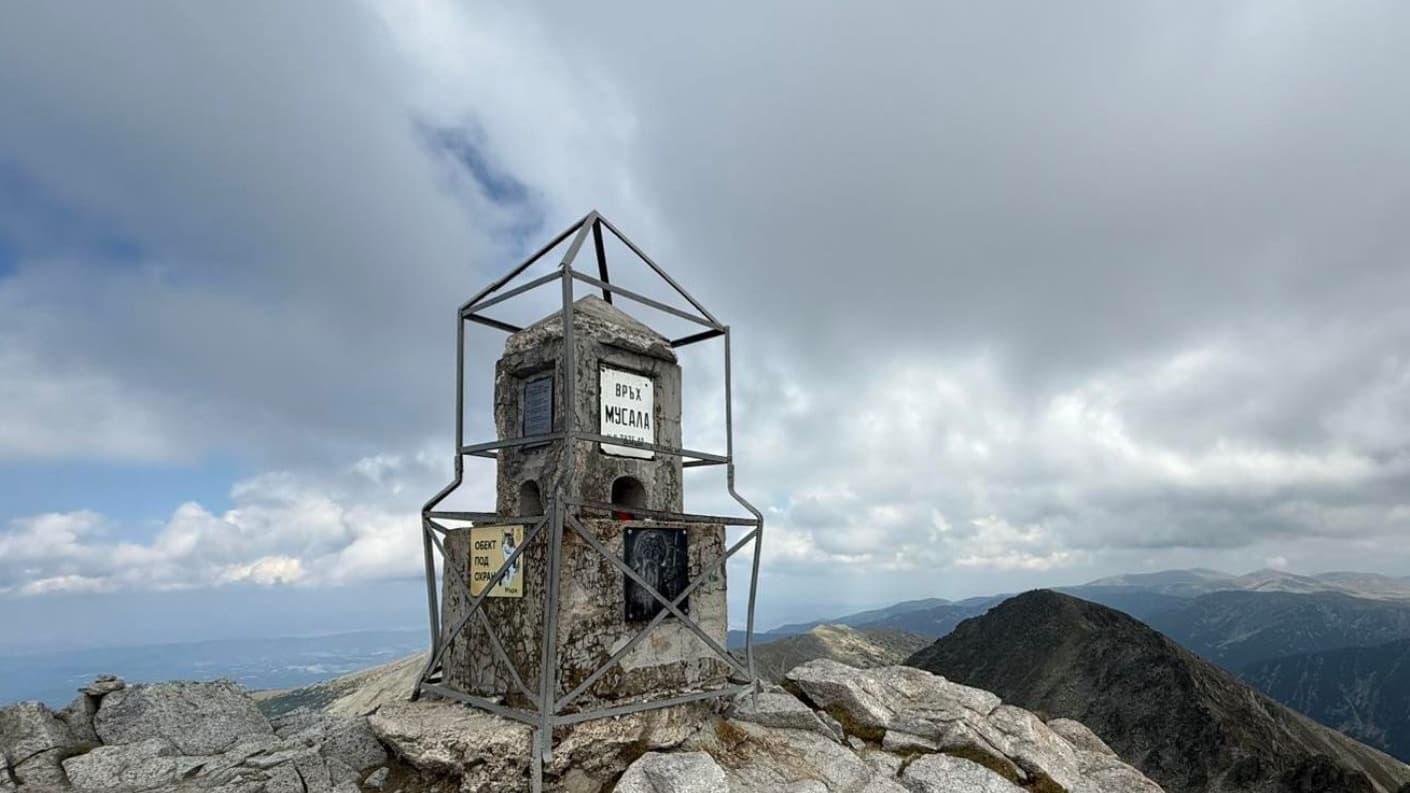
Start with our guides to the Seven Rila Lakes, Musala, Malyovitsa, and Rila Monastery.
2. Pirin National Park
A UNESCO World Heritage site, and the most dramatic of the three: marble ridges, glacial lakes, and the sharpest terrain in Bulgaria. Vihren (2,914 m) is its high point, and the Koncheto ridge is the most exposed marked route in the country.
See our Vihren and Koncheto guide, and Bansko for the winter side.

3. Central Balkan National Park
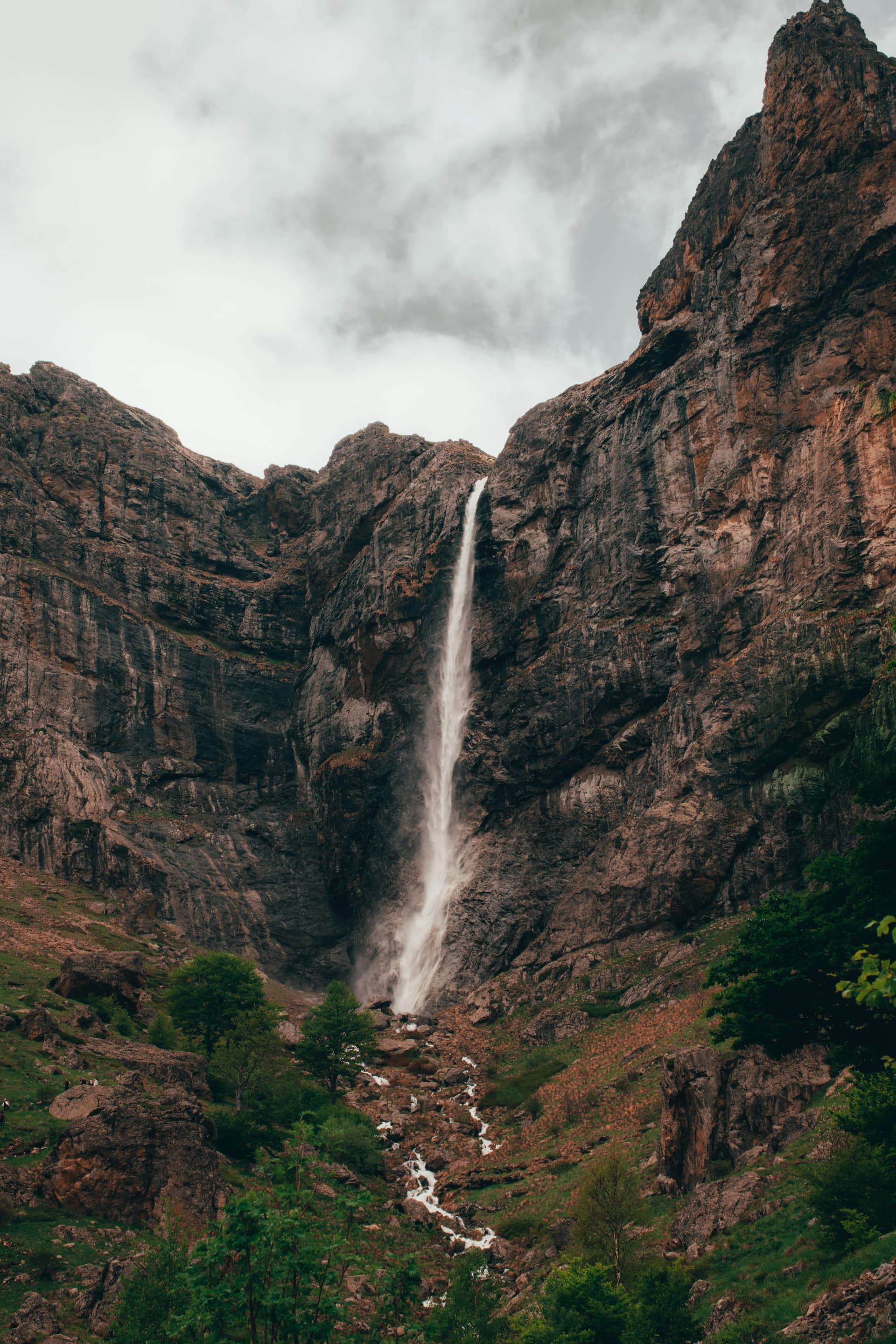
The wildest and least visited. Nine strict reserves, primeval beech forests on the UNESCO list, the country's tallest waterfall, and its most significant large-mammal populations. Covered in full in our Central Balkan guide, with Botev Peak for the summit.
🌲 The Nature Parks
Eleven of them, and several are as good as the national parks for a visitor:
- Vitosha — Bulgaria's first protected area, declared in 1934, and Sofia's back garden. See our Vitosha guide and Cherni Vrah.
- Vrachanski Balkan — a stunning limestone plateau above Vratsa: God's Bridge, the Skaklya waterfall, Ledenika cave, and the Vratsata gorge. See our guide.
- Strandzha — the largest protected area in Bulgaria, in the far south-east on the Turkish border. Oak forest, unusual endemic flora, and a distinct folk culture.
- Rusenski Lom — the canyon south of Ruse holding the UNESCO Ivanovo rock churches and Cherven fortress.
- Persina — the Danube island wetlands at Belene, and one of the country's key birdwatching sites. See our Danube towns guide.
- Sinite Kamani — the "Blue Rocks" above Sliven, with a chairlift up to the ridge.
- Bulgarka — the forested hills around Gabrovo and Etar, taking in Bozhentsi and the Uzana meadows.
- Zlatni Pyasatsi — a small park behind the Golden Sands resort on the coast.
- Shumensko Plato, Belasitsa, and Rilski Manastir complete the list.

🦅 Reserves Worth Knowing
Beyond the parks, a few standalone reserves matter:
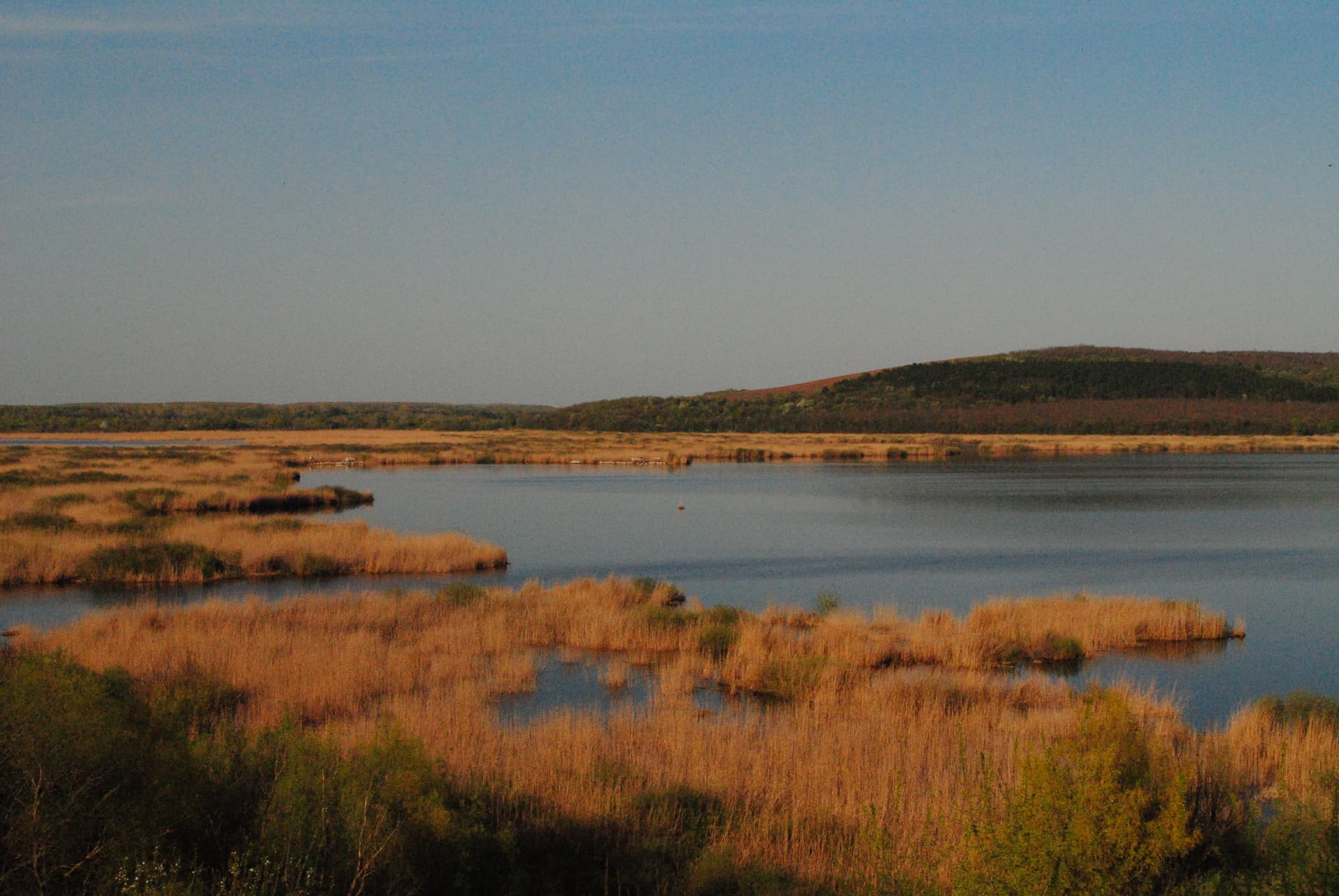
- Srebarna — a Danube lake near Silistra, a UNESCO World Heritage site, and a major breeding ground for pelicans and herons. See our Silistra guide.
- Boatin and Tsarichina — the UNESCO-listed primeval beech forests inside Central Balkan.
- Bistrishko Branishte — on Vitosha, a biosphere reserve within sight of Sofia.
- Dzhendema — the largest reserve in Central Balkan, and among the most rugged ground in the country.
📜 How Bulgaria Got Here
The protection system is older than most visitors assume, and knowing the sequence explains the category structure.
Vitosha was declared in 1934 — the first protected area in the Balkans, and among the earlier ones anywhere in Europe. That it happened on the mountain overlooking the capital is not a coincidence; Sofia's hikers pushed for it.
Silkosiya, in Strandzha, followed as the country's first strict reserve. Through the twentieth century the network expanded steadily, but the national park designation as it exists now is recent: Rila, Pirin, and Central Balkan were reorganised into their current form in the 1990s, when settlements and commercial forestry were moved out of the core areas and into surrounding buffer zones.
That reorganisation is why the categories look the way they do. Places that kept their villages and working forests became nature parks; places that could be cleared of permanent human use became national parks. It is an administrative distinction with a real effect on what you will see when you walk in.
🎯 Which to Pick
| If you want | Go to |
|---|---|
| Iconic scenery, easy access | Rila — the Seven Lakes |
| The most dramatic mountains | Pirin — Vihren and Koncheto |
| Wildlife and solitude | Central Balkan |
| A day trip from Sofia | Vitosha or Vrachanski Balkan |
| Birds and wetlands | Persina or Srebarna |
| Something genuinely different | Strandzha |
🎒 Practicalities
- No fees, no permits for marked trails. Reserve rules are the real constraint.
- Huts are the intended way to stay high; availability varies enormously, so confirm a specific hut before building a route around it.
- Weather on the ridges changes fast in every season. Our packing guide covers the altitude swing.
- Phone signal is unreliable in the valleys — see our eSIM guide, but do not depend solely on data for navigation.
- June to September is the reliable high-mountain window; autumn is best for the forests. See our autumn guide.
Three national parks, eleven nature parks, and a third of the country under some kind of protection — with no permit needed to walk into any of it. Plan the wild side with Mestala.com.
This guide covers 23 places
Want more Mestala in your Google results?
Add mestala.com as a preferred source and our guides will show up more often when you search. Requires a Google account.
Frequently Asked Questions
How many national parks does Bulgaria have?▾
Three — Rila, Pirin, and Central Balkan. Alongside them are eleven nature parks, which are a separate and less strictly protected category, plus a large number of strict reserves and protected areas. Roughly a third of the country's territory has some form of protected status.
What's the difference between a national park and a nature park in Bulgaria?▾
National parks contain no permanent human settlements and no commercial forestry or farming, and are managed primarily for conservation. Nature parks may contain villages, working forests, and agriculture, balancing conservation with human use. In practice, a nature park feels more lived-in; a national park feels wilder.
Which Bulgarian national park should you visit?▾
Rila for the glacial lakes and the highest peak in the Balkans; Pirin for dramatic marble ridges and UNESCO World Heritage status; Central Balkan for wildlife, primeval beech forests, and solitude. Rila is the most accessible from Sofia, Pirin the most spectacular, and Central Balkan the least visited.
Do you need a permit to hike in Bulgarian parks?▾
No. Entry is free and there is no permit system for marked trails, which is unusual by European standards. What is restricted is behaviour inside strict reserves — generally marked trails only, no camping, and no fires. Signage at the trailhead is the official authority.
Which parks have UNESCO status?▾
Pirin National Park is a UNESCO World Heritage site in its own right. Old-growth beech forests in Central Balkan, including the Boatin and Tsarichina reserves, form part of the transnational listing for Europe's ancient beech forests. Srebarna Nature Reserve on the Danube is also a World Heritage site.
Are there bears and wolves in Bulgarian parks?▾
Yes — brown bears, wolves, chamois, golden eagles, and lynx are all present, mainly in Central Balkan, Rila, Pirin, and the Rhodopes. Encounters on busy trails are uncommon. Standard practice applies: make noise on quiet paths, keep food secured, and do not camp in strict reserves.
You might be interested in
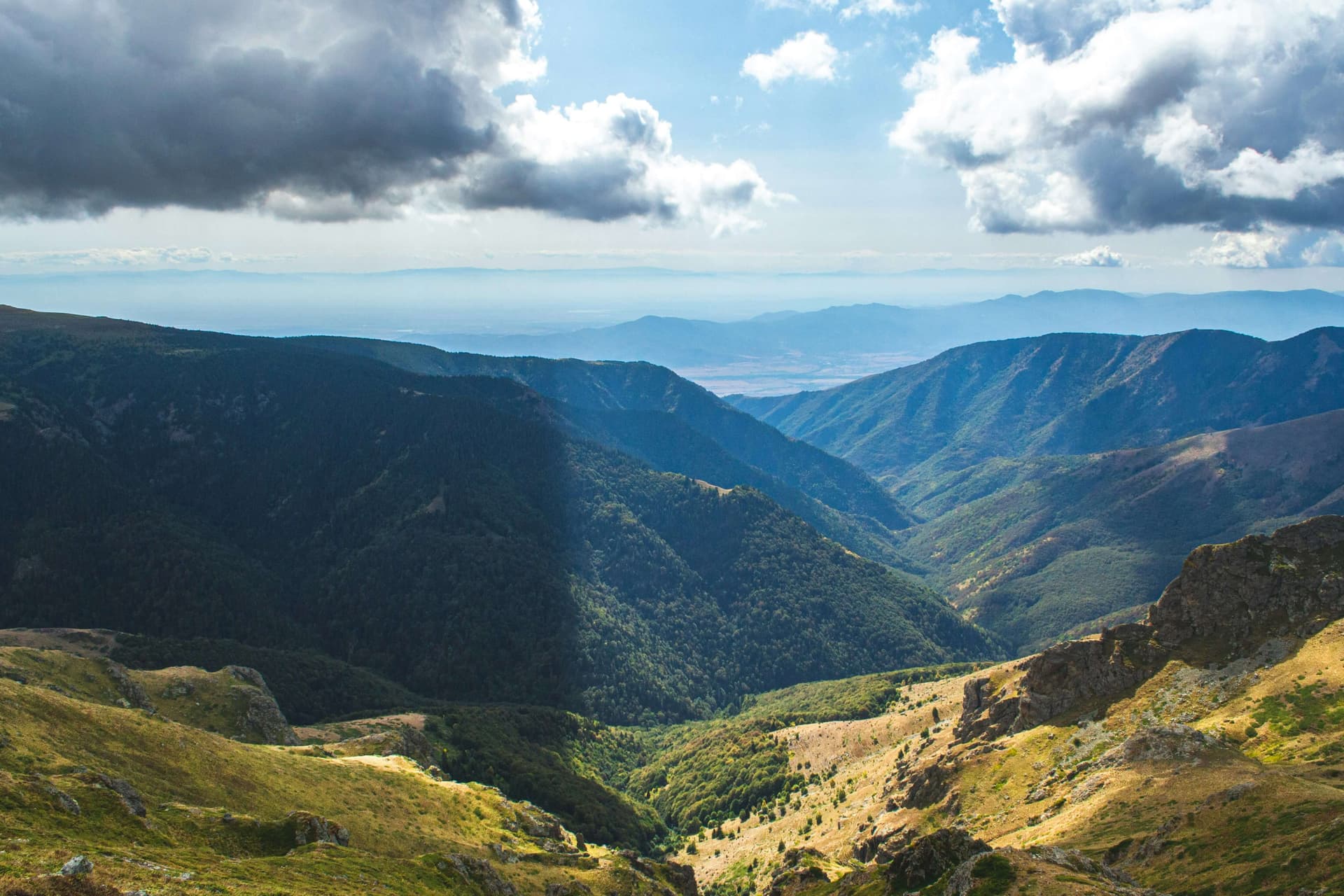
Central Balkan National Park: Bulgaria's Wildest Reserve
A guide to Central Balkan National Park: its nine strict reserves, the UNESCO-listed primeval beech forests of Boatin and Tsarichina, the Dzhendema cliffs, bears and wolves, and which town to enter from.
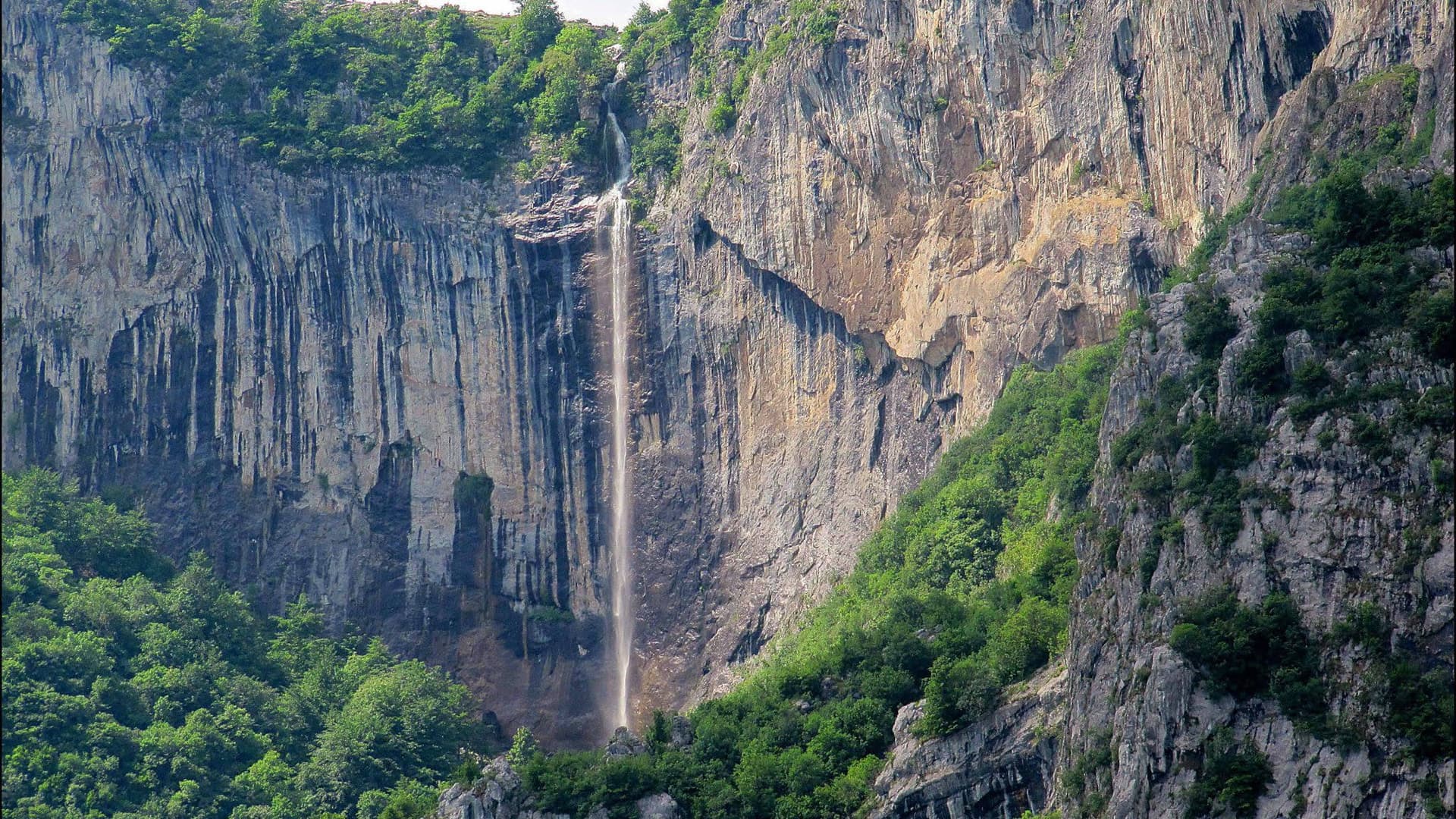
God's Bridge & Skaklya: Walking the Vrachanski Balkan
A guide to the Vrachanski Balkan Nature Park: the God's Bridge rock arch near Lilyache, the seasonal Skaklya waterfall above Vratsa, the Borov Kamak eco-trail, and when in spring to time the water.
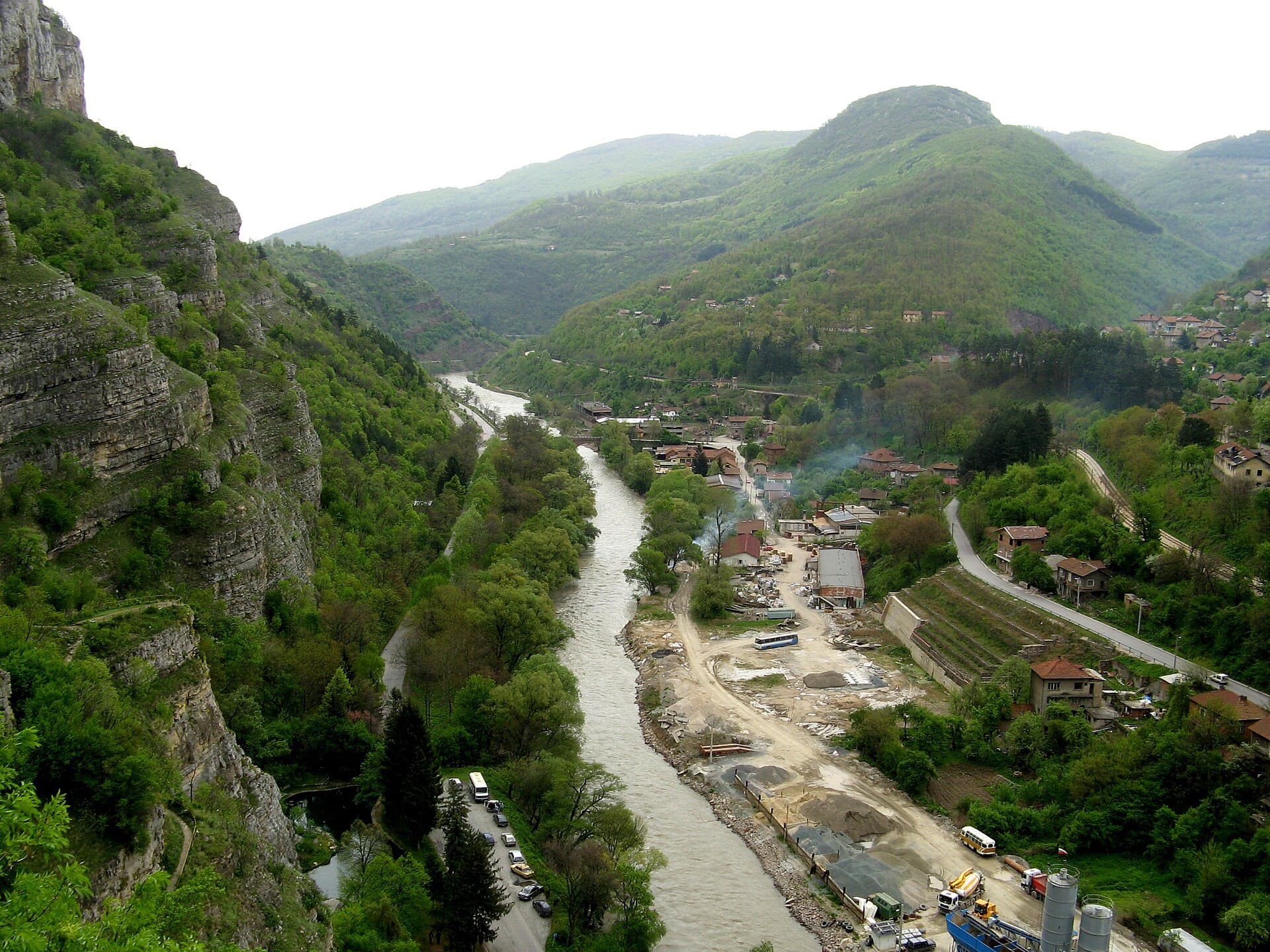
Day Trip to Iskar Gorge from Sofia by Train: Sights & Guide
Discover the Iskar Gorge north of Sofia: Visit the Lakatnik Rocks, Cherepish Monastery, the Ritlite formation, and ride the scenic Sofia–Mezdra railway.
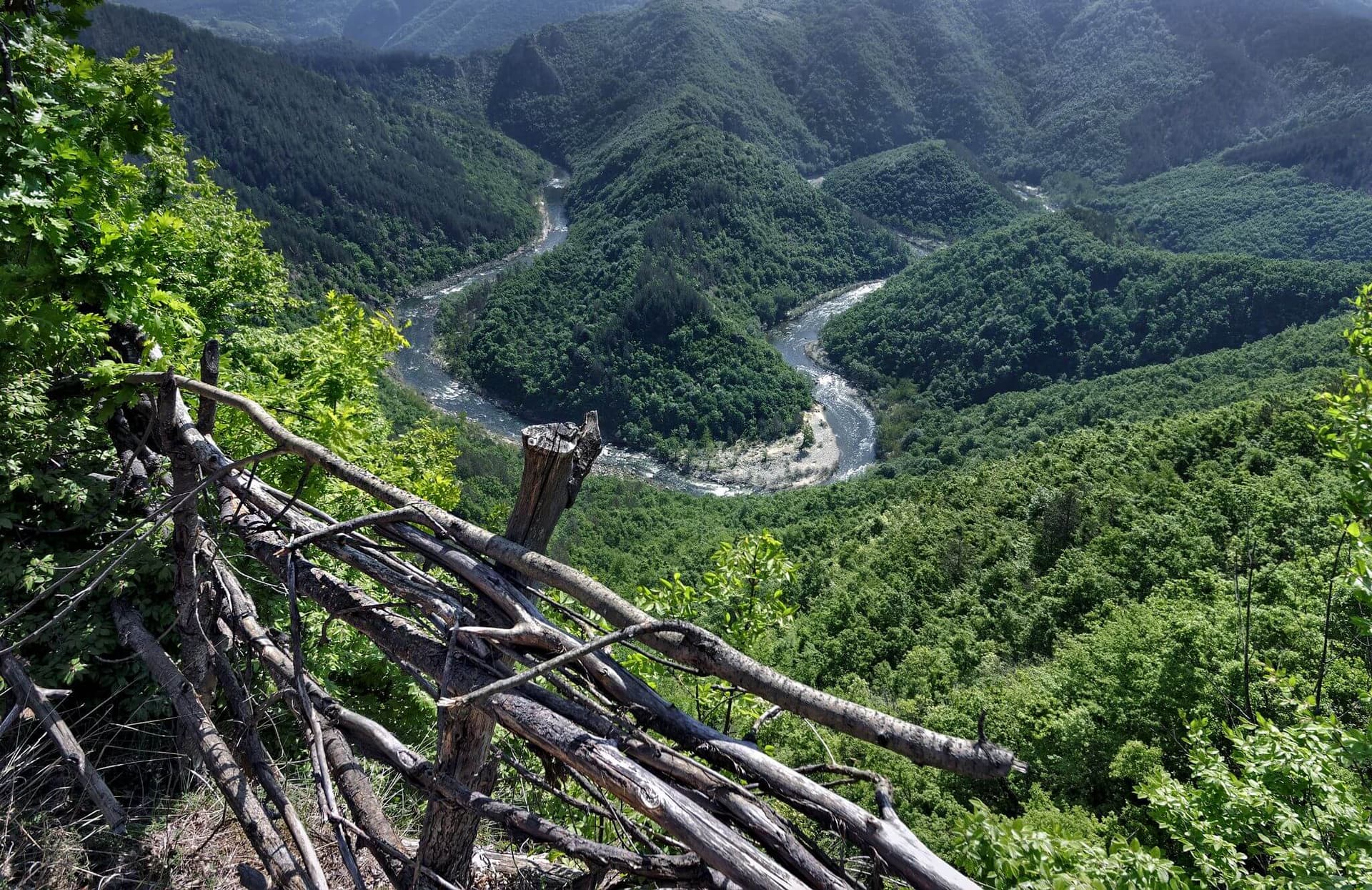
The Rhodopes: A Complete Travel Guide to Bulgaria's Mystical Mountains
Everything you need to plan a Rhodope Mountains trip: Smolyan, Pamporovo, Trigrad Gorge, Shiroka Laka, Perperikon, caves, spa towns, food, itineraries and when to go.