

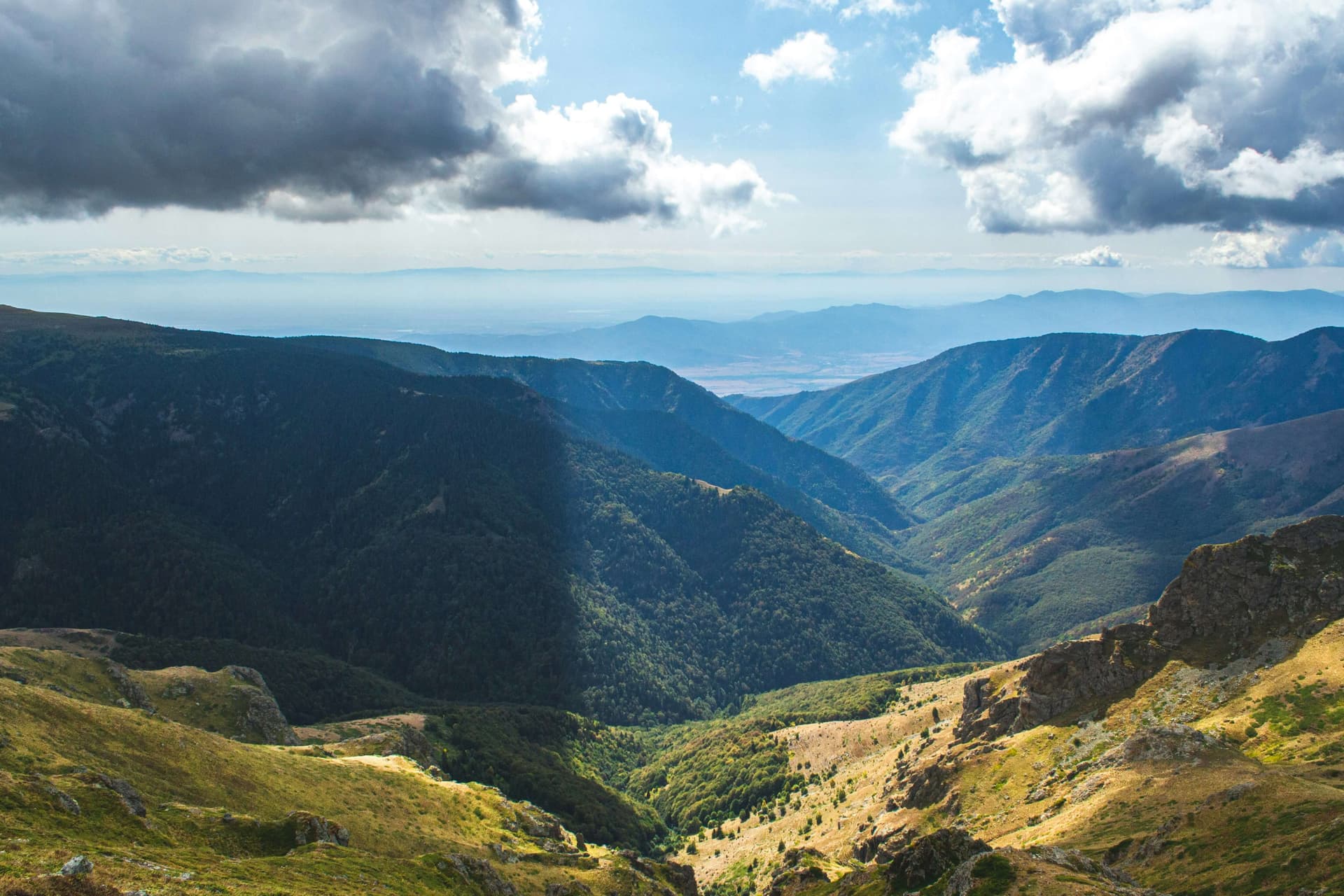
Central Balkan National Park: Bulgaria's Wildest Reserve
In this guide▾
Bulgaria has three national parks. Rila has the lakes, Pirin has the marble peaks and UNESCO name recognition, and Central Balkan has something neither of them does: forests that have never been cut.
Running along the highest section of the Balkan range across the middle of the country, Central Balkan National Park covers about 71,670 hectares, from around 500 metres up to 2,376 metres on Botev, and contains nine strict nature reserves. It is the least visited of the three and by some measures the wildest. For how it sits alongside Rila, Pirin, and the eleven nature parks, see our national and nature parks guide.
🗺️ The Shape of It
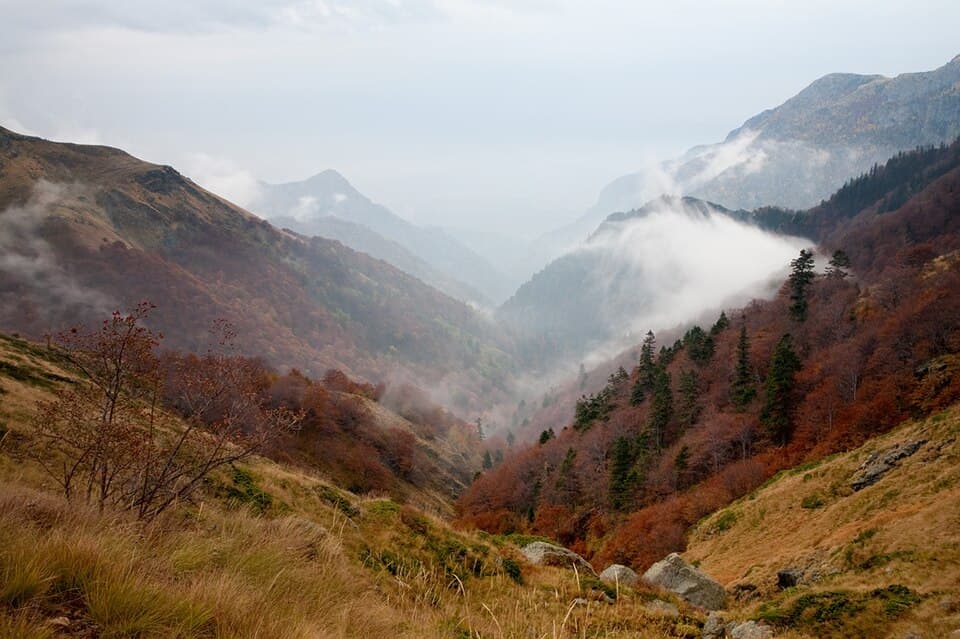
The park is a long east–west strip following the main ridge, with a steep southern face dropping toward the Rose Valley and longer, greener northern valleys running down toward the Danube plain. There is no road through it — you enter on foot from the edge, and which edge you pick determines the trip.
| Access town | Side | What it opens up | From Sofia by car |
|---|---|---|---|
| Kalofer | South | The high ground, Botev, Raysko Praskalo | ~155 km, ~2 h |
| Karlovo / Sopot | South | Steep southern approaches, Stara Reka, chairlift at Sopot | ~145 km, ~2 h |
| Apriltsi | North | Northern valleys, forest walking, Pleven hut | ~200 km, ~2 h 45 min |
| Troyan | North | Kozya Stena, Steneto, the Troyan Pass | ~160 km, ~2 h |
| Teteven / Ribaritsa | North | Western end, Boatin and Tsarichina | ~110 km, ~1 h 40 min |
Getting there: a car is the practical way to reach the trailheads. Buses and trains run from Sofia and Plovdiv to the gateway towns — Karlovo, Kalofer and Sopot are on the railway line through the Rose Valley — but the trailheads above them are mostly several kilometres further up side roads, with no public transport.
Parking is at the trailheads outside the park boundary, on the roads up from the towns. For Botev, the Panitsite trailhead above Kalofer has free parking. At Sopot, a chairlift climbs 2,630 m and 832 m of ascent from the edge of town (557 m) to Pochivaloto at 1,389 m in 22 minutes, a real shortcut toward the ridge and Dobrila hut.
The Sopot chairlift in detail. It runs only at the end of the week, with the last ride up half an hour before closing:
| Season | Days | Hours | Last ride up |
|---|---|---|---|
| 26 March – 30 April | Sat–Sun | 09:00–17:30 | 17:00 |
| 1 May – 5 October | Fri–Sun | 09:00–17:30 | 17:00 |
| 6 October – 25 March | Sat–Sun | 09:00–16:30 | 16:00 |
Official holidays run to the weekend timetable for that season. Tickets are €11 one way and €16 return for adults, €6 and €9 for children aged 7–12, and free for under-7s (checked September 2026).
The catch that strands people: the lift does not turn for one or two passengers. It needs 6 people holding return tickets, or 12 holding one-way tickets, before it starts — so a quiet morning early or late in the season can mean waiting for others to turn up, and a return ticket gets you moving on the smaller group. The upper section from Pochivaloto toward Nezabravka hut is out of service for repairs.
The Kom–Emine ridge route crosses the whole park along the top, which is the long way to see it.
🌳 The Primeval Beech Forests
This is the park's most under-appreciated distinction.
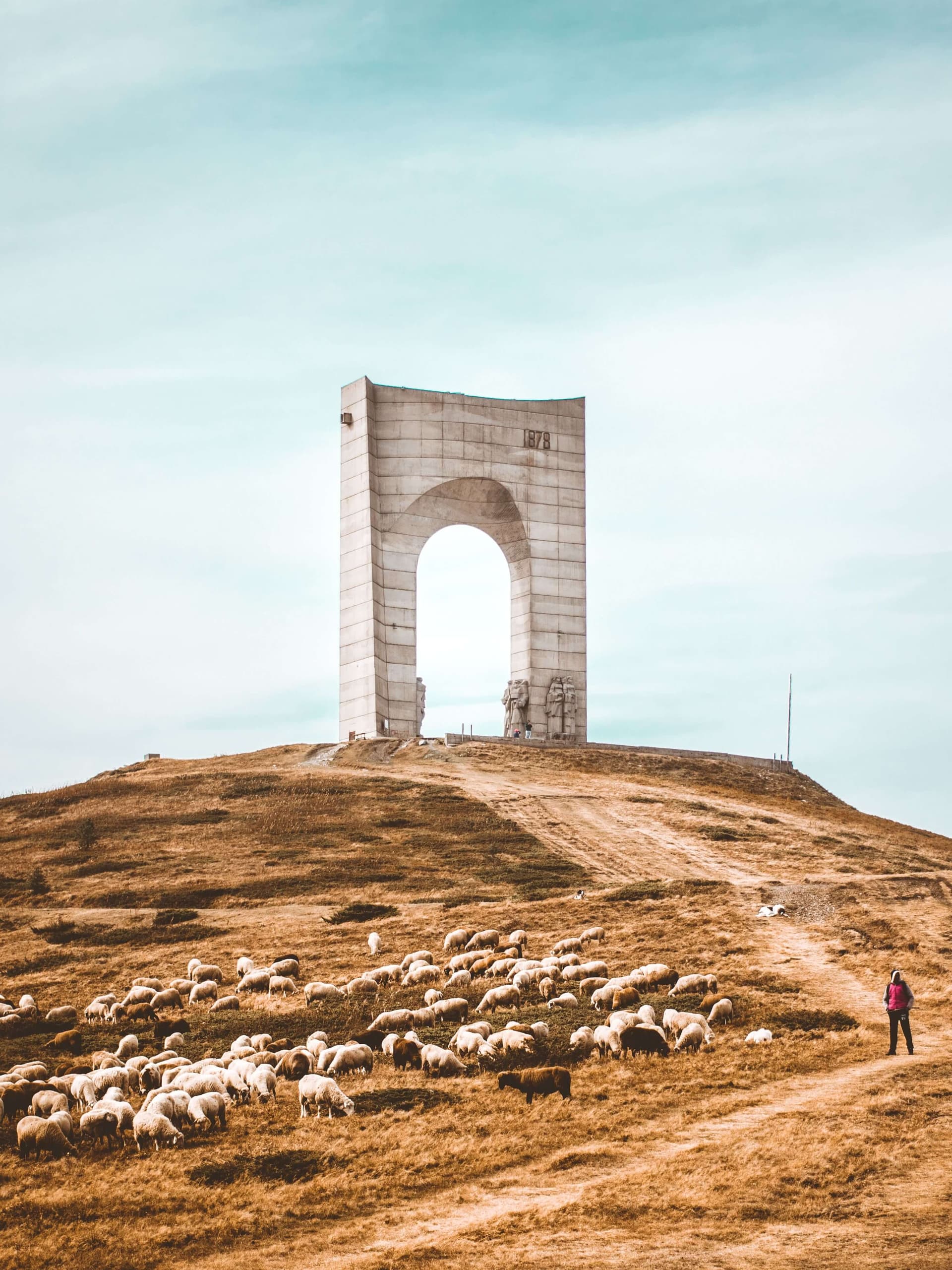
Since 2017, old-growth beech stands in all nine of the park's reserves — among them Boatin and Tsarichina — have formed part of the transnational UNESCO World Heritage site covering ancient and primeval beech forests across Europe. These are forests that have never been logged: multi-century trees, standing deadwood, natural gaps, and regeneration, with the full complex structure that managed forests never develop.

Western Europe has almost none of this left. Walking into one is a quieter experience than a summit day and, if you know what you are looking at, a considerably rarer one.
🛡️ The Nine Reserves
The park contains nine strict nature reserves, together covering more than 20,000 hectares. Since 2017, the park and five neighbouring municipalities have also formed the Central Balkan Biosphere Park under UNESCO's Man and the Biosphere programme. The names worth knowing:
- Boatin and Tsarichina — the beech forests, at the western end.
- Steneto — above Cherni Osam near Troyan: karst country, with caves and gorges.
- Kozya Stena — near the Troyan Pass, known for rare plant species, including edelweiss.
- Stara Reka — a dramatic southern valley below the main ridge, above Karlovo.
- Dzhendema — the largest, on the southern slopes. The name comes from the Turkish for "hell," which tells you what the terrain is like: cliffs, screes, and near-impassable ground.
- Sokolna, Peeshti Skali, and Severen Dzhendem complete the set.

💡 Strict reserve rules are stricter than the rest of the park. In general you may pass through on marked trails only — no camping, no fires, no leaving the path, and no collecting anything. This is not decorative; it is the reason the forests are still intact. Check current signage at the trailhead, since access arrangements change.
The same core rules apply across the whole park: stay on marked trails, camp only at the designated places by the huts, no open fires, dogs on a lead, and no fishing anywhere in the park. Picking berries, mushrooms and herbs is allowed only for personal use, and protected flowers not at all. Breaking them can mean a fine of several hundred euros.
🐻 Wildlife
Central Balkan holds one of the largest protected brown bear populations in Europe, along with wolf, wildcat, golden eagle, the endangered Balkan trout, and 224 recorded bird species — enough for the park to be a globally important bird area, holding every alpine-biome bird species found in Bulgaria. Of those, 123 breed here and 22 are in Bulgaria's Red Book; the park has 16 diurnal raptors, including the imperial eagle and close to 5% of Bulgaria's breeding golden eagles. That, and the bears, is the whole justification for the reserve network.
Encounters with large mammals are uncommon on well-used trails, but this is genuine wilderness rather than a managed park. Sensible practice: make noise on quiet paths, keep food secured, camp only at the designated places, and treat the weather on the ridge as a bigger risk than the wildlife.
🥾 What Kind of Trip This Is
It is worth being clear, because the park is often reduced to one summit.
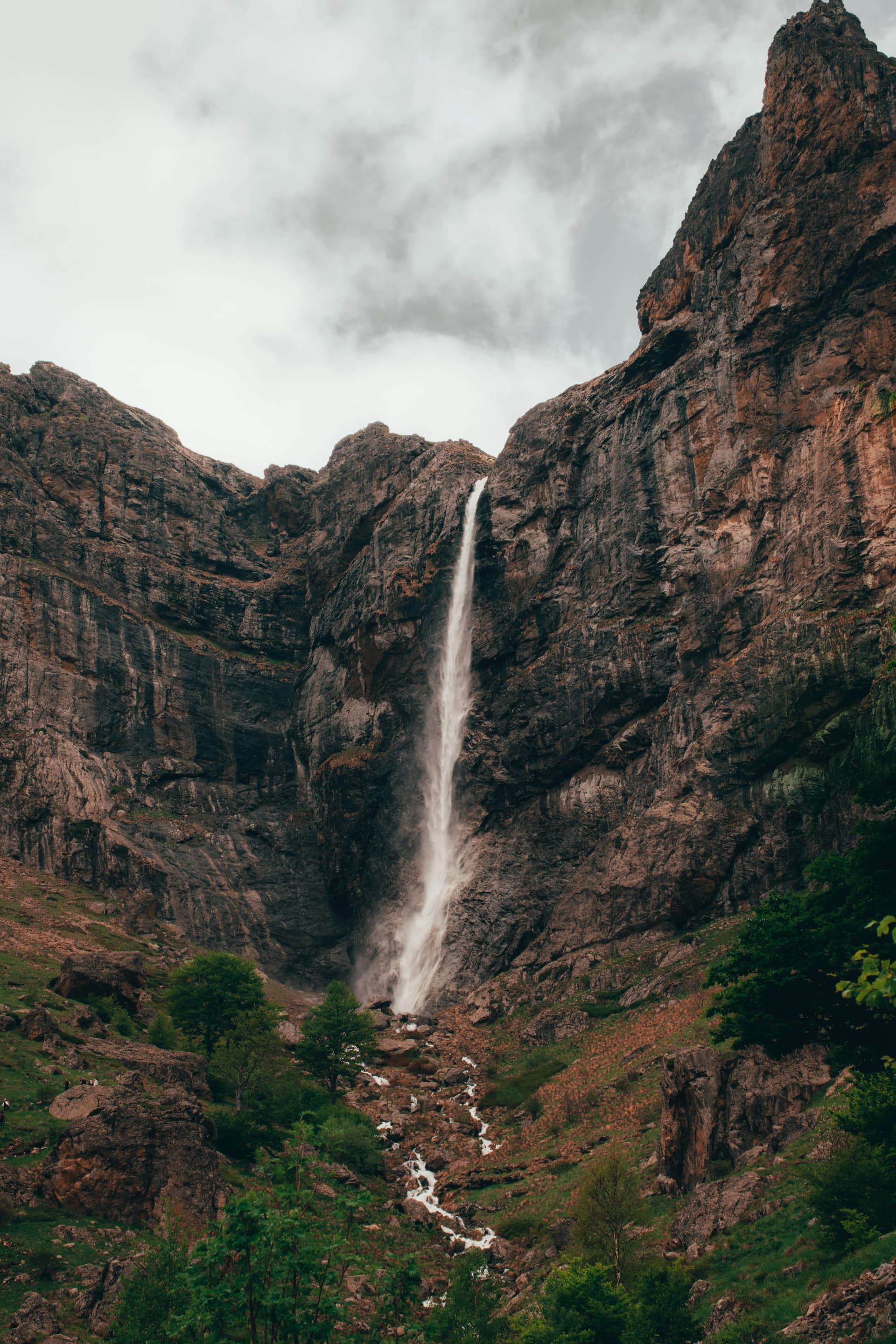
If you want the high point, that is Botev Peak at 2,376 m, the highest in the Balkan range, along with Raysko Praskalo — at 124.5 m the tallest permanent waterfall in Bulgaria — on the cliffs below it. Both are covered in our dedicated Botev Peak guide, and that is a serious mountain day.
If you want the park itself, go lower and north. The valleys above Apriltsi and Teteven, the beech forests, the Troyan side, and the reserve edges are greener, quieter, far less demanding, and much more representative of what is actually being protected here. Most visitors do the summit and never see the forests, which is the wrong way round.
For the towns on the southern edge, see our guides to Kalofer and Karlovo.
🎒 Practicalities
- Entry is free and there is no permit system for walking the marked trails — Bulgarian national parks do not gate access the way many European ones do. What restricts you are the park rules, not a ticket.
- How long you need: a day is enough for a forest walk from Apriltsi, Ribaritsa or Troyan, or a look at a reserve edge. Botev is best as 2 days with a night at Rai hut. Crossing the park along the ridge on the Kom–Emine route takes a week or more.
- Difficulty: the lower forest trails on the northern side are easy to moderate. The southern face is steep, and the high ridge is strenuous and exposed, with fog, wind and fast weather changes. Trails are marked, but the markings disappear in fog — carry a map or an offline app.
- Camping is where people get it wrong. It is allowed only at the designated places by the huts — not in the reserves and not wherever you like. The intended way to stay high is the hut network: 20 huts and 6 shelters inside the park, with more than 1,400 beds in total, some staffed, some basic, several on the Kom–Emine line. Two huts — Nezabravka and Planinski Izvori — are not operating at all. Availability and condition vary a great deal, so confirm a specific hut is open and reachable before you build a route around sleeping in it.
- Water is generally available from springs along the main routes, but the southern face is dry in late summer — carry more than you think on that side.
- Phone signal is patchy to absent in the valleys. Tell someone your route, and do not rely on a data connection for navigation; our eSIM guide covers coverage generally, but no network solves a valley with no line of sight.
🗓️ When to Go
Mid-June to September is the reliable window for high ground; snow lingers on the ridge well into spring and returns early. Late September to October is the best time for the forests, when the beech turns — see our autumn guide.

The ridge makes its own weather in any season: fog, wind, and fast temperature drops are routine, and the southern face is exposed. Our packing guide covers the layering problem that Bulgarian altitude creates.
Crowds gather in only a few places: the Botev route from Kalofer and Rai hut on summer weekends, and the Troyan Pass. The northern valleys and the reserve edges are quiet even in August.
👨👩👧👦 Is It Suitable for Children?
- Yes, at the low end: short forest walks in the northern valleys above Apriltsi, Ribaritsa or Troyan suit families, and the huts make good lunch stops.
- Fit older children can walk up to Rai hut and Raysko Praskalo from Kalofer, but not on to the summit by the exposed Tarzan path — see our Botev guide.
- The high ridge and the southern face are not for small children: long, steep and exposed to the weather.
- Pushchairs do not work on the park's trails. Bring a child carrier.
🛏️ Where to Stay
- In the gateway towns: Kalofer, Karlovo, Troyan and Apriltsi and Teteven all have guesthouses and small hotels. Apriltsi and Ribaritsa put you closest to the northern forests; Kalofer is the base for Botev. Staying in town means a drive to the trailhead each morning, but a proper bed and restaurants.
- In the huts: the 20 huts inside the park are the way to stay high and start early. Prices are modest — Rai hut is €18 per person, and the Botev Vrah summit dormitory €15 per bed (checked September 2026). Book ahead for summer weekends.
- Food is not a given. Every hut has a dining room, but supplies come up the hard way, so cooked meals are usually by prior arrangement rather than on demand; tea, coffee and dry snacks are more reliably on hand. Most huts now have internet, which makes ringing or messaging ahead the sensible move — and the only way to be sure of dinner.
🌿 Nearby
- Troyan Monastery (~20 min from Troyan): Bulgaria's third-largest monastery, on the northern side. See our monasteries guide.
- Karlovo's old town (~20 min from Kalofer): the Revival-era quarter and the birthplace of Vasil Levski.
- Kazanlak and the Rose Valley (~40 min from Kalofer): immediately south.
Further east along the same range, beyond the park, lie Shipka Pass and Buzludzha.
Nine reserves, forests that have never been cut, and more than 70,000 hectares with no road through them. Central Balkan is the one Bulgarian national park most visitors reduce to a single summit — see the rest of it with Mestala.com.
This guide covers 19 places
Want more Mestala in your Google results?
Add mestala.com as a preferred source and our guides will show up more often when you search. Requires a Google account.
Frequently Asked Questions
Where is Central Balkan National Park and how big is it?▾
It runs along the central ridge of the Balkan Mountains in the middle of Bulgaria, covering about 71,670 hectares between roughly 500 and 2,376 metres, the height of Botev Peak. It's one of the three national parks in the country, alongside Rila and Pirin, and was established on 31 October 1991.
Which towns give access to the park?▾
The southern side is entered from Kalofer, Karlovo and Sopot; the northern side from Apriltsi, Troyan, Teteven and Ribaritsa. Kalofer is the most common starting point for Botev and the high ground, and Apriltsi for the northern valleys. There is no road through the park — you enter on foot from the edge.
What are the park's nine reserves?▾
The park contains nine strict nature reserves: Boatin, Tsarichina, Steneto, Kozya Stena, Stara Reka, Dzhendema, Sokolna, Peeshti Skali and Severen Dzhendem, together covering more than 20,000 hectares. Inside them you may pass on marked trails only.
What is the UNESCO beech forest listing?▾
Since 2017, old-growth beech forests in all nine of the park's reserves have been part of the transnational UNESCO World Heritage site 'Ancient and Primeval Beech Forests of the Carpathians and Other Regions of Europe'. These are forests that have never been logged — a genuinely rare thing on this continent. Also since 2017, the park and five neighbouring municipalities have formed the Central Balkan Biosphere Park under UNESCO's Man and the Biosphere programme.
Is there an entry fee for Central Balkan National Park?▾
No. There is no entry fee and no permit is needed to walk the marked trails. What you pay for is a bed in a mountain hut — for example, Rai hut below Botev costs €18 per person per night (checked September 2026). The park's own rules are what restrict you: stay on marked trails, camp only at designated places by the huts, no fires, and dogs on a lead.
Are there bears and wolves in the park?▾
Yes. Central Balkan holds one of the largest protected brown bear populations in Europe, as well as wolves, wildcats, golden eagles and 224 bird species, which is much of the reason for the strict reserves. Encounters with large mammals are uncommon on busy trails, but this is real wilderness — make noise on quiet paths, keep food secured, and camp only at the designated places.
How does the park differ from just hiking Botev Peak?▾
Botev is the highest point and the single most popular objective, but it's one summit in a park of more than 70,000 hectares. The reserves, the beech forests, the Dzhendema cliffs and the northern valleys are a different kind of trip — lower, greener, far quieter, and more about forest and wildlife than about summit days.
You might be interested in
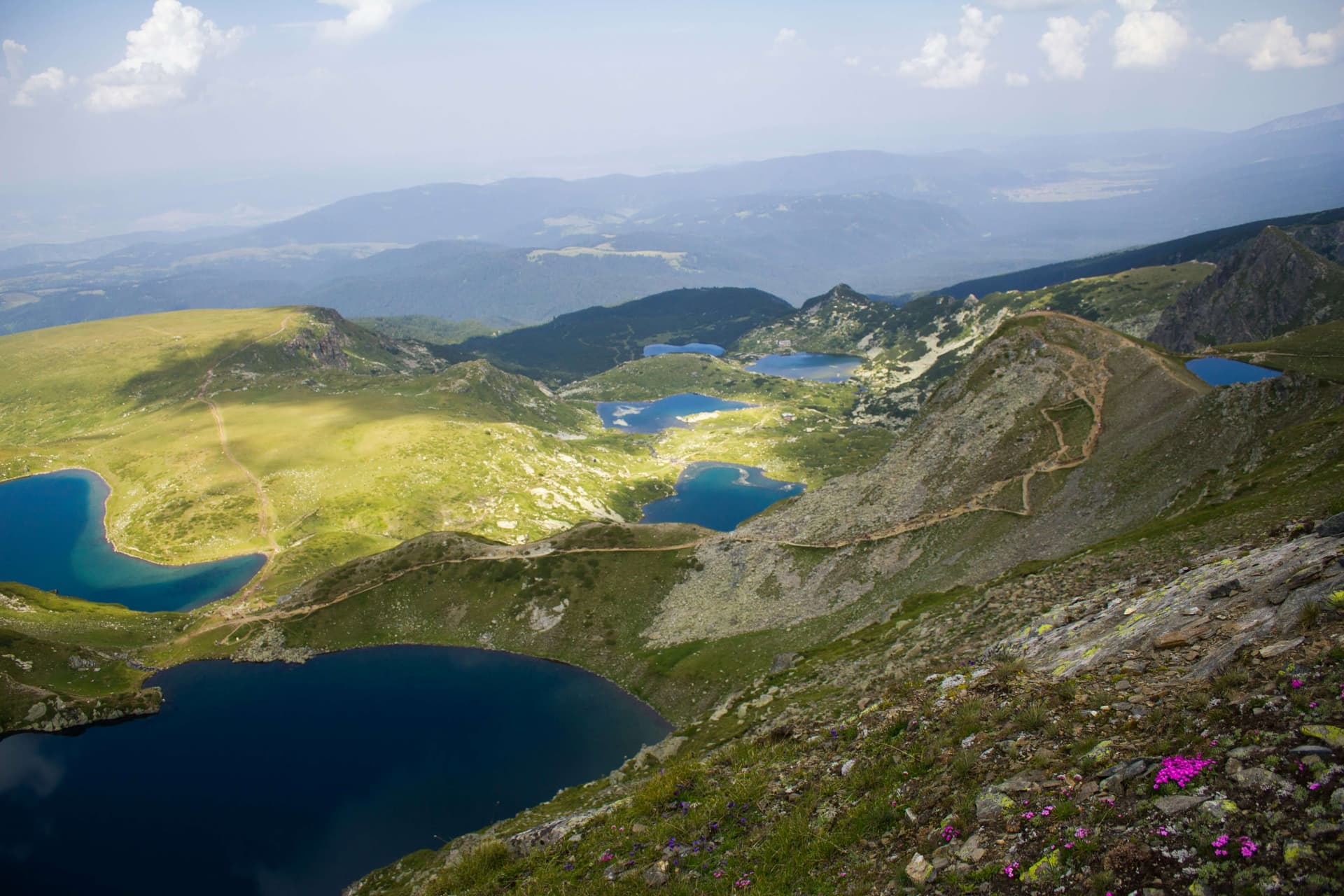
Bulgaria's National & Nature Parks: The Complete Picture
A guide to Bulgaria's three national parks and eleven nature parks — Rila, Pirin, Central Balkan, Vitosha, Vrachanski Balkan, Strandzha, Persina and the rest — what the categories mean and which to visit.
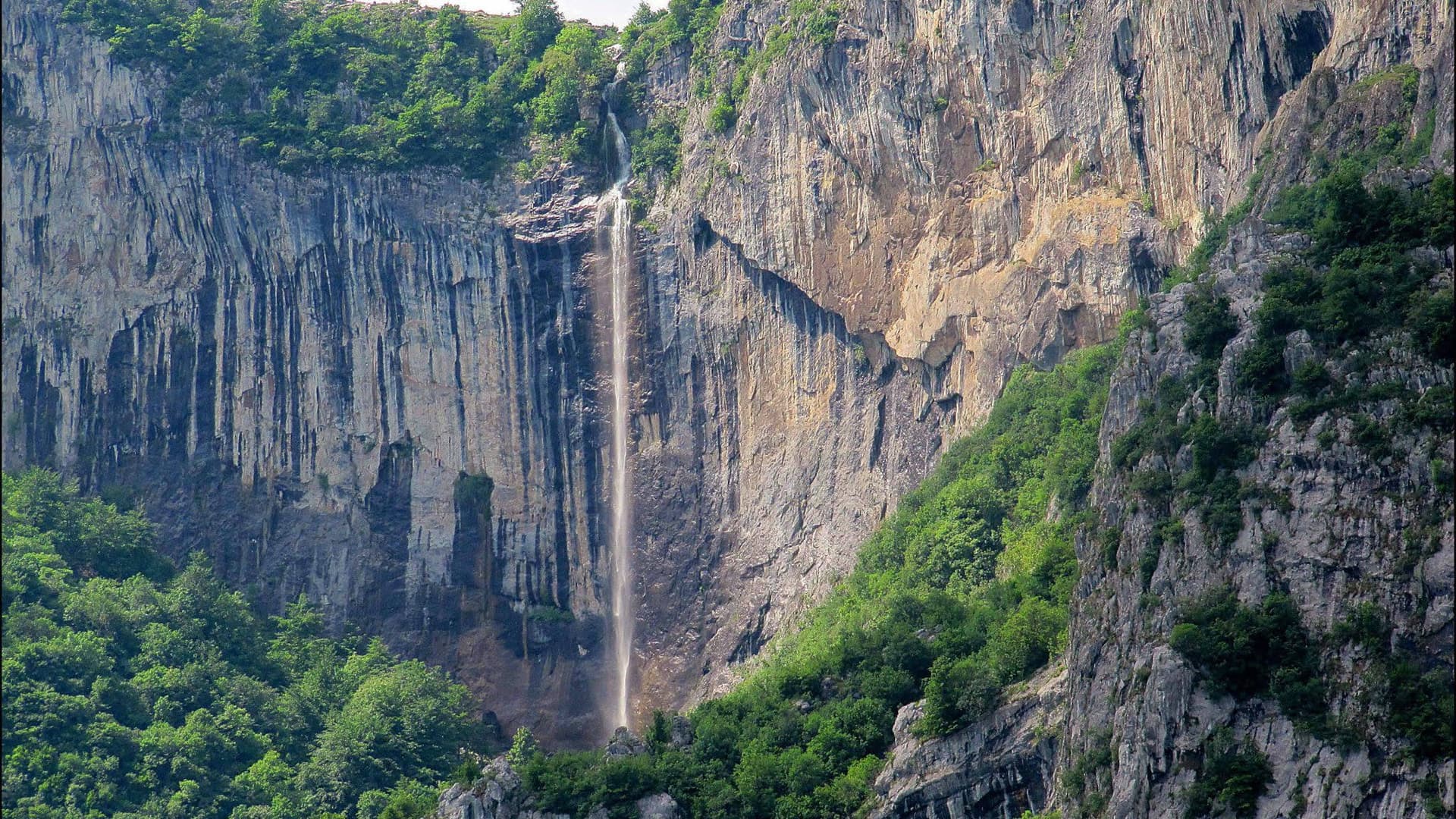
God's Bridge & Skaklya: Walking the Vrachanski Balkan
A guide to the Vrachanski Balkan Nature Park: the God's Bridge rock arch near Lilyache, the seasonal Skaklya waterfall above Vratsa, the Borov Kamak eco-trail, and when in spring to time the water.
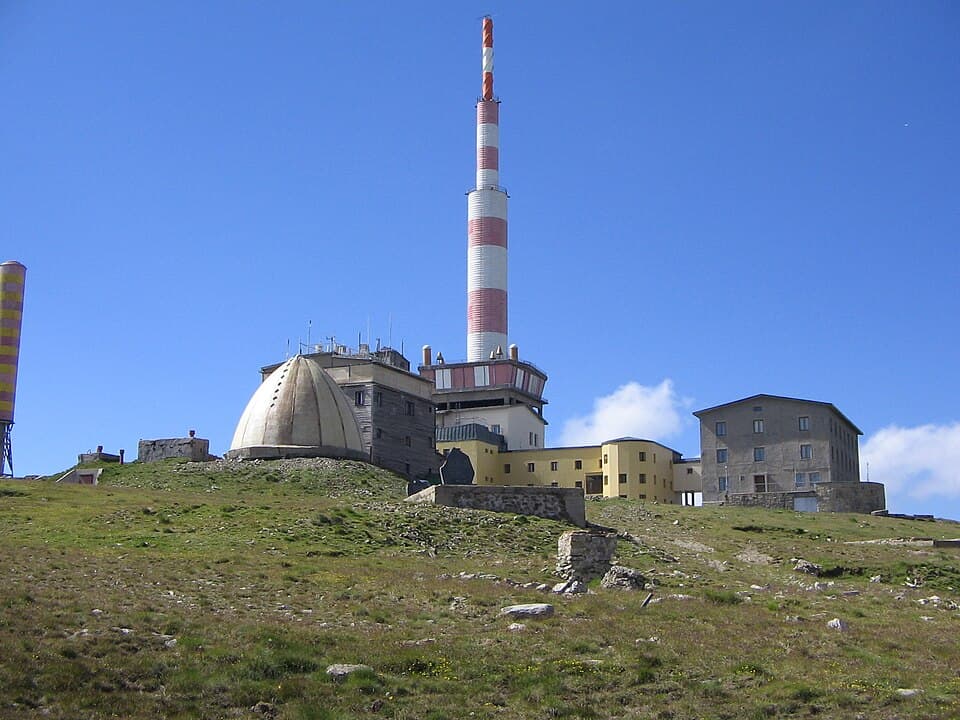
Botev Peak & Raysko Praskalo: Hiking the Central Balkan
How to hike Botev Peak (2,376 m), the highest summit of the Balkan Mountains, from Kalofer — past Raysko Praskalo, the highest waterfall in the Balkans.
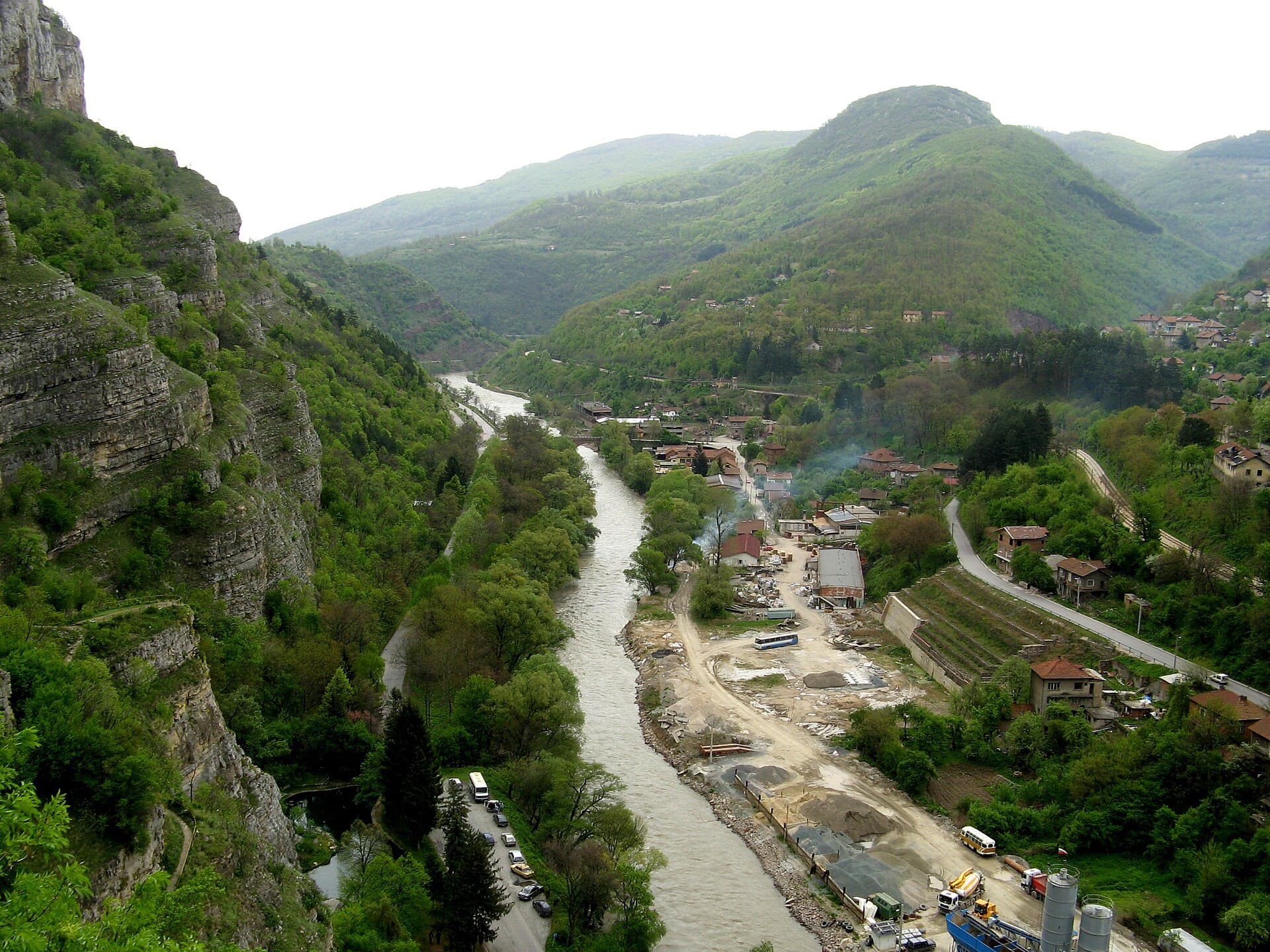
Day Trip to Iskar Gorge from Sofia by Train: Sights & Guide
Discover the Iskar Gorge north of Sofia: Visit the Lakatnik Rocks, Cherepish Monastery, the Ritlite formation, and ride the scenic Sofia–Mezdra railway.