

Shipka Pass Travel Guide: Freedom Monument, Church & Driving Tips
In this guide▾
Most mountain passes are simply roads connecting two places. Shipka Pass is the fundamental reason a free Bulgarian nation exists on both sides of the ridge.
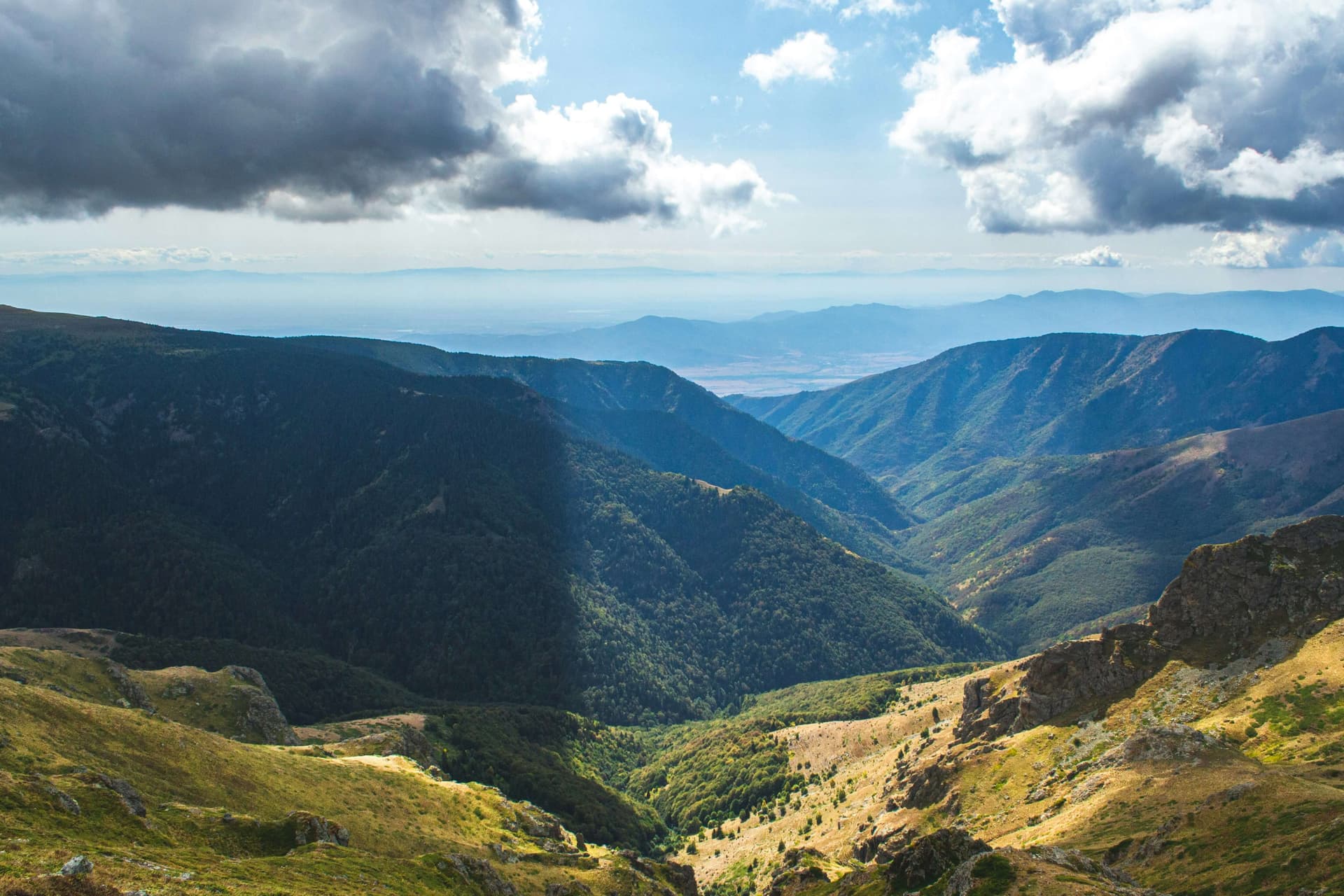
At about 1,190 metres above sea level, the pass carries the main road over the Balkan Mountains, linking Gabrovo in the north with Kazanlak and the Rose Valley to the south. During the pivotal summer of 1877, it became the decisive battleground of the Russo-Turkish War. Today, the monumental tower standing atop the peak remains one of the most sacred sites in Bulgarian national memory.
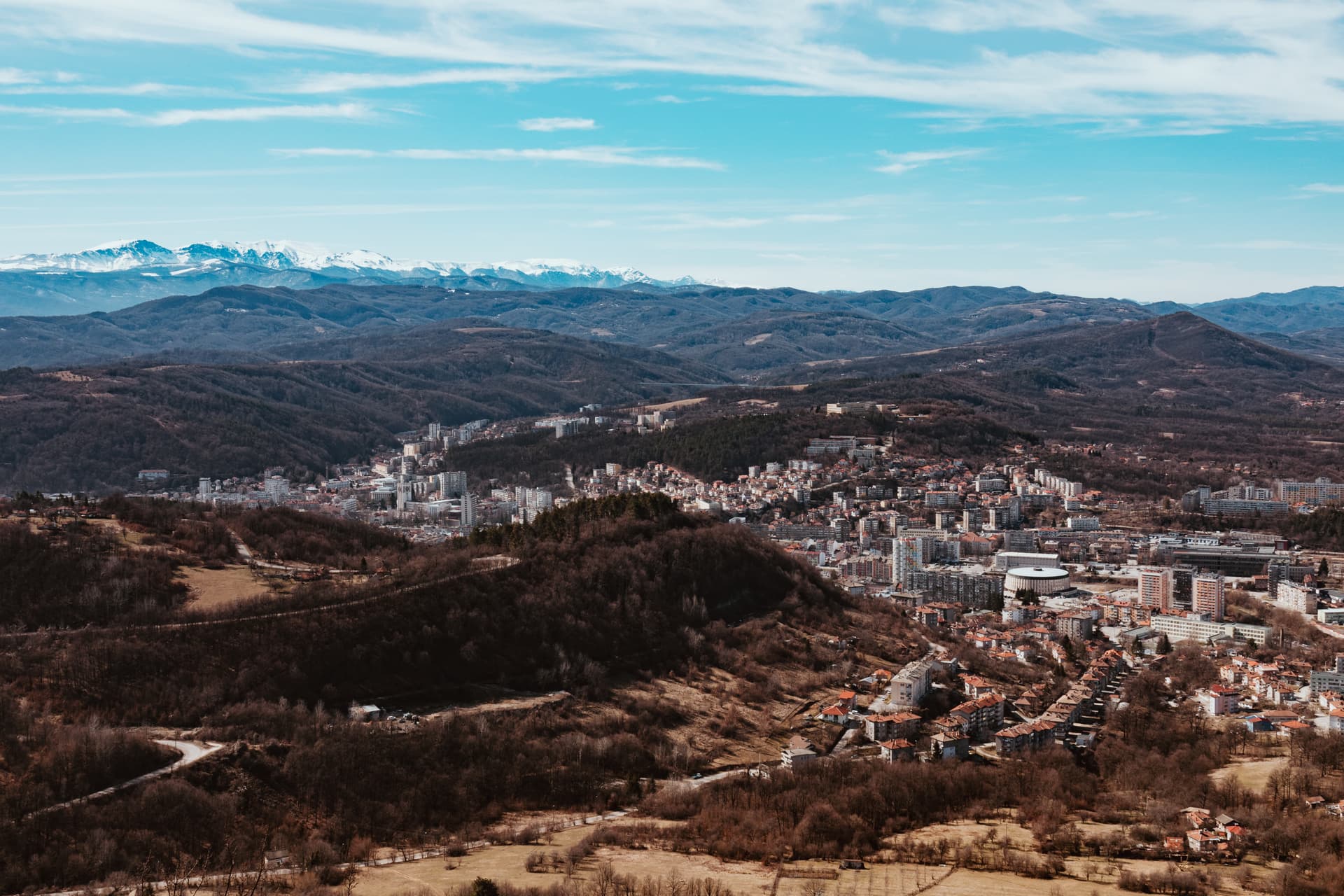
Beyond its historical weight, the pass is an essential scenic drive across Central Bulgaria. This guide covers how to experience Shipka as a mountain crossing — including key sights along the road and attractions on both sides of the Balkan range.
🗺️ Location & Distances
| From | Distance | Driving time |
|---|---|---|
| Kazanlak | ~25 km | ~35 min |
| Shipka (town) | ~13 km | ~20 min |
| Gabrovo | ~25 km | ~35 min |
| Buzludzha | ~12 km | ~25 min |
| Veliko Tarnovo | ~75 km | ~1 h 20 min |
The road climbs steeply from both valleys through tight switchbacks. While paved and well-maintained year-round, it is a genuine mountain pass — consult our Bulgaria driving and car rental guide for information on vignettes, driving etiquette, and winter road regulations.
⚔️ The Historic Battle of 1877
In 1877, Allied Russian troops and Bulgarian volunteer units (opalchentsi) captured the pass and received orders to hold it at all costs. Through August, a vastly superior Ottoman army led by Suleiman Pasha launched relentless, bloody assaults against the ridge. The defenders held firm — legend holds that when ammunition ran out, soldiers resorted to throwing rocks, trees, and heavy debris down the slopes.
When winter arrived, troops endured months on the frozen ridge in deep snow, suffering severe losses from freezing conditions and illness.
By holding Shipka Pass, the defenders prevented Ottoman reinforcements from reaching the northern front, securing the decisive campaign that led to the Treaty of San Stefano and the rebirth of the Bulgarian state.
🗿 The Monument of Freedom on Shipka Peak
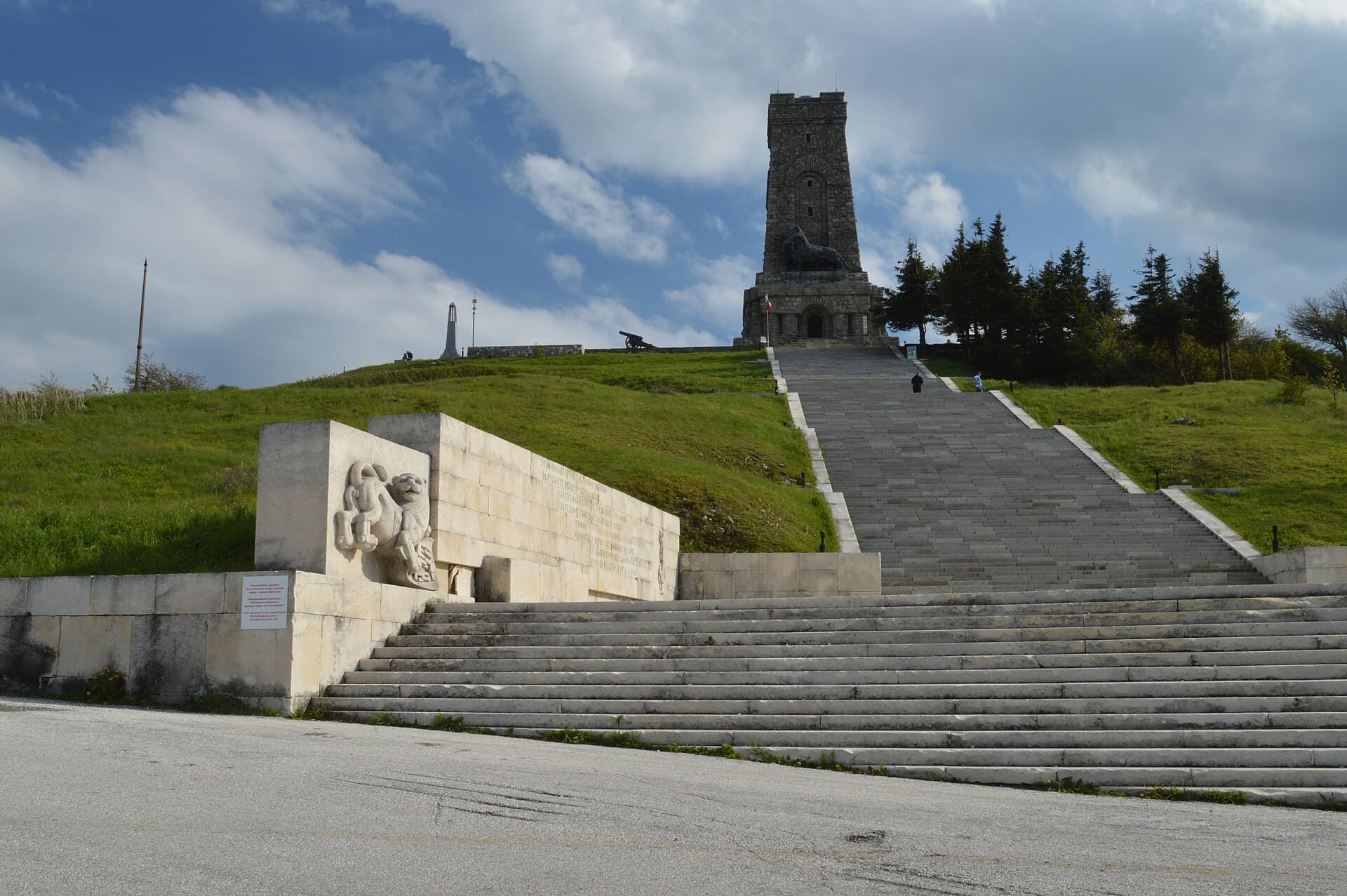
From the free car park at the pass, 890 stone steps ascend to the monument on Shipka Peak (historically Peak St. Nikola). If the climb is too much, an asphalt road also leads almost to the top.

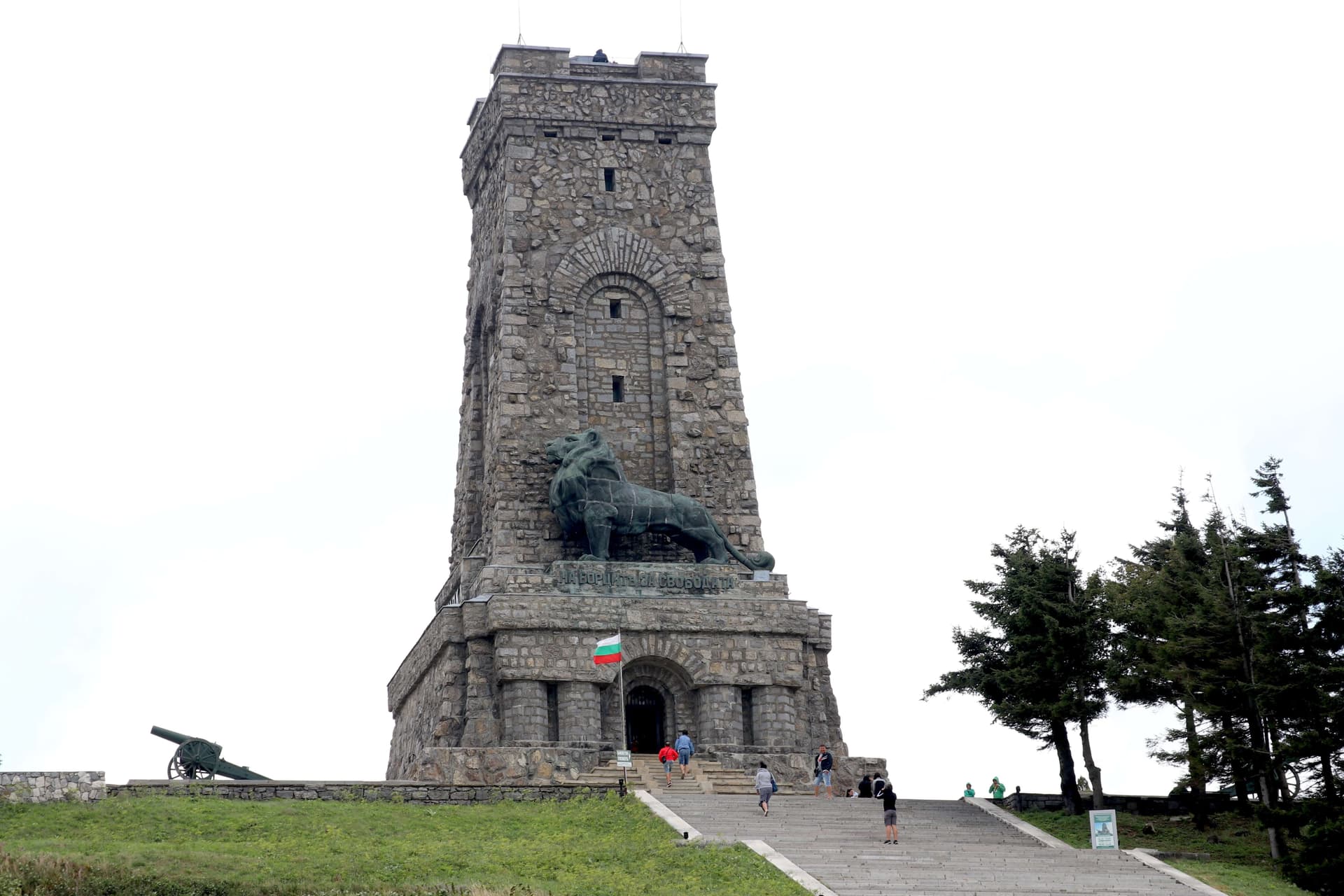
Opened in 1934, the stone tower stands 31.5 metres tall, guarded by a massive bronze lion above its entrance. Inside, a multi-storey museum exhibits battle relics, medals, personal belongings and weapons, while a marble sarcophagus on the ground floor holds the remains of fallen defenders. From the top platform, visitors are rewarded with a sweeping 360-degree panorama over the Balkan Mountains and the Rose Valley below.
Closed for restoration until 2029: On 3 September 2026 the monument closed for a full restoration — facade, interior, lead roofing and new building systems. Work runs from April to October each year and is due to finish around the end of August 2029. The interior, the museum and the viewing platform are shut, and the exhibition has been moved to storage; a new permanent display, "Shipka Epic", will open with the monument. The grounds around the tower remain open, with safety restrictions while work is under way.
Expect the climb up the steps to take 20 to 30 minutes at a steady pace. Carry water in summer as the path is unshaded, and watch for icy conditions during winter months.
Weather Tip: Mountain weather on the ridge changes rapidly. Clear skies in the valley below do not guarantee clear views at the peak, as dense fog can roll over the summit within minutes.
⛪ The Shipka Memorial Church
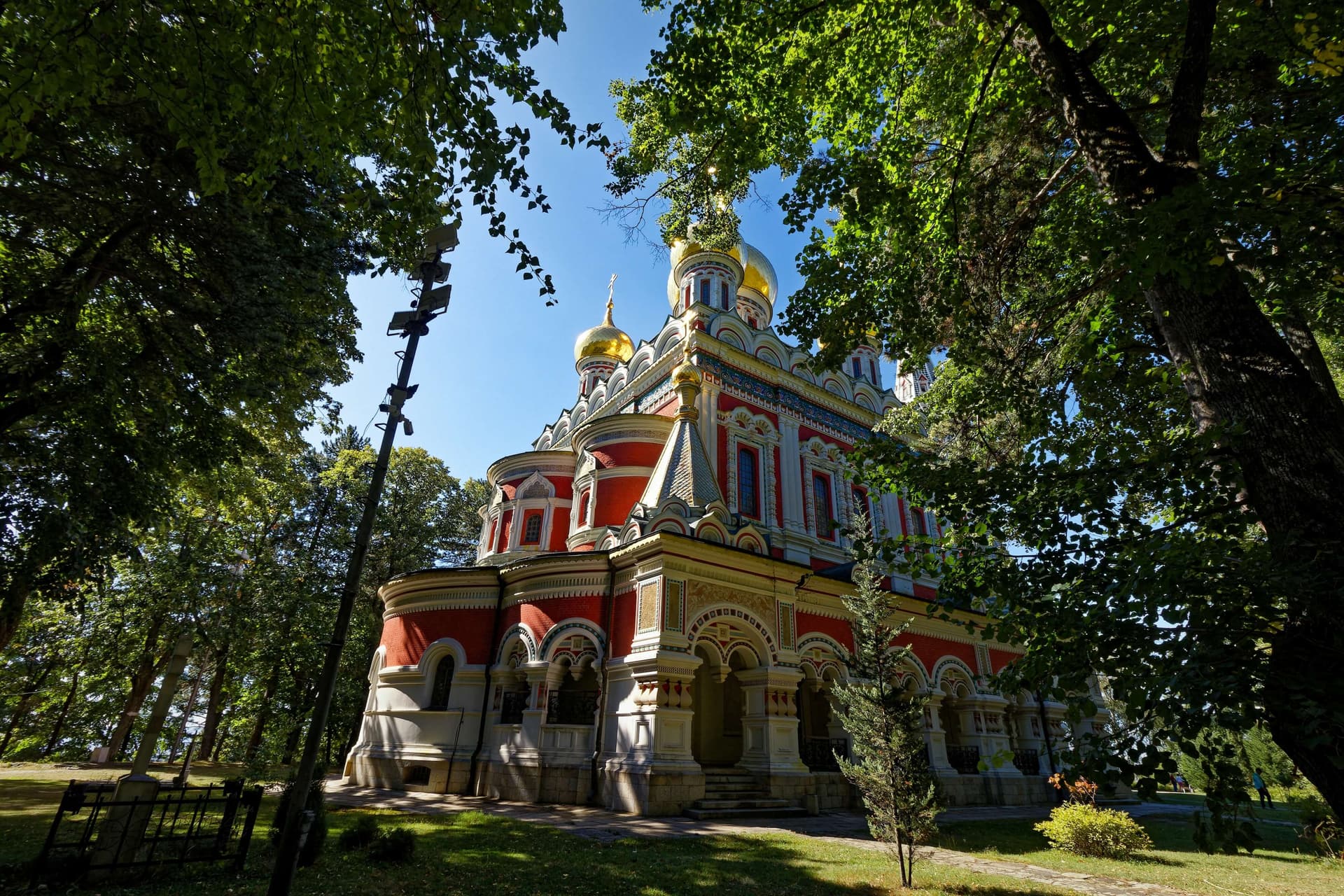
At the southern base of the pass, located in the village of Shipka, stands the stunning Nativity of Christ Memorial Church.
Built between 1885 and 1902 in the traditional Russian Revival style, its brilliant gold-plated domes gleam against the green mountain backdrop and can be seen from miles across the valley.
Two remarkable details highlight its memorial purpose:
- The church’s 17 heavy bells were cast partly from spent artillery shells and cartridge cases collected from the battlefield above.
- The crypt beneath the church houses 17 stone sarcophagi containing the bones of fallen soldiers.
Visiting: entry to the church and the crypt is free, and it is open every day, 07:30–17:00, with no day off. The car park by the church costs €1 (checked on site, September 2026).
Visiting the memorial church after descending the pass offers a fitting completion to the historical tour. Learn more about the surrounding region in our Kazanlak and Rose Valley travel guide.
🛸 Buzludzha Monument Along the Ridge
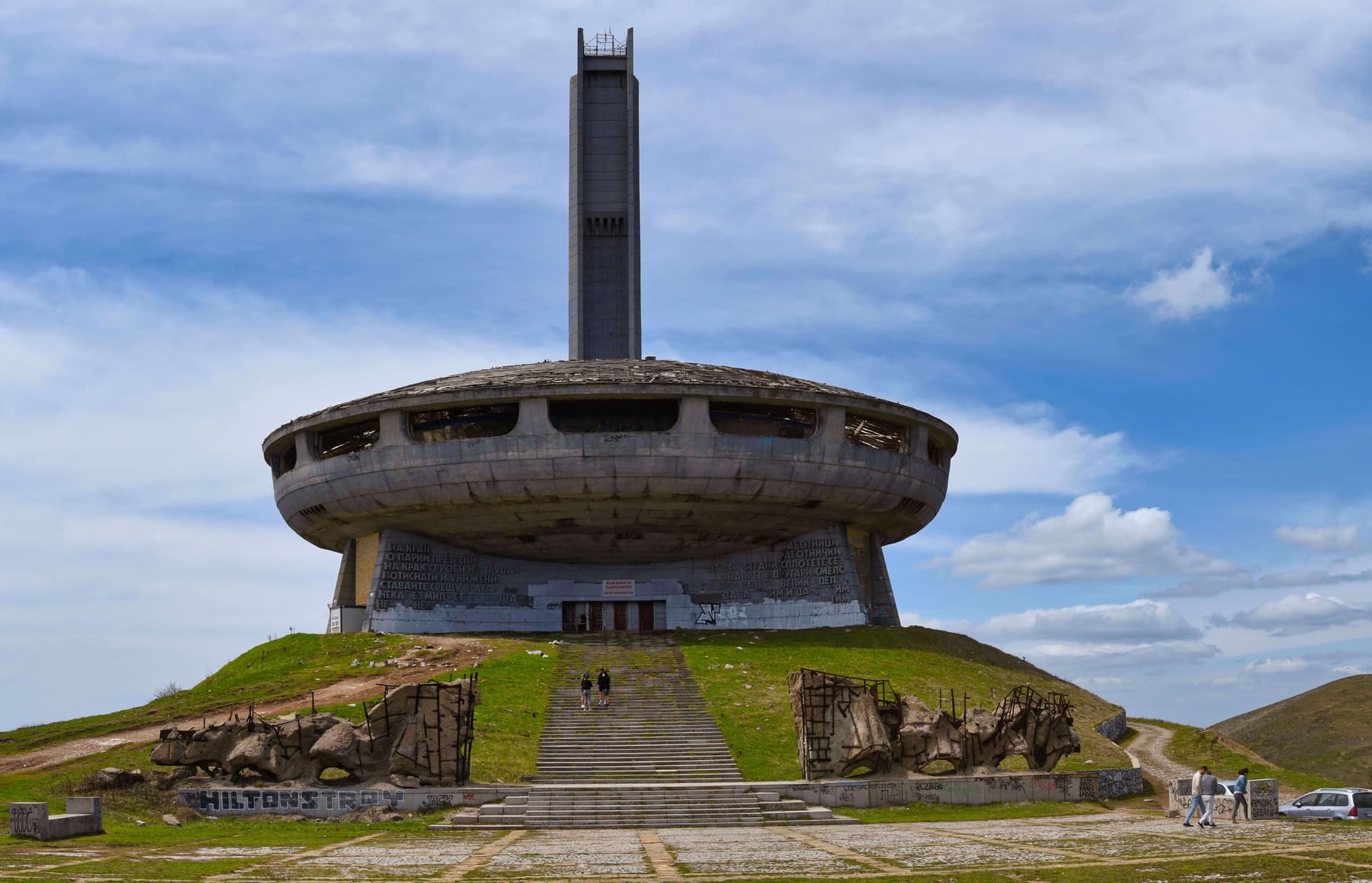
Just 12 km east along the mountain ridge from Shipka Pass sits the iconic, abandoned Buzludzha Monument — a giant concrete saucer constructed in 1981 by the communist regime.
The ridge road from the pass is asphalt, but it has not been resurfaced in many years and is full of large potholes. Drive it very slowly, or reach Buzludzha from Kazanlak instead, on a good, maintained road.
Combining Shipka and Buzludzha into a single day trip creates a fascinating historical contrast: two dramatic monuments built a century apart on the same mountain ridge by two vastly different eras. Read our complete Buzludzha Monument guide for details on access and current preservation status.
🧭 Choosing Which Side to Base Yourself On
Shipka Pass serves as the geographical hinge between two distinct travel destinations:
- South Side — The Rose Valley & Thracian Heritage: Kazanlak lies just 12 km from the town of Shipka, offering access to rose oil distilleries, the annual June Rose Festival, and the UNESCO-listed tombs in the Valley of the Thracian Kings.
- North Side — Craft Towns & Revival Architecture: Across the pass lie Gabrovo (~25 km), the Etar Open-Air Museum, Tryavna, Bozhentsi, and Dryanovo Monastery.
The pass, the monument grounds and the Memorial Church fill half a day; add Buzludzha or Kazanlak for a full one. If you have two days, consider staying on one side and driving across the pass to explore the other.
🗓️ Best Time to Visit
- Late Spring to Early Autumn (May – September): The best weather for driving the pass and climbing the 890 steps. Early June is particularly special due to the Rose Festival in Kazanlak.
- Autumn (October): The dense beech forests blanketing both sides of the pass transform into rich shades of gold and red (see our autumn in Bulgaria guide).
- Winter (November – March): Highly atmospheric, but requires winter tyres and careful driving due to potential ice, snow, and fog.
Cross the historic mountain pass, climb to the Monument of Freedom, and plan your journey through Central Bulgaria with Mestala.com.
Latest prices as of October 2026 — fees change, so check before you travel.
This guide covers 6 places
Want more Mestala in your Google results?
Add mestala.com as a preferred source and our guides will show up more often when you search. Requires a Google account.
Frequently Asked Questions
Where is the Shipka Pass and what does it connect?▾
The Shipka Pass crosses the main ridge of the Balkan Mountains at an elevation of about 1,190 metres. It connects the town of Gabrovo on the northern side with Kazanlak and the Rose Valley to the south.
How many steps lead up to the Monument of Freedom?▾
There are 890 stone steps leading from the pass road to the Monument of Freedom on Shipka Peak (historically Peak St. Nikola). The stone tower stands 31.5 metres high and normally houses a museum and a panoramic viewing platform, but it is closed for restoration from September 2026 until 2029; the grounds around it remain open.
What happened at Shipka Pass in 1877?▾
During the Russo-Turkish War (1877–1878), Russian soldiers and Bulgarian volunteer forces (opalchentsi) successfully defended the pass against overwhelming Ottoman forces under Suleiman Pasha, securing a pivotal victory that paved the way for Bulgarian independence.
What is the Shipka Memorial Church?▾
Located in the town of Shipka at the southern base of the pass, the Nativity of Christ Memorial Church was built between 1885 and 1902 in Russian Revival style. Its gold-plated domes are visible from miles away, its bells were cast partly from spent cartridge cases, and its crypt holds the remains of fallen soldiers. Entry to the church and the crypt is free, every day 07:30–17:00.
Can you drive the Shipka Pass in winter?▾
Yes, the pass road is cleared and maintained year-round. However, as a high mountain pass, it frequently experiences fog, ice, and heavy snow between November and March. Winter tires are legally required in Bulgaria from November 15 to March 1.
What attractions can be combined with a trip to Shipka?▾
Nearby highlights include the Buzludzha Monument (12 km along the ridge, on a badly potholed road), Kazanlak and the Thracian Tombs to the south, and Gabrovo, the Etar Open-Air Museum, and Tryavna to the north.
You might be interested in
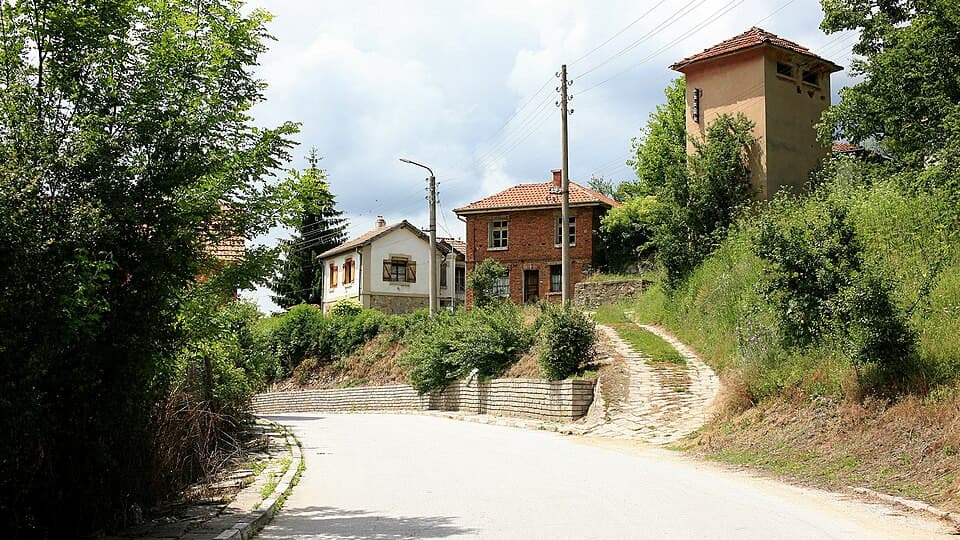
Svezhen: The Emptied Revival Village in Sredna Gora
A guide to Svezhen — the architectural reserve above Brezovo: how to get there, the road, the museums and their opening hours, the hut, autumn hiking and where to stay.
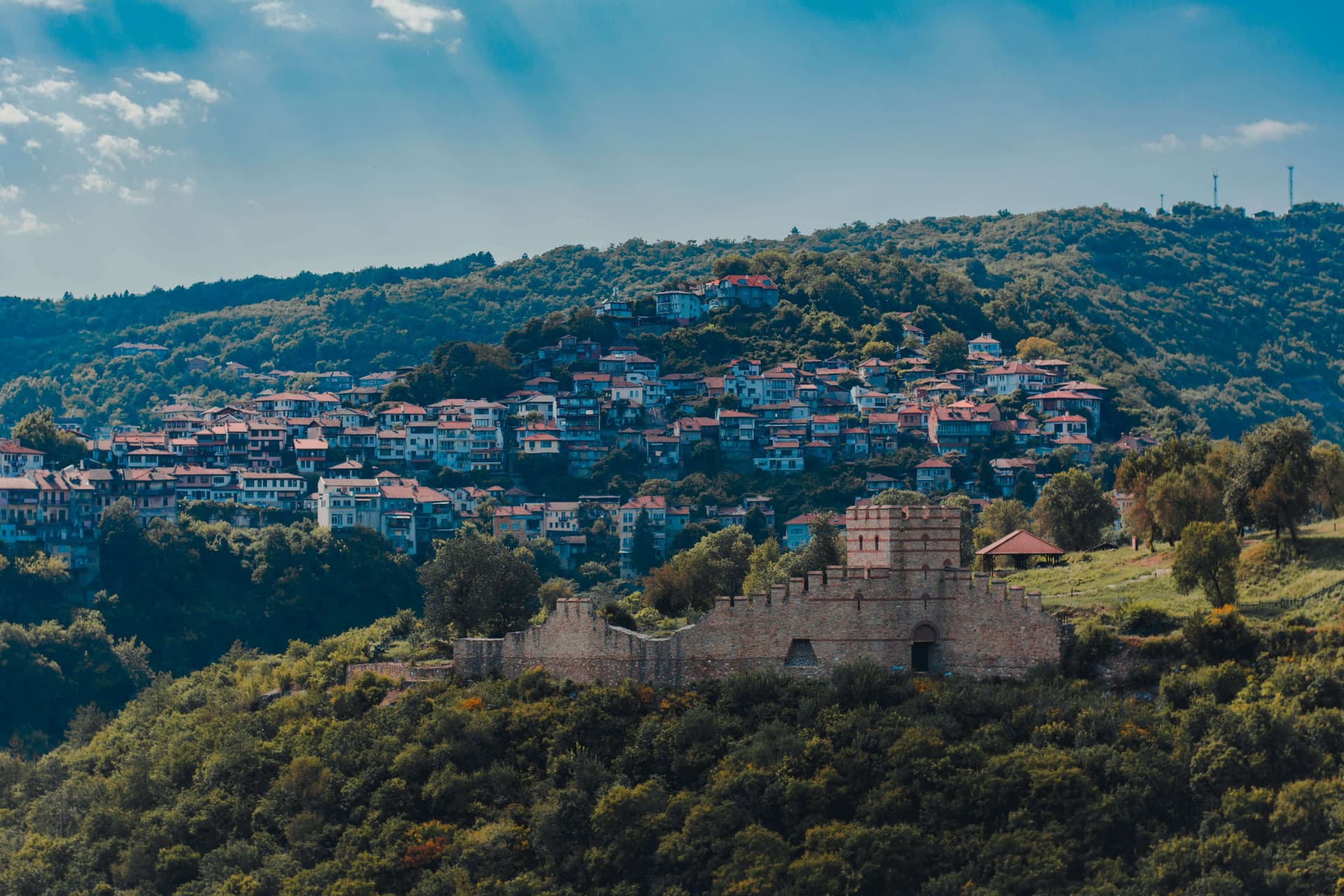
The Central Balkan Road Trip: Veliko Tarnovo to the Rose Valley
A complete 4-day driving itinerary across the Balkan Mountains: Veliko Tarnovo, Dryanovo, Tryavna, Bozhentsi, Etar, Gabrovo, Shipka Pass, and Kazanlak.
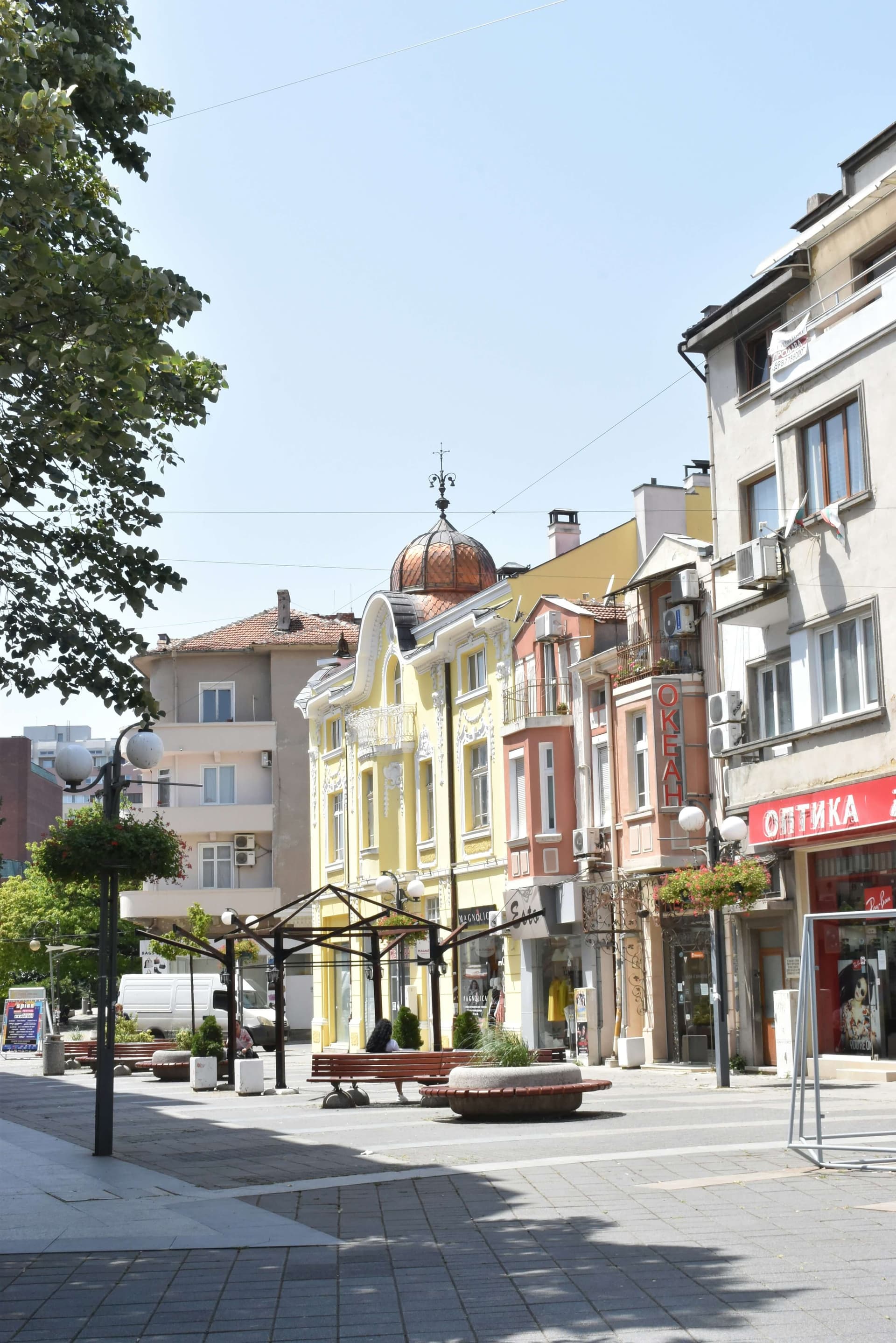
Where to Eat in Burgas: Best Areas, Seafood & Prices
A complete food guide to Burgas by area: the Sea Garden promenade, the pedestrian center, Krasnodar market, authentic Black Sea seafood, prices, and late-night tips.
Central Balkan National Park: Bulgaria's Wildest Reserve
A guide to Central Balkan National Park: its nine strict reserves, the UNESCO-listed primeval beech forests of Boatin and Tsarichina, the Dzhendema cliffs, bears and wolves, and which town to enter from.