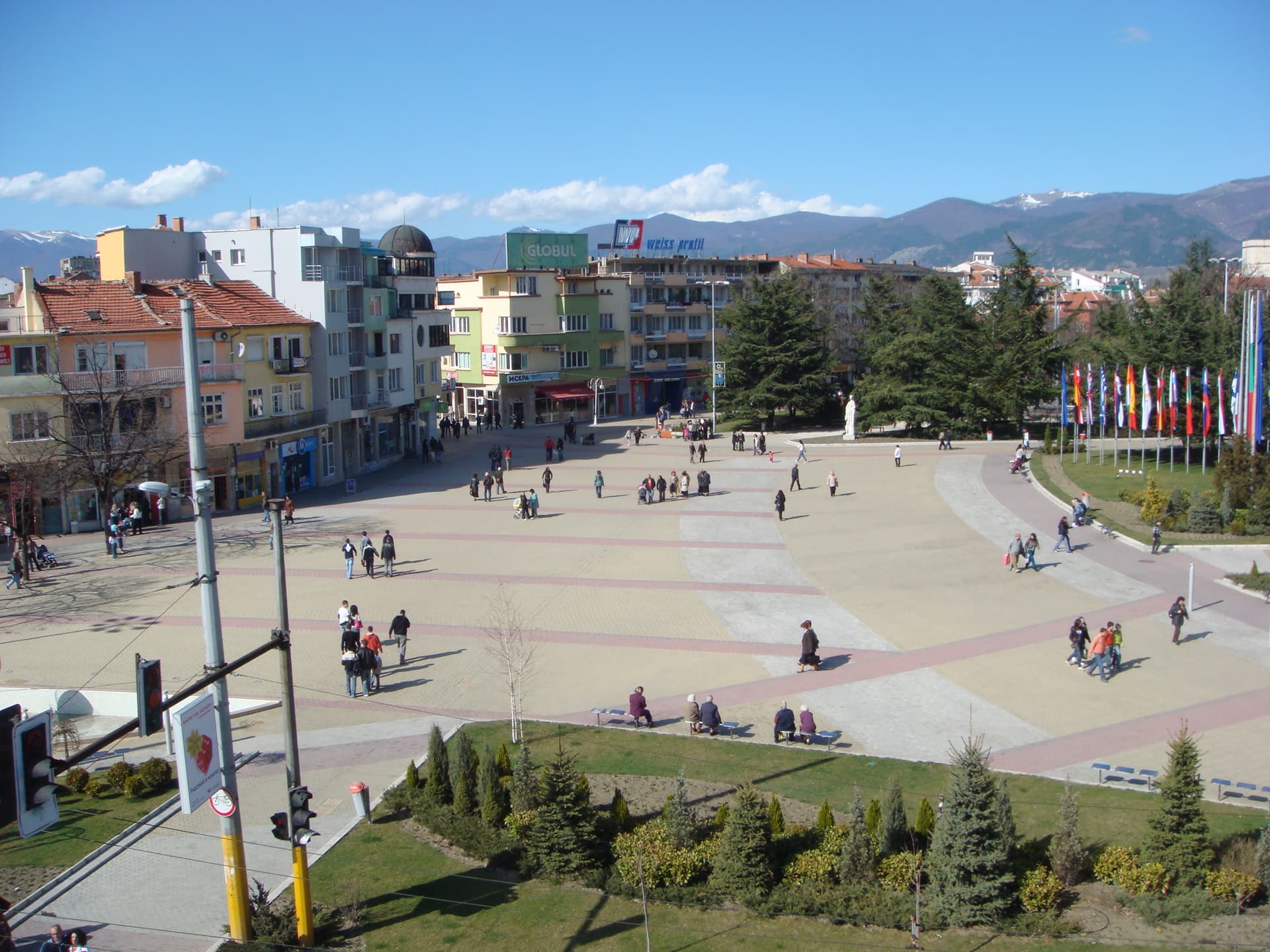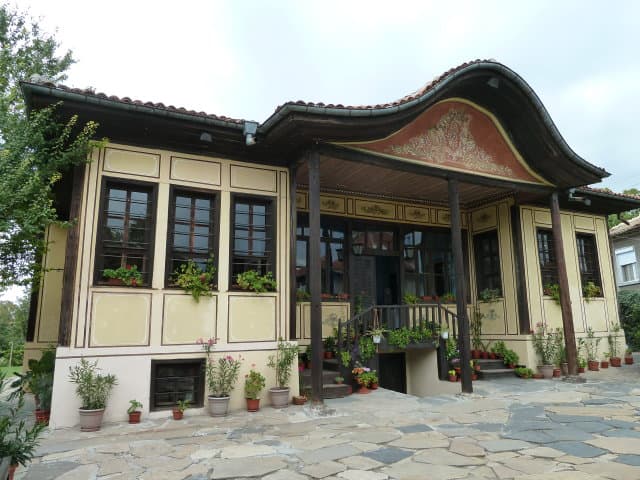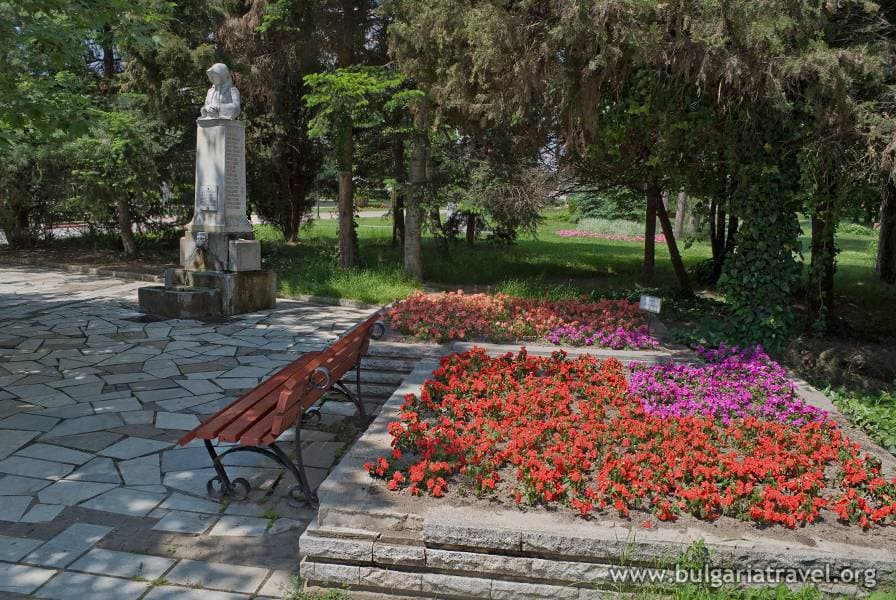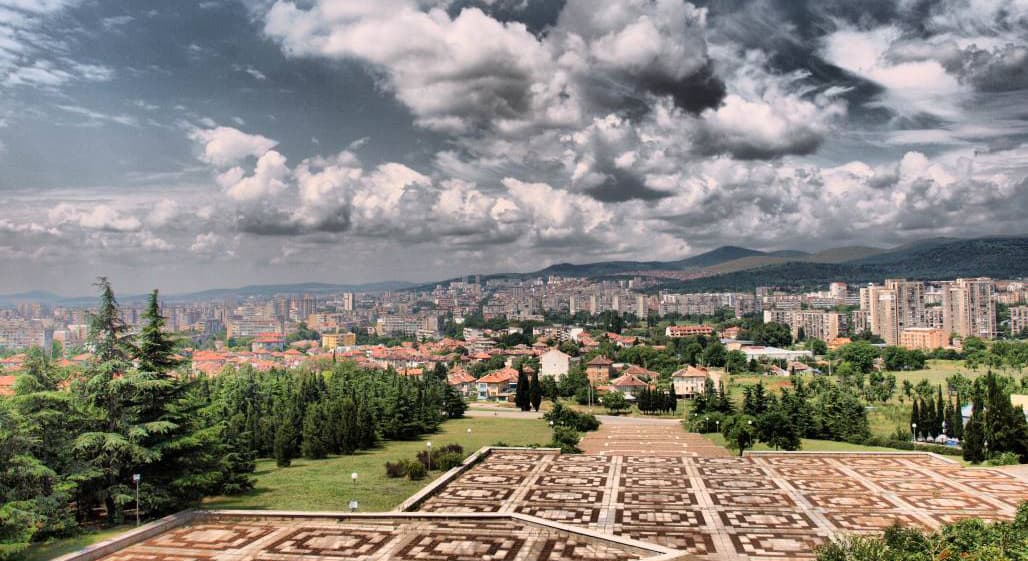
Shipka is an iconic, small mountainous town situated in Southern Bulgaria, positioned within the administrative boundaries of the Kazanlak Municipality and Stara Zagora Province. The town commands an exceptionally vital geographical and strategic location, nestled directly at the southern foothills of the majestic Balkan Mountain Range (Stara Planina), right at the gateway to the historic Shipka Pass. The settlement rises to an average altitude of 650 meters above sea level and positions at a baseline distance of 12 kilometers north of the municipal center, the city of Kazanlak. According to official records provided by the National Statistical Institute, as of December 31, 2025, the town accommodates a population of exactly 1121 residents. Today, the economy and layout of Shipka are profoundly linked to its rich cultural heritage, international travel industries, and the memory of national Liberation.
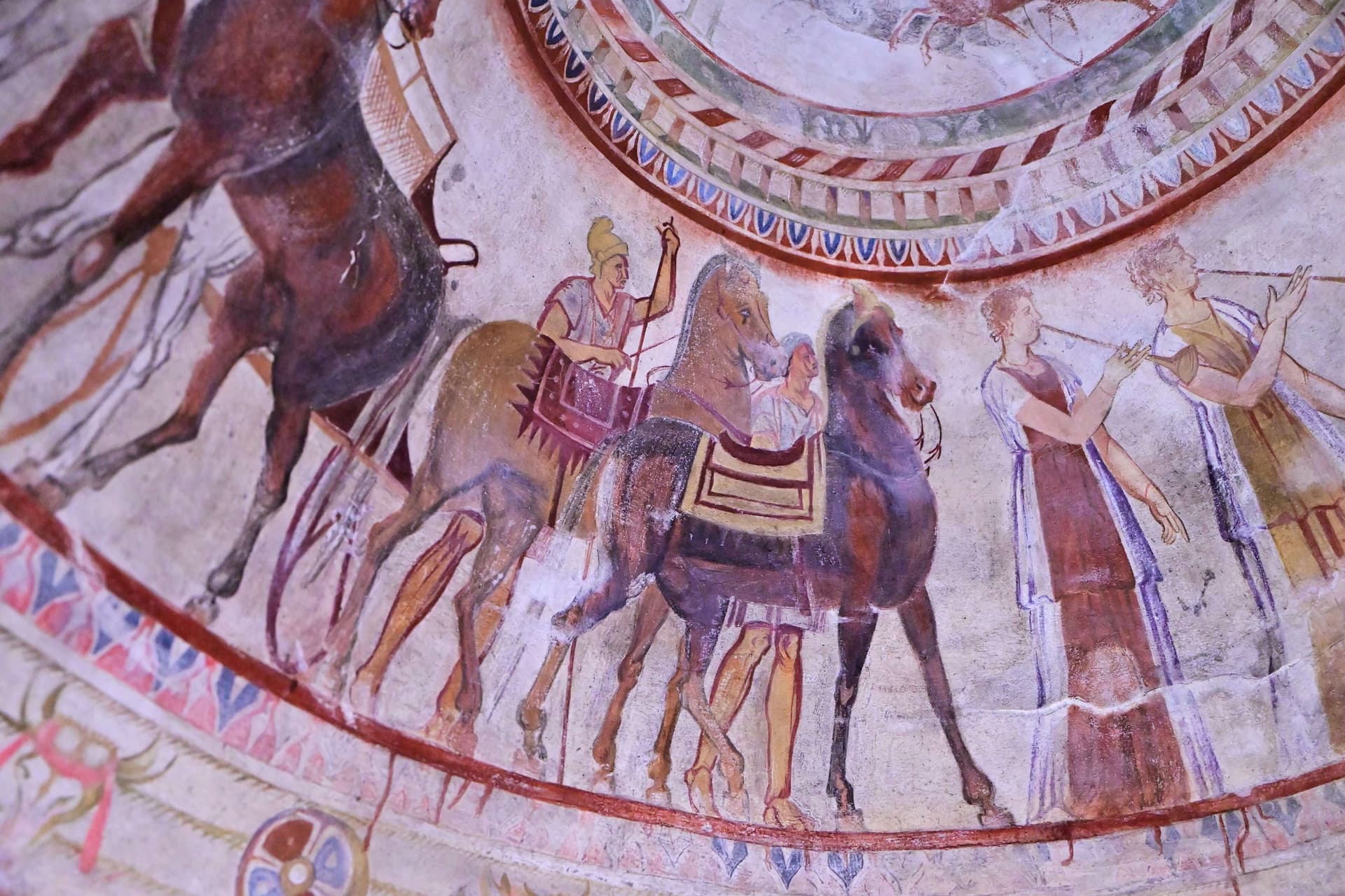
The historical roots defining the settlement date back to deep antiquity, with organized human civilization verified within the district since the timeline spanning the 11th and 6th centuries BC. Throughout that epoch, the Bulgarian territories were densely populated by the powerful Thracian tribes. The subsequent historical era covering the 6th and 2nd centuries BC is classified by contemporary science as a period of absolute prosperity for Thracian culture, statehood, and architecture.
In immediate proximity and across the broader territory surrounding Shipka, Kazanlak, and adjacent settlements, archaeologists have exposed dozens of monumental structures, tombs, and shrines, formatting the region as the world-renowned Valley of the Thracian Rulers. During the 1st century AD, the Thracian territories and native populations were definitively subjugated by the powerful Roman Empire, which integrated the strategic pass into its developed trans-Alpine military and communication road network.
Following the absolute fall of Bulgaria under Ottoman rule at the close of the 14th century, specifically in 1396, the settlement framework at the base of the mountains was modified. The contemporary settlement of Shipka was engineered by the authorities holding the specialized status of a derventdzhic village, whose primary and vital objective was the continuous armed security, maintenance, and safe escort of caravans traversing the dangerous mountain pass.
Due to its independent spirit and strategic alignment, throughout the five centuries of Ottoman dominance, Shipka was burned and leveled to the ground a total of three times by Ottoman military forces. As a consequence of these violent destructions and massacres, large waves of the local Bulgarian population were forced to flee to preserve their lives:
Inside the modern history of Bulgaria, the name of Shipka remains recorded in golden letters as the absolute symbol of national resurrection. During the Russo-Turkish Liberation War spanning 1877 and 1878, atop the high, rocky ridges of the Shipka Pass, whose precise contemporary geographical and topographical nomenclature is Mount Saint Nicholas, the most critical, severe, and fateful battles were fought. There, the Russian Imperial columns and the native Bulgarian Volunteer Corps successfully repelled the advancing Ottoman armies led by Suleiman Pasha, ultimate deciding the outcome of the war.
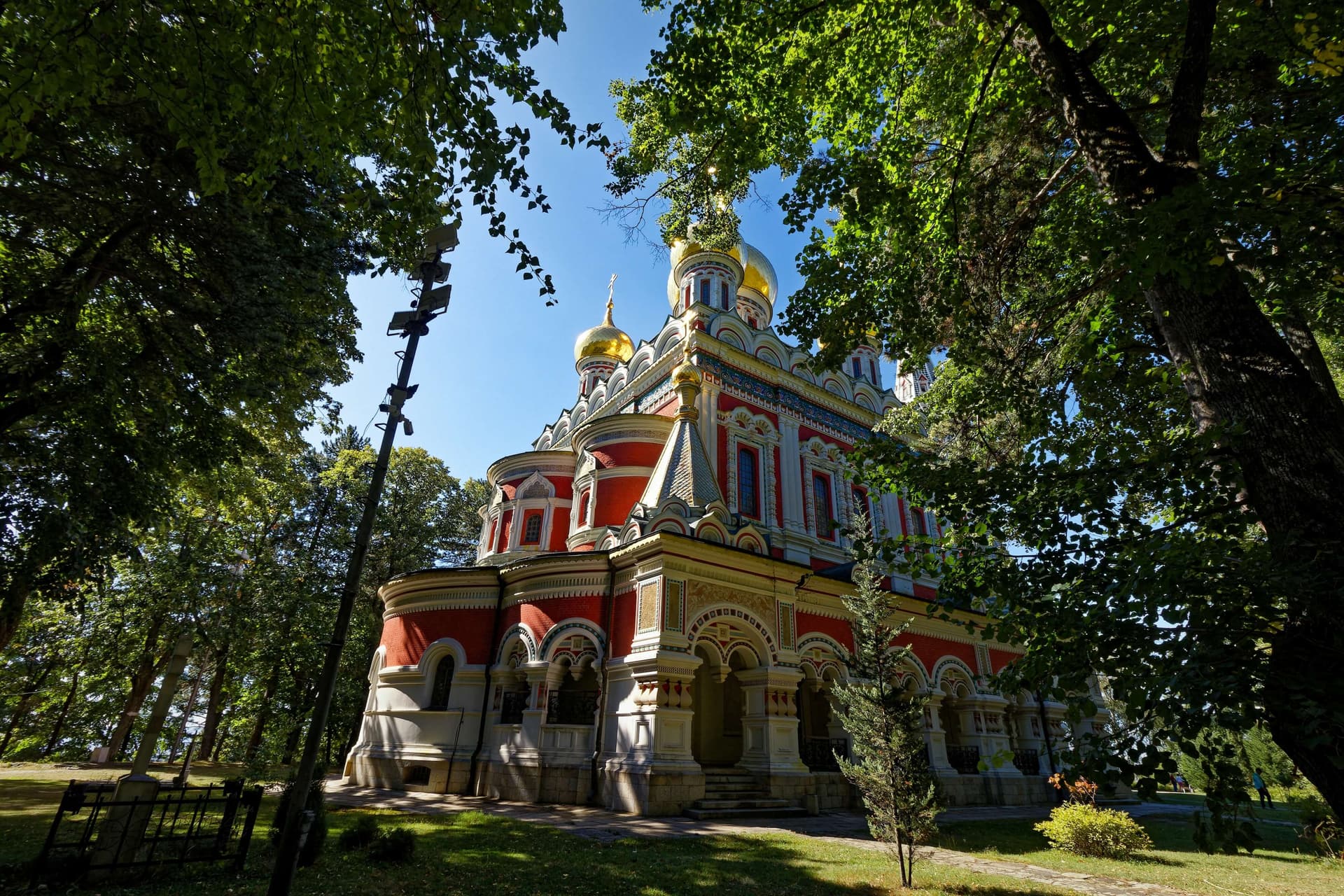
In permanent memory of the Russian soldiers and the self-sacrificing Bulgarian volunteers who laid down their lives for the freedom of the nation, the majestic Memorial Temple of the Birth of Christ, widely designated as the Shipka Monastery, was erected at the outskirts of the town. This unique Orthodox shrine stands out with its golden domes and opulent Russian-style architectural profile. Anchored inside the deep subterranean crypt of the church are marble sarcophagi safeguarding the skeletal remains of thousands of fallen heroes recovered from the battles on the ridge.
The citizens of Shipka continued to display robust patriotism throughout the subsequent century. Upon the outbreak of the Balkan War in 1912, three individuals born inside Shipka immediately enlisted as volunteers within the ranks of the Macedonian-Adrianopolitan Volunteer Corps, participating in combat operations against Ottoman forces across Thrace. Decades later, during the final years marking the governance of the Third Bulgarian Kingdom, the 478th Brannik detachment was officially registered and actively operational within the perimeter of the then-village.
To mark the occurrence of the centennial anniversary of the epic battles for freedom, the settlement was officially proclaimed a town by a formal state decree on August 23, 1977. This administrative modification was solemnly executed to commemorate 100 years since the Liberation of Bulgaria from Ottoman rule, marking the conversion of Shipka into a modern historical and cultural epicenter of the nation.
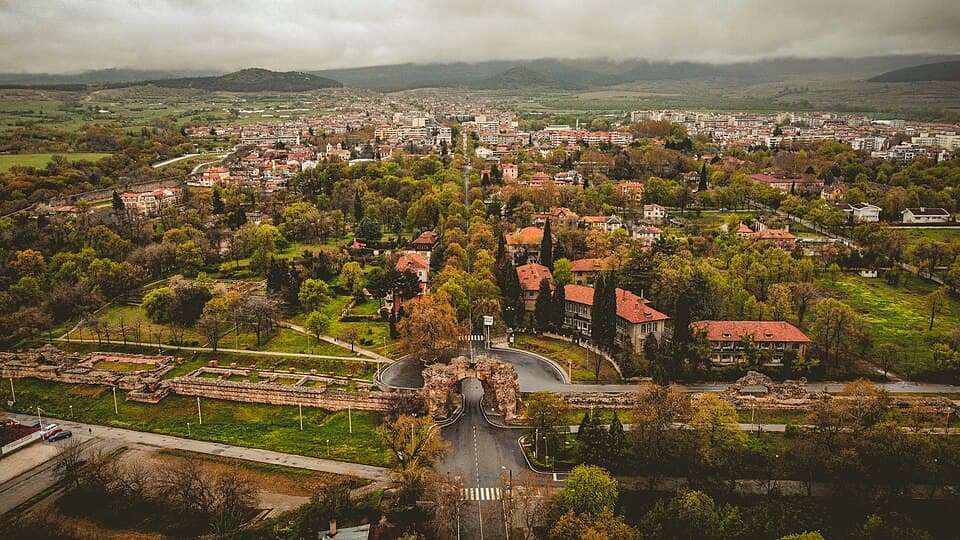
Hisarya or Pavel Banya for a spa weekend: Roman walls and mineral fountains, or a five-star spa base in the Rose Valley — tickets, parking, prices and which to pick.
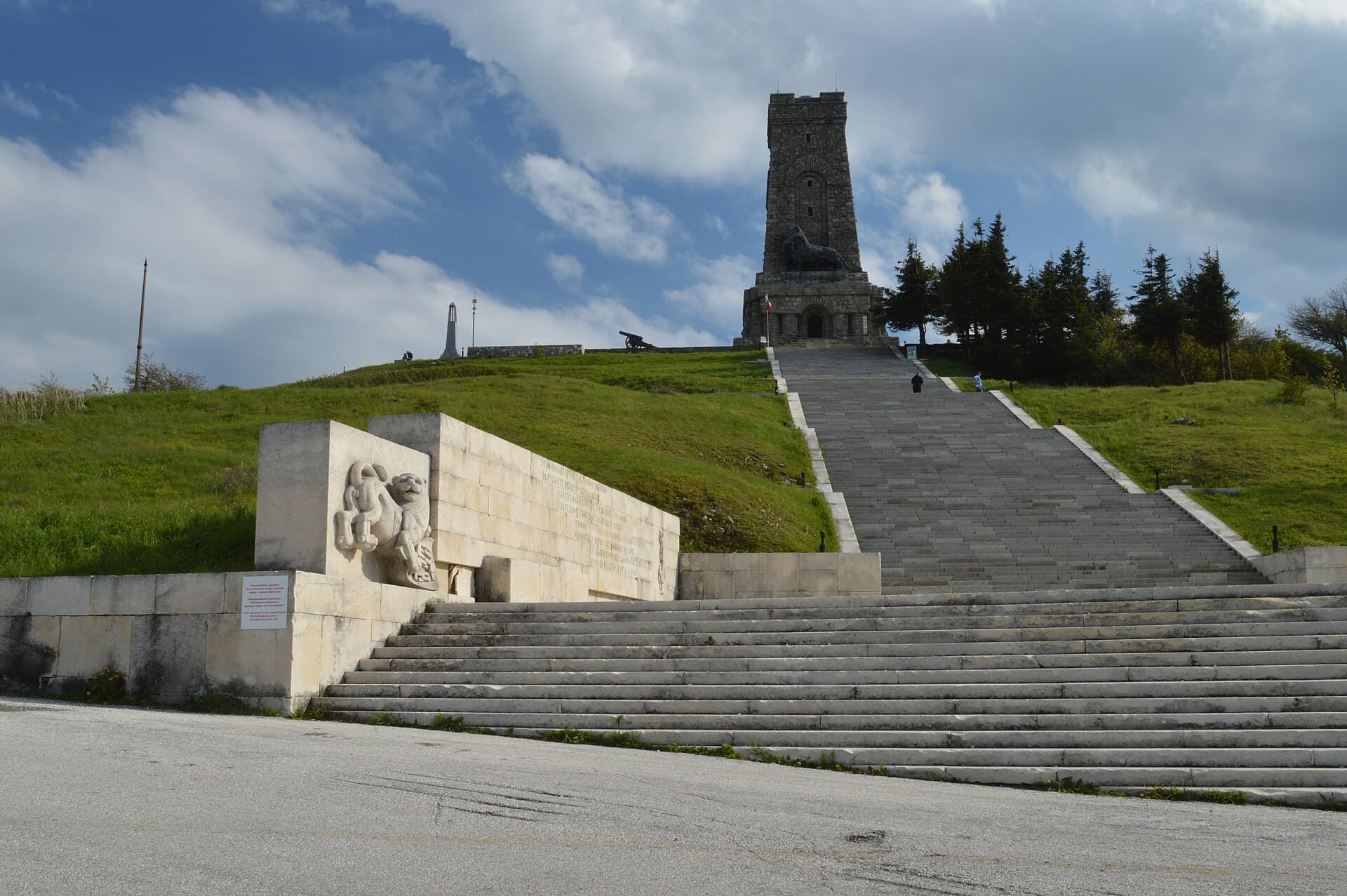
A complete guide to crossing the Shipka Pass: Climb the 890 steps to the Monument of Freedom, visit the gold-domed Shipka Memorial Church, and explore nearby Buzludzha.
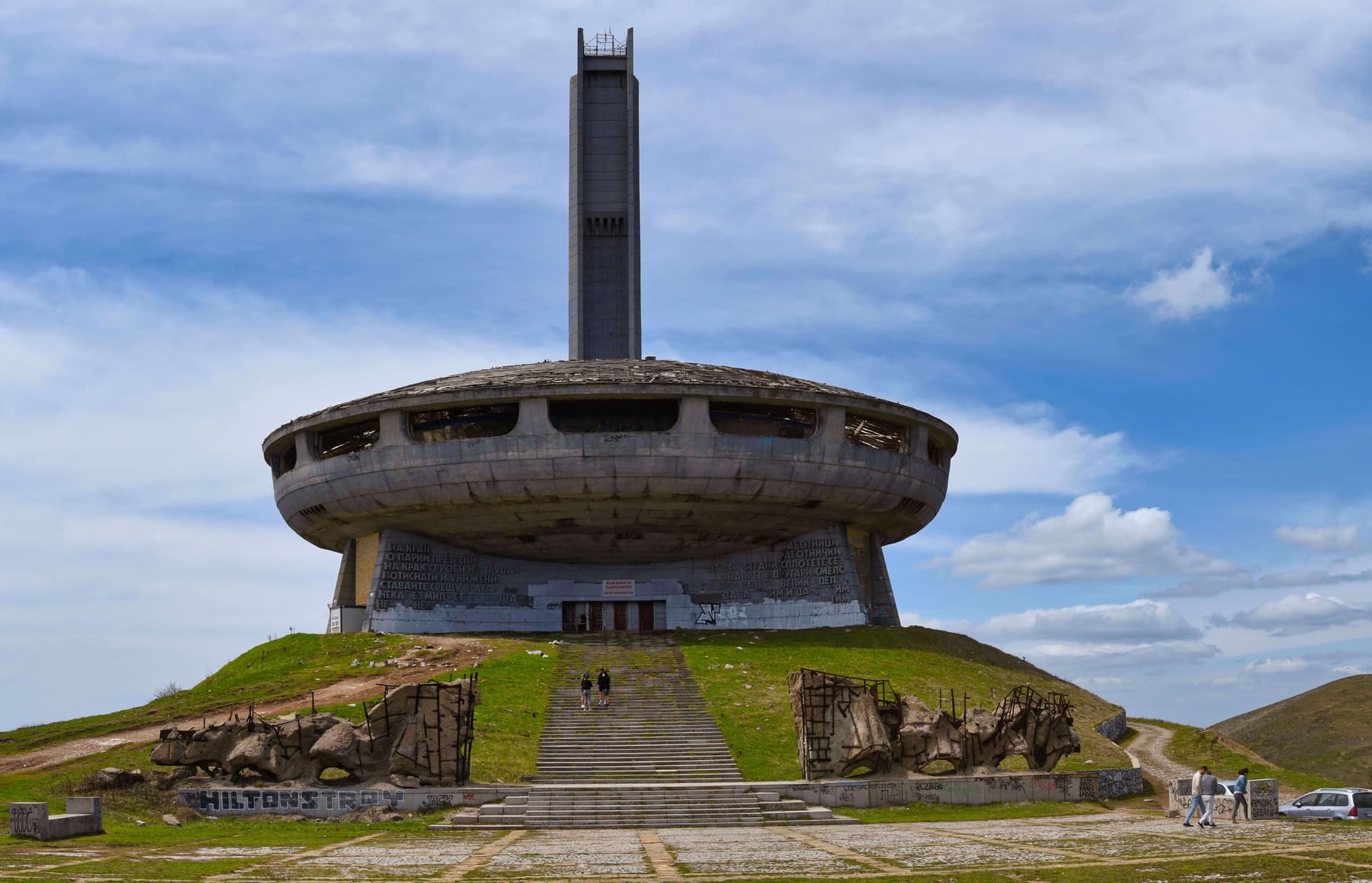
A guide to the Buzludzha Monument: what it is, how to get there, whether you can go inside, the mosaics, and the best time to visit Bulgaria's UFO landmark.
Shipka is located in Stara Zagora, Bulgaria.
Shipka is most easily reached by car. Use the coordinates above to navigate, or open the location in OpenStreetMap or your preferred maps app for turn-by-turn directions. Public transport options vary by region — for remote destinations a rental car gives the most flexibility.
Shipka can be visited year-round, but late spring (May–June) and early autumn (September–October) offer the most pleasant weather and fewer tourists. Summer is the busiest season; winter is the quietest, with shorter daylight and possible cold weather.
Bulgarian settlements typically reward unhurried walking — historic centres, churches and monasteries, local markets, and family-run restaurants serving regional dishes. Larger towns often have museums and seasonal cultural events. The local tourist information centre is a good first stop for current opening hours and what's on.