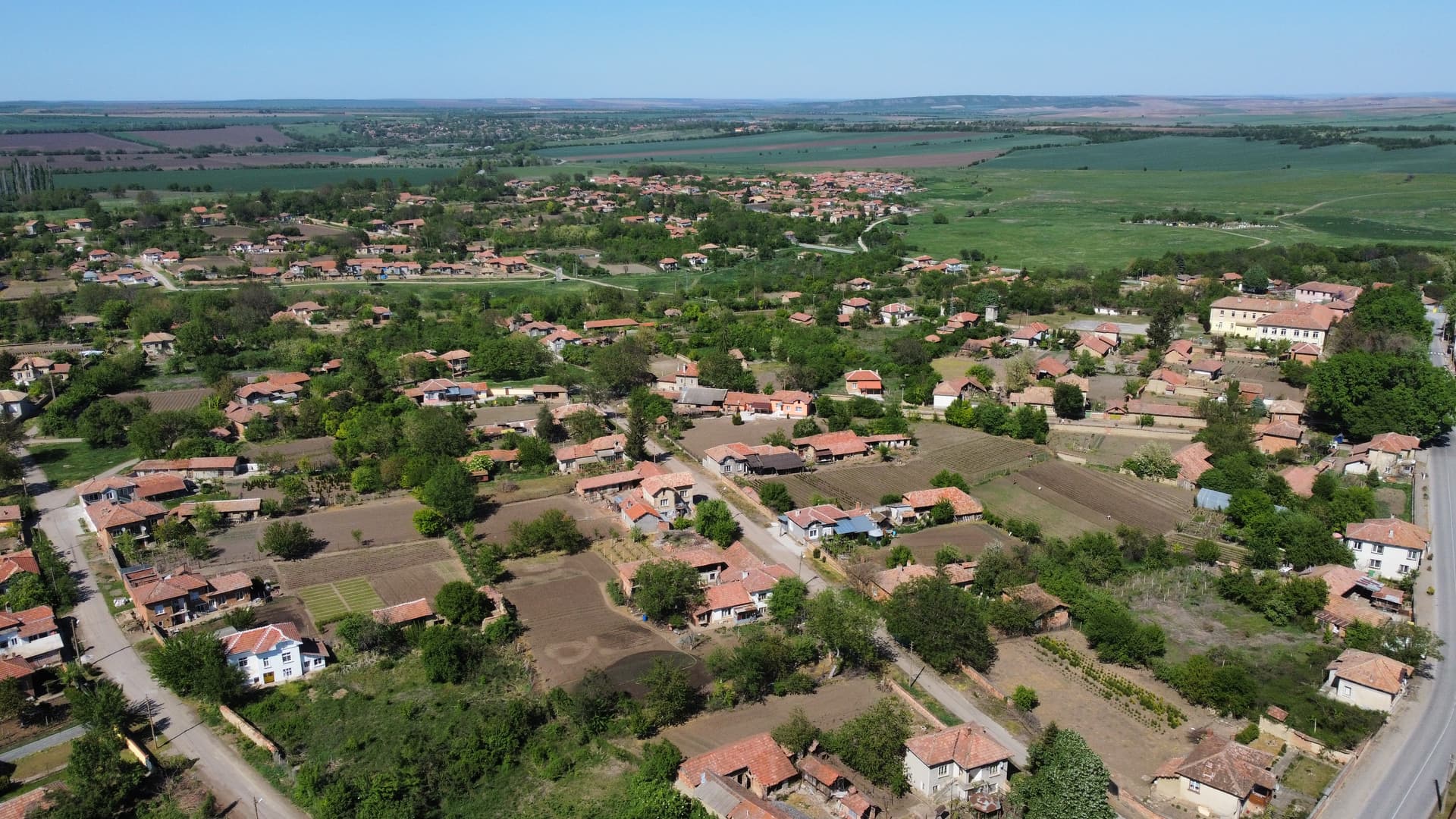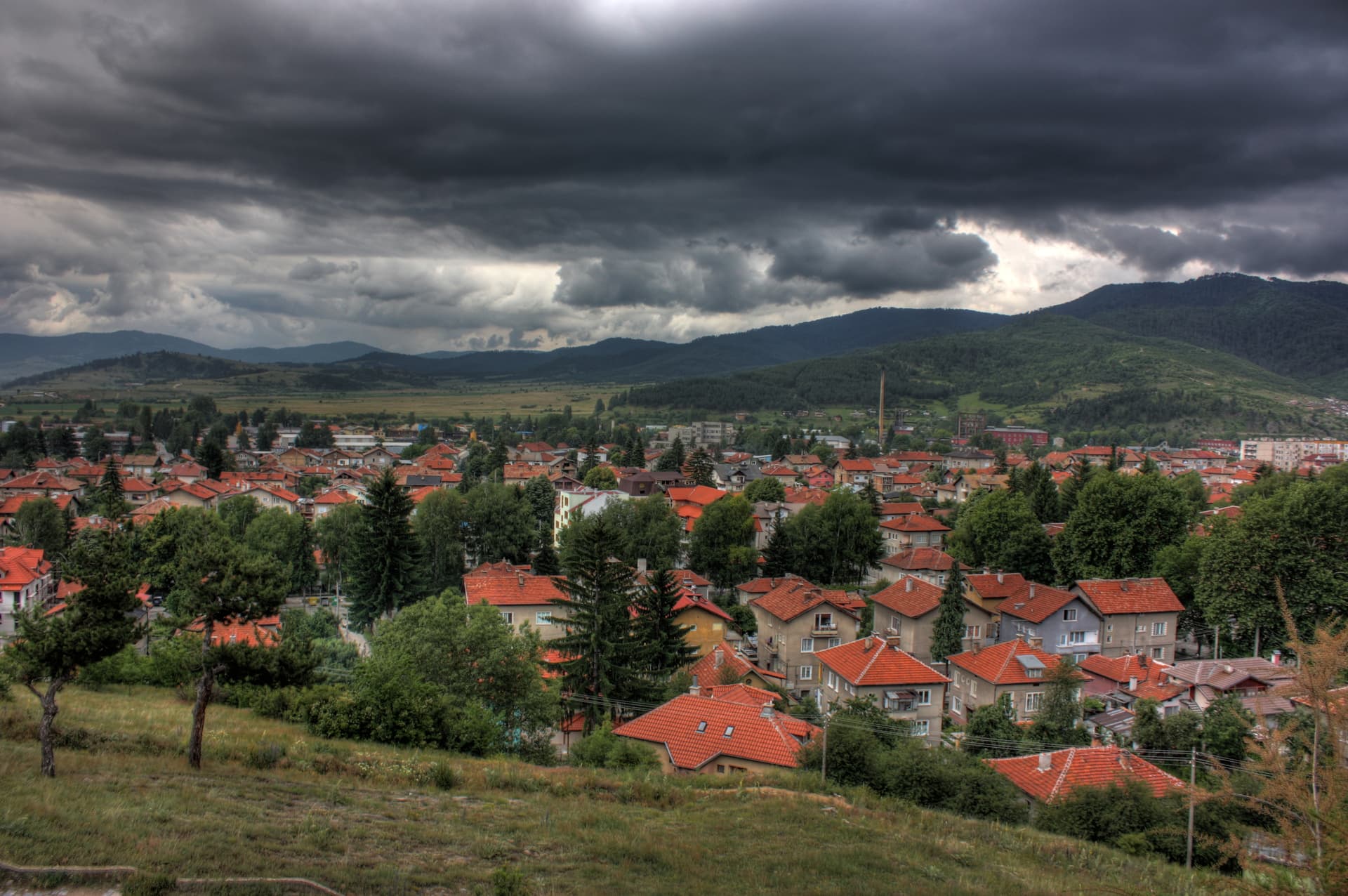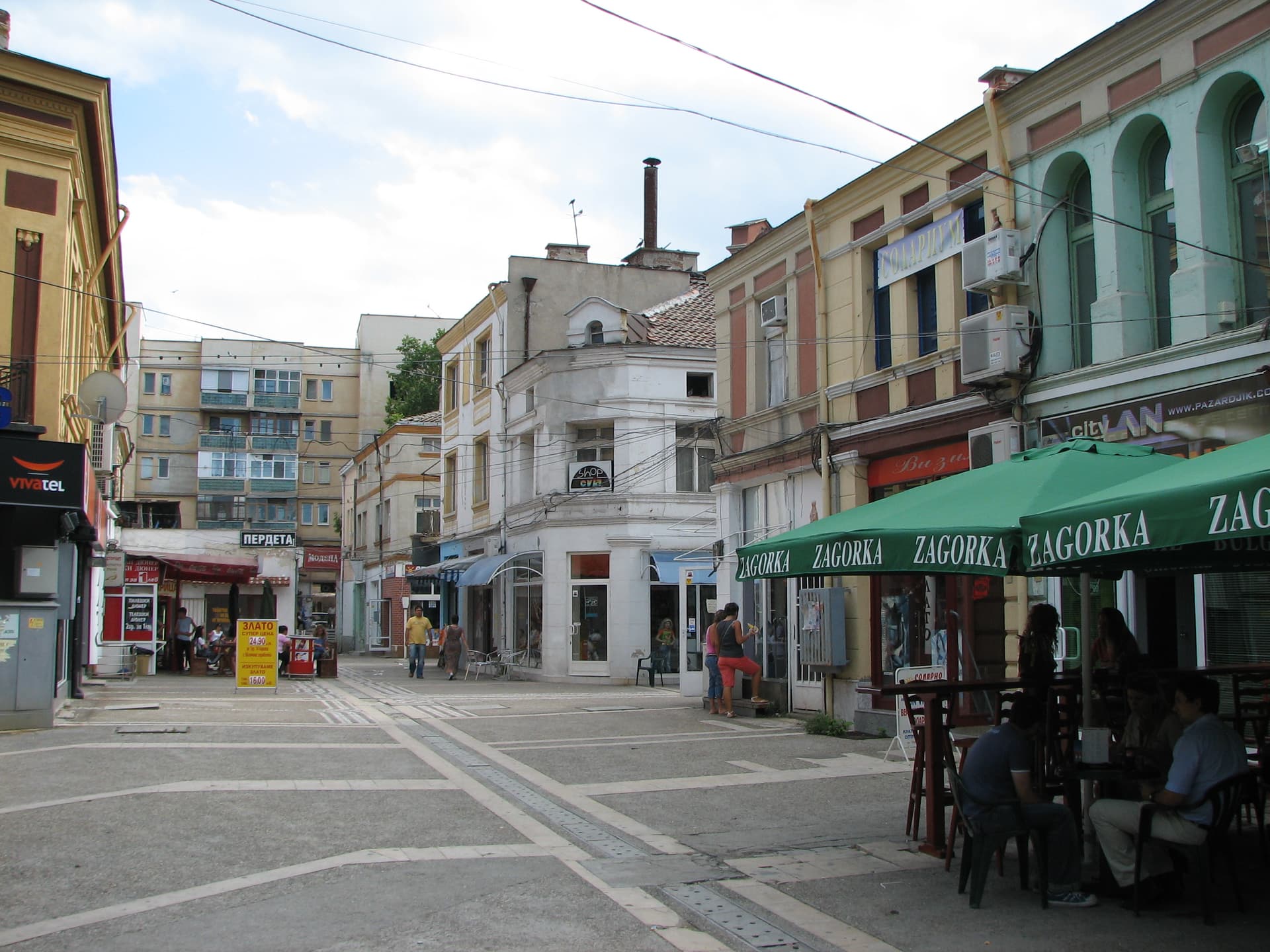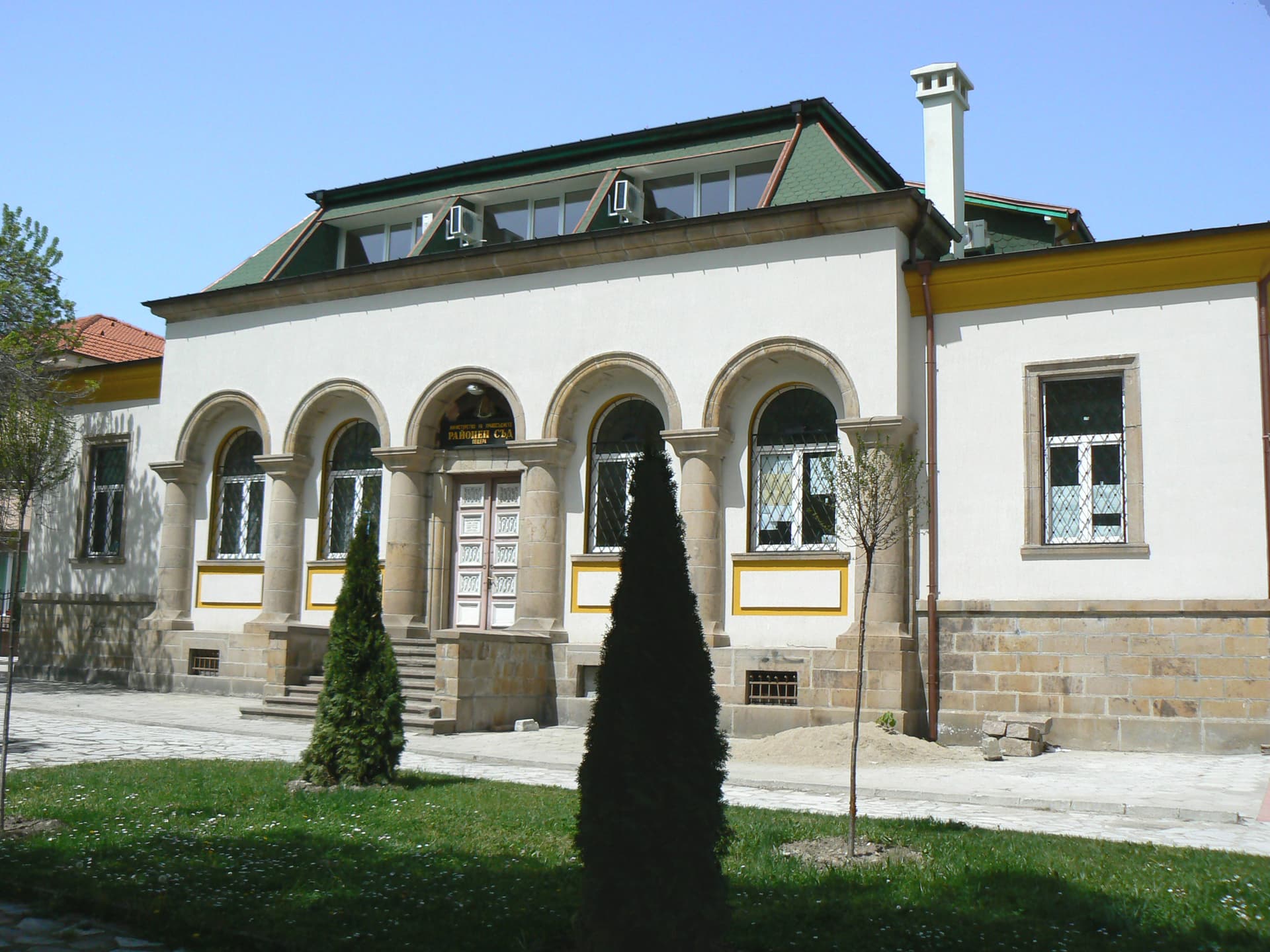
Peshtera is an ancient, beautiful, and economically developed city situated in Southern Bulgaria, within the boundaries of the Burgas Province. The city serves as the administrative capital of the Peshtera Municipality and proudly holds the third position in terms of population size and economic significance within the Pazardzhik Province, following Pazardzhik and Velingrad. By the end of December 2025, the permanent population of this mountain town counted 12 452 residents according to official demographics from the National Statistical Institute. Geographical Location, Logistics, and Climate Conditions The city occupies a highly scenic and strategic geographical position nestled in the foothills of the Rhodope Mountains, developed directly along the border with the fertile Upper Thracian Plain. - Elevation: The average altitude of the urban center stands at 461 meters above sea level. - Logistics Distances: Peshtera lies in immediate proximity to the historical towns of Batak and Bratsigovo. It is located 17 km from the provincial capital Pazardzhik, 36 km from the cultural center Plovdiv, and 123 km from the capital city Sofia. - Transport Links: Just half a kilometer northeast of the city lines, the main highway to Pazardzhik diverges, establishing efficient transport links with the municipality's constituent villages - Radilovo and Kapitan Dimitrievo. - Climate Profile: The climate across the municipality is temperate continental, very mild, and characterized by an absence of sharp or hazardous temperature fluctuations. The average annual air temperature is 12.6 degrees Celsius. The region enjoys optimal annual precipitation levels shifting between 670 and 680 liters per square meter. Ancient Millennial History and Origin of the Name Peshtera is a settlement boasting an exceptionally rich history. The earliest traces of human activity in the valley date back to the Neolithic Era. Archaeological findings prove that during the Bronze Age, the famous local caves Snezhanka and Yubileyna were actively inhabited by prehistoric humans. For millennia, this mountainous region was the domain of the fierce Thracian tribe Bessi, which subsequently experienced strong cultural and political influences from the Roman Empire and Byzantium. The first permanent ancient settlement within the Peshtera valley emerged during the second half of the 4th century BC. In later historical epochs, a strong and lasting interaction between Thracians, Slavs, and Bulgarians took place here. Evidencing this rich culture are the unique findings discovered in the surroundings: massive stone sarcophagi, Thracian weapons, antique gold and bronze coins, fine ornaments, cult objects, large vessels containing charred medieval wheat, ancient bridges, remnants of cobbled Roman roads, and protective walls of the fortresses Kievo Kale, Perun, Tamra, Saint Nicholas, and Saint Petka. Regarding etymology, several scientific hypotheses exist, but philologists agree that the name of the city stems from the word peshtera (meaning cave), reflecting the numerous natural caves in the immediate vicinity. The earliest written record mentioning the settlement by its modern name Peshtera is an Ottoman tax register from 1479. At that time, the city was assigned to the timar of a certain Mustafa, along with 41 other settlements in the region. Cultural-Historical Heritage and Major Tourist Landmarks Peristera Early Byzantine and Medieval Fortress Widely known as the Dove Fortress, it is located 800 meters north of the city center, situated to the left of the main road leading to Pazardzhik. At the core of the hill, an older cult complex of massive stones has been excavated, which operated as a Thracian sanctuary featuring hand-carved stone steps. Archaeologists discovered rare clay burial urns shaped as unique sarcophagi. The citadel of the fortress extends over an area of 3 decares, while the second protective line of fortress walls encloses 12 decares. The hill is named Saint Petka, and the name Peristera (translated from Greek as dove place) was first recorded in the scientific historical research of Ivan Popov. The fortress was declared a cultural monument of national significance in 2012. Thanks to a major project funded by the Regional Development operational program, comprehensive conservation and restoration of the fortress walls were completed, and the southern battle tower was fully reconstructed and turned into a modern museum. For the comfort of tourists, panoramic gazebos and a specialized path for disabled visitors were established. The site has been open for public visits since May 22, 2014. Snezhanka Cave Nature Landmark Snezhanka Cave is a pearl in the crown of the Bulgarian underground karst and is featured in the 100 National Tourist Sites of Bulgaria. It is located in the scenic Lilova Skala area on the left bank of the Novomahalenska River, rising 380 meters above the riverbed in the Batak Mountain (Western Rhodopes), just 5 km southwest of Peshtera. It ranks among the 7 largest and most well-developed show caves in Bulgaria. Discovered on January 3, 1961, it was named Snezhanka (Snow White) by Professor Aleksi Petrov from the Bulgarian Academy of Sciences due to its magical, snow-white crystalline formations. With a total length of 220 meters and a floor area of 3130 square meters, the cave guards over 600 000 unique stalactites, stalagmites, and stalagnates distributed across beautiful chambers: the Chamber of the Doves, the Chamber of the Chinese Lanterns, the Stone Forest, and the Grand Chamber. It was declared a natural landmark in 1979 and welcomes over 10 000 tourists annually. Yubileyna Cave Situated at an altitude of 600 meters above sea level with a total gallery length of roughly 1000 meters, this cave was discovered on February 12, 1974. In order to fully preserve its fragile underground karst forms, it was immediately sealed with a heavy protective door. It displays absolutely every known variety of underground karst formations, turning the cave into a true academy of speleology. The Sahata National Revival Clock Tower Erected in the central quarter of the city, its exact construction date is unrecorded but is linked to the economic boom of Peshtera during the 17th century. Its primary function was regulating the working day within the artisan workshops and commercial stores. Under the strikes of the Sahata bell, all craftsmen were legally required to simultaneously open and close their wooden shop shutters, preventing unfair competition across the bazaar. Historians estimate the tower was built around 1650, displaying identical masonry techniques to the local old mosque, and served Islamic worship schedules. Other legends suggest it was built as a political compromise to prevent protests from the Turkish population when a large Bulgarian Christian church was being built in the neighboring quarter. Saint Konstantin Mountain Resort Located 18 km above the city in the high zones of the Rhodopes, the resort is celebrated nationwide for its curative mild climate, ancient coniferous forests, and beautiful alpine meadows. Modern ski lifts and ski runs offer excellent conditions for winter sports, while its immediate proximity to the vast Batak Reservoir provides perfect opportunities for summer beaches, water sports, and high-altitude freshwater fishing. Kupena Biosphere Reserve Situated just 3 km south of the city lines, this reserve encompasses a strictly protected territory exceptionally rich in endangered ancient flora and wild representatives of the Rhodope mountain fauna. Visitors to the city can also view the famous centuries-old plane tree (chinar) standing in front of the municipality building, which is 26 meters tall and was planted in the spring of 1954 when it was already 10 years old. Museums, Art Galleries, and Cultural Institutions Peshtera Municipal History Museum The museum is housed within the restored building of a historic monastery compound (metoch) belonging to the Krichim Monastery, located adjacent to the Revival-era Saint Petka Church. Its rich museum exhibition is spread across 5 halls and possesses a collection of over 8000 invaluable artifacts tracing life within the municipality from the Neolithic Era to the present day. Special emphasis is placed on the Prehistory archaeology section, whose findings routinely participate in prestigious national and international exhibitions. Professor Veselin Staykov Art Gallery Established in 1996, the municipal art gallery guards over 350 original oil paintings, graphics, sculptures, woodcarvings, and small plastics in its permanent collection. Its halls preserve priceless works by eminent artists such as Professor Veselin Staykov, Associate Professor Stoyan Rakanov, Mira Lihchanska, Todor Hadzhinikolov, Nikola Dimitrov, Elena Grancharova, and Vladimir Rilski. National Revival Churches and Monuments of Architecture - Saint Dimitar Church: An exceptional monument of architecture from the Bulgarian National Revival era. The temple was built between 1825 and 1831 by the renowned Peshtera builders master architect Kuzman Michov and master builder Peter Kazov (known as Kazoolu). The church is a three-nave, cross-domed basilica featuring a narthex and a spacious gallery (emporia). The engineering approach used during construction is identical to that of the largest National Revival cathedrals of the 19th century. The intricate wooden iconostasis was carved in 1910, while the icons are authentic 19th-century masterpieces. Among them, those with the highest artistic value are the Virgin Hodegetria (from the 17th century), the Great Archangel Assembly (from 1830), and Saint Dimitar. The central dome is adorned with a majestic fresco of Christ Pantocrator, while the altar section features the compositions Virgin Mary Wider than the Heavens and the Annunciation. - Saint Petka Church: An old Orthodox temple located next to the History Museum building, serving as a spiritual core for the local community. Folklore Arts and Cultural Development - Slaveyche Municipal Folklore Ensemble: Established on October 1, 1995, at the Saint Kliment Ohridski Secondary School as a direct successor to the traditions of the Zdravets Ensemble. The group incorporates over 120 children and youths aged 7 to 17, divided into 4 age groups. The ensemble has delivered hundreds of successful concerts in Bulgaria and abroad, winning laureate titles at numerous festivals. Its founder and choreographer is Elena Barenska, and the repertoire features traditional songs and dances from all ethnographic regions of the country, with a primary focus on Thrace. - Urban Cultural House: Founded in 1980, it coordinates the activities of art schools, circles, and clubs, engaging over 250 children, with a focus on new information technologies and musical arts. Within the municipality, 3 historic community centers (chitalishta) operate with over 100 years of history, boasting rich library collections and over 20 amateur ensembles engaging 350 performers. The cultural calendar is actively enriched by local creative unions: the Petar Staykov Artists Club, the Iskri Literary Club, the History Club, and the Cultural Figures Association. Regular Annual Events and Celebrations - May 6 (St. George's Day): The official Peshtera Town Holiday, celebrated with large-scale cultural events, live concerts, and traditional festivities across the central public square. - The Final Saturday of July: The traditional annual public fair at the Saint Konstantin Mountain Resort, gathering thousands of visitors and folklore ensembles from all over Bulgaria.
Pazardzhik
3.6 km away
Pazardzhik
4.2 km away
Pazardzhik
7.5 km away
Pazardzhik
9.7 km away
Peshtera is located in Pazardzhik, Bulgaria.
Peshtera is most easily reached by car. Use the coordinates above to navigate, or open the location in OpenStreetMap or your preferred maps app for turn-by-turn directions. Public transport options vary by region — for remote destinations a rental car gives the most flexibility.
Peshtera can be visited year-round, but late spring (May–June) and early autumn (September–October) offer the most pleasant weather and fewer tourists. Summer is the busiest season; winter is the quietest, with shorter daylight and possible cold weather.
Bulgarian settlements typically reward unhurried walking — historic centres, churches and monasteries, local markets, and family-run restaurants serving regional dishes. Larger towns often have museums and seasonal cultural events. The local tourist information centre is a good first stop for current opening hours and what's on.