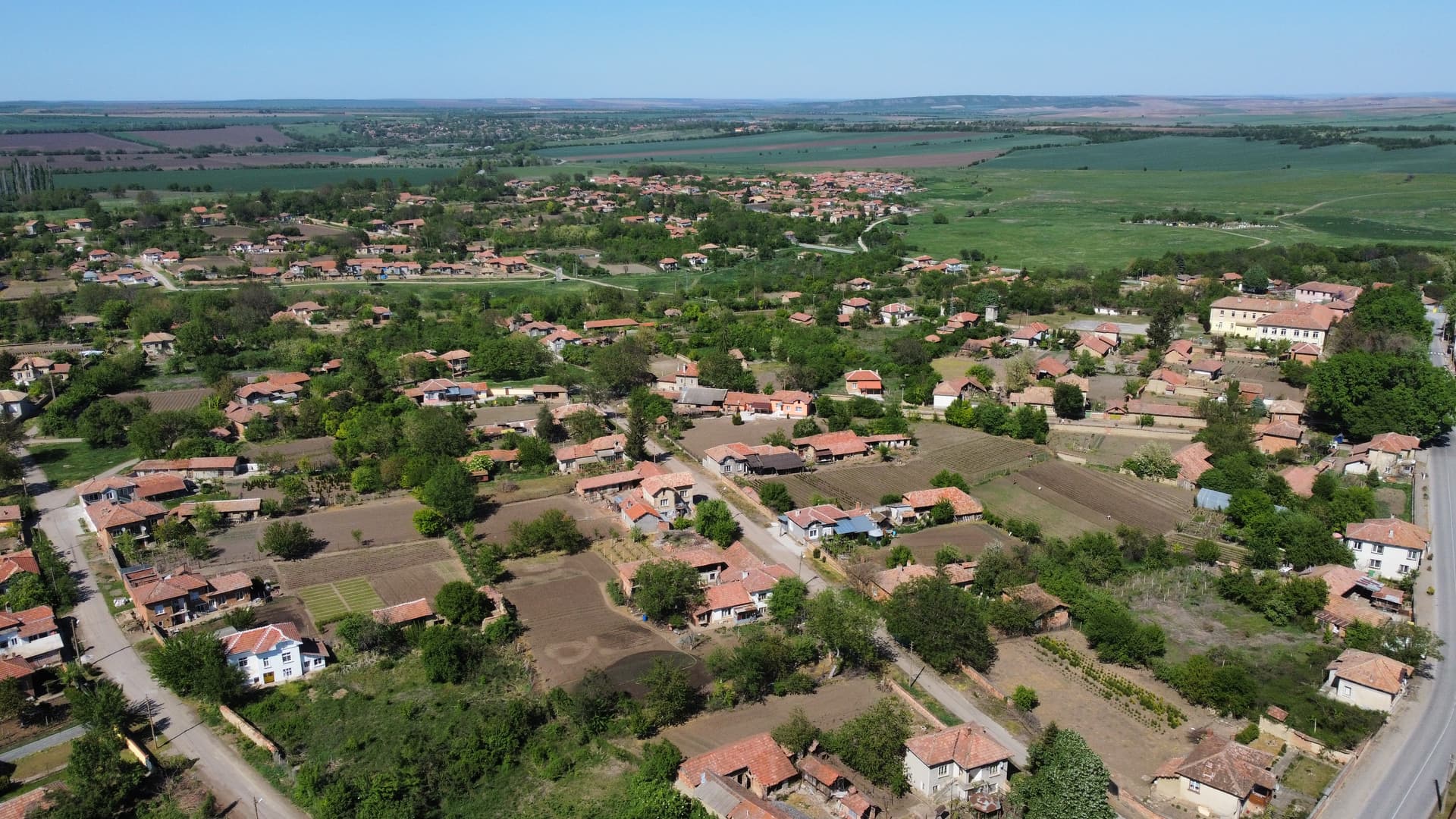
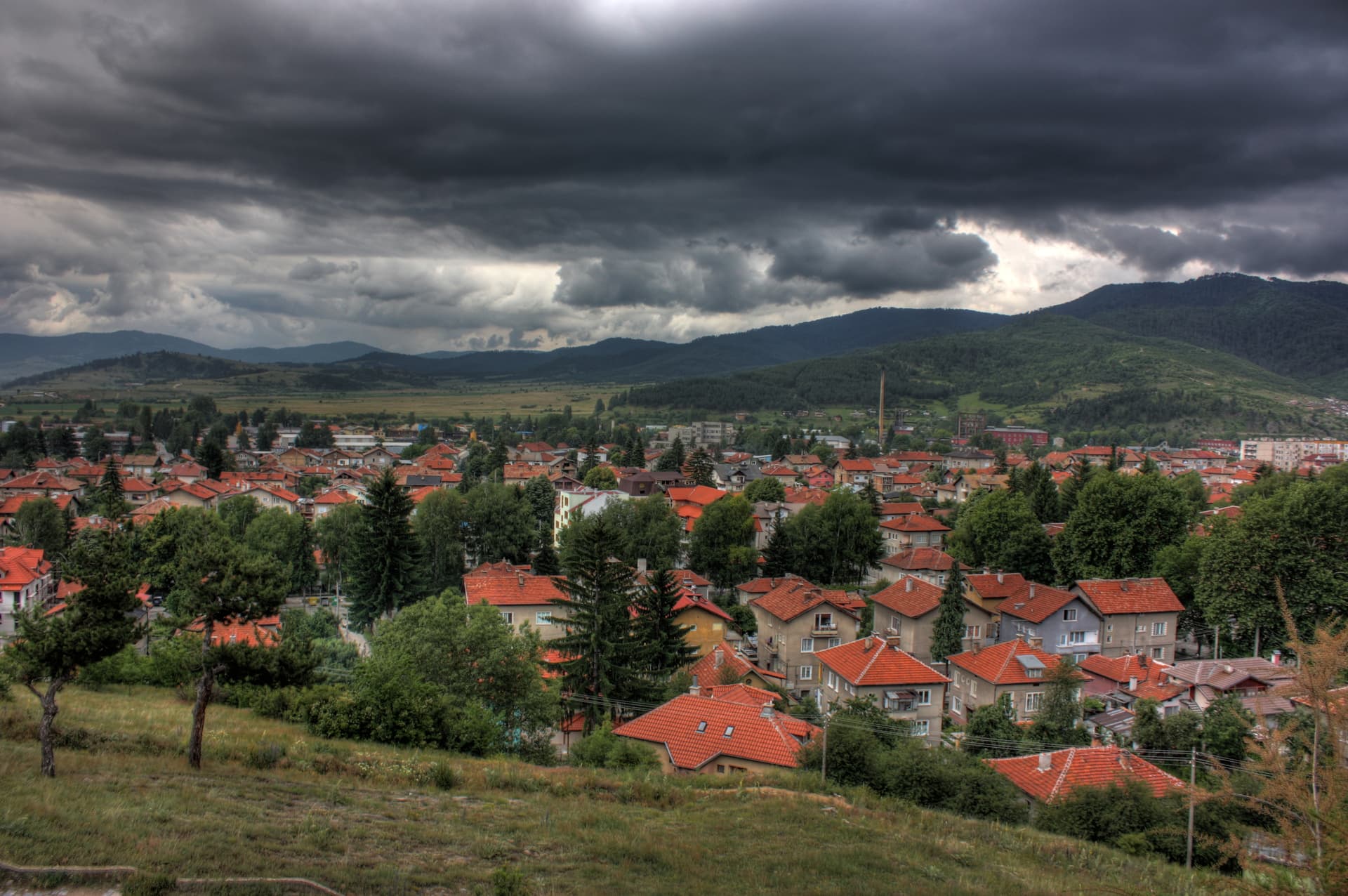
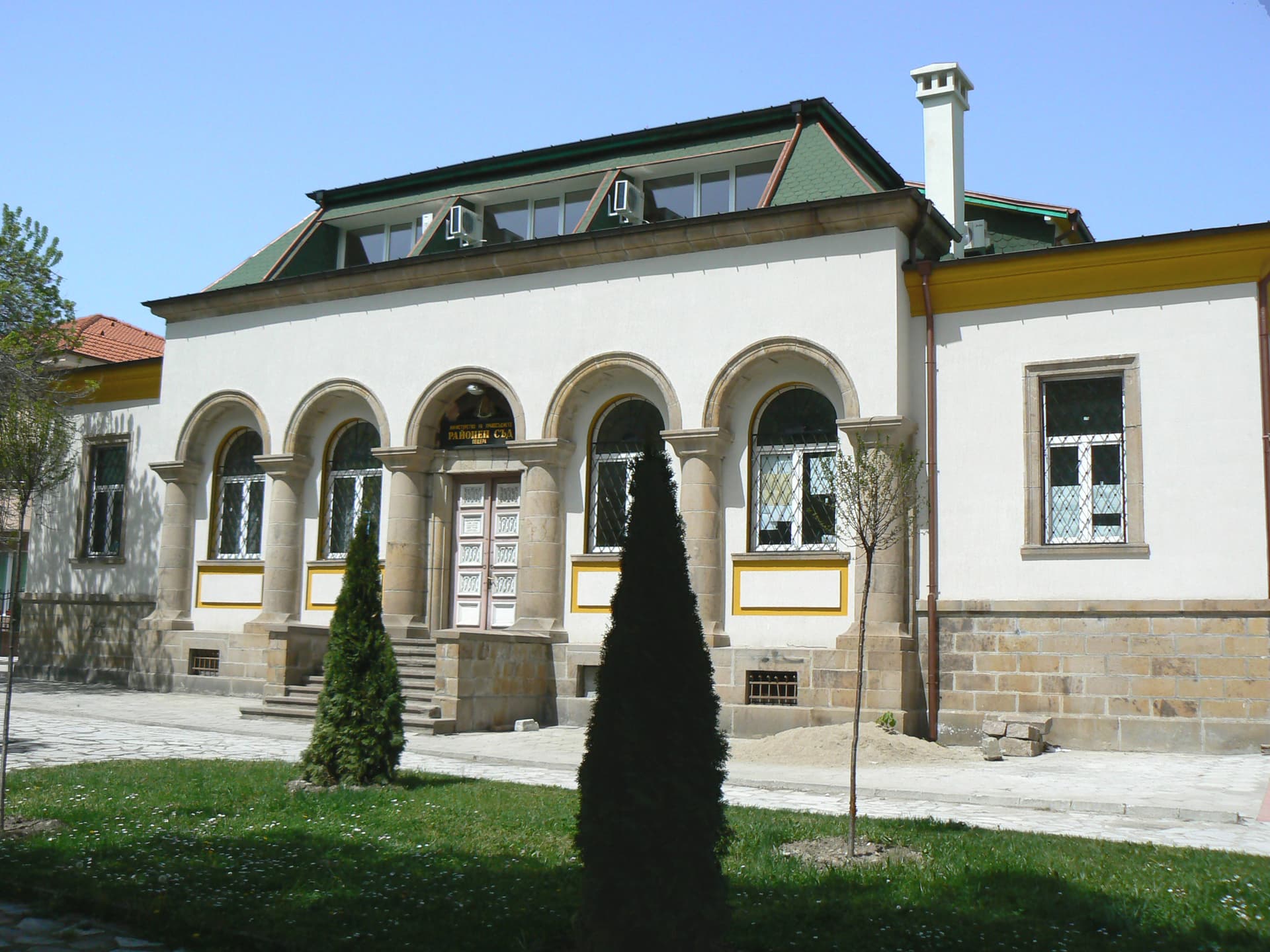
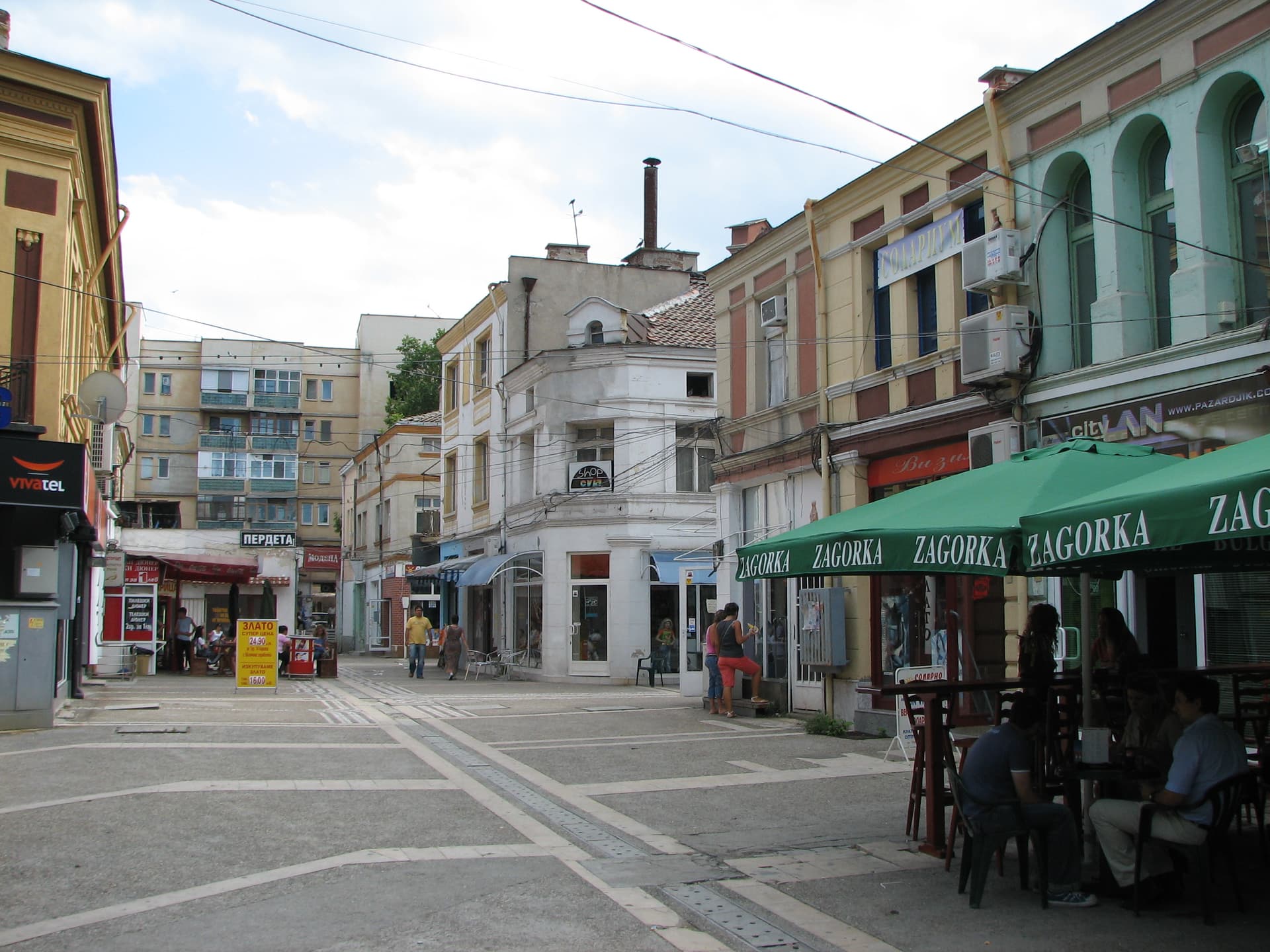
Panagyurishte stands as a historic, economically advanced, and culturally vibrant town situated in Central Bulgaria, operating as the administrative center of the matching municipality within the boundaries of the Pazardzhik Province. The town commands an exceptionally vital strategic and geographical location, nestled within the picturesque mountain valley of Sredna Gora along the upper course of the Luda Yana River. According to official records compiled by the National Statistical Institute, as of December 31, 2025, the urban center accommodates a population of exactly 14 754 residents. The contemporary layout of Panagyurishte merges a developed manufacturing infrastructure with an opulent cultural heritage, attracting thousands of international travelers due to its monumental past tied to the struggle for national liberation and ancient Thracian goldsmithing art.
The territory surrounding the town of Panagyurishte was densely populated during the classical antiquity era. Across the close vicinity of the town, archaeologists have mapped and documented dozens of monumental Thracian burial mounds. Inside one of these tumuli, widely designated under the name Mramor, a wealthy interment containing the skeletal remains of a Thracian chieftain was exposed. In close proximity to this specific location, on December 8, 1949, the world-renowned Panagyurishte Gold Treasure was unearthed completely by accident. The asset is chronologically dated by archaeological consensus within the timeline spanning the 4th and 3rd centuries BC.
The treasure was discovered by accident by three brothers working as brick-makers and clay-diggers - Pavel, Petko, and Mikhail Deykov, while extracting raw soil for brick manufacturing near a regional factory. The incomparable set is crafted entirely from high-carat pure gold, possessing an overall physical mass measuring 6.164 kilograms. It comprises nine ceremonial vessels designed for wine-drinking rituals: one amphora-rhyton, four rhytons shaped as animal heads, three jug-rhytons sculpted into detailed feminine heads, and one extensive phiale phiale plate. Exceptionally precise and detailed replicas of the nine vessels are permanently exhibited inside the specialized high-tech Treasury Vault constructed within the Iskra Historical Museum network in the town, while the original ancient gold masterworks continuously travel across the globe to feature within elite museum exhibitions worldwide and across Bulgaria.
The convenient geographical alignment, pristine alpine nature, and favorable transitional-continental climate defining the district attracted human settlements into this sector of the mountains during the Medieval Era as well. Serving as material proofs tracking this epoch, the structural ruins of the robust medieval Bulgarian fortresses of Krasen and Dushkovchenin remain partially preserved and analyzed immediate to the town limits.
The historical foundation marking the contemporary town of Panagyurishte is deeply intertwined with the dramatic chronological periods following the Ottoman conquest of the Balkan Peninsula. The literal root defining the town's nomenclature derives directly from the word panagyur, which stems from the Greek term panagiri, translating to a marketplace or fair. This title honors the historical fact that an active regional market fair was systematically organized along the banks of the Luda Yana River during those early years. Throughout a subsequent historical phase, this grand market relocated permanently to the terrain where the contemporary regional center of Pazardzhik expands today.
During the 16th century, a massive wave of Bulgarian settlers and refugees fled from the parameters of Macedonia, primarily routing from Debar, Prilep, Kostur, and adjacent districts to settle within the valley. Inside a highly detailed Ottoman tax registry cataloging large-scale livestock breeders (dzhelepkeshani) dating to the historical year 1576, exactly 16 prominent breeders are documented within the village of Panagyurishte, recorded inside the text under its alternative name of Otluk. For a prolonged duration, the separate refugee quarters (mahalas) clashed on domestic parameters, but over time, the settlement unified and built up permanently along both banks of the Luda Yana River and its mountain tributaries.
Today, the most prominent philological proof tracking this demographic convergence structures as the distinct dialect spoken by the local population, simultaneously embedding an array of Eastern Bulgarian and Western Bulgarian linguistic traits. The town positions directly atop the verified Yat-border boundary inside Bulgarian linguistics.
At the absolute opening of the 19th century, Panagyurishte achieved a pinnacle regarding its economic, commercial, and spiritual prosperity. An array of handicrafts expanded successfully across the settlement, tightly linked to the advanced pastoral sheep breeding operations flourishing throughout Sredna Gora:
Over 2500 master craftsmen, journeymen, and apprentices operated actively across the separate guild workshops. Inside the extensive courtyard of the Historical Museum, complete interactive reconstructions illustrating these traditional handicrafts remain displayed behind protective glass showcases today. According to the written journals compiled by American missionaries who visited the town in 1861, Panagyurishte housed a population of 12 500 residents who were exclusively Bulgarian and maintained a large, modern school utilizing local public funds.
This rapid capitalization and spiritual awakening enabled the conceptual model of national liberation to be enthusiastically embraced by the citizenry of Panagyurishte. In the autumn of 1870, the Apostle of Freedom Vasil Levski established a secret regional revolutionary committee on-site. The historic foundational assembly convened inside the home of Ivan Duhovnikov, which stands perfectly preserved in its authentic state within the courtyard of the Historical Museum today.
During the spring of 1876, Panagyurishte transformed into the official administrative headquarters of the 4th Revolutionary District and operated as the principal capital city directing the April Uprising under the command of Georgi Benkovski, Panayot Volov, and Todor Kableshkov. Throughout the subsequent bloody suppression of the revolt, the town was systematically burned, plundered, and completely demolished by Ottoman irregular forces (bashi-bazouks) and regular columns. Following the Liberation, the urban layout was engineered entirely anew, introducing contemporary buildings according to a modern urban planning model. This structures as the primary historical reason why Panagyurishte lacks a high density of preserved authentic National Revival residential structures, contrasting with towns like adjacent Koprivshtitsa.
Inside modern administrative chronology, in March 1923, a massive and devastating flash flood swept across Panagyurishte after the Luda Yana River expanded catastrophically, submerging the entire valley. Decades later, in 1977, the town was officially designated an independent municipal center.
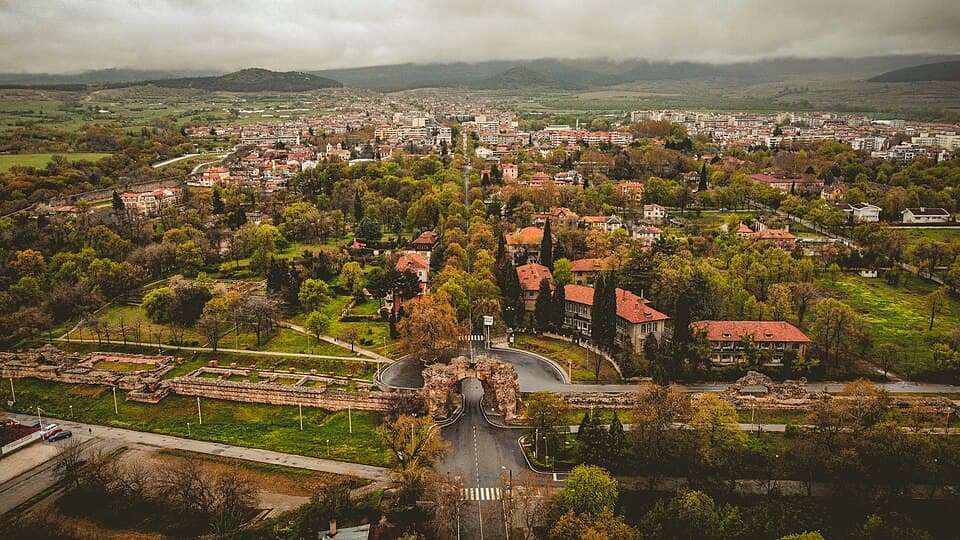
Hisarya or Pavel Banya for a spa weekend: Roman walls and mineral fountains, or a five-star spa base in the Rose Valley — tickets, parking, prices and which to pick.
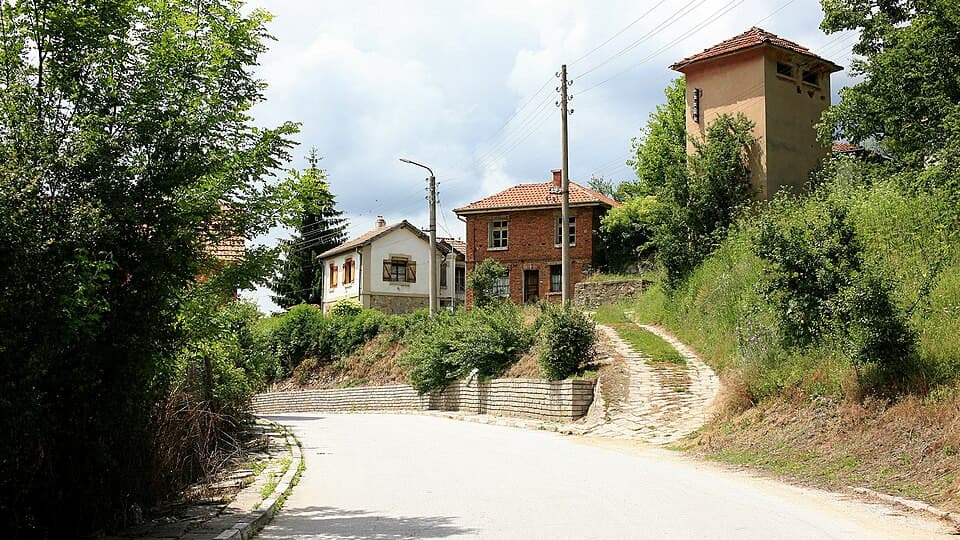
A guide to Svezhen — the architectural reserve above Brezovo: how to get there, the road, the museums and their opening hours, the hut, autumn hiking and where to stay.
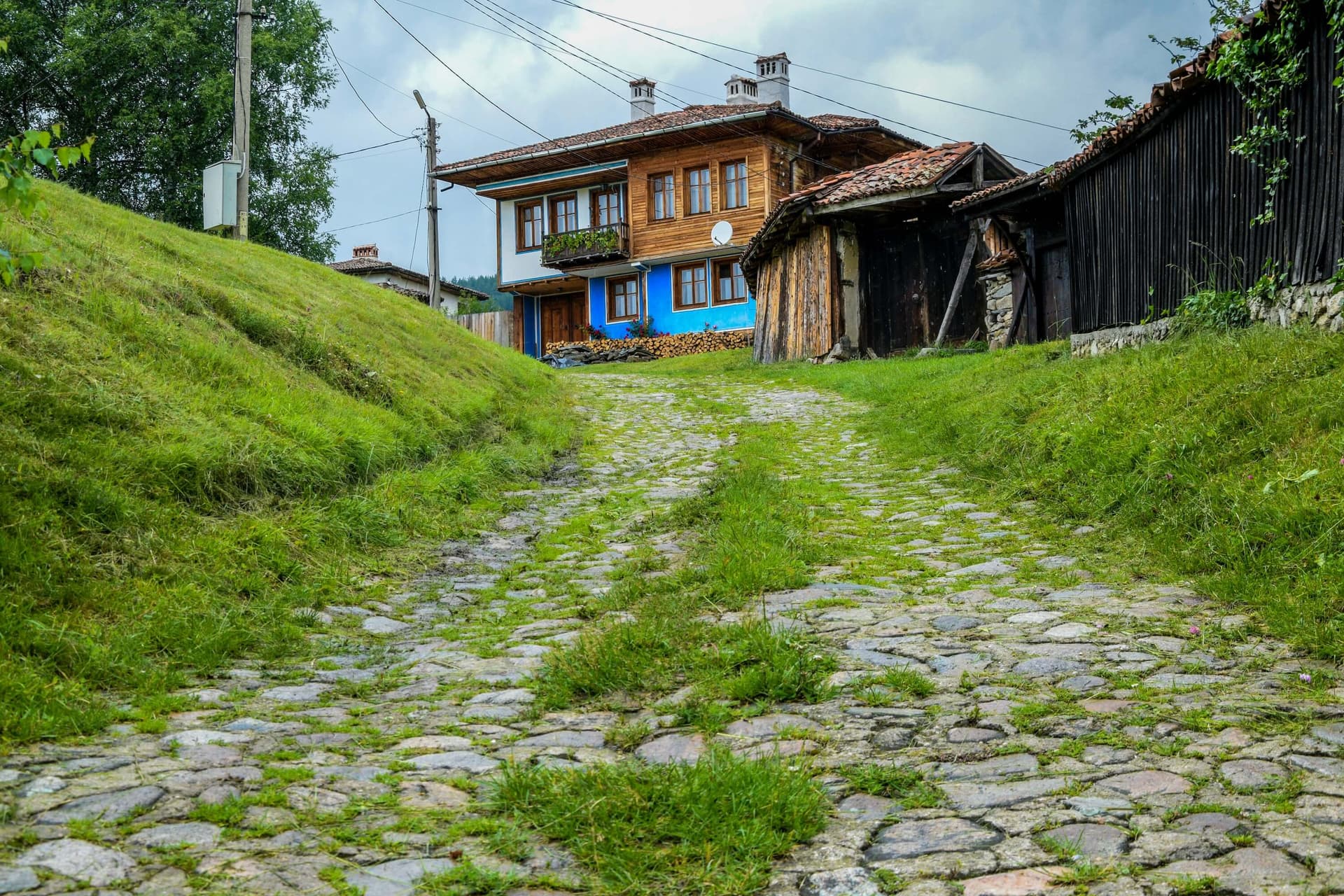
A complete 4-day Bulgarian National Revival road trip: Koprivshtitsa, Panagyurishte, Karlovo, and Kalofer — drive times, house-museums, and practical tips.
Panagyurishte is located in Pazardzhik, Bulgaria.
Panagyurishte is most easily reached by car. Use the coordinates above to navigate, or open the location in OpenStreetMap or your preferred maps app for turn-by-turn directions. Public transport options vary by region — for remote destinations a rental car gives the most flexibility.
Panagyurishte can be visited year-round, but late spring (May–June) and early autumn (September–October) offer the most pleasant weather and fewer tourists. Summer is the busiest season; winter is the quietest, with shorter daylight and possible cold weather.
Bulgarian settlements typically reward unhurried walking — historic centres, churches and monasteries, local markets, and family-run restaurants serving regional dishes. Larger towns often have museums and seasonal cultural events. The local tourist information centre is a good first stop for current opening hours and what's on.