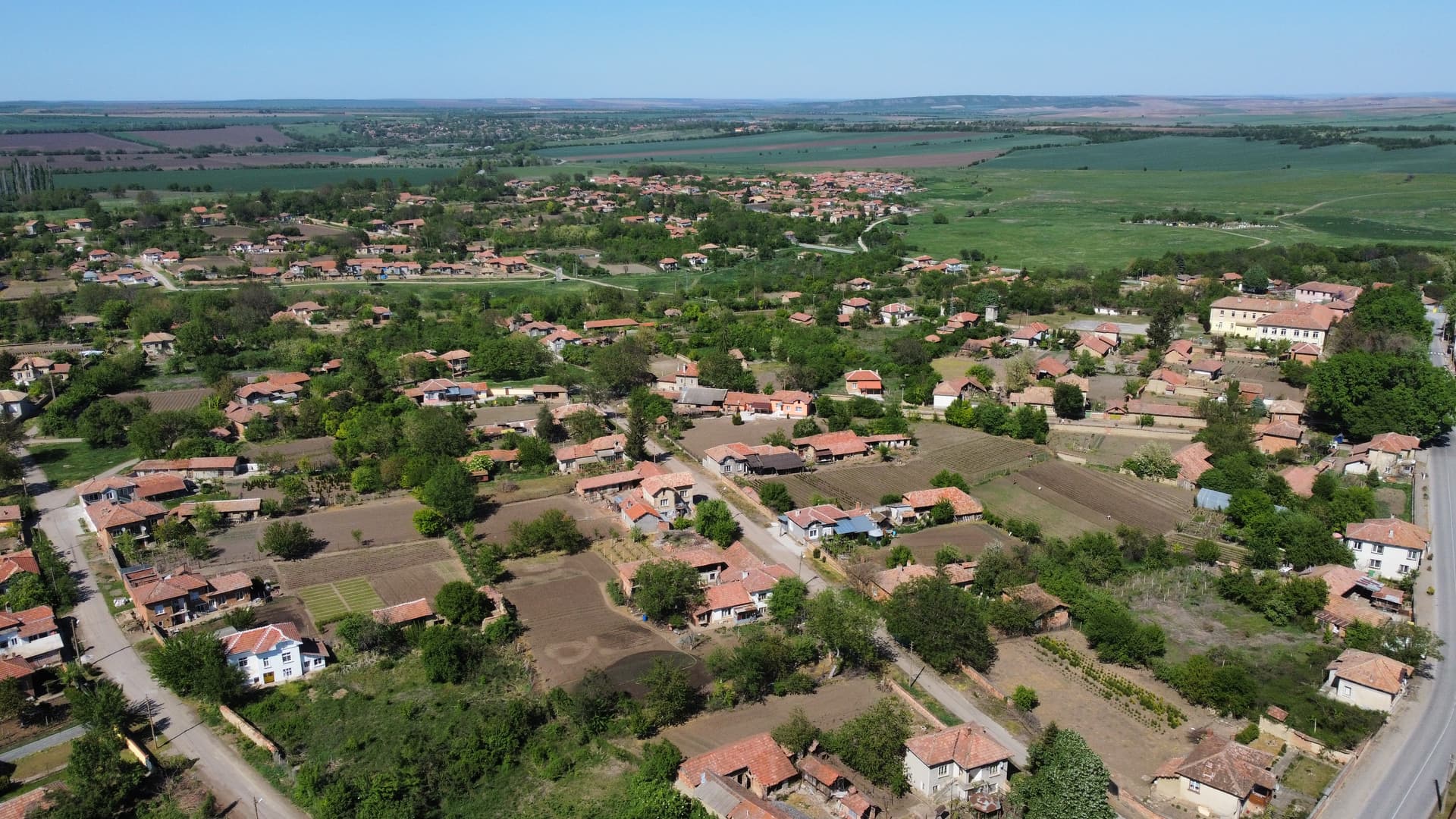
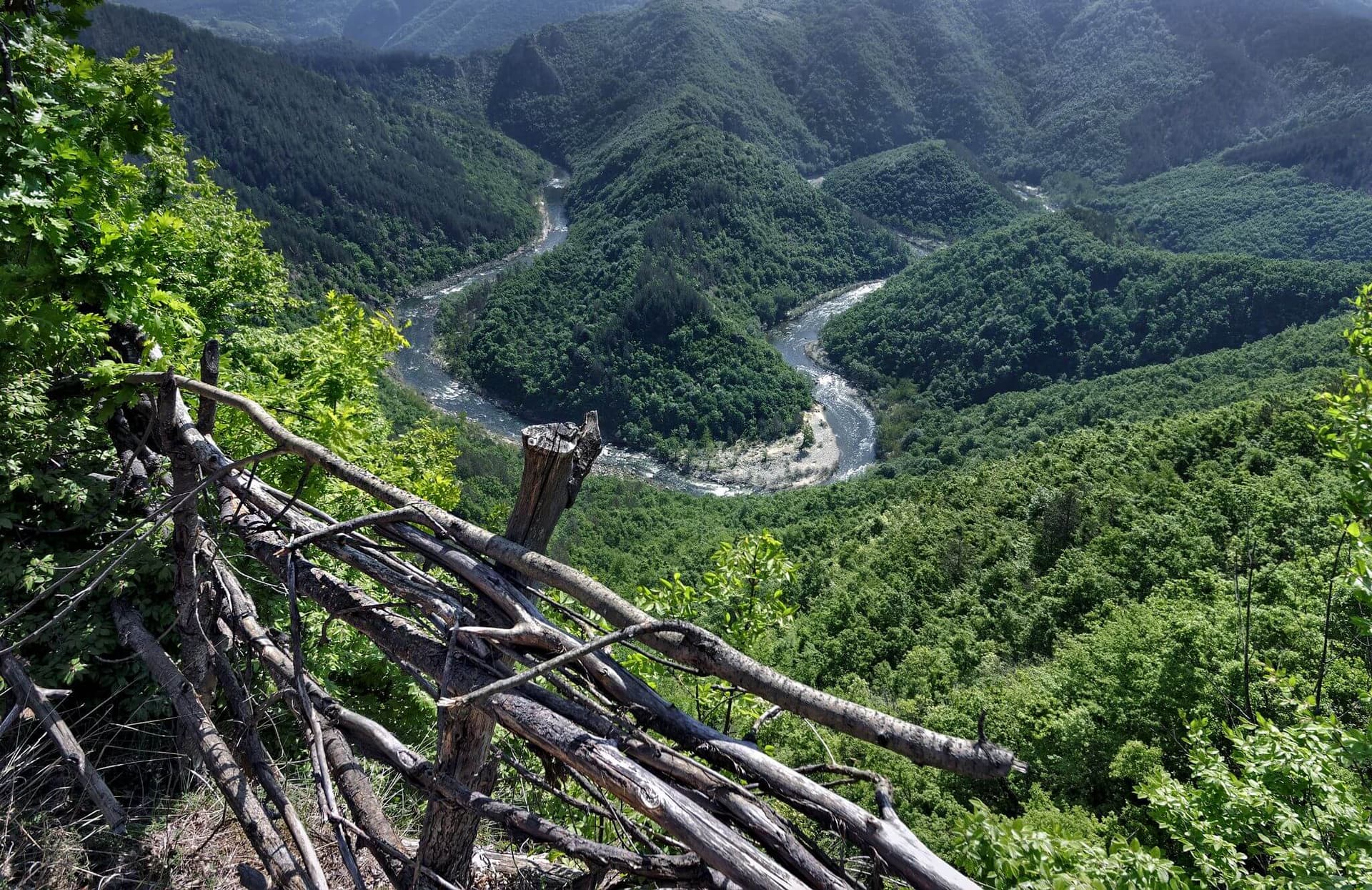
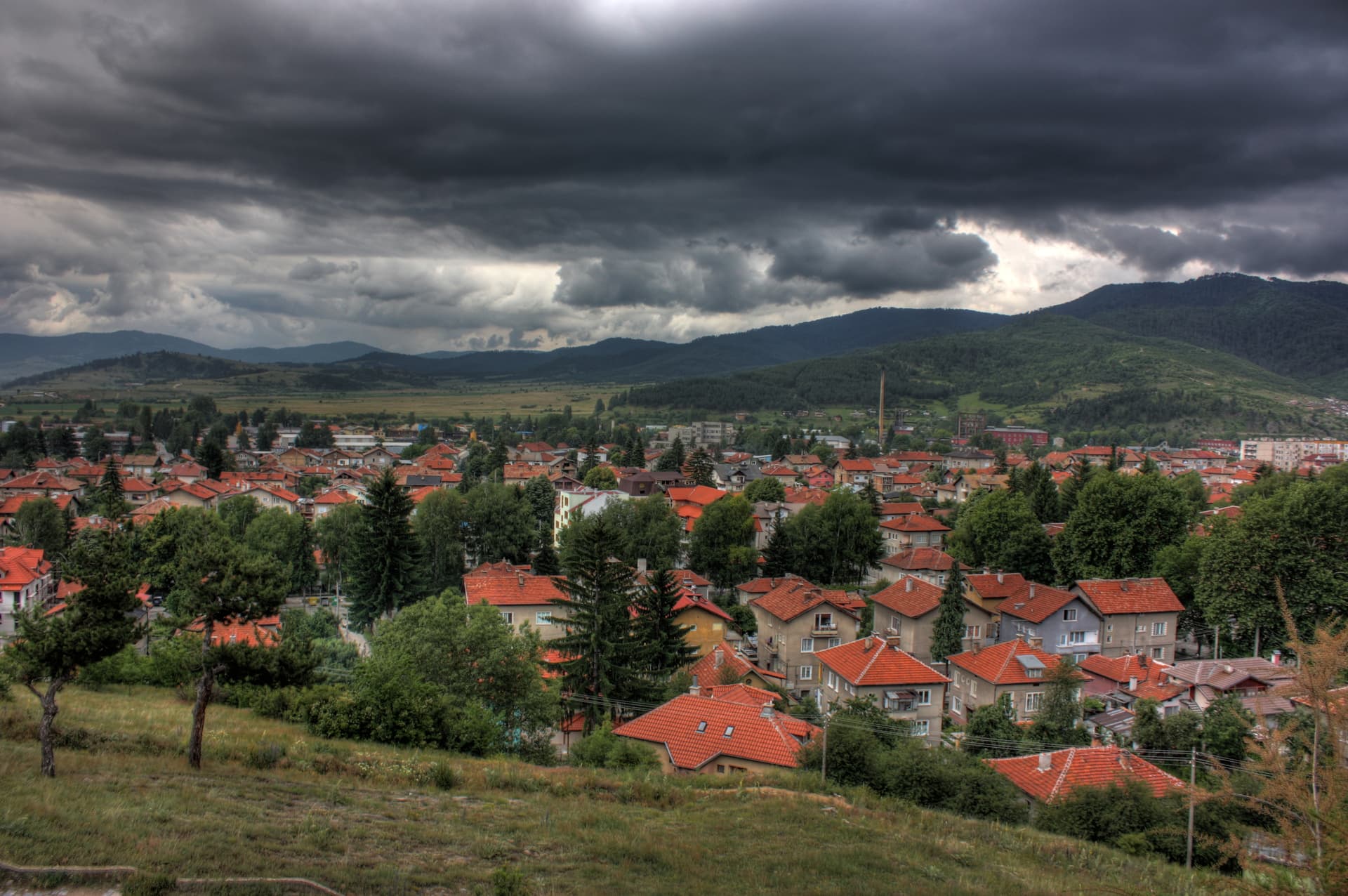
The town of Batak is one of the most sacred and moving symbols of Bulgarian history and unbreakable resilience. Nestled in a picturesque valley of the Western Rhodopes at 1,036 meters above sea level along both banks of the Stara Reka River, the town is encircled by rolling hills ("barda") and the majestic peaks of Batashki Snezhnik and Golyama Syutkya. Due to its rugged terrain and a historically impassable northwestern marsh, Batak became a secure sanctuary for Bulgarians, enabling them to preserve their Christian faith, customs, and culture untouched through centuries of foreign rule.
Architectural Masterpieces, Museums, and History
- The Ancient Heritage of the Valley: The surroundings of Batak have been inhabited since deep antiquity. This is evidenced by the discovery of over 20 Thracian, Roman, Byzantine, and Slavic fortresses, a Roman bridge, Thracian burial mounds, and the ruins of more than 10 medieval churches and monasteries.
- The Evidence of 1592: The earliest definitive proof of the settlement existing under its current name is an inscription on a stone embedded in a water fountain at the Krichim Monastery of the Nativity of the Mother of God. It bears both the name of Batak and the names of the local citizens who built the fountain at the end of the 16th century.
- Origin of the Name: According to legends, the settlement's original name was Batevo. Its current name was derived during Ottoman rule from the nearby lake (referred to as a marsh or batak in Turkish), which was heavily covered in dense roots and reeds, causing riders unfamiliar with the area to sink.
- Livelihood and Forestry: The citizens of Batak historically developed a reputation as stern and decisive people. Wood harvesting became their primary livelihood—the high-quality local timber was used to construct the ships of the Ottoman Empire, and local merchants established extensive trade networks across the Mediterranean and the Western Balkans.
Spirituality, Mysticism, and National Remembrance
- Cradle of Spiritual Titans: During the National Revival, Batak grew into a powerful educational hub. It produced monumental figures such as Abbot Joseph the Builder (who restored the Rila Monastery to its current grand state), Abbots Cyril and Nicephorus, and Georgi Busilin—author of the remarkable "Bulgarian Primer" (1844).
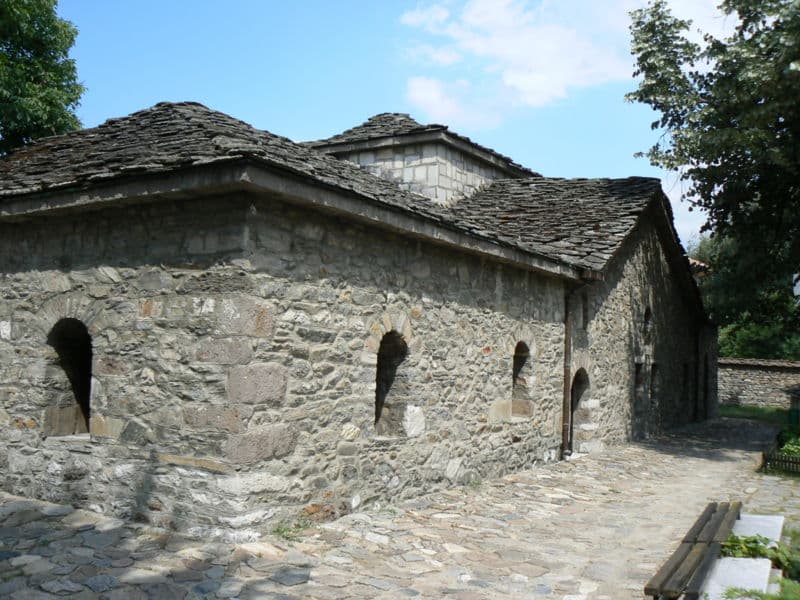
- The Historic Church of St. Nedelya: This stone church stands as a place of martyrdom and an eternal monument to boundless self-sacrifice. During the suppression of the April Uprising in May 1876, the town was surrounded by an 8,000-strong bashi-bazouk army led by Ahmed Aga Barutanliya. Around 2,000 Christians sought refuge inside the church, where mothers dug a well in the ground with their bare hands to find water for their children—a well that remains visible to this day.
- The New Martyrs of Batak: Upon capturing the church and burning down the school and homes, the irregular forces carried out a merciless massacre, claiming the lives of nearly 5,000 citizens. In 2011, the Holy New Martyrs of Batak were officially canonized by the Bulgarian Orthodox Church.
- MacGahan’s Voice and the World: The epic sacrifice of Batak shook Europe. Through the compelling dispatches of the American journalist Januarius MacGahan, the world learned of Bulgaria's fierce will for independence, providing Russia with the moral mandate to declare the Liberation War. A monument dedicated to him stands proudly in the town center.
Rebellious Spirit and Modern History
- An IMRO Stronghold: At the close of the 19th century, Batak assumed a key role in the liberation movement of Macedonian Bulgarians. In 1899, a local chapter of the Macedonian Organization was founded here, and its border post served as a secret conduit to smuggle hundreds of rifles and crates of ammunition into the Ottoman Empire.
- The Balkan War and the Modern Era: At the outbreak of the war in 1912, five brave men from Batak instantly volunteered for the Macedonian-Adrianople Volunteer Corps. Following turbulent events in the mid-20th century, Batak officially officially attained its town status by state decree in September 1964.