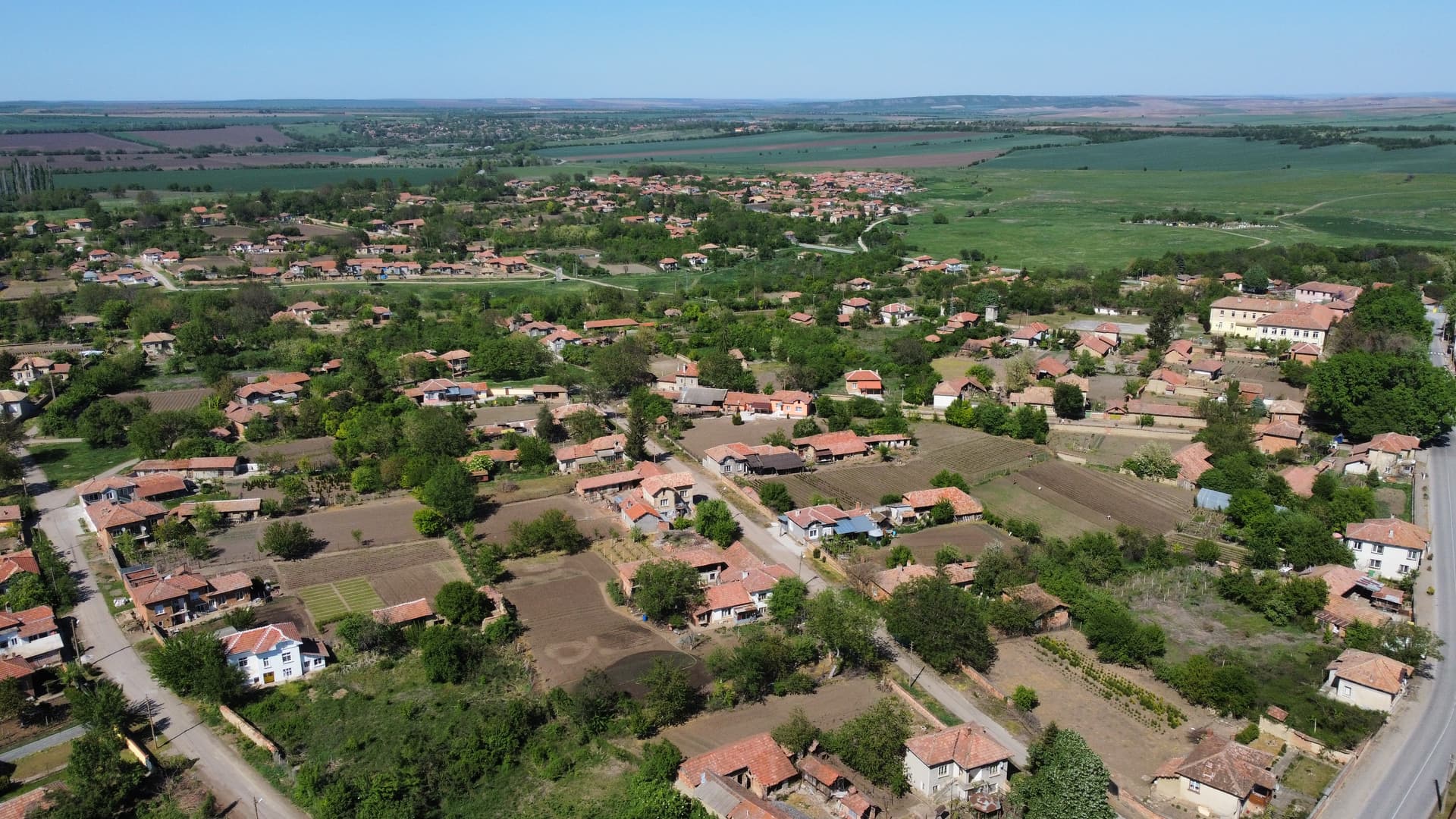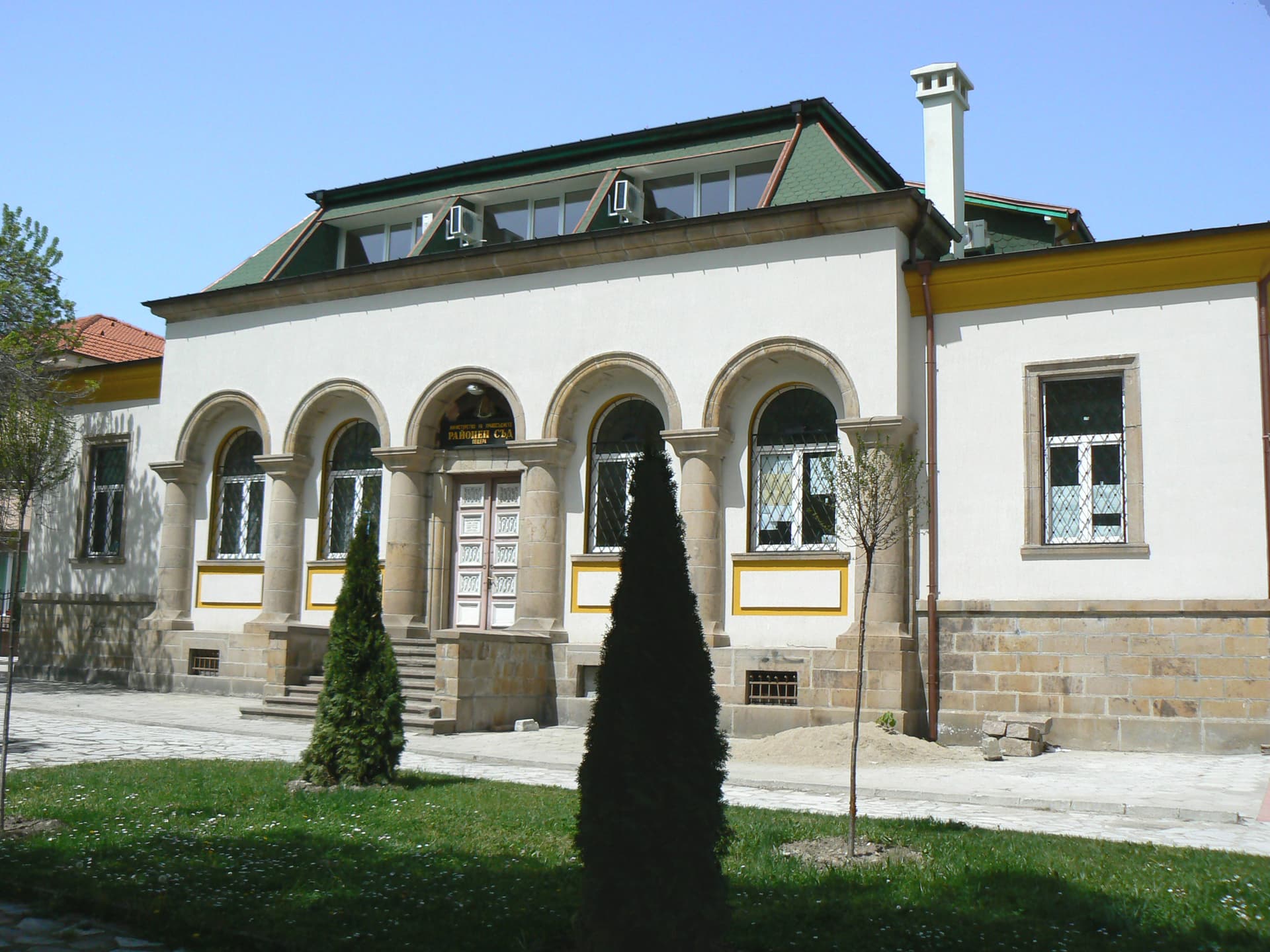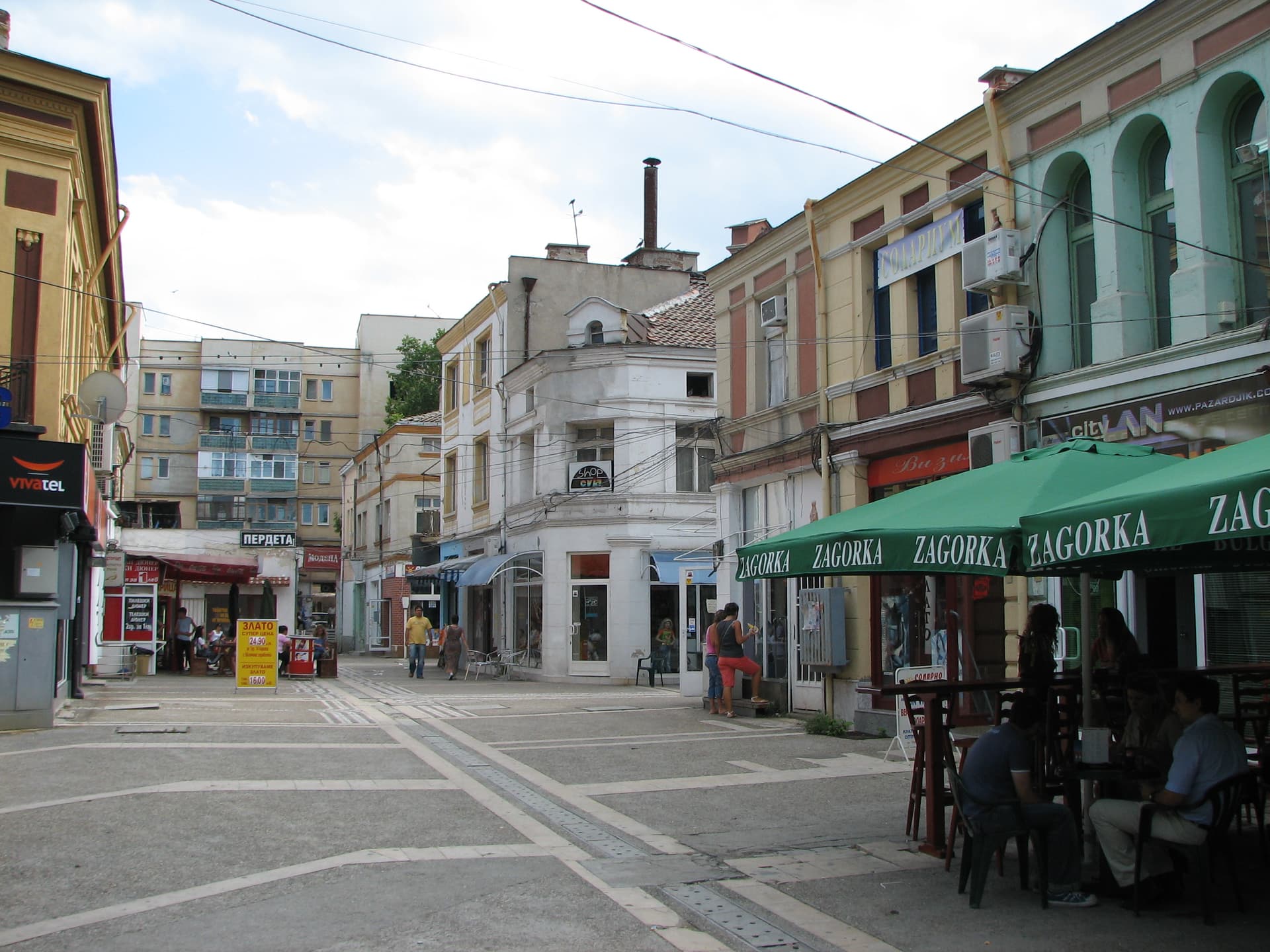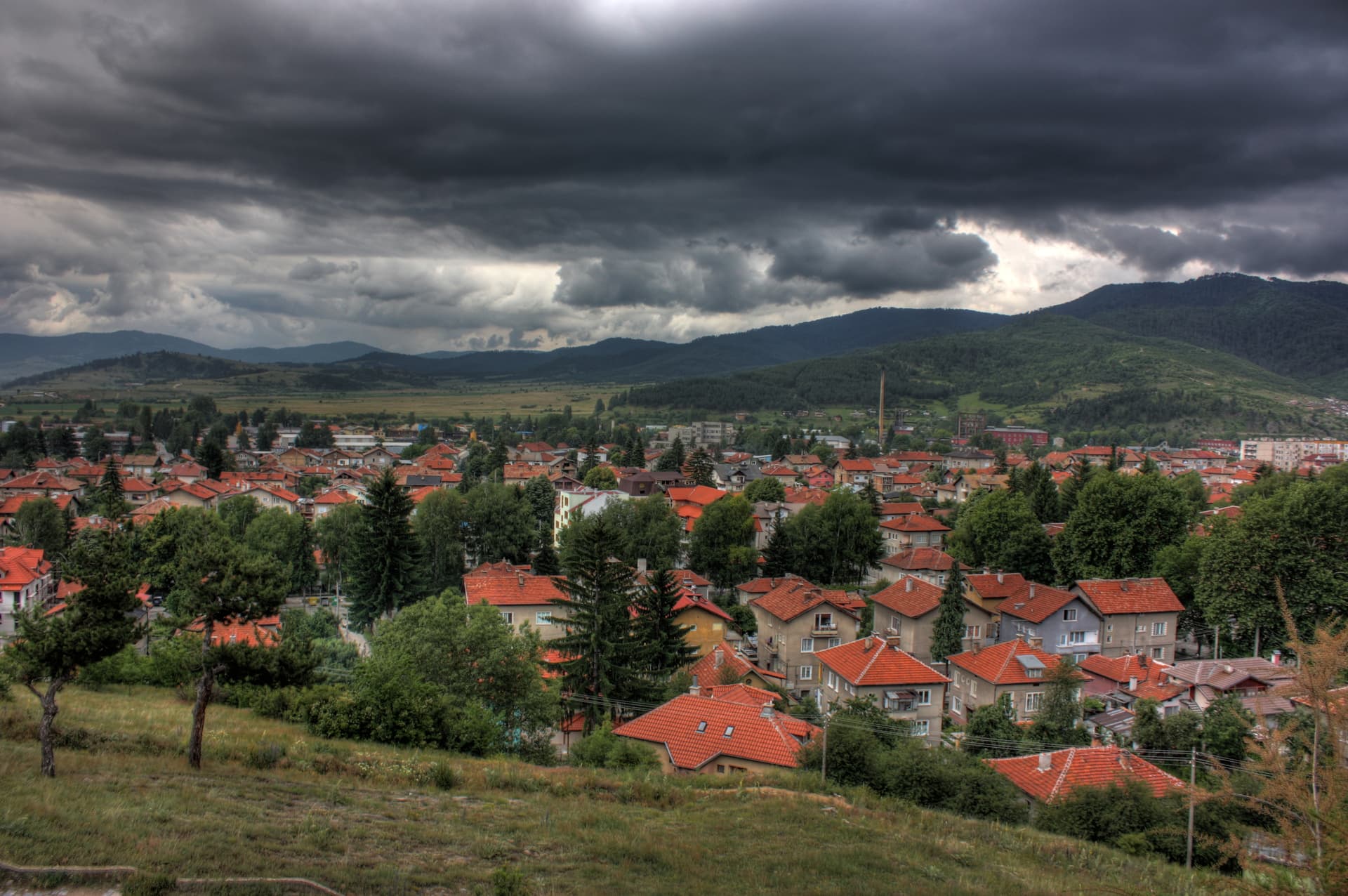
Velingrad is the second-largest city in the Pazardzhik District, beautifully situated within the Chepino Valley of the Western Rhodope Mountains. Formed in 1948 through the administrative merger of three historic villages that today comprise its primary neighborhoods — Ladzhene, Kamenitsa, and Chepino — the city was named in honor of the local partisan Vela Peeva. Widely celebrated as the "Spa Capital of the Balkans," Velingrad combines a therapeutic climate with an astonishing abundance of mineral springs. A defining cultural and travel highlight of the town is its transportation system; Velingrad is a major station along the only functioning narrow-gauge railway line in Bulgaria, an iconic train route that travels through mountain passes to link the town of Septemvri to the east with the alpine resorts of Razlog, Bansko, and Dobrinishte to the south. The main railway station sits in the central Ladzhene quarter, while the Chepino area is served by the "Velingrad-South" rail stop.
The natural wealth of the resort centers around its 4 major thermal mineral springs, which produce crystal-clear, deep-origin, and "soft" waters. All springs in the valley are low-mineralized (containing less than 1 gram of dissolved minerals per liter) and are chemically classified as hyperthermal, sodium-hydrocarbonate-sulfate, fluorine, and silicon waters. Their medical characteristics are highly comparable to the famous springs of Hisarya and Banya. Interestingly, traveling from south to north (Chepino through Ladzhene to Kamenitsa), the water temperature and mineral concentration steadily increase, while the gas components decline:
The synergy of healing mineral waters and a pristine forest environment makes Velingrad a premier year-round destination for medical tourism and wellness getaways. The town features 3 specialized sanatoriums, over 60 modern spa hotels and holiday homes, diverse dining venues, and 22 indoor and outdoor mineral swimming pools. The local medical spas specialize in the treatment and rehabilitation of pulmonary and respiratory conditions, joint and musculoskeletal diseases, neurological disorders, renal, hepatic, and gastrointestinal ailments, as well as gynecological issues. The therapeutic programs utilize structured drinking cures, mineral water inhalation, thermal baths, and medical rinses. For travelers seeking outdoor recreation, the unique Zhaltata Skala (Yellow Rock) landmark located on the nearby Karkariya Ridge close to the historic Tsepina Fortress offers a spectacular panoramic viewpoint over the Alabak ridge, Syutka Peak, and the entire Chepino Valley.

Pazardzhik region
5.3 km away
Pazardzhik region
7.0 km away
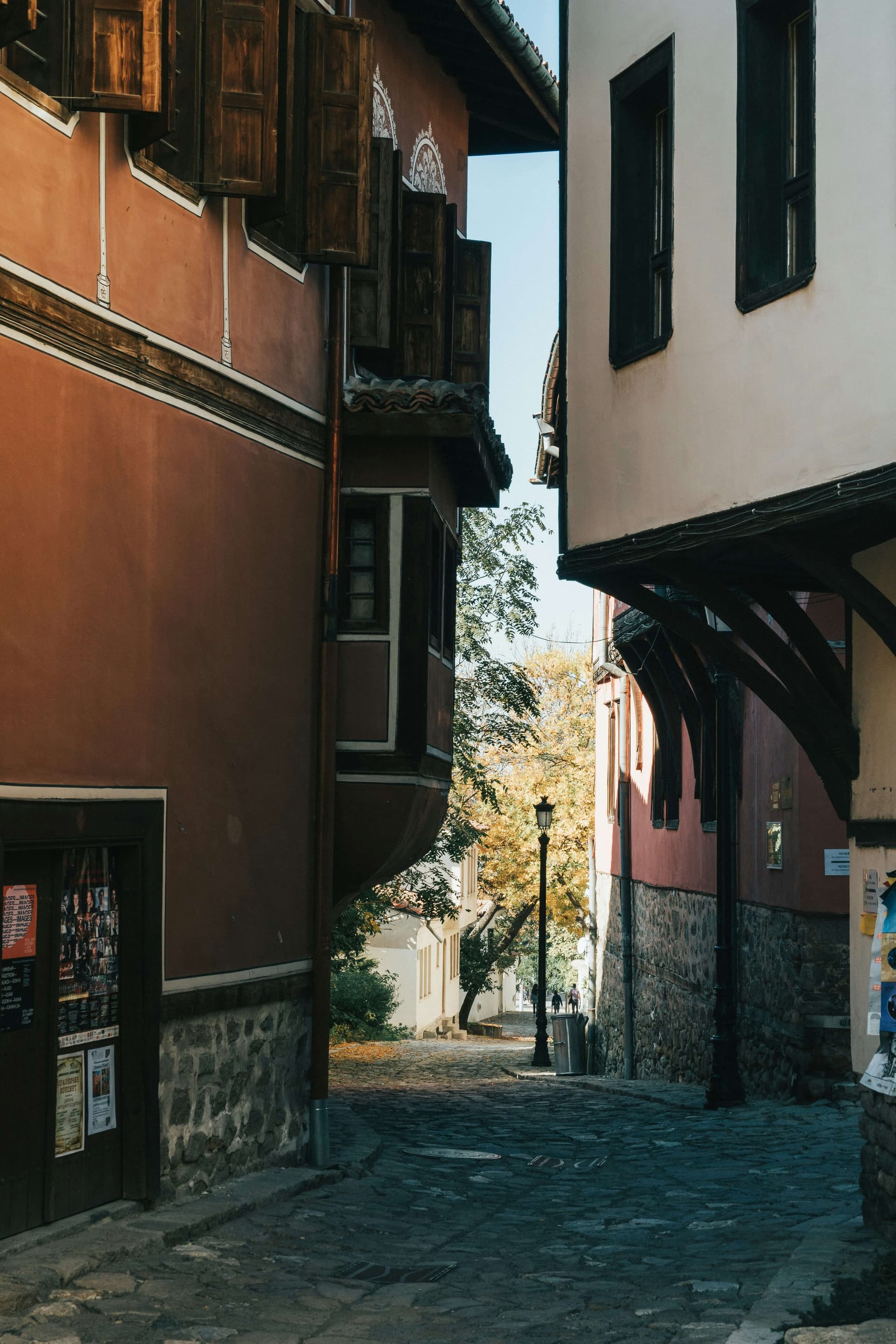
8 overnight getaways from Plovdiv: spa towns, Rhodope villages and caves, Troyan and skiing — with drive times, transport and what is open in winter.

A spa weekend in Velingrad: getting there, where to soak after 1 October, Kleptuza spring, Lepenitsa cave, the narrow-gauge railway and what's nearby.
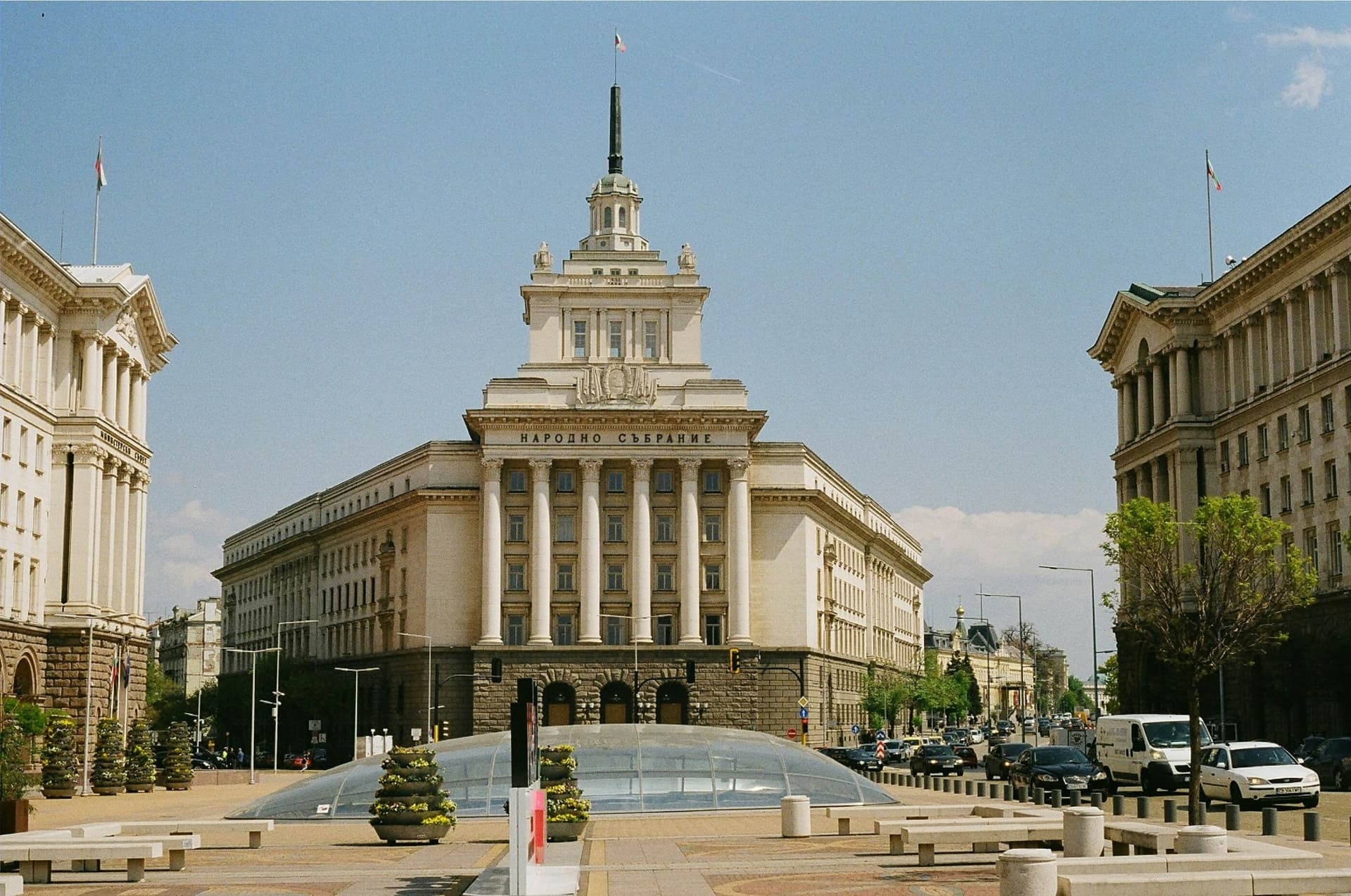
10 overnight weekend getaways within 2.5 hours of Sofia: mineral baths and spa towns, guest-house villages, winter walks and ski — with distances and transport.
Velingrad is located in Pazardzhik, Bulgaria.
Velingrad is most easily reached by car. Use the coordinates above to navigate, or open the location in OpenStreetMap or your preferred maps app for turn-by-turn directions. Public transport options vary by region — for remote destinations a rental car gives the most flexibility.
Velingrad can be visited year-round, but late spring (May–June) and early autumn (September–October) offer the most pleasant weather and fewer tourists. Summer is the busiest season; winter is the quietest, with shorter daylight and possible cold weather.
Bulgarian settlements typically reward unhurried walking — historic centres, churches and monasteries, local markets, and family-run restaurants serving regional dishes. Larger towns often have museums and seasonal cultural events. The local tourist information centre is a good first stop for current opening hours and what's on.