

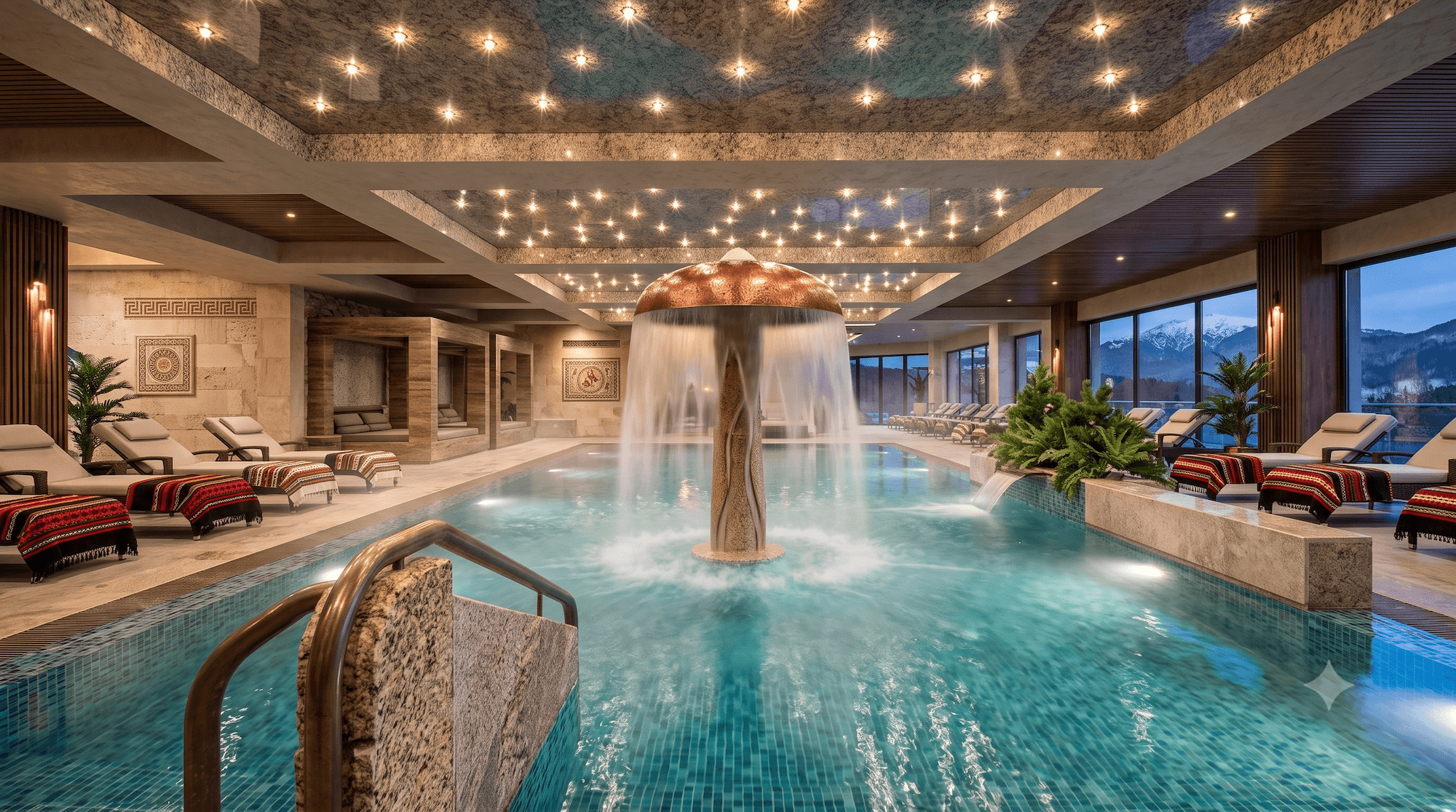
Bulgaria Thermal Springs: Velingrad, Hisarya & Devin
In this guide▾
Bulgaria sits on more than 500 mineral springs, putting it among Europe's richest countries for thermal water. The healing properties of these natural springs have been celebrated since ancient Thracian and Roman times, when emperors constructed elaborate thermal baths across the region.
Today, Bulgaria's spa culture blends historic balneotherapy traditions with modern luxury wellness resorts, heated outdoor pools, and affordable spa escapes. This comprehensive guide covers the top five spa destinations in Bulgaria, their unique mineral water profiles, health benefits, and practical booking tips. In November, when searches for a weekend for two peak, these towns are also at their quietest — and hotel spas run all year.
🗺️ Bulgaria's Top Spa Destinations at a Glance
| Spa Destination | Water Characteristics | Key Highlight | Distance from Sofia |
|---|---|---|---|
| Velingrad | 80+ springs (25–97°C) | Abundant springs & high-end wellness resorts | ~130 km |
| Hisarya | 22 springs (31–51°C) | Roman ruins & mineral drinking cures | ~175 km |
| Devin | 16 springs (37–76°C) | Scenic mountain gorge setting in the Rhodopes | ~210 km |
| Sapareva Banya | Geyser (103°C) | Bulgaria's only geyser, gateway to Rila | ~75 km |
| Bankya | Low-mineral (36–37°C) | Peaceful park town right next to Sofia | ~17 km |
🌿 Velingrad — The Spa Capital of the Balkans
Set in the Chepino valley of the Western Rhodopes, Velingrad has more than 80 mineral springs across four deposits, ranging from 25 to over 97 °C, and more than 60 hotels. It was named "Spa Capital of the Balkans" by the Balkan alliance of hotel associations in 2008, and it is also home to Kleptuza, Bulgaria's largest karst spring.
One thing to know before booking: the town's big outdoor municipal pool runs only from June to September, so from October the soak is in hotel pools. Getting there, where to soak in winter, Kleptuza, Lepenitsa cave and a two-day plan are all in our Velingrad spa weekend guide.
🏛️ Hisarya — Roman History & Drinking Cures
Hisarya is the town the Romans built around its springs — Diocletianopolis, with fortress walls standing up to 11 m high in places and the Kamilite gate. It has 22 mineral springs at roughly 31 to 51 °C; the water is low in minerals and drunk straight from fountains in the parks. The town is about 45 km north of Plovdiv.
Getting there, tickets for the Roman sites, and how Hisarya compares with Pavel Banya are all in our spa weekend guide to Hisarya and Pavel Banya.
🌲 Devin — Mountain Serenity in the Rhodopes
Devin is a small town at 715 m, where the Devinska river meets the Vacha. Springs in the area range from about 37 to 76 °C, and the Devin bottled water brand is filled here. It is the quieter alternative to Velingrad: a handful of spa hotels, with the Struilitsa eco-trail starting right next to the pools. The Trigrad Gorge and Yagodina Cave are nearby.
Getting there, Struilitsa and how to pair Devin with Zlatograd are all in our Devin and Zlatograd spa weekend guide.
🌋 Sapareva Banya — Thermal Power at the Base of Rila
Sapareva Banya is about 75 km from Sofia, at the foot of Rila. In its centre is Bulgaria's only geyser — a fountain over a 1957 borehole, where the water comes out at 103 °C, the hottest mineral water in the country. Around it are open-air and indoor pools and spa hotels, and 10 km uphill is Panichishte, the way up to the Seven Rila Lakes chairlift.
Getting there, which pools are open in winter and what Panichishte offers are all in our Sapareva Banya and Panichishte weekend guide.
🏙️ Bankya — Suburban Capital Spa
Bankya is a peaceful resort town situated just 17 km west of Sofia city center. Its low-mineral water maintains a steady body temperature of 36–37°C, making it ideally suited for cardiovascular rehabilitation and stress relief.
The newly restored historic Royal Bathhouse (Mineral Bath Bankya) offers authentic architecture and modern wellness treatments within easy reach of the capital.
💆 Mineral Properties & Health Benefits
Bulgarian thermal waters offer proven therapeutic qualities and are categorized by chemical composition:
- Sulphide & Hydrogen Sulphide (Velingrad, Sapareva Banya): Effective for joint pain, arthritis, skin recovery, and bone fractures.
- Alkaline & Low-Mineral (Hisarya, Bankya): Prescribed for drinking courses to treat kidney stones, liver issues, and digestive health.
- Fluoride & Silica-Rich (Devin, Velingrad): Helps promote bone density and musculoskeletal recovery.
♨️ Safety Note: Very hot mineral pools (above 38°C) put significant demands on the cardiovascular system. Limit individual soaks to 20–30 minutes at a time, and consult a doctor if you have cardiac or blood pressure concerns.
🗓️ Planning Your Stay: When to Visit & Book
Spa towns run year-round, so the question is rarely whether you can get in — it is whether you can get in at the price and on the dates you wanted.
| Window | What it's like | How far ahead to book |
|---|---|---|
| New Year | The single biggest peak; gala packages, minimum stays | 4–6 months |
| Public-holiday long weekends | March, May and September; domestic, and they sell out | 2–3 months |
| Orthodox Easter | Second-tier peak, family-heavy | 2–3 months |
| Midweek, shoulder season | The value window — quiet, cheap, fully operational | 2–4 weeks |
| Deep winter, non-holiday | Snow around the outdoor pools, no crowds | 3–5 weeks |
Deep winter is also when a spa town pairs best with a ski trip: Sapareva Banya is under an hour from Borovets, Bansko has thermal hotels of its own (see the Bansko ski resort guide), and Devin sits on the same Rhodope road as Chepelare and Pamporovo. Two days on the slopes and two in the water is the standard Bulgarian winter week — the Bulgaria in winter guide sets out the rest of it. If the resort isn't decided yet, our Borovets vs Bansko vs Pamporovo comparison puts the three side by side; in December the same trip picks up a Christmas market in the evenings.
Practical Booking Considerations
- Therapy slots run out before rooms do: A hotel with beds free may still have no capacity for procedures, because physiotherapists — not rooms — are the bottleneck. If your trip is about treatments rather than swimming, book the therapy programme at the same time as the room.
- Half-board is the default: Usually cheaper than room-only plus eating out — spa-hotel restaurants are built around resident guests, and the towns have thin dining scenes.
- Check what the rate includes: Pool and sauna access is normally included for residents but can carry restricted hours; treatments are almost always extra and booked separately.
- You don't have to stay overnight: Public thermal complexes (especially in Sapareva Banya) sell day entry passes, making a soak a viable stop on a road trip.
🏨 Choosing the Right Town for Your Trip
- A day trip without a car from Sofia: → Bankya, just 17 km out.
- Pairing a hot spring soak with a mountain hike: → Sapareva Banya, at the Seven Rila Lakes trailhead.
- A big choice of spa hotels: → Velingrad, with more than 60 hotels — see our Velingrad spa weekend guide.
- Maximum mountain quiet & nature: → Devin, nestled deep in a Rhodope gorge.
- A mineral drinking cure & ancient history: → Hisarya, 40 km north of Plovdiv.
- A thermal soak on a road trip through the south-west: → Ognyanovo, near Gotse Delchev, with open-air pools at 35–41°C — see our Gotse Delchev guide.
🚫 Who a Bulgarian Spa Town Isn't For
- Anyone expecting a party or nightlife: These are quiet wellness towns designed for relaxation and recovery.
- Anyone coming purely to swim laps: Drinking-cure towns (Hisarya above all) focus on internal mineral water consumption and small therapeutic baths rather than lap pools.
- Anyone expecting trendy boutique hotels: Many traditional properties are medical/balneo-focused hotels with a clinical feel, structured around medical treatments.
Experience the natural healing power of Bulgaria's mineral springs. Plan your wellness journey with Mestala.com.
This guide covers 5 places
Want more Mestala in your Google results?
Add mestala.com as a preferred source and our guides will show up more often when you search. Requires a Google account.
Frequently Asked Questions
Is Bulgaria good for a spa or balneotherapy holiday?▾
Yes, absolutely. Bulgaria is among the richest countries in Europe for mineral springs and thermal water sources. Paired with a long tradition of balneotherapy, towns like Velingrad, Hisarya, Devin, and Sapareva Banya offer modern wellness hotels, therapeutic mineral pools, and medical spa packages at exceptional value.
Which is the best spa town in Bulgaria?▾
Velingrad is known as the 'Spa Capital of the Balkans' thanks to its 80+ mineral springs and more than 60 hotels. Hisarya is ideal for Roman ruins and drinking cures, Devin offers mountain tranquility in the Rhodopes, and Sapareva Banya features continental Europe's hottest geyser (103°C).
What are the health benefits of Bulgaria's mineral waters?▾
Bulgarian thermal waters treat joint, rheumatic, and musculoskeletal conditions, skin ailments, nervous system issues, and kidney or digestive disorders. Each spring has a distinct mineral composition, so many spa hotels tailor therapeutic packages accordingly.
When is the best time for a spa trip in Bulgaria?▾
Spa towns operate year-round. Winter is especially popular for soaking in steaming outdoor thermal pools surrounded by snow. Spring and autumn are ideal for quiet relaxation and great value, while summer allows you to combine spa treatments with mountain hiking.
Are Bulgarian spa towns family-friendly?▾
Yes, most major spa hotels in Velingrad, Hisarya, and Sapareva Banya feature family-friendly indoor and outdoor mineral pools, shallow kids' splash areas, and quiet green parks.
How far are Bulgaria's spa towns from major cities?▾
Velingrad is about 130 km from Sofia and about 90 km by road from Plovdiv. Hisarya is just 40 km north of Plovdiv. Sapareva Banya is roughly 75 km south-west of Sofia at the foot of Rila Mountain, while Devin is about 210 km from Sofia and about 90 km from Plovdiv.
You might be interested in
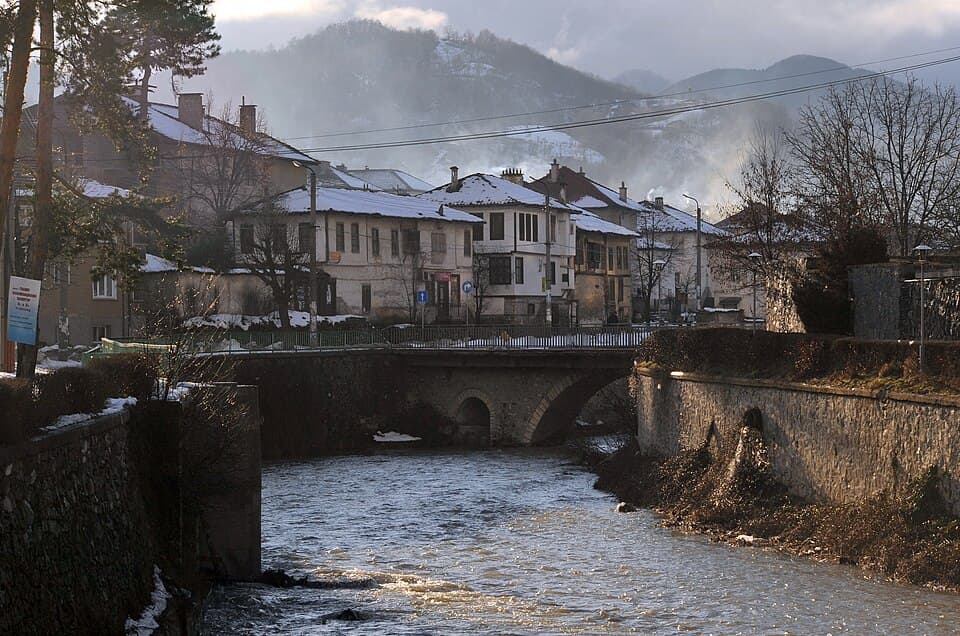
Devin and Zlatograd Weekend: Rhodope Spa Towns, Struilitsa and Old Zlatograd
A Rhodope spa weekend: Devin's mineral water and the Struilitsa eco-trail, Zlatograd's ethnographic complex and Revival quarter, with Trigrad and Yagodina nearby.
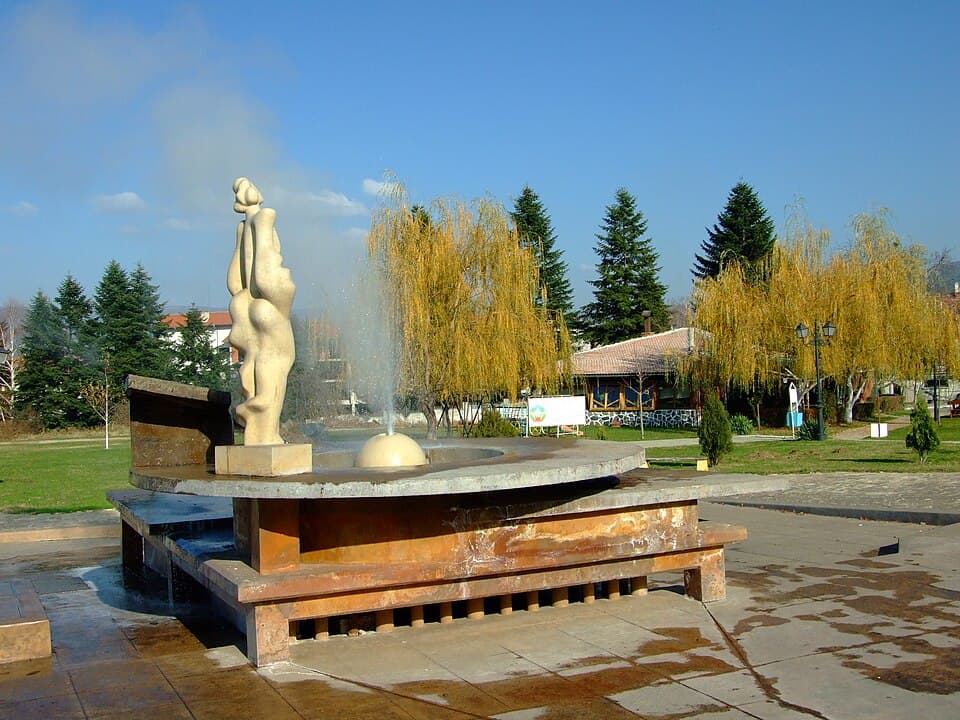
Sapareva Banya and Panichishte Weekend: the Geyser, Hot Pools and Rila
A weekend in Sapareva Banya and Panichishte: the geyser with 103 °C water, mineral pools in winter, Panichishte as the snowy side, and the way up to the Seven Rila Lakes.
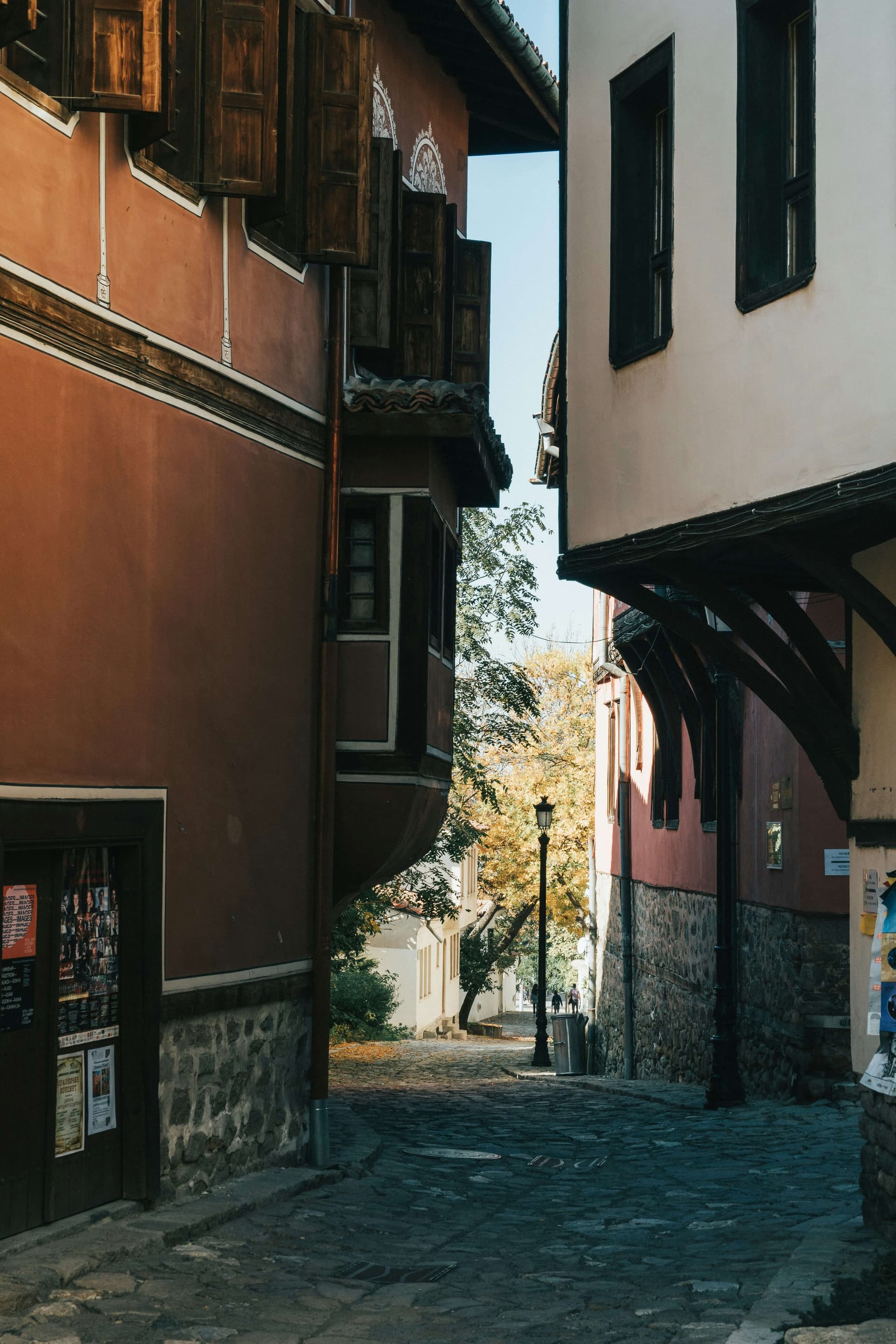
Weekend Getaways from Plovdiv: 8 Autumn & Winter Escapes
8 overnight getaways from Plovdiv: spa towns, Rhodope villages and caves, Troyan and skiing — with drive times, transport and what is open in winter.

Velingrad Spa Weekend: Pools, Kleptuza and the Narrow-Gauge Railway
A spa weekend in Velingrad: getting there, where to soak after 1 October, Kleptuza spring, Lepenitsa cave, the narrow-gauge railway and what's nearby.