

Christmas Markets in Bulgaria 2026: Sofia, Plovdiv & the Coast
In this guide▾
Bulgaria doesn't market itself as a Christmas-market destination the way Germany and Austria do, and its markets are smaller and fewer as a result. But they exist, they're genuinely atmospheric, and they come with an advantage the famous ones rarely have: a ski resort usually within a short drive of the city lights.
Here's where to find the festive season, city by city, and what to actually expect.
🎄 Sofia: The German Christmas Market and Sofia Christmas Fest
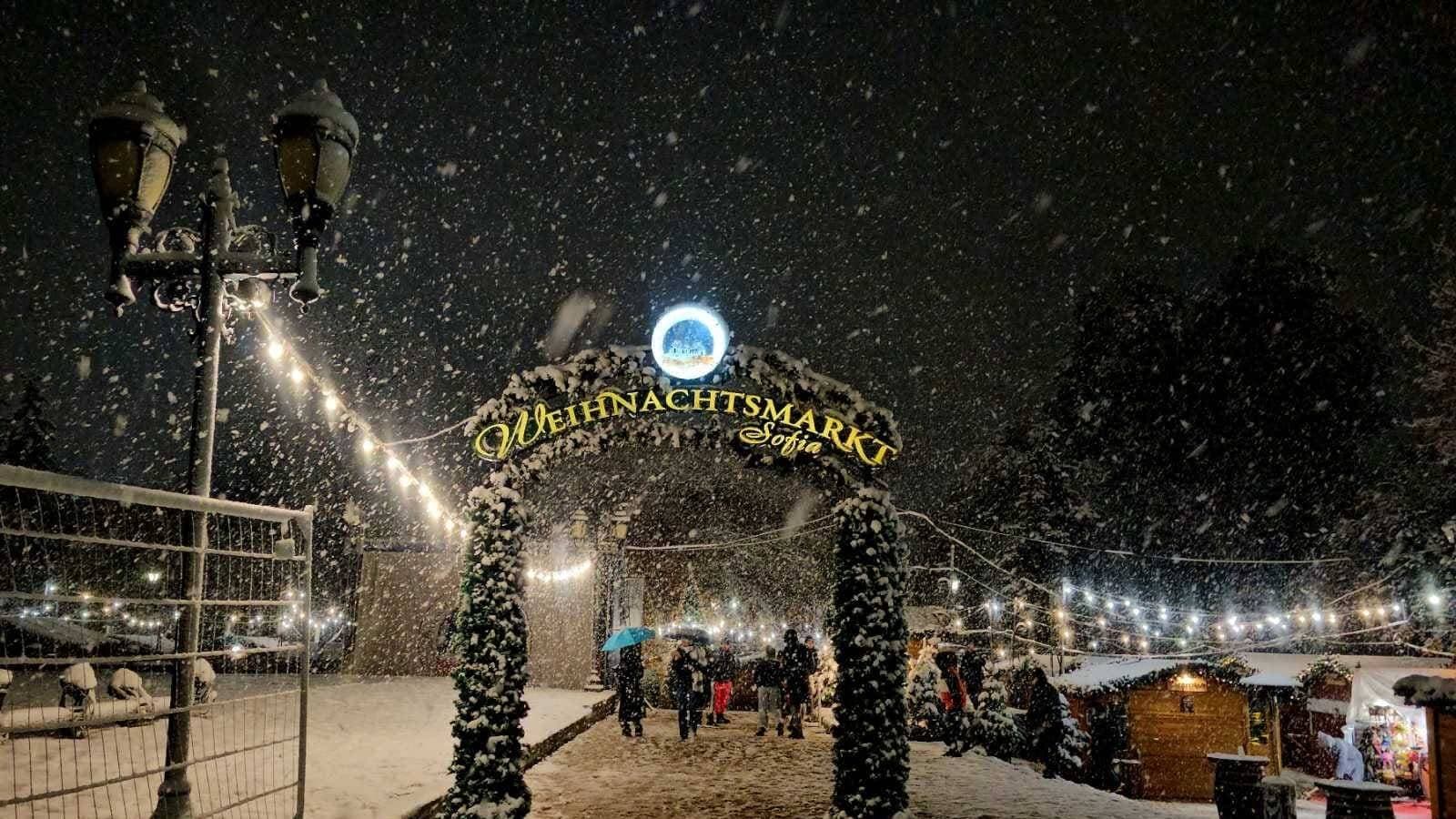
The capital's best-known market is the German Christmas Market (Deutscher Weihnachtsmarkt), held in the City Garden beside the National Theatre. In 2026 it runs from 14 November to 21 December, usually from about 11:00 to 22:00, and entry is free.
Expect wooden chalets, mulled wine (greyano vino), German staples like bratwurst and stollen sitting alongside Bulgarian food and crafts, and a small, cheerful setup that's easy to fold into a city weekend.
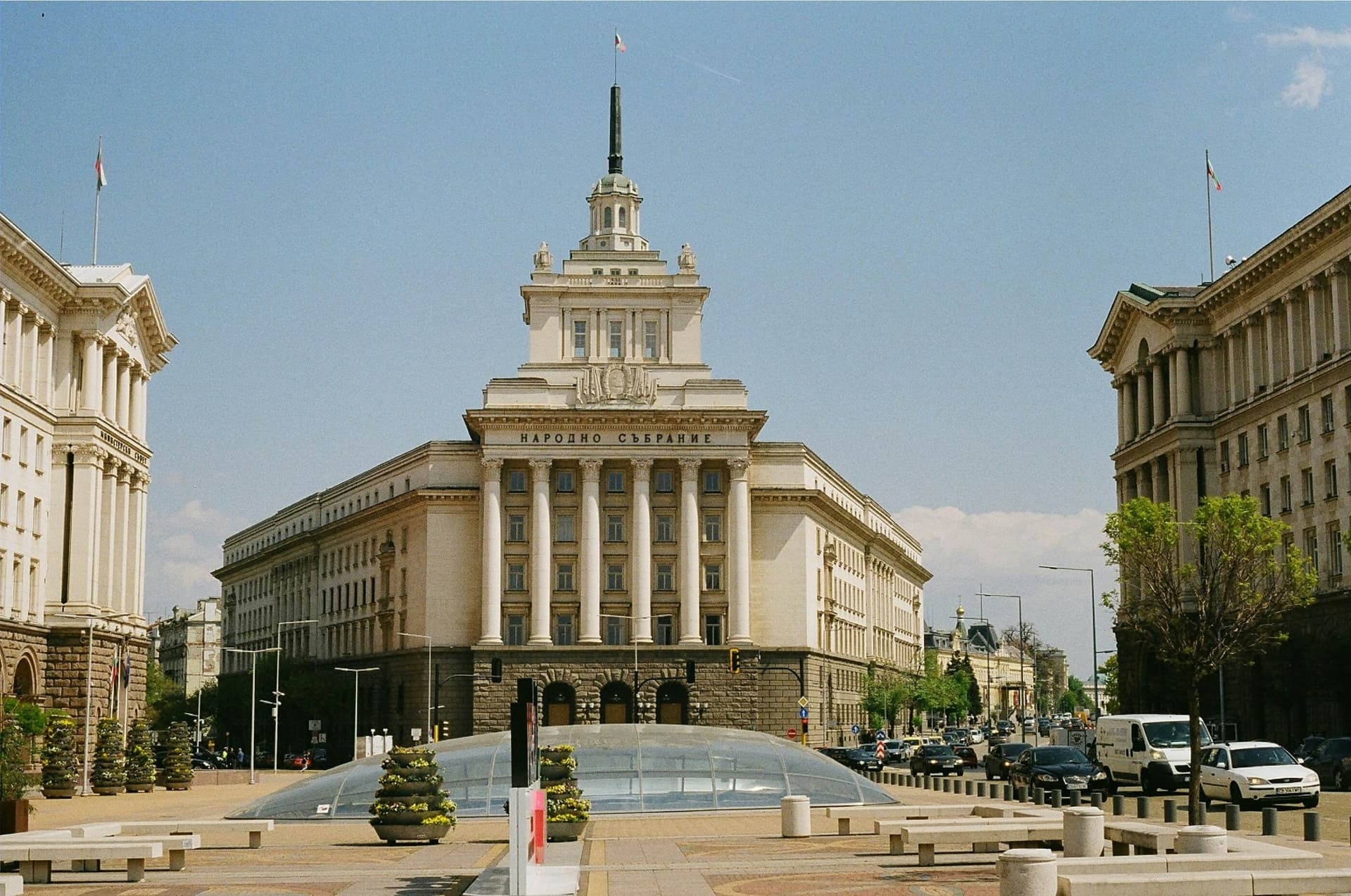
The bigger festive zone is Sofia Christmas Fest in the NDK park, along the alley in front of Kino Kabana. It has an ice rink, a Ferris wheel, children's rides, a stage with a music programme and an art bazaar of Bulgarian makers and producers — the better pick if you're travelling with kids.
Over the holidays the centre also hosts smaller themed weekend bazaars, such as art and handmade markets. Sofia's main Christmas tree traditionally stands on Alexander Nevsky Square, and our Sofia weekend itinerary covers the surrounding sights, all within walking distance.
🏙️ Plovdiv: The Central Square and Kapana
Plovdiv has two festive markets:
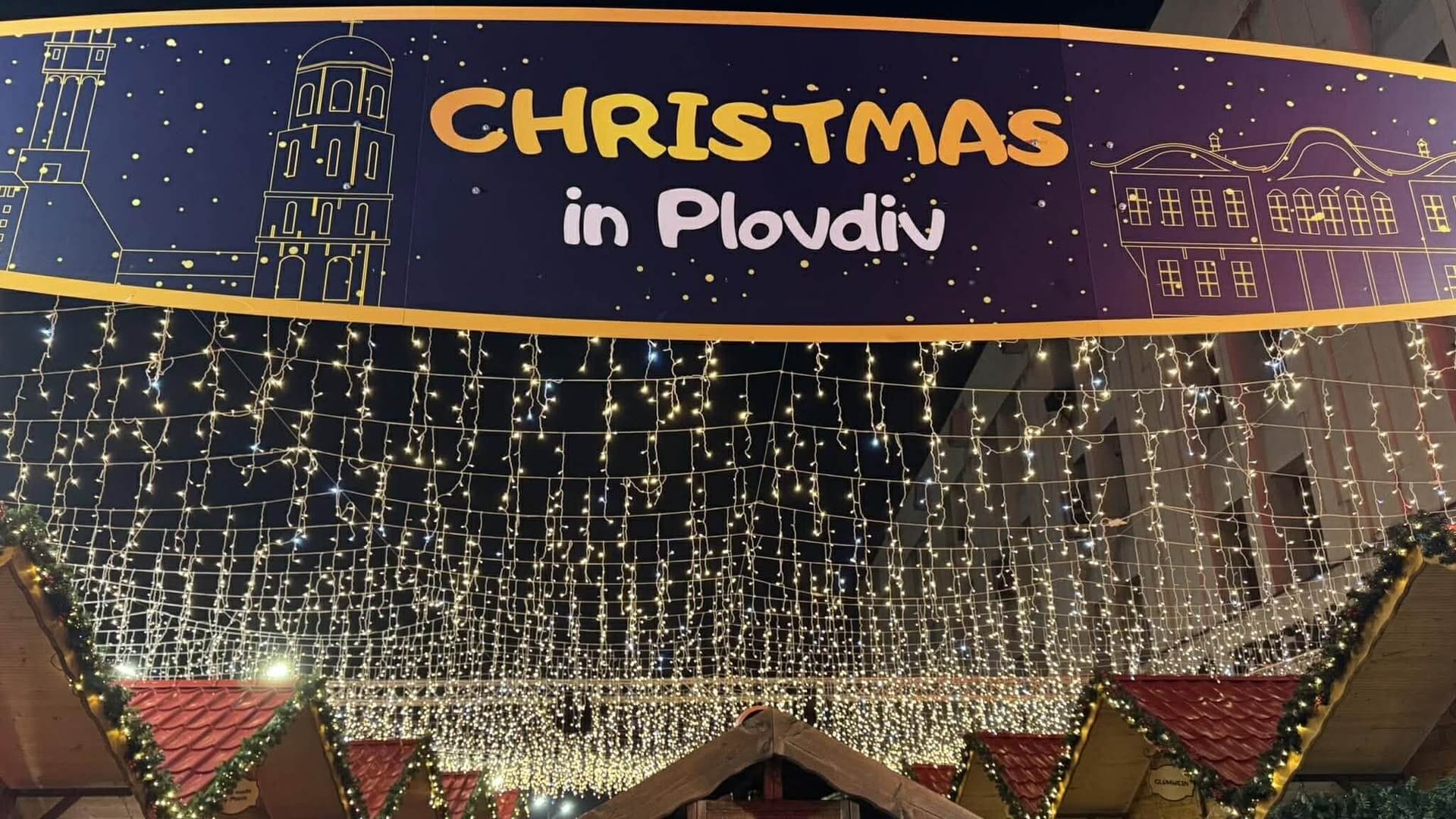
- Christmas in Plovdiv — a Christmas village on the Central Square (Stefan Stambolov Square, by the Central Post Office), with a Christmas tree, concerts and a market. It runs from late November to early January (last season, 28 November to 4 January).
- The Kapana Christmas bazaar — held in December (last season, 17 to 28 December) in the Kapana district, the grid of narrow streets that is the city's creative quarter, and on the bridge space over Gladstone Street. It brings together dozens of makers and charity causes.
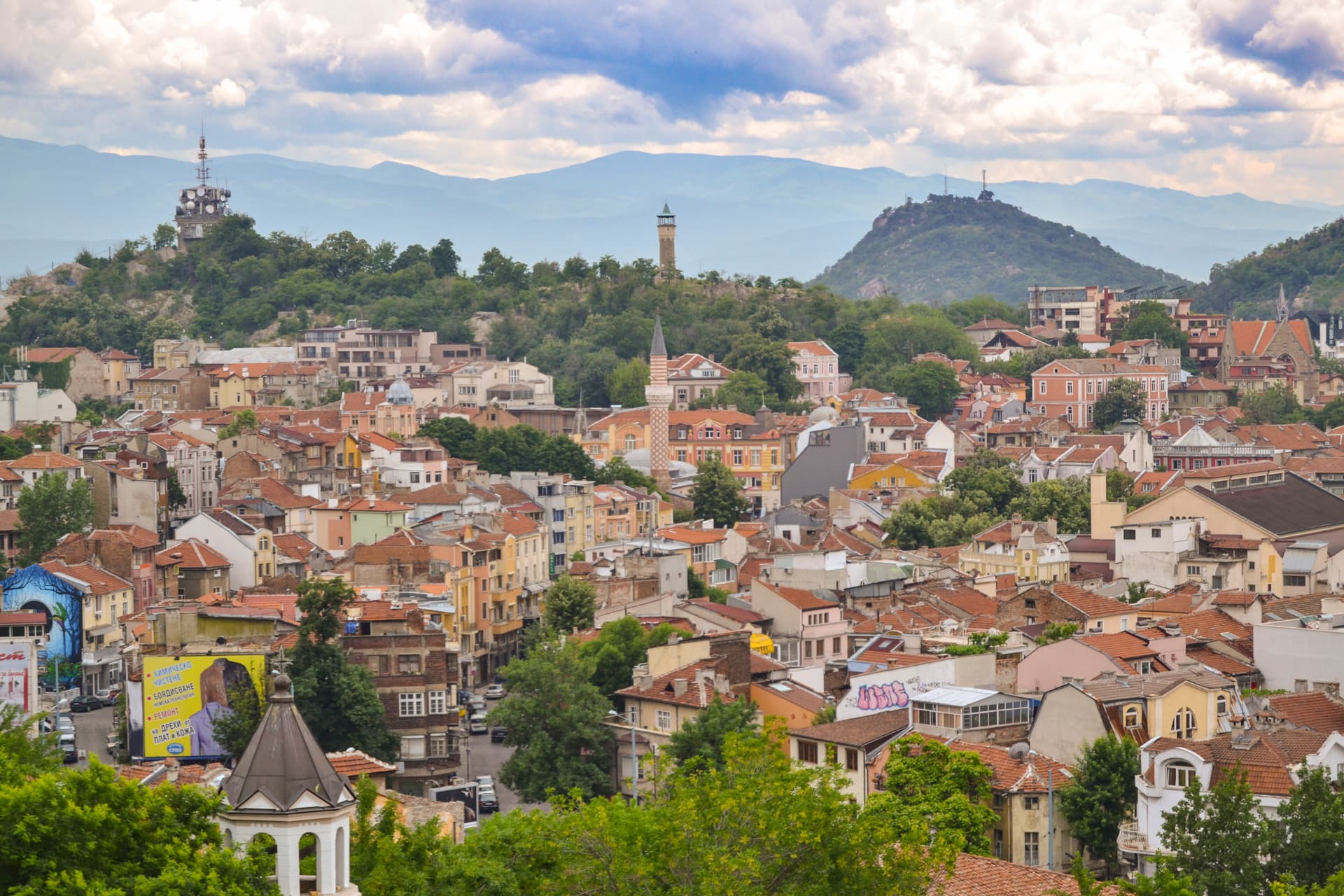
Plovdiv's real advantage at Christmas is its compact, walkable old town: cobbled streets, National Revival houses, and Roman ruins all lit up and free of the summer crowds. It makes an easy festive weekend, and pairs well with the wider region — see our Plovdiv weekend itinerary.
🌊 Varna, Burgas and Veliko Tarnovo
The festive season isn't limited to Sofia and Plovdiv:
- Varna — the city's biggest Christmas market is held at the Sea Station (Morska Gara), right on the waterfront, with an ice rink and children's rides. See our Varna weekend guide.
- Burgas — the municipality had not announced its 2026 programme at the time of writing, but the traditional venues are Troikata Square (the main market, with wooden stalls for food, drinks, souvenirs and decorations), Sts. Cyril and Methodius Square (an ice rink and children's rides), the space in front of the Pantheon in the Sea Garden (food, drink and handmade goods), a neighbourhood market in Meden Rudnik, and themed fairs at Expo Centre Flora. More in our weekend in Burgas guide.
- Veliko Tarnovo — the Christmas market is traditionally held in Marno Pole park, and the old capital's hillside setting is striking in winter.
None of these rival the scale of Sofia's markets, but they turn a winter city break into something more seasonal, and the coast is strikingly quiet out of season.
⛷️ Bansko: Check Closer to the Date
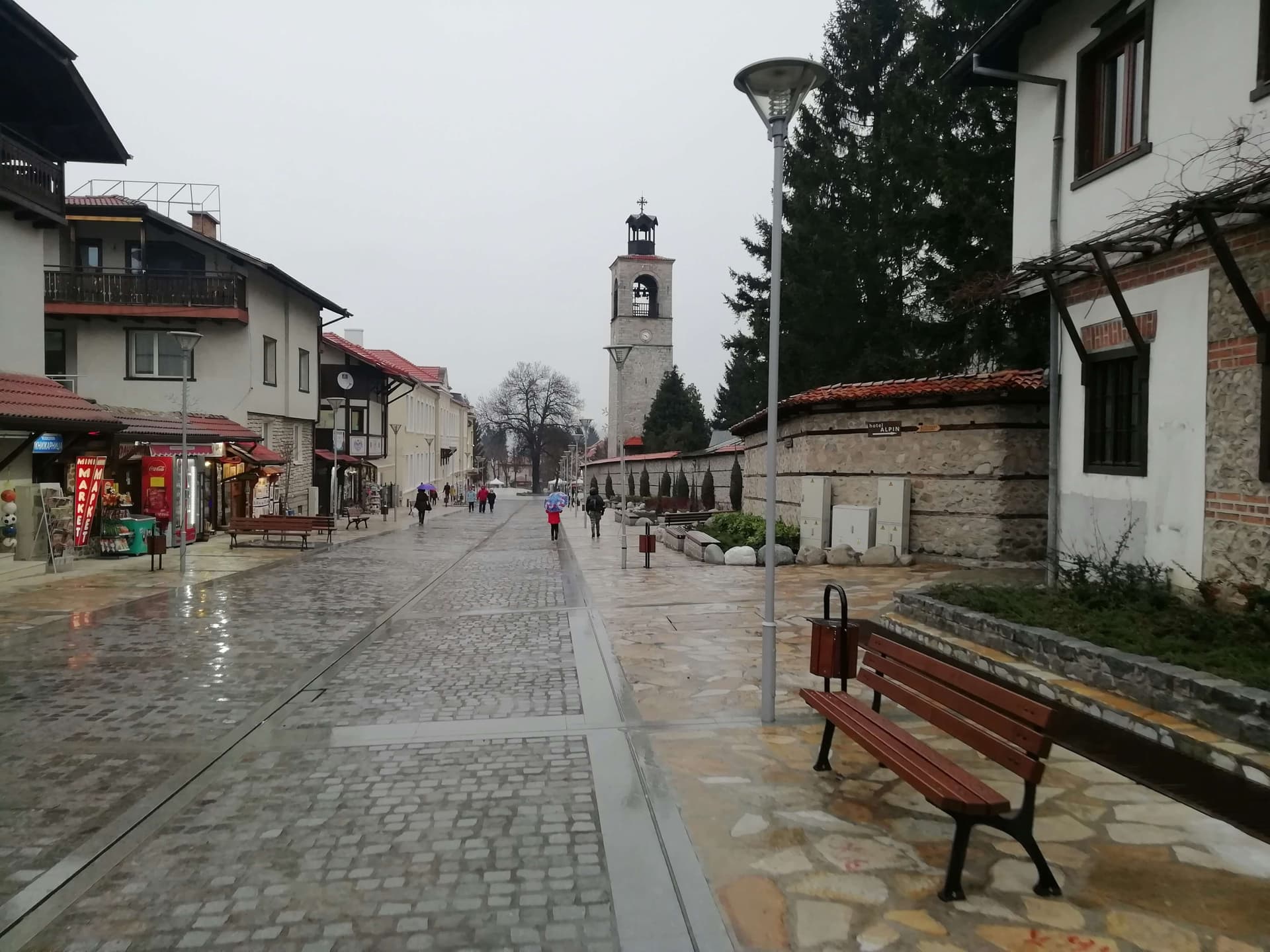
Bansko pairs a city break with the mountains: the ski season usually opens in mid-December, and the town's old centre is a pleasant winter base. There is no official information on a 2026 Christmas market in Bansko yet, so check closer to the date before planning a trip around one. Our Bansko guide covers the resort and the season.
🍷 What to Expect: Food and Drink
The staple is greyano vino — Bulgarian mulled wine. Around it you'll find:
- Grilled sausages and, at the Sofia German market, bratwurst
- Roasted chestnuts from street carts
- Banitsa and honey pastries from the bakeries
- Crafts — ceramics, textiles, wooden toys and decorations from local makers
Worth knowing: traditional Bulgarian Christmas Eve (Budni vecher, 24 December) is a meat-free family meal — an odd number of dishes built on beans, stuffed peppers, sarmi, walnuts and banitsa with a fortune baked inside. The markets themselves lean more festive-European than strictly traditional, so the two sit side by side. Our food guide covers the wider table.
🗓️ Planning a Festive Trip
A few practical notes:
- Timing — Sofia's German market runs 14 November to 21 December 2026; most others run from late November to late December, some into early January. Several cities announce their dates late, so confirm the specific market before booking
- Dress warmly — cities sit around freezing, Bansko is properly cold and snowy. Our packing guide has the winter list
- Combine cities with the mountains — Sofia plus Bansko or Borovets, or Plovdiv plus Chepelare in the Rhodopes, is the trip that makes best use of the season. Pick a resort with our Borovets vs Bansko vs Pamporovo comparison, or the Borovets mountain guide
- Add a soak — the spa and thermal springs guide covers the mineral towns that pair with a festive weekend
- The rest of winter beyond the markets — spa towns, Kukeri (traditional winter monster festivals), snowy monasteries — is in our Bulgaria in winter guide
Bulgaria's Christmas markets are small, relaxed and genuinely festive — and the skiing is right there. Keep planning your trip with Mestala.com.
This guide covers 3 places
Want more Mestala in your Google results?
Add mestala.com as a preferred source and our guides will show up more often when you search. Requires a Google account.
Frequently Asked Questions
When is the Sofia Christmas market in 2026?▾
The German Christmas Market in Sofia's City Garden runs from 14 November to 21 December 2026, usually from about 11:00 to 22:00, and entry is free. Sofia Christmas Fest in the NDK park runs over the festive season too, with an ice rink, a Ferris wheel and a stage.
When do Christmas markets open in Bulgaria?▾
Most open in mid to late November and run until just before or just after Christmas, with some carrying on into early January. Sofia's German Christmas Market opens on 14 November 2026; Plovdiv's Christmas village on the Central Square usually runs from late November into early January. Many cities announce their dates late, so check the specific market before you travel.
Where is the main Christmas market in Sofia?▾
The German Christmas Market (Deutscher Weihnachtsmarkt) in the City Garden, right by the National Theatre, with wooden stalls, mulled wine, German and Bulgarian food and crafts. The bigger festive zone is Sofia Christmas Fest in the NDK park, along the alley in front of Kino Kabana. Sofia's main Christmas tree traditionally stands on Alexander Nevsky Square.
Does Plovdiv have a Christmas market?▾
Yes, two. The Christmas in Plovdiv village on the Central Square (Stefan Stambolov Square, by the Central Post Office) runs from late November to early January with a tree, concerts and a market. The Kapana Christmas bazaar is held in December in Kapana and on the bridge space over Gladstone Street, with dozens of makers and charity stalls.
Are Bulgarian Christmas markets worth visiting compared to German or Austrian ones?▾
They are smaller and fewer than the famous Central European markets, and it is fair to set expectations accordingly — this is not Vienna or Nuremberg. What Bulgaria offers instead is a relaxed, uncrowded atmosphere and the option to combine a city market with a ski resort a short drive away.
What food and drink will I find at a Bulgarian Christmas market?▾
Mulled wine (greyano vino) is the staple, alongside grilled sausages, roasted chestnuts, banitsa and honey pastries, plus German imports like bratwurst at the Sofia market. Bulgarian Christmas Eve itself is traditionally a meat-free spread of beans, stuffed peppers, sarmi and walnuts, so the markets lean more festive-European than strictly traditional.
Is it cold at Bulgarian Christmas markets?▾
Yes — expect around freezing in the cities and colder in mountain towns like Bansko, often with snow. Dress warmly: a proper coat, hat, gloves and waterproof boots for slushy pavements. See our packing guide for a full winter list. The cold is part of the appeal, and a cup of greyano vino is the standard remedy.
You might be interested in
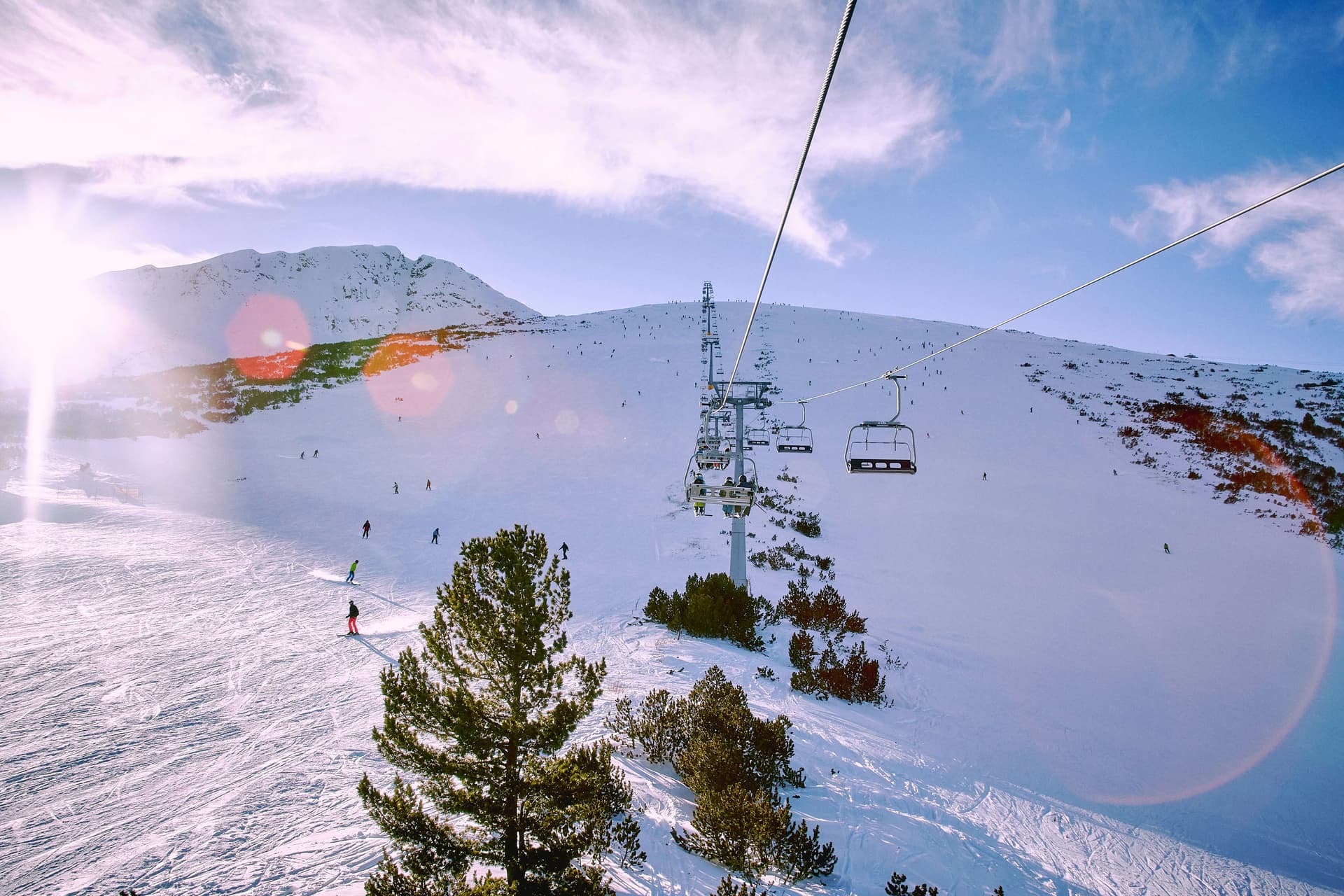
Bansko Ski Resort: Pistes, Gondola, Lift Passes & Parking
A complete guide to Bansko ski resort: 75 km of pistes, the gondola from town, lift pass prices, night skiing, parking, family skiing, and where to stay.
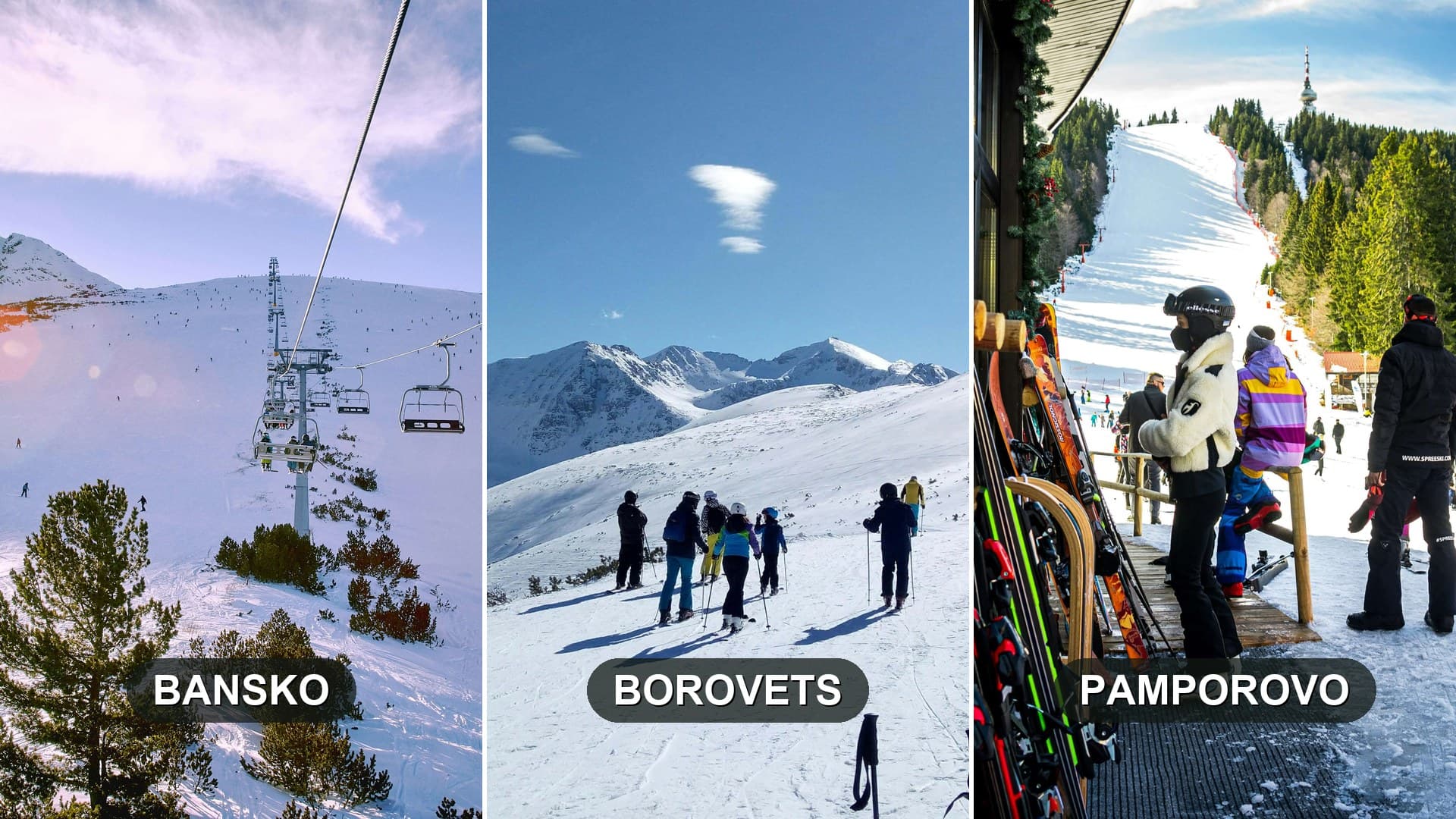
Borovets vs Bansko vs Pamporovo: Which Ski Resort to Pick
Borovets, Bansko, or Pamporovo? Bulgaria's top ski resorts compared on pistes, snow, beginners, lift passes, nightlife, and transfer times.
Chepelare: Bulgaria's Quiet Ski Town in the Rhodopes
A practical guide to Chepelare: the Mechi Chal ski area, Snezhanka Peak, getting there from Plovdiv, parking, where to stay, and why it beats Pamporovo on price.
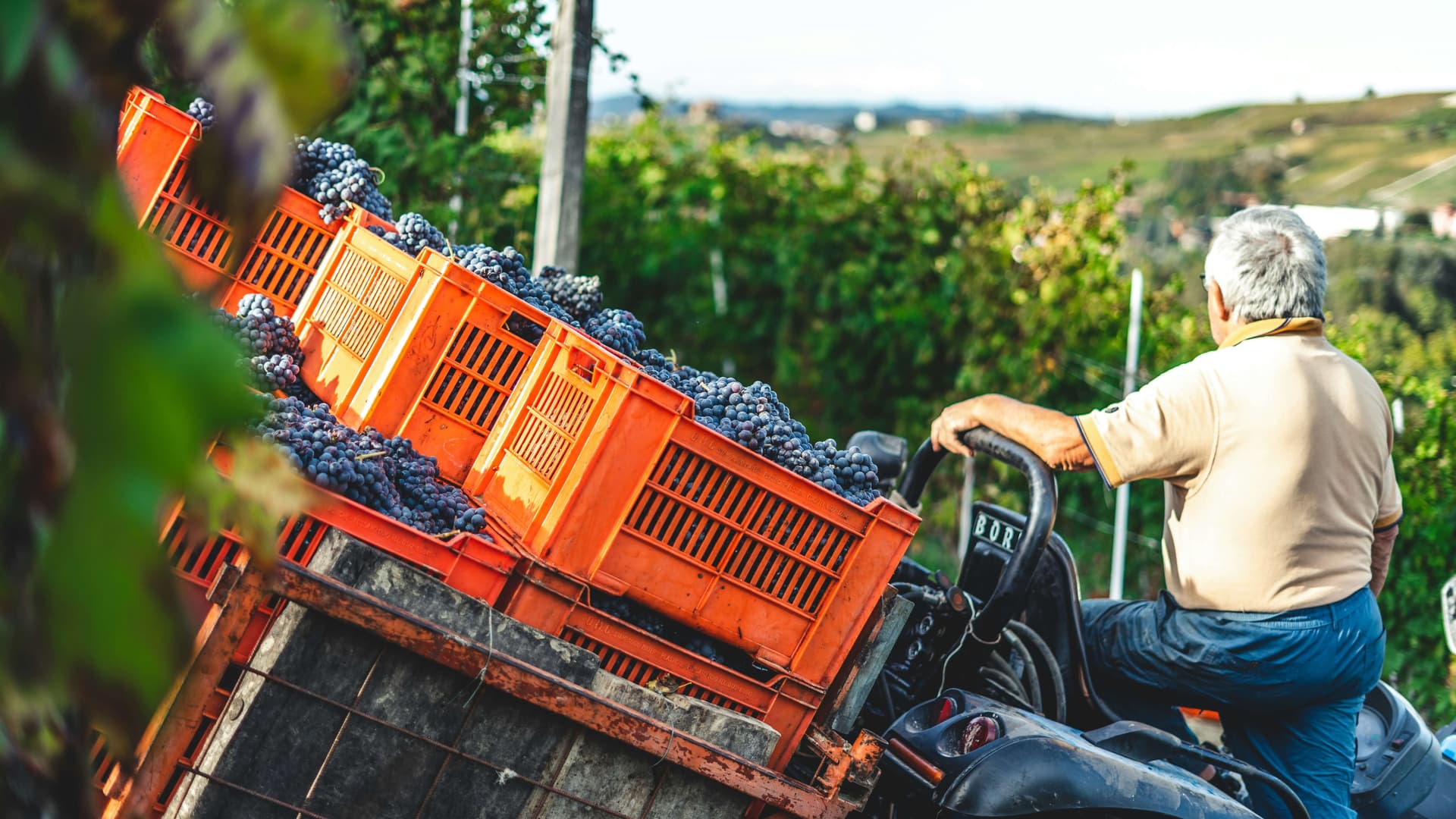
Grozdober: Bulgaria's Grape Harvest Season & How to Join It
When the Bulgarian grape harvest happens, which wine regions to visit in September and October, how a harvest day works and what to book in advance.