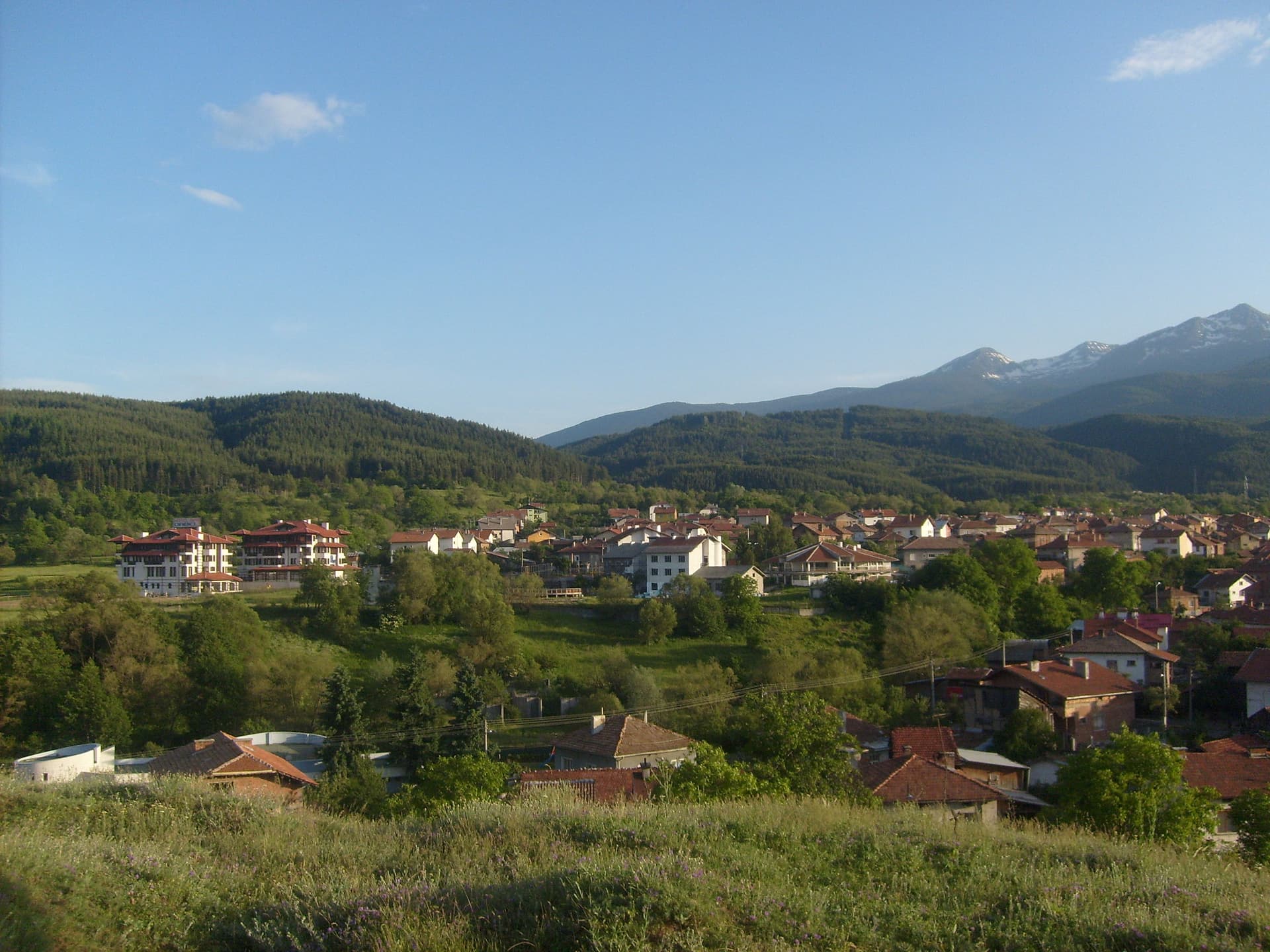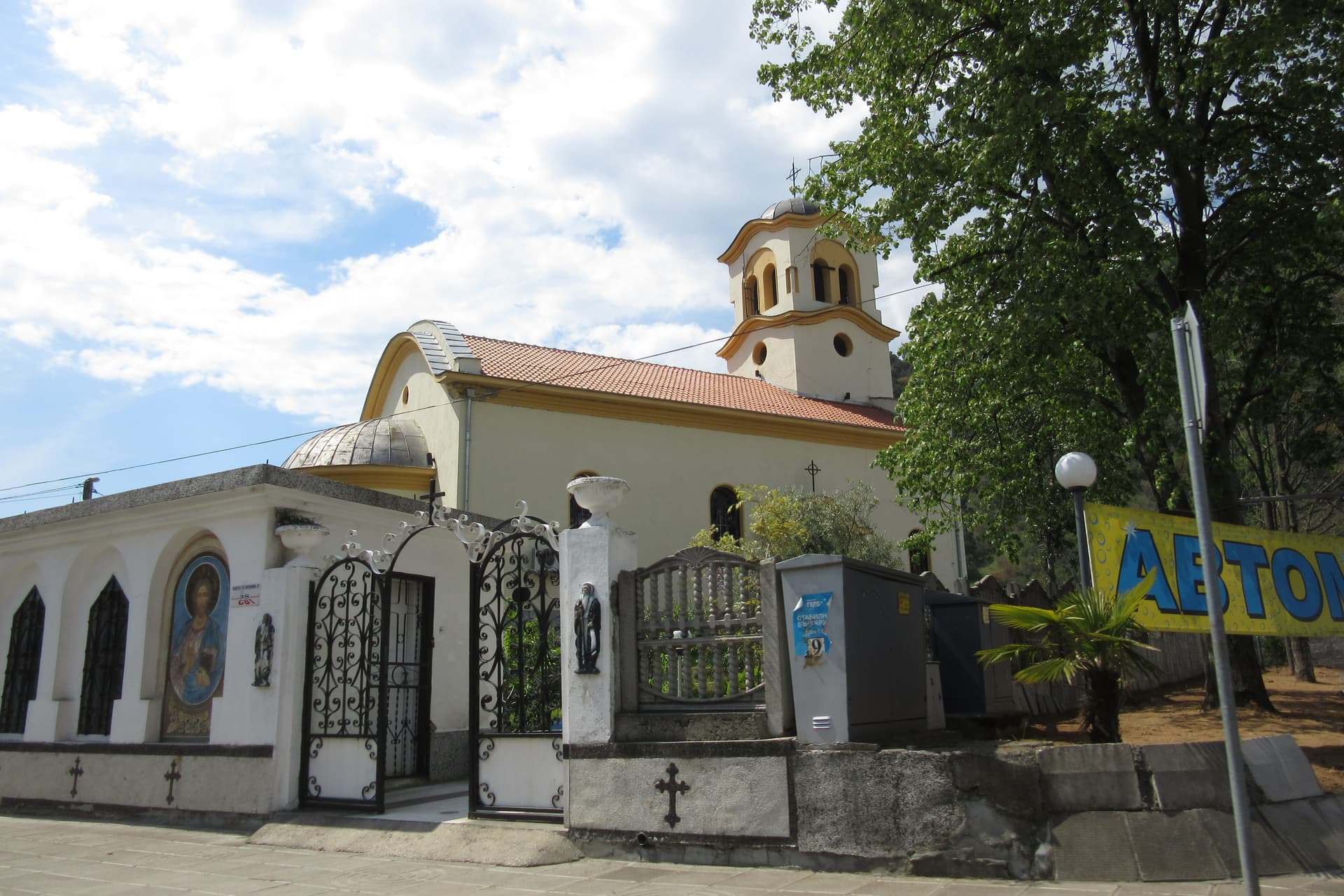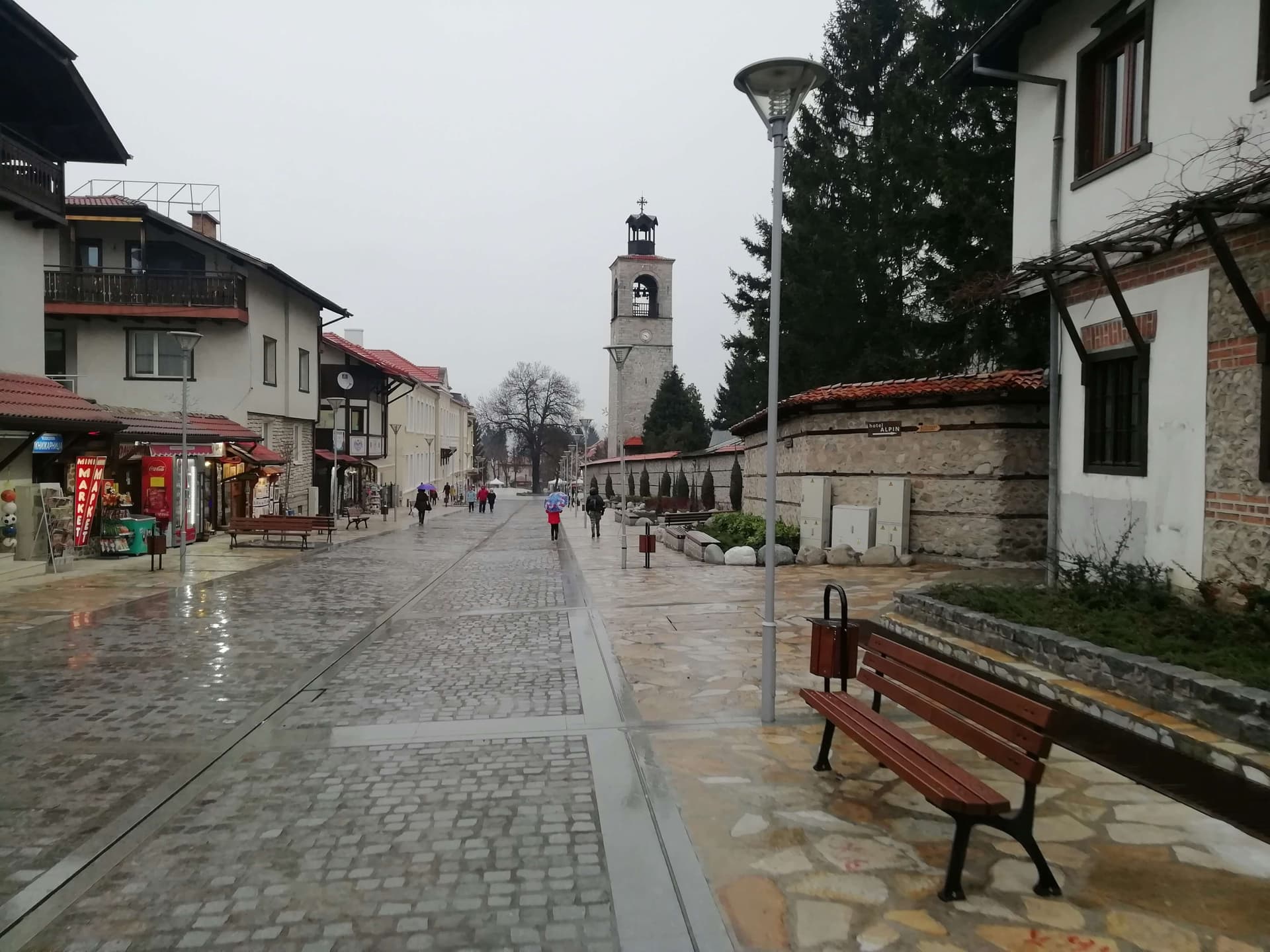
Bansko is a beautiful and world-renowned town located in Southwestern Bulgaria, serving as the official administrative center of the Bansko Municipality and Blagoevgrad Province. During the 19th century, the town established itself as the most critical and prominent center of Bulgarian national identity and education across the entire Razlog region, developing within a complex geopolitical territory bordering Greek and Turkish populations. In modern times, Bansko is an internationally acclaimed winter resort, drawing millions of travelers from all over the globe. According to official metrics from the National Statistical Institute, by the end of December 2025, the permanent population of this mountain town counted 10 189 residents.
The town occupies a highly scenic and strategic geographical position, nestled right at the base of the majestic Northern Pirin Mountains at 927 meters above sea level. Bansko is located 56 kilometers from the regional center Blagoevgrad, 145 kilometers from the city of Plovdiv, and 150 kilometers from the capital city of Sofia. The protected territories of the Pirin National Park, a UNESCO World Heritage site, initiate in immediate proximity to the town limits.
The high-volume mountain Glazne River flows directly through the urban space. The climate of the region is pronounced alpine, with specific air currents and topography allowing a thick snow cover to remain stable from December to April. The distinct alpine character of the Pirin Mountains secures elite conditions for professional and amateur ski sports.
The town enjoys excellent logistical connectivity, hosting a major station on the unique mountain narrow-gauge railway linking Septemvri and Dobrinishte. In the territories southwest of the town, rich therapeutic mineral waters emerge, fueling the modern spa and wellness industry of the region.
The ski center of Bansko is engineered according to premier global standards, featuring advanced machinery and diverse ski runs. The highest point of the ski zone is positioned at 2560 meters above sea level, while its lowest point is situated at 1000 meters above sea level.
Parameters of the Slopes and Lift Facilities:
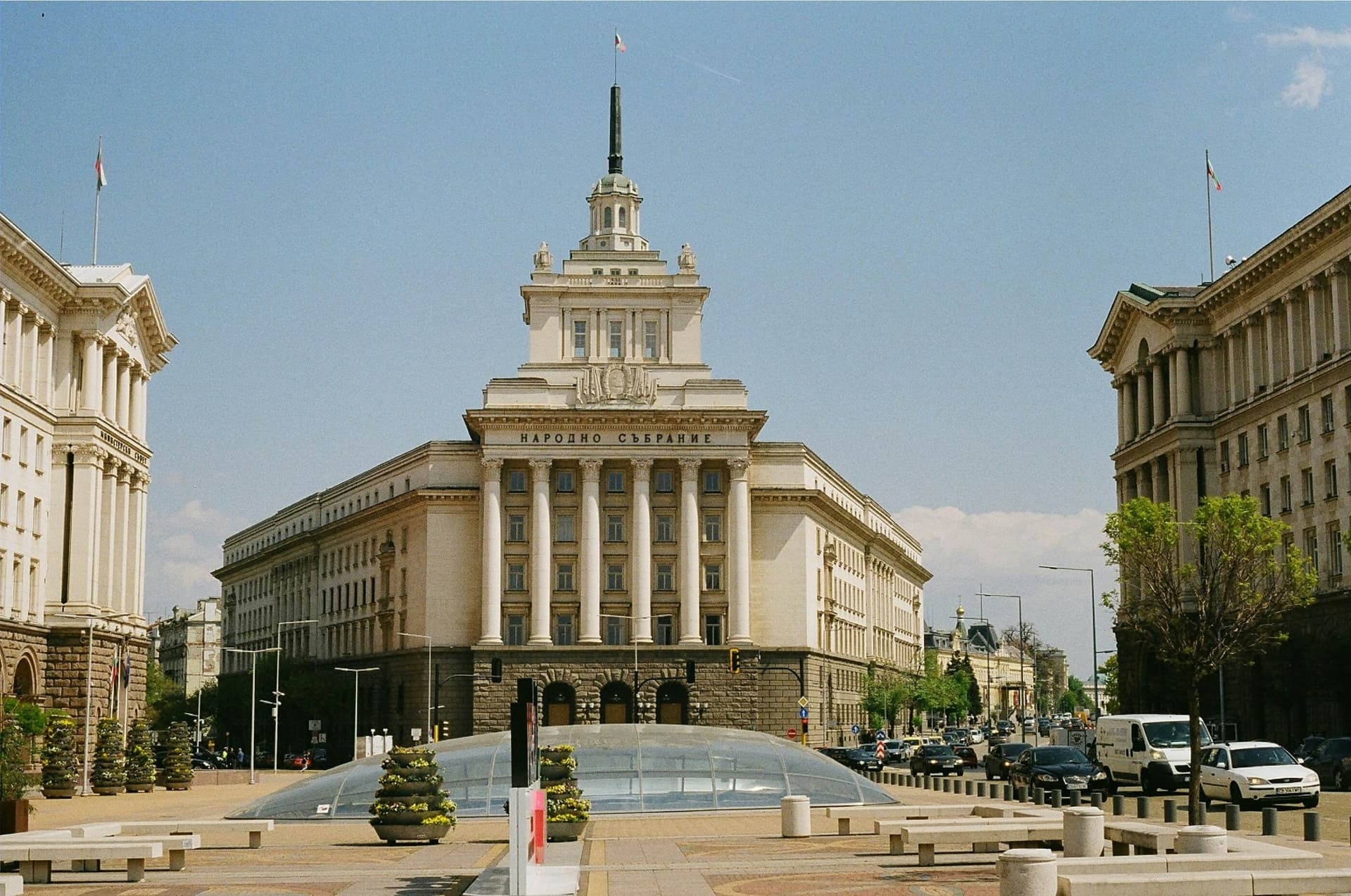
10 overnight weekend getaways within 2.5 hours of Sofia: mineral baths and spa towns, guest-house villages, winter walks and ski — with distances and transport.
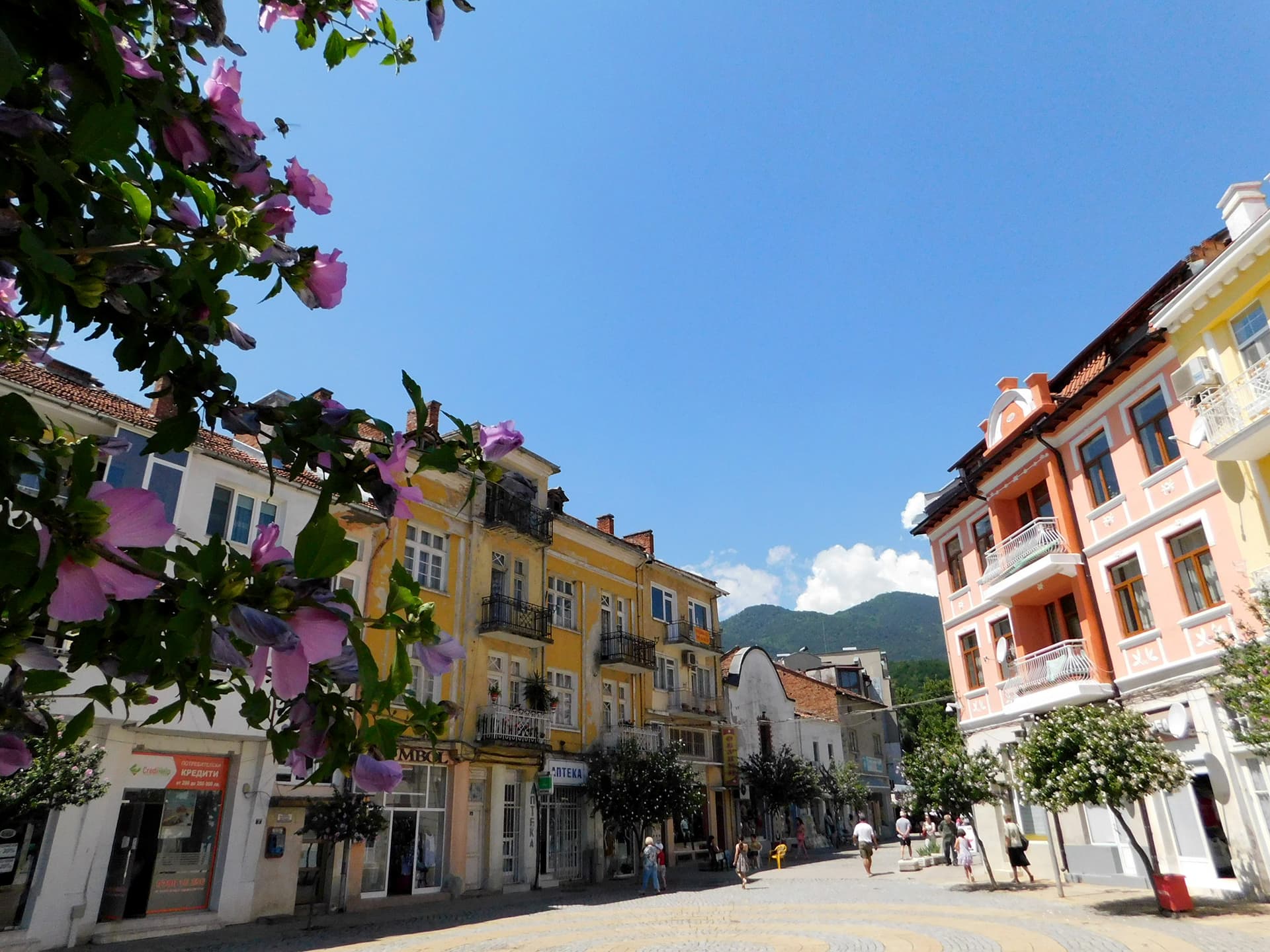
Roman ruins at Nicopolis ad Nestum, the stone villages of Kovachevitsa and Leshten, and Ognyanovo's hot springs — what to see around Gotse Delchev.
How to pick a base by your children's ages, the drive times that make or break a family trip, which caves and beaches actually work with young kids, which ski resort suits which age, and rainy-day fallbacks.
Bansko is located in Blagoevgrad, Bulgaria.
Bansko is most easily reached by car. Use the coordinates above to navigate, or open the location in OpenStreetMap or your preferred maps app for turn-by-turn directions. Public transport options vary by region — for remote destinations a rental car gives the most flexibility.
Bansko can be visited year-round, but late spring (May–June) and early autumn (September–October) offer the most pleasant weather and fewer tourists. Summer is the busiest season; winter is the quietest, with shorter daylight and possible cold weather.
Bulgarian settlements typically reward unhurried walking — historic centres, churches and monasteries, local markets, and family-run restaurants serving regional dishes. Larger towns often have museums and seasonal cultural events. The local tourist information centre is a good first stop for current opening hours and what's on.