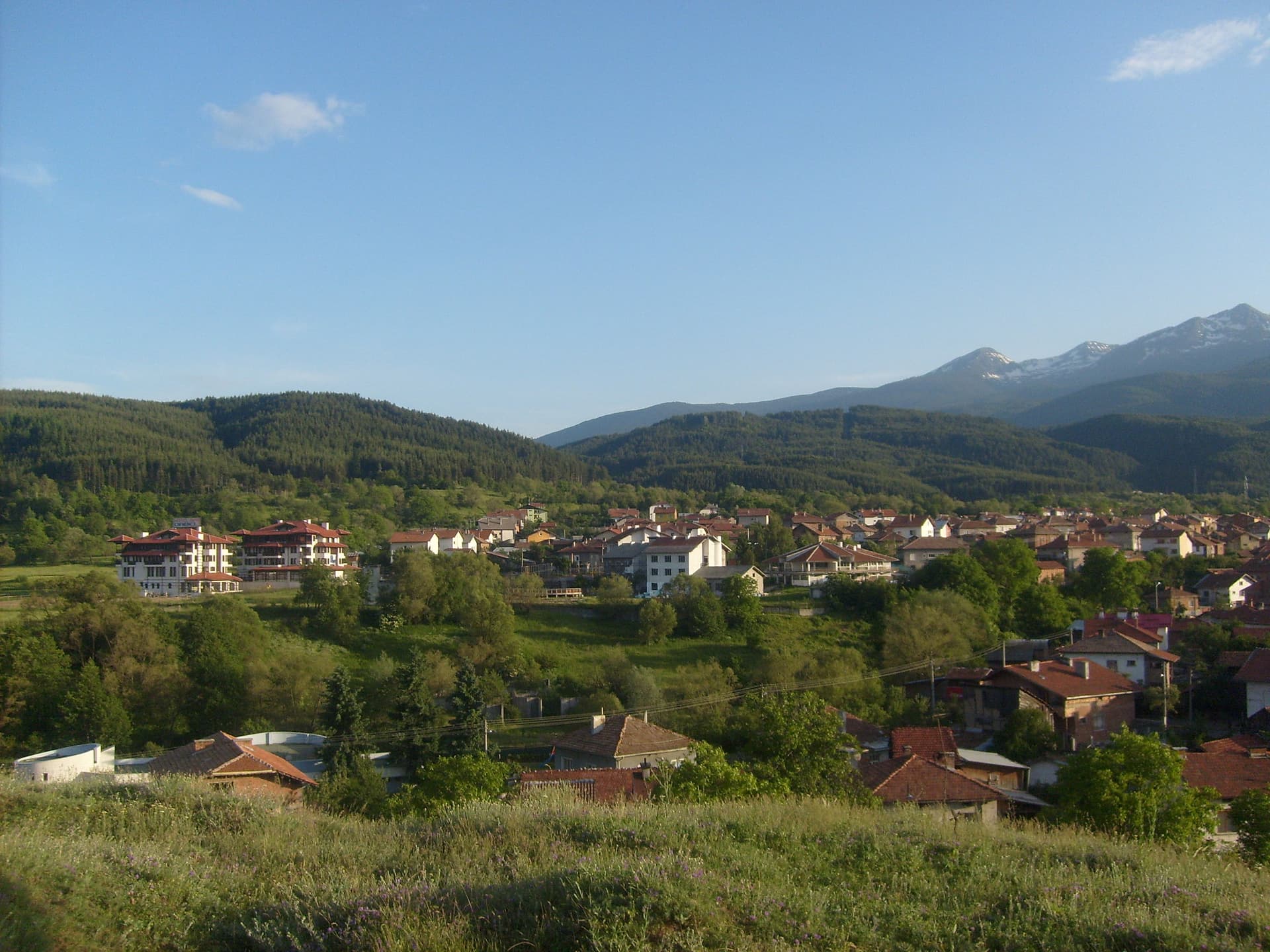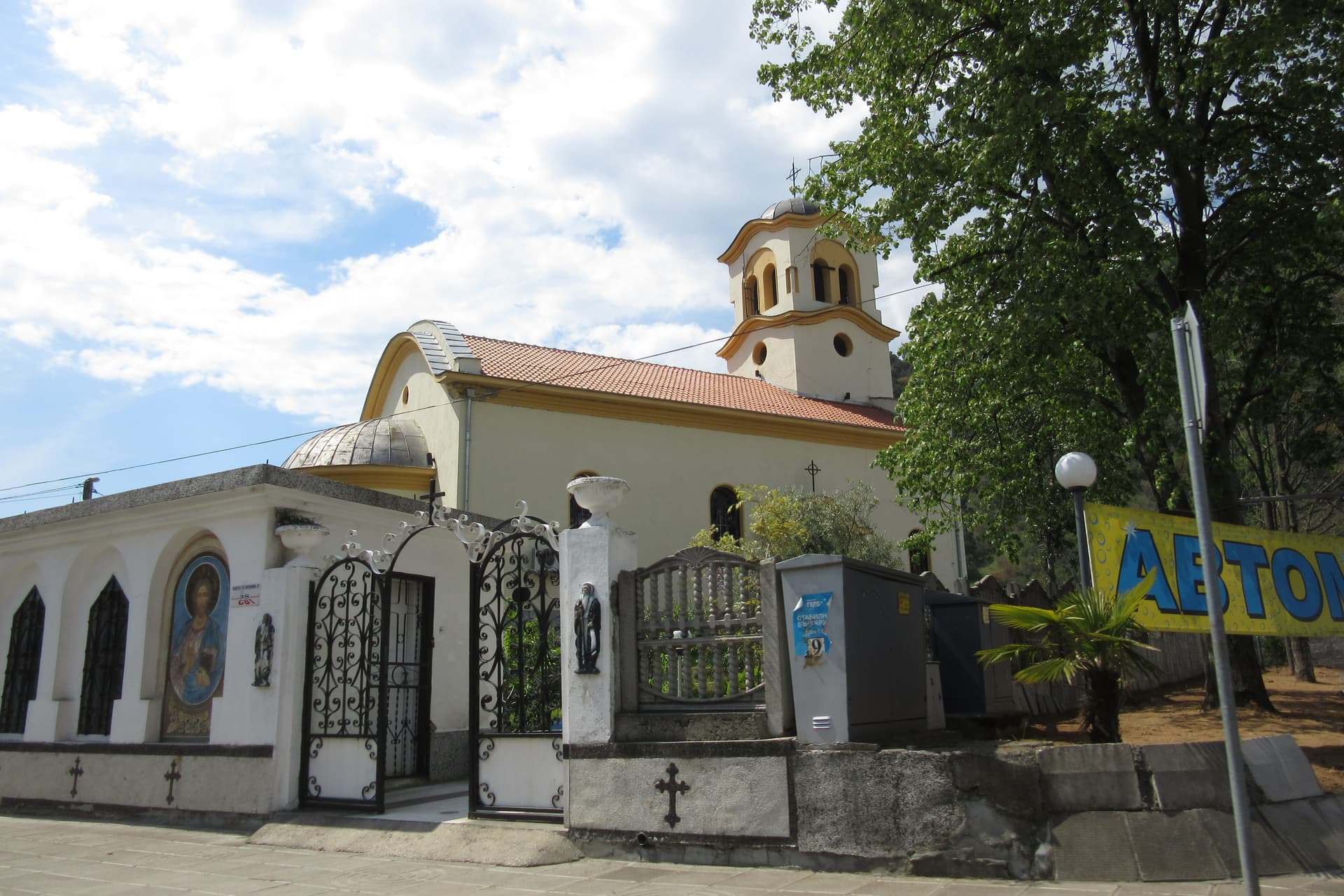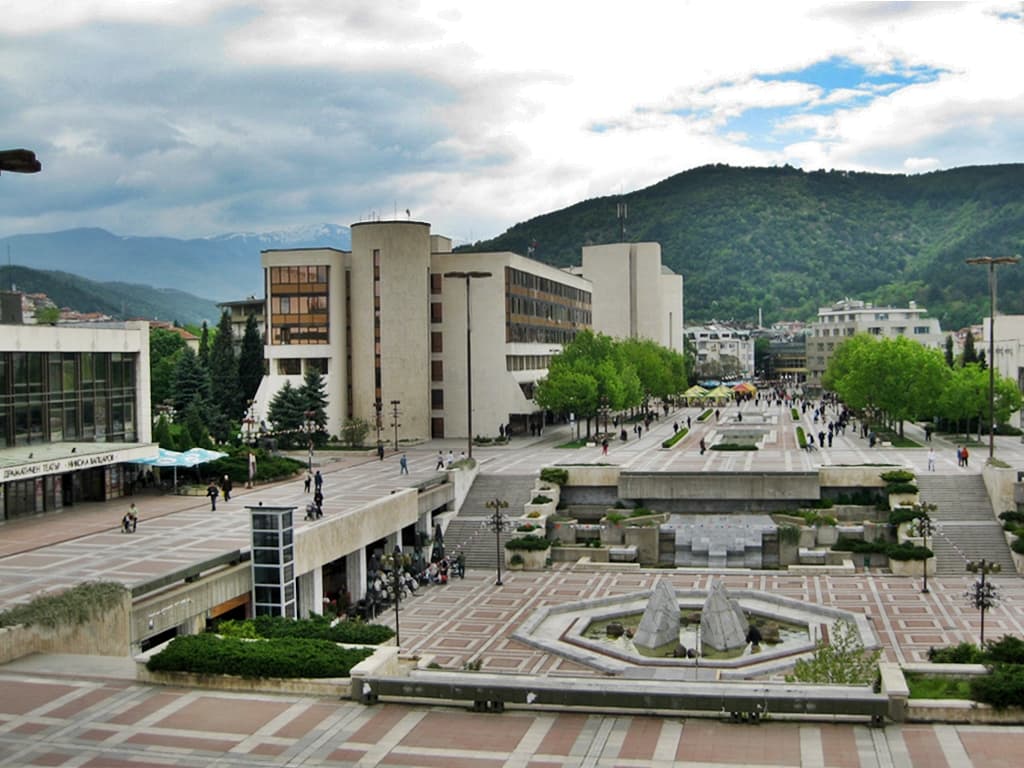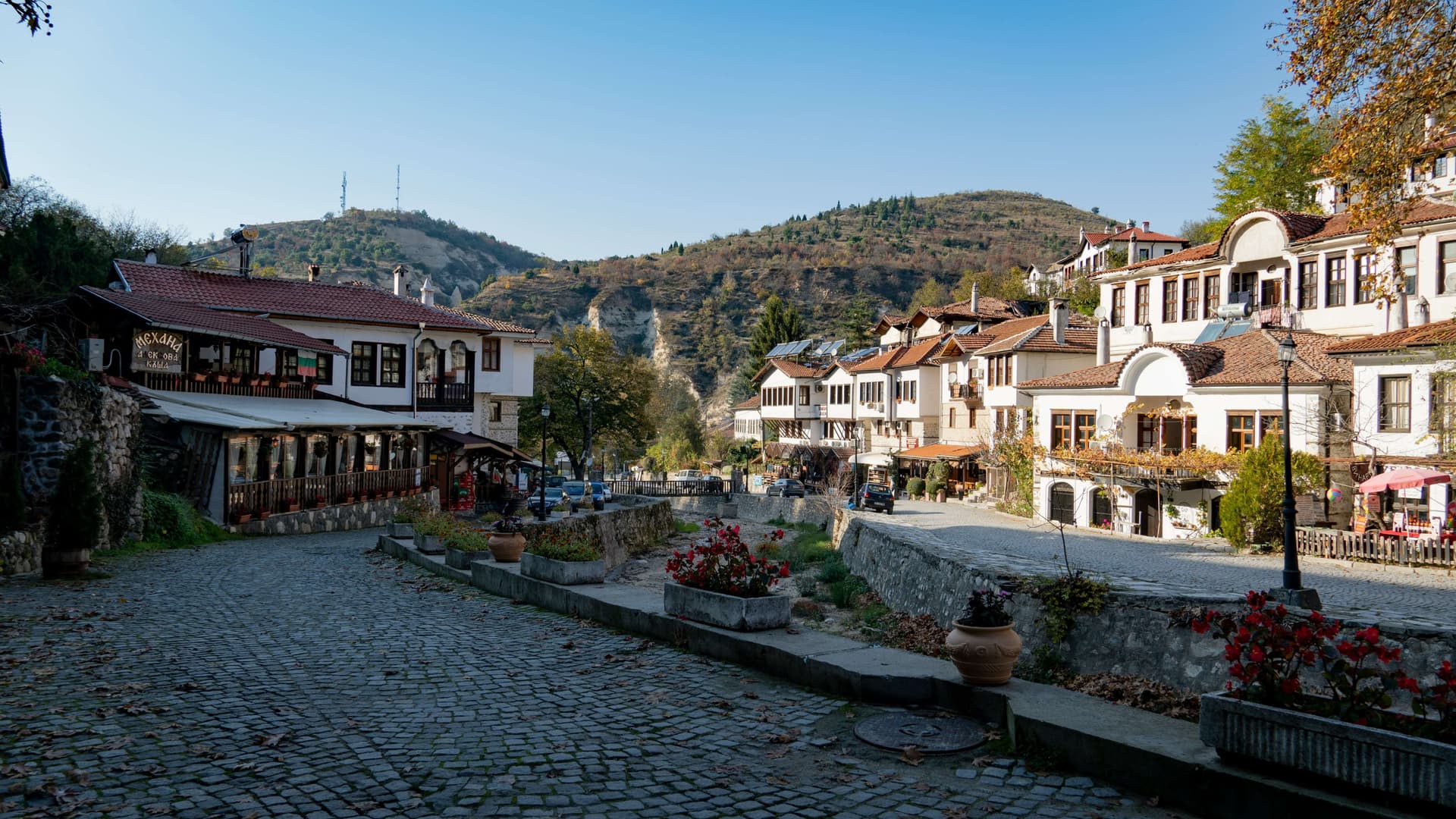
Melnik is the smallest town in Bulgaria, nestled in a scenic mountainous area at the southwestern foothills of the majestic Pirin Mountain. Part of the Sandanski Municipality (Blagoevgrad Province), this town is a true open-air museum and one of the most enchanting pearls of Bulgarian tourism. With its unique National Revival architecture, epic sand pyramids, and centuries-old winemaking traditions, Melnik attracts travelers from all over the globe. The Melnishka River flows through its heart, completing the picturesque landscape.
Today, the region is experiencing a true renaissance in viticulture with the establishment of modern boutique wineries (such as Villa Melnik, Sintica, Orbelus, etc.). They blend the ancient secrets of the unique local grape variety Broad-Leaved Melnik Vine with contemporary world technologies to create high-quality wines recognized internationally.
Landmarks and Cultural Heritage (The 100 National Tourist Sites)
Melnik is integrated into the national movement "Explore Bulgaria – 100 National Tourist Sites," offering remarkable cultural and natural stops:
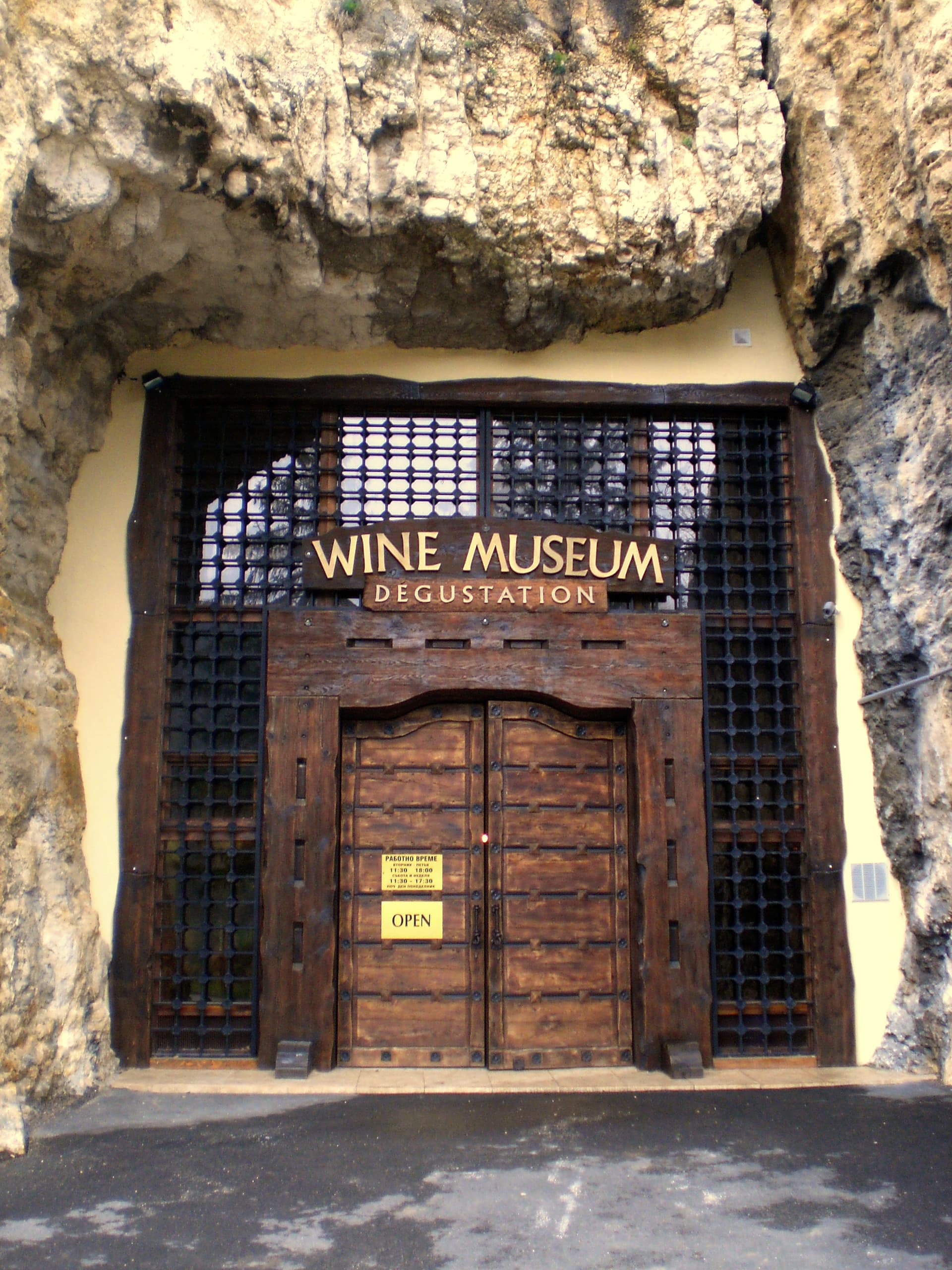
Blagoevgrad region
0.2 km away

Blagoevgrad region
2.9 km away
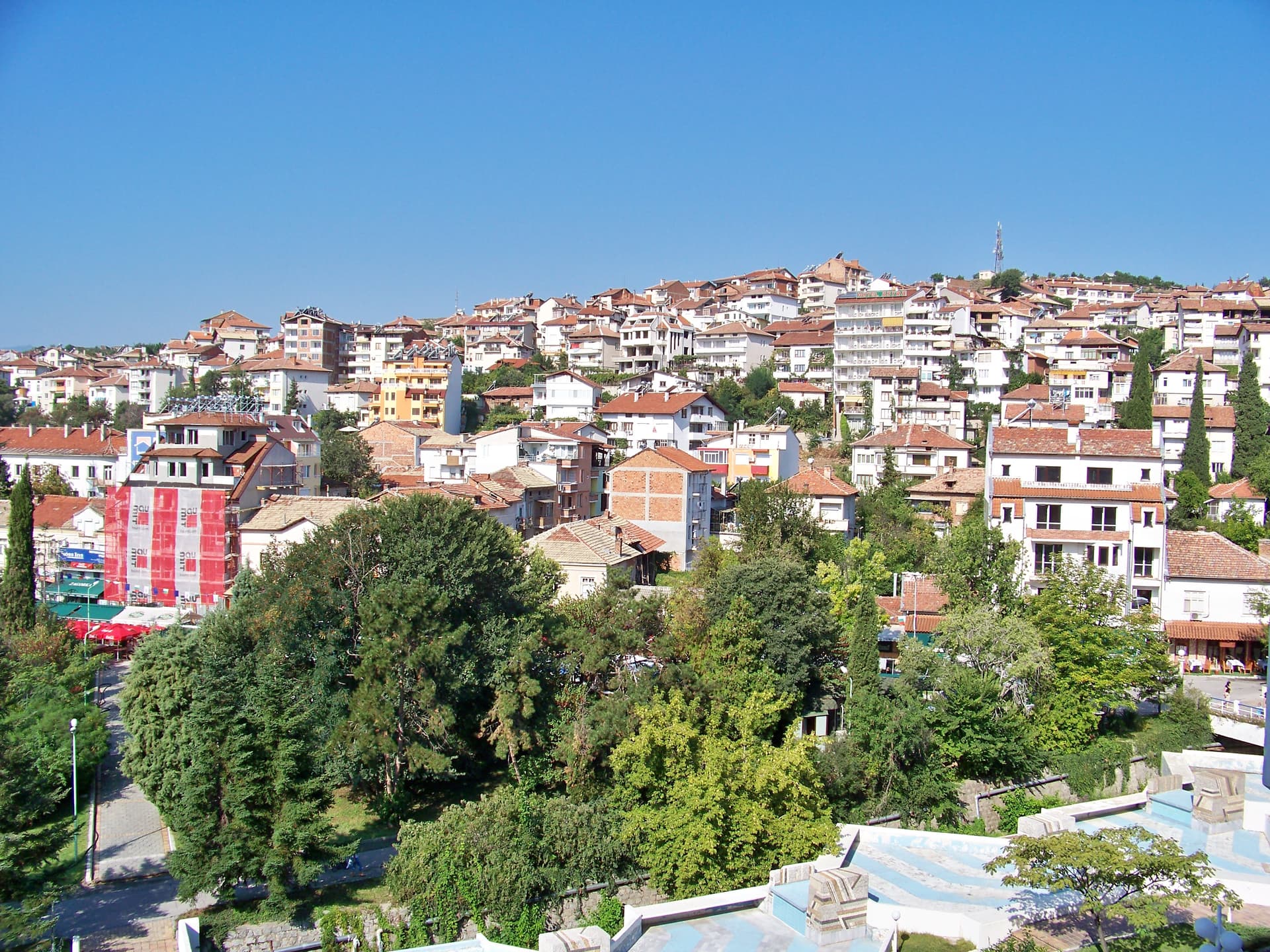
Blagoevgrad region
10.7 km away

Blagoevgrad region
13.7 km away
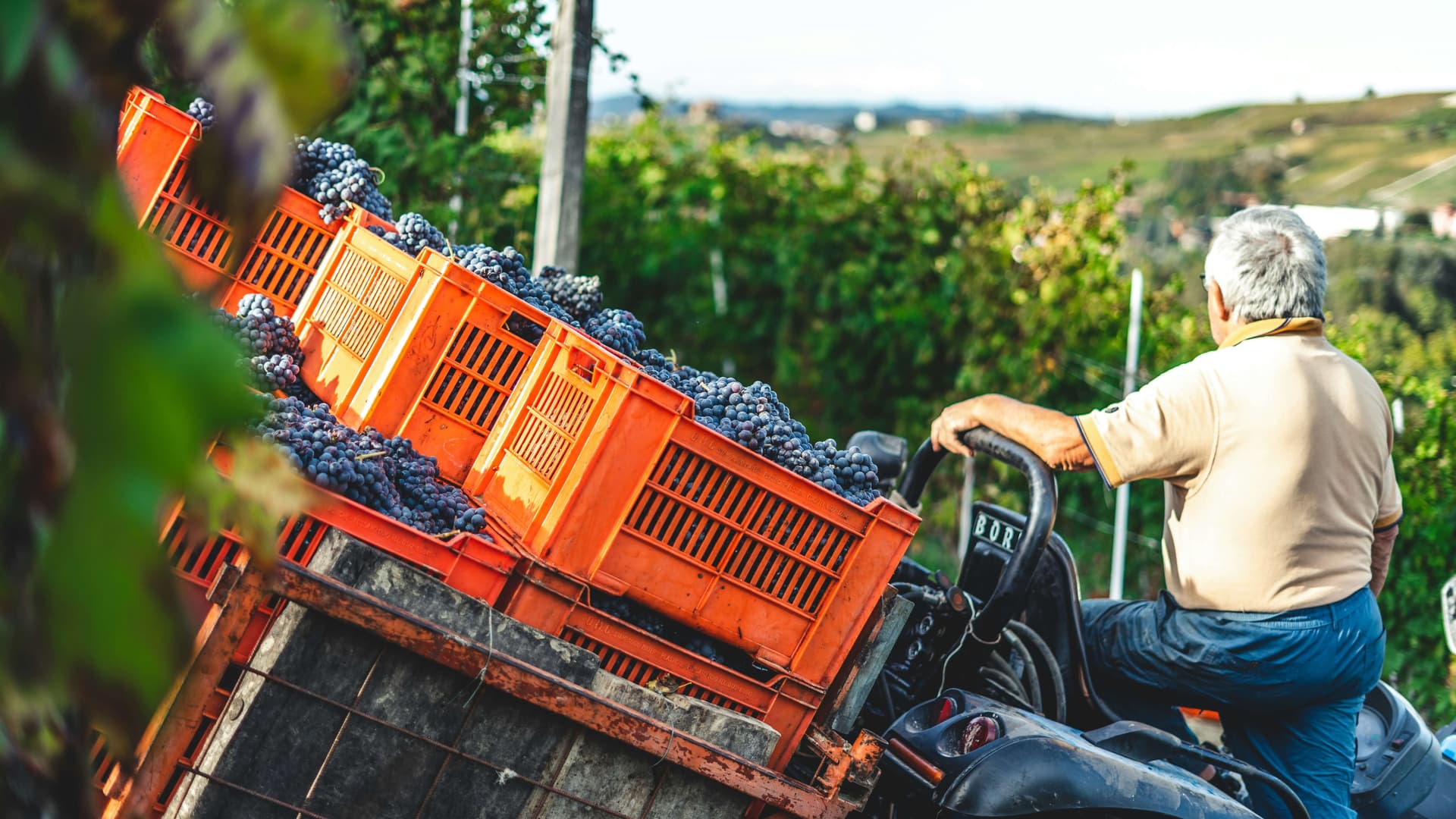
When the Bulgarian grape harvest happens, which wine regions to visit in September and October, how a harvest day works and what to book in advance.
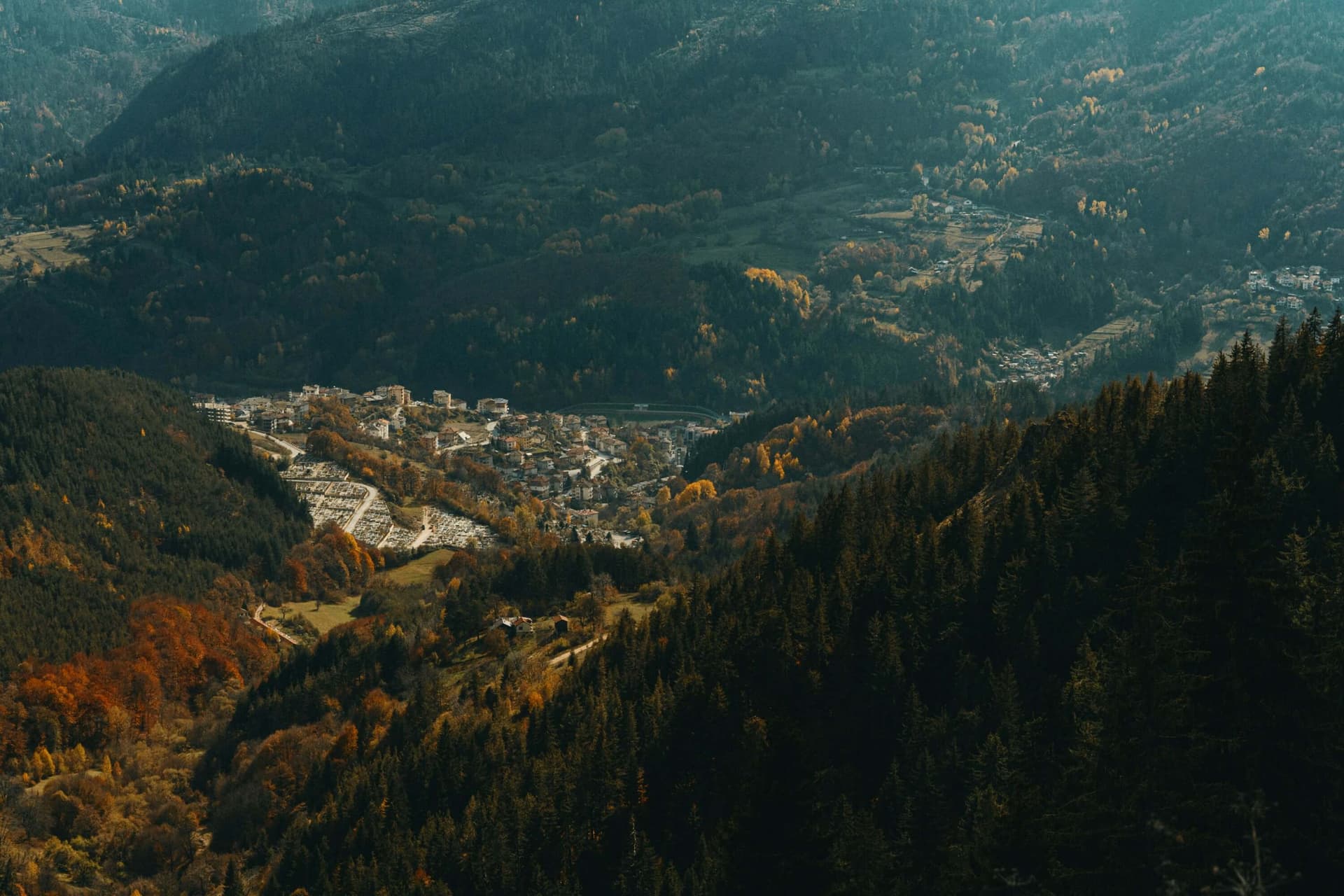
Grape harvest in the Struma and Thracian valleys, Rhodope forests turning gold in October, the last safe hiking window, and a coast without the crowds.
A complete guide to Bulgarian wine and Melnik: famous wine regions, local grape varieties, Melnik cellars, sandstone pyramids, and Rozhen Monastery.
Melnik is located in Blagoevgrad, Bulgaria.
Melnik is most easily reached by car. Use the coordinates above to navigate, or open the location in OpenStreetMap or your preferred maps app for turn-by-turn directions. Public transport options vary by region — for remote destinations a rental car gives the most flexibility.
Melnik can be visited year-round, but late spring (May–June) and early autumn (September–October) offer the most pleasant weather and fewer tourists. Summer is the busiest season; winter is the quietest, with shorter daylight and possible cold weather.
Bulgarian settlements typically reward unhurried walking — historic centres, churches and monasteries, local markets, and family-run restaurants serving regional dishes. Larger towns often have museums and seasonal cultural events. The local tourist information centre is a good first stop for current opening hours and what's on.