

15 Incredible Places in Bulgaria You Must Visit
In this guide▾
Bulgaria is a country of millennial history, striking nature, and rich cultural heritage, all packed into a small yet incredibly diverse territory. From the majestic peaks of the Rila and Pirin mountains to the golden beaches of the Black Sea coast, from ancient Thracian tombs to the modern pulse of its major cities—there is something here for every type of traveler.
If you are planning your next adventure or want to showcase the absolute best of the country to friends, here are 15 incredible destinations in Bulgaria that should definitely be on your travel bucket list.
1. Rila Monastery
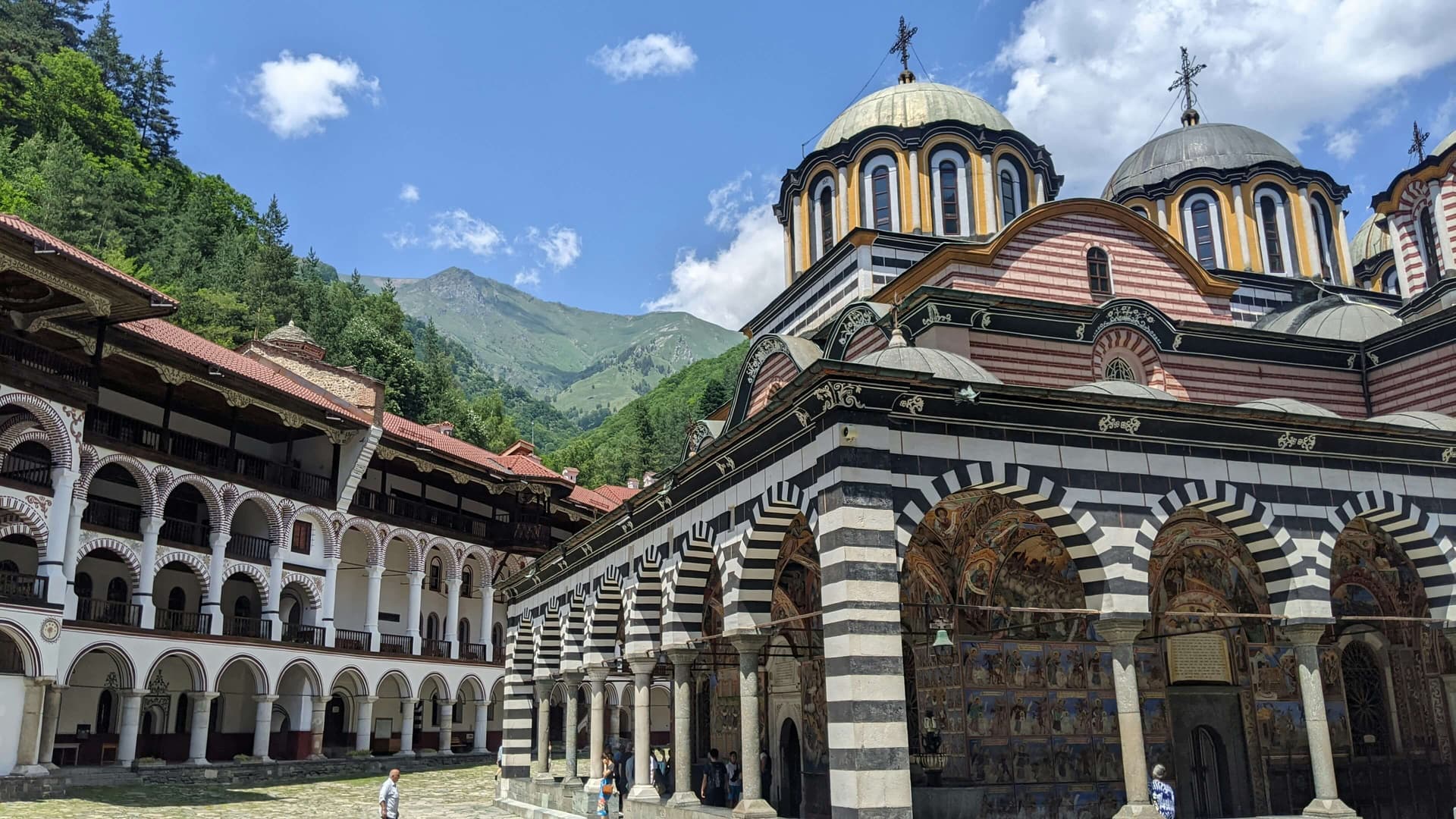
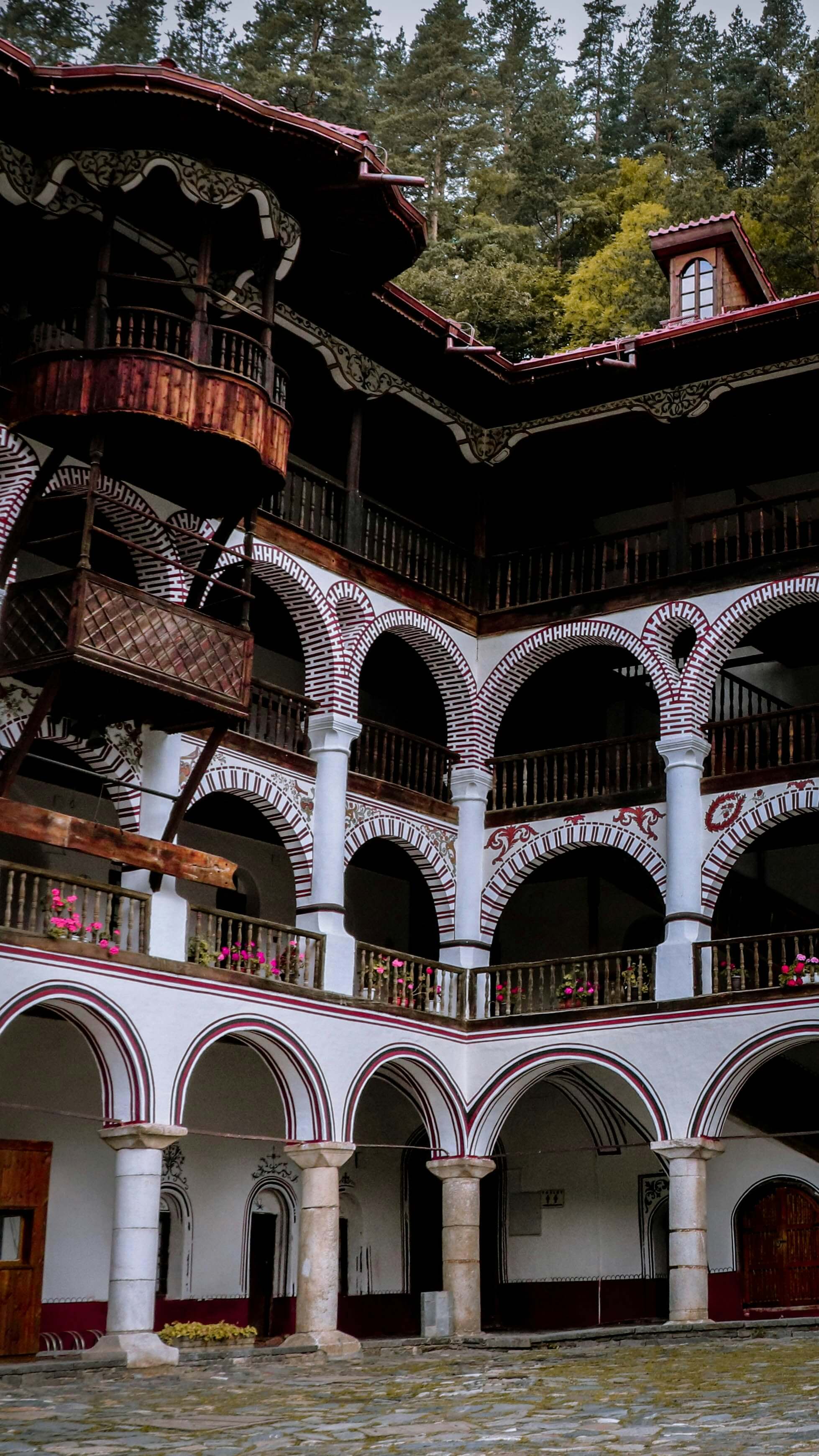
Nestled deep within the dense coniferous forests of the Rila Mountains, the Rila Monastery is Bulgaria's largest and most famous spiritual center. Founded in the 10th century by Saint John of Rila, this UNESCO World Heritage site impresses with its grand architecture, richly decorated arcades, unique frescoes, and the beautiful main Church of the Nativity of the Virgin. It is a place where history, faith, and nature merge in complete harmony.
2. Seven Rila Lakes
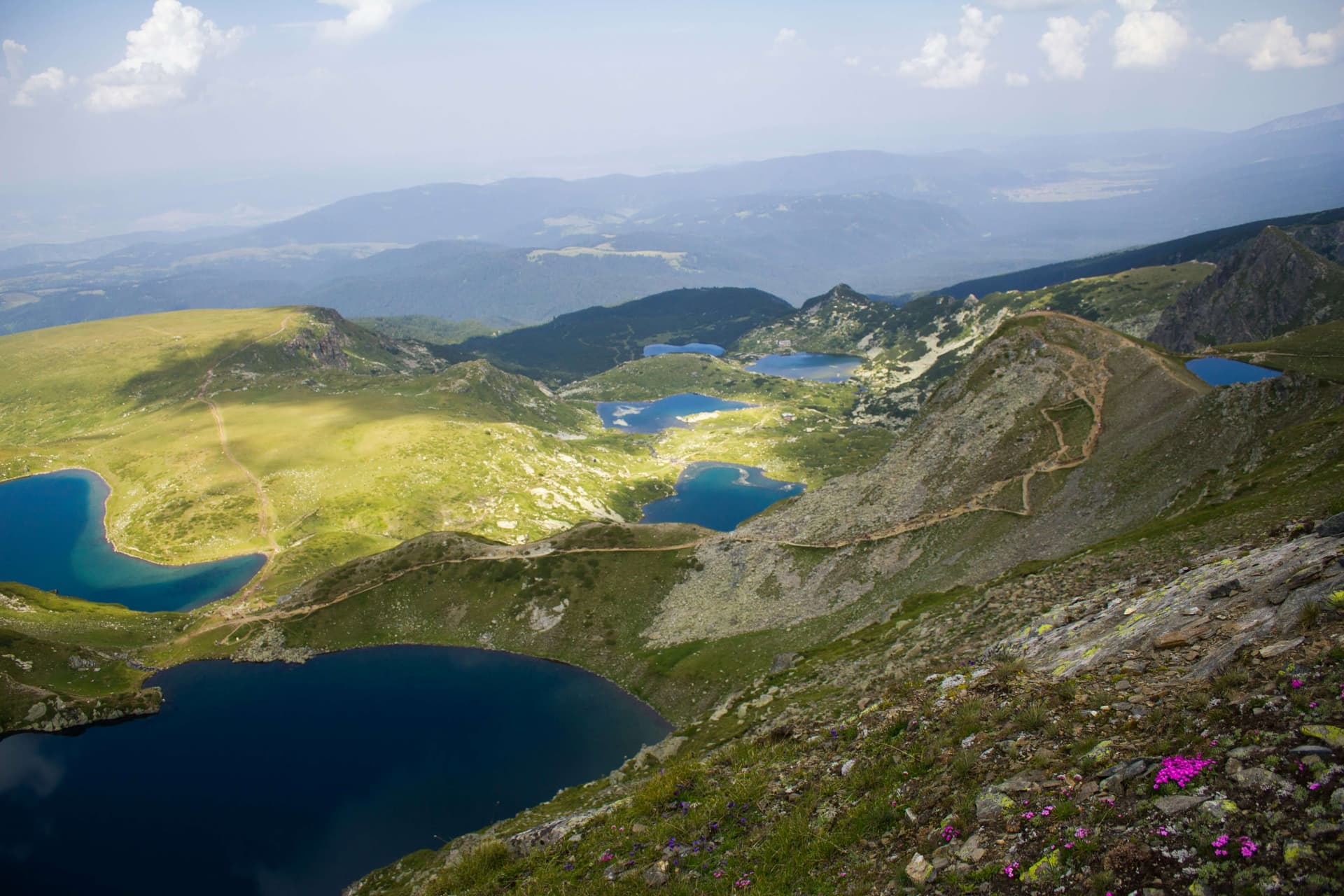
This is the most popular and iconic natural landmark in Bulgaria. The Seven Rila Lakes are a group of glacial lakes situated tiered one above the other in a mountain cirque. Each lake is named after its specific shape (The Tear, The Eye, The Kidney, The Twin, The Trefoil, The Fish Lake, and The Lower Lake). The hike up to them offers world-class panoramas and is an absolute must for any mountain trekking enthusiast.
3. Plovdiv Old Town
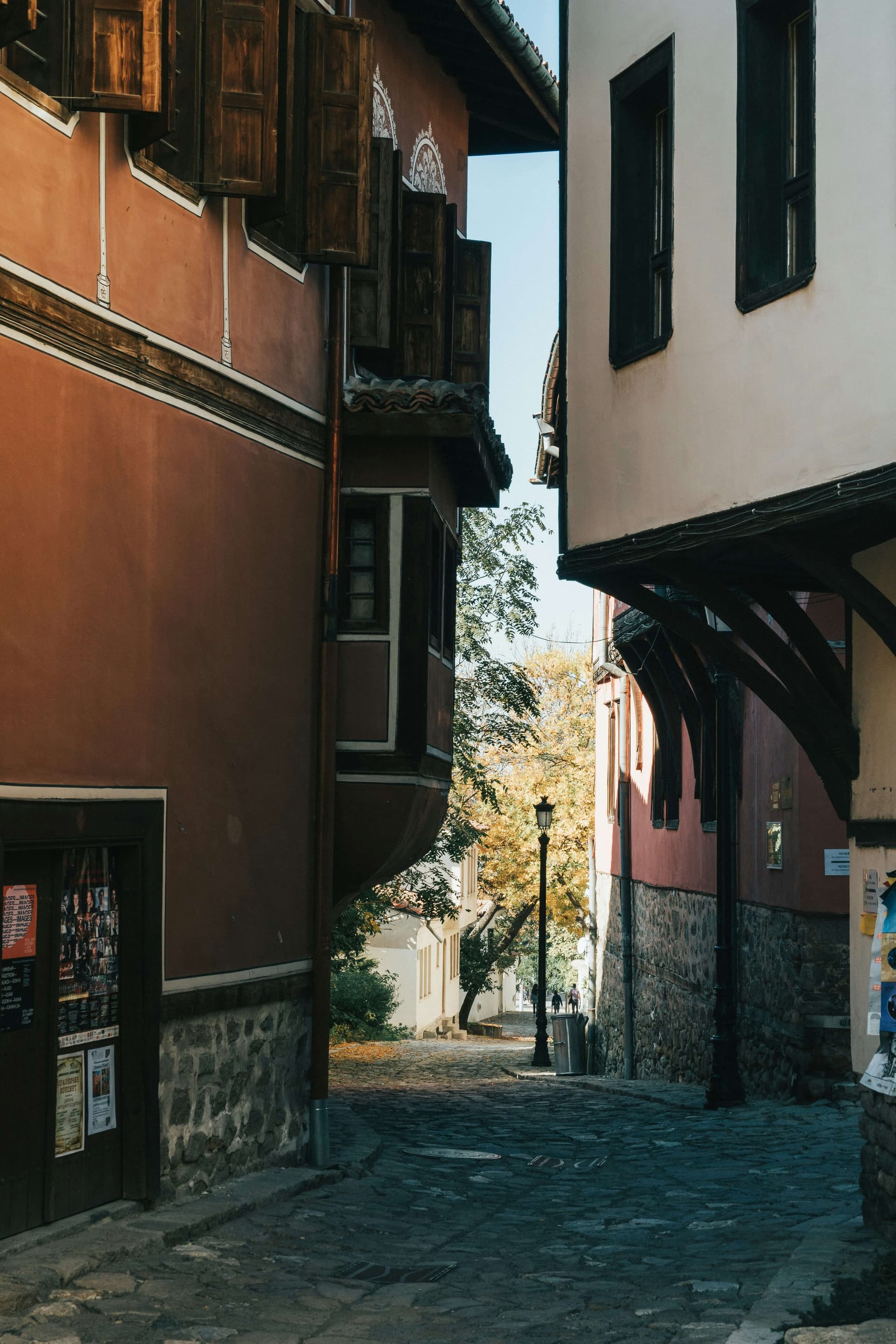
Sprawled across three of Plovdiv's hills, the Old Town is a true open-air museum. This architectural reserve is famous for its winding cobblestone streets, exquisite 19th-century National Revival houses adorned with unique ornaments, and, of course, the majestic Ancient Roman Theatre. A walk here transports you back in time, beautifully blending Roman antiquity with the romanticism of the Bulgarian Revival.
4. Veliko Tarnovo
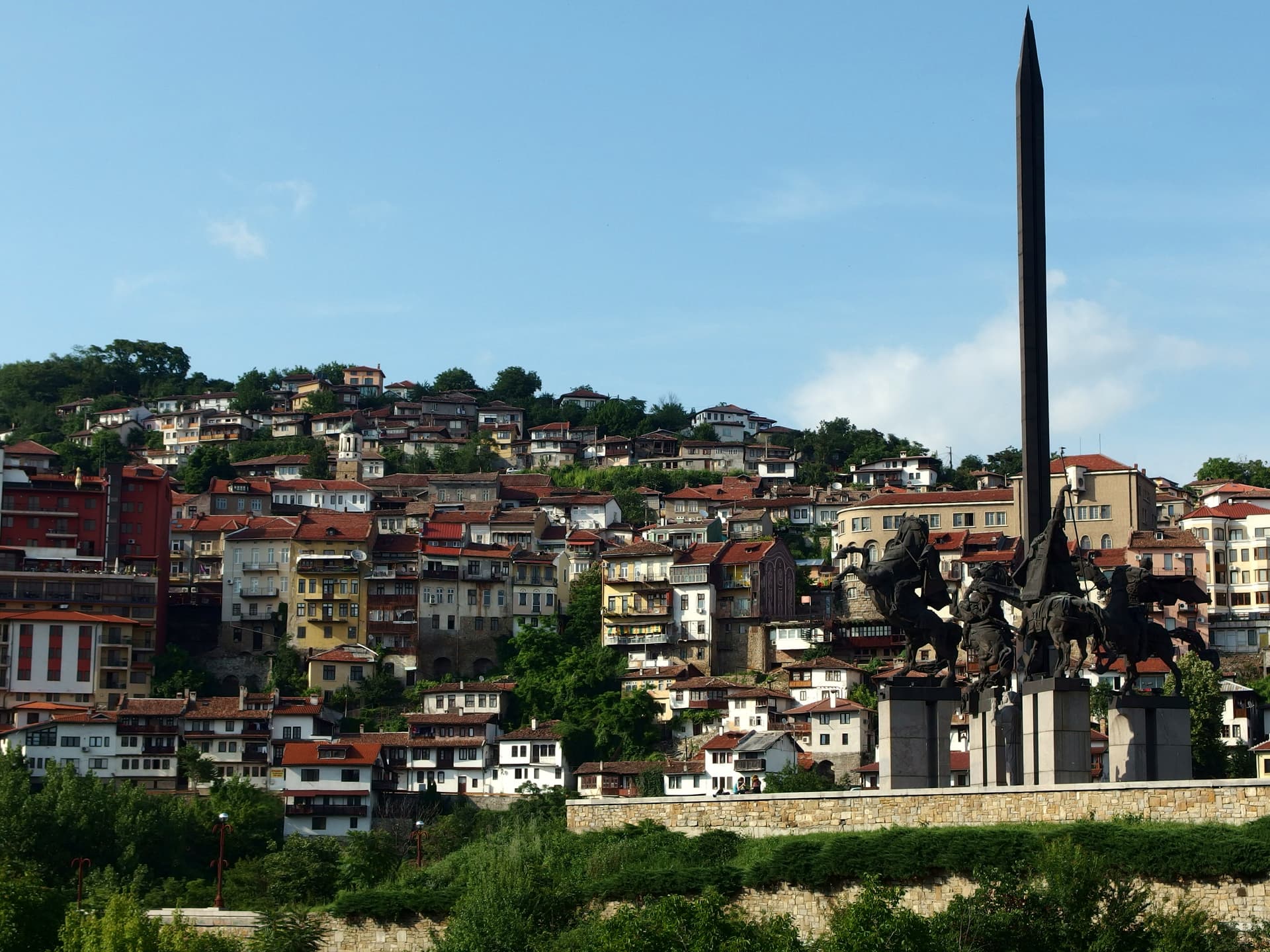
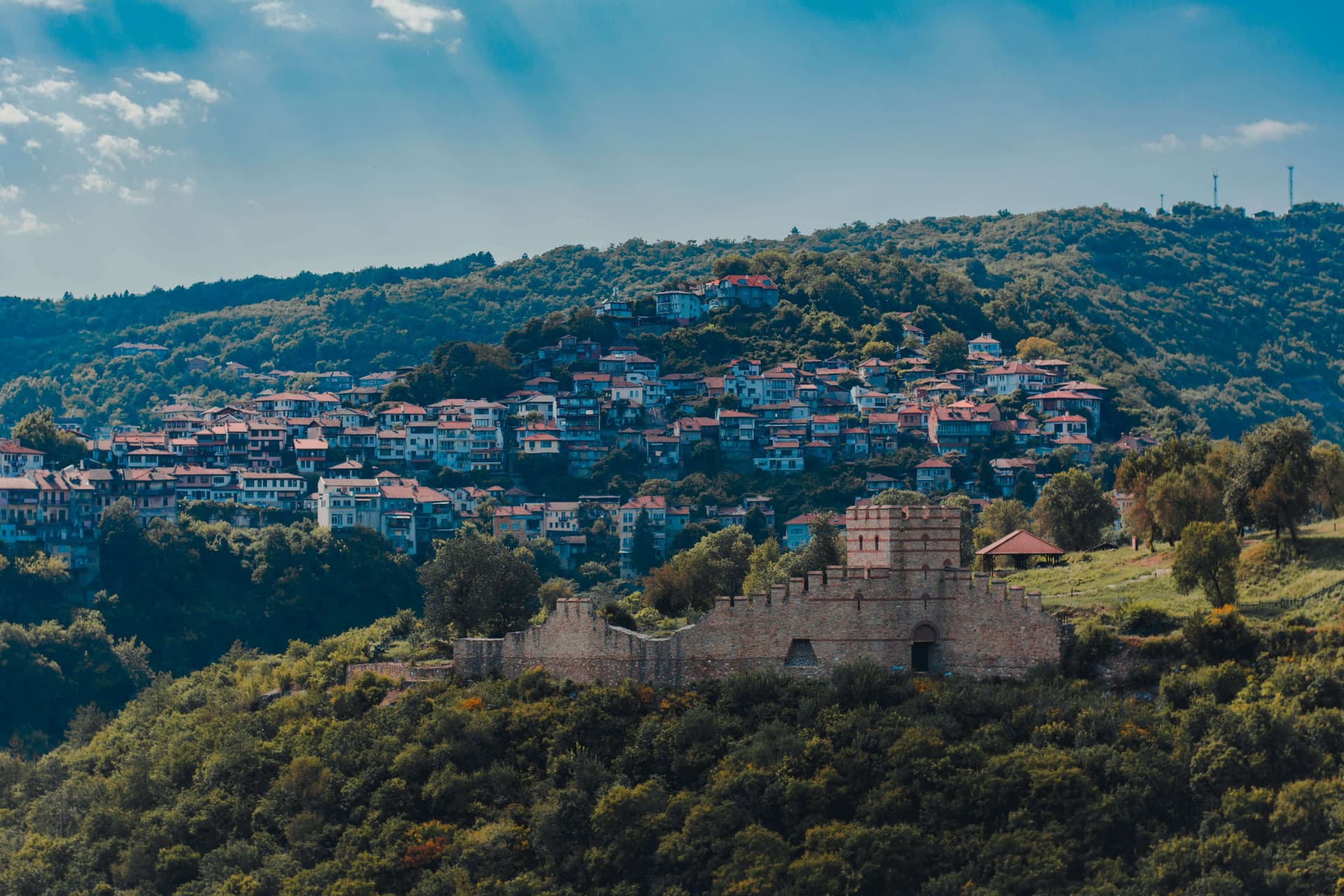
The old medieval capital is dramatically set along the steep, rocky gorges of the Yantra River. As the capital of the Second Bulgarian Empire, Veliko Tarnovo preserves the grand spirit of Bulgarian tsars. The main attraction here is the imposing Tsarevets Fortress, while the amphitheater-like layout of the historic houses and the romantic Gurko Street make the city one of the most photogenic destinations in the Balkans.
5. Sofia
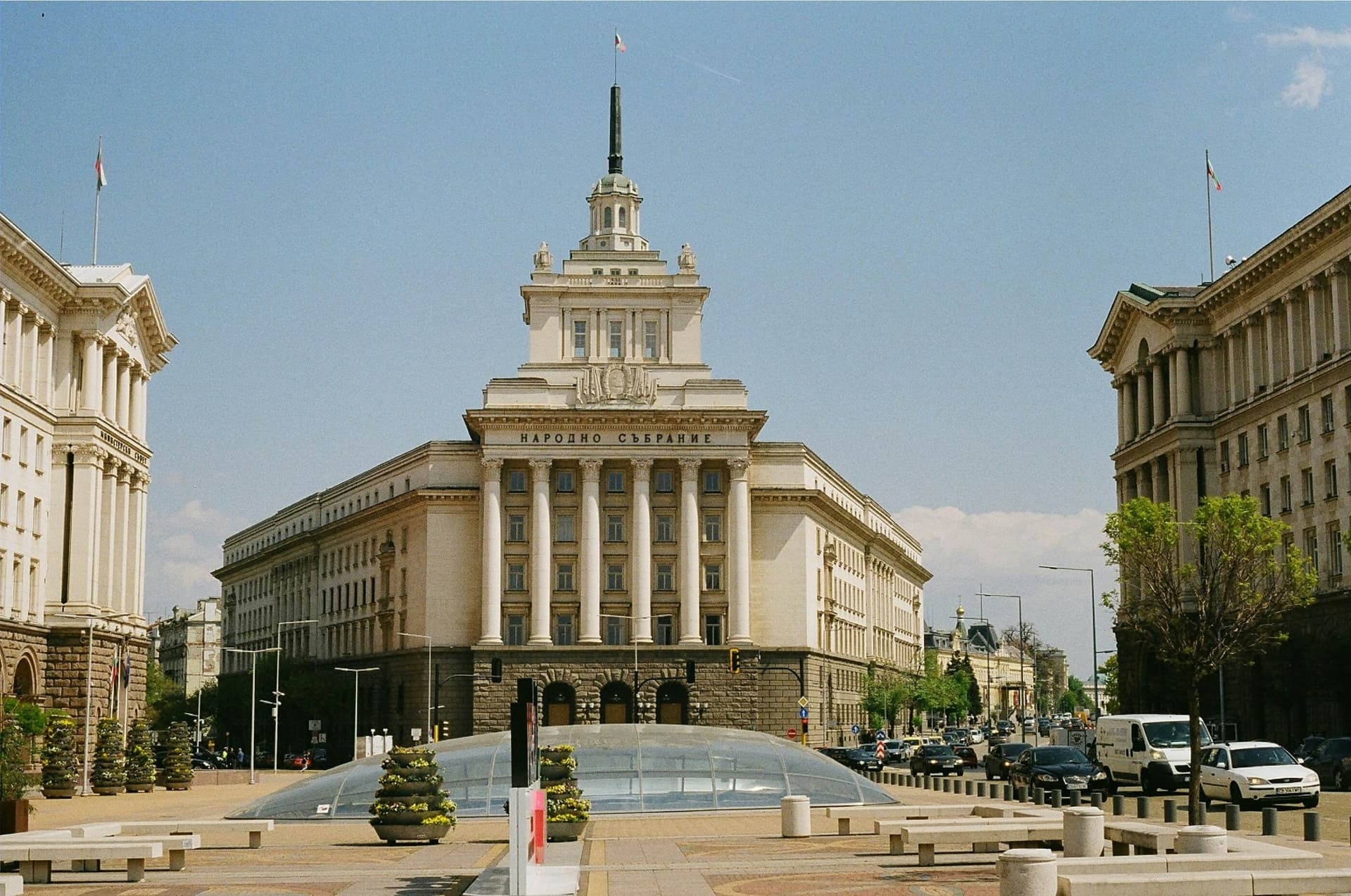
Bulgaria's capital is a perfect example of a city where the ancient past and a modern future coexist in one place. In Sofia, you can explore the millennia-old Roman ruins of ancient Serdica located literally beneath the metro stations, admire the golden domes of the St. Alexander Nevsky Cathedral, and just 20 minutes later, enjoy the fresh mountain air at the foot of Vitosha Mountain.
6. Bansko
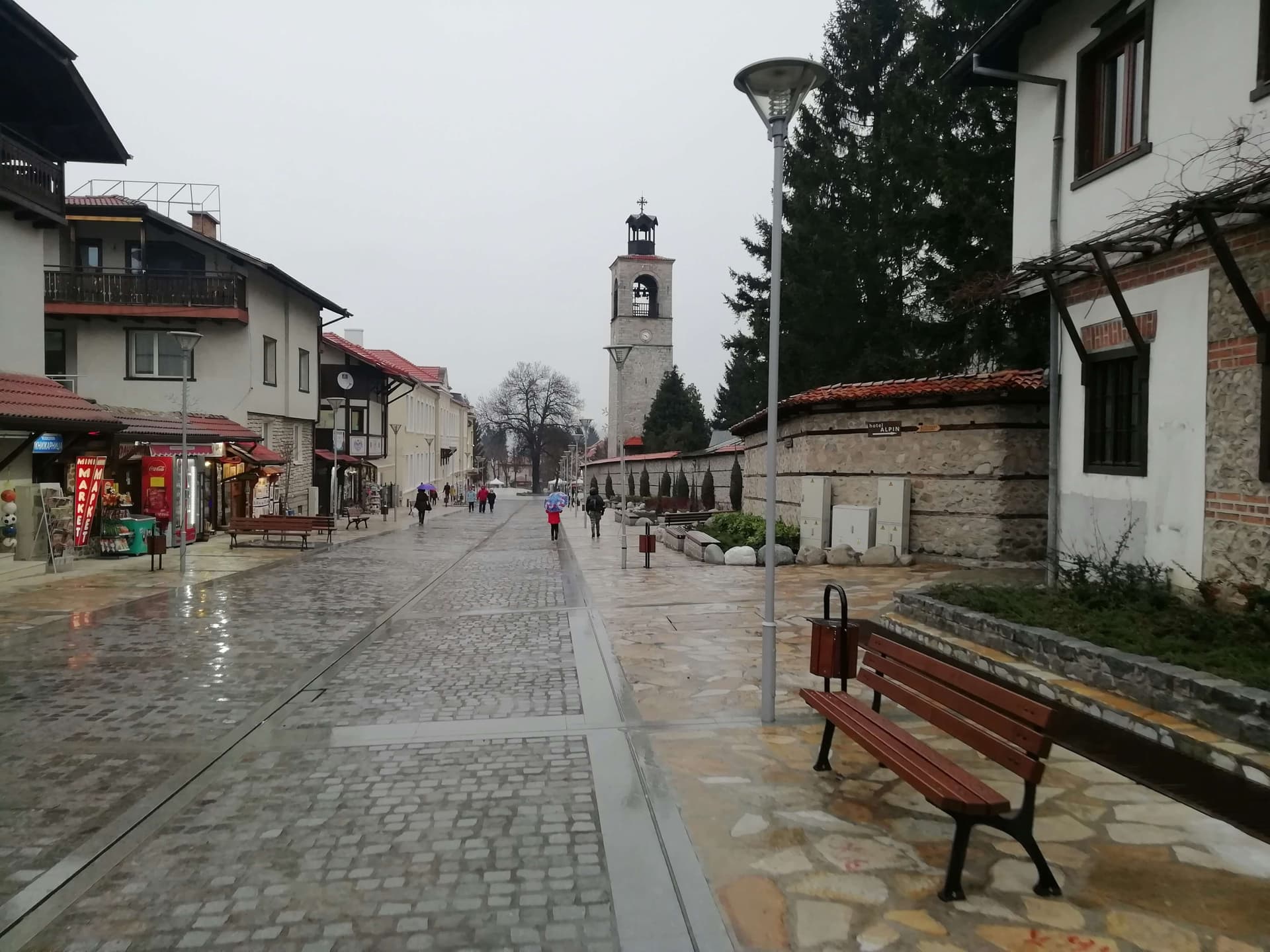
Situated at the base of the majestic Pirin Mountain, Bansko has long established itself as the most modern winter and ski resort in the Balkans. However, the town is exceptionally attractive during the summer months as well, boasting an authentic old town center, heavy stone fortress-houses, traditional taverns (mehanas), and serving as the primary starting point for numerous mountain hikes to nearby peaks and alpine lakes. Read the full resort breakdown in our Bansko ski guide, or weigh it against the alternatives in Borovets vs Bansko vs Pamporovo.
7. Belogradchik Rocks
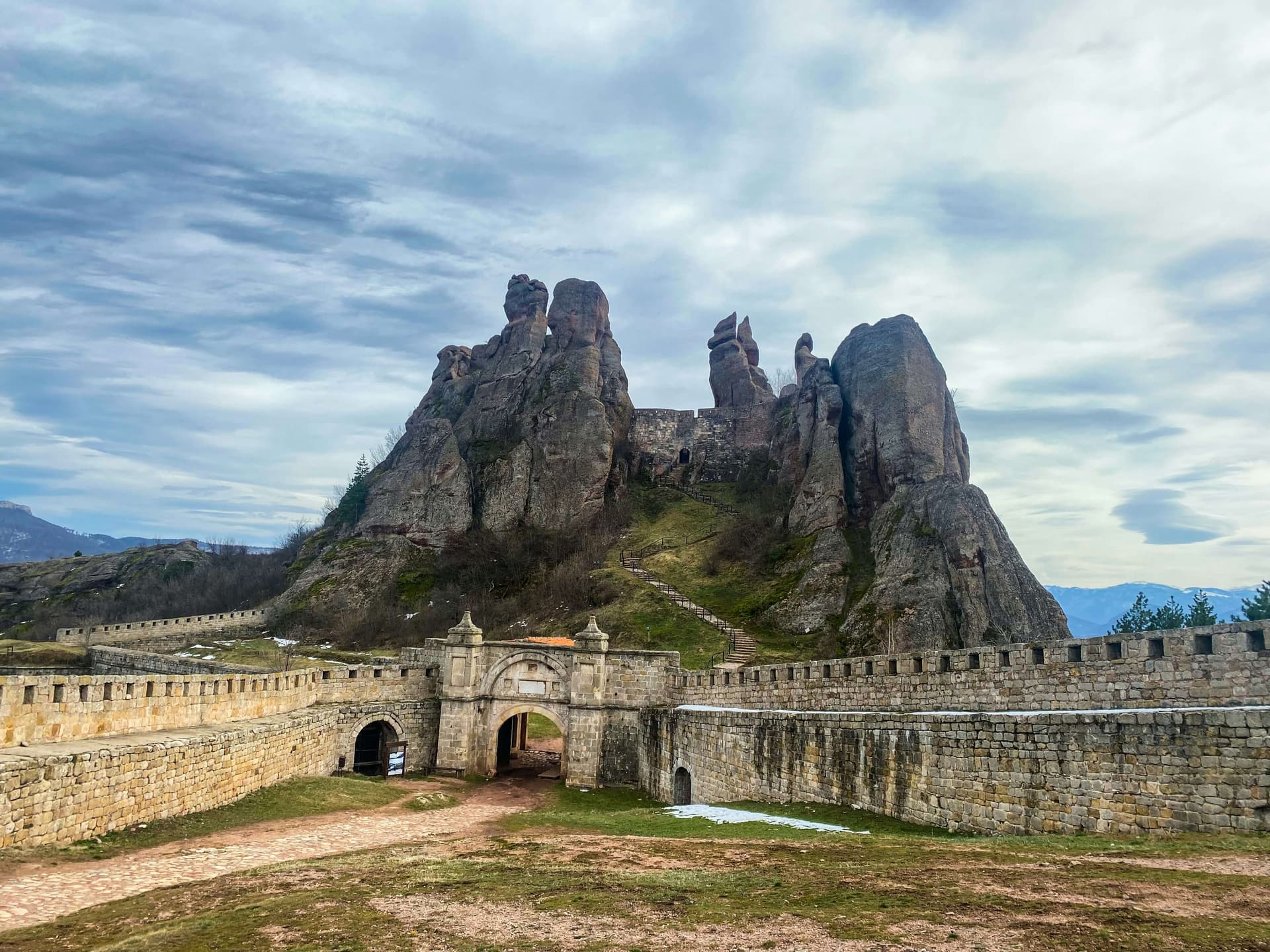
The Belogradchik Rocks are a unique natural phenomenon—bizarrely shaped rock formations sculpted by nature over millions of years, reaching up to 200 meters in height. These reddish sandstone rocks form natural defensive walls, into which humans expertly integrated the historic Belogradchik Fortress. The view from the top of the rocks at sunset looks like a backdrop straight out of a fantasy movie.
8. Magura Cave
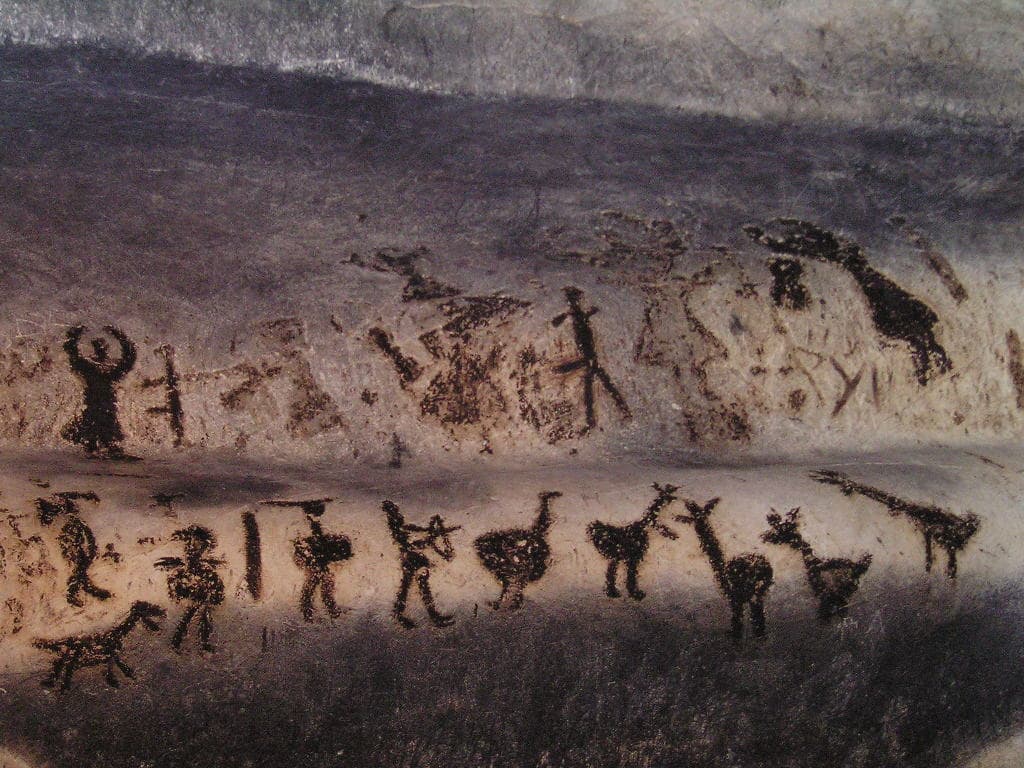
Located near Belogradchik, Magura is one of the largest and most beautiful caves in Bulgaria. It is world-renowned for its authentic prehistoric cave paintings from different eras (ranging from the Epipaleolithic to the Bronze Age), painted using bat guano. The cave also impresses with its colossal dimensions, fantastic stalactites, stalagmites, and rare cave pearls.
9. Varna
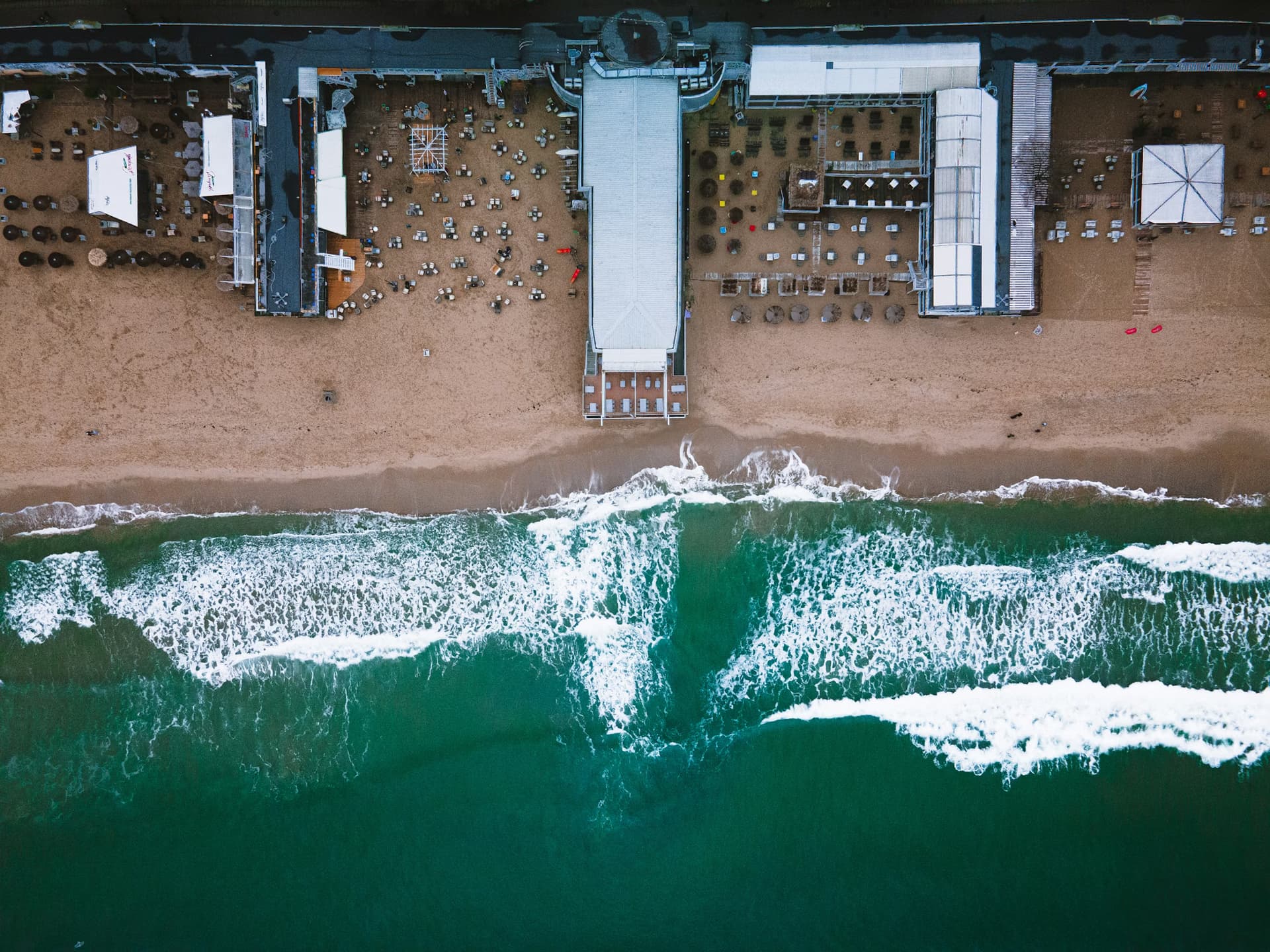
The maritime capital of Bulgaria is the perfect combination of a beach holiday, rich history, and dynamic urban life. Varna is home to the oldest gold treasure in the world (discovered in the Varna Necropolis), dating back to 4600–4200 BC. Its massive Sea Garden park stretching along the coast is the ideal place for long, relaxing walks right by the Black Sea.
10. Nessebar
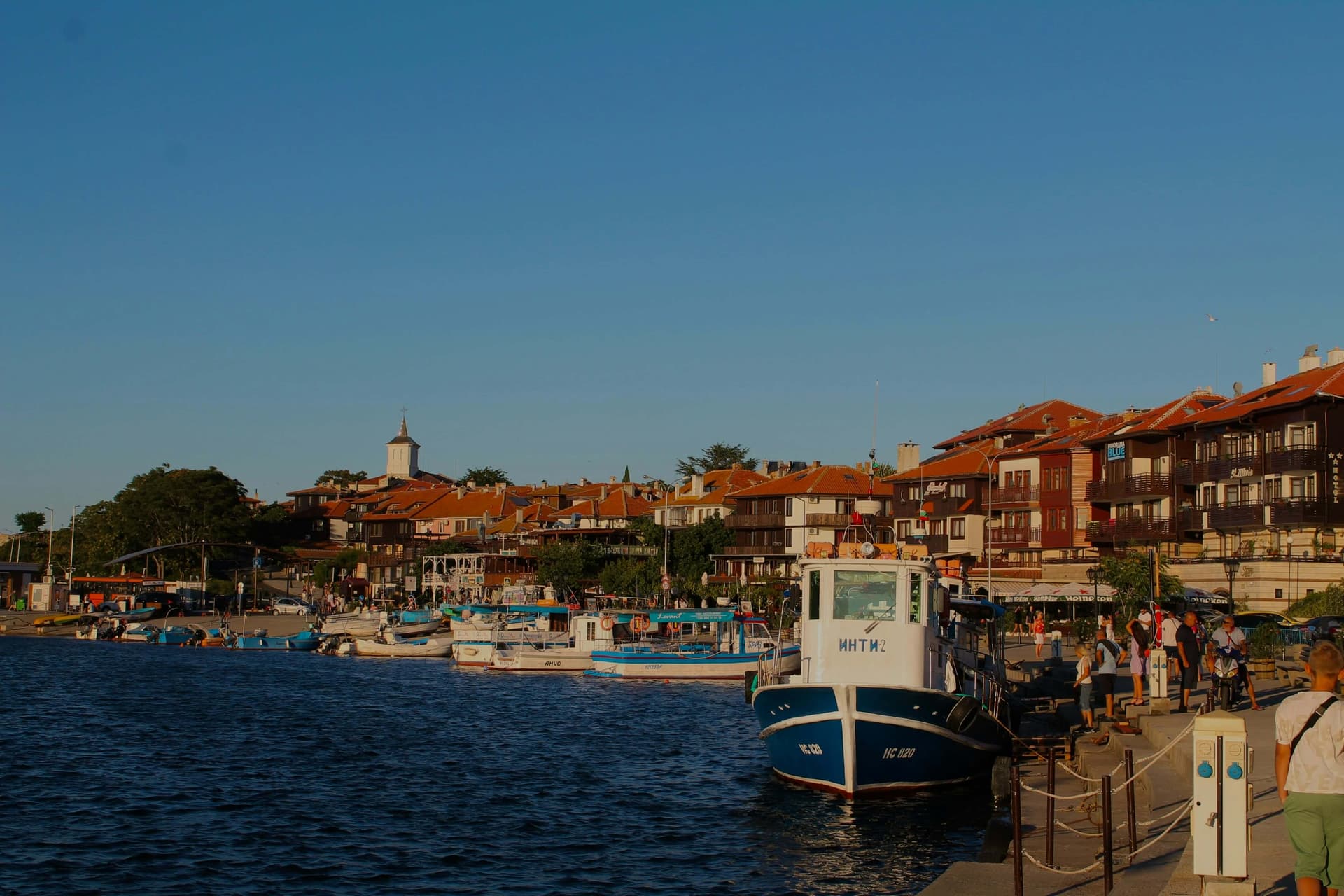
Situated on a small rocky peninsula connected to the mainland by a narrow isthmus, the Old Town of Nessebar is one of the oldest towns in Europe and a pearl on the UNESCO World Heritage list. The town is famous for its unique medieval churches, wooden Revival-style houses, and the remains of Greek and Roman fortress walls being washed by the sea waves.
11. Koprivshtitsa
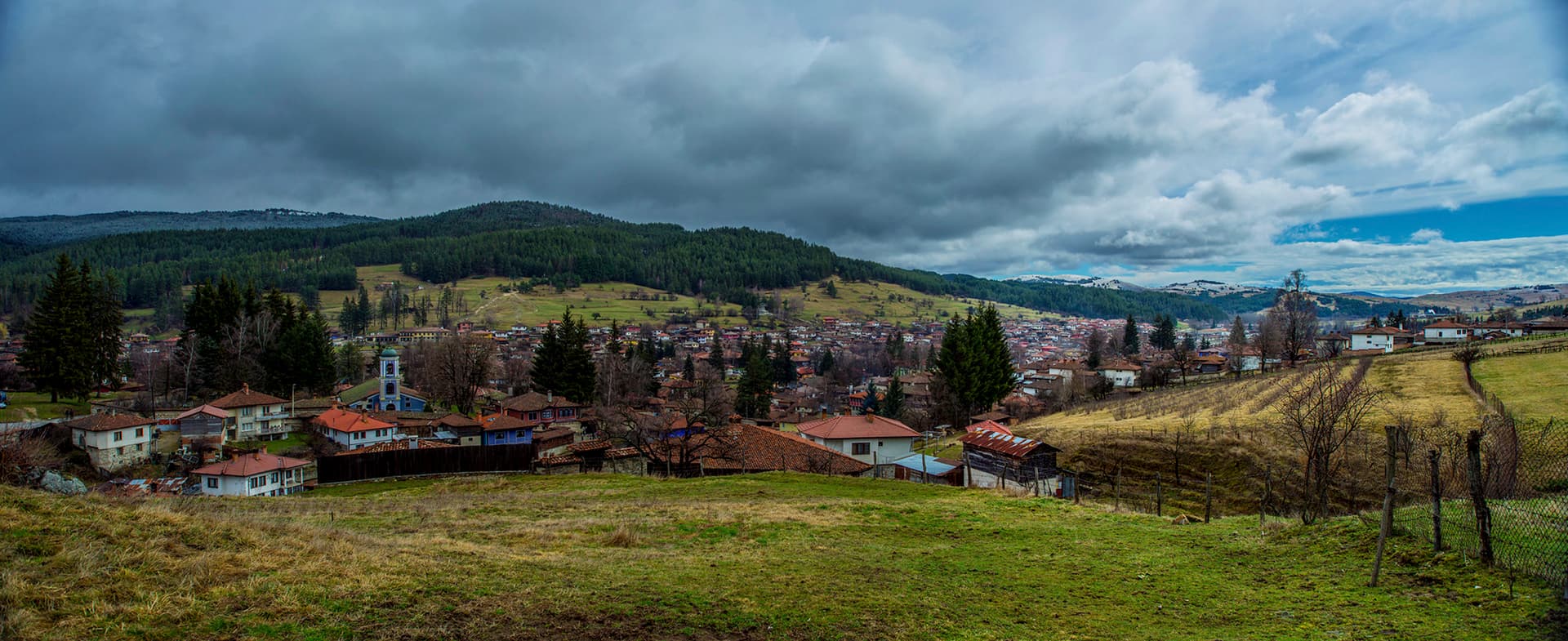
Koprivshtitsa is a living museum-town nestled in the heart of the Sredna Gora Mountains. Here, time seems to have stopped in 1876, when the historic April Uprising against Ottoman rule broke out. With its cobblestone lanes, elegant stone bridges over the Topolnitsa River, and authentic homes of great Bulgarian revolutionaries and writers, the town remains the purest guardian of the Bulgarian Revival spirit.
12. Valley of Thracian Kings
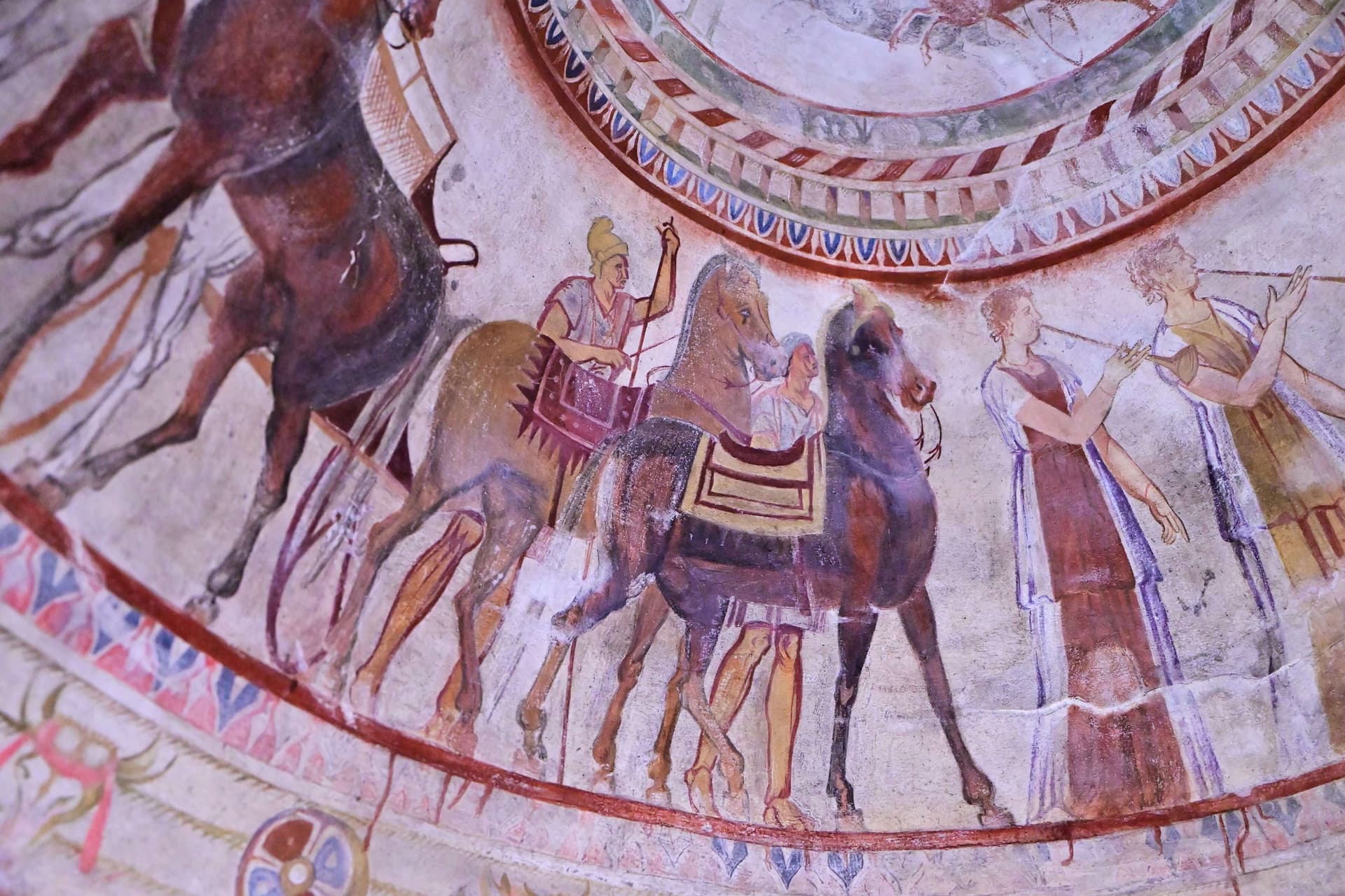
Located in the Kazanlak Valley, the Valley of the Thracian Kings hides hundreds of ancient burial mounds and tombs belonging to the elite of the ancient Thracian aristocracy. The most significant site here is the Kazanlak Thracian Tomb (a UNESCO World Heritage site) with its world-famous Hellenistic frescoes. Nearby, you can also explore the impressive monumental temples hidden within the Golyama Kosmatka, Ostrusha, and Shushmanets mounds.
13. Melnik
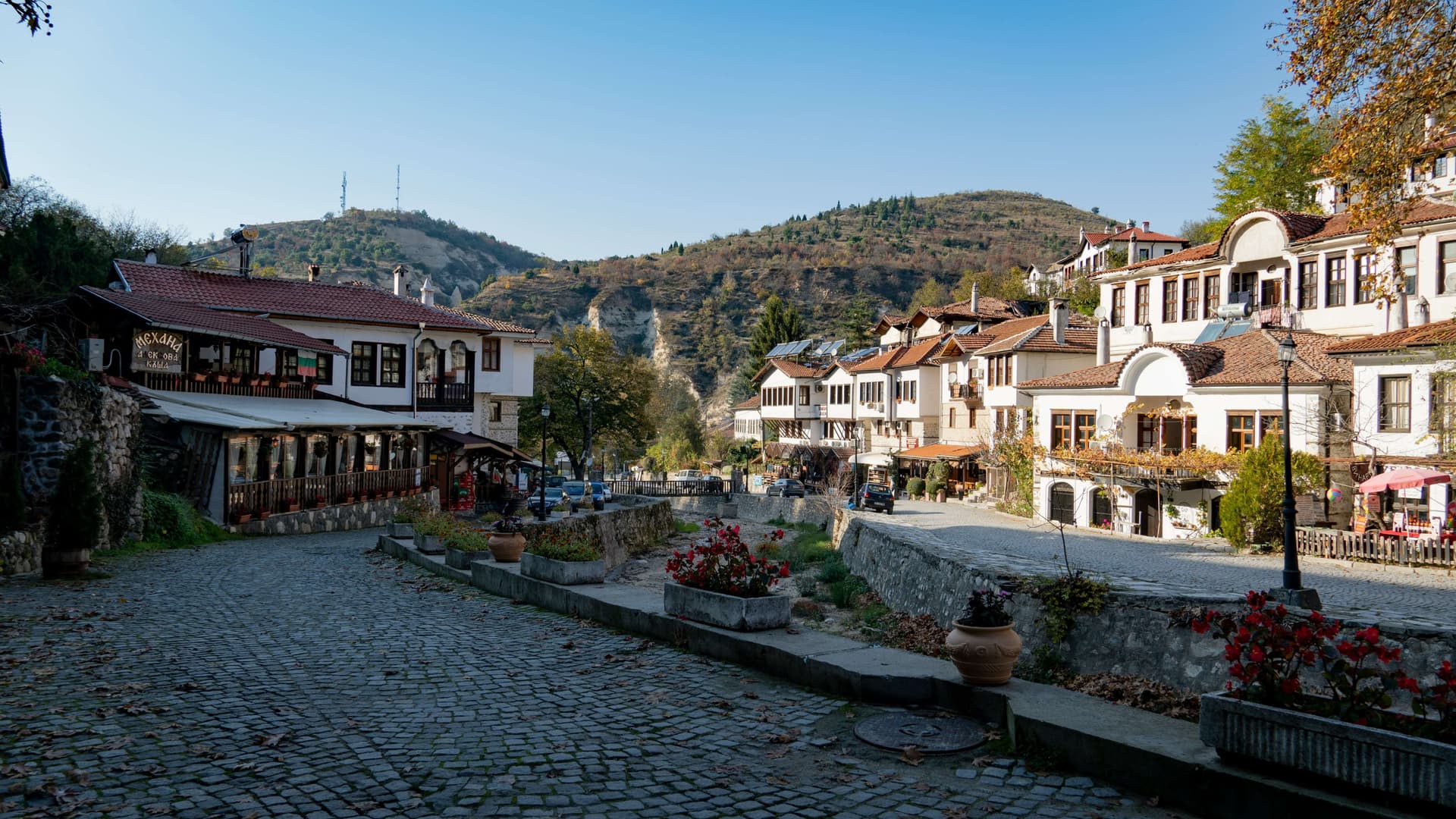
Melnik holds the title of the smallest town in Bulgaria, but its charm is monumental. Tucked away amidst the unique Melnik Pyramids—natural sand formations with bizarre, towering shapes—the town is famous for its beautiful Revival architecture and the production of a rich, strong red wine, which is aged in chilly tunnels carved directly into the sandy cliffs.
14. Rhodope Mountains
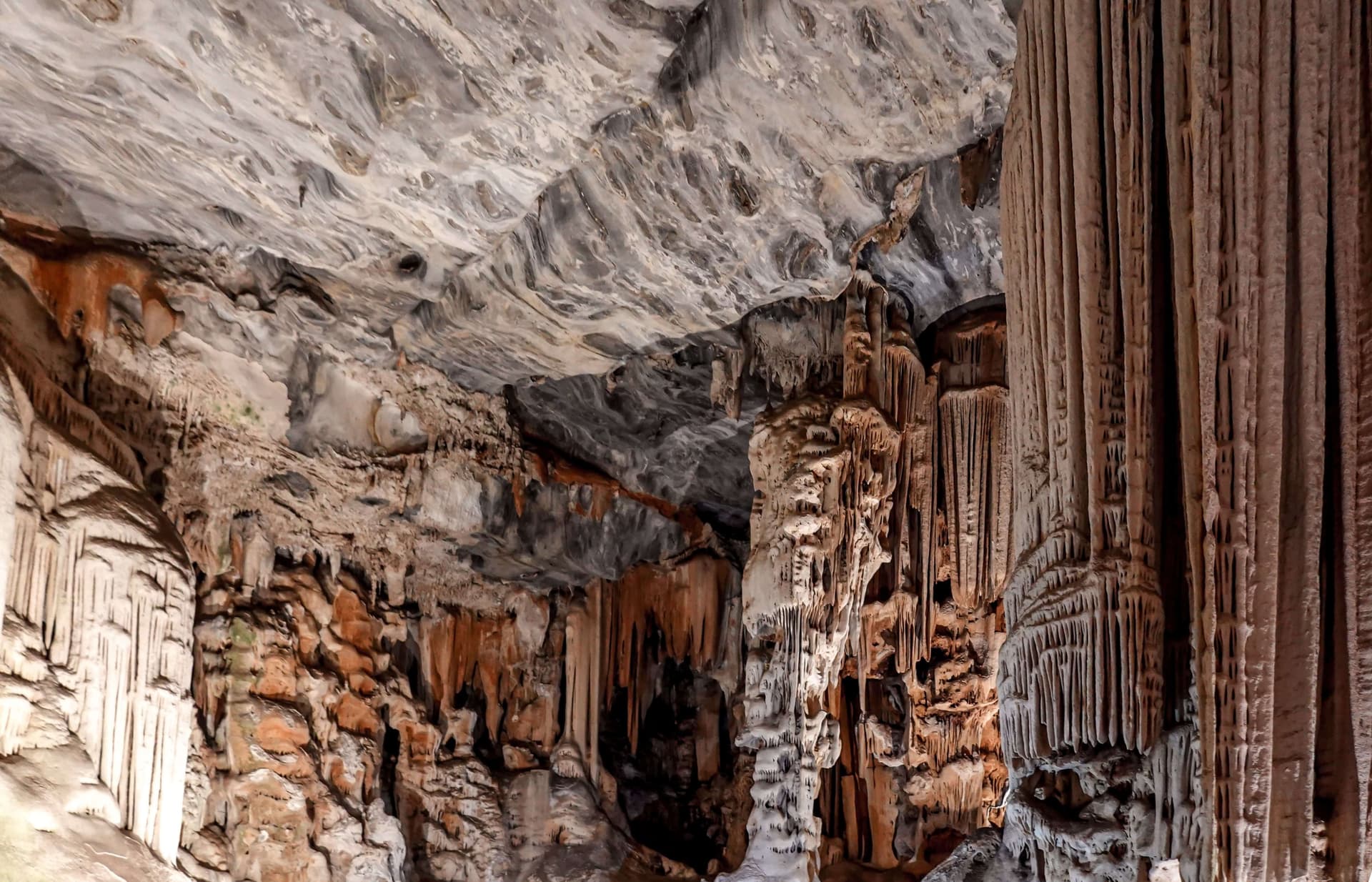
The Rhodopes are the mystical mountains of Orpheus and one of the most magical regions in Bulgaria. Famed for their soft green rolling hills, dense pine forests, incredibly hospitable traditional villages (such as Shiroka Laka), and phenomenal natural wonders like the Yagodina Cave, Devil's Throat, and the Wonderful Bridges, the Rhodopes possess a soul that captivates every single visitor.

15. Ruse
Often referred to as "Little Vienna" due to its striking architectural heritage in the Baroque, Rococo, and Secession styles, Ruse is the largest Bulgarian city situated along the banks of the Danube River. The city center is filled with aristocratic buildings designed by European architects at the turn of the 20th century, and the beautiful square surrounding the Dohodno Zdanie is among the most impressive urban spaces in the country.
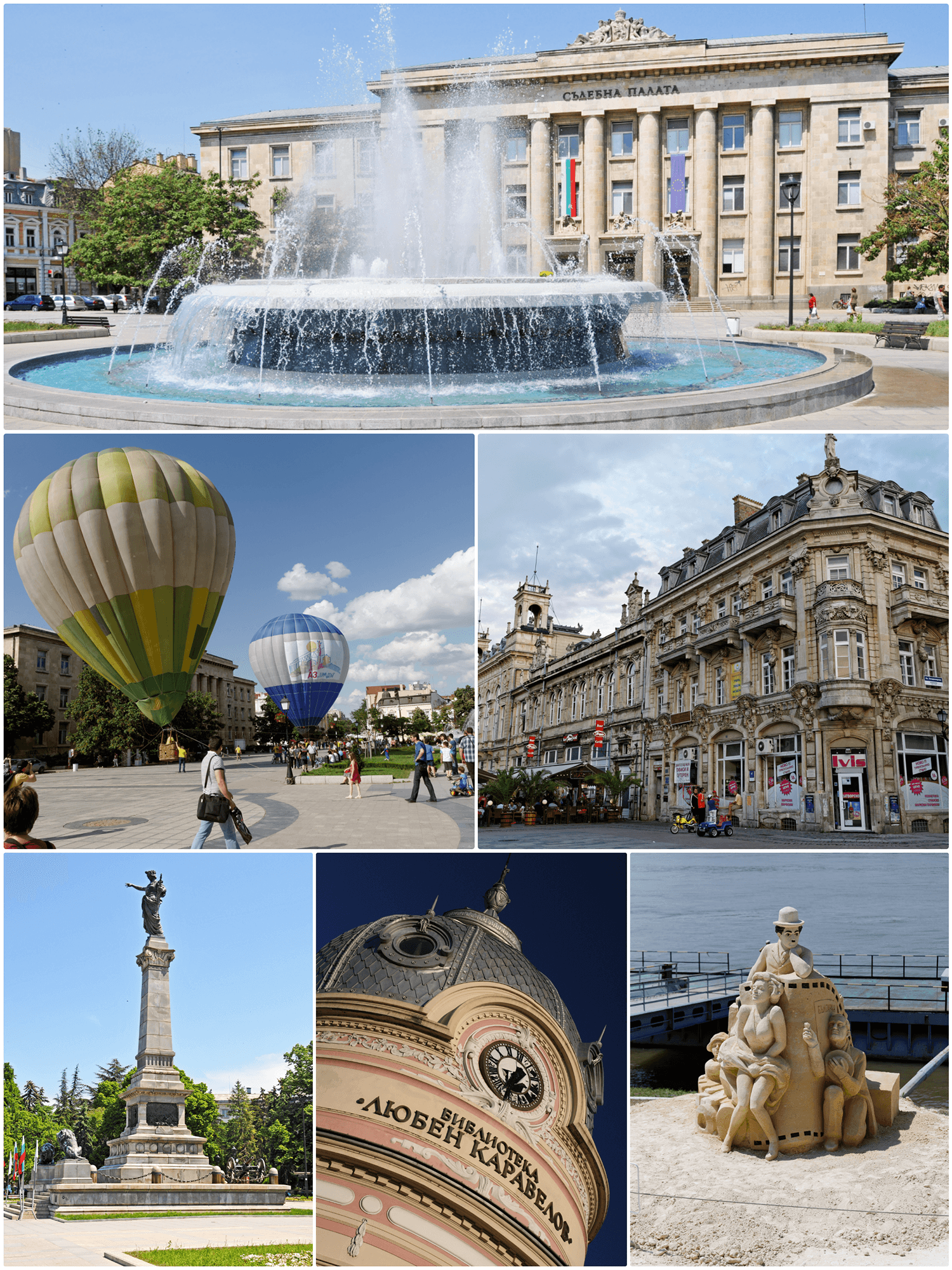
Which of these incredible places is at the top of your bucket list? For more ready-made itineraries and the best destinations across the country, stay with us at Mestala.com!
This guide covers 17 places
Want more Mestala in your Google results?
Add mestala.com as a preferred source and our guides will show up more often when you search. Requires a Google account.
Frequently Asked Questions
How do I get to the Rila Monastery from Sofia?▾
The Rila Monastery is about 120 km south of Sofia, roughly a 2 to 2.5-hour drive. The easiest way is by car, but there are also daily organized day-trips and a seasonal direct bus from Sofia's Ovcha Kupel station. Many travelers combine the monastery with the nearby Seven Rila Lakes over a long weekend.
How hard is the hike to the Seven Rila Lakes?▾
A chairlift from the Pionerska base near Panichishte takes you to around 2,100 m, and from there a moderate 2 to 3-hour loop visits all seven lakes. The climb to the highest viewpoint above The Tear lake is steep but rewards you with the iconic panorama of all the lakes at once. Sturdy shoes and a windproof layer are essential even in summer.
What is there to see in Plovdiv's Old Town?▾
Plovdiv's Old Town is an open-air museum of cobblestone lanes, colorful 19th-century National Revival houses, and Roman heritage. The highlight is the remarkably preserved Ancient Roman Theatre, which still hosts concerts and performances, alongside the Roman Odeon and Stadium nearby and numerous house-museums and galleries.
Why is Veliko Tarnovo worth visiting?▾
As the capital of the Second Bulgarian Empire, Veliko Tarnovo is steeped in medieval history. The dramatic Tsarevets Fortress, the houses stacked along the gorges of the Yantra River, and the romantic Gurko Street make it one of the most photogenic cities in the Balkans.
What are the must-see sights in Sofia?▾
Don't miss the golden-domed St. Alexander Nevsky Cathedral, the Roman ruins of ancient Serdica beneath the city center, the St. Sofia Basilica, and the Boyana Church. With Vitosha Mountain just 20 minutes away, you can pair the city with fresh mountain air on the same day.
Is Bansko worth visiting in summer?▾
Absolutely. While Bansko is the Balkans' top ski resort in winter, in summer it becomes a gateway to the Pirin Mountains, with hikes to alpine peaks and lakes, an authentic old town of stone houses, and traditional mehana taverns serving local cuisine.
What are the Belogradchik Rocks?▾
The Belogradchik Rocks are dramatic reddish sandstone formations in northwestern Bulgaria, sculpted by nature over millions of years and reaching up to 200 m tall. The medieval Belogradchik Fortress is built directly into them, and sunset from the top is unforgettable.
What makes Magura Cave special?▾
Magura is one of Bulgaria's largest caves and is world-famous for its prehistoric paintings, made with bat guano and dating from the Epipaleolithic to the Bronze Age. Inside you'll also find huge halls, stalactites, stalagmites, and rare cave pearls. It lies near Belogradchik, so the two pair perfectly.
Why visit Varna?▾
Varna, Bulgaria's maritime capital, blends beaches, history, and lively city life. It is home to the oldest processed gold in the world, found in the Varna Necropolis, and its expansive Sea Garden is perfect for long walks along the Black Sea.
Why is Nessebar a UNESCO World Heritage site?▾
The Old Town of Nessebar sits on a small rocky peninsula and is one of Europe's oldest towns. Its concentration of unique medieval churches, wooden Revival houses, and ancient Greek and Roman remains earned it a place on the UNESCO World Heritage list.
What is Koprivshtitsa known for?▾
Koprivshtitsa is a beautifully preserved museum-town in the Sredna Gora Mountains where the 1876 April Uprising began. Its cobblestone lanes, stone bridges over the Topolnitsa River, and colorful Revival houses—many of them house-museums of national heroes—make it a living monument to the Bulgarian Revival.
What is the Valley of the Thracian Kings?▾
Located in the Kazanlak Valley, it holds hundreds of ancient Thracian burial mounds and tombs. The UNESCO-listed Kazanlak Tomb is famous for its Hellenistic frescoes, while the Golyama Kosmatka, Ostrusha, and Shushmanets mounds reveal monumental temples.
What is Melnik famous for?▾
Melnik is Bulgaria's smallest town, set among striking sand pyramids. It is celebrated for its Revival-era architecture and its rich, strong red wine, aged in cool tunnels carved straight into the sandstone cliffs.
What can you do in the Rhodope Mountains?▾
The Rhodopes, the mythical mountains of Orpheus, offer rolling green hills, pine forests, and authentic villages like Shiroka Laka. Highlights include the Yagodina Cave, the dramatic Devil's Throat Cave, and the Wonderful Bridges rock formations.
Why is Ruse called 'Little Vienna'?▾
Ruse, Bulgaria's largest Danube city, earned the nickname for its elegant Baroque, Rococo, and Secession architecture built by European architects around the turn of the 20th century. The grand square around the Dohodno Zdanie is among the most beautiful urban spaces in the country.
When is the best time to visit these places in Bulgaria?▾
Late spring (May–June) and early autumn (September–October) are ideal for sightseeing and hiking, with mild weather and fewer crowds. July and August are best for the Black Sea coast and high-mountain lakes, while Bansko and the ski resorts shine from December to March.
You might be interested in
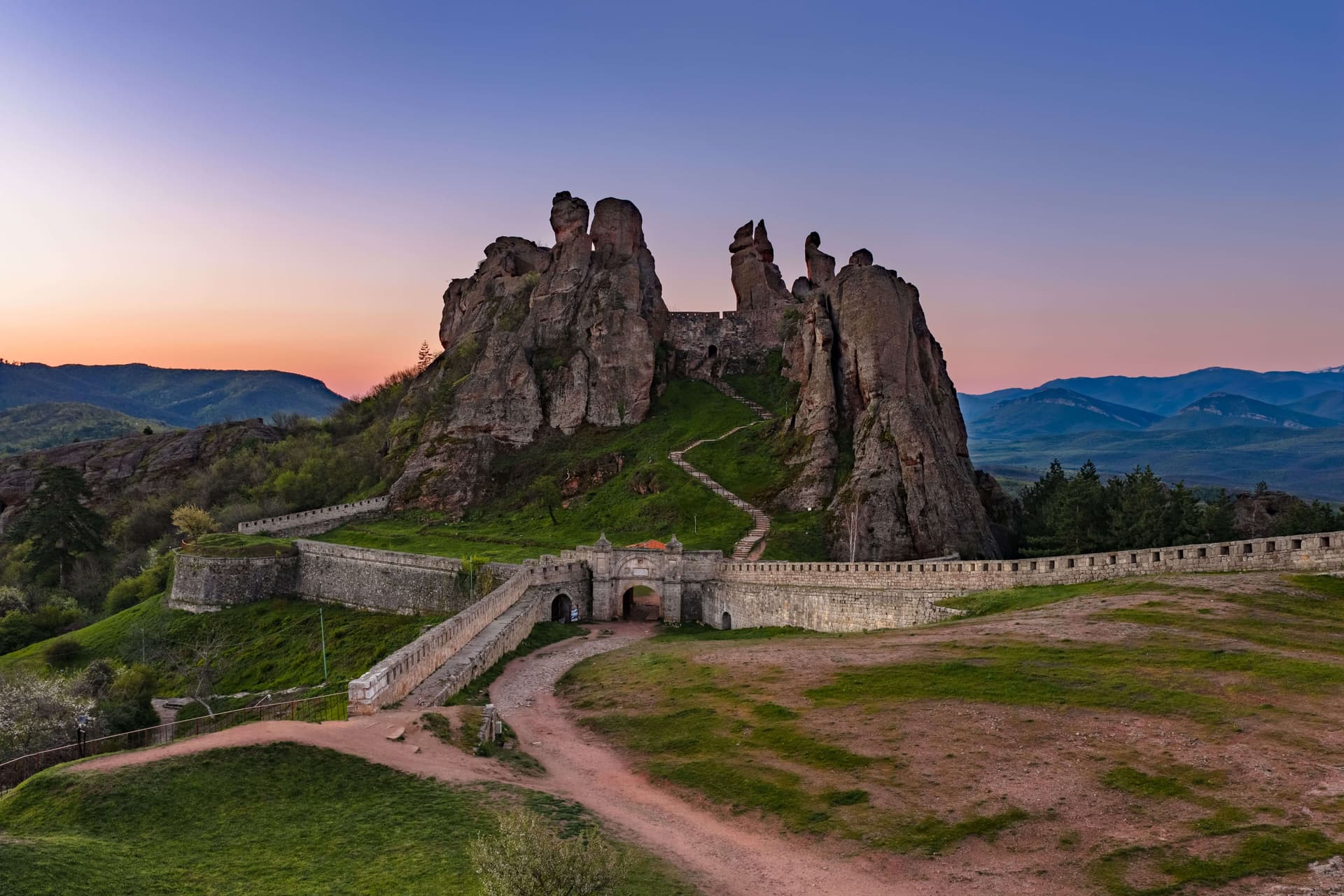
North-West Bulgaria Road Trip: 4-Day Itinerary & Driving Guide
A complete 4-day road trip itinerary through Bulgaria's least-visited region: Iskar Gorge, Vratsa, God's Bridge, Chiprovtsi, Belogradchik Rocks, Magura Cave, and Vidin.
Bulgaria's National & Nature Parks: The Complete Picture
A guide to Bulgaria's three national parks and eleven nature parks — Rila, Pirin, Central Balkan, Vitosha, Vrachanski Balkan, Strandzha, Persina and the rest — what the categories mean and which to visit.
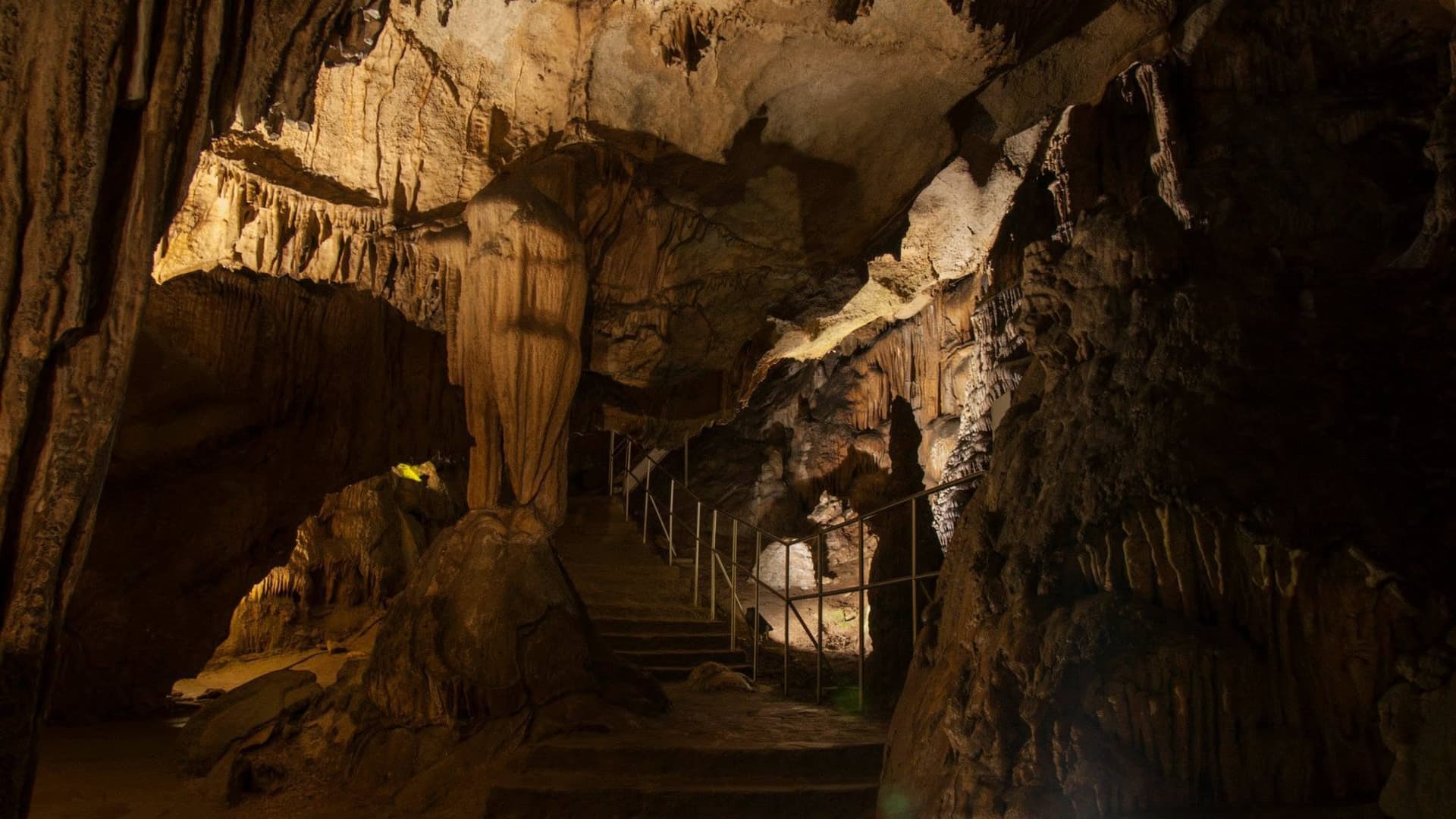
The Caves of Bulgaria: Which Ones Are Worth It
A guide to Bulgaria's show caves — Prohodna, Devetashka, the Devil's Throat, Ledenika, Bacho Kiro, Magura, Yagodina, Saeva Dupka and Snezhanka — with what each one is actually for and how to pair them.
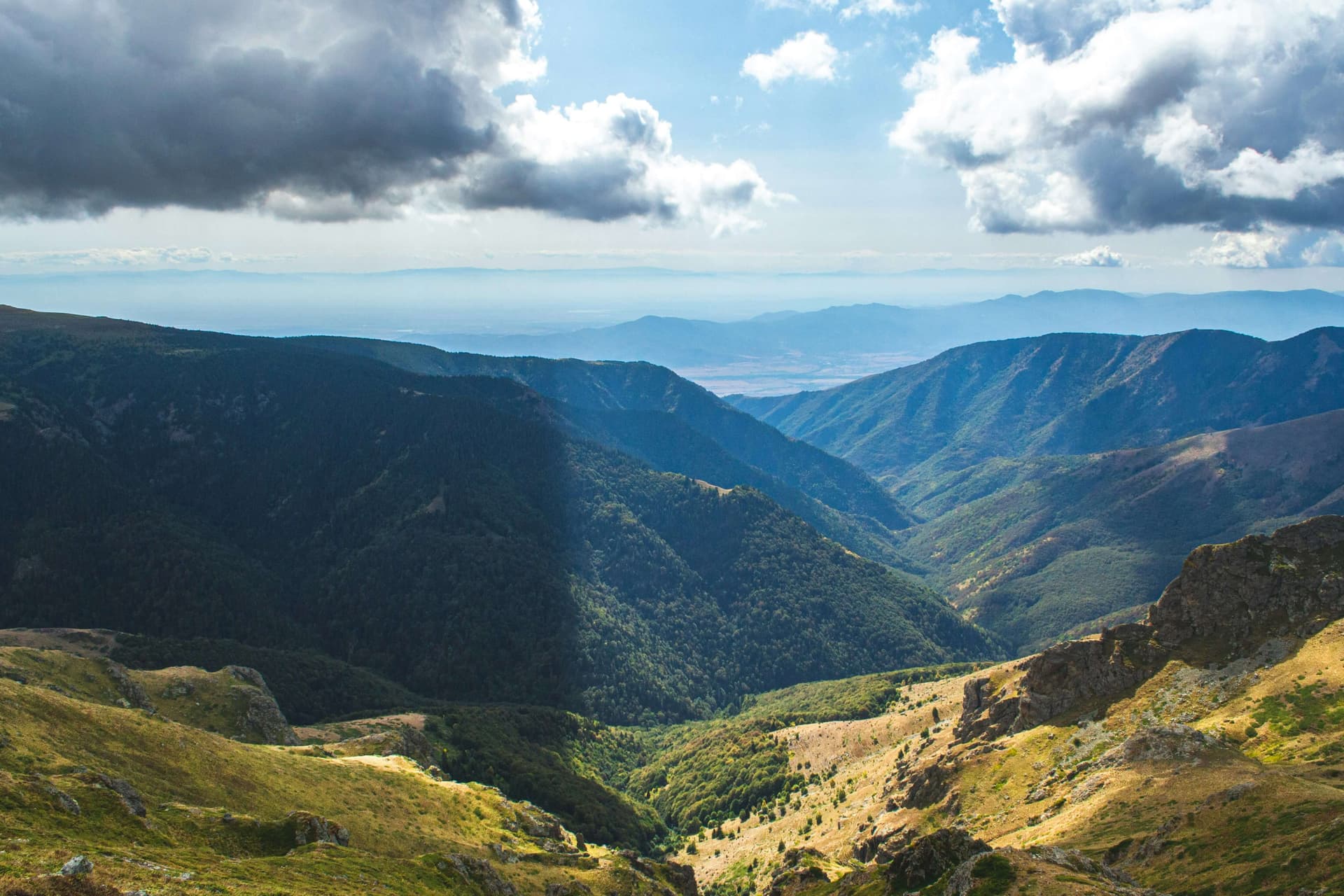
Central Balkan National Park: Bulgaria's Wildest Reserve
A guide to Central Balkan National Park: its nine strict reserves, the UNESCO-listed primeval beech forests of Boatin and Tsarichina, the Dzhendema cliffs, bears and wolves, and which town to enter from.