The Yagodina Cave stands as one of the most beautiful, famous, and extensive cave systems within the territory of the Rhodope Mountains in Bulgaria. Its name derives directly from the neighboring mountain village of Yagodina. The site holds a prominent position among the most popular destinations for ecological and speleological tourism in the country. The cave is integrated under number 89 into the prestigious national register of the 100 National Tourist Sites compiled by the Bulgarian Tourist Union, and it houses the official validation stamp for traveler collection books.
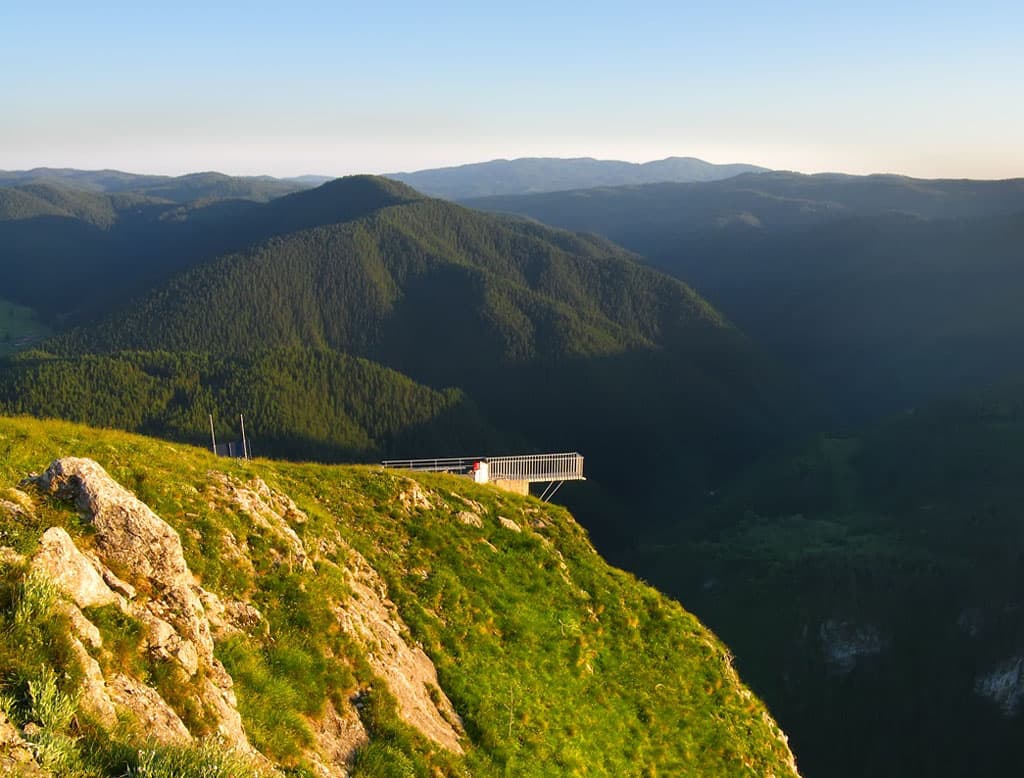
This natural landmark is situated 20 kilometers south of the town of Devin and 3 kilometers southwest of Yagodina village. It is positioned on the right bank of the Buynovo River. Over millions of years, this river carved the longest and most spectacular gorge in Bulgaria - the famous Buynovo Gorge, which extends across a continuous length of 7 kilometers.
The site is accessed via the maintained Devin - Dospat highway, turning left directly at the wall of the Teshel Reservoir. Due to the rugged mountain topography, the road from Teshel to the cave entrance is narrow and single-lane. Consequently, the passage of large tour buses exceeding a 35-seat capacity is impossible, and organized shuttle transport services utilizing smaller vehicles are routinely available. A spacious parking lot and a traditional restaurant operate directly in front of the cave entrance for the convenience of travelers.
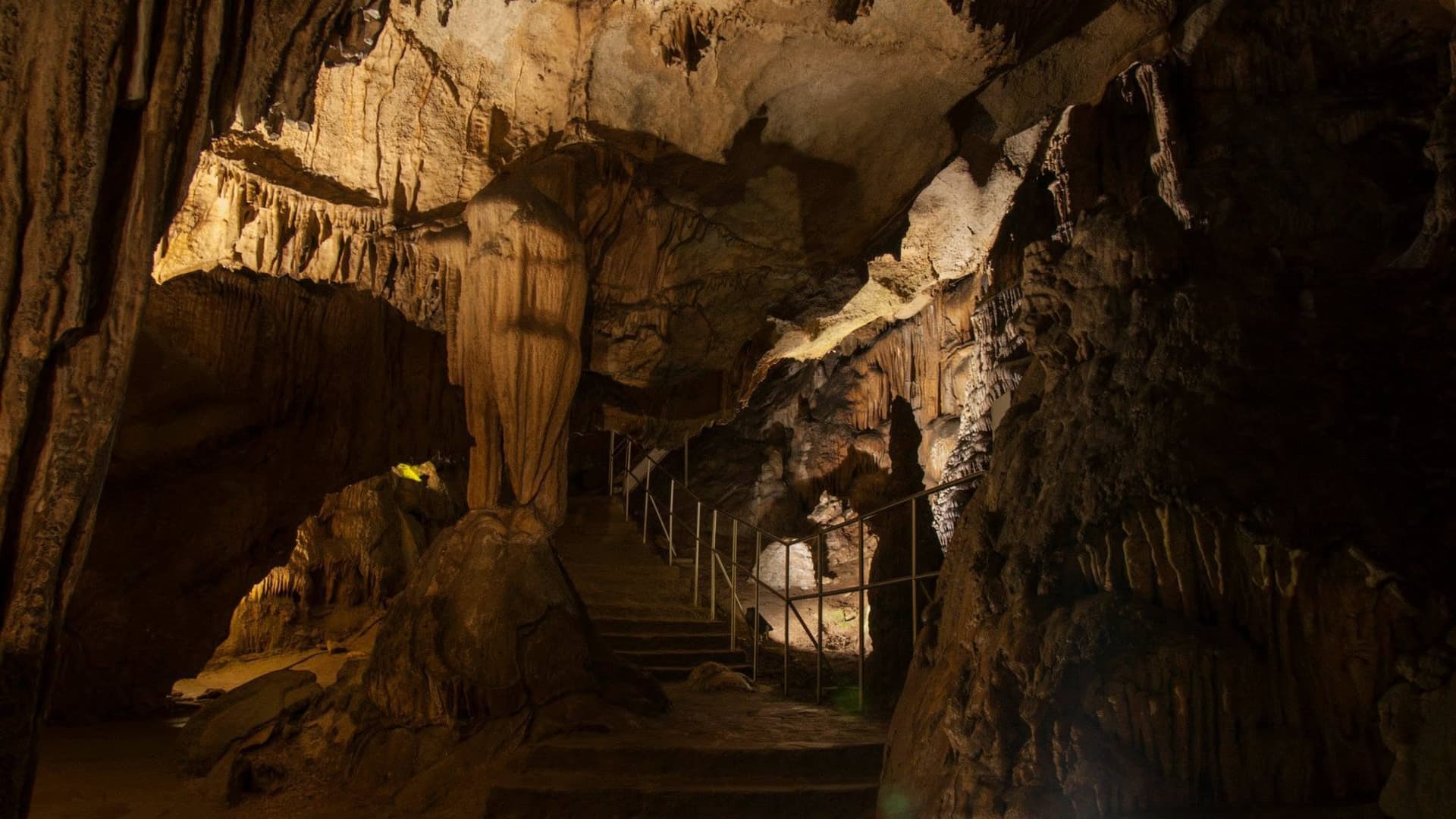
The Yagodina Cave boasts a verified total gallery length of 10 kilometers. Structurally, it is developed across three distinct, terraced subterranean levels. Among them, only the third level, which is the lowest by altitude, is fully developed, reinforced, and electrified for commercial tourism. For the convenience of visitors, a comfortable 1100-meter pedestrian pathway has been engineered through the formations.
The official entrance and exit leading to this tourist tier consist of artificially excavated tunnels through the solid rock massif, measuring a length of 150 meters for the entrance and 80 meters for the exit. The total vertical displacement of the cave system amounts to 36 meters. In total, over 200 caves are mapped within this regional karst environment, 18 of which were discovered for the first time in the year 2000 during the traditional scientific expedition led by Bulgarian speleologists.
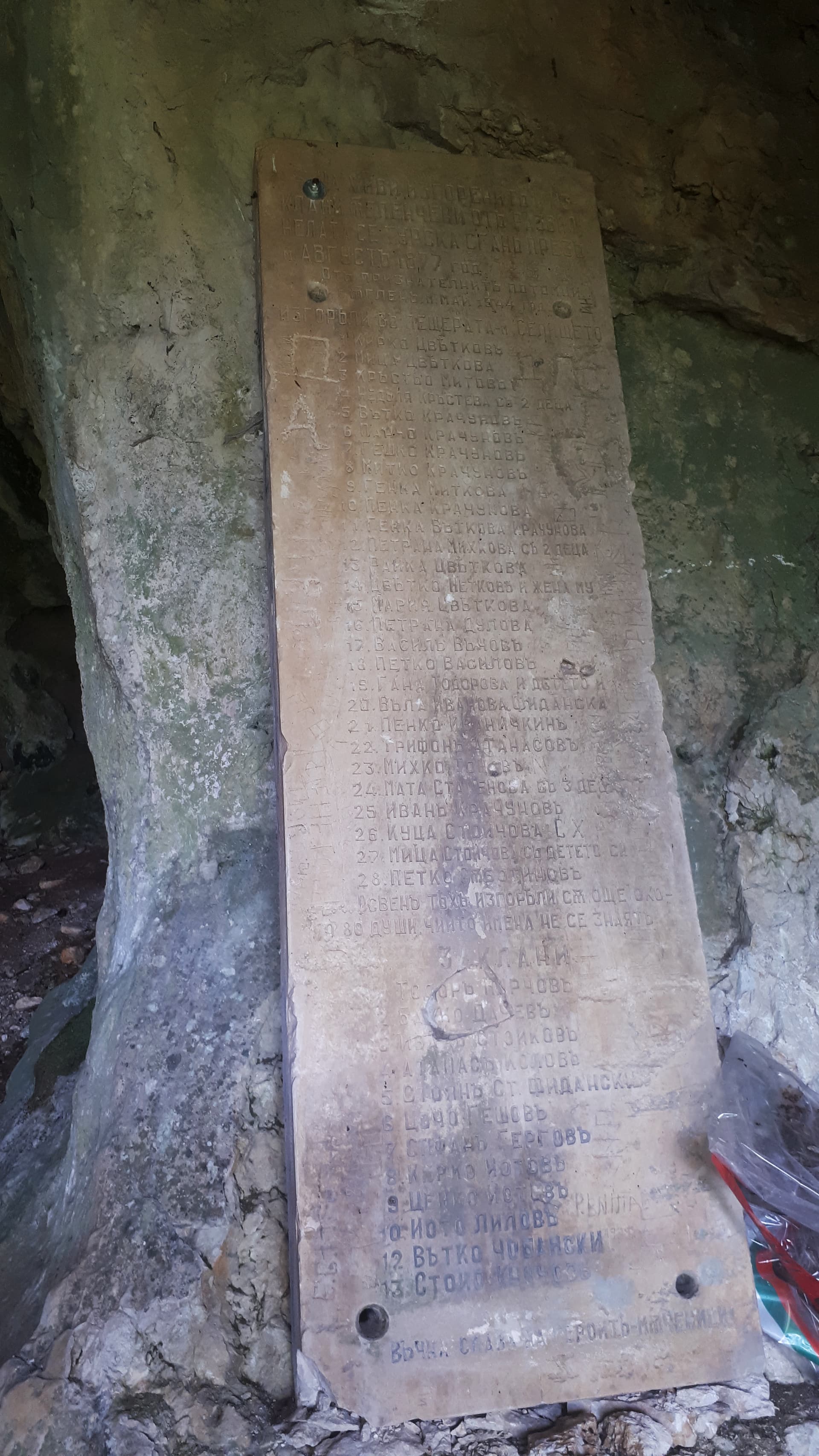
The authentic natural entrance of the cave leads directly to its first level. It was here that archaeological excavations uncovered a unique ancient dwelling, which was actively inhabited around the 4th millennium BC, during the Eneolithic Era. The discovered artifacts prove that the ancient residents were exceptionally skilled master potters. The raw clay used for crafting vessels was mined directly from the interior cave galleries and gathered from the bed of the nearby Buynovo River.
The finished vessels were fired on-site in custom-built clay ovens. The ancient inhabitants were forced to abruptly abandon their subterranean home following a catastrophic collapse of rock masses triggered by a powerful local earthquake. Due to weather conditions during the winter season, the exhibition of the prehistoric dwelling does not accommodate visitors.
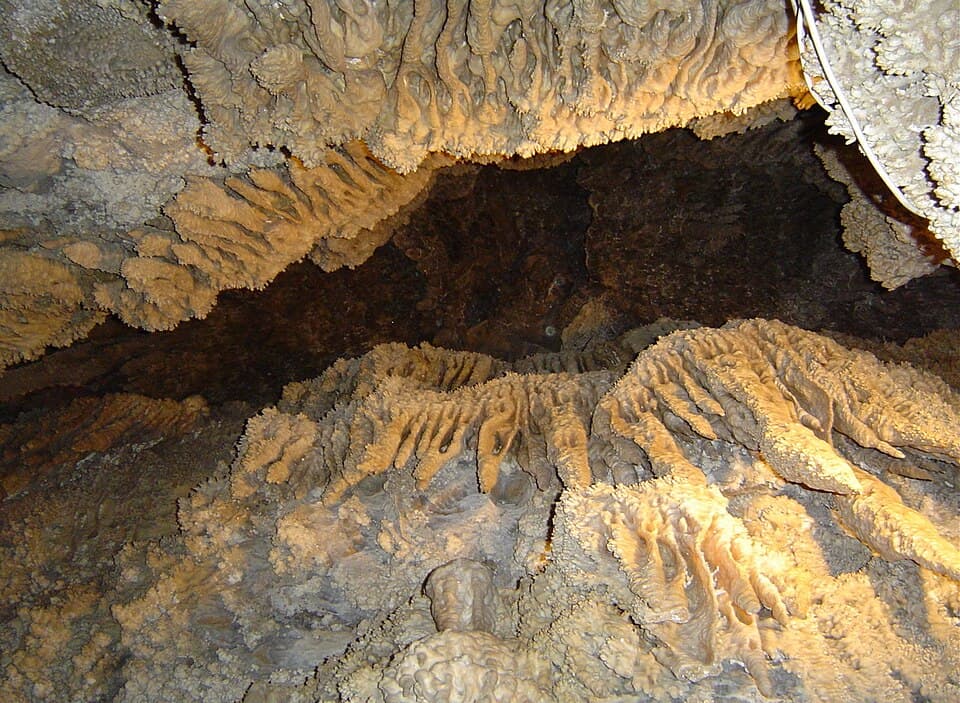
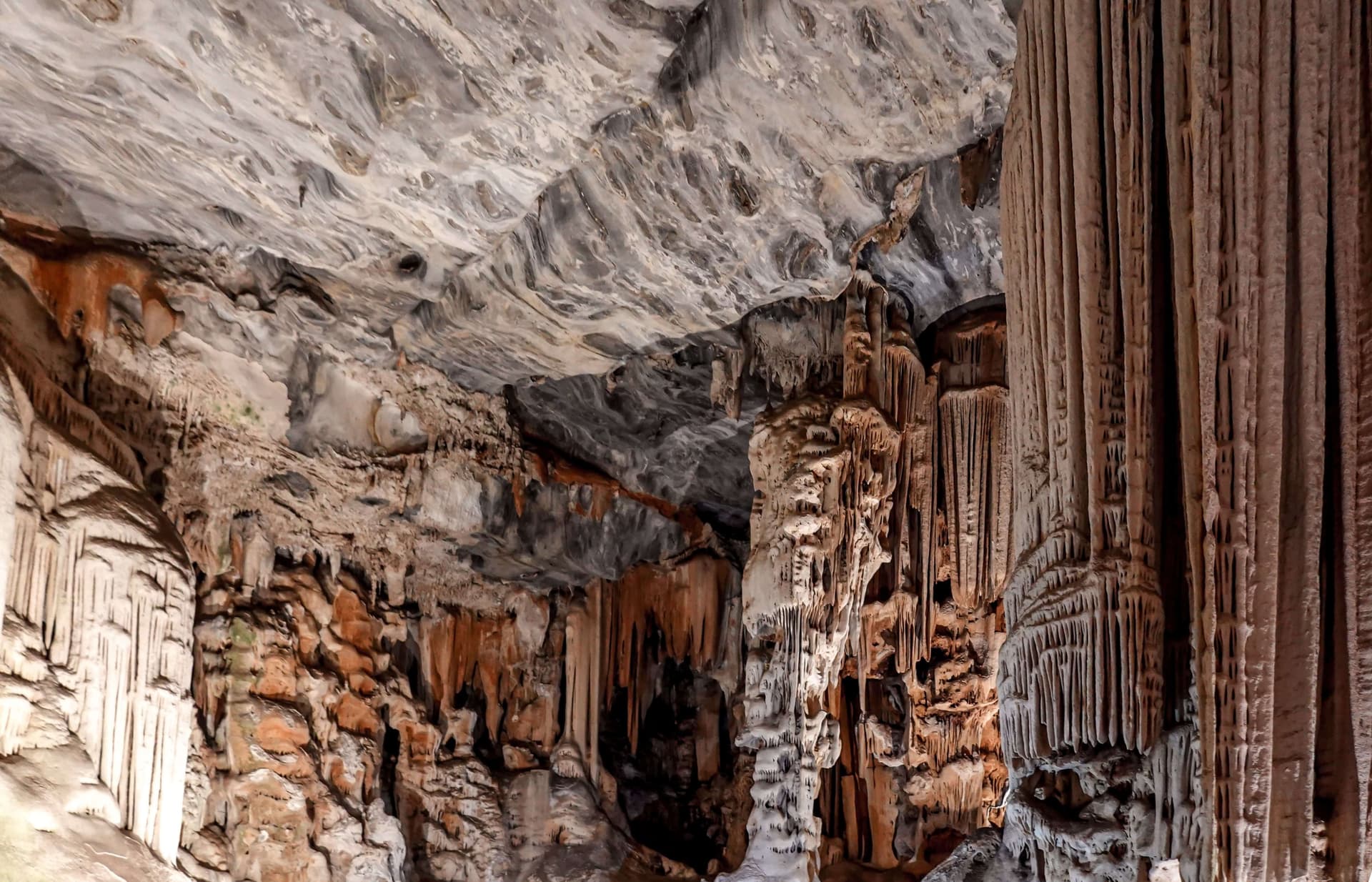
The Yagodina Cave is entirely unique, guarding countless finely sculpted calcite formations, including thousands of stalactites, stalagmites, massive stalagnates, beautiful stone draperies, and rare cave pearls. The galleries also display leopard skins, which are differently colored strata of sedimentary rocks. The subterranean domes maintain a constant air temperature of 6 degrees Celsius coupled with a high relative humidity level of 92 percent.
Numerous whimsical calcite sculptures strikingly remind visitors of the figures of Santa Claus, Snow White and the Seven Dwarfs, the Virgin Mary holding the Infant Jesus, as well as the Bulgarian folklore icons Pizho and Penda, alongside diverse animal shapes and fantastic entities.
The site is also famous for its unique contemporary traditions. Every year, on the night of December 31 to January 1, inside one of the grand halls next to a decorated natural pine tree - which remains fresh for several years due to the exceptional humidity - Bulgarian speleologists celebrate the arrival of the New Year. Over 200 subterranean wedding ceremonies have officially taken place within this same festive cave hall to date.
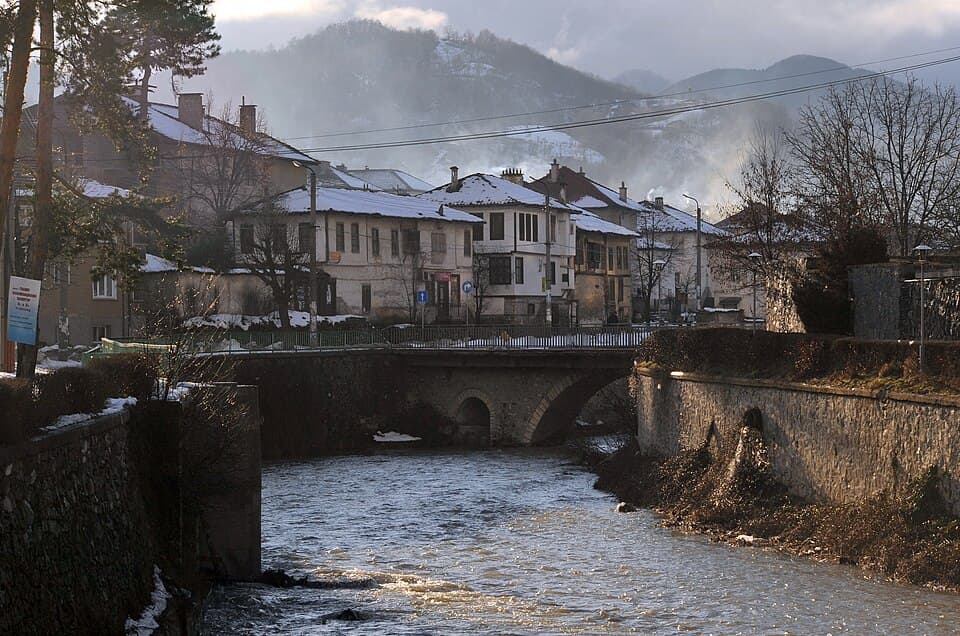
A Rhodope spa weekend: Devin's mineral water and the Struilitsa eco-trail, Zlatograd's ethnographic complex and Revival quarter, with Trigrad and Yagodina nearby.
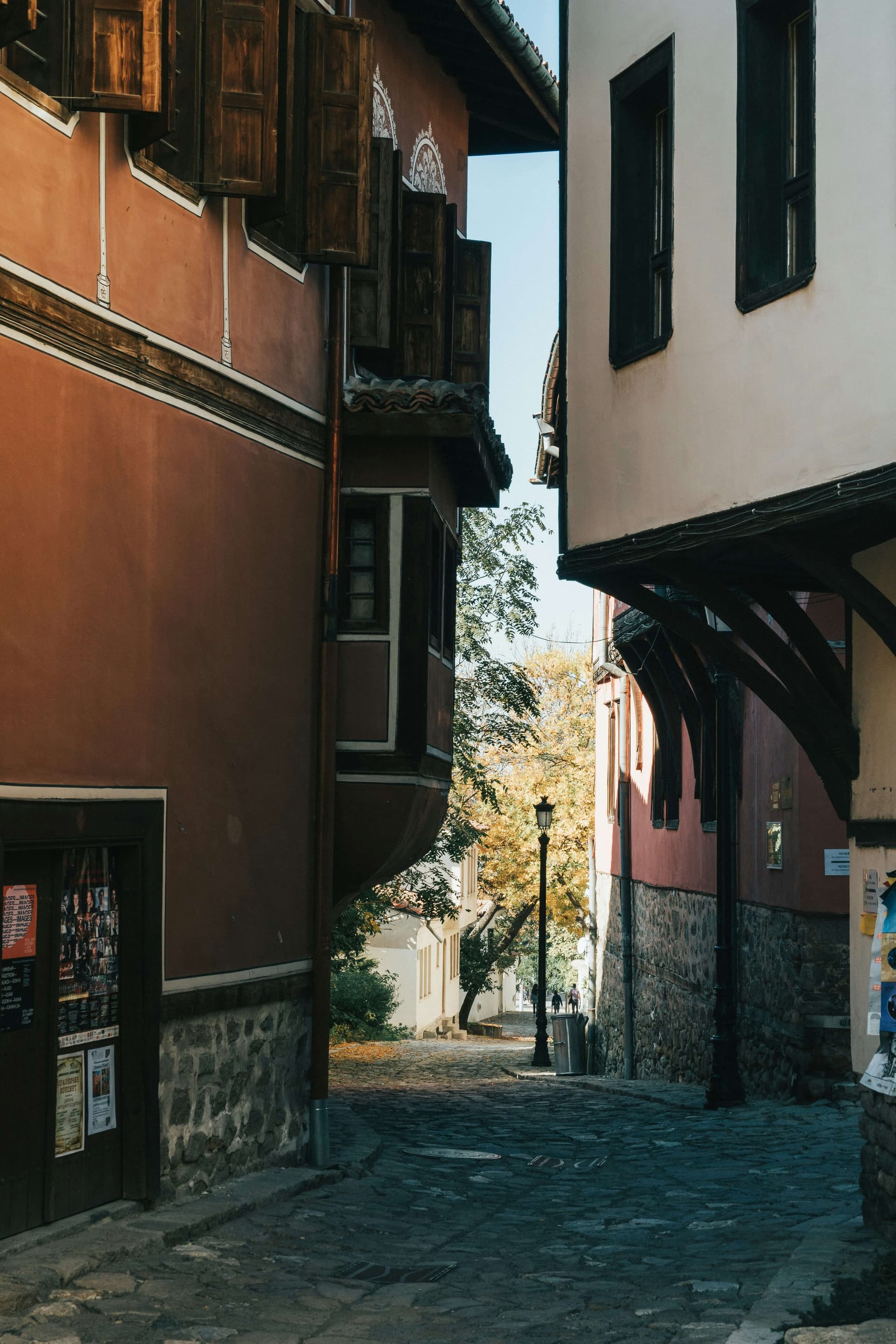
8 overnight getaways from Plovdiv: spa towns, Rhodope villages and caves, Troyan and skiing — with drive times, transport and what is open in winter.
A guide to Bulgaria's show caves — Prohodna, Devetashka, the Devil's Throat, Ledenika, Bacho Kiro, Magura, Yagodina, Saeva Dupka and Snezhanka — with what each one is actually for and how to pair them.
Yagodinska cave is located in Smolyan, Bulgaria.
Yagodinska cave is most easily reached by car. Use the coordinates above to navigate, or open the location in OpenStreetMap or your preferred maps app for turn-by-turn directions. Public transport options vary by region — for remote destinations a rental car gives the most flexibility.
Caves can be visited year-round — the temperature inside stays roughly 10–12°C regardless of season. Spring and autumn are quieter than peak summer. Bring a warm layer and sturdy footwear; some caves close in winter when access roads become impassable.
Access to caves varies. Show caves typically run guided tours during posted opening hours; wild caves require proper equipment and experience. Inside, the temperature stays cool year-round (~10–12°C) — bring a warm layer, sturdy non-slip footwear, and a torch even on guided tours.