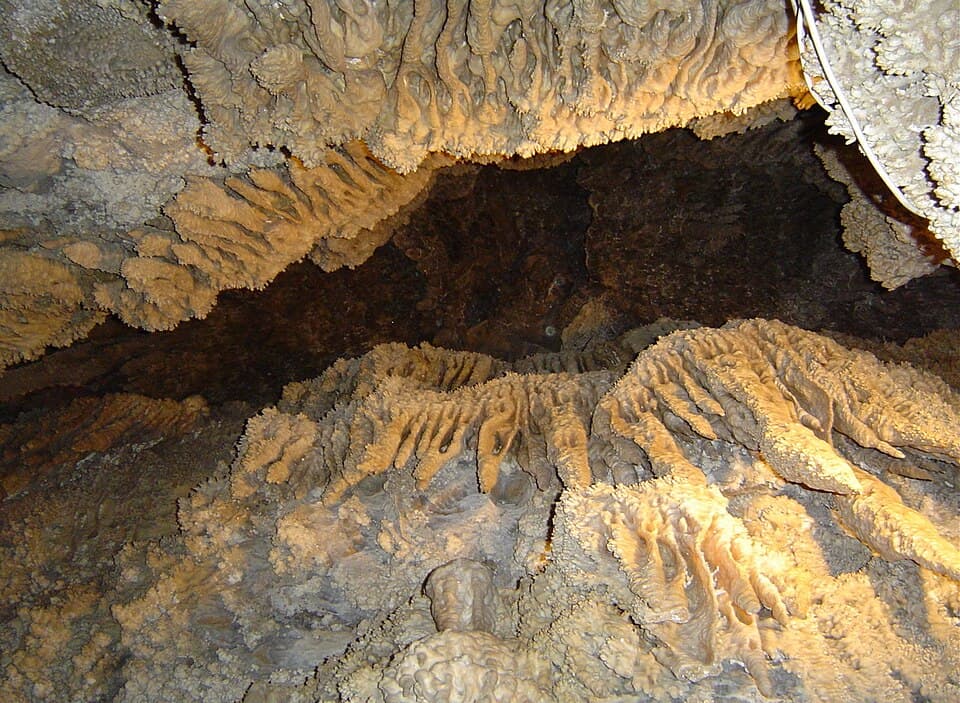
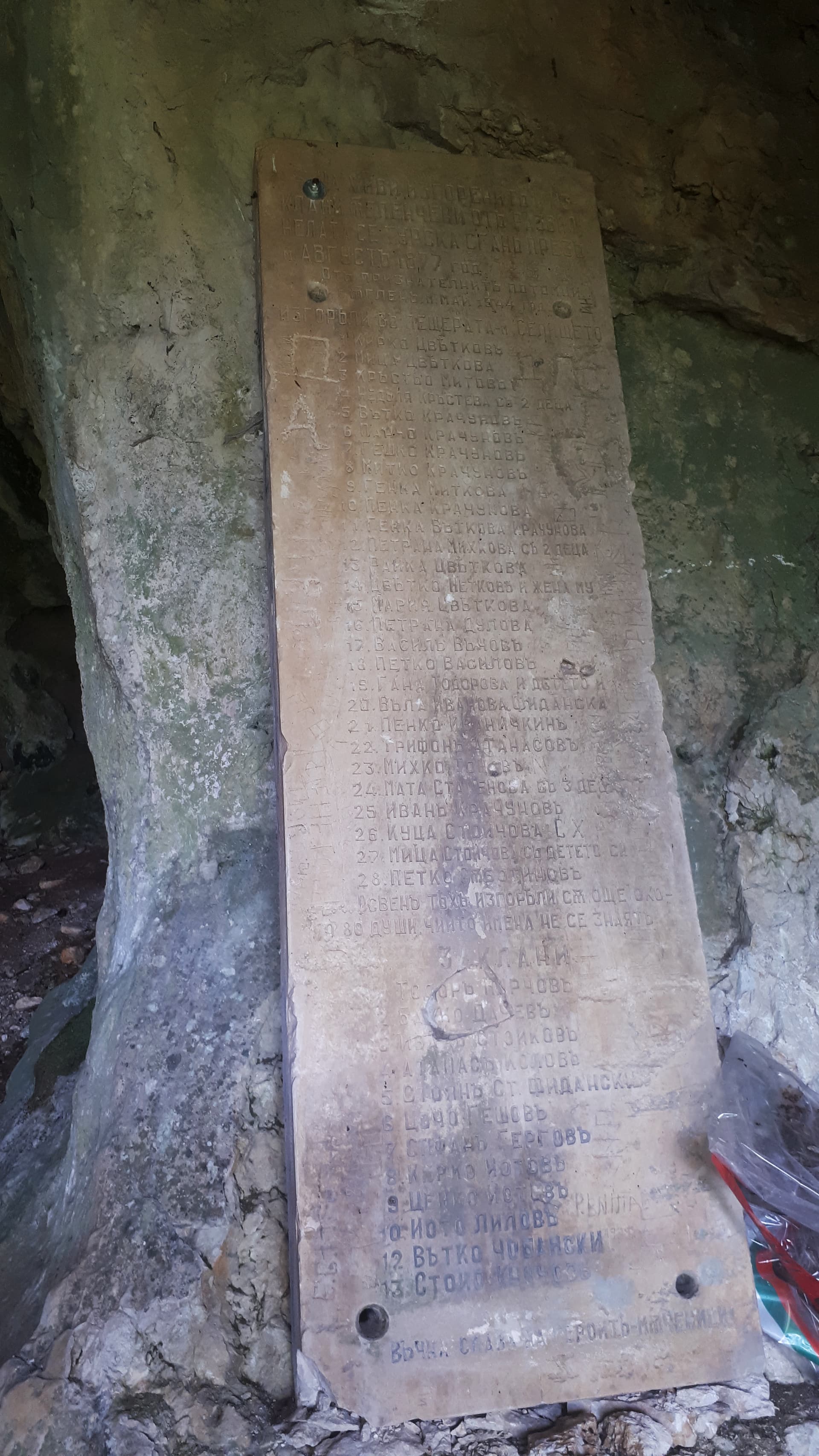
The Devil Throat (Dyavolskoto Garlo) is one of the most remarkable, mystical, and visited abyss caves within the territory of the Rhodope Mountains, situated within the boundaries of the Devin Municipality. The site holds a premier position among the most popular destinations for ecological, speleological, and adventure tourism in Bulgaria. The cave is integrated under the honorary number 88 into the prestigious national register of the 100 National Tourist Sites compiled by the Bulgarian Tourist Union, and it houses the official validation stamp for traveler collection books.
This natural landmark is situated 1.5 kilometers north of the regional Rhodopean village of Trigrad. It is positioned within the perimeter of the majestic and formidable Trigrad Gorge, which was carved into the heavy limestone cliffs by environmental forces over millions of years. Access to the destination is well-facilitated via a mountain highway cutting directly through the canyon, featuring designated observation and parking zones near the entrance.
Within local toponymy and popular folklore, several primary theories outline the etymology of the contemporary and ancient names of the cave:
The earliest courageous and documented attempt to explore the interior of this dangerous abyss was executed in 1962 by the mountaineers Radostin Chomakov, Nikola Korchev, and Elena Padareva. The three researchers successfully managed to descend to the floor of the Roaring Hall, subsequently initiating a risky attempt to advance further down by following the turbulent underground river current. Unfortunately, a severe shortage of specialized caving equipment, a lack of prior experience in speleology, and the immense danger thwarted further penetration into the deeper segments of the abyss.
The Devil Throat is a classic abyss cave formed during geological history due to a major structural collapse of tectonic strata and extensive karst erosion. Its primary chamber is occupied by a titanic subterranean cavern hosting the tallest underground waterfall across the entirety of the Balkan Peninsula.
Architecture of the Subterranean Network:
The territory of the Republic of Bulgaria hosts 33 of the 35 bat species registered across Europe, all of which are strictly protected by the Biodiversity Act across the entire country.
The Devil Throat provides a critical sanctuary for four specialized species of bats that inhabit the underground vaults across different seasons:
An exceptional scientific fact confirms that the Devil Throat hosts the largest wintering colony of Schreiber's long-winged bats in Bulgaria and the Balkans during their hibernation season. The total population of this wintering cluster exceeds 35 000 individuals belonging to the Schreiber's long-winged and long-fingered bat species, both officially included in the IUCN Red List of Threatened Species. The remaining two species occupying the cave - the greater and lesser horseshoe bats - are listed among priority conservation species for all of Europe. These unique parameters rank the Devil Throat among the most critical and prominent bat sanctuaries across Bulgaria.
Practical Traveler Information
Total Length and Trail: The overall mapped length of the researched cave galleries amounts to 1 kilometer, while the developed path optimized for commercial tourism covers a length of 350 meters.
The Devil Throat occupies a central position in ancient Balkan mythology, giving rise to numerous legends dating back to the Thracian era. The most famous global myth narrates that it was precisely through the formidable abyss of the Devil Throat that the legendary Thracian musician and poet Orpheus descended into the grim underworld of Hades, determined to rescue and return his deeply loved wife Eurydice back to the land of the living.

Smolyan region
0.2 km away
Smolyan region
1.7 km away
Smolyan region
1.9 km away
Smolyan region
4.4 km away
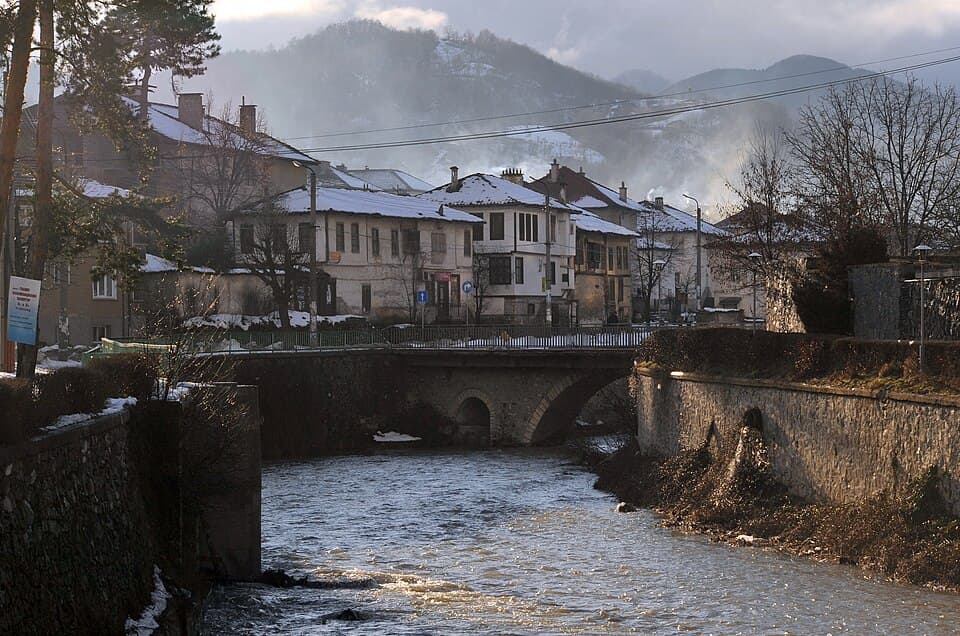
A Rhodope spa weekend: Devin's mineral water and the Struilitsa eco-trail, Zlatograd's ethnographic complex and Revival quarter, with Trigrad and Yagodina nearby.
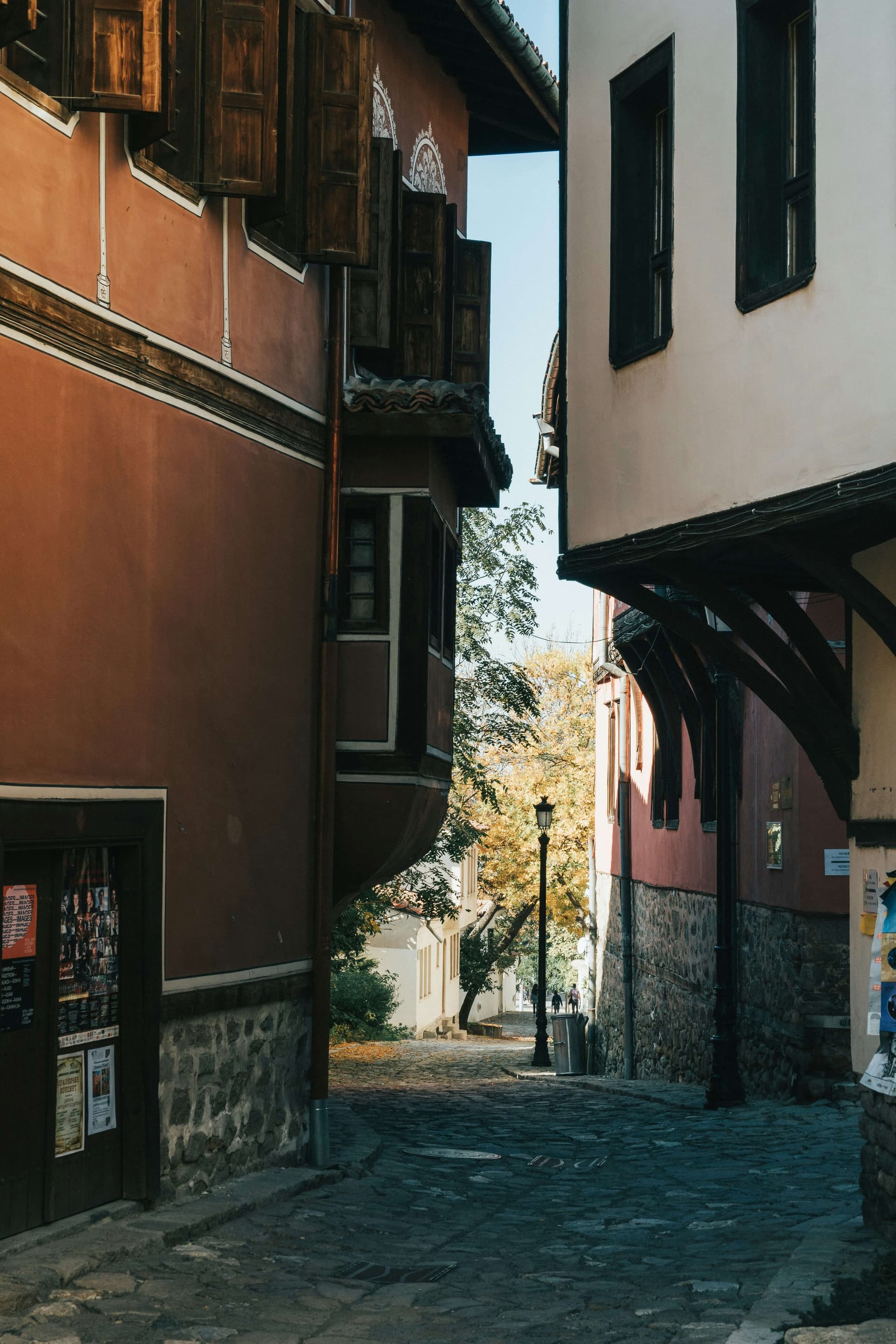
8 overnight getaways from Plovdiv: spa towns, Rhodope villages and caves, Troyan and skiing — with drive times, transport and what is open in winter.
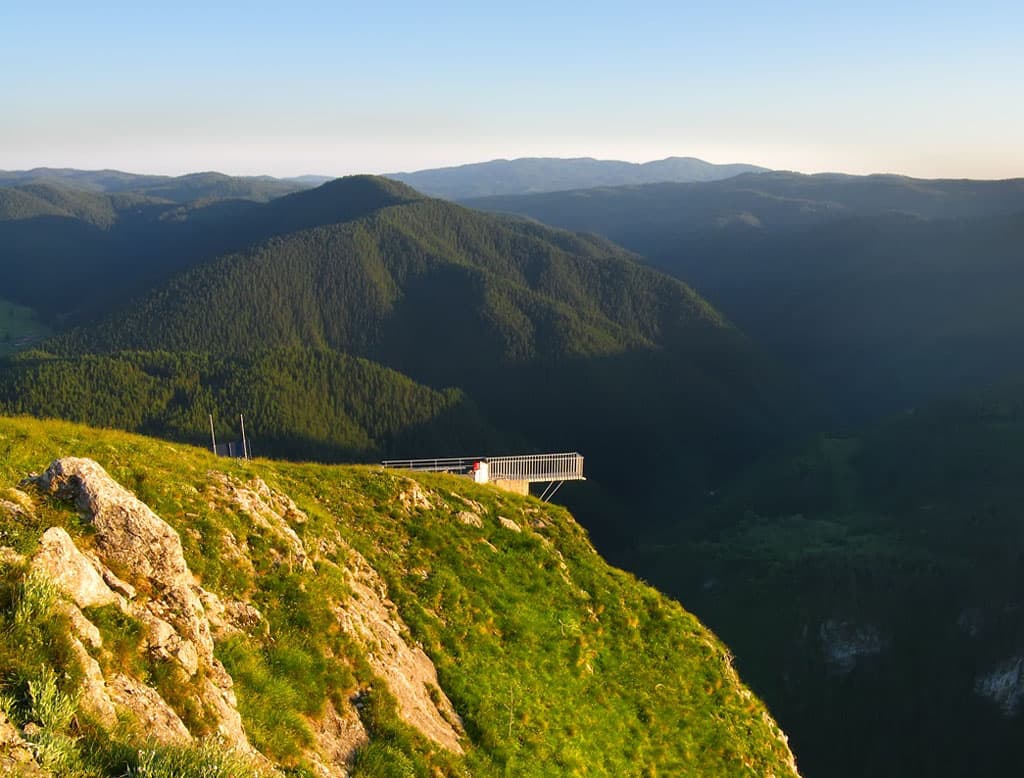
A travel guide to the Trigrad Gorge and the Devil's Throat Cave in the Western Rhodopes: the vertical marble canyon, the roaring underground waterfall, the nearby Yagodina Cave and the Eagle's Eye viewpoint above the Buynovo Gorge.
Devils Throat Cave is located in Smolyan, Bulgaria.
Devils Throat Cave is most easily reached by car. Use the coordinates above to navigate, or open the location in OpenStreetMap or your preferred maps app for turn-by-turn directions. Public transport options vary by region — for remote destinations a rental car gives the most flexibility.
Caves can be visited year-round — the temperature inside stays roughly 10–12°C regardless of season. Spring and autumn are quieter than peak summer. Bring a warm layer and sturdy footwear; some caves close in winter when access roads become impassable.
Access to caves varies. Show caves typically run guided tours during posted opening hours; wild caves require proper equipment and experience. Inside, the temperature stays cool year-round (~10–12°C) — bring a warm layer, sturdy non-slip footwear, and a torch even on guided tours.