

Smolyan: Gateway to the Rhodopes — Bulgaria's Highest Regional Capital
In this guide▾
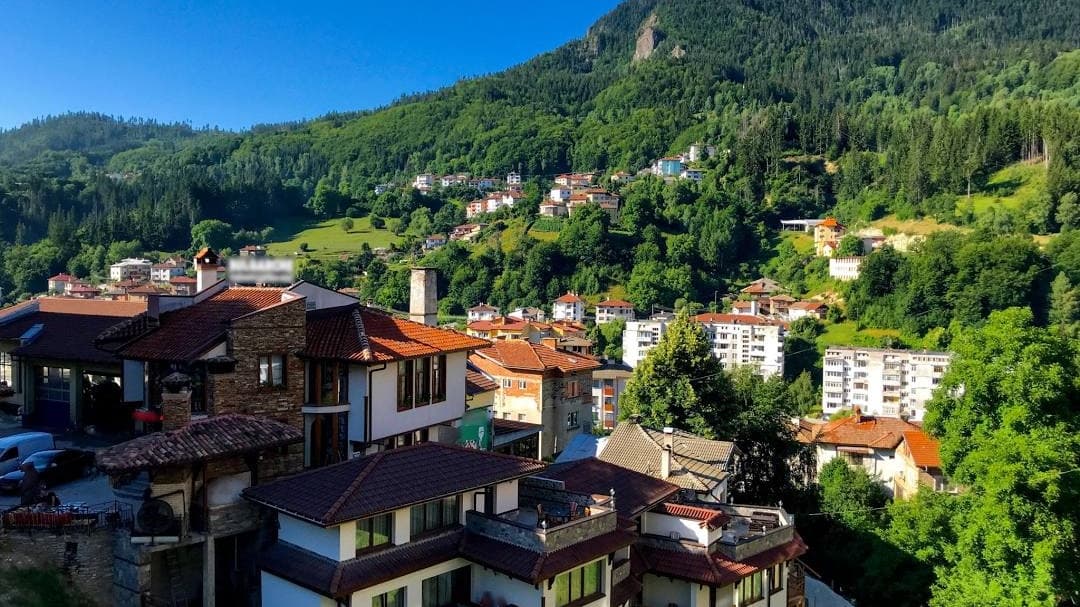
Every mountain range needs a capital, and for the Rhodopes that's Smolyan — at around 1,000 metres the highest regional capital in Bulgaria, stretched for some 25 kilometres along the Cherna and Byala rivers beneath a wall of pine-covered cliffs. It's not a museum village or a purpose-built resort: it's a living Rhodope town with a surprising cultural punch, and the single most practical base for exploring Bulgaria's most atmospheric mountains.
This guide covers the town itself — lakes, planetarium, museums and old quarters — plus the day trips that make it such a good hub. For the full regional picture, pair it with our complete Rhodopes travel guide.
📍 Orientation: One Long Town, Three Old Ones
Modern Smolyan was created in 1960 by merging neighbouring settlements — Smolyan, Ustovo, Raykovo and Ezerovo — which explains its unusual shape: a thin ribbon of a town some 25 kilometres long, following the river valleys. The western end holds the administrative centre and the lakes; the eastern quarters of Raykovo and Ustovo keep the older Rhodope houses, workshops and churches. Above everything rise the cliffs, including the Nevyastata ("The Bride") rock with its viewpoint, a short via ferrata and an alpine zip line.
🚗 Getting There
| From | Distance | Driving time |
|---|---|---|
| Plovdiv | ~100 km | ~2 hours |
| Sofia | ~245 km | ~3 h 45 min |
| Pamporovo | ~15 km | ~20 min |
| Devin | ~43 km | ~50 min |
The drive from Plovdiv up the Chepelare valley is one of Bulgaria's prettiest main roads. Regular buses run from both Plovdiv and Sofia; for exploring the villages and gorges beyond town, though, a car makes all the difference.
Parking: the centre is a Blue Zone on weekdays, 08:30–17:30, at €0.50 an hour.
🏛️ Things to Do in Town
The Planetarium
Bulgaria's largest planetarium has been Smolyan's calling card since 1975 — a genuinely good star show, with a foreign-language session in the afternoon (English, German, French, Russian, Greek or Turkish). It's the classic bad-weather move and a guaranteed hit with kids — though the shows are not suitable for children under 4.
Visiting: open Tuesday to Saturday, 09:00–17:30, with a lunch break from 12:00 to 13:00; closed on Sundays and Mondays. There is no booking for individuals: tickets are sold at the desk until the hall is full.
| Ticket | Adults | Children, pupils, students, pensioners |
|---|---|---|
| Star Hall show | €5 | €3 |
| Show in a foreign language | €10 | €5 |
| Combined ticket — show + visitor centre | €6 | €4 |
| Visitor centre only | €2 | €2 |
Visitors with disabilities go in free. Prices checked September 2026; they can change.
The Regional History Museum
The Stoyu Shishkov Regional History Museum holds arguably the best Rhodope ethnographic collection anywhere: kukeri costumes, kaba gaida bagpipes, weaving, weaponry and the story of a mountain that has been inhabited since deep antiquity. If you visit one museum in the Rhodopes, make it this one. It is open Tuesday to Sunday, 09:00–18:00 from May to September and 09:00–12:00 and 13:00–17:00 from October to April; Monday is a cleaning day, when visits are by prior arrangement only.
St. Vissarion of Smolyan Cathedral
Consecrated in 2006, the Cathedral of St. Vissarion is one of the largest Orthodox churches in Bulgaria — an unexpected sight in a mountain town, its gilded domes framed against the cliffs.
Ustovo & Raykovo Old Quarters
The eastern quarters preserve stone-roofed National Revival houses, small churches and craft traditions from the days when Ustovo was a major Rhodope market town. It's an easy, atmospheric wander well away from any tourist bustle.
🌲 Nature at the Doorstep
The Smolyan Lakes & the Orpheus Rocks
On the plateau above the town's western end lies the string of Smolyan Lakes — small landslide lakes (once about twenty, seven or eight today) beneath the crags of the Orpheus Rocks. An easy marked trail connects them, with the cliffs mirrored in the calm water; the lakes sit right on the Pamporovo road, so they pair naturally with Snezhanka peak above the resort.

The Canyon of Waterfalls
On the south-western edge of town, off the road to Mugla, the Canyon of Waterfalls eco-trail climbs the forested gorge of the Gerzovska River in the Soskovcheto reserve past some 46 cascades, the highest — the Orpheus waterfall — dropping about 68 metres. The full loop is a solid half-day walk with steep wooden staircases and constant water noise; it's the best short hike in the central Rhodopes.
Getting to the trail: leave Smolyan towards the village of Mugla. Just outside town, at an old concrete junction, turn right onto a narrow road with poor asphalt, following the yellow arrow signs for the eco-trail. A little further on there is a small car park — leave the car there and walk the rest, because the road gets very bad and you are already close to the start. When we last walked it there was no entry fee, and a small hut near the start sells snacks and drinks.
Golyam Perelik
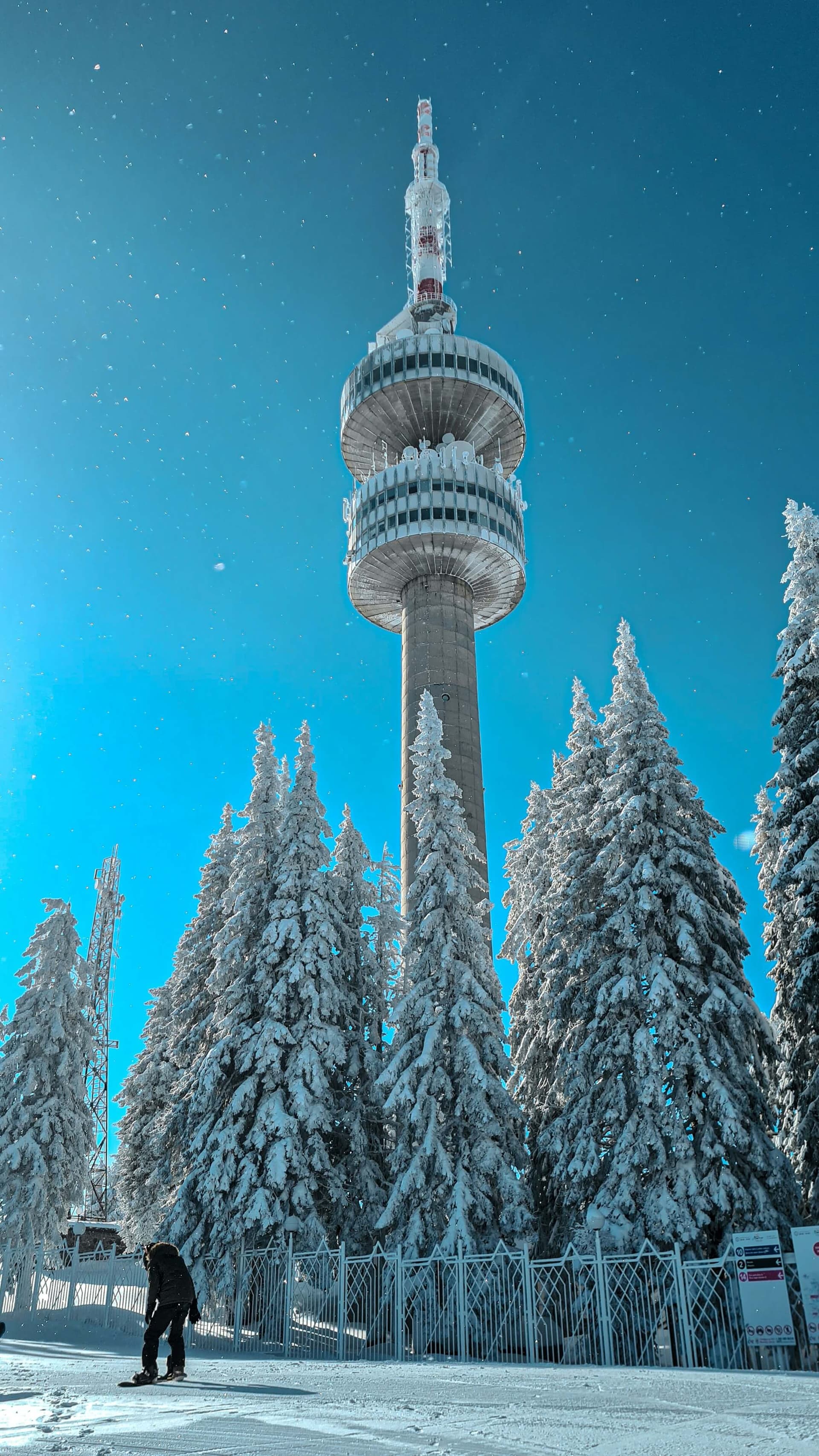
About 19 km west of town rises Golyam Perelik (2,191 m), the highest peak of the entire range — very different in character from the alpine scrambles of Rila and Pirin. The summit itself lies inside a military zone and is normally closed to hikers, so check access before you go; the gentle ridges around Perelik hut, about 20 km from Smolyan, are open. See where it ranks among Bulgaria's highest peaks.
🚙 Day Trips from Smolyan
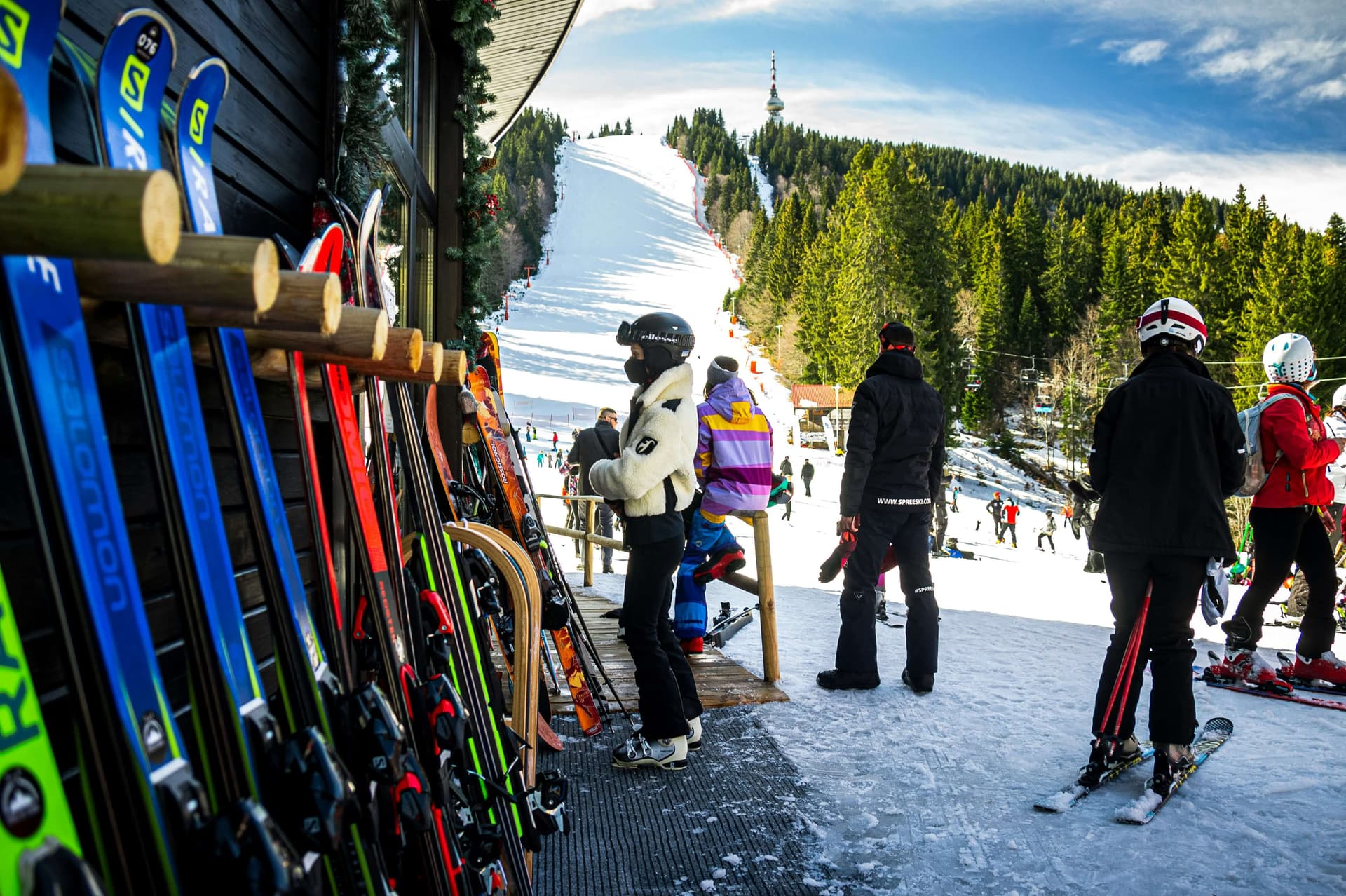
- Pamporovo (~15 km): Bulgaria's sunniest big ski resort in winter, a hiking and biking base in summer — see how it compares in our ski resort face-off.
- Shiroka Laka (23 km): the postcard architectural-reserve village and home of the bagpipe school.
- Mogilitsa & the Uhlovitsa Cave (~25 km): the grand 19th-century Agushev Konak residence, then one of Bulgaria's oldest caves, dripping with rock curtains and dams.
- Smilyan (15 km): the bean capital of Bulgaria — giant, creamy Smilyan beans, celebrated with a village festival each autumn.
- Momchil Fortress (~10 km): medieval ruins above the village of Gradat with a sweeping panorama of the valley.
- The Trigrad–Yagodina cave country (~70 km via Devin): the Trigrad Gorge and Devil's Throat Cave, the Yagodina Cave and the Eagle's Eye viewpoint — the Rhodopes' blockbuster day out. See our Trigrad Gorge & Devil's Throat guide for the details.
- Devin (43 km): mineral-water spa town for a recovery day — details in our Devin and Zlatograd guide.

🍲 What to Eat
Smolyan is the heartland of Rhodope cooking: patatnik crisped in a clay pan, Smilyan bean stew from the valley next door, klin banitsa with rice and nettles, katmi pancakes for breakfast and, at feasts, whole-lamb cheverme. The mehanas in Ustovo and along the main street serve all of it in portions built for shepherds.
🛏️ Where to Stay & When to Go
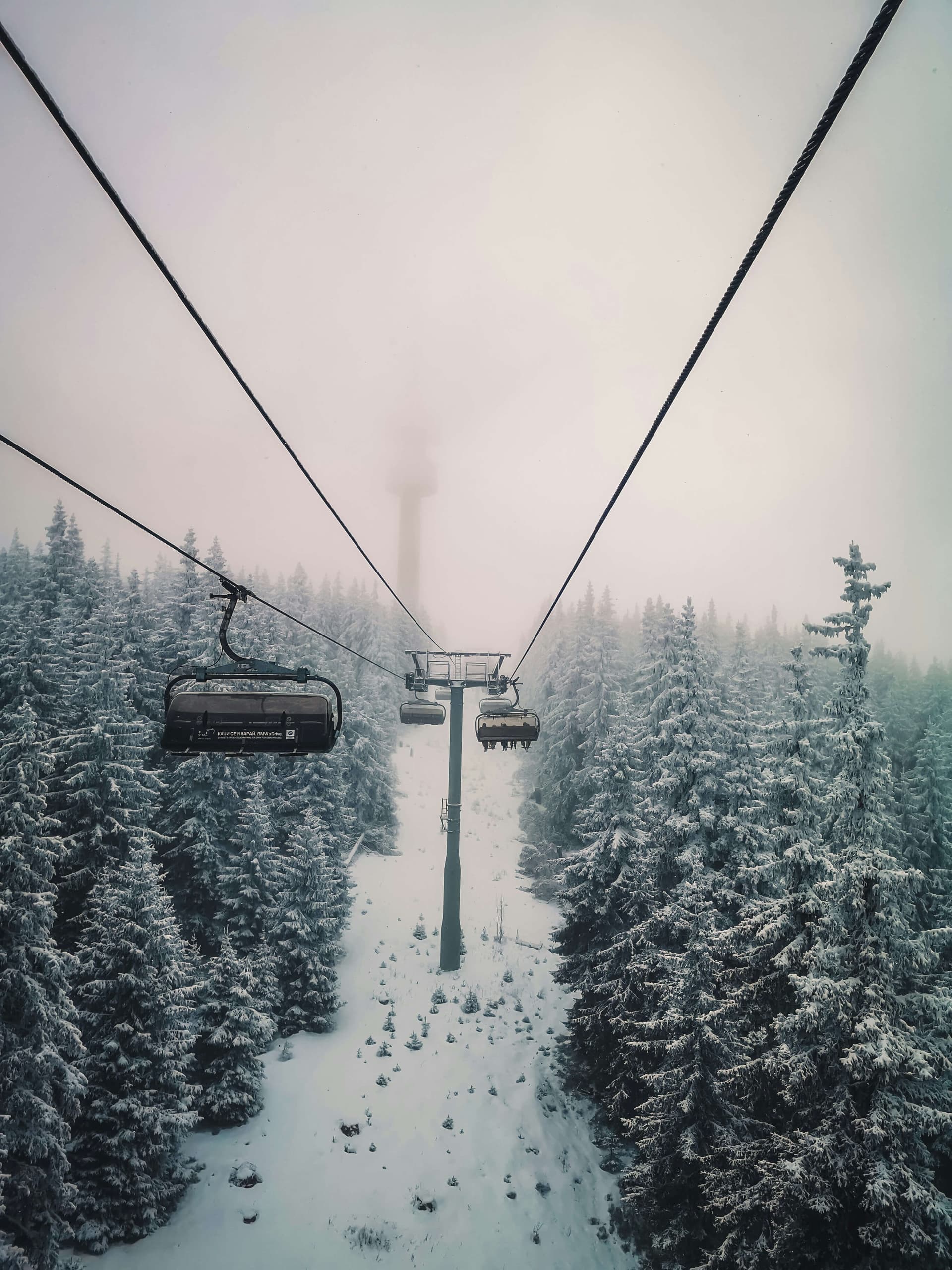
Family guesthouses and small hotels are the local currency — comfortable, cheap and usually attached to a very good kitchen. Smolyan makes sense in every season: summer for the lakes and canyon (the town stays cool when the lowlands bake), September–October for golden forests and mushrooms, winter as the value base for Pamporovo's pistes — part of the wider case for Bulgaria in winter.
The Rhodopes reward those who base themselves deep inside them — and no base runs deeper than Bulgaria's highest town. Start in Smolyan, follow the ridges out, and keep exploring with Mestala.com.
This guide covers 12 places
Want more Mestala in your Google results?
Add mestala.com as a preferred source and our guides will show up more often when you search. Requires a Google account.
Frequently Asked Questions
Where is Smolyan and how do you get there?▾
Smolyan lies deep in the Western Rhodopes of southern Bulgaria, about 100 km south of Plovdiv — roughly a two-hour drive up the Chepelare valley, or 3.5 to 4 hours from Sofia. Regular buses run from both cities. The town sits at around 1,000 metres, making it the highest regional capital in Bulgaria.
What is Smolyan known for?▾
Smolyan is Bulgaria's highest regional capital and the administrative centre of the Rhodopes. It's known for the Smolyan Lakes beneath the Orpheus Rocks, the largest planetarium in Bulgaria, a first-class Rhodope history museum, the St. Vissarion cathedral — one of the largest Orthodox churches in Bulgaria — and its position as the perfect base for Pamporovo, Shiroka Laka and the Trigrad–Yagodina cave country.
What are the Smolyan Lakes?▾
A string of small landslide lakes on the plateau above the town's western end, backed by the crags of the Orpheus Rocks. There were once around twenty; seven or eight survive today, connected by an easy marked trail with picnic spots and lovely reflections of the cliffs. The lakes sit right on the road up to Pamporovo, so the two combine naturally.
How many days do you need in Smolyan?▾
One full day covers the town itself — the planetarium, the history museum, the cathedral and the old quarters of Ustovo and Raykovo. Add a second day for the Smolyan Lakes and the Canyon of Waterfalls, and a third if you want day trips to Shiroka Laka, Mogilitsa and the Uhlovitsa Cave, or the Trigrad Gorge further west.
When is the best time to visit Smolyan?▾
Smolyan works year-round. Late spring to early autumn is best for the lakes, the waterfall canyon and hiking; September brings golden forests and mushroom season; in winter the town becomes a quieter, cheaper base for skiing at Pamporovo, about 15 km up the road.
Is Smolyan worth visiting over Pamporovo?▾
They serve different purposes. Pamporovo is a purpose-built ski resort; Smolyan is a real working town with museums, history and lower prices, 20 minutes down the road. In winter many skiers stay in Smolyan for value and drive up; in summer Smolyan is clearly the better base, with the lakes, canyon and Rhodope villages all around it.
You might be interested in
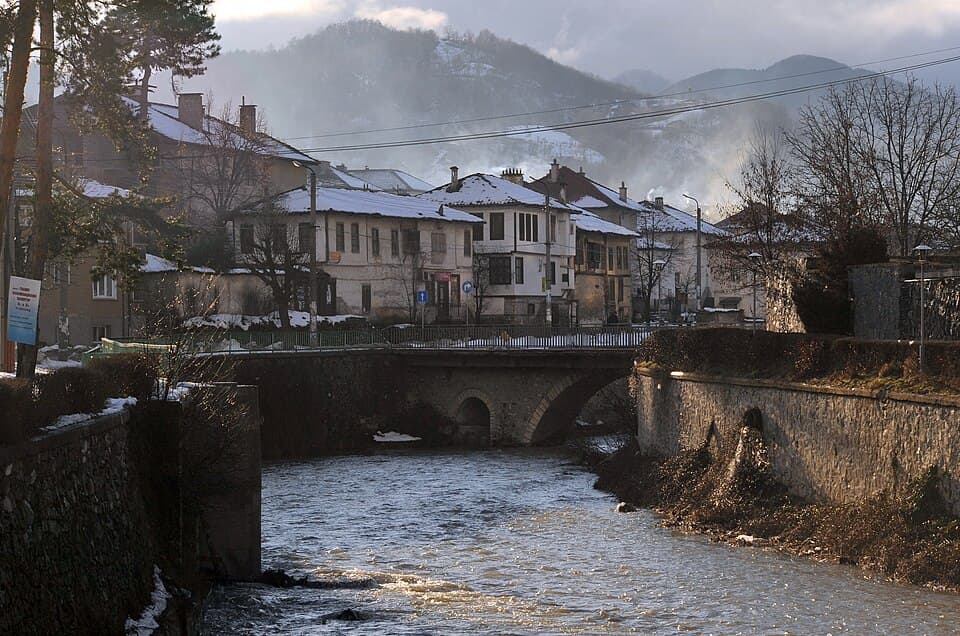
Devin and Zlatograd Weekend: Rhodope Spa Towns, Struilitsa and Old Zlatograd
A Rhodope spa weekend: Devin's mineral water and the Struilitsa eco-trail, Zlatograd's ethnographic complex and Revival quarter, with Trigrad and Yagodina nearby.

Velingrad Spa Weekend: Pools, Kleptuza and the Narrow-Gauge Railway
A spa weekend in Velingrad: getting there, where to soak after 1 October, Kleptuza spring, Lepenitsa cave, the narrow-gauge railway and what's nearby.
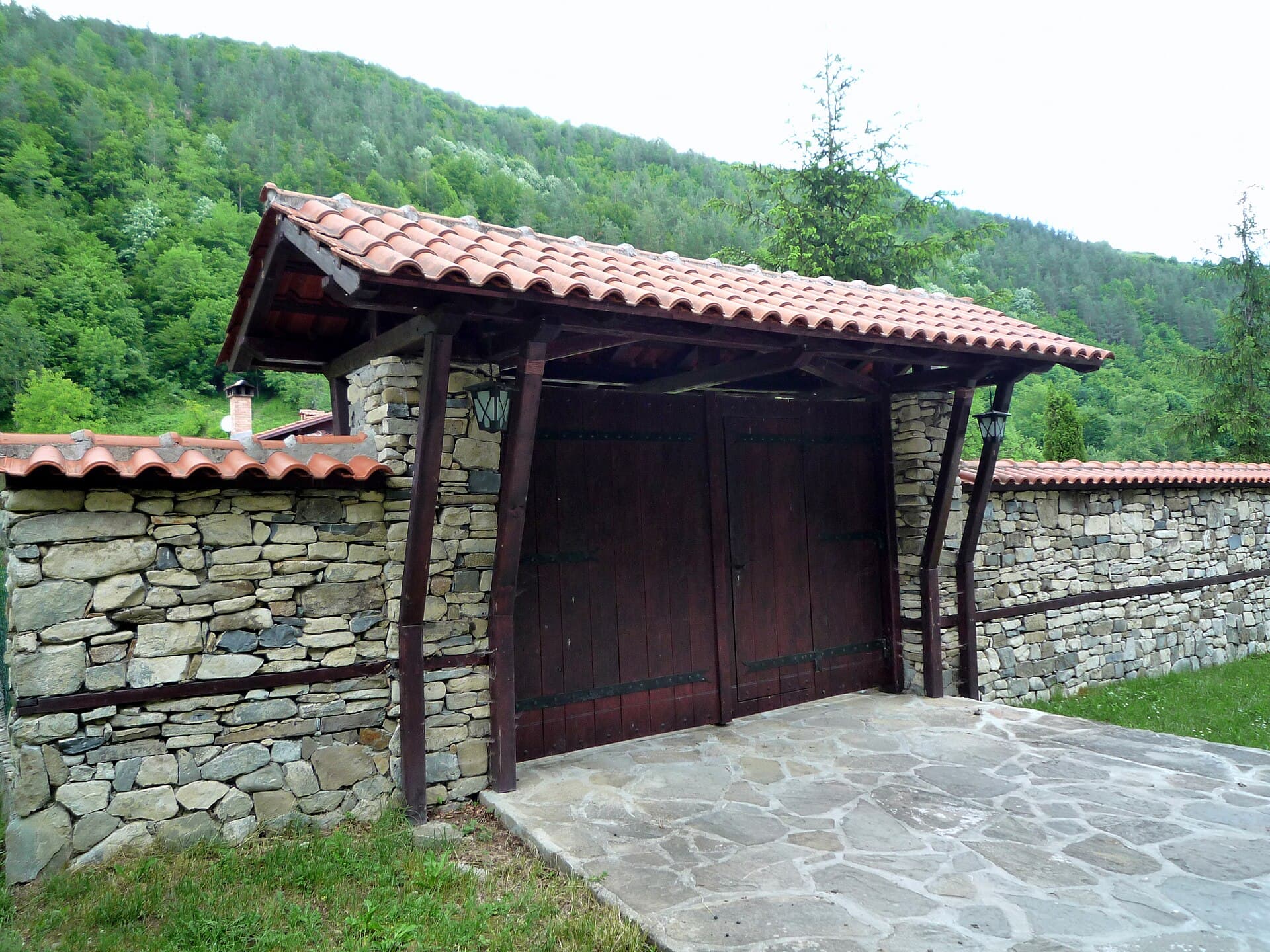
Teteven & Ribaritsa: The Quiet Side of the Balkan Range
A guide to Teteven and Ribaritsa in the Vit valley: the clifftop Glozhene Monastery, the green cheese of Cherni Vit, access to the Central Balkan reserves, and why this valley stays empty.
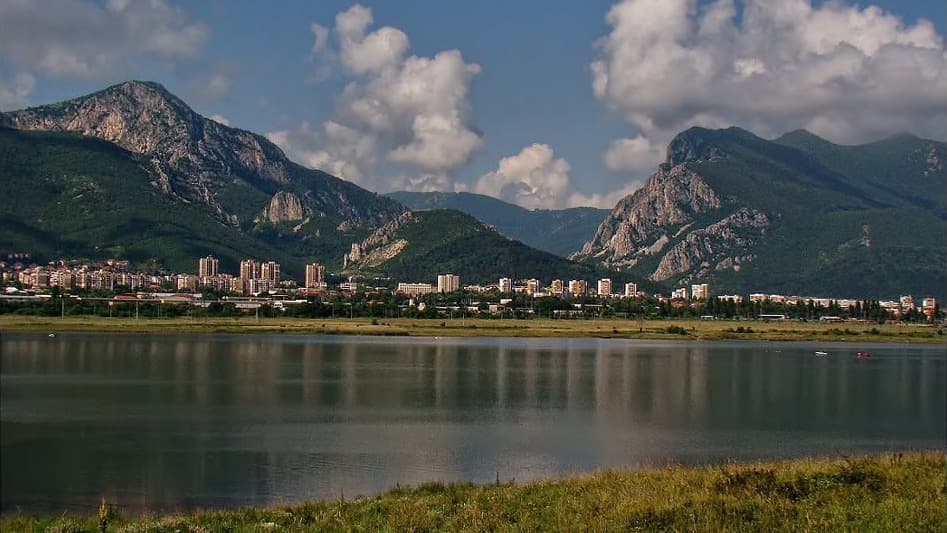
Vratsa & Ledenika Cave: Bulgaria's Overlooked North-West
A travel guide to Vratsa: the Vratsata gorge and its 400-metre rock face, the Ledenika show cave, the Rogozen Treasure of 165 silver vessels, and the Botev memorial at Okolchitsa — an hour and a half from Sofia.