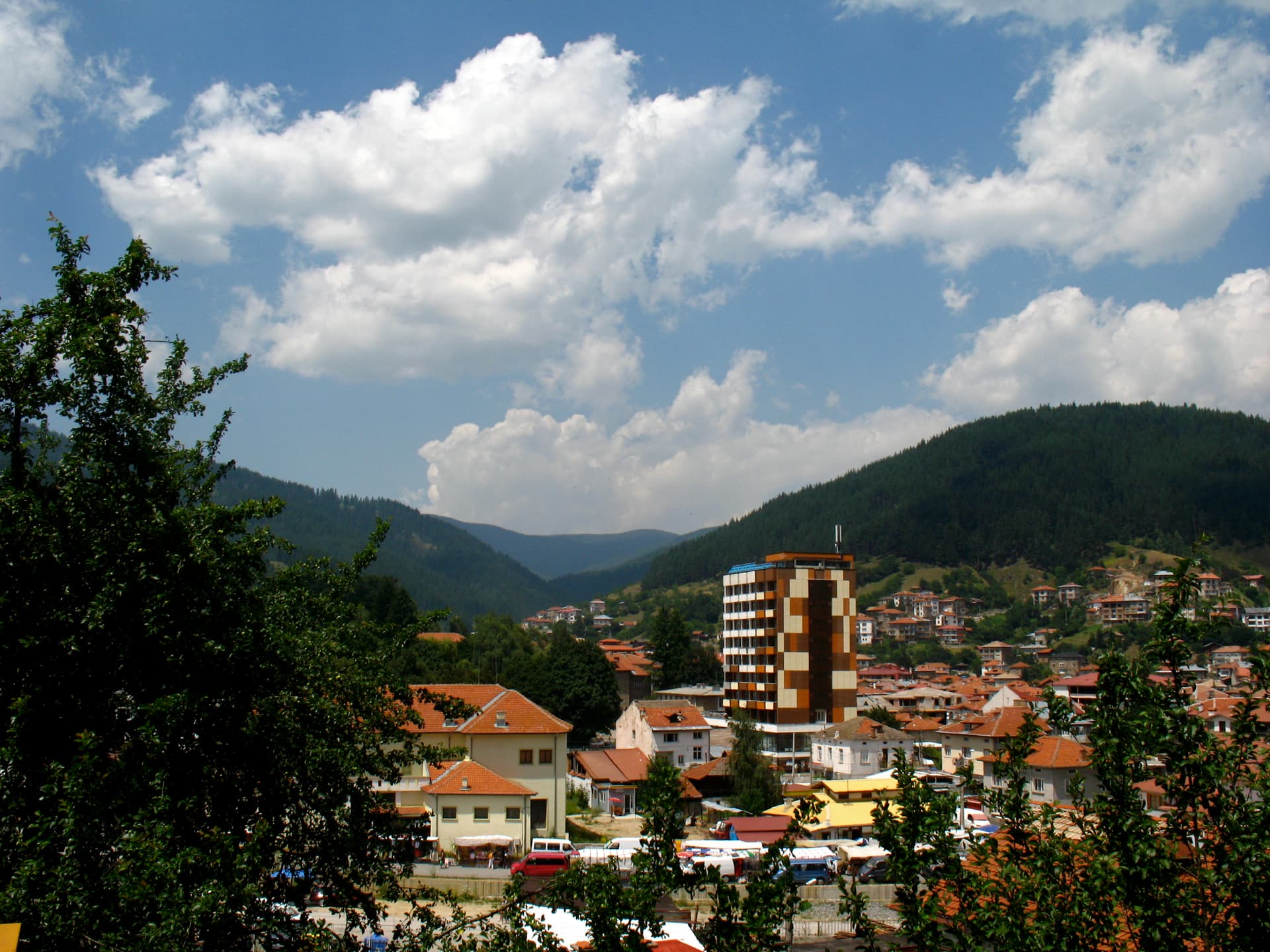
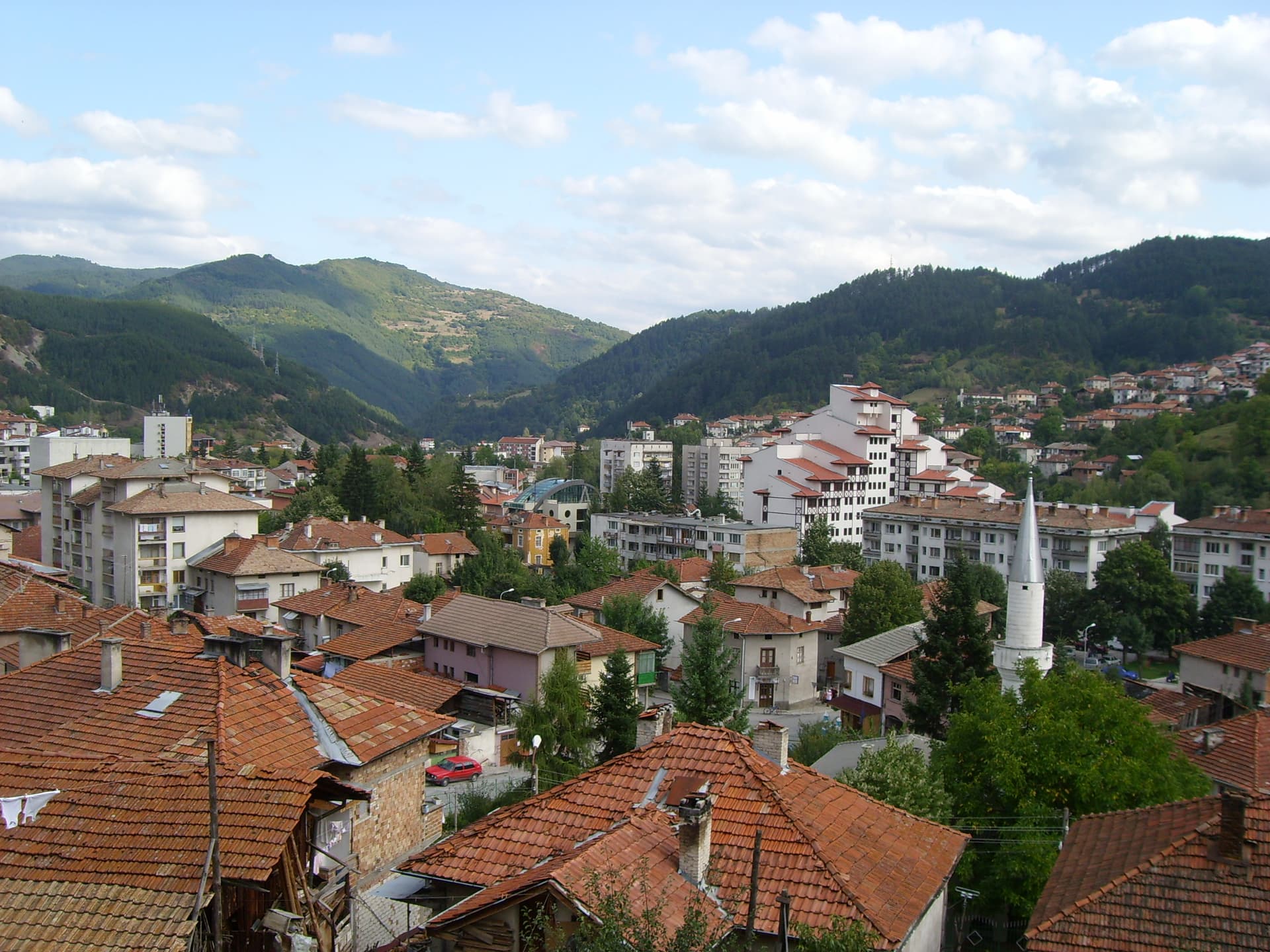
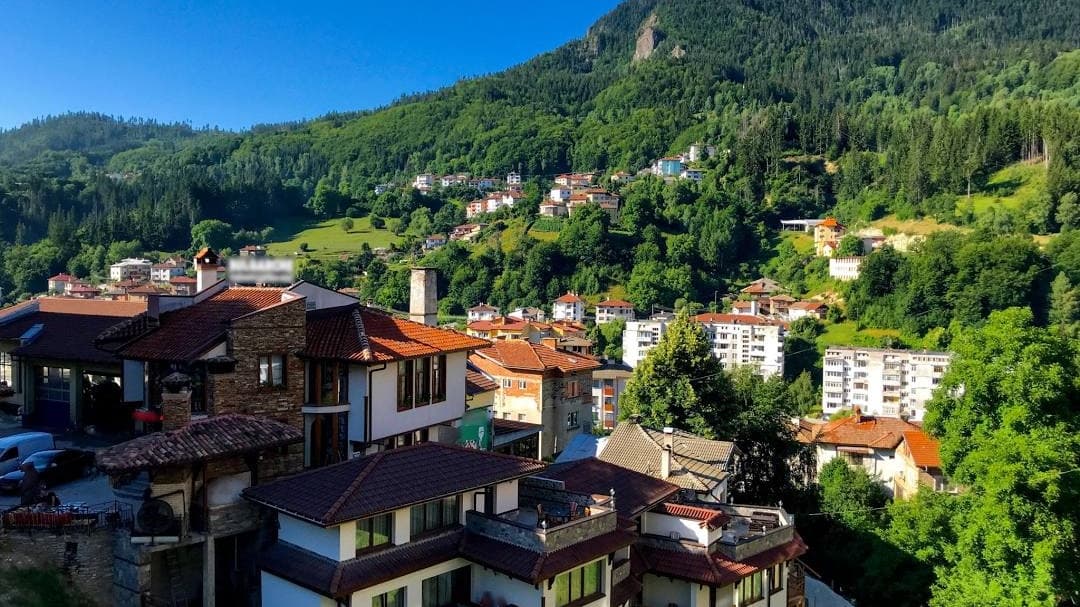
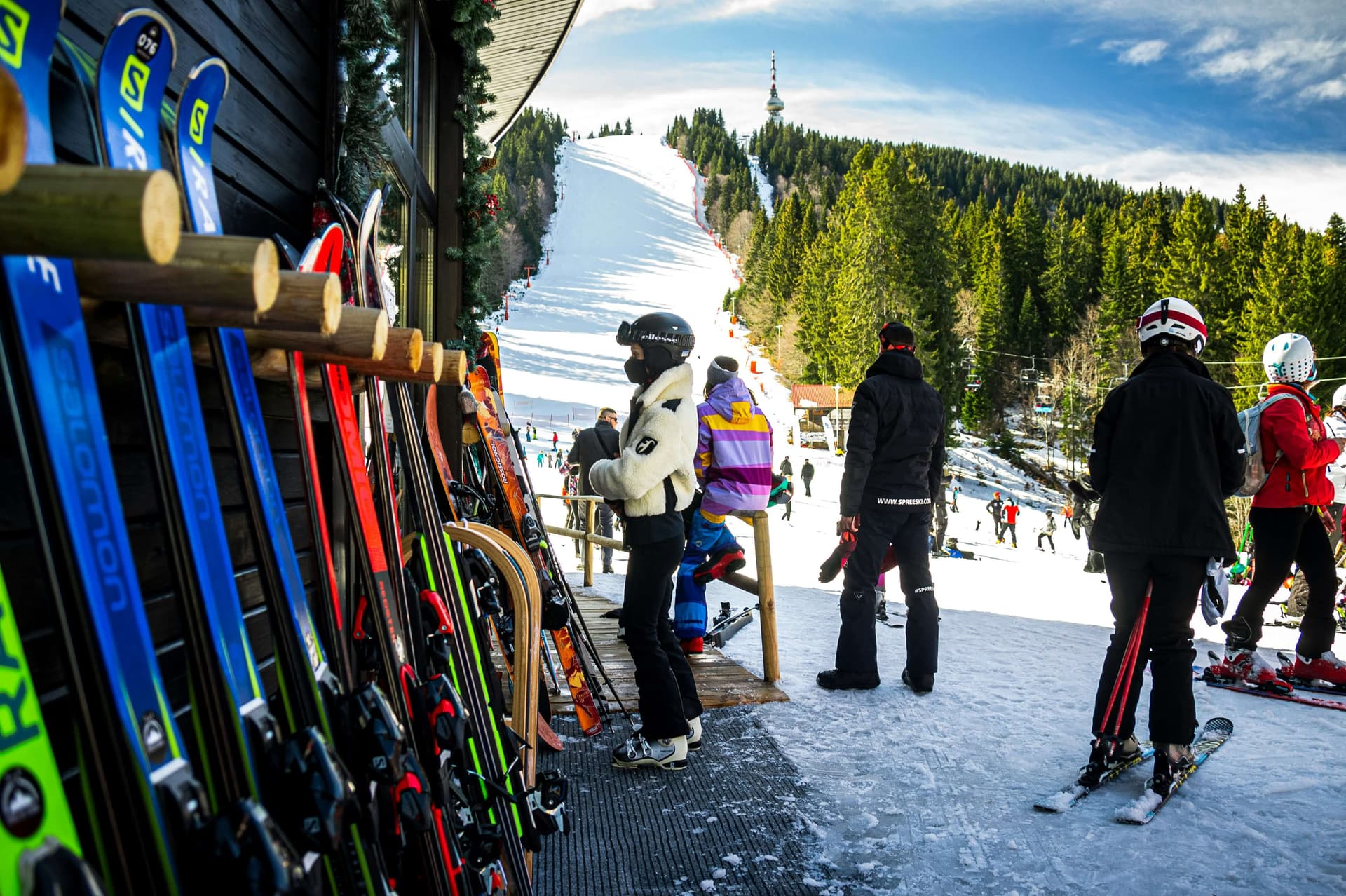
Pamporovo stands as one of the largest, most modern, and widely popular high-altitude resorts established within the Republic of Bulgaria. During the historical timeline spanning from March 14, 1950, the complex bore the official state designation Vasil Kolarov, subsequently witnessing the informal yet complete restoration of its old historic title Pamporovo after 1989. According to official statistical records compiled by the National Statistical Institute, the resort hub develops an extensive year-round international tourism profile, operating 6145 guest beds distributed across 60 established lodging facilities, with total overnight stays exceeding 410 thousand from 120 thousand individual registered travelers. Geographical Location, Logistics, and Climate Records The resort occupies a highly scenic and strategic geographical position, nestled deep within the interior of the Rhodope Mountains at 1650 meters above sea level, right at the base of the iconic Snezhanka Peak. The administrative layout of the complex is shared between the Smolyan Municipality and the Chepelare Municipality. Pamporovo enjoys excellent logistical connectivity, positioning 229 kilometers from the capital city of Sofia, 81 kilometers south of the city of Plovdiv, 17 kilometers north of the regional center Smolyan, and 11 kilometers south of the town of Chepelare. The regional climate is characterized by a mild and predictable winter season hosting more than 100 completely clear sunny days. Due to this premium atmospheric metric, the resort ranks first in terms of sunny days among all mountain and ski stations across the territory of Bulgaria. The overall mean annual air temperature in the region hovers at 5.5 degrees Celsius. Year-Round Tourism, Snezhanka Peak, and the Pamporovo Bike Park The primary and highest volume of travelers entering the boundaries of Pamporovo is recorded during the winter months, since the ski zone is custom-designed and tailored predominantly for alpine winter disciplines and snowboarding. Practically all marked ski runs within the complex initiate directly from the absolute summit of Snezhanka Peak, with their altitudinal range covering an elevation from 1926 meters at the crest down to 1400 meters in the lower valleys. The active winter travel season commences in mid-December and progresses continuously almost until the absolute close of April. Due to the exceptional beauty of the Rhodopean landscape, ancient coniferous forests, and pure mountain air, the district experiences high tourist traffic during the summer months as well. Snezhanka Peak is integrated under a designated honorary position within the prestigious 100 National Tourist Sites compiled by the Bulgarian Tourist Union, with the official collection validation stamp safely guarded and provided at the front desk of the Studenets mountain hut. Since 2012, a specialized, custom-built facility optimized for practicing professional and recreational mountain biking has operated successfully within the complex, recognized today as the largest and most developed bike park on the Balkan Peninsula. The Pamporovo Bike Park routinely hosts annual international races and cups of the highest elite national and global categories. The resort operated as the proud official host of the European Mountain Bike Championships in the extreme disciplines of downhill and four-cross (4X) in 2013, the Balkan Championship in the Olympic discipline of cross-country, and an official round of the prestigious 4X Pro Tour World Series in 2014. Following a comprehensive physical unification and infrastructural integration with the neighboring Mechi Chal ski zone tracking above the town of Chepelare, the bike park operates over 50 kilometers of fully marked professional trails and diverse cross-country routes tailored for all age brackets, skill tiers, and physical endurance levels of riders. For public safety and assistance, a permanent Regional Police Station and a modern Pamporovo Tourist Center operate within the resort limits, while a monumental stone statue of a traditional Rhodopean folk singer rises within the park environment. Classification of Ski Slopes by Difficulty Levels - Green Category: Slopes featuring a very low difficulty bracket, engineered exclusively for training absolute beginners. Easy level. - Blue Category: Slopes characterized by low-to-medium difficulty, highly optimized for beginner and intermediate ski practitioners. Intermediate level. - Red Category: Slopes featuring high structural complexity, custom-tailored for advanced skiers and snowboarders. Difficult level. - Black Category: Slopes demonstrating very high technical difficulty, engineered exclusively for professionals, elite experts, and racers. - Yellow Category: Specialized marked trails engineered exclusively to support Nordic cross-country skiing disciplines. Detailed Inventory and Technical Parameters of the Ski Slopes - Slope 1 (Yazovira - Malkata Stena): Red category difficulty, total length 857 meters. Logistically linked with the four-seat Lift 2 (Studenets - Snezhanka Peak) and the specialized Yazovira surface tow. - Slope 1A (Bypass Malkata Stena): Green category difficulty, total length 604 meters. Connected to the four-seat Lift 2 (Studenets - Snezhanka Peak). - Slope 2 (Stenata): Black category difficulty, total length 1258 meters. Linked to the four-seat Lift 2 (Studenets - Snezhanka Peak) and the high-speed Stenata surface tow. - Slope 3 (Arch. P. Petrov - European Cup): Black category difficulty, total length 1766 meters. Connected directly with the four-seat Lift 7 (Arch. Petar Petrov - Snezhanka Peak). - Slope 4 (Snezhanka): Black category difficulty, total length 1342 meters. Linked with the six-seat Lift 5 (Malina - Snezhanka Peak) and the four-seat Lift 7 (Arch. Petar Petrov - Snezhanka Peak). - Slope 4A (Snezhanka): Red category difficulty, total length 1258 meters. Linked to the six-seat Lift 5 (Malina - Snezhanka Peak). - Slope 5 (Malina): Red category difficulty, total length 2799 meters. Fully served by the six-seat Lift 5 (Malina - Snezhanka Peak). - Slope 5A (Bypass Malina): Black category difficulty, total length 1196 meters. Connected with the six-seat Lift 5 (Malina - Snezhanka Peak). - Slope 6 (Pamporovo - Turisticheska): Green category difficulty, total length 3343 meters. Linked with the four-seat Lift 2 (Studenets - Snezhanka Peak) and the single-seat Lift 3 (Malina - Studenets). - Slope 7 (Orlovets): Blue category difficulty, total length 1054 meters. Connected to the four-seat Lift 1 (Ski Center 1 - Studenets). - Slope 8 (Perelik): Blue category difficulty, total length 876 meters. Linked with the two-seat Lift 4 (Smolyan Lakes - Snezhanka Peak). - Slope 9 (Smolyan Lakes): Blue category difficulty, total length 2405 meters. Connected with the two-seat Lift 4 (Smolyan Lakes - Snezhanka Peak). - Slope 10 (Delyovo Dere - Damska): Blue category difficulty, total length 1447 meters. Linked with the four-seat Lift 2 (Studenets - Snezhanka Peak). - Slope 11 (Kartola): Red category difficulty, total length 967 meters. Connected to the four-seat Lift 2 (Studenets - Snezhanka Peak). - Slope 12 (Stoykite 1): Blue category difficulty, total length 3638 meters. Served by the advanced high-speed six-seat Lift 6 (Stoykite - Snezhanka Peak). - Slope 12A (Stoykite 2): Blue category difficulty, total length 3591 meters. Linked with the six-seat Lift 6 (Stoykite - Snezhanka Peak). - Slope 13 (Border Cross): Yellow category difficulty, total length 346 meters. Connected to the four-seat Lift 2 (Studenets - Snezhanka Peak). - Fun Park (Line 1 and Line 2): Blue and Red category difficulty, total length measuring 550 and 110 meters respectively. Linked to the four-seat Lift 2 (Studenets - Snezhanka Peak). Technical Specifications of the Chairlifts and Surface Tows - Lift 1 (Ski Center 1 - Studenets): Four-seat chairlift type, total length 734 meters, transit capacity 2000 passengers per hour. - Lift 2 (Studenets - Snezhanka Peak): Four-seat chairlift type, total length 1100 meters, transit capacity 2400 passengers per hour. - Lift 3 (Malina - Studenets): Single-seat chairlift type, total length 1350 meters, transit capacity 475 passengers per hour. - Lift 4 (Smolyan Lakes - Snezhanka Peak): Two-seat chairlift type, total length 1550 meters, transit capacity 365 passengers per hour. - Lift 5 (Malina - Snezhanka Peak): High-speed six-seat detachable chairlift type, total length 2140 meters, transit capacity 3000 passengers per hour. - Lift 6 (Stoykite - Snezhanka Peak): State-of-the-art six-seat detachable chairlift type, total length 2992 meters, transit capacity 2400 passengers per hour. - Lift 7 (Arch. Petar Petrov - Snezhanka Peak): Four-seat chairlift type, total length 1300 meters, transit capacity 2000 passengers per hour. - Stenata Surface Lift: Double-sided T-bar anchor type, total length 600 meters, transit capacity 240 passengers per hour. - Yazovira Surface Lift: J-bar anchor type, total length 800 meters, transit capacity 380 passengers per hour. - Snezhanka Mini Tow: Platter anchor type, total length 150 meters, transit capacity 200 passengers per hour. - Malina Mini Tow: Beginner training platter type, total length 100 meters, transit capacity 100 passengers per hour. - Akademika Surface Lift: Button platter type, total length 700 meters, transit capacity 280 passengers per hour. - Southern Slopes Mini Tow: Anchor type, total length 350 meters, transit capacity 280 passengers per hour.

Smolyan
1.9 km away
Smolyan
2.1 km away
Smolyan
2.5 km away
Smolyan
4.9 km away
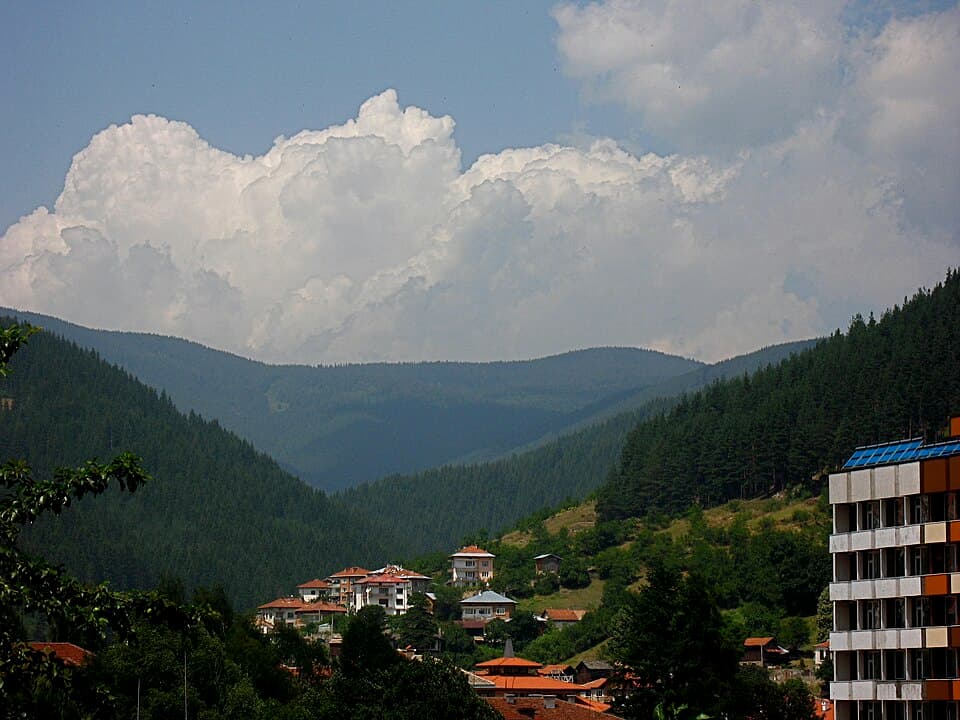
A practical guide to Chepelare: the Mechi Chal ski area, Snezhanka Peak, getting there from Plovdiv, parking, where to stay, and why it beats Pamporovo on price.
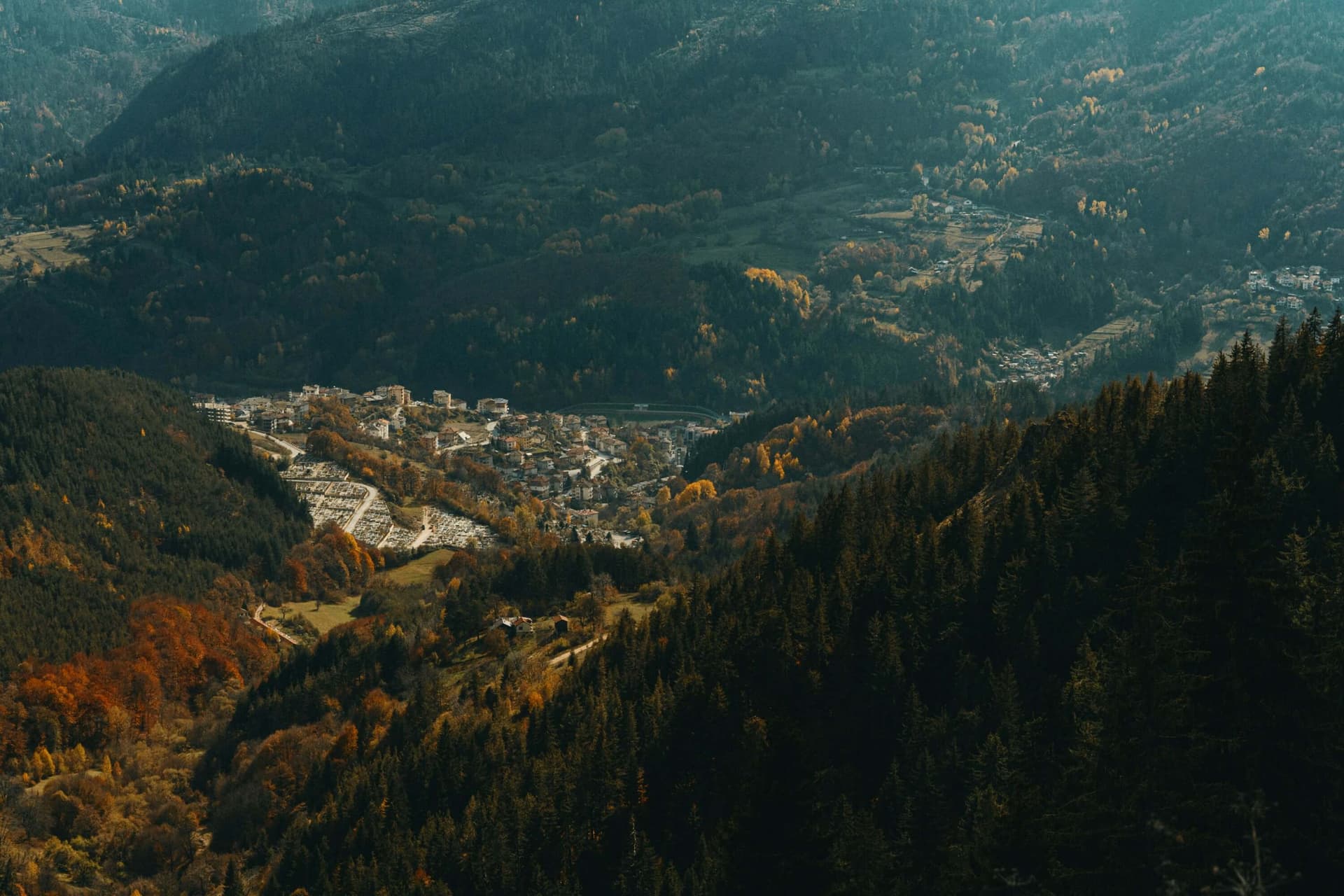
Grape harvest in the Struma and Thracian valleys, Rhodope forests turning gold in October, the last safe hiking window, and a coast without the crowds.
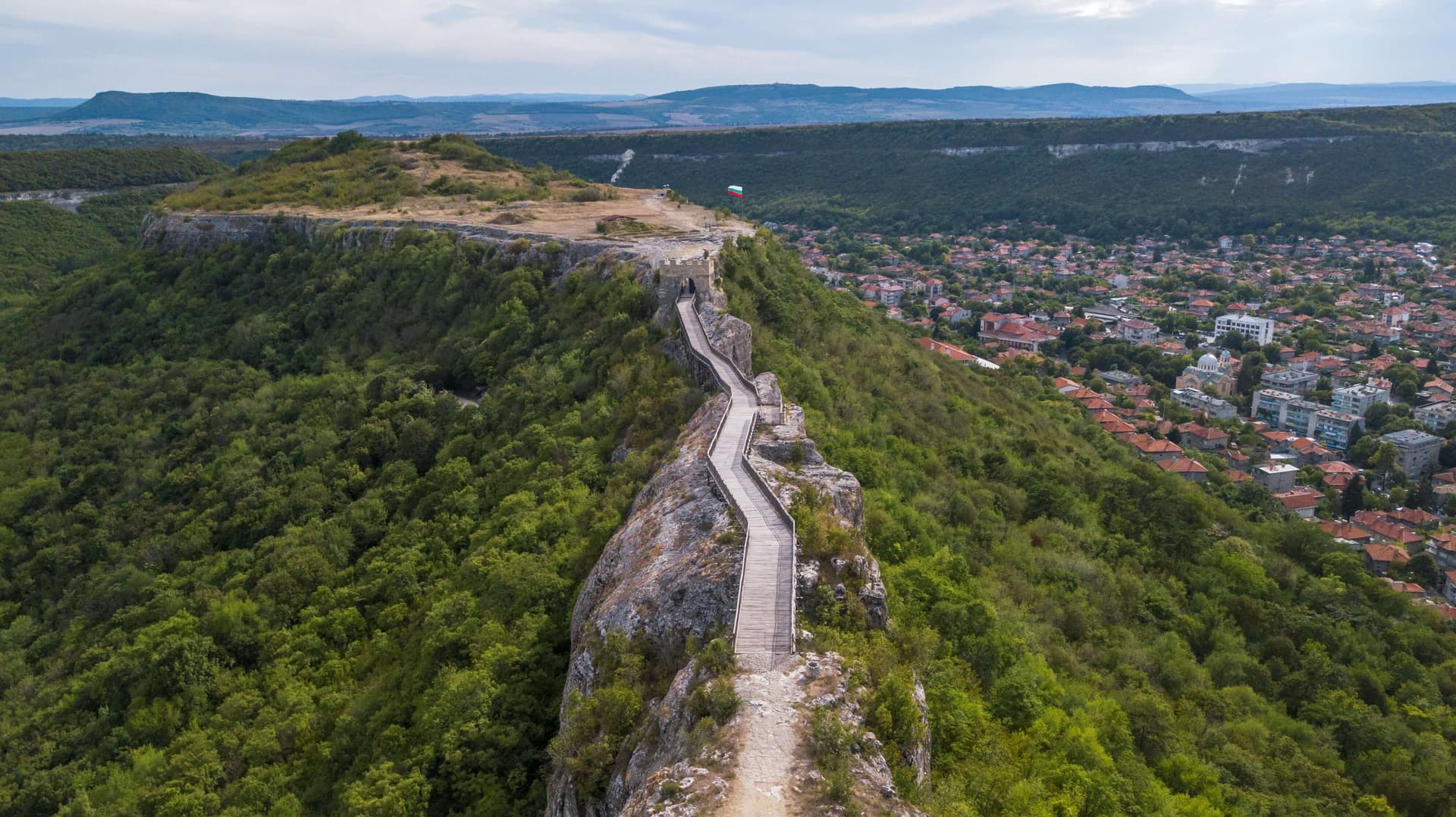
How to pick a base by your children's ages, the drive times that make or break a family trip, which caves and beaches actually work with young kids, which ski resort suits which age, and rainy-day fallbacks.
Pamporovo is located in Smolyan, Bulgaria.
Pamporovo is most easily reached by car. Use the coordinates above to navigate, or open the location in OpenStreetMap or your preferred maps app for turn-by-turn directions. Public transport options vary by region — for remote destinations a rental car gives the most flexibility.
Pamporovo can be visited year-round, but late spring (May–June) and early autumn (September–October) offer the most pleasant weather and fewer tourists. Summer is the busiest season; winter is the quietest, with shorter daylight and possible cold weather.
Bulgarian settlements typically reward unhurried walking — historic centres, churches and monasteries, local markets, and family-run restaurants serving regional dishes. Larger towns often have museums and seasonal cultural events. The local tourist information centre is a good first stop for current opening hours and what's on.