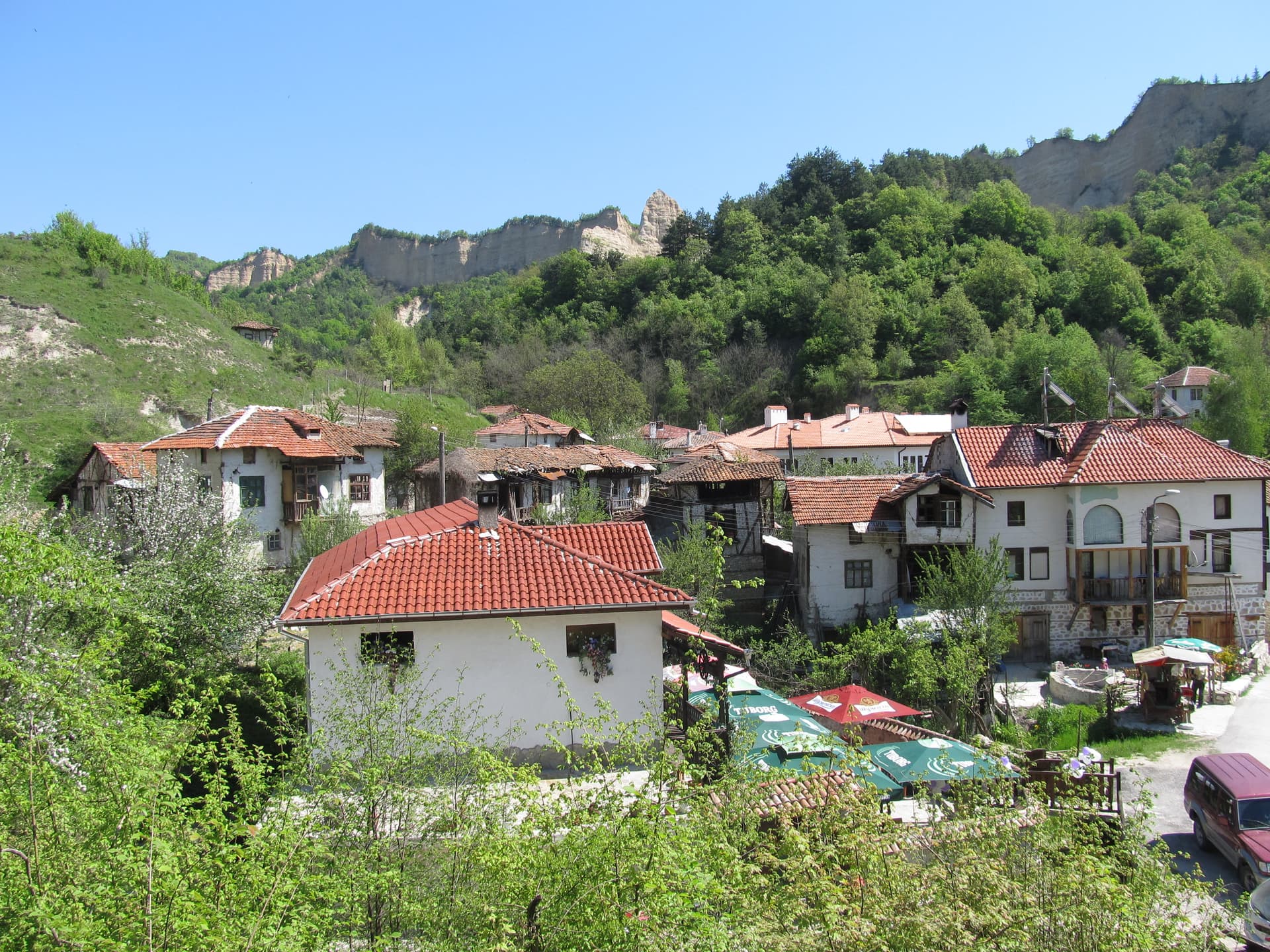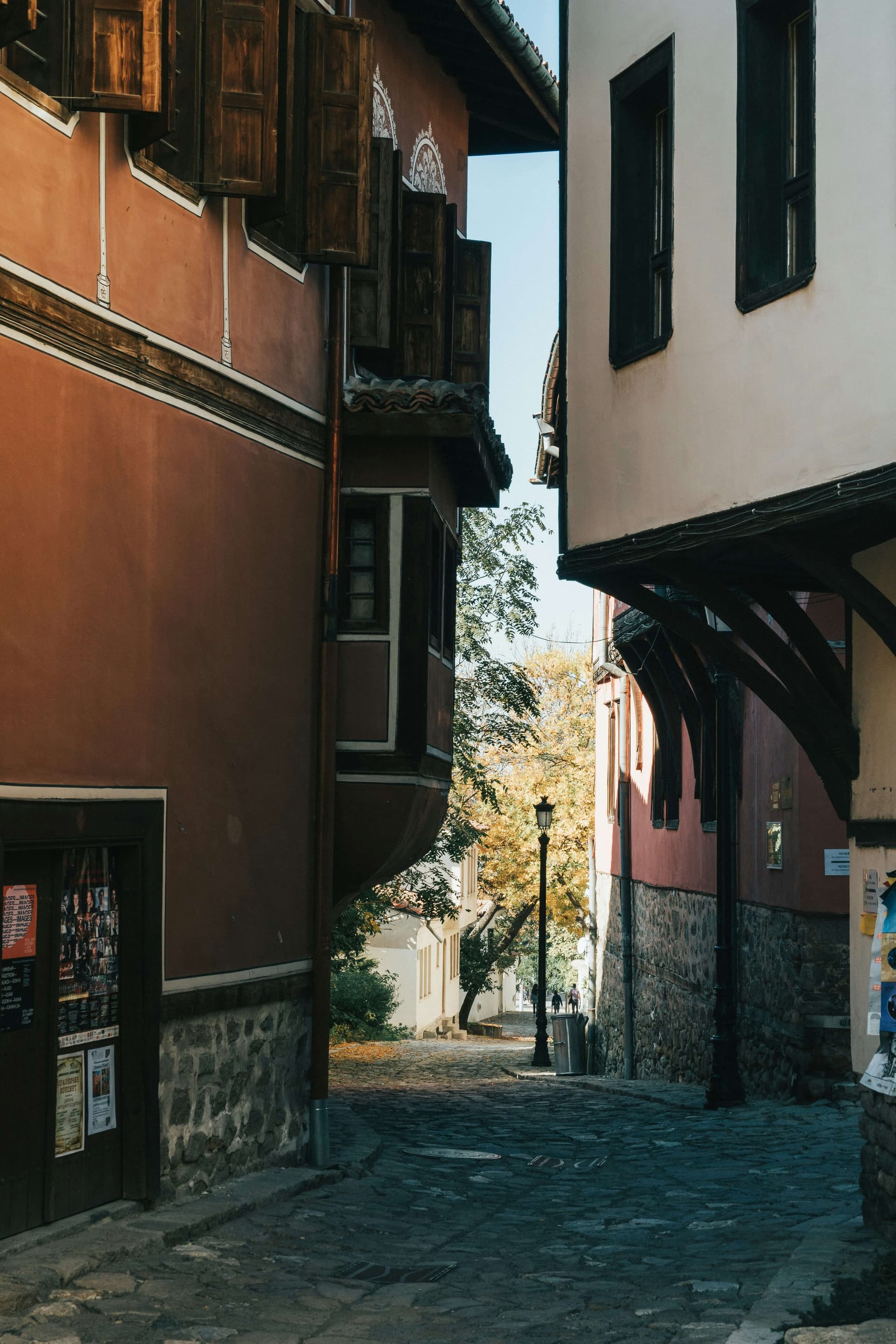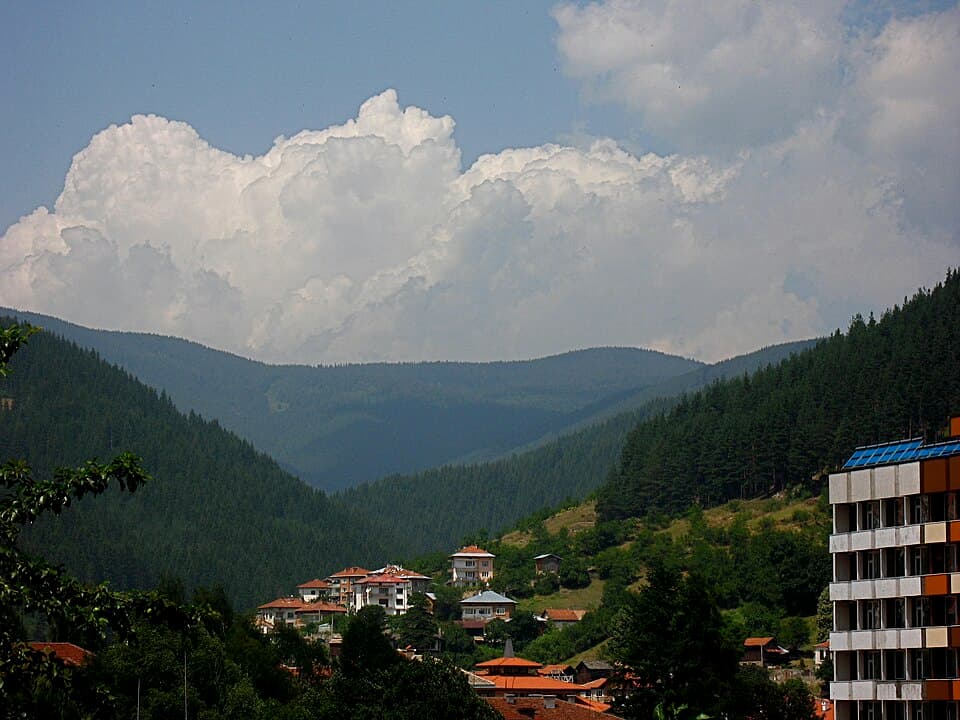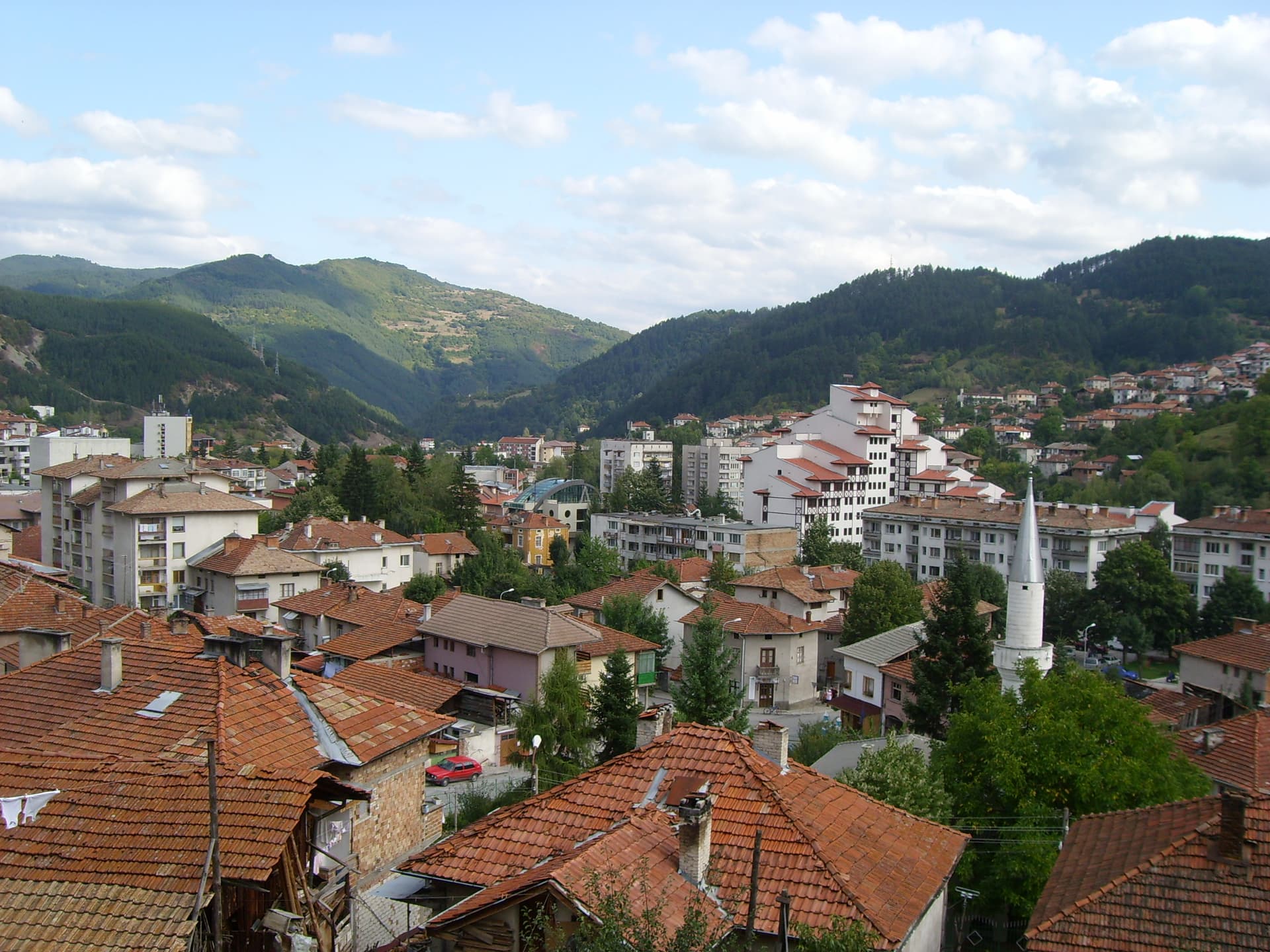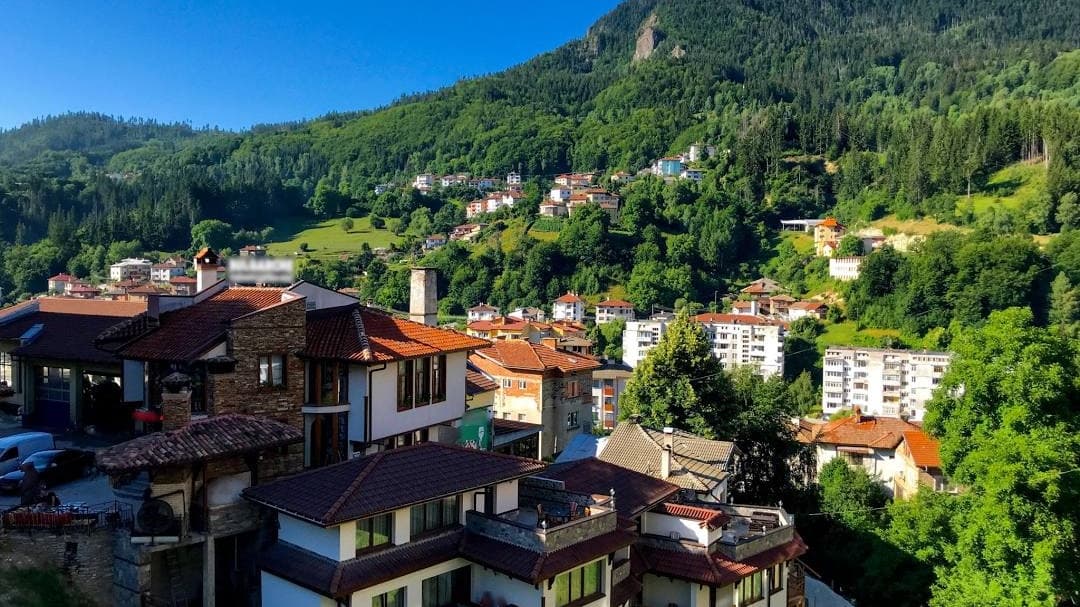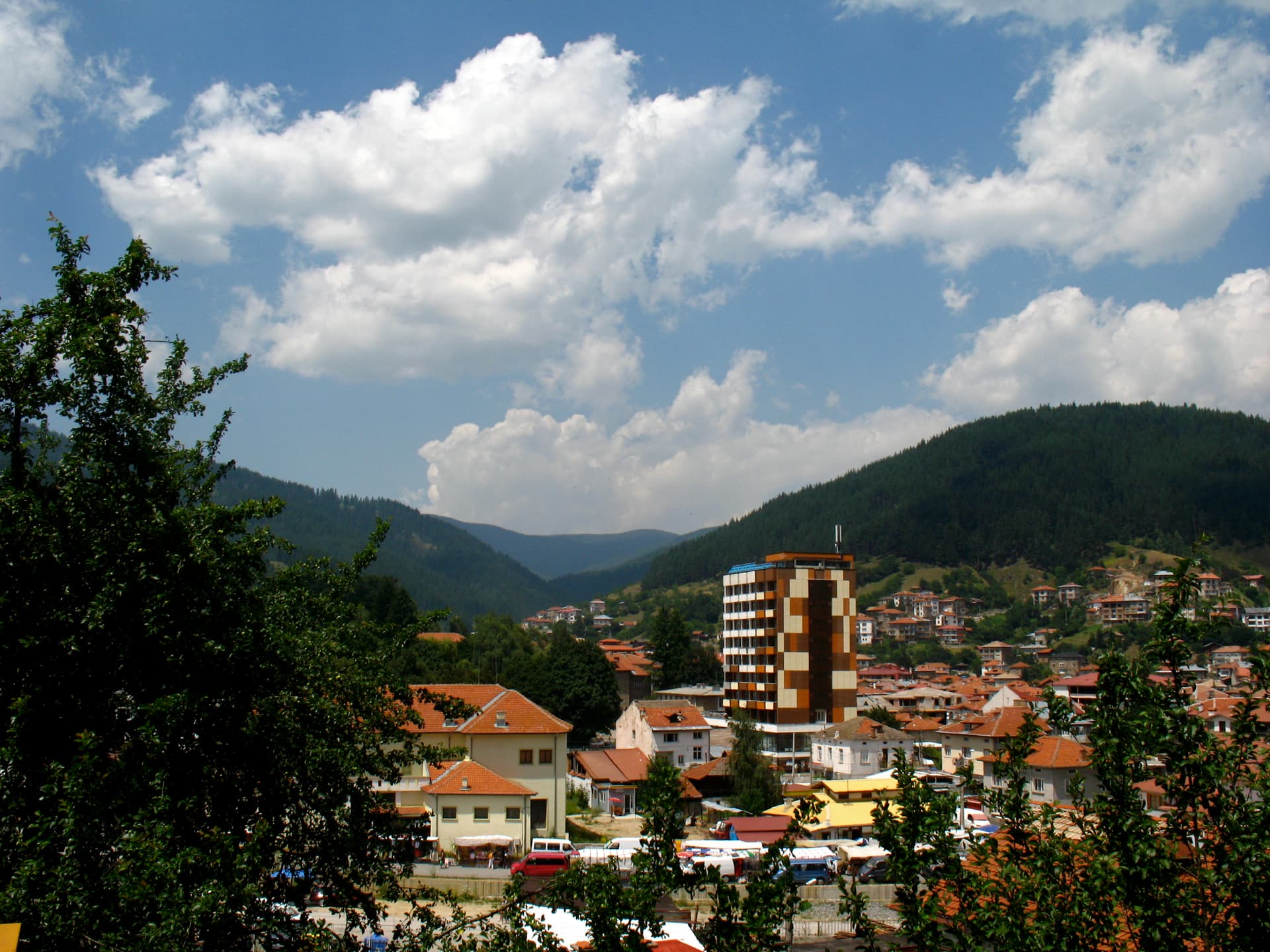
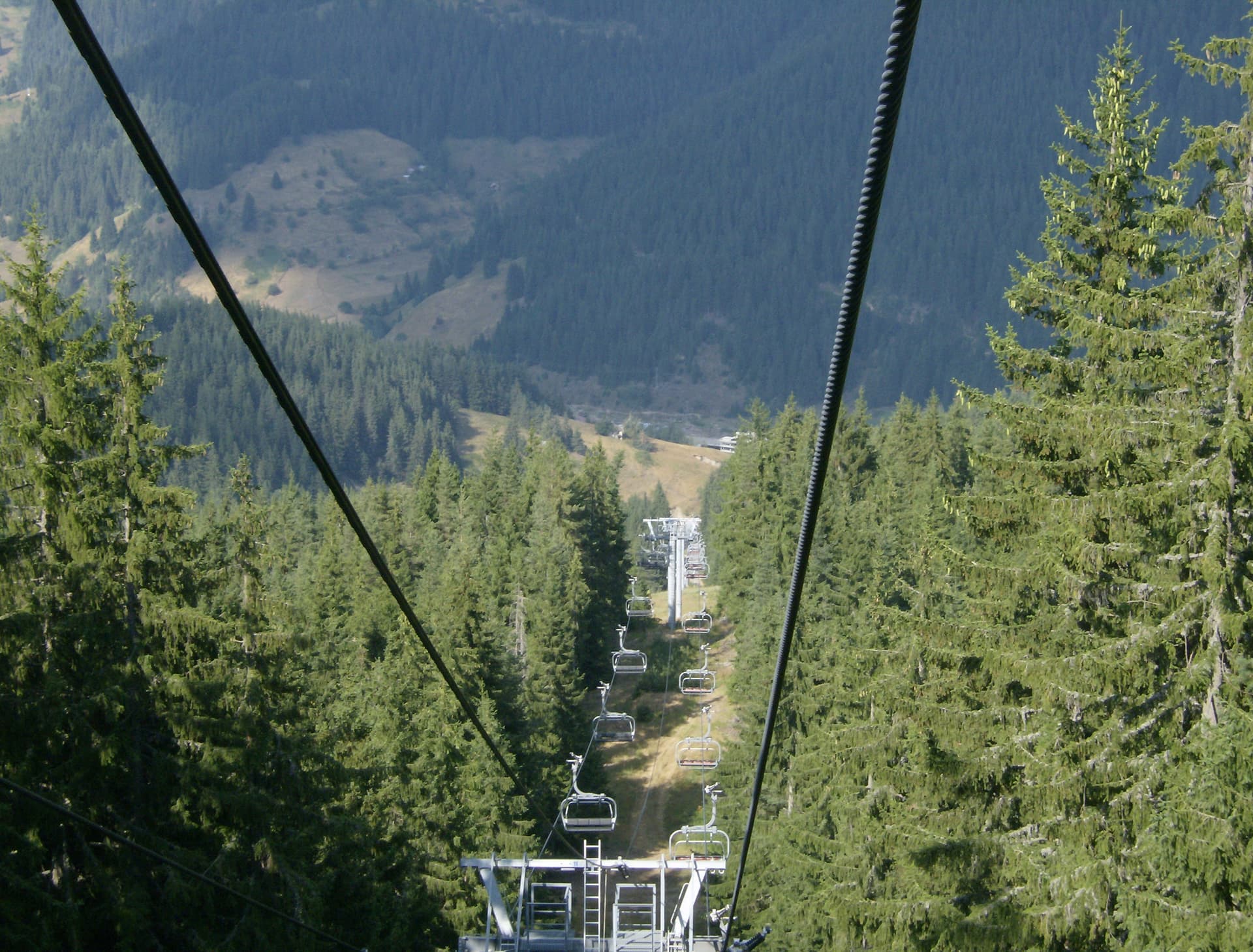
Chepelare is one of the most charming mountain towns in Southern Bulgaria and a world-renowned winter sports destination. Nestled in the picturesque valley of the Chepelarska River amidst ancient pine forests, its altitude of 1,232 meters makes it the second-highest town in the country. The region boasts a perfect continental climate, where a thick snow cover (up to 80 cm) blankets the slopes for over 100 days a year. Located on the main Plovdiv–Smolyan highway, Chepelare is a premier destination blending athletic adrenaline, authentic Rhodope hospitality, and pristine alpine air. Architectural Masterpieces, Museums, and History - Museum of Ski and Ski Sports: Established in the iconic year of 1897 inside the "Rodopska Iskra" community center, right after Chepelare-born Ekaterina Dafovska won Bulgaria's first-ever winter Olympic Gold. The venue preserves the glorious 100-year history of the "Rozhen" sports club through a unique collection of vintage skis, leather boots, and authentic medals. - Museum of Rhodope Karst: The only one of its kind on the Balkan Peninsula, this unique museum unveils the mysteries of the subterranean world, caves, and geological formations of the Rhodopes. - Olympic Square: The modern heart of the town center, complemented by a beautiful public park featuring refreshing water cascades and waterfalls—a favorite spot for relaxation among tourists and locals alike. Spirituality, Culture, and Landmarks - St. Athanasius the Great Church (1834): A true architectural marvel, constructed by the local Christian population in just 40 days during foreign rule to safeguard their religious freedom. - Dormition of the Mother of God Church: Another major spiritual pillar in the town, boasting beautiful icons and traditional National Revival architecture. - "Rodopska Iskra – 1880" Community Center: A century-old hearth of education, enlightenment, and Rhodope folklore traditions that continues to drive the cultural life of Chepelare. - Rozhen Astronomical Observatory: Located just 5.5 km from the town, this is the largest astronomical observatory in the Balkans, sitting atop Rozhen Peak and offering spectacular journeys into the night sky. Mechi Chal Ski Area: Modern Facilities and Slopes - Alpine Skiing Heaven: Right next to the town lies the Mechi Chal ski area, featuring over 20 km of slopes perfectly groomed and marked according to European standards. A modern 4-seater chairlift transports up to 2,000 people per hour to the summit (2,700 m) in just 9 minutes. - The Advanced Red Slope: Spanning 3,250 meters, it is equipped with the country's most advanced artificial snowmaking system (47 snow guns), capable of covering the entire run in 100 hours at a temperature of –3°C. For thrill-seekers, there is also a 1.2 km "hard red" deep-powder run. - Trails for Beginners and Families: For intermediate skiers, a massive "green" slope stretches nearly 6 km, accompanied by several shorter alternative runs with varying difficulties. - Technological Innovations: In a pioneering move for Bulgaria, the ski runs are equipped with free wireless internet (Wi-Fi), and a smart access gate system ensures a smooth flow to the lift, preventing lines during peak hours. Over 30 cozy hotels and guest houses cater to winter tourists.
Smolyan
0.3 km away

Smolyan
4.1 km away

Smolyan
5.6 km away
Smolyan
6.8 km away
Chepelare is located in Smolyan, Bulgaria.
Chepelare is most easily reached by car. Use the coordinates above to navigate, or open the location in OpenStreetMap or your preferred maps app for turn-by-turn directions. Public transport options vary by region — for remote destinations a rental car gives the most flexibility.
Chepelare can be visited year-round, but late spring (May–June) and early autumn (September–October) offer the most pleasant weather and fewer tourists. Summer is the busiest season; winter is the quietest, with shorter daylight and possible cold weather.
Bulgarian settlements typically reward unhurried walking — historic centres, churches and monasteries, local markets, and family-run restaurants serving regional dishes. Larger towns often have museums and seasonal cultural events. The local tourist information centre is a good first stop for current opening hours and what's on.