

Bulgaria in Autumn: Things to Do Beyond the Beach
In this guide▾
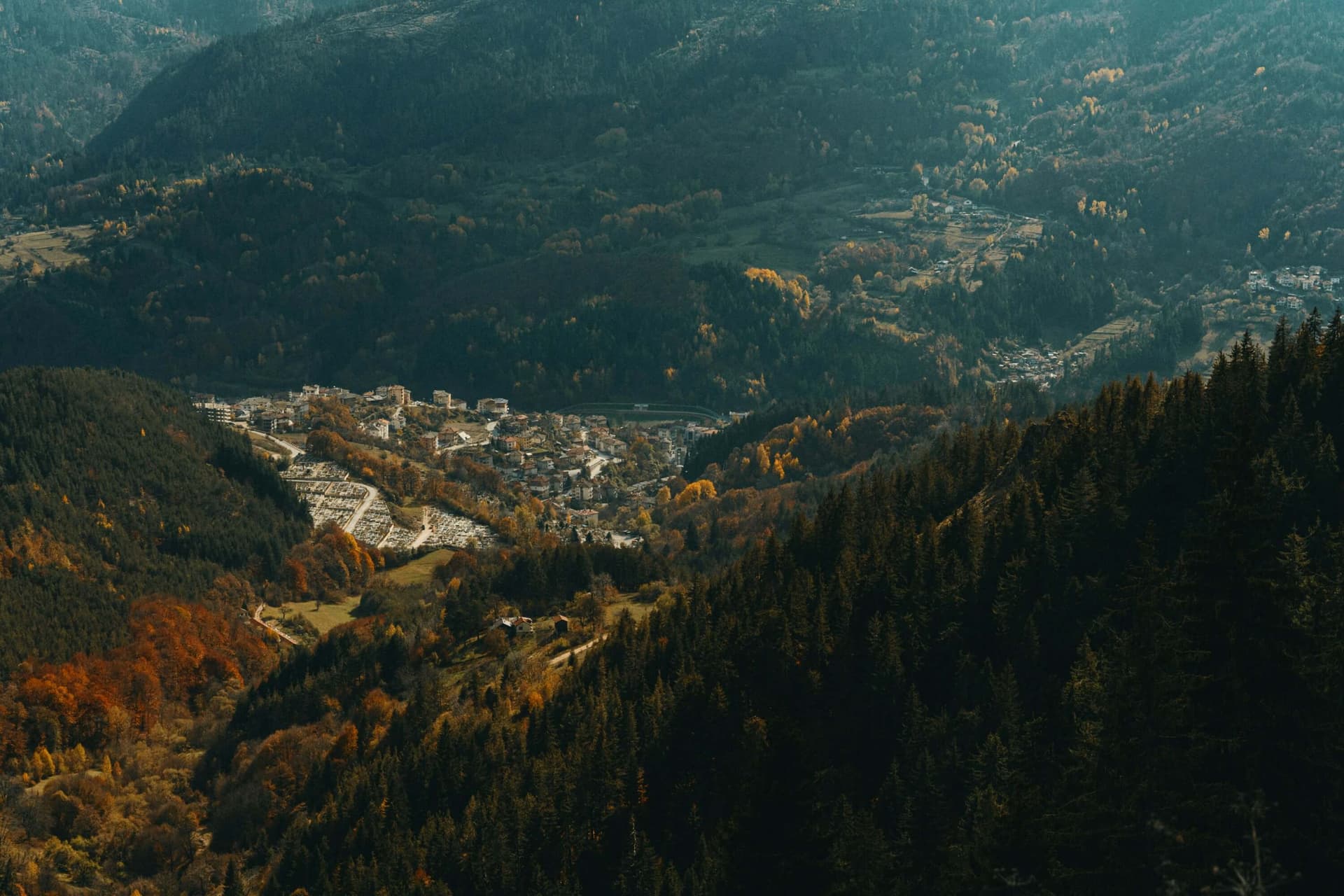
Bulgaria is usually promoted for its summer beaches and winter ski slopes. This leaves autumn as the hidden shoulder season that receives little marketing but, from our experience, offers the most rewarding travel conditions. The country’s grape harvest unfolds, the Rhodope mountain forests transform into a sea of gold, hiking trails empty out, and the Black Sea coast retains its warmth long after summer crowds head home.
In this practical guide, we share the best autumn experiences in Bulgaria with month-by-month travel tips and logistics.
🍇 Grozdober: The Bulgarian Grape Harvest
If you time your autumn trip around a single cultural highlight, make it Grozdober — the annual grape harvest. Running from late August through mid-October, this is the most authentic working season to explore Bulgaria's wine routes.
Harvest timing varies by region and grape variety:
- White and international red varieties are harvested around the third week of September.
- Mavrud, Bulgaria’s signature late-ripening indigenous red grape, is typically picked around mid-October.
Top Wine Regions to Visit in Autumn
- The Melnik Region & Struma Valley: Located in the sunny southwest, this is Bulgaria's warmest wine zone. It is famous for Shiroka Melnishka Loza, an ancient grape variety grown almost nowhere else. The town of Melnik nestles beneath striking sandstone pyramids, with the historic Rozhen Monastery just a short drive away.
- The Thracian Valley: The country's largest wine heartland and the prime terroir for Mavrud, easily accessed via day trips from Plovdiv.
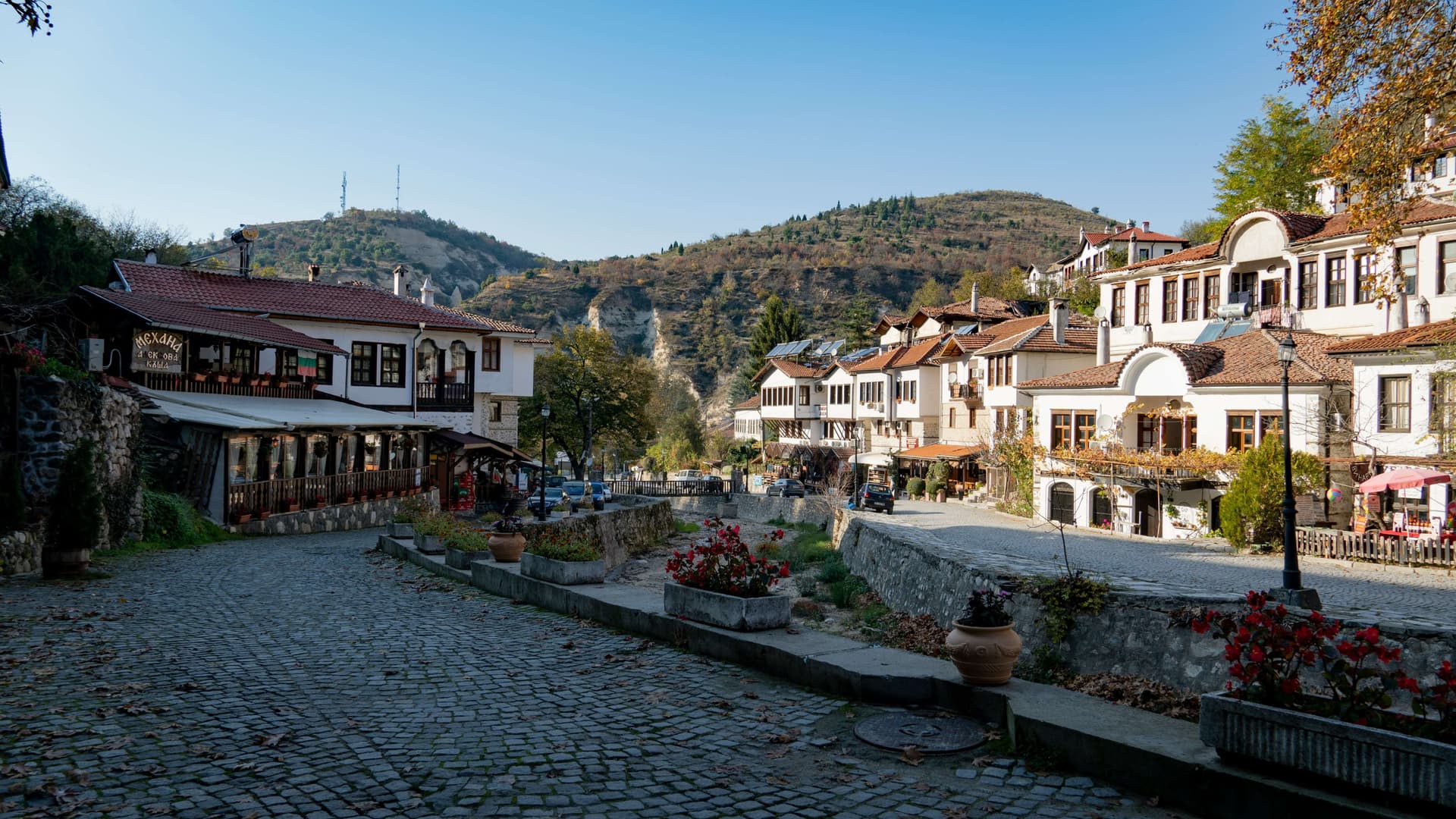
Many boutique cellars host seasonal tours, grape tastings, and interactive harvest events.
💡 Booking Advice: Always book winery visits in advance! Harvest is the busiest time of year for winemakers, and cellars rarely accept walk-ins during active crushing weeks.
Our detailed Grozdober guide breaks down the harvest schedule week by week, while our Bulgarian wine and Melnik guide explores all five official wine regions and how to combine them into a road trip itinerary.
🍂 Rhodope Gold: Peak Autumn Foliage
The Rhodope Mountains are Bulgaria's ultimate autumn highlight. Timing your visit correctly makes all the difference:
Peak foliage arrives between mid and late October. The trees at higher elevations turn gold first, followed by the lower valleys a week or two later. If you miss the peak on high ridges, you can easily chase the autumn colors down into the valleys. September remains predominantly green, coinciding with the start of wild mushroom season across mountain villages.
Key Rhodope Destinations to Include:
- Shiroka Laka: An architectural reserve featuring traditional stone-and-timber houses that look stunning under soft autumn light.
- Trigrad Gorge: Towering vertical cliffs leading to the mysterious Devil's Throat Cave.
- Smolyan and Pamporovo: Practical base towns offering peaceful off-season accommodation at heavily discounted rates. Chepelare, 10 km north of Pamporovo on the same road, is the cheapest of the three and stays open through the shoulder season.
- Devin: A mountain spa destination where outdoor thermal pools provide a cozy escape during cool October evenings.

Read our full Rhodope mountains guide for more regional routes and hidden gems.
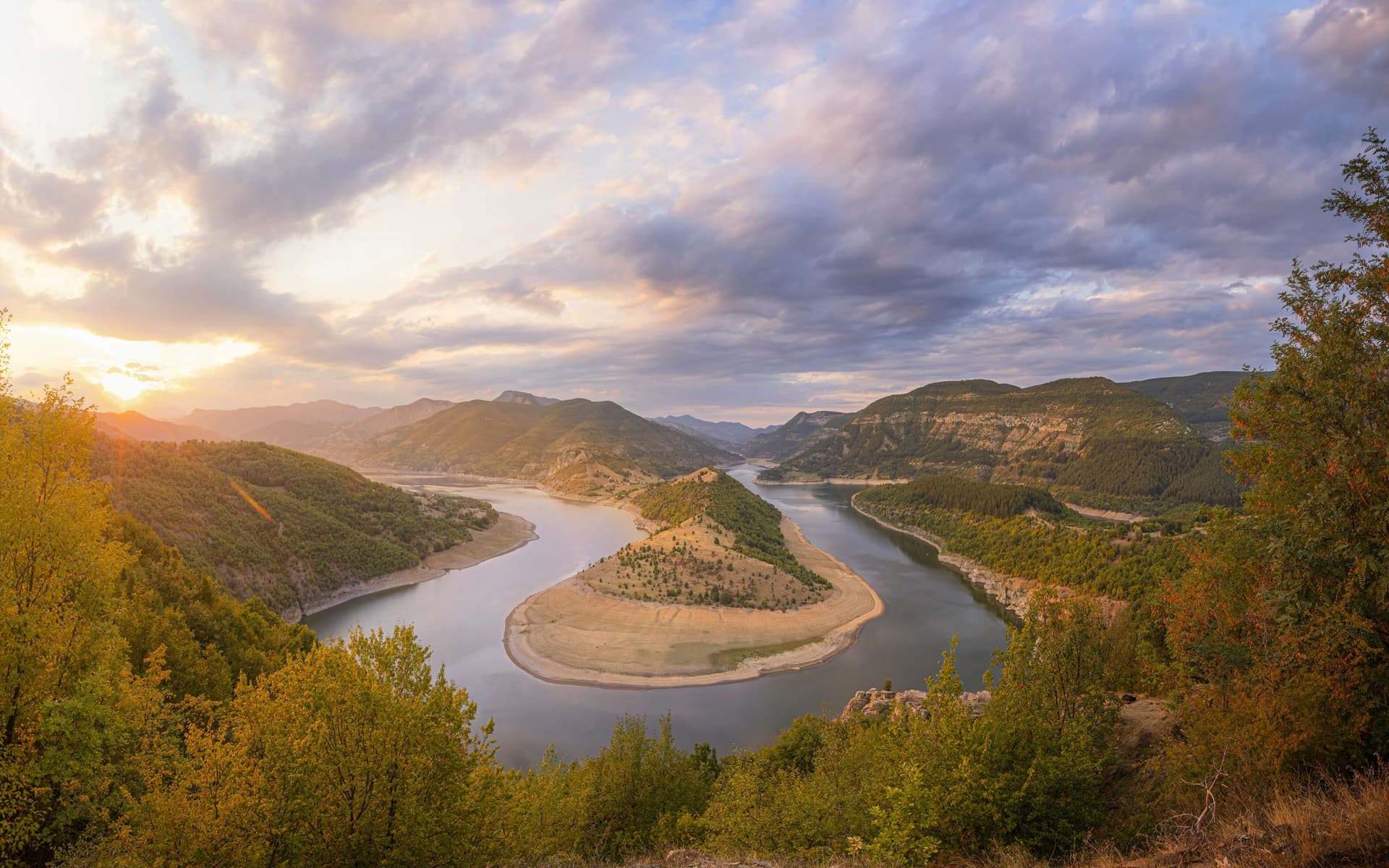
Other remarkable autumn landscapes include the Krushuna Falls, where turquoise travertine pools are framed by vibrant fallen leaves, and the scenic foothills surrounding Kalofer.
🥾 Autumn Hiking: Safety & Seasonal Limits
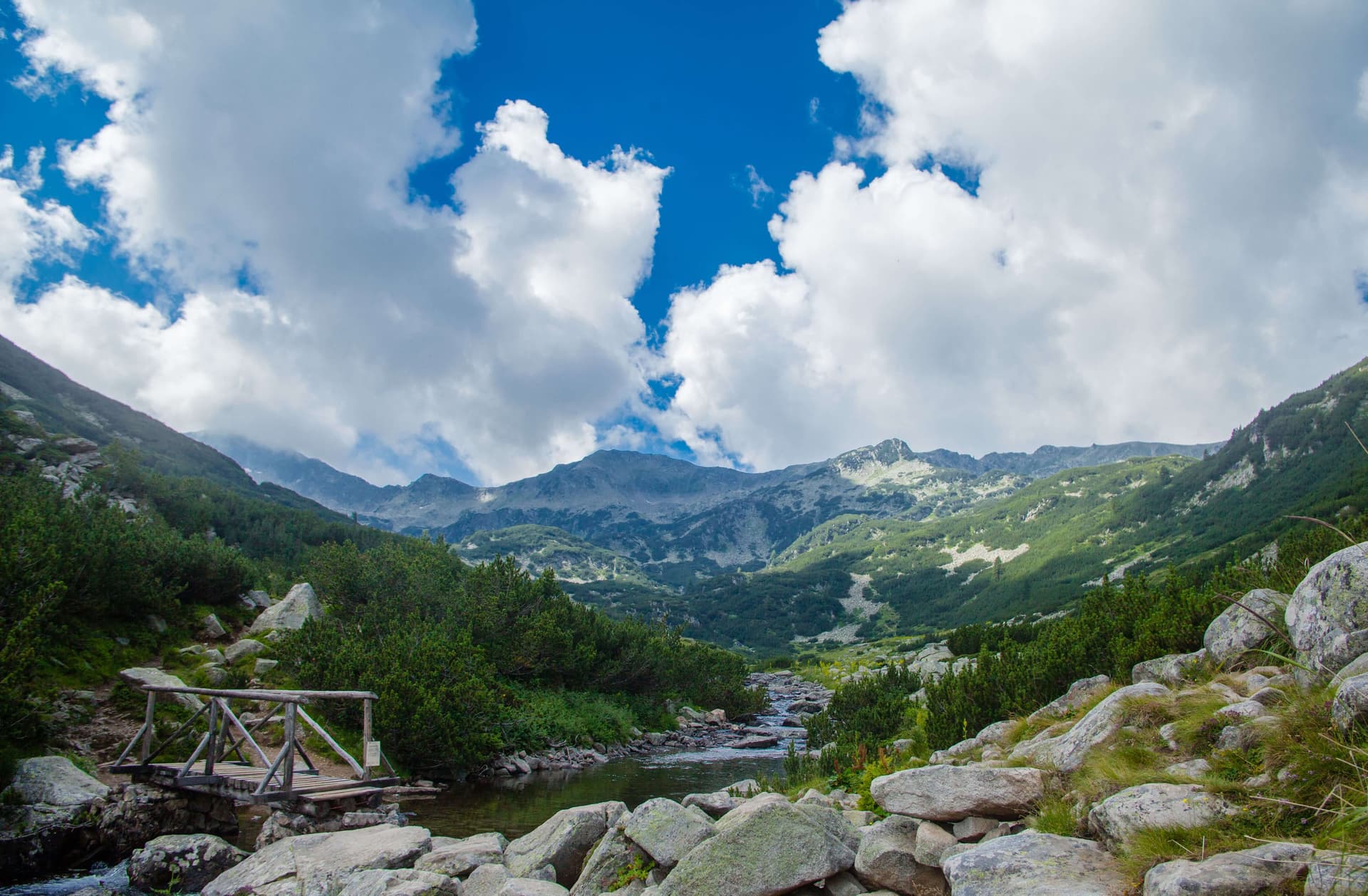
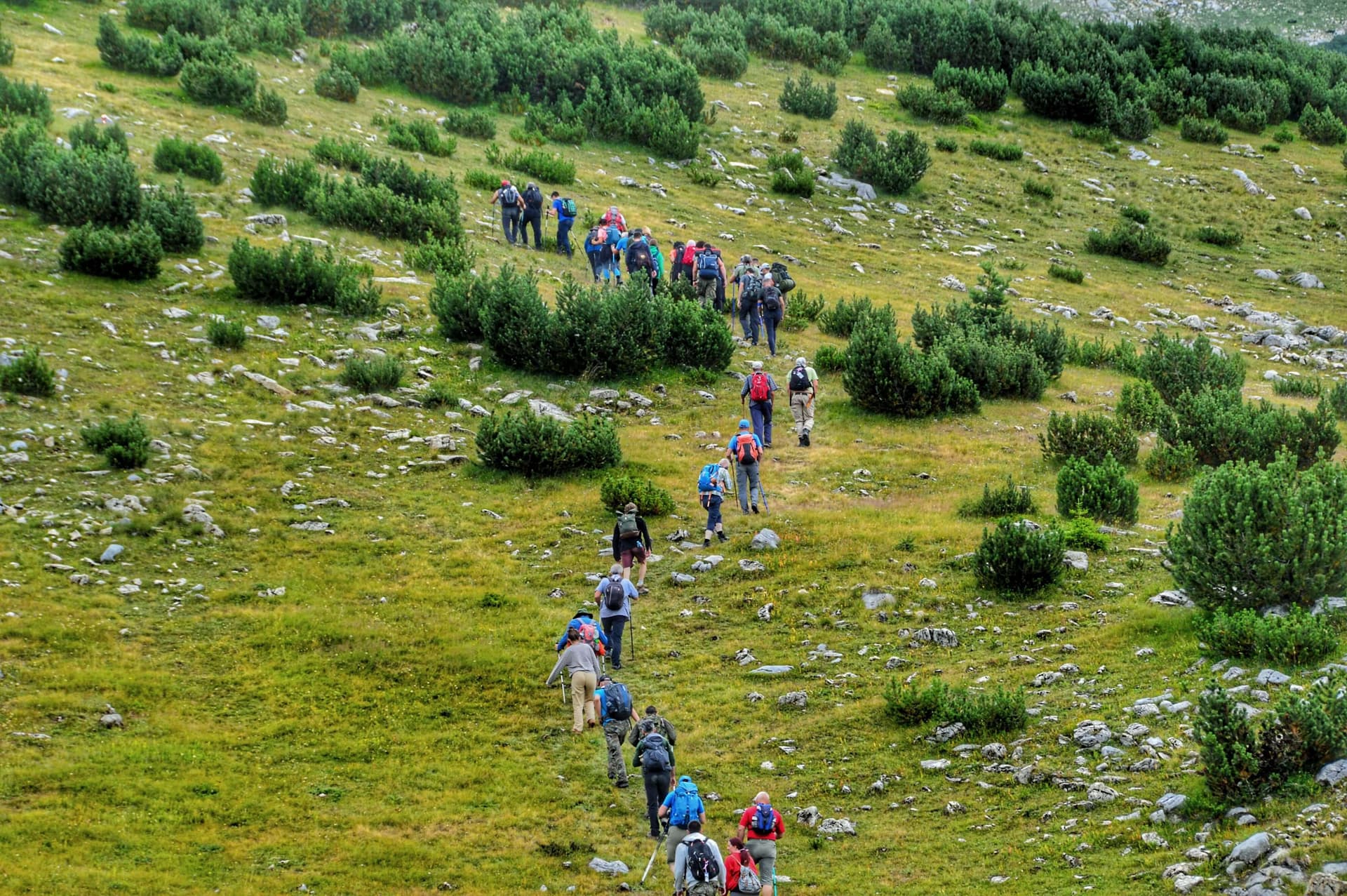
We consider autumn the best season for hiking in Bulgaria thanks to crisp air, clear visibility, and uncrowded trails. However, staying safe requires respecting seasonal weather limits:
- September is the last safe window for high alpine peaks. Summits like Musala, Vihren, and the high ridges of Rila and Pirin offer excellent hiking in September. From October onward, conditions shift rapidly into winter mountaineering with ice, snow, and short daylight hours.
- Lower elevation trails remain open through November. The Rhodopes, Balkan foothills, river gorges, and eco-trails remain easily accessible late into the season. The forest walk from the Revival village of Svezhen up to its hut in the Sredna Gora is a good late-autumn example — about an hour each way, with no technical difficulty.
Essential Hiking Tips for Autumn:
- Mind the Shorter Days: October daylight fades quickly. Start your hikes early in the morning to avoid returning in the dark.
- Mountain Hut Closures: Many mountain huts scale back services or close after September. Call ahead if you plan to rely on a hut for meals or accommodation.
- Mobile Connectivity: Cell coverage weakens along deep mountain gorges. Download offline navigation maps before setting off. Read our eSIM and SIM card guide for connectivity advice.
🌊 The Black Sea Coast Without the Crowds
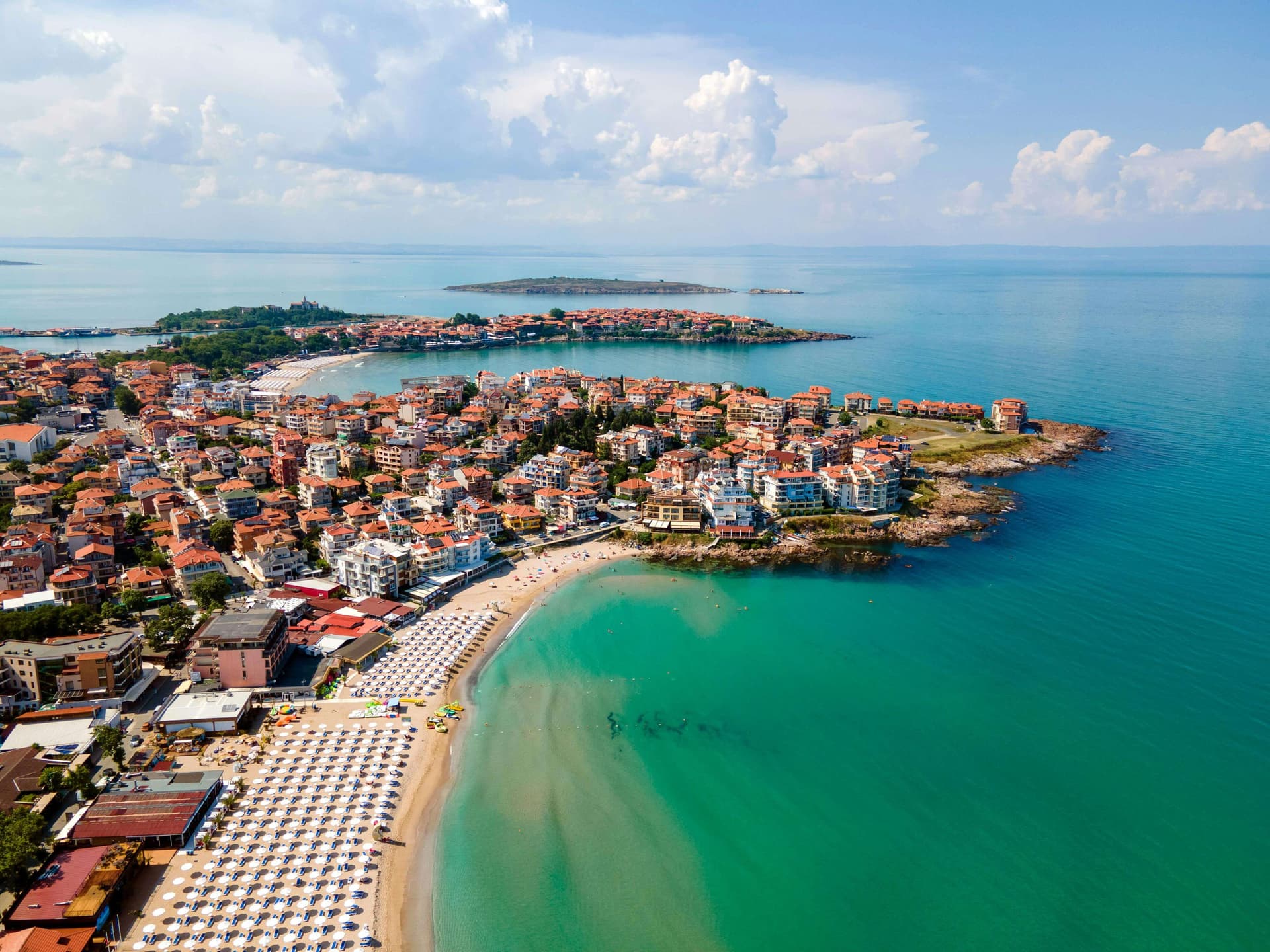
September offers a peaceful coastal experience. Sea temperatures remain warm (22–24°C / 71–75°F) through most of the month, while hotel prices drop by 30–50% after mid-September.
The seaside town of Sozopol is our top recommendation for an autumn coastal stay. As an authentic old town rather than a resort strip, Sozopol maintains its charm year-round. In early September, it hosts the prestigious Apollonia Festival of Arts, bringing ten days of open-air concerts, theater, and art exhibitions.
By October, sea swimming is mostly reserved for cold-water enthusiasts, but the coastal promenades are ideal for quiet seaside strolls. Check our best time to visit guide for month-by-month details and our dedicated Sozopol guide to explore the historic center.
🎭 Autumn Festivals & Cultural Events
While autumn events are smaller and more localized than summer folklore festivals, they provide genuine insights into local heritage:
- Apollonia Festival of Arts (Sozopol): Early September — the premier cultural festival of the season.
- Smilyan Bean Festival (Smilyan Village, Rhodopes): Held in October, this authentic village festival celebrates the region's famous artisanal bean crops with culinary competitions and folklore music.
- Winery Harvest Open Days: Many boutique wineries offer special tastings and tours throughout the harvest season.
Discover more year-round traditions in our festivals and traditions guide.
🍲 Seasonal Food & Culinary Traditions
Autumn showcases Bulgarian home cooking at its finest:
- Roasted Peppers: The aroma of charred red peppers being roasted in courtyards and on town balconies is the official scent of Bulgarian autumn.
- Lyutenitsa Making: Families prepare large copper cauldrons of lyutenitsa — a rich savory relish of roasted peppers and tomatoes jarred for the winter.
- Wild Mushrooms: Porcini and chanterelles feature prominently on mountain restaurant menus throughout September and October.
- Roasted Pumpkin: Served warm with honey and walnuts as a traditional autumn dessert.
- Home Distilling (Rakia): Following the grape harvest, village communal stills begin distilling the new season's rakia — offering travelers a firsthand look at local rural life.
🗓️ Overview: Choosing Your Travel Month
- September: The ultimate all-rounder. Enjoy warm sea swimming, reliable high-mountain hiking, pleasant weather, and the start of the grape harvest.
- October: The visual peak of the year. Best for foliage drives in the Rhodopes, Mavrud wine tastings, and crisp spa retreats. High peaks require winter gear.
- November: A quiet, budget-friendly month for cultural city breaks in Sofia and Plovdiv, spa weekends in Velingrad or Hisarya, and winery visits.
To tie these experiences together, explore our flexible 7-day Bulgaria itinerary.
Planning a trip later in the year? Read our guide to Bulgaria in winter to continue exploring beyond the ski slopes. Autumn hands over to winter in stages: the spa and thermal-spring towns are at their best in exactly this shoulder window, the Christmas markets open in late November, and the ski season begins in mid-December — our three-way resort comparison is the place to start if you are already booking — then the resort guides themselves, Bansko and Borovets.
Autumn is arguably Bulgaria's quietest yet most rewarding travel season. Start planning your journey with Mestala.com.
This guide covers 10 places
Want more Mestala in your Google results?
Add mestala.com as a preferred source and our guides will show up more often when you search. Requires a Google account.
Frequently Asked Questions
When is the grape harvest in Bulgaria?▾
Broadly late August to October. Most varieties come in around the third week of September, while Mavrud — the country's signature late-ripening red — is usually picked around mid-October. If you want to catch harvest activity at a winery, September is the safer bet, but book ahead: it's the busiest working month of the cellar year.
When do the Rhodope forests turn gold?▾
Colour typically builds through early October and peaks around mid to late October, later at lower altitudes than on the ridges. September is still green with mushroom season underway. By November the leaves are largely down and the high roads start getting unpredictable.
Is September too late to swim in the Black Sea?▾
No. September is one of the best months on the coast — the sea holds its summer warmth well into the month, prices drop and the crowds thin out. October swimming is for the hardy. See our best time to visit guide for the month-by-month picture.
Can you still hike the high peaks in autumn?▾
September is generally the last reliably safe month for Musala, Vihren and the high ridges without winter equipment. From October onward conditions on the summits turn genuinely wintry — snow, ice and short daylight — and those routes become mountaineering rather than hiking. Lower trails and the Rhodopes stay walkable much longer.
Is autumn a cheap time to visit Bulgaria?▾
Yes, noticeably. Coastal hotels cut rates sharply from mid-September, ski resorts are in their off-season lull before December, and city hotels are at their normal year-round prices. Bulgaria is already one of the EU's best-value countries; autumn is when that gap is widest.
What is the weather like in Bulgaria in autumn?▾
September is warm and settled, often into the mid-20s°C in the lowlands. October is mild and clear but cools quickly, especially at altitude. November turns properly cold and wet, with the first mountain snow. Pack layers and a waterproof, and expect a much bigger day-to-night swing than in summer.
You might be interested in
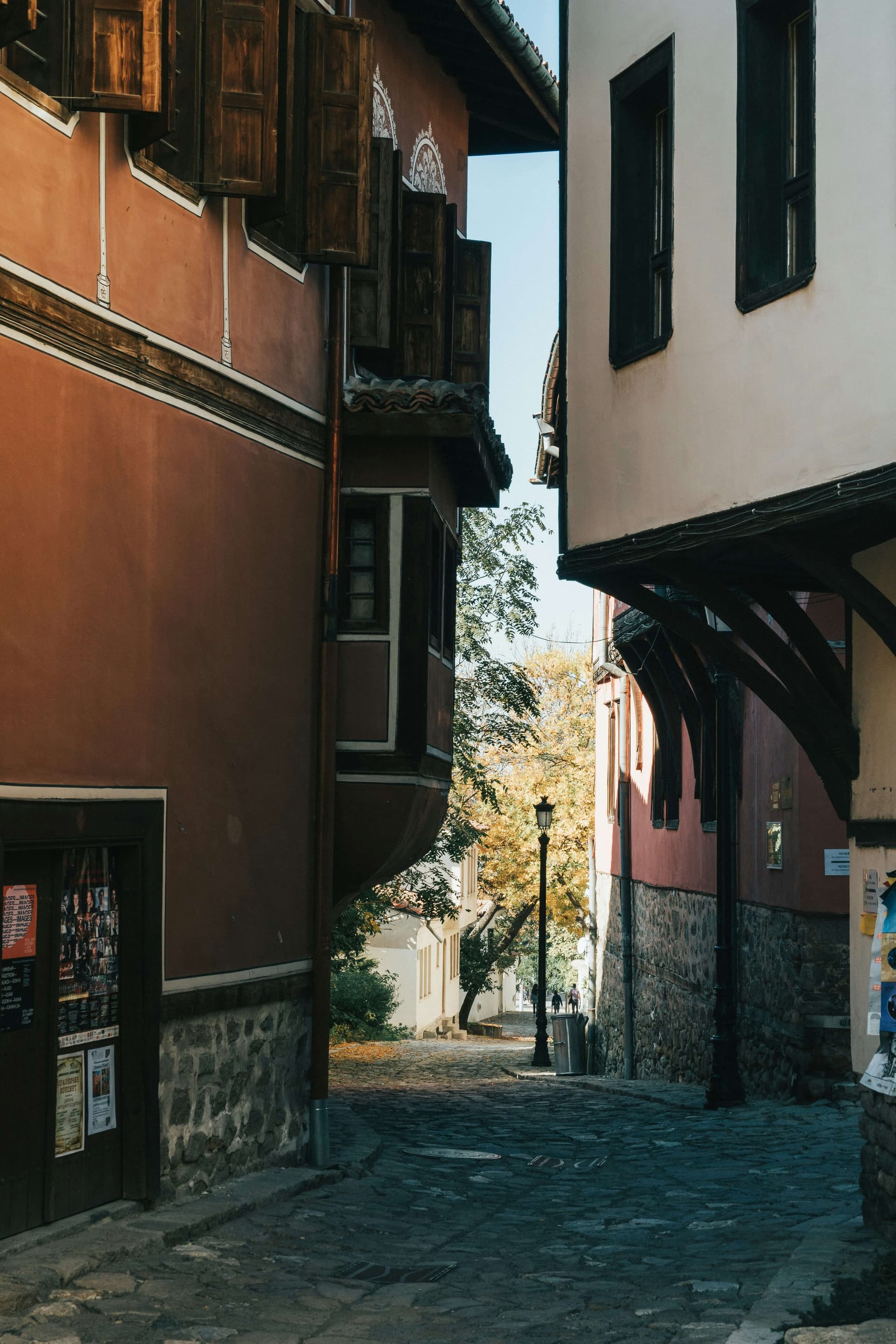
Weekend Getaways from Plovdiv: 8 Autumn & Winter Escapes
8 overnight getaways from Plovdiv: spa towns, Rhodope villages and caves, Troyan and skiing — with drive times, transport and what is open in winter.
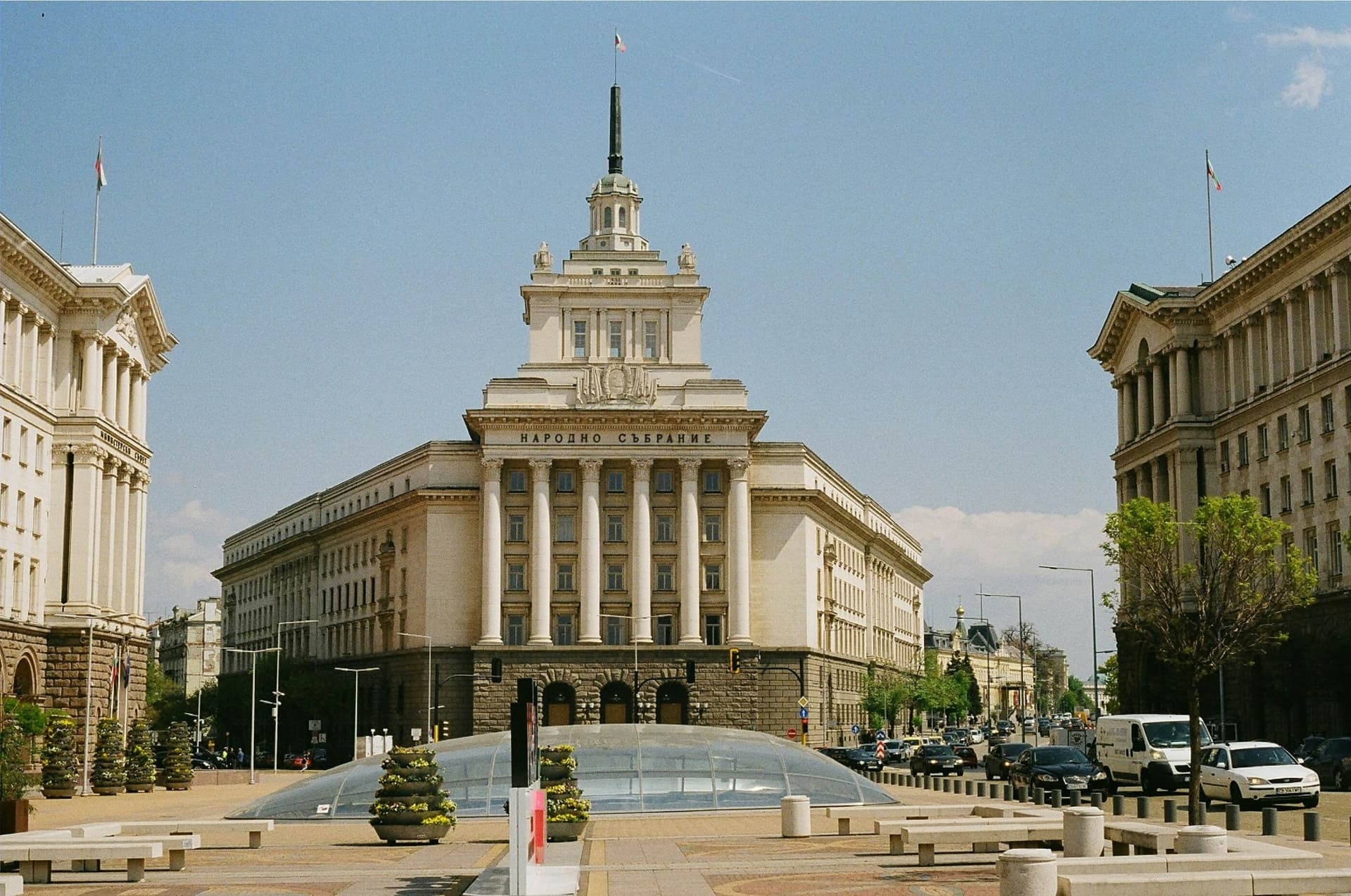
Weekend Getaways from Sofia: 10 Overnight Escapes for Autumn and Winter
10 overnight weekend getaways within 2.5 hours of Sofia: mineral baths and spa towns, guest-house villages, winter walks and ski — with distances and transport.
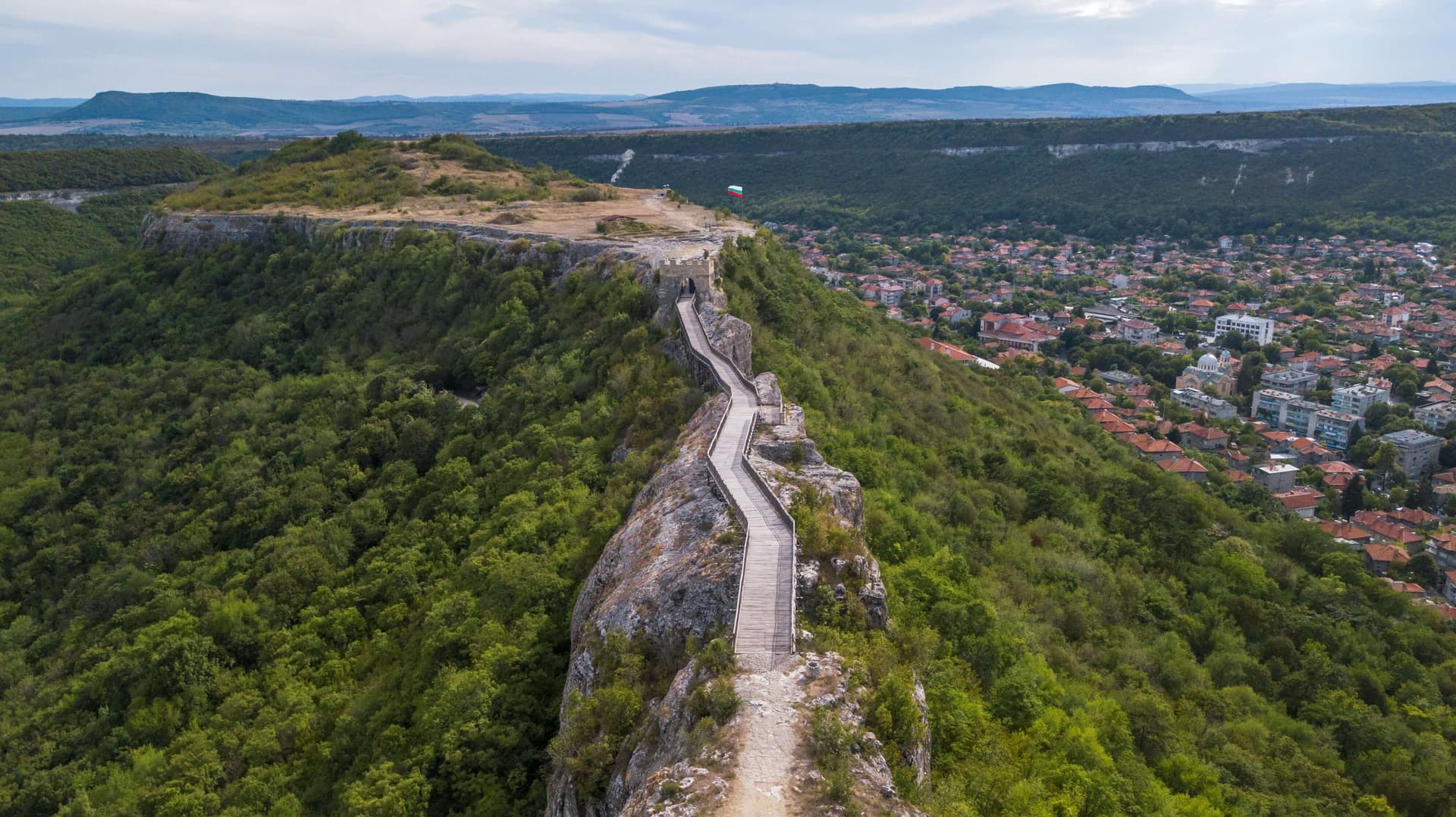
Bulgaria with Kids: A Family Travel Guide
How to pick a base by your children's ages, the drive times that make or break a family trip, which caves and beaches actually work with young kids, which ski resort suits which age, and rainy-day fallbacks.
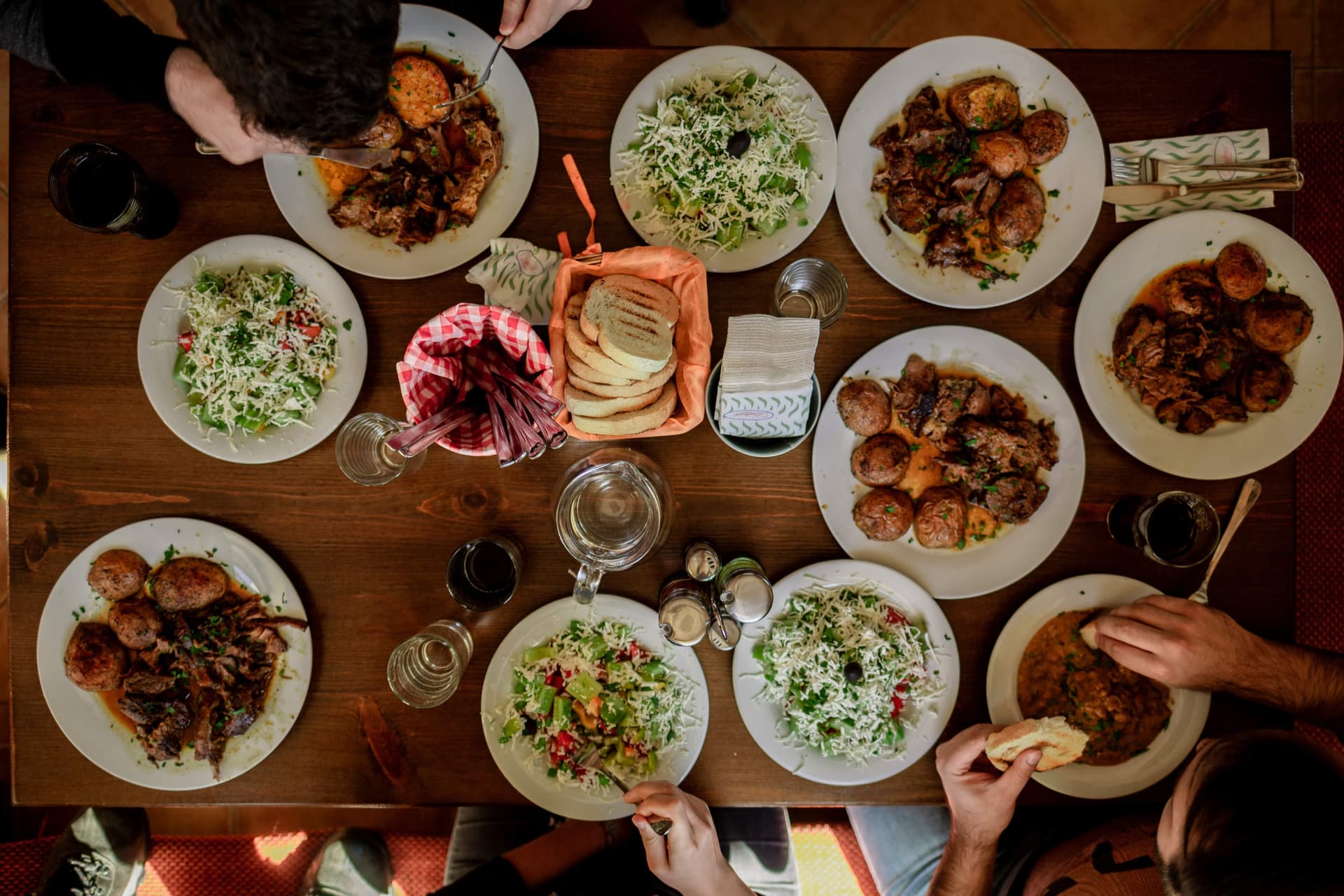
Bulgarian Food: The Dishes Worth Seeking Out
Shopska salad and rakia to open, banitsa from the bakery, the mixed grill, clay-pot stews and the fasting dishes that make the country quietly vegetarian-friendly.