


Velingrad Spa Weekend: Pools, Kleptuza and the Narrow-Gauge Railway
In this guide▾
Velingrad is where Bulgarians go when they've had enough of the cold. The town in the Chepino valley has more than 80 mineral springs and over 60 hotels, and it is in season all year — just not in the way most first-timers expect when they turn up in November. The big outdoor municipal pool closes on 1 October. After that, a weekend here is a hotel weekend: warm water in the evening, a walk to Kleptuza in the morning, and a day in the mountains if you want one.
This guide covers the practical side of a spa weekend in Velingrad: how to get there, where you can actually soak in autumn and winter, what to see outside the pool, and what lies nearby.
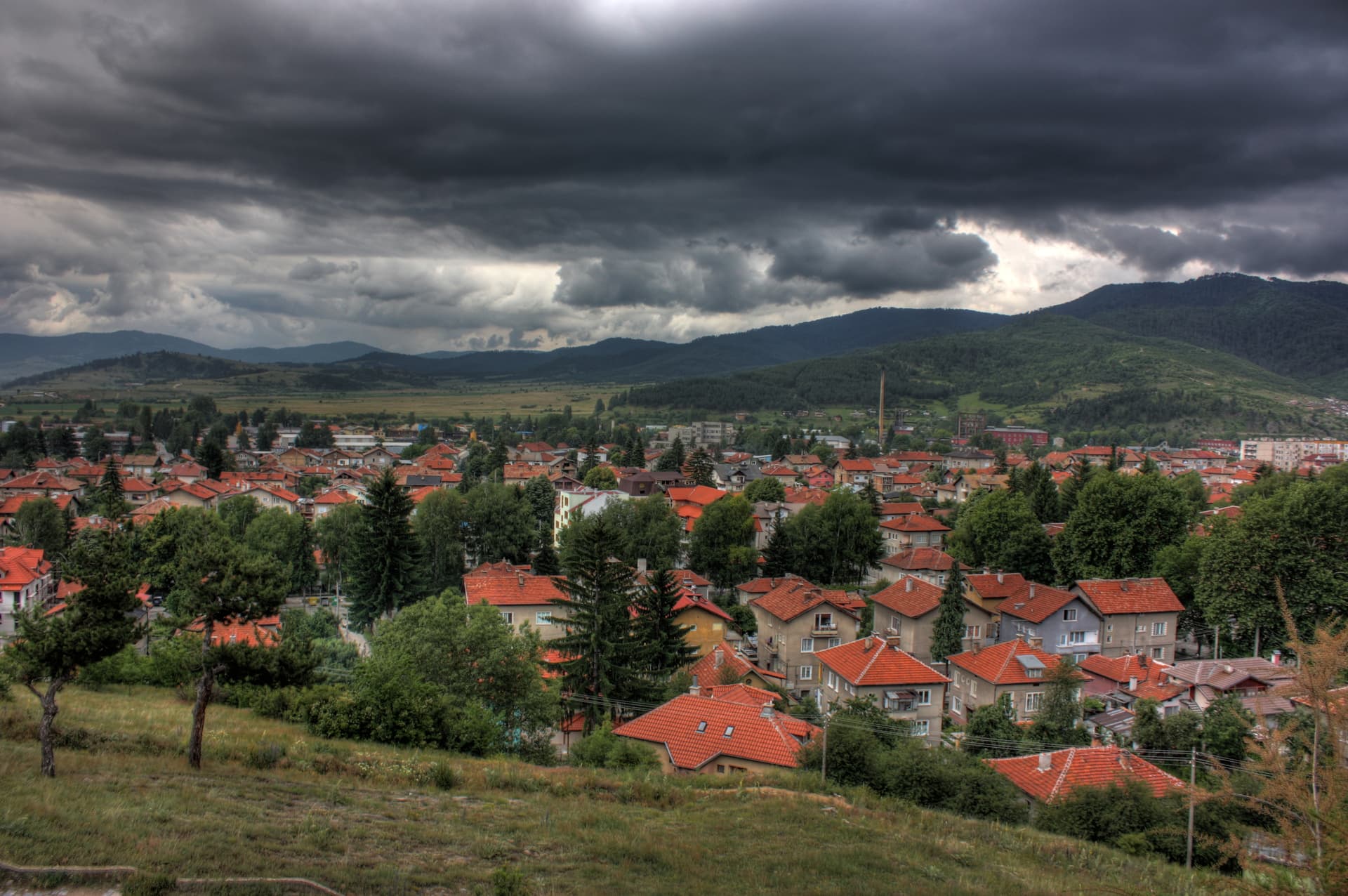
♨️ Why Velingrad for a weekend
Velingrad was formed in 1948 by merging three villages — Ladzhene, Kamenitsa and Chepino — and is today Bulgaria's best-known spa town. The municipality lists four mineral-water deposits (Chepino, Ladzhene, Kamenitsa and Draginovo) with temperatures from 25 to over 97 °C, and says the town has the largest mineral-water flow in Bulgaria and the Balkans. It was given the title "Spa Capital of the Balkans" in 2008 by the Balkan alliance of hotel associations.
For a weekend, that means two things: a wide choice of hotels with pools at 777 m above sea level, and a town with things to do once you're out of the water. If you're still choosing between spa towns, our spa and thermal springs guide compares Velingrad with Hisarya, Devin, Sapareva Banya and Bankya.
🚗 Getting to Velingrad
By car
- From Sofia: about 134 km, roughly 2 hours — along the Trakia motorway, then south into the Rhodopes.
- From Plovdiv: about 94 km by road, around an hour and a half via Pazardzhik.
- From Pazardzhik: 45 km, about 50 minutes.
The final stretch follows the Chepinska river gorge — paved, but narrow and full of bends, so navigation apps tend to underestimate it. Winter tyres are mandatory from 15 November to 1 March; the rules are in our driving in Bulgaria guide.
By bus
Direct buses run from Sofia's Yug bus station and from Plovdiv; both journeys take about 2 hours. There are only a few departures a day, so check the timetable in advance — especially for the Sunday return.
By train and narrow-gauge railway
The slowest and the loveliest option. Take a train to Septemvri on the Sofia–Plovdiv main line, then change to the Septemvri–Dobrinishte narrow-gauge railway — the only working narrow-gauge line in Bulgaria. Its full 125 km route takes about 5 hours, and the section to Velingrad climbs the same gorge as the road. The timetable changes, so check it with BDZ before you set off. Bansko is at the far end of the same line — see our Bansko guide.
🅿️ Parking
Most spa hotels have their own parking — when booking, ask whether it's included in the price and whether it's covered if you're coming in winter. The Central Mineral Beach has its own car park, but you'll only need it in summer. In the centre, street parking is paid — €0.60 an hour (checked October 2026).
🏊 Where to soak in November and December
This is the most common mistake. The Central Mineral Beach — the municipal complex with a very hot pool, a warm pool and an Olympic-size pool — is open only from 1 June to 1 October. If you come after that, the water is waiting in your hotel.
- Hotel pools: Velingrad has over 60 hotels, 3 sanatoria and 22 mineral pools. Spa hotels usually have an indoor mineral pool and many have an outdoor one as well; the outdoor pool steaming in the cold air is the reason to come at this time of year. Before booking, check that the outdoor pool runs in winter and at what hours — not every hotel keeps it open year-round.
- Public baths: the municipality maintains six old baths — Radonova in Chepino, Syarna and Kalna in Kamenitsa, and Zhenska, Velyova and Kremachna in Ladzhene. They're indoor, open all year and single-sex by day, so a couple won't bathe together. Radonova is the most interesting: two Ottoman baths (men's and women's) from the mid-18th century, renovated in 1923–1926. Prices aren't published — pay at the door.
- Topilata: natural pools by the Chepinska river next to Radonova bath, fed with 73 °C water. Access and condition vary, so don't plan the weekend around them.
Public bath hours (checked October 2026; they may change):
| Bath | Women | Men |
|---|---|---|
| Radonova | Tue, Thu, Sat 7:00–20:00 | Mon, Wed, Fri, Sun 7:00–20:00 |
| Syarna | Tue, Thu, Sat 7:00–20:00 | Mon, Wed, Fri, Sun 7:00–20:00 |
| Kalna | Mon, Wed, Fri, Sun 8:00–20:00 | Tue, Thu, Sat 8:00–20:00 |
| Zhenska | Tue, Thu, Sun 7:00–14:00 | Mon, Wed, Fri 7:00–14:00 |
| Kremachna | Mon, Wed, Fri, Sun 13:30–20:00; Thu, Sat 7:00–13:00 | Mon, Fri, Sun 7:00–13:00; Thu, Sat 13:30–20:00 |
| Velyova | Mon, Wed 11:00–18:00; Sat 7:00–19:00 | Tue 11:00–18:00; Sun 7:00–19:00 |
For a weekend, that works out like this: on Saturday women have Radonova, Syarna and Velyova, men have Kalna, and Kremachna is women in the morning and men in the afternoon. On Sunday it flips — men at Radonova, Syarna and Velyova, women at Kalna or Zhenska, and Kremachna men first. Radonova has discounted sessions for pensioners (women on Thursday, men on Monday, 7:00–16:30) and closes for cleaning 8:00–12:00 on the first and third Monday of the month. Kremachna also has private tubs: Monday and Thursday–Sunday 7:00–19:00, Wednesday 13:30–19:00.
How long it's safe to stay in hot mineral water, and who should avoid it, is covered in our spa and thermal springs guide.
🌲 Kleptuza and the three quarters
The town makes most sense as three old villages joined into one:
- Chepino in the south — home to Kleptuza, Bulgaria's largest karst spring. The water emerges at between 580 and 1,180 litres per second; part of it goes to drinking supply and the rest forms two lakes in a pine forest before flowing into the Chepinska river. The area has been protected since 1966. The loop around the lakes is easy and takes about an hour. Radonova bath is here too.
- Ladzhene in the middle — the town centre, with the Velyova, Zhenska and Kremachna baths and the Historical Museum (founded in 1951, with more than 17,000 exhibits; open 9:00–17:30 daily in summer, and 9:00–17:00 in winter, closed on Sunday).
- Kamenitsa in the north — with the hottest water of the three and the Syarna and Kalna baths.
🥾 Beyond the pool
Lepenitsa cave
Lepenitsa cave lies about 11 km south of town — 1,525 m of passages with an underground river, stalactites and bat colonies. It is not a show cave: you enter only with a guide, wearing boots, a helmet and a headlamp, in groups of up to 10. From Velingrad, head from Kleptuza towards Sarnitsa; the asphalt ends after about 10 km and the last 2-odd km are gravel. In a low car, the recommended route is via Rakitovo — 11 km of asphalt to the Removo holiday area and 3 km more, leaving about 3 km of gravel to the entrance. It's open daily 10:00–16:00 from 1 April to 30 November and closed in winter. The fee depends on how deep you go: €10 per person for up to 200 m, €20 for up to 400 m and €30 for up to 600 m, with guide and gear included (checked October 2026). Call ahead to book a slot.
Forest walks
Two waymarked trails start from town. The rock formation of Slaveevi Skali is about half an hour from the forestry checkpoint — the easiest walk above town. The longer one goes to Kladova hut: 2 h 30 – 3 hours via the Pechenek area. The hut is abandoned and there's no water nearby, so carry everything you need. Late-autumn days are short — start early and check the weather.
The narrow-gauge train to Avramovo
Even if you came by car, one ride on the narrow-gauge line is worth it. West of Velingrad the line climbs to Avramovo station (1,267 m), the highest station in the Balkans. Check the timetable so you have a train back the same day.
⏱️ How long you need
Two days with two nights is the right amount:
- Saturday: arrive by midday, Kleptuza, a walk around the centre, and the evening in the pool.
- Sunday: Lepenitsa cave (until 30 November) or the Slaveevi Skali trail in the morning, a last soak in the afternoon, and leave before dark — especially if you're driving the gorge in winter.
A third night lets you add Batak and the Batak reservoir, or Tsepina fortress (see below).
📅 When to go
Velingrad works all year — there's no dead season. What changes are the crowds and the prices:
- November and the first half of December — the quietest time, and on weekdays usually the best value. A good time for a weekend for two. If Lepenitsa cave is on your list, come in November — it closes on 30 November.
- New Year — the biggest peak for Bulgaria's spa towns, with holiday packages and minimum stays. It books up months ahead; the booking-window table is in our spa holiday guide.
- June–September — the only time the outdoor municipal pool is open; the town also makes a cool base for the Rhodopes.
🏨 Where to stay
The choice is between two ends. Spa hotels give you the pools, the treatments and breakfast or half board, depending on the hotel — many guests never go out for dinner. A five-star spa hotel costs about €150–200 a night for a double room (checked October 2026); four-star and smaller hotels cost less, and prices move with the season. Guest houses and family hotels cost less still, but rarely have a mineral pool of their own. The public baths are a cheap add-on, but with separate men's and women's days they're no substitute for a pool you can share.
If the point of the weekend is the water, pay for a hotel with a pool. If you came mainly for the mountains and the cave, a guest house makes sense. Either way, check what's included: pool and sauna access is normally included for hotel guests, but treatments are almost always extra.
👨👩👧 Velingrad with kids
Hotel pools make Velingrad easy for families: warm outdoor water while it's cold outside, with no equipment or lessons needed. Kleptuza park is a suitable walk for small children, and the narrow-gauge train is an experience in itself. Lepenitsa cave is another matter — it's undeveloped and visited in helmets and headlamps, so ask the guides about the minimum age before bringing children. More ideas for winter family travel are in our Bulgaria with kids guide.
🧭 What's nearby
- Yundola and Pashovi Skali: Yundola is about 16 km away on the road to Razlog and Bansko; from the St Petka chapel there, the trail to the Pashovi Skali rock wall takes about 35 minutes.
- Batak: about 24 km away. The Batak church of St Nedelya, witness to the 1876 massacre, is now a museum and one of the most sobering places in Bulgarian history.
- Batak reservoir and Tsigov Chark: about 21 km away — one of the country's largest reservoirs, with the resort village of Tsigov Chark on its shore.
- Tsepina fortress: a medieval fortress (11th–13th century) about 19 km away, near the village of Dorkovo. You can also walk up to it from Tsepina station on the narrow-gauge line.
Coming from Sofia and still choosing? Our weekend getaways from Sofia compares Velingrad with nine other overnight escapes. For a longer trip through the region, see our Rhodope Mountains guide, and for the whole season, things to do in Bulgaria in winter.
💡 What first-timers get wrong
- Arriving after 1 October and looking for the outdoor municipal pool. It's closed until June. In autumn and winter, choose a hotel with a working outdoor pool.
- Measuring the drive in kilometres. The final stretch through the gorge is slow, especially after dark and in winter.
- Skipping Kleptuza because it's "just a lake". It's the country's largest karst spring and the best morning walk in town.
- Heading for Lepenitsa without booking. The cave is guided-only, in small groups — and closed from December to March.
- Planning a public bath together as a couple. The baths alternate men's and women's days; check the table above before you go.
Plan your Velingrad spa weekend with Mestala.com.
This guide covers 8 places
Want more Mestala in your Google results?
Add mestala.com as a preferred source and our guides will show up more often when you search. Requires a Google account.
Frequently Asked Questions
How far is Velingrad from Sofia and Plovdiv?▾
About 134 km from Sofia (roughly 2 hours by car) and about 94 km by road from Plovdiv (around an hour and a half). Pazardzhik is 45 km away. The final stretch climbs the Chepinska river gorge and is full of bends, so plan by time rather than kilometres.
Is there an outdoor mineral pool in Velingrad in winter?▾
The big municipal Central Mineral Beach only runs from 1 June to 1 October. From October to May the mineral water is mainly in hotel pools — spa hotels usually have an indoor pool and many have an outdoor one too. The town also has six old public baths, which are indoor, open all year and alternate between men's and women's days.
Can I get to Velingrad without a car?▾
Yes. Direct buses leave from Sofia's Yug bus station and from Plovdiv, taking about 2 hours. The alternative is a train to Septemvri on the Sofia–Plovdiv main line, then the Septemvri–Dobrinishte narrow-gauge railway, which runs through Velingrad. Timetables change, so check them before you travel.
What is Kleptuza?▾
Bulgaria's largest karst spring, in the Chepino quarter. It flows at roughly 580 to 1,180 litres per second; part of the water goes to drinking supply and the rest forms two lakes in a pine forest. The area has been protected since 1966. A walk around the lakes takes about an hour.
Why is Velingrad called the spa capital of the Balkans?▾
The town has more than 80 mineral springs across four deposits, ranging from 25 to over 97 °C. It was named Bulgaria's spa capital in 2005, and in 2008 the Balkan alliance of hotel associations gave it the title 'Spa Capital of the Balkans'; the ceremony was held in Velingrad in July 2009.
How many days do I need in Velingrad?▾
A weekend with two nights is enough: one day for the pools and Kleptuza, one for Lepenitsa cave (open 1 April – 30 November), a forest walk or a ride on the narrow-gauge railway. Add a third night if you also want Batak, Tsigov Chark or Tsepina fortress.
Is Velingrad good for children?▾
Yes. Hotel pools work for all ages, Kleptuza park is an easy walk, and the narrow-gauge train tends to be a hit with kids. Lepenitsa cave is undeveloped and visited only with a guide and gear — ask in advance about the minimum age.
You might be interested in
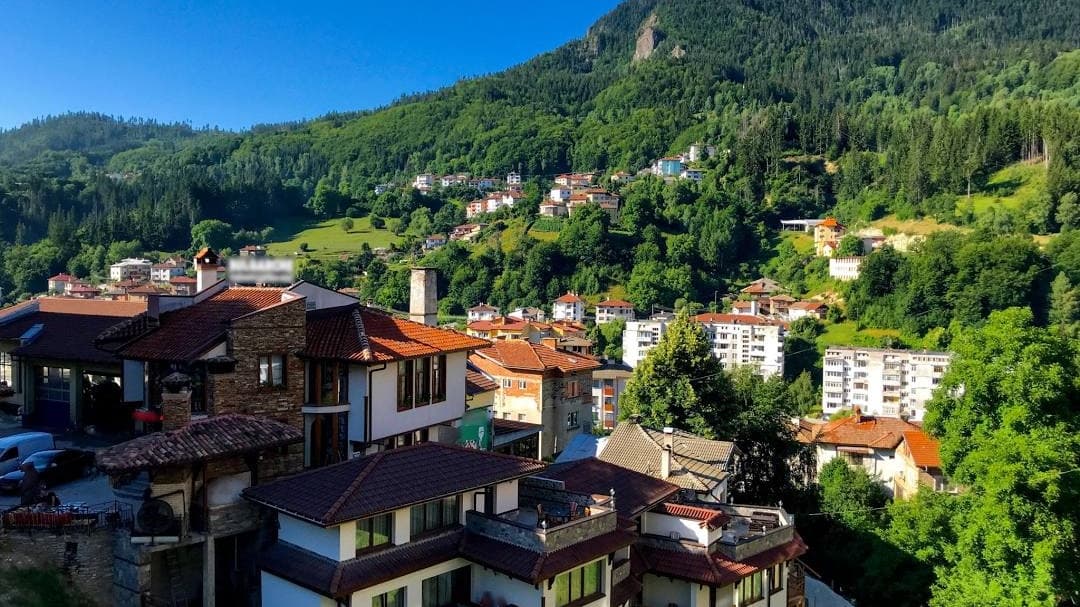
Smolyan: Gateway to the Rhodopes — Bulgaria's Highest Regional Capital
A travel guide to Smolyan, Bulgaria's highest regional capital: the Smolyan Lakes, the planetarium, the Canyon of Waterfalls, day trips to Pamporovo, Shiroka Laka and the Trigrad caves.
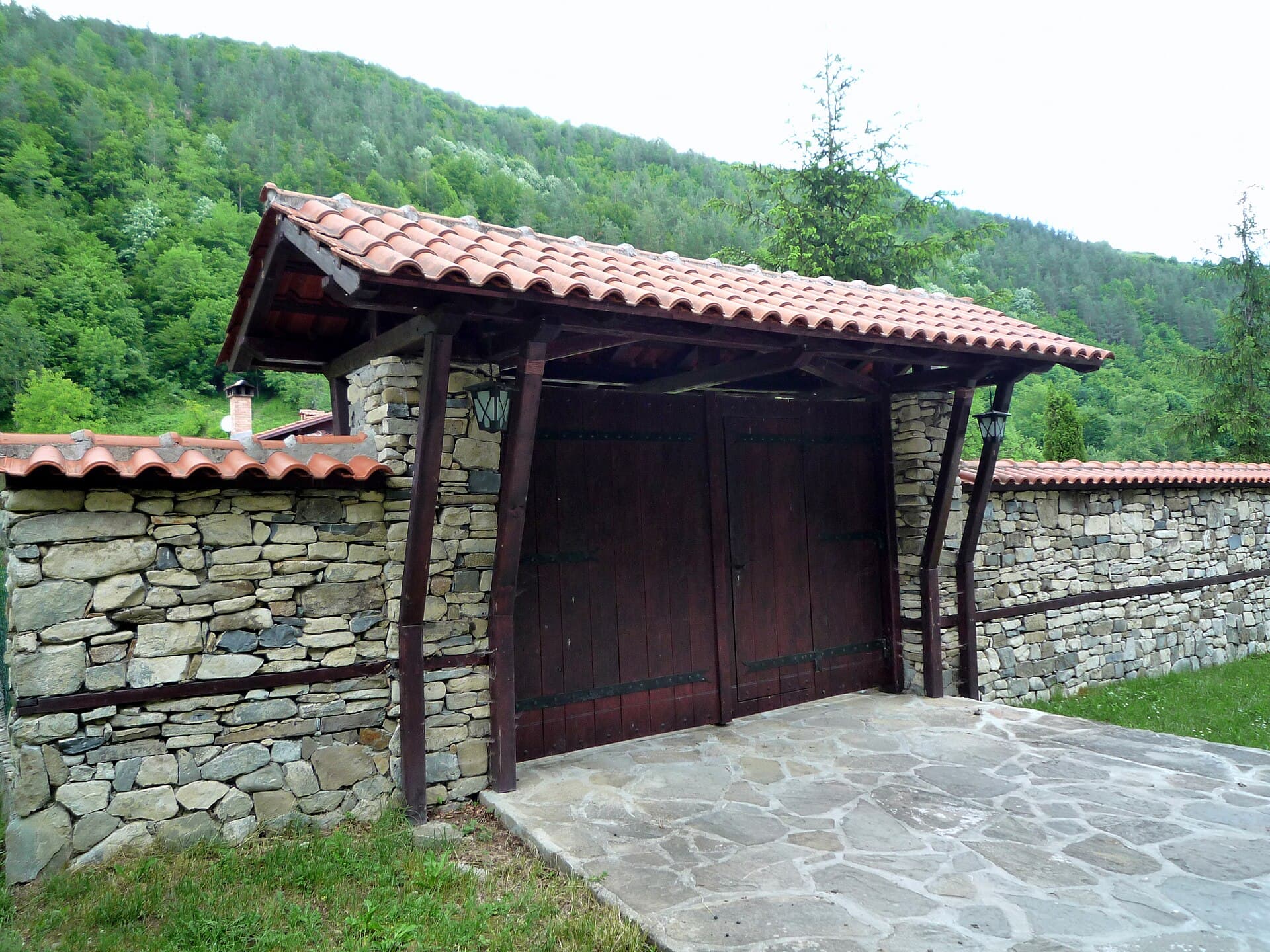
Teteven & Ribaritsa: The Quiet Side of the Balkan Range
A guide to Teteven and Ribaritsa in the Vit valley: the clifftop Glozhene Monastery, the green cheese of Cherni Vit, access to the Central Balkan reserves, and why this valley stays empty.
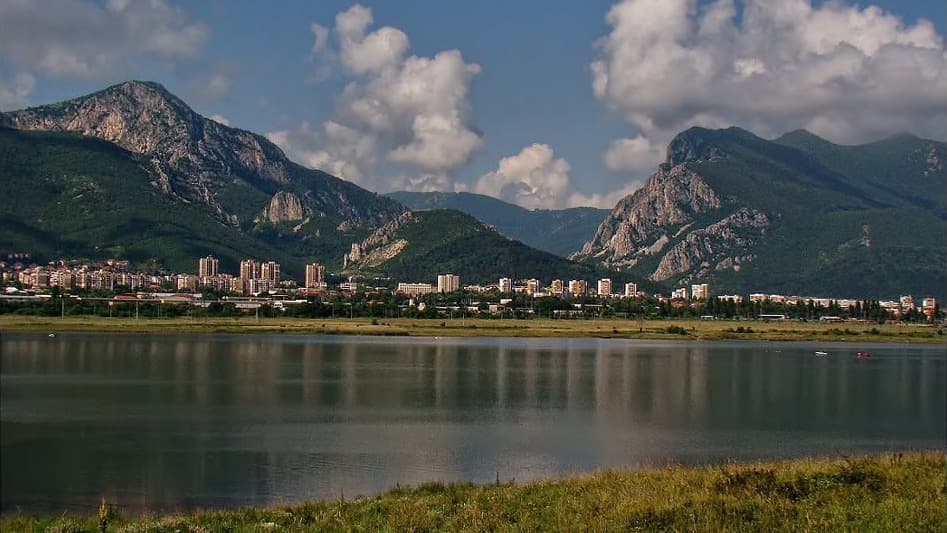
Vratsa & Ledenika Cave: Bulgaria's Overlooked North-West
A travel guide to Vratsa: the Vratsata gorge and its 400-metre rock face, the Ledenika show cave, the Rogozen Treasure of 165 silver vessels, and the Botev memorial at Okolchitsa — an hour and a half from Sofia.
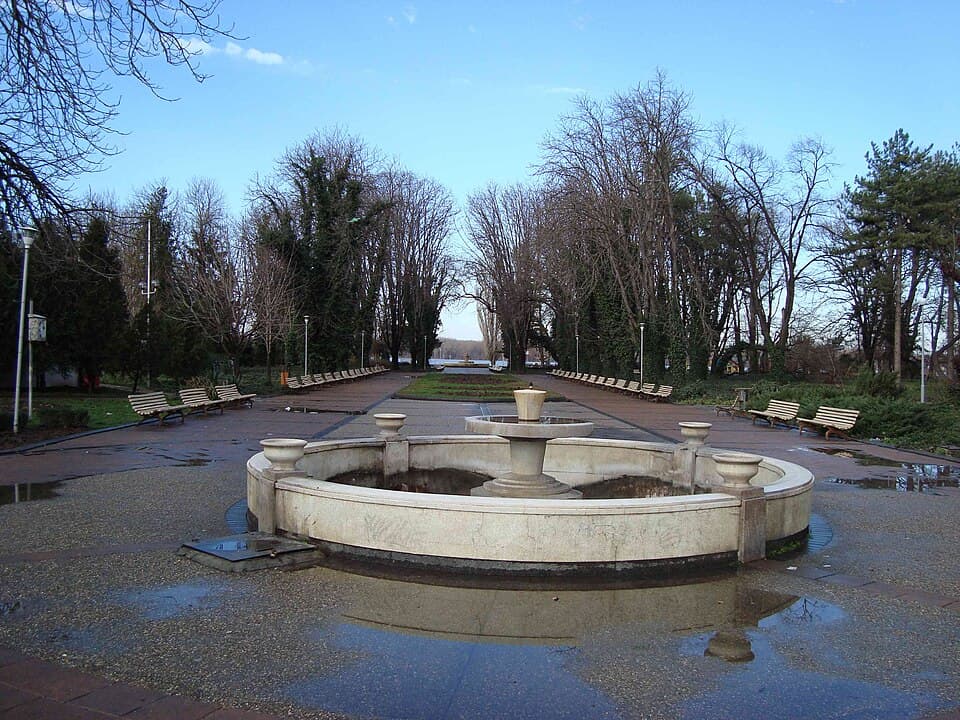
Silistra & Srebarna: Bulgaria's Quiet Danube Corner
A travel guide to Bulgaria's far northeast: the Danube town of Silistra with its Roman tomb and Medzhidi Tabia fortress, and the UNESCO Srebarna Nature Reserve — a pelican-filled lake and one of Europe's great birdwatching spots.