

Silistra & Srebarna: Bulgaria's Quiet Danube Corner
In this guide▾
Tucked into the very northeastern tip of Bulgaria, where the Danube marks the border with Romania, Silistra is about as far off the tourist trail as the country gets — and that's exactly its appeal. This is a quiet river town with a surprisingly deep history and, just down the road, one of Europe's great wetlands: a lake alive with pelicans that has earned a place on the UNESCO World Heritage list. For travellers who like their sights uncrowded, this corner rewards the detour.
This guide covers Silistra and the Srebarna Nature Reserve — the town's Roman and Ottoman layers, and the birdwatching lake next door.
📍 Orientation: The Far Northeast
Silistra sits right on the Danube at Bulgaria's northeastern corner, facing Romania across the water. The town itself is compact and walkable, with a riverside park along the great river. West of town, the Srebarna lake and reserve lie a short drive inland. The nearest major city is Ruse, about 125 km upstream — the two make a natural Danube pairing, so this trip works well tacked onto our Ruse travel guide.
Getting there: Silistra is about 125 km (1 hour 45 minutes) from Ruse, 140 km (2 hours) from Varna and 430 km (5 hours) from Sofia. Buses connect it with all three; a branch railway exists but is slow and rarely the practical choice. For Srebarna, 16 km west, a car is by far the easiest option. Silistra and Srebarna together fill a full day — a long one as a day trip from Ruse, and a relaxed one if you stay the night.

🏛️ Things to See in Silistra
Silistra stands on the site of the Roman city of Durostorum, a legionary base from the early 2nd century, and history is layered thick here.
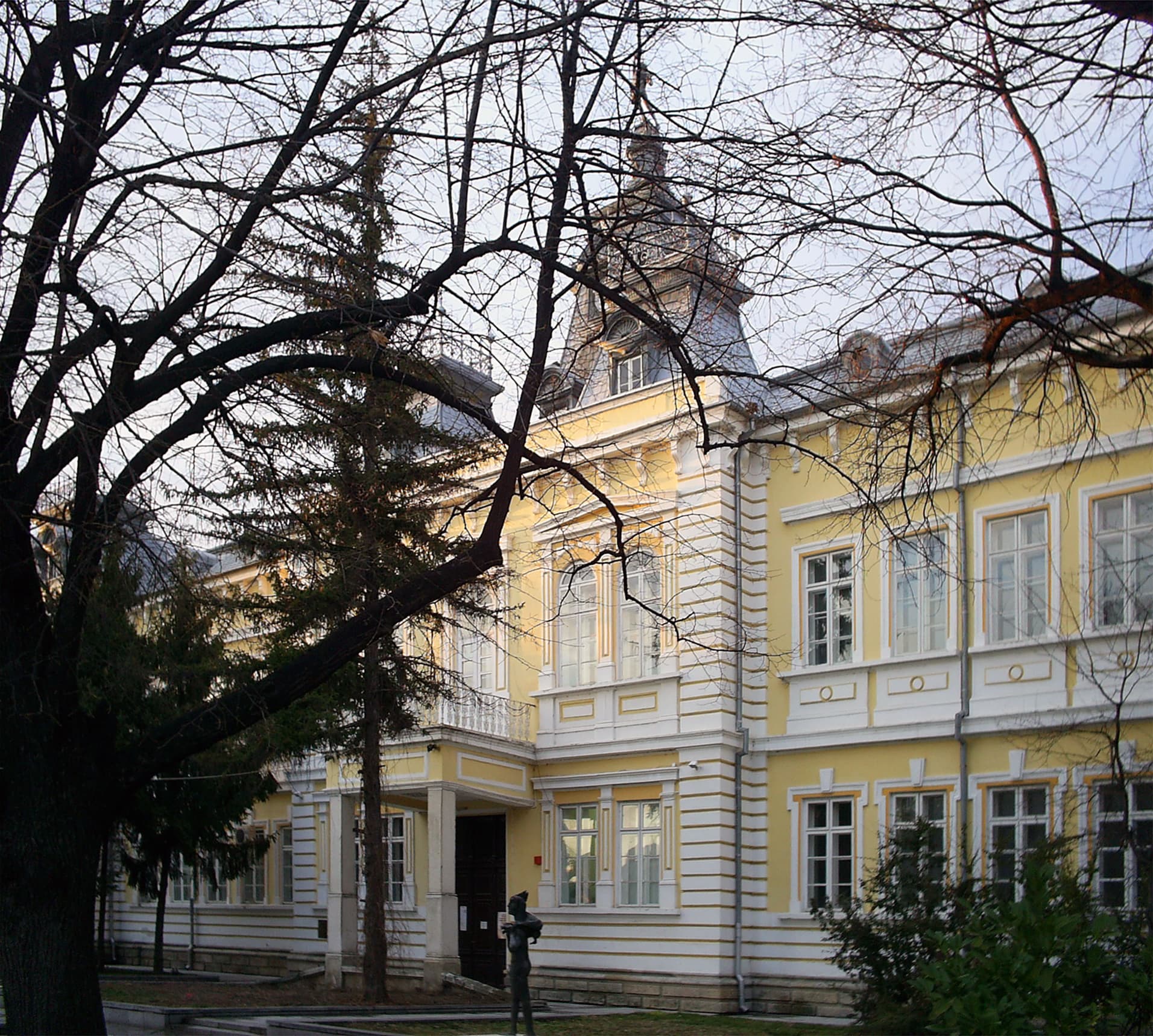
- The Roman Tomb: the town's treasure is a Late Roman tomb from the 4th century, found by chance in 1942 and decorated with exceptionally well-preserved frescoes — portraits and figures that are among the finest of their kind in the Balkans. It is fragile and is opened only by prior booking, for groups of at least five, with the Regional History Museum; a visit costs €5.11 per person.
- Medzhidi Tabia: on the hill above town, this well-preserved Ottoman fortress, built in 1841–1853, commands sweeping views over the Danube and into Romania — the best vantage point in the area. From May to October it is open every day, 10:00–17:30. Entry is €4 for adults and €2 for pupils, students and pensioners, or €6.60 for a combined ticket with the museum's archaeological and ethnographic exhibitions; a family of two adults and two children under 16 pays €14.30 for all three. A guided talk is €5 in Bulgarian or €7.50 in English (checked September 2026).
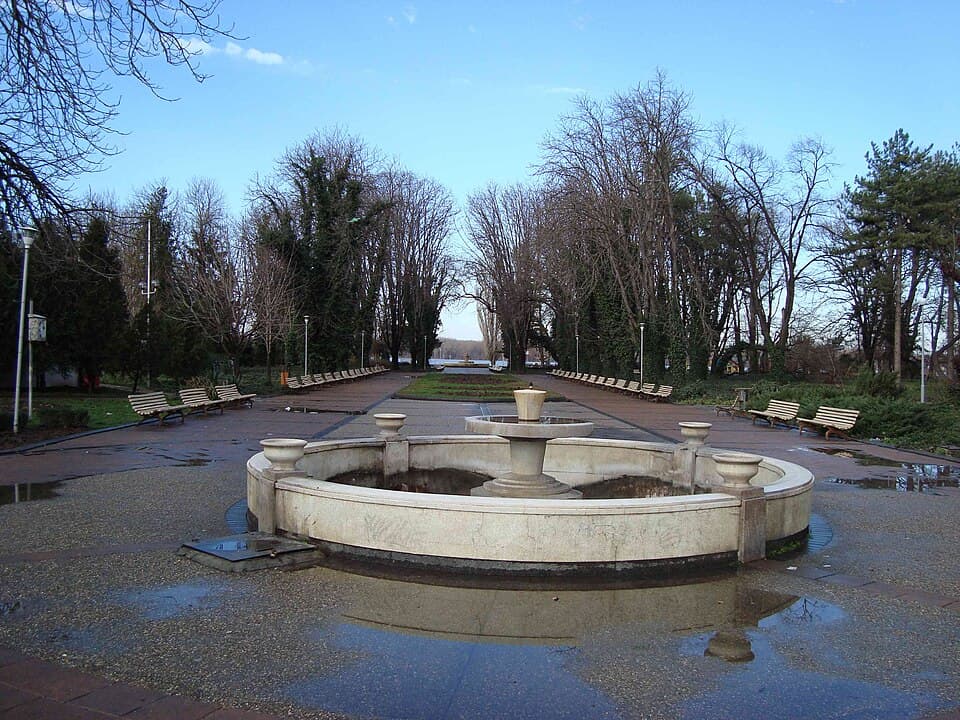
- The riverside & town park: Silistra's Danube promenade and park make for an easy stroll, with the constant traffic of the river and Romania on the far bank.
It's an unhurried, genuinely local town — the kind of place where you'll have the sights largely to yourself.
Parking: the centre is a Blue Zone on weekdays, 08:30–17:30, at €0.50 an hour.

🦩 The Srebarna Nature Reserve
The reason many travellers make it this far east is the Srebarna Nature Reserve, a freshwater lake and wetland about 16 km west of Silistra and a UNESCO World Heritage Site and biosphere reserve.
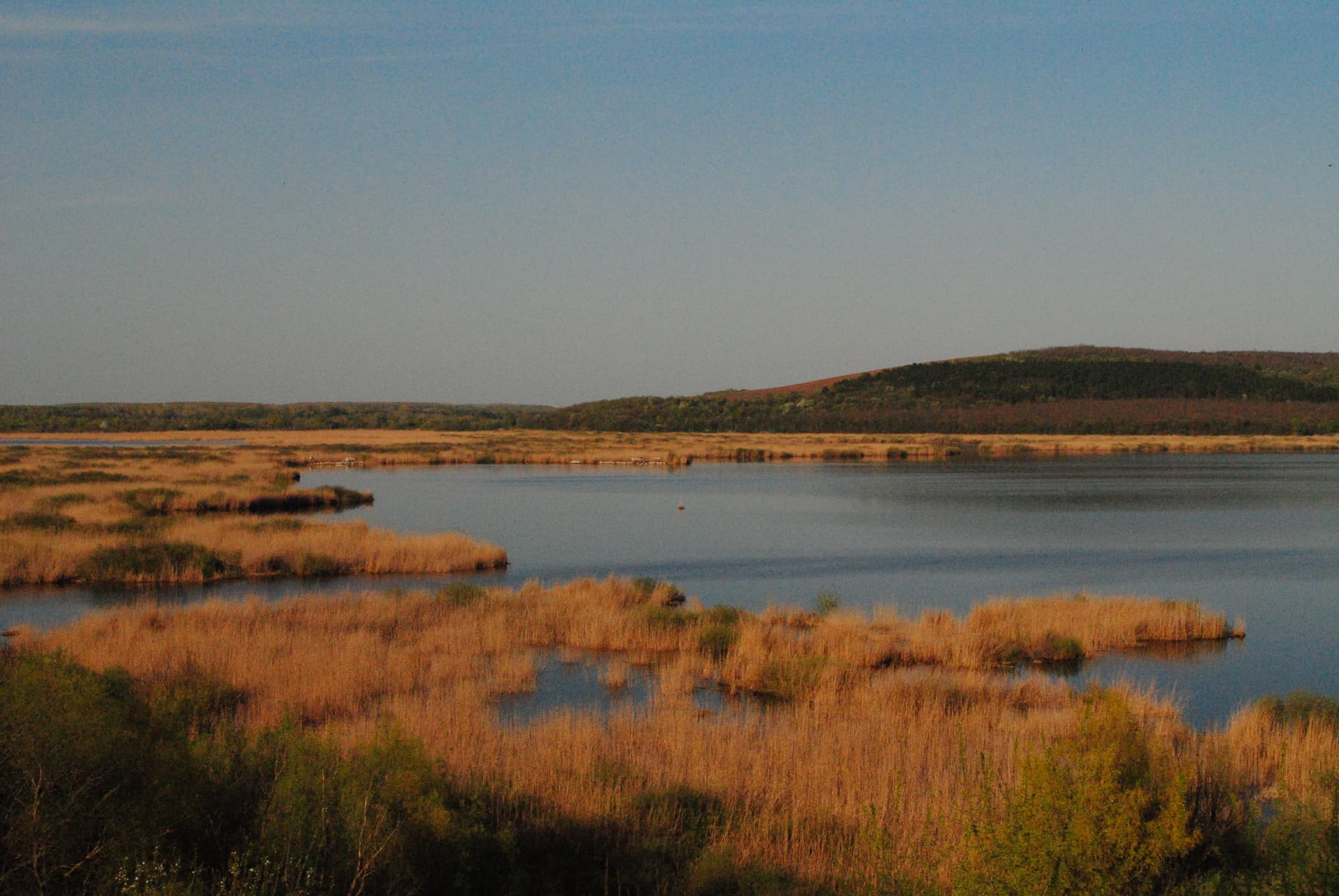
Srebarna is one of the most important birdwatching sites in Bulgaria. Its reeds and open water are a breeding ground for the rare Dalmatian pelican, alongside herons, egrets, cormorants, spoonbills and more than 200 other species — the lake hosts an astonishing density of birdlife, especially in the nesting season. An eco-trail with observation platforms and a small natural history museum in Srebarna village, with a live camera on the pelican colony, make it easy to watch the spectacle; a pair of binoculars transforms the visit.

Spring and early summer are the prime months, when the colonies are active and migratory birds pass through on the Via Pontica flyway.
Visiting: an asphalt road leads to the museum and the reserve, with a convenient car park. The museum is open 08:00–18:00 every day from 1 April to 30 September, and 08:00–16:00 on weekdays only from October to March. Entry is €3 for adults, and in summer it is free every Thursday (checked September 2026).
🗺️ Planning Your Visit
- Base and route: combine Silistra and Srebarna with Ruse for a two-stop Danube trip along Bulgaria's northern border. Halfway between them, the fishermen's town of Tutrakan makes a good overnight stop — see our Tutrakan guide.
- Get to Srebarna early: mornings are best for bird activity and calm water.
- Bring binoculars and, in summer, insect repellent for the lakeside.
- Best season: spring to early autumn — spring for the birds, summer and autumn for calm river days.
Where the Danube leaves Bulgaria, the crowds have long since thinned — leaving a town full of quiet history and a lake full of pelicans. Follow the river to its corner, and keep exploring with Mestala.com.
This guide covers 2 places
Want more Mestala in your Google results?
Add mestala.com as a preferred source and our guides will show up more often when you search. Requires a Google account.
Frequently Asked Questions
Where is Silistra and how do you get there?▾
Silistra sits in Bulgaria's far northeastern corner, on the Danube right on the Romanian border, about 125 km east of Ruse and roughly 140 km north of Varna. It's around a 5-hour drive from Sofia. Buses connect it with Ruse, Varna and the capital; a car is best for reaching the Srebarna reserve nearby.
What is there to see in Silistra?▾
Silistra's highlights are its Late Roman tomb with remarkably preserved 4th-century frescoes (visits by prior arrangement with the museum), the Ottoman Medzhidi Tabia fortress (1841–1853) on the hill above town with sweeping Danube views, a riverside park and promenade, and a long layered history going back to the Roman city of Durostorum. It's a quiet, uncrowded town with a strong sense of the past.
What is the Srebarna Nature Reserve?▾
Srebarna is a freshwater lake and wetland near the Danube, about 16 km west of Silistra, and a UNESCO World Heritage Site and biosphere reserve. It is famous as a breeding ground for the Dalmatian pelican and more than 200 other bird species, making it one of the most important birdwatching sites in Bulgaria and Europe.
When is the best time to visit Srebarna?▾
Spring and early summer are the best times for birdwatching, when the pelicans and herons nest and migratory species pass through. The eco-trail with its observation platforms is pleasant from spring to autumn, and the natural history museum in Srebarna village is open all year — daily 08:00–18:00 from April to September, weekdays only 08:00–16:00 in winter. Bring binoculars — the birds are often out on the water, away from the shore.
Can you combine Silistra with Ruse?▾
Yes. Silistra and Srebarna sit at the eastern end of the Bulgarian Danube, about 125 km downstream from Ruse, so they pair naturally into a Danube road trip. Many visitors base themselves in Ruse and make Silistra and Srebarna a full day out east along the river.
You might be interested in
Devin and Zlatograd Weekend: Rhodope Spa Towns, Struilitsa and Old Zlatograd
A Rhodope spa weekend: Devin's mineral water and the Struilitsa eco-trail, Zlatograd's ethnographic complex and Revival quarter, with Trigrad and Yagodina nearby.
Sapareva Banya and Panichishte Weekend: the Geyser, Hot Pools and Rila
A weekend in Sapareva Banya and Panichishte: the geyser with 103 °C water, mineral pools in winter, Panichishte as the snowy side, and the way up to the Seven Rila Lakes.

Velingrad Spa Weekend: Pools, Kleptuza and the Narrow-Gauge Railway
A spa weekend in Velingrad: getting there, where to soak after 1 October, Kleptuza spring, Lepenitsa cave, the narrow-gauge railway and what's nearby.
Teteven & Ribaritsa: The Quiet Side of the Balkan Range
A guide to Teteven and Ribaritsa in the Vit valley: the clifftop Glozhene Monastery, the green cheese of Cherni Vit, access to the Central Balkan reserves, and why this valley stays empty.