

Ruse: Bulgaria's 'Little Vienna' on the Danube
In this guide▾
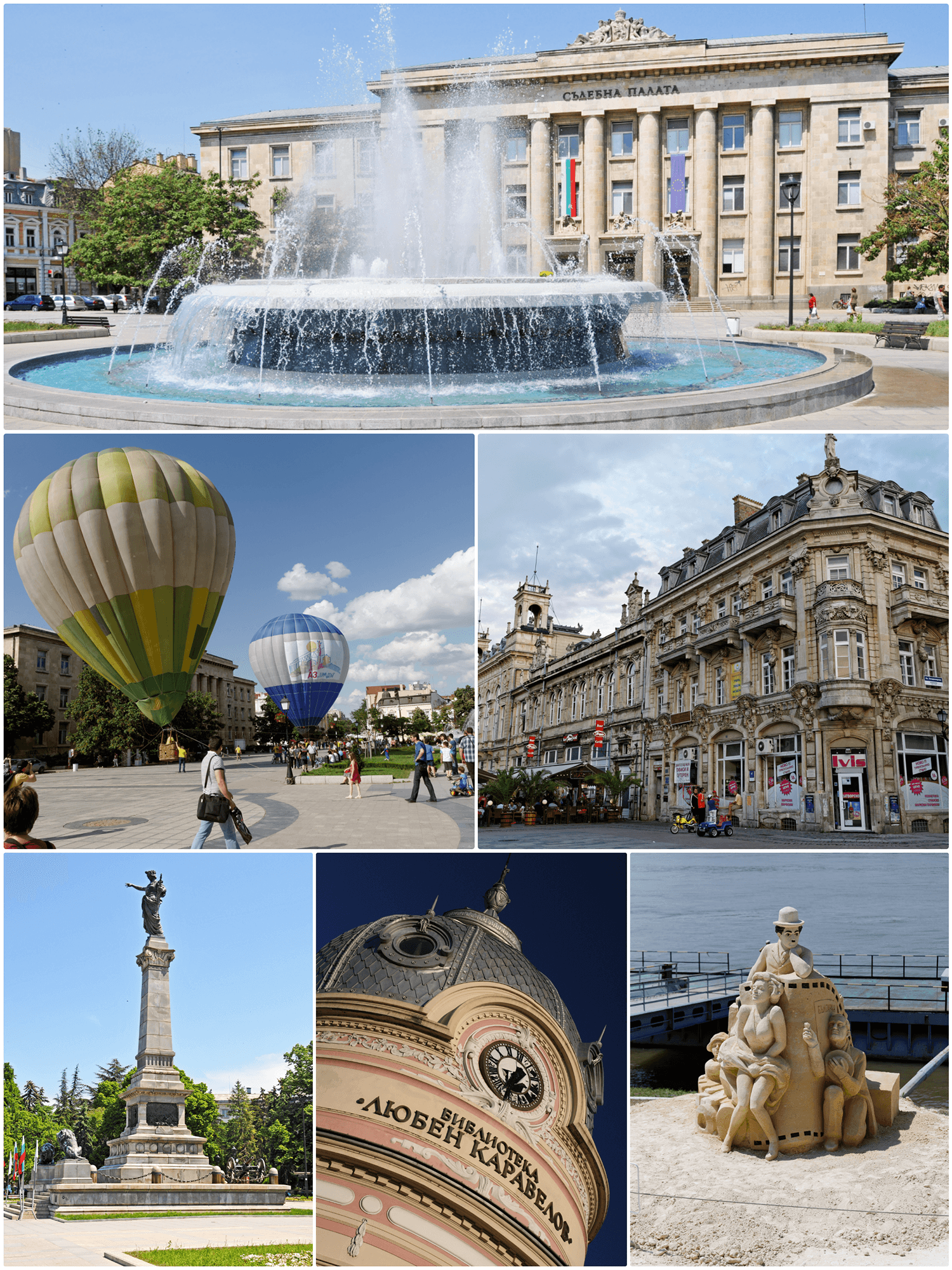
Most travelers meet the Danube in Bulgaria only as a line on the map, but at Ruse the river becomes the whole point. Bulgaria's largest Danube port and fifth-largest city, Ruse spent the turn of the twentieth century as the country's wealthiest, most outward-looking place — and it built a center to match. Grand neo-Baroque façades, a theatre that would not look out of place in Vienna, and a broad square opening toward the water earned it a nickname that has stuck for over a century: "Little Vienna."
This guide covers the walkable city center — its architecture, squares and museums — plus the remarkable valley of rock churches and fortresses just to the south that turns a city stop into a two-day trip.
📍 Orientation: A City Facing the River
Ruse is laid out around a single spine. The heart is Freedom Square (Ploshtad Svoboda), and from it the main pedestrian street, Alexandrovska, runs through the old commercial center lined with the ornate buildings of the city's golden age. North of the center the streets slope down to the Danube, the riverside park and the port; the Romanian bank is visible across the water. Everything worth seeing in town is within an easy walk, which is a large part of Ruse's charm — it is a city built for strolling.

🚗 Getting There
| From | Distance | Driving time |
|---|---|---|
| Veliko Tarnovo | ~100 km | ~1 h 20 min |
| Varna | ~200 km | ~2 h 30 min |
| Sofia | ~310 km | ~4 h |
| Bucharest (RO) | ~75 km | ~1 h 30 min |
Ruse is one of the best-connected cities in northern Bulgaria. Trains and buses run from Sofia, Varna and Veliko Tarnovo, and the historic Ruse–Varna line of 1866 was the first railway ever built in Bulgaria. The Danube Bridge, opened in 1954, links the city to Giurgiu on the Romanian side, putting Bucharest within an easy half-day reach.
Parking: the center is a paid zone on weekdays, 08:00–17:30, at €0.80 an hour; at weekends it is free.
🏛️ Things to Do in Town
Freedom Square & the Monument of Liberty
The city's showpiece is Freedom Square, centered on the soaring Monument of Liberty — a woman holding a sword aloft, sculpted by the Italian Arnoldo Zocchi and unveiled in 1909. It has been the symbol of Ruse ever since, framed by some of the finest buildings in the country.
The Dohodno Zdanie
Facing the square, the Dohodno Zdanie ("Profitable Building"), built in 1898–1902 to designs by the Viennese architect Peter Paul Brang, is Ruse's architectural exclamation mark — a lavish neo-Baroque pile crowned with allegorical statues, built so its rents would fund the arts and still home to the city's drama theatre. It is the single image that best explains the "Little Vienna" label.

Neo-Baroque & Secession Streets
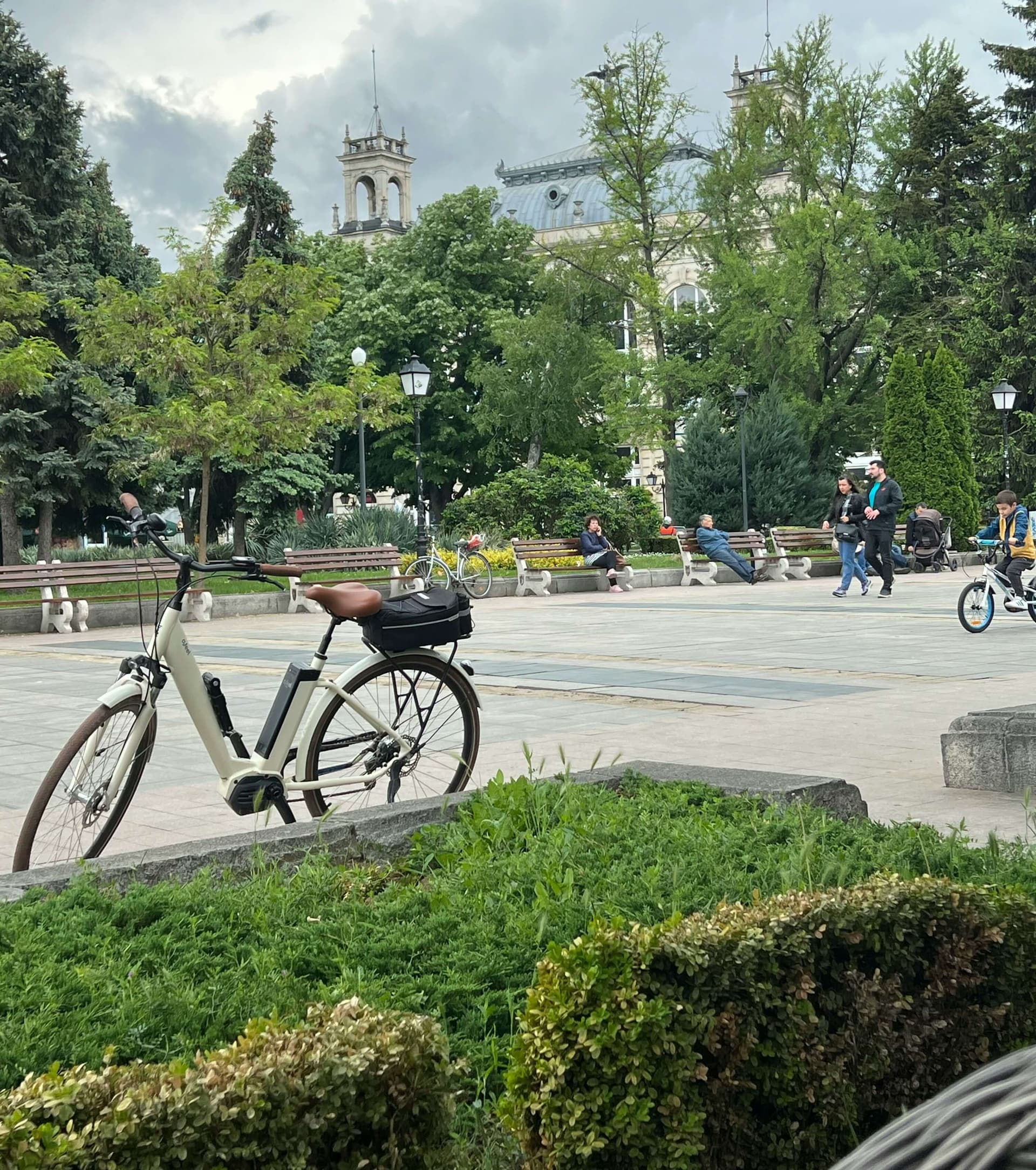
The real pleasure of Ruse is simply walking. Along Alexandrovska and the surrounding blocks, façade after façade carries the flourishes of the late-nineteenth and early-twentieth century — the era when Ruse led Bulgaria in one "first" after another, from banking to the railway. Look up as you go: the detail is in the cornices, balconies and rooflines.
The Regional History Museum & Kaliopa House
For the story behind the stone, the Regional History Museum covers the region from antiquity to the Danube boom. Nearby, the Kaliopa House recreates the interiors of a wealthy nineteenth-century Ruse household — a vivid window onto the European lifestyle that gave the city its character; it is run as the Museum of Urban Lifestyle.
Sexaginta Prista
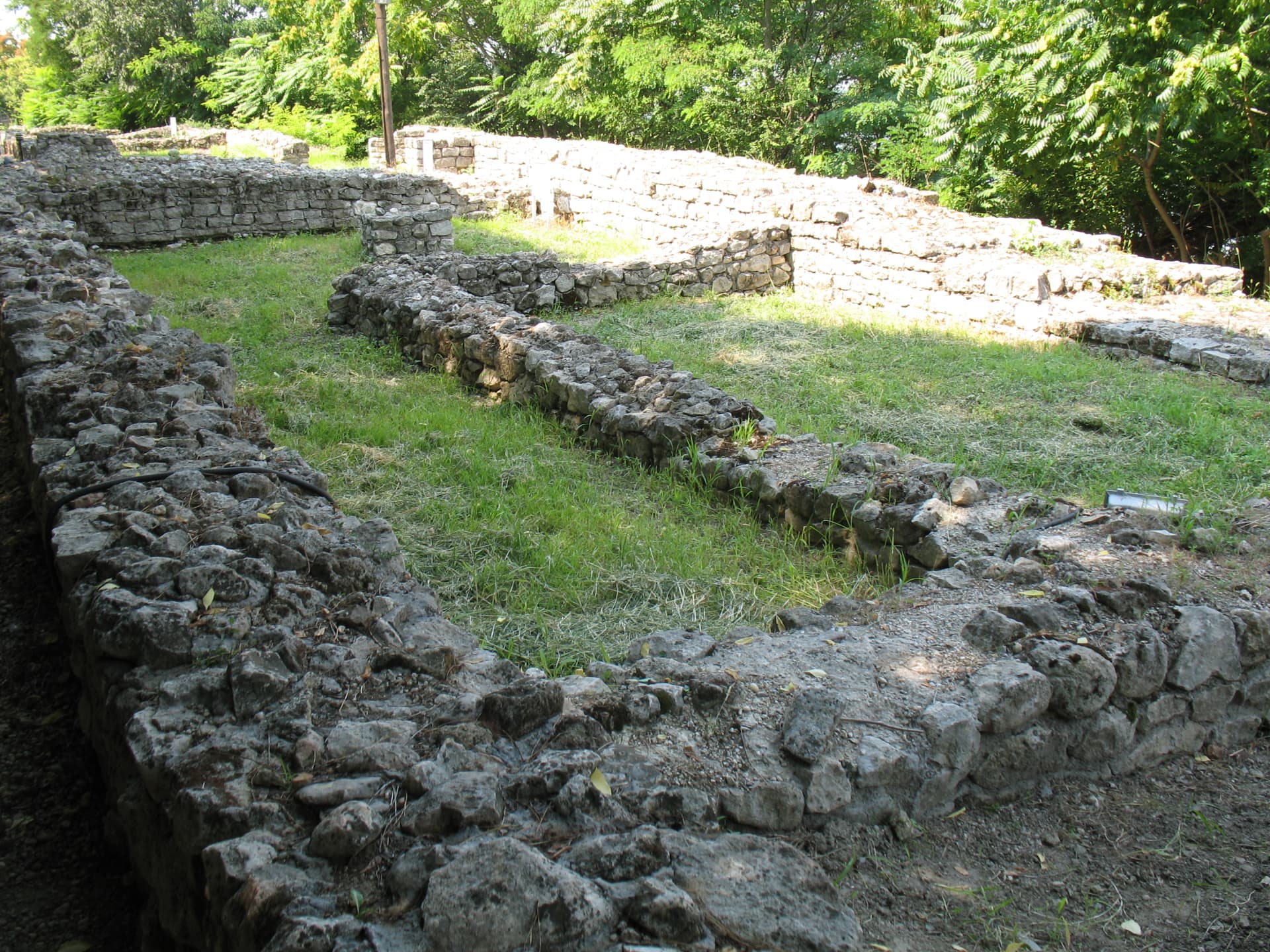
Down toward the river stand the remains of Sexaginta Prista — Latin for "Sixty Ships," a Roman fortress and naval base founded around AD 70, under Emperor Vespasian, as part of the Danube frontier. The riverside archaeological site is a reminder that Ruse has guarded this crossing for two thousand years.

The Pantheon of the National Revival Heroes
In the Park of the Revivalists, laid out over the old town cemetery, rises the domed Pantheon of the National Revival Heroes (1978), an ossuary and memorial to the writers, revolutionaries and clergy who drove Bulgaria's nineteenth-century awakening. Thirty-nine of them lie here, among them Lyuben Karavelov, Zahari Stoyanov and Baba Tonka. It is both a monument and a quiet green place to end a walk.
Museum Tickets & Hours
All of these sites belong to the Ruse Regional History Museum, and all are open every day, with no day off. If you plan to see more than one, buy the day ticket for all the city's museum sites for €7.50.
| Site | Hours | Adults |
|---|---|---|
| Regional History Museum (3 Battenberg Sq.) | 09:00–18:00 | €5 |
| Ecomuseum with Aquarium (3 Etar St.) | 09:00–18:00 | €5 |
| Sexaginta Prista (2 Tsar Kaloyan St.) | 09:00–12:00, 12:30–17:30 | €4 |
| Kaliopa House (39 Ferdinand St.) | 09:00–12:00, 12:30–17:30 | €4 |
| Pantheon of the National Revival Heroes | 09:00–12:00, 12:30–17:30 | €4 |
| Zahari Stoyanov House (12 Pridunavski Blvd.) | 09:00–12:00, 12:30–17:30 | €4 |
| Baba Tonka House (40 Baba Tonka St.) | 09:30–12:00, 12:30–18:00 | €5 |
Pupils, students and pensioners pay €2.50 everywhere, groups of more than five €3 each, and EURO 26 card holders €2. A guided talk costs €7.50 in Bulgarian or €12.50 in English. Prices checked September 2026; they can change.

Local note: Ruse is the birthplace of Elias Canetti, winner of the 1981 Nobel Prize in Literature, who opened his memoir The Tongue Set Free with his Danube childhood here. The city keeps his memory in a dedicated cultural house.
🌿 Day Trips: The Rusenski Lom Valley
The best reason to give Ruse two days lies just south of the city, where the Rusenski Lom Nature Park carves a canyon of limestone cliffs, caves and river bends through the plateau.

- The Ivanovo Rock-Hewn Churches (~20 km): a complex of medieval chapels cut into the cliff face and painted with celebrated frescoes — a UNESCO World Heritage Site and the valley's headline attraction.
- Cherven Fortress (~35 km): the substantial ruins of a medieval Bulgarian town and stronghold, spread across a rocky spur above the river, with a landmark surviving tower.
- Basarbovo Rock Monastery (~10 km): one of only two functioning rock-hewn monasteries in Bulgaria (the other is Razboyna), hollowed into the cliff and still home to monastic life — an atmospheric and easy stop close to town.
Together the three make one of the finest day loops in northern Bulgaria, pairing naturally with a night in the city. For the full picture — the churches, the fortress and the monastery in one trip — see our Ivanovo & Rusenski Lom valley guide.
🐟 What to Eat
Being a river city, Ruse leans into Danube fish — carp, catfish and the day's freshwater catch, often grilled or stewed and served on riverside terraces. Beyond the river, the table is classic northern Bulgarian: hearty grills, banitsa and the produce of the fertile Danube plain. Café culture is strong here, a legacy of the city's European past — a coffee on Freedom Square is part of the experience.
🛏️ Where to Stay & When to Go
Ruse has the range of a proper city, from business hotels to small guesthouses in restored old buildings near the center — stay central and you can do everything on foot. The city works year-round, but late spring through early autumn is the sweet spot, when the riverside park and the Lom valley are at their greenest and the square's terraces are in full swing. Summers on the Danube plain run hot, so save the walking for the cooler hours.
With more time, follow the Danube east to the country's quiet corner — the Roman town of Silistra and the pelican lake at Srebarna — in our Silistra & Srebarna guide. On the way, about an hour from Ruse, is the fishermen's town of Tutrakan — a good place to spend the night, covered in our Tutrakan guide.
Bulgaria's window on the Danube wears its history on every façade — and hides a canyon of rock churches just beyond the last street. Come for the architecture, stay for the valley, and keep exploring with Mestala.com.
This guide covers 6 places
Want more Mestala in your Google results?
Add mestala.com as a preferred source and our guides will show up more often when you search. Requires a Google account.
Frequently Asked Questions
Where is Ruse and how do you get there?▾
Ruse sits on the Danube in northeastern Bulgaria, right on the Romanian border. It's about 310 km from Sofia (roughly a 4-hour drive via Veliko Tarnovo), around 200 km from Varna, and just 100 km from Veliko Tarnovo. Bucharest is only about 75 km across the river. Regular trains and buses serve the city, and the Danube Bridge, opened in 1954, carries traffic straight into Romania.
Why is Ruse called 'Little Vienna'?▾
In the decades around Bulgaria's Liberation in 1878, Ruse was the country's richest and most European-facing city — a booming Danube trading port full of foreign consulates, banks and merchants. That wealth built a dense center of neo-Baroque and Secession (Art Nouveau) buildings that still gives the city its Central-European look, which earned it the nickname 'Little Vienna.'
What are the main things to do in Ruse?▾
Start on Freedom Square with the Monument of Liberty and the grand Dohodno Zdanie theatre building, wander the neo-Baroque streets, and visit the Regional History Museum and the Kaliopa House of urban life. Down by the river are the Roman fortress of Sexaginta Prista and the riverside park; the Pantheon of the National Revival Heroes stands in the Park of the Revivalists, the old town cemetery. It's an easy, walkable city center.
How many days do you need in Ruse?▾
One full day is enough for the city center — the square, the architecture, a museum or two and the riverfront. Add a second day for the Rusenski Lom valley south of town: the UNESCO Ivanovo rock-hewn churches, the medieval Cherven fortress and the working rock monastery at Basarbovo make an outstanding day out.
Can you visit Bucharest from Ruse?▾
Easily. The Romanian capital is only about 75 km north across the Danube Bridge — roughly a 1.5-hour drive including the border crossing — which makes Ruse a natural stepping-stone between Bulgaria and Romania, or a base for seeing both riverbanks.
When is the best time to visit Ruse?▾
Late spring through early autumn is ideal, when the riverside park, café terraces and the Lom valley trails are at their best. Summer can be hot on the Danube plain, so mornings and evenings are the pleasant hours. The center is walkable year-round, and the museums make Ruse a fine cool-weather city break.
You might be interested in
Tutrakan Weekend: the Fishermen's Quarter, the 1916 Battle and the Danube
A weekend in Tutrakan: the Fishermen's Quarter and the Danube fishing museum, the 1916 military cemetery, Danube fish — and Srebarna and Silistra for day two.
Gotse Delchev: Kovachevitsa, Leshten & the Mesta Valley
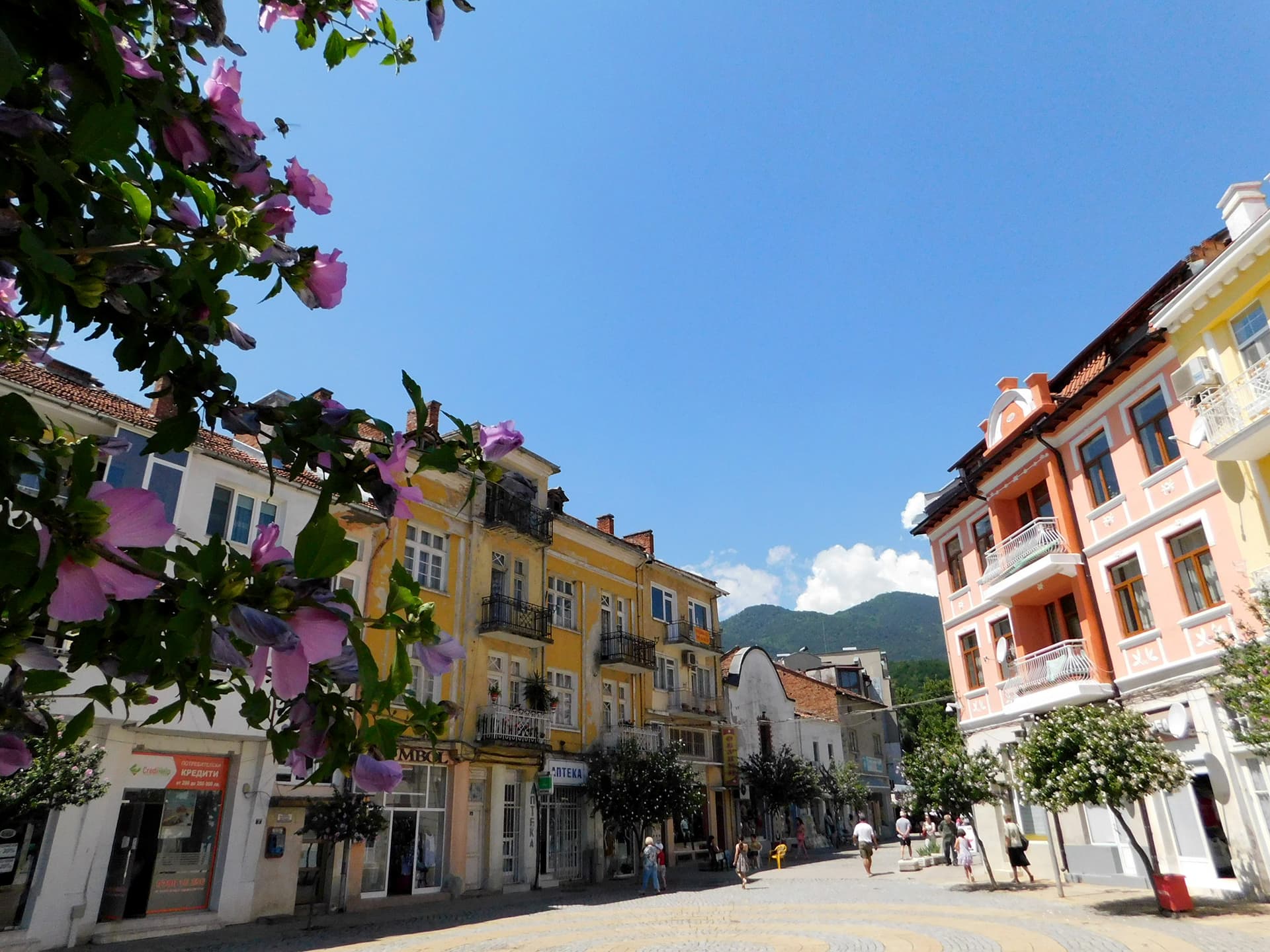
Roman ruins at Nicopolis ad Nestum, the stone villages of Kovachevitsa and Leshten, and Ognyanovo's hot springs — what to see around Gotse Delchev.
Bozhentsi: The Village That Stopped in 1870
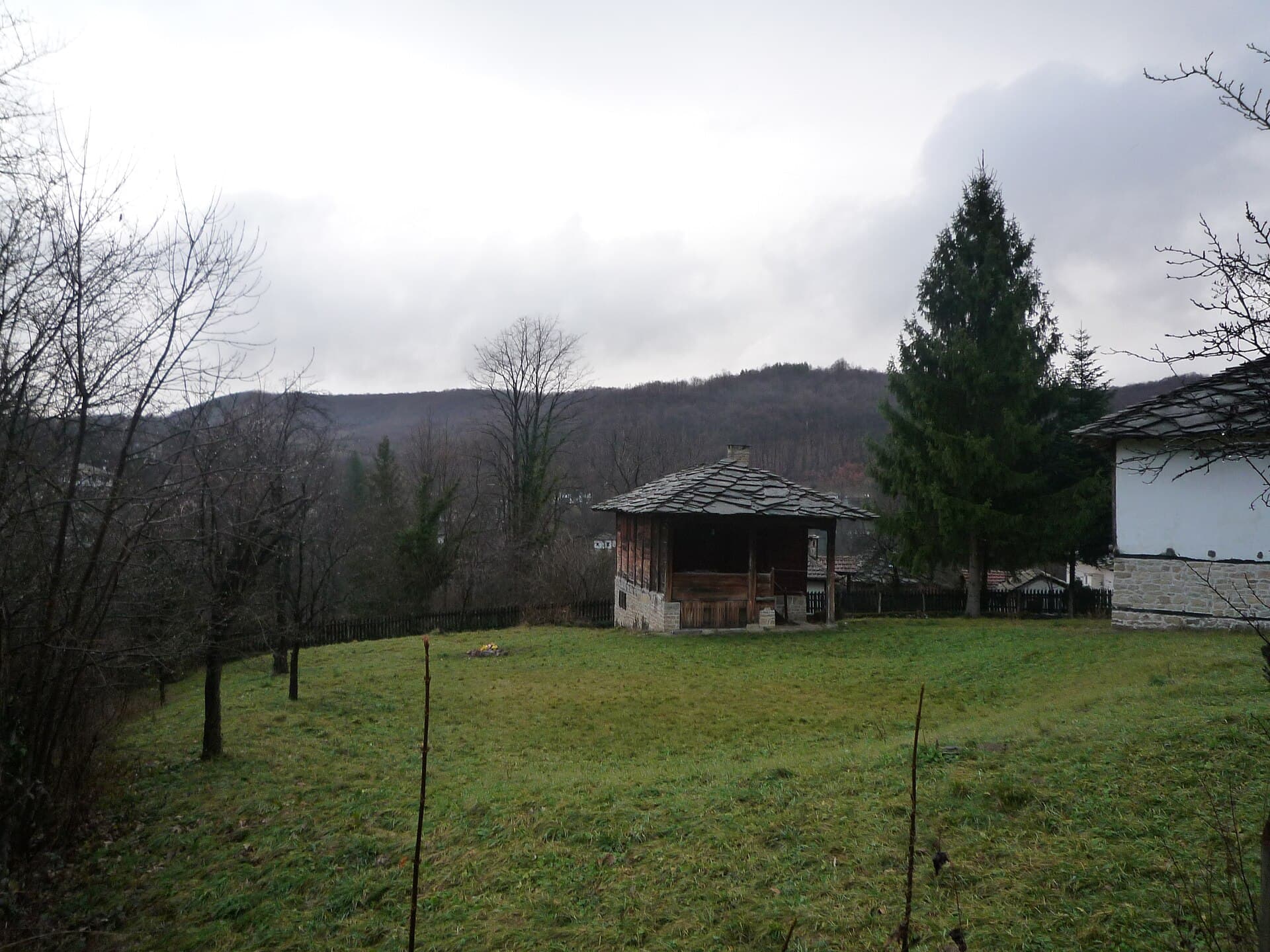
A guide to Bozhentsi, the protected architectural reserve village near Gabrovo: about a hundred stone-roofed Revival houses, the Doncho Popa house-museum, the founding legend, and why it stays quiet when Koprivshtitsa fills up.
Chiprovtsi: Carpets, a Monastery and a Lost Uprising
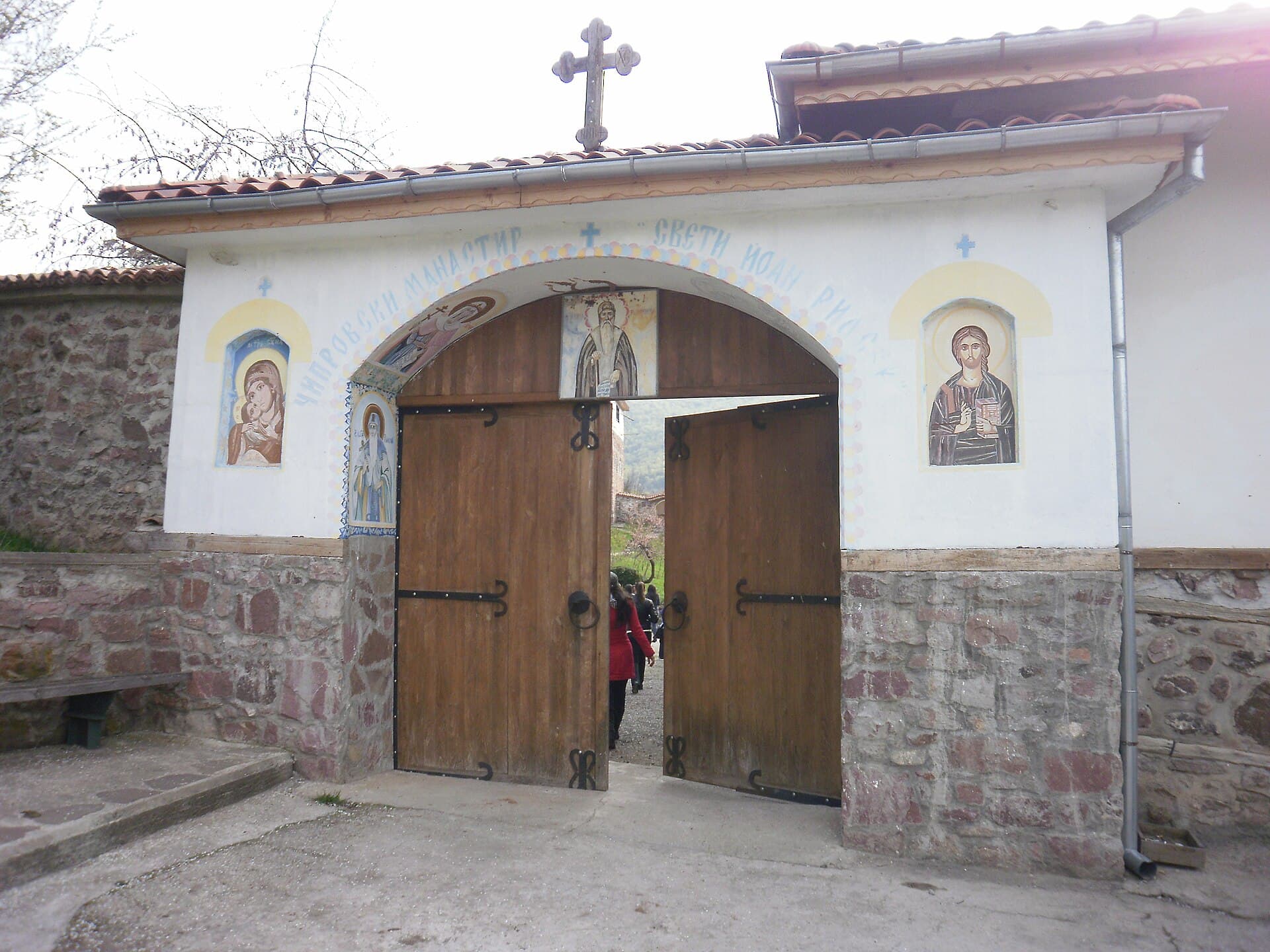
A guide to Chiprovtsi in Bulgaria's far north-west: the UNESCO-listed kilim weaving tradition, the 1688 uprising that destroyed the town, the monastery of St John of Rila, and the waterfalls above it.