MestalaMestala
HomePlacesMapTripBlogAboutFAQ
EN|БГ

Discover Bulgaria with Mestala.

AboutFAQLicensePrivacy
Sexaginta Prista
LandmarksRuse

Sexaginta Prista

HomePlacesLandmarksSexaginta Prista
Coordinates: 43.84607, 25.94463
View on OpenStreetMapGet directions

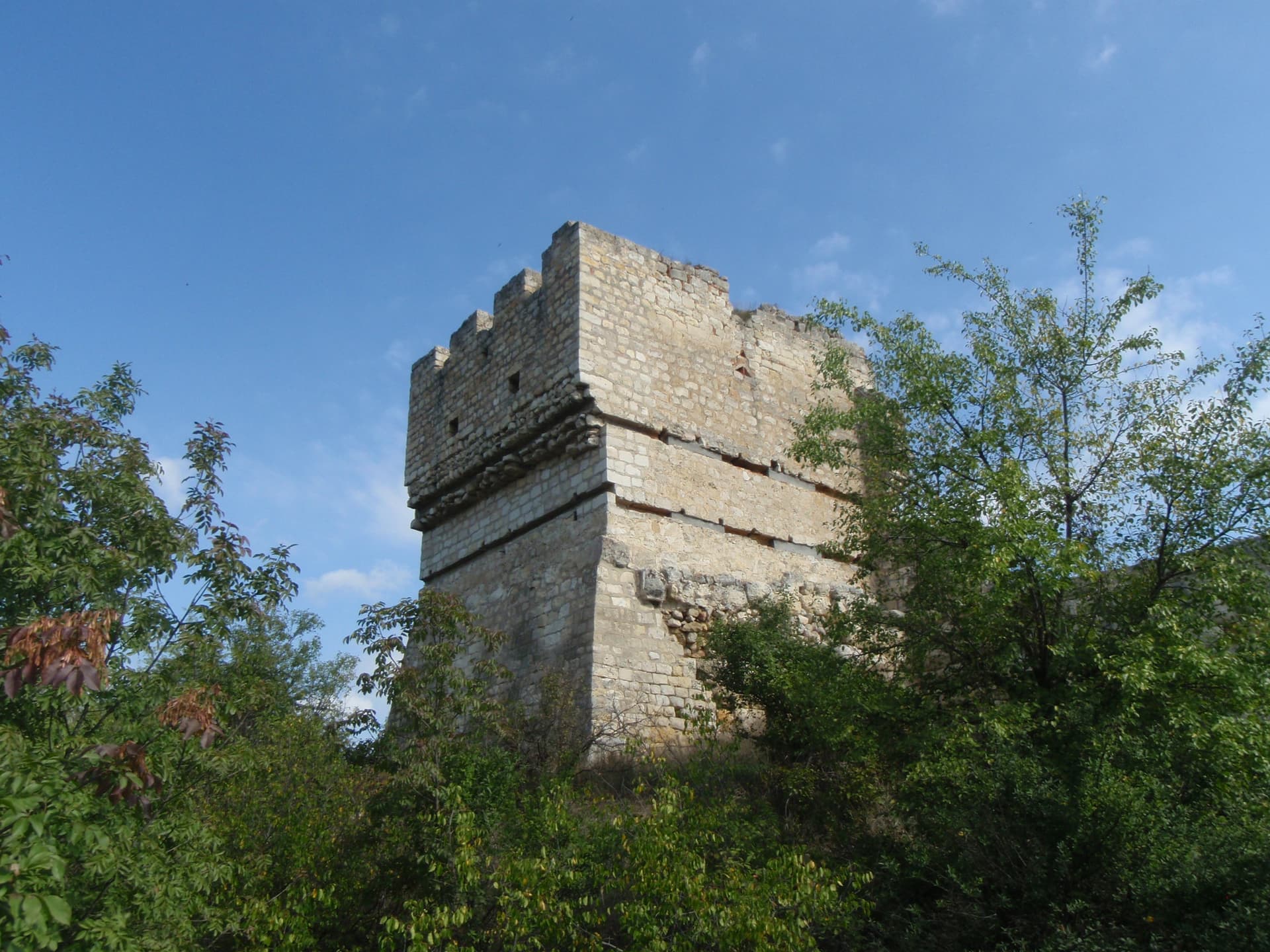
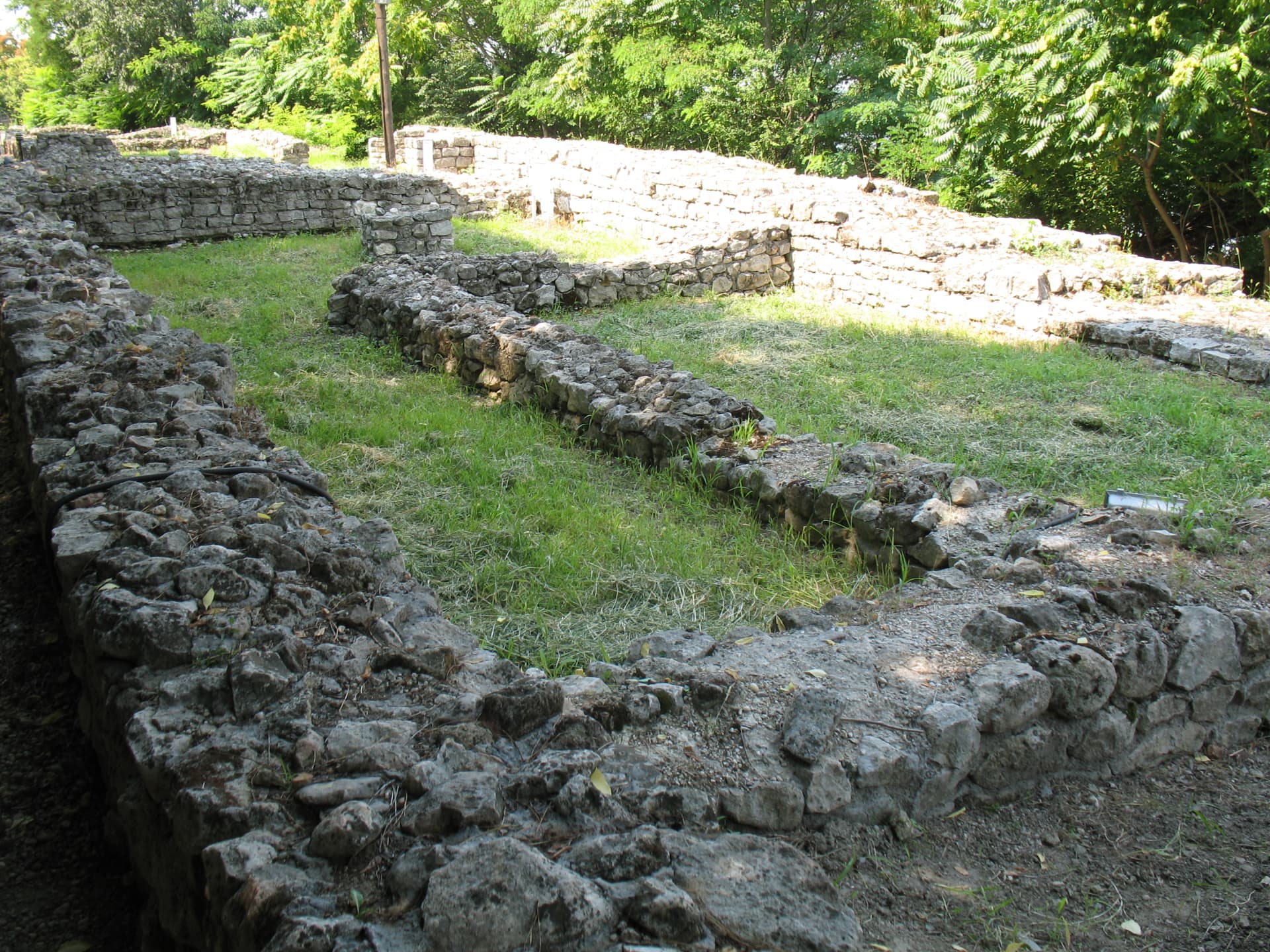
The Sexaginta Prista Fortress (Latin for Sexaginta Prista, also known simply as Prista) is one of the most prominent archaeological and historical landmarks in the modern city of Ruse, Bulgaria. Translated literally, its name means "Port of the Sixty Ships" (pristis being a specific type of Roman river-warship). The castellum served as a crucial naval stronghold along the Danube Limes (the northern frontier of the Roman Empire). Thracian Origins and Trade Prosperity The Roman fortress was constructed directly over the ruins of a much older Thracian settlement. Archaeological excavations have unearthed compelling evidence of a prosperous local community with extensive Mediterranean trade connections prior to the Roman conquest: - The Thracian Jug (2nd–1st Century BC): Excavations revealed a Thracian vessel containing organic residue from domestic pork. As pork was considered a luxury delicacy in antiquity, the high proportion of these remains points to a wealthy local population. - Imported Ceramics (3rd Century BC): Archaeologists recovered an ancient ceramic vessel originating from the island of Rhodes, alongside numerous transport amphorae and domestic cookware fragments, proving active trade along the Danube and Aegean routes. Historical Records and Archaeological Discoveries - Ancient Chronicles: The fortress was documented by the famous ancient geographer Claudius Ptolemy and mentioned in the Itinerary of Emperor Antoninus Pius (as Sexantapristis). German epigrapher Prof. Bormann linked its name to a Roman military port in Italy known for "a hundred chambers," suggesting Sexaginta Prista featured 60 dedicated naval docks or compartments. - Roman Military Headquarters (Principia): Excavations in 2006 unearthed the foundations of the Roman military headquarters, active from the first quarter of the 4th century to the first decade of the 5th century AD (dated via coin hoards and pottery). - The Underground Passage: Researchers also uncovered 30 stone steps leading to a fortified underground tunnel utilized during the Ottoman period. Research and Legacy The first systematic archaeological investigations of Sexaginta Prista were conducted by the founders of Bulgarian archaeology, the Czech-Bulgarian brothers Karel and Hermann Škorpil. Sexaginta Prista shared the fate of other Roman strongholds along the Lower Danube, perishing during the destructive Avar and Slavic invasions of the late 6th and early 7th centuries AD. During the 9th–10th centuries, a medieval Bulgarian settlement emerged over its ancient ruins, eventually evolving into the modern city of Ruse. Today, the open-air archaeological display of Sexaginta Prista is managed by the Regional Historical Museum of Ruse, offering visitors an immersive historical park overlooking the Danube River.
7-day forecast

Weather data from MET Norway

Nearby Places

Ruse
Settlements

Ruse

Ruse

0.8 km away

Basarbovo Rock Monastery
Landmarks

Basarbovo Rock Monastery

Ruse

9.0 km away

Rock-Hewn Churches of Ivanovo
Landmarks

Rock-Hewn Churches of Ivanovo

Ruse

16.8 km away

Rusenski Lom Natural Park
Trails

Rusenski Lom Natural Park

Ruse

24.3 km away

More to explore

Cherven Fortress
Landmarks

Cherven Fortress

Ruse

Rock-Hewn Churches of Ivanovo
Landmarks

Rock-Hewn Churches of Ivanovo

Ruse

Basarbovo Rock Monastery
Landmarks

Basarbovo Rock Monastery

Ruse

Tsarevets
Landmarks

Tsarevets

Veliko Tarnovo

Read more in our travel guides

Ruse: Bulgaria's 'Little Vienna' on the Danube

Ruse: Bulgaria's 'Little Vienna' on the Danube

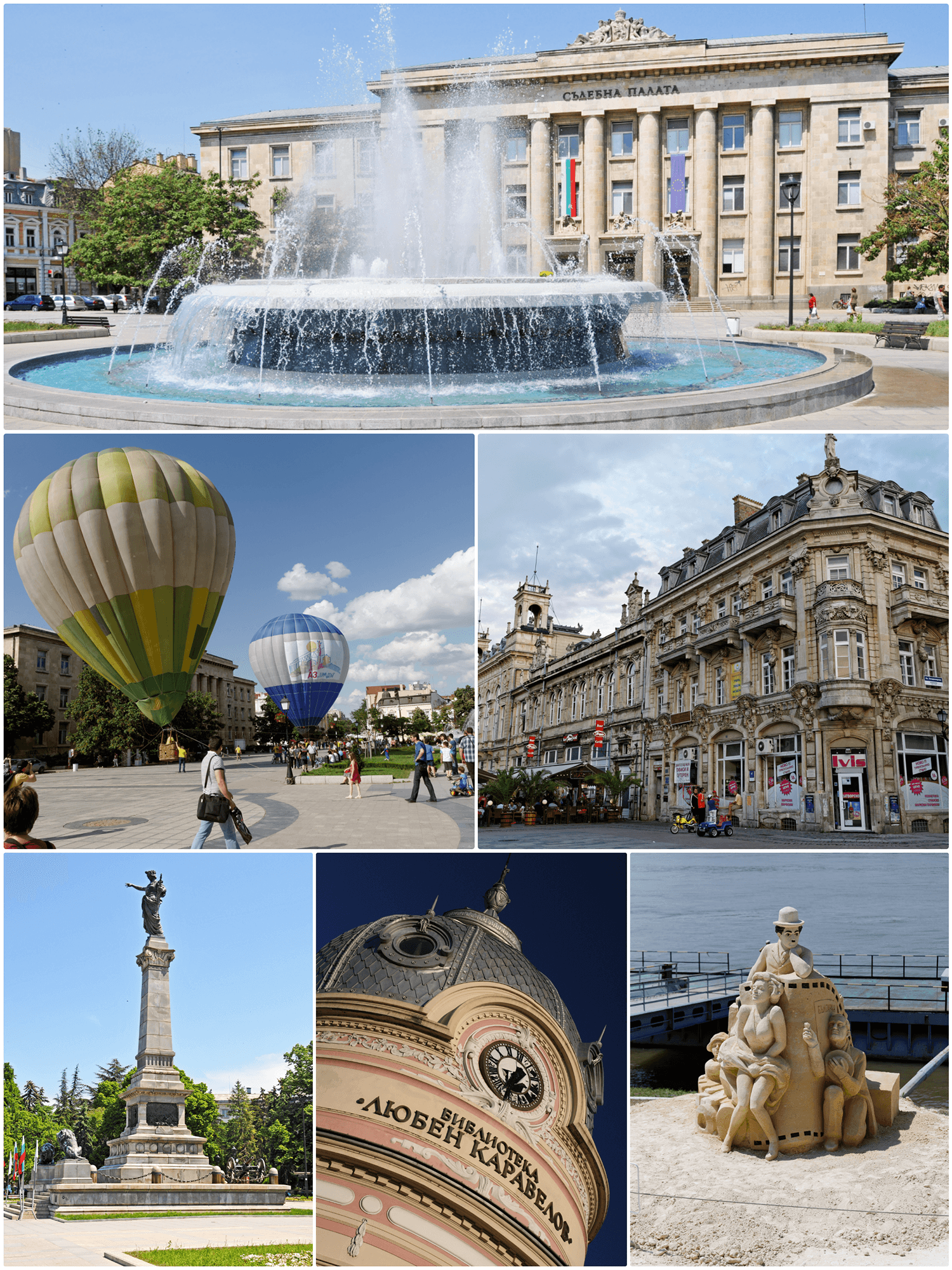
A travel guide to Ruse, Bulgaria's largest Danube port and 'Little Vienna': neo-Baroque architecture, Freedom Square, the Sexaginta Prista Roman fortress, and day trips to the Ivanovo rock churches, Cherven fortress and Basarbovo monastery.

16 July 20266 min read

Frequently asked questions

Where is Sexaginta Prista located?

Sexaginta Prista is located in Ruse, Bulgaria.

How do I get to Sexaginta Prista?

Sexaginta Prista is most easily reached by car. Use the coordinates above to navigate, or open the location in OpenStreetMap or your preferred maps app for turn-by-turn directions. Public transport options vary by region — for remote destinations a rental car gives the most flexibility.

What is the best time to visit Sexaginta Prista?

Sexaginta Prista can be visited year-round. Spring and autumn offer the most pleasant conditions for exploring, with mild temperatures and fewer crowds. Summer is ideal for photography and longer day trips; winter visits are possible but weather can limit access at some sites.

What should I know before visiting Sexaginta Prista?

Most natural landmarks in Bulgaria are freely accessible and open year-round, though some sites have entrance fees or require a guide. Wear sturdy footwear and bring water, as the terrain can be uneven. Respect any protective barriers and stay on marked paths to preserve the site.