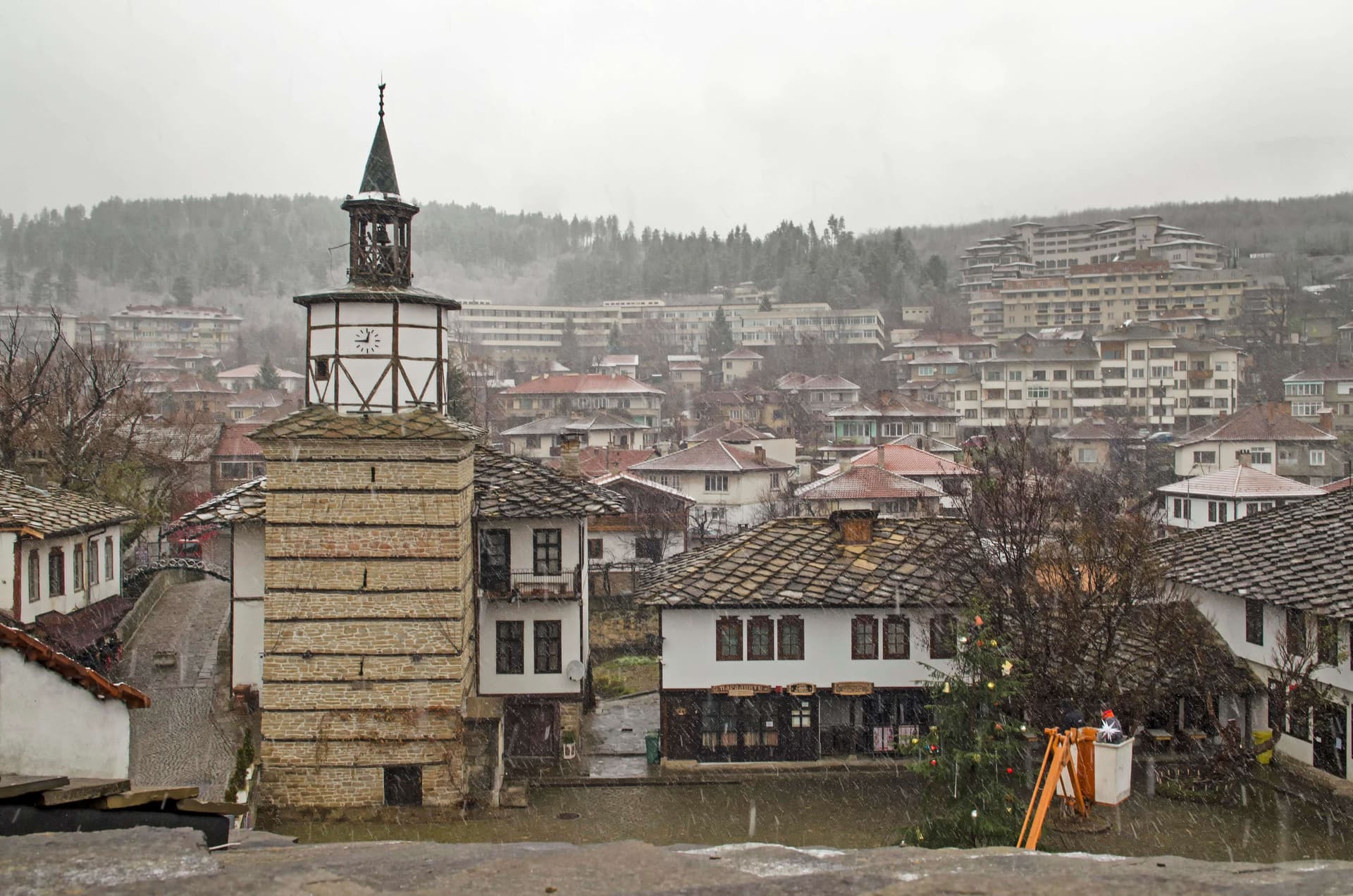
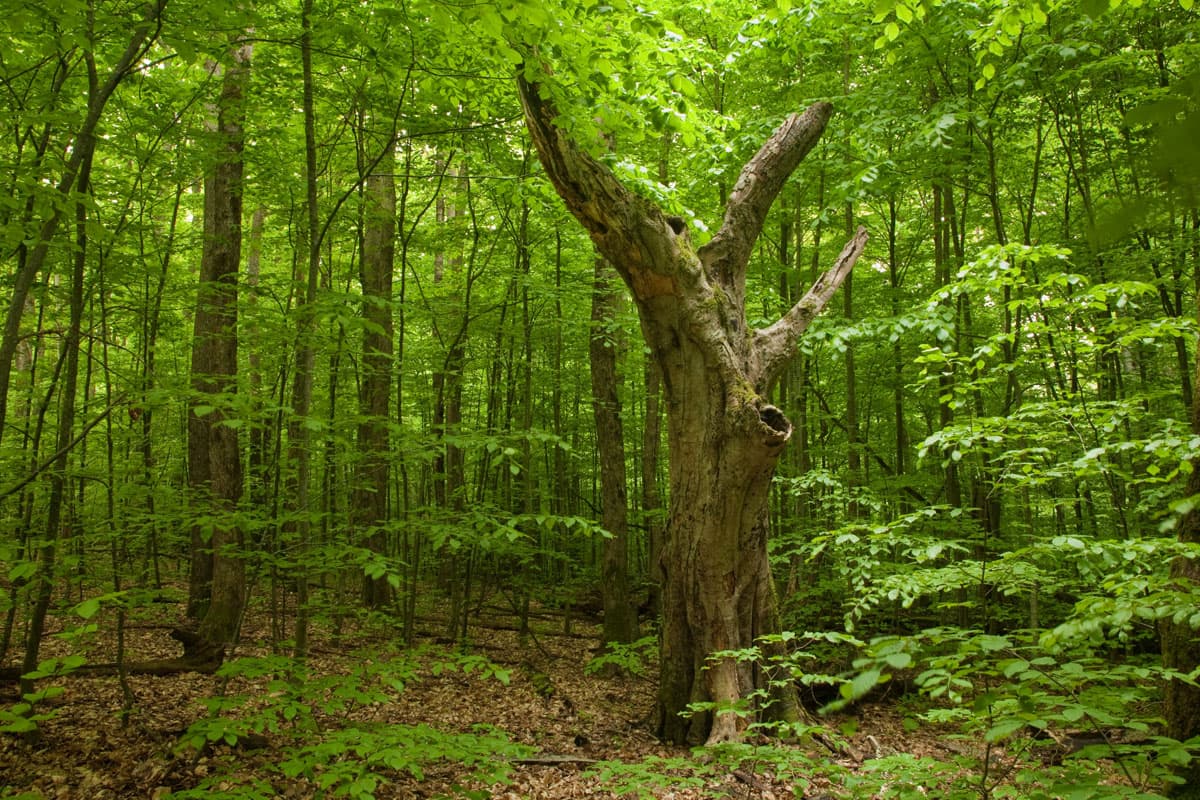
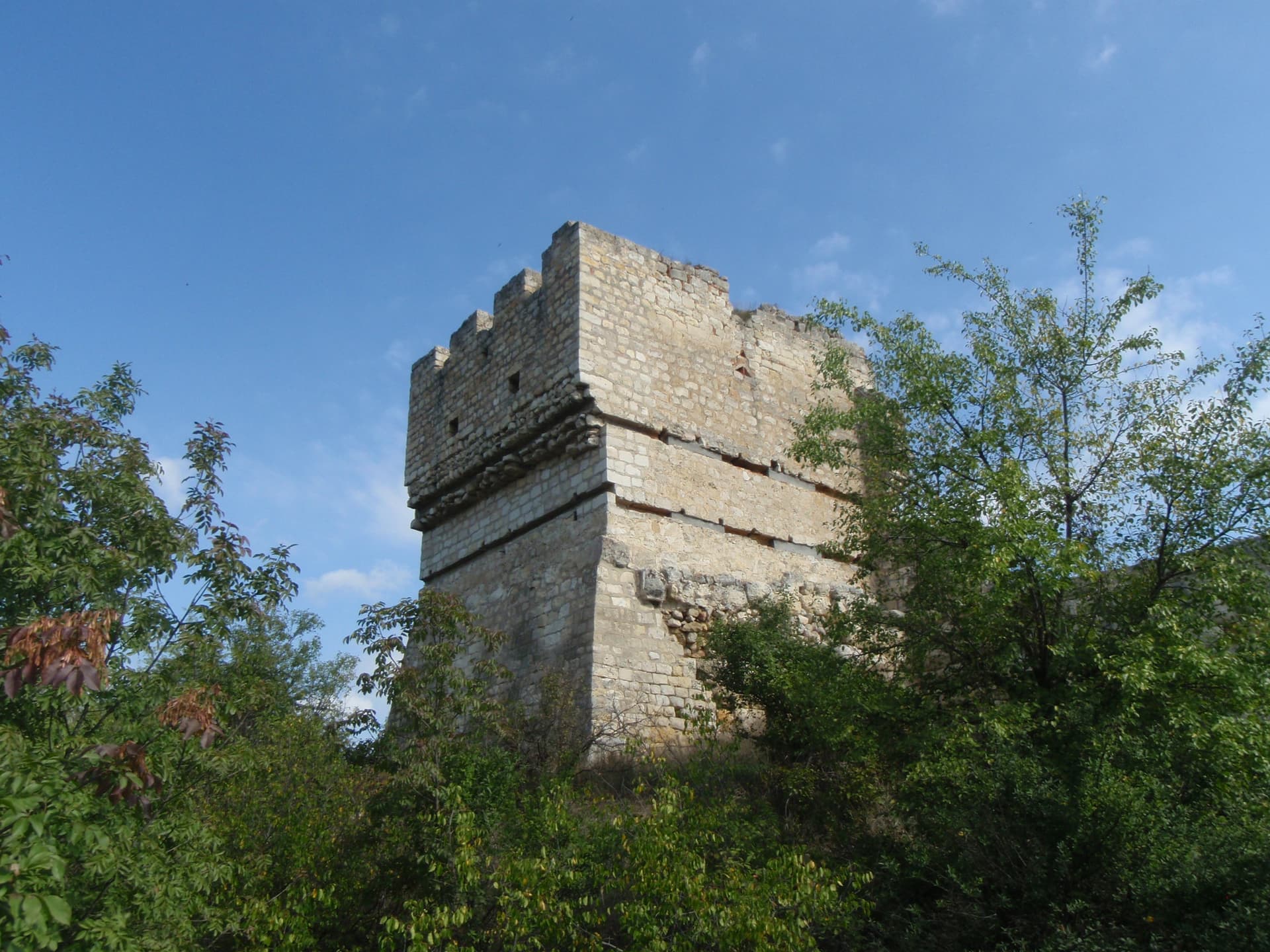
The "Rusenski Lom" Nature Park is one of the most picturesque, ecologically pristine, and historically significant green sanctuaries in Bulgaria. Located in the deeply carved canyon of the Rusenski Lom River (the final right tributary of the Danube), the park lies approximately 20 km south of the city of Ruse. Spanning 3,260 hectares, this protected territory is a unique landscape where breathtaking nature, outstanding biodiversity, and world-renowned cultural heritage sites merge. Geological Origins and Microclimate Millions of Years in the Making: Around 120 million years ago, today's Danubian Plain was the floor of a warm sea. Following the deposition of thick limestone sediment and the subsequent folding of the Earth's crust during the formation of the Alp-Himalayan mountain system, the sea receded. The Cherni, Beli, and Mali Lom rivers began carving deep canyons with sheer vertical limestone cliffs, shaping dozens of caves and karst formations. - A Unique Microclimate: The park experiences a distinct temperature inversion. The winters are milder than in the rest of the Danubian Plain, while the summers are hot. This favorable climate supports the coexistence of various rare species. Exceptional Biodiversity The park's geographical position defines its forest-steppe character, serving as a transitional bridge between the woodlands of Western Europe and the steppe flora of Central Asia: Flora (Plant Life) The territory is dominated by deciduous forests consisting of Turkey oak, Hungarian oak, sessile oak, linden, maple, and flowering ash. The Oriental hornbeam (Carpinus orientalis) is of scientific importance, as this is one of the northernmost points of its distribution. Over 700 species of vascular plants thrive in the meadows, including Bulgarian and Balkan endemics, European feather grass, and the only known habitats of Polygala sibirica and Verbascum dieckianum in Bulgaria. Fauna (Animal Life) - Amphibians and Reptiles: The valley shelters the rare slow worm (legless lizard) and Kotschy's gecko (the only representative of geckos in Bulgaria). - A Haven for Birds: The park is classified as an internationally Important Bird Area. It hosts over 190 bird species (110 of which nest here). The sheer rock niches provide perfect nesting conditions for rare birds of prey and cliff-nesters like the Egyptian Vulture, Golden Eagle, Long-legged Buzzard, Saker Falcon, Eurasian Eagle-Owl, and Black Stork (which, unlike in Central Europe, nests almost exclusively on cliffs in Bulgaria). - Mammals: Out of 90 mammal species in Bulgaria, 70 are found here, including otters and red deer. Crucially, the park is home to 26 of the 29 bat species found in Bulgaria (over 86%), supporting both cave-dwelling and forest-dwelling species. Historical and Cultural Landmarks The canyon of Rusenski Lom has attracted human settlements since the Paleolithic era, leaving behind a rich legacy of Thracian, Roman, Byzantine, and medieval Bulgarian structures. The most prominent cultural monuments within the park's vicinity include: - The Rock-Hewn Churches of Ivanovo (Ivanovo village): A world-famous archaeological reserve designated as a UNESCO World Heritage Site. The rock monastery of "St. Archangel Michael" houses outstanding, highly refined 14th-century frescoes commissioned by Bulgarian Tsars Ivan Alexander and Ivan Asen II. - The Medieval Town of Cherven (Cherven village): A majestic archaeological reserve preserving the ruins of one of the Second Bulgarian Empire's primary military, administrative, and economic centers, featuring a remarkably preserved three-story defensive stone tower. - The Basarbovo Rock Monastery (Basarbovo village): The only actively functioning male rock-cut monastery in Bulgaria, dedicated to the regional patron saint St. Dimitar Basarbovski.
Ruse
5.2 km away

Ruse
7.3 km away

Ruse
8.9 km away
Ruse
11.2 km away
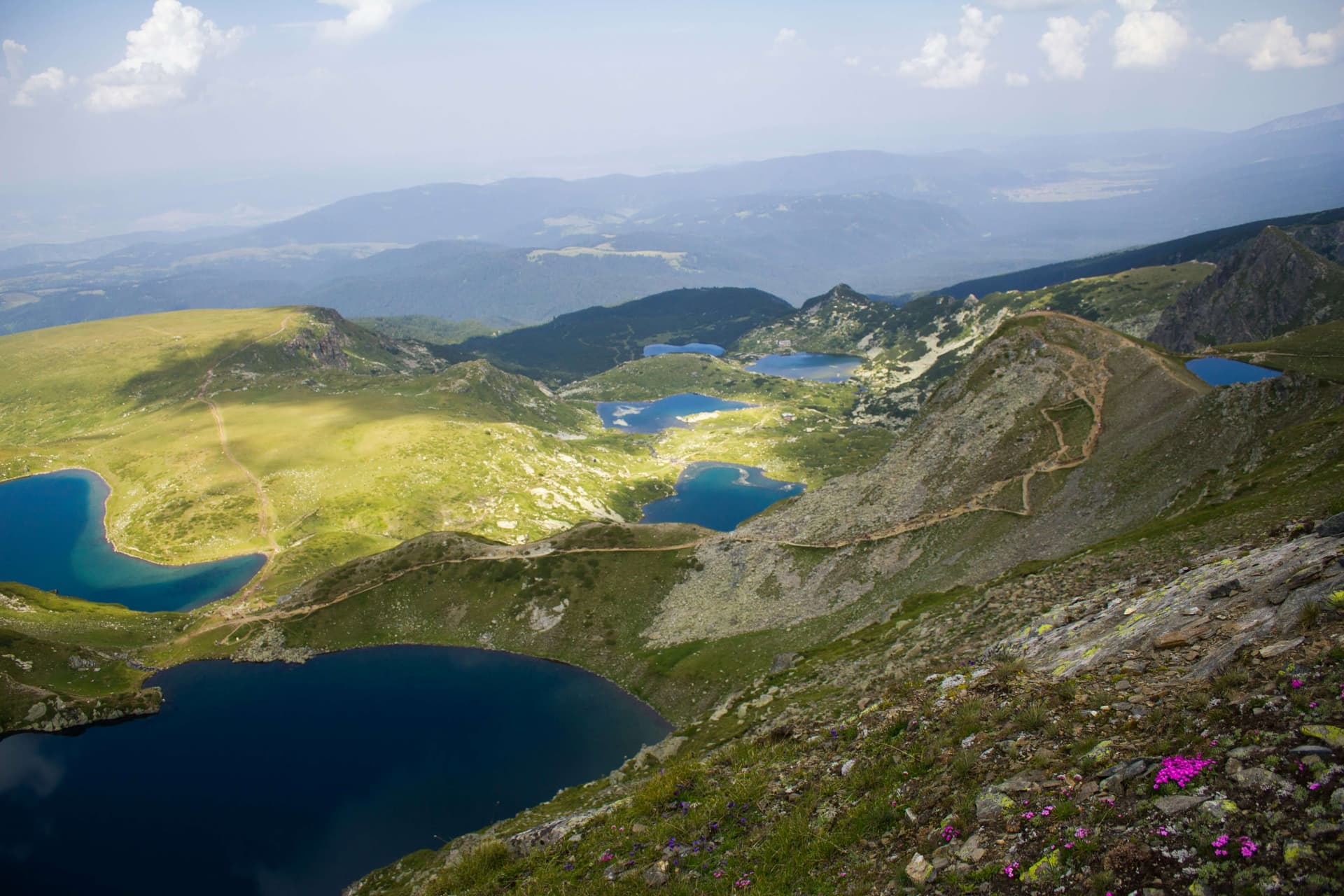
A guide to Bulgaria's three national parks and eleven nature parks — Rila, Pirin, Central Balkan, Vitosha, Vrachanski Balkan, Strandzha, Persina and the rest — what the categories mean and which to visit.
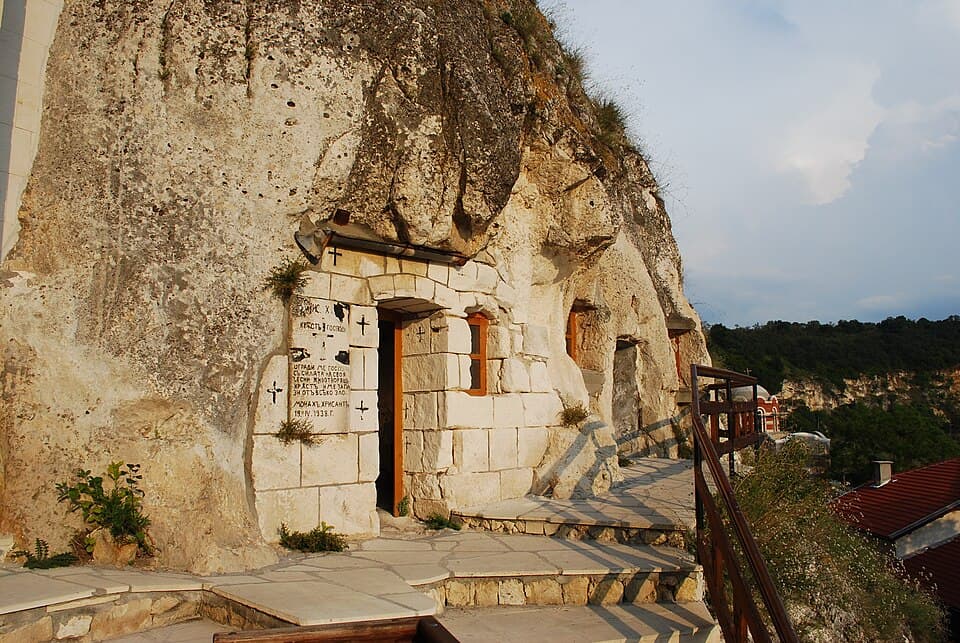
A travel guide to the Rusenski Lom valley south of Ruse: the UNESCO Ivanovo Rock-Hewn Churches and their medieval frescoes, the Cherven fortress, the working Basarbovo rock monastery, and how to combine all three in one day.
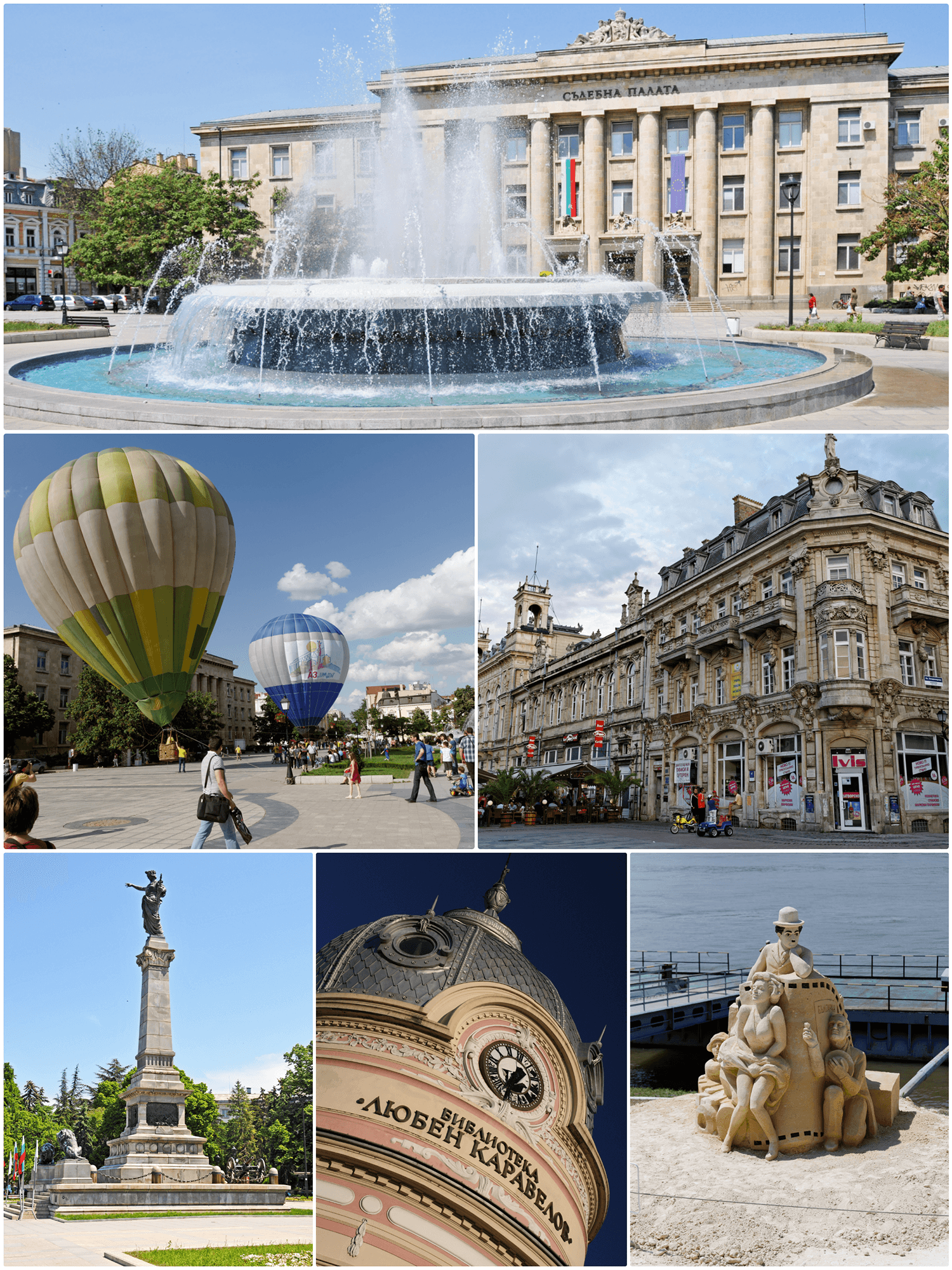
A travel guide to Ruse, Bulgaria's largest Danube port and 'Little Vienna': neo-Baroque architecture, Freedom Square, the Sexaginta Prista Roman fortress, and day trips to the Ivanovo rock churches, Cherven fortress and Basarbovo monastery.
Rusenski Lom Natural Park is located in Ruse, Bulgaria.
Rusenski Lom Natural Park is most easily reached by car. Use the coordinates above to navigate, or open the location in OpenStreetMap or your preferred maps app for turn-by-turn directions. Public transport options vary by region — for remote destinations a rental car gives the most flexibility.
Rusenski Lom Natural Park is best walked from May through October, when the trail is clear of snow and weather is generally stable. Summer middays can be hot at lower altitudes — start early. Winter walking requires proper gear and route knowledge.
Suitability depends on the specific route. Bulgarian trails range from paved family-friendly paths to multi-day high-mountain crossings. Check the length, elevation gain, and surface before setting off. Sturdy footwear, water, and a basic map (offline or paper) are essential even on short walks.