MestalaMestala
HomePlacesMapTripBlogAboutFAQ
EN|БГ

Discover Bulgaria with Mestala.

AboutFAQLicensePrivacy
Cherven Fortress
LandmarksRuse

Cherven Fortress

HomePlacesLandmarksCherven Fortress
Coordinates: 43.62279, 26.02157View on OpenStreetMap

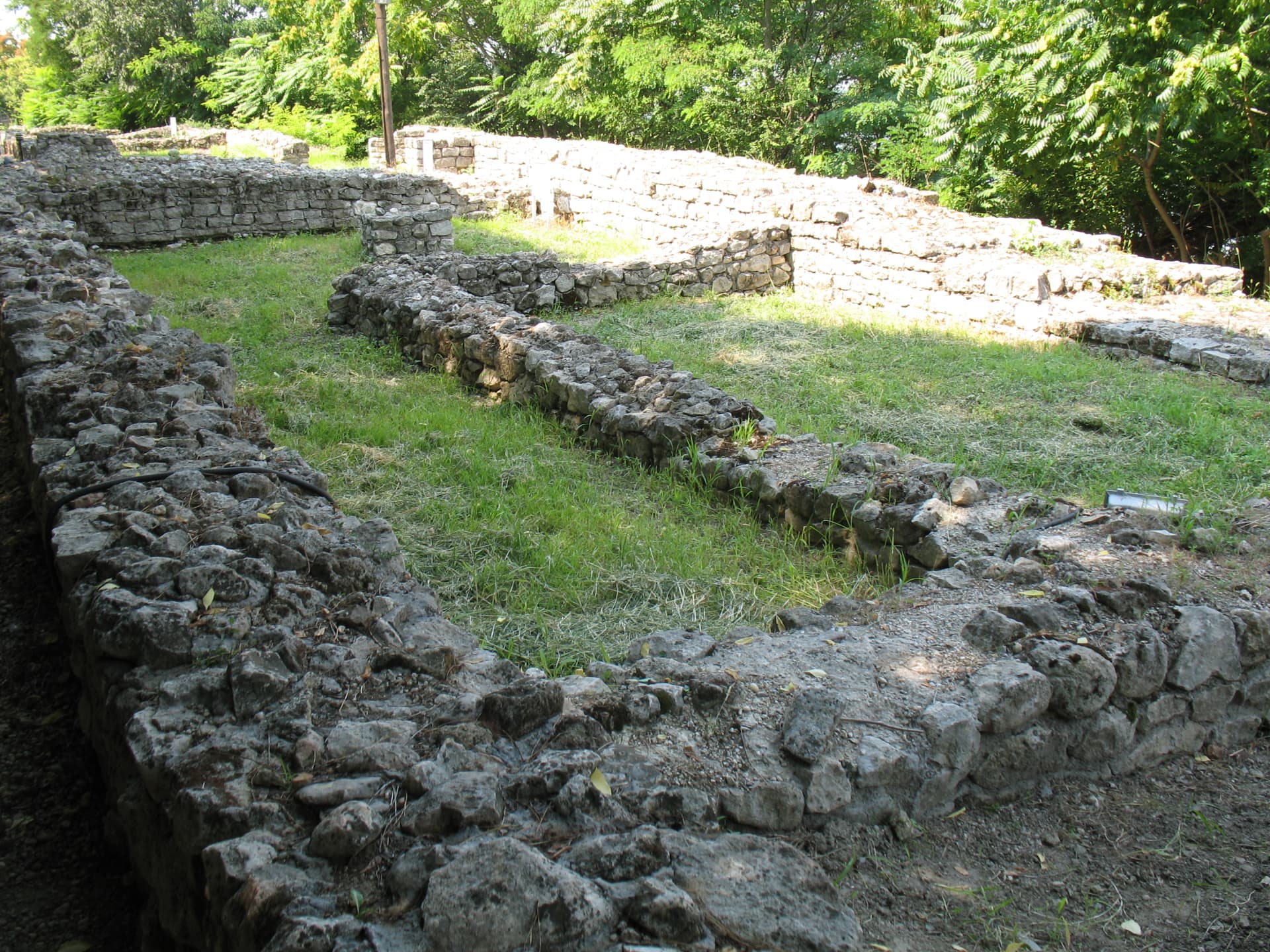
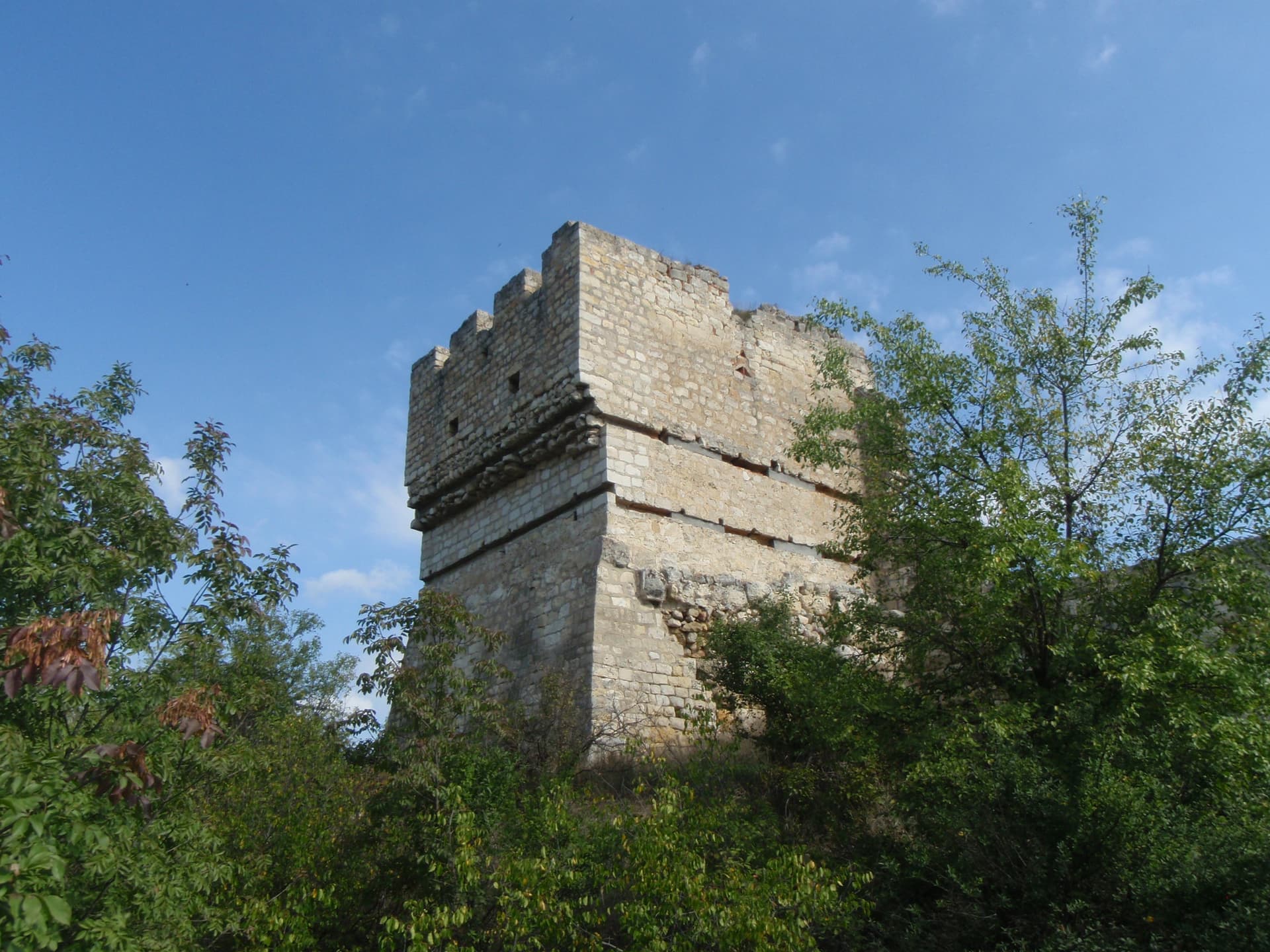
The Medieval Town of Cherven is one of the most prominent, monumental, and thoroughly excavated military, administrative, ecclesiastical, and cultural centers of the Second Bulgarian Empire ($12\text{th}–14\text{th}$ centuries). Perched atop a massive, near-impregnable rocky plateau embraced by a sweeping bend of the Cherni Lom River, this National Archaeological Reserve is located next to the modern village of Cherven, 34 km south of the city of Ruse, within the boundaries of the Rusenski Lom Nature Park. Historical Timeline and Crucial Milestones Cherven’s history is a dramatic saga of growth, destruction, and resilient rebirths: - Early Byzantine Stronghold (6th Century): The site originally hosted an early Byzantine fortress. Following the fall of the First Bulgarian Empire to Byzantium in 1018, the new rulers repaired the existing defensive structures on the ridge, adapting them to their own military standards. - Rise of the Medieval Metropolis: Following the re-establishment of the Bulgarian State, Cherven quickly grew into a primary regional stronghold. In 1235, the town officially became the seat of the influential Metropolitan Bishopric of Cherven. - Calamities and Wars: In 1230, a powerful earthquake caused widespread destruction across Eastern Europe, triggering a massive fire in Cherven. In the spring of 1242, a retreating wing of the Mongol (Tatar) army swept through the Rusenski Lom valley, leaving ruin in its wake. Later in the 13th century, Byzantine general Michael Glabas Tarchaneiotes captured the town during the imperial campaign against the rebel Tsar Ivaylo. - The Golden 14th Century: This era marked Cherven's peak prosperity. The city expanded to over 1.8 sq. km, boasting a highly organized infrastructure. It became a renowned center for trade and specialized craftsmanship, including goldsmithing, iron extraction and metallurgy, masonry, and fine decorative arts. - Ottoman Conquest and Relocation: In the late 14th century, Cherven was conquered and devastated by the Ottoman forces. Historical accounts and local legends suggest that a significant portion of the surviving population migrated to the growing Danube harbor of Ruschuk (modern-day Ruse, originally the site of the Roman fort Sexaginta Prista). Archaeological Revelations and Architecture Systematic research at Cherven began in 1910–1911 under the direction of the celebrated historian Prof. Vasil Zlatarski, with continuous, yearly excavations running from 1961 to the present day. These extensive campaigns have brought to light the sophisticated urban planning of medieval Bulgaria: - The Feudal Castle: The citadel contains a large, heavily fortified residential palace belonging to the local ruler (boyar). - Vibrant Churches: Excavations have uncovered the remains of 16 medieval churches, highlighting Cherven's high religious and metropolitan status. - Underground Water Systems: Archaeologists discovered two unique, rock-cut secret water passages that wound down through the cliffs to the riverbed, securing fresh water during prolonged enemy sieges. - Civic Infrastructure: The site features remains of residential quarters, administrative buildings, craft workshops, and paved stone streets. The Defensive Tower: The undisputed symbol of Cherven is its perfectly preserved three-story defensive stone tower from the 14th century. Its exceptional state of preservation was so remarkable that it served as the direct structural blueprint for the reconstruction of the famous Baldwin’s Tower in Tsarevets (Veliko Tarnovo). Furthermore, its majestic, medieval silhouette was utilized as a visual backdrop in the final episode of Season 5 of the world-famous television series Game of Thrones. Modern Tourism and Heritage Today, Cherven is a designated National Archaeological Reserve with highly developed tourist amenities, including scenic walking trails, solid wooden steps, safety railings, and panoramic platforms that offer breathtaking views of the surrounding canyon. The outstanding treasures recovered from the ruins — including exquisite gold and silver jewelry, coin hoards, weapons, fine sgraffito ceramics, and historical inscriptions — are proudly exhibited in the National Museum of History and the National Archaeological Museum in Sofia, as well as the Regional Historical Museum in Ruse.

Nearby Places

Rusenski Lom Natural Park
Trails

Rusenski Lom Natural Park

Ruse

5.2 km away

Rock-Hewn Churches of Ivanovo
Landmarks

Rock-Hewn Churches of Ivanovo

Ruse

8.8 km away

Mamula
Trails

Mamula

Ruse

12.4 km away

Basarbovo Rock Monastery
Landmarks

Basarbovo Rock Monastery

Ruse

16.6 km away

More to explore

Rock-Hewn Churches of Ivanovo
Landmarks

Rock-Hewn Churches of Ivanovo

Ruse

Basarbovo Rock Monastery
Landmarks

Basarbovo Rock Monastery

Ruse

Sexaginta Prista
Landmarks

Sexaginta Prista

Ruse

Tsarevets
Landmarks

Tsarevets

Veliko Tarnovo

Read more in our travel guides

Ivanovo Rock-Hewn Churches & the Rusenski Lom Valley (UNESCO)

Ivanovo Rock-Hewn Churches & the Rusenski Lom Valley (UNESCO)

A travel guide to the Rusenski Lom valley south of Ruse: the UNESCO Ivanovo Rock-Hewn Churches and their medieval frescoes, the Cherven fortress, the working Basarbovo rock monastery, and how to combine all three in one day.
16 July 20266 min read
Ruse: Bulgaria's 'Little Vienna' on the Danube

Ruse: Bulgaria's 'Little Vienna' on the Danube

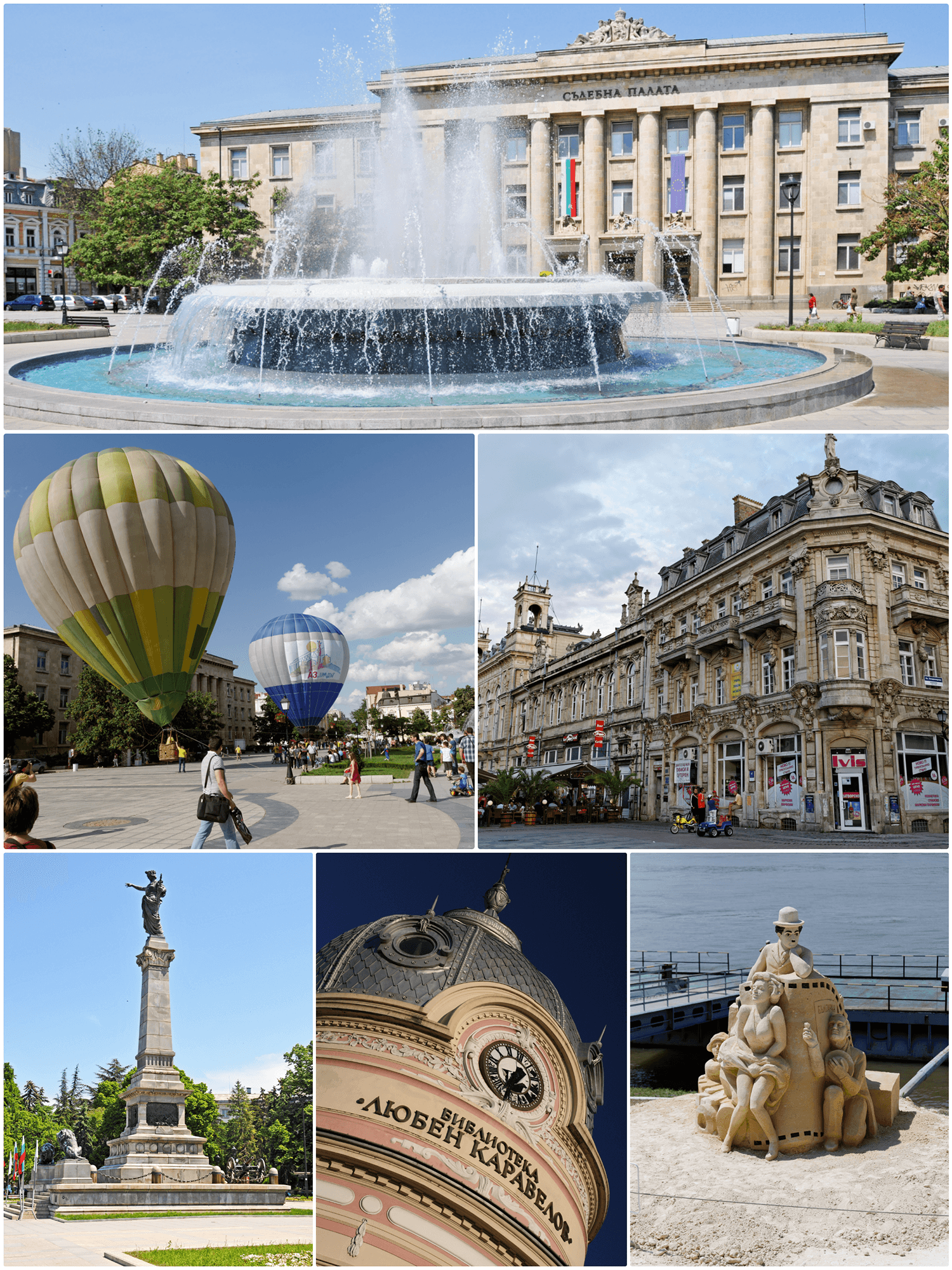
A travel guide to Ruse, Bulgaria's largest Danube port and 'Little Vienna': neo-Baroque architecture, Freedom Square, the Sexaginta Prista Roman fortress, and day trips to the Ivanovo rock churches, Cherven fortress and Basarbovo monastery.

16 July 20266 min read

Frequently asked questions

Where is Cherven Fortress located?

Cherven Fortress is located in Ruse, Bulgaria.

How do I get to Cherven Fortress?

Cherven Fortress is most easily reached by car. Use the coordinates above to navigate, or open the location in OpenStreetMap or your preferred maps app for turn-by-turn directions. Public transport options vary by region — for remote destinations a rental car gives the most flexibility.

What is the best time to visit Cherven Fortress?

Cherven Fortress can be visited year-round. Spring and autumn offer the most pleasant conditions for exploring, with mild temperatures and fewer crowds. Summer is ideal for photography and longer day trips; winter visits are possible but weather can limit access at some sites.

What should I know before visiting Cherven Fortress?

Most natural landmarks in Bulgaria are freely accessible and open year-round, though some sites have entrance fees or require a guide. Wear sturdy footwear and bring water, as the terrain can be uneven. Respect any protective barriers and stay on marked paths to preserve the site.