

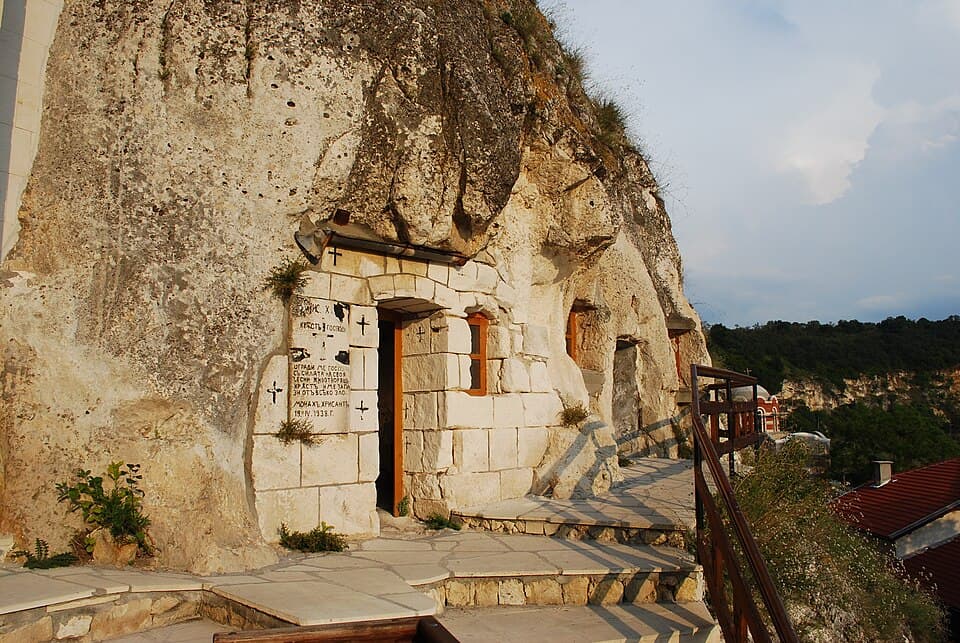
Ivanovo Rock-Hewn Churches & the Rusenski Lom Valley (UNESCO)
In this guide▾
Just south of the Danube, the land around Ruse looks flat and unremarkable — until the Rusenski Lom river cuts a hidden canyon into it, and the cliffs fill with a thousand years of carved and built history. In the space of a short drive you can stand inside 14th-century churches hewn into a vertical rock face, climb to a medieval royal fortress on a river meander, and visit a monastery still worn smooth by monks — the densest cluster of rock-cut heritage in Bulgaria, crowned by the UNESCO-listed Ivanovo Rock-Hewn Churches.
This is a guide to that valley: the three great sites strung along the Lom, and how to see them in a single day. The obvious base is the city at the mouth of the valley — pair this trip with our complete Ruse travel guide.
📍 Orientation: One River, Three Landmarks
Everything here is threaded together by water. The Rusenski Lom Nature Park protects the last stretch of the Rusenski Lom and its tributaries — the Cherni Lom, Beli Lom and Malki Lom — where the rivers have carved deep meanders and sheer limestone walls into the plateau. Those walls are the reason for everything else: caves and ledges that medieval monks turned into churches, and rocky spurs that kings turned into fortresses. The three headline sites — Basarbovo, Ivanovo and Cherven — all sit within about 25 km of one another, south of Ruse.

🚗 Getting There
| From | Distance | Driving time |
|---|---|---|
| Ruse → Basarbovo | ~10 km | ~20 min |
| Ruse → Ivanovo | ~20 km | ~25 min |
| Ruse → Cherven | ~35 km | ~40 min |
| Veliko Tarnovo → valley | ~90 km | ~1 h 20 min |
The valley is an easy day trip from Ruse and a natural detour off the Ruse–Veliko Tarnovo road. There is no single bus that stitches the three sites together, so a car is by far the best way to do the loop; without one, Ivanovo village and Basarbovo are the most reachable by public transport, while Cherven is hard to reach without your own wheels. Base yourself in the city — the Ruse guide covers where to stay and eat.
⛪ The Ivanovo Rock-Hewn Churches
The valley's masterpiece — and the reason it carries a UNESCO inscription — is the Ivanovo Rock-Hewn Churches, a monastic complex carved directly into the cliffs high above the Rusenski Lom. It was founded in the early 13th century by the monk Joachim — later the first Patriarch of Tarnovo — with the support of Tsar Ivan Asen II. Over the following centuries monks cut churches, chapels and cells into the vertical rock, creating a spiritual eyrie reached only by narrow paths and steps; the monastery was finally abandoned in the 18th century.
What makes Ivanovo world-class is the painting. The surviving 14th-century frescoes — especially in the Church of the Holy Mother of God, known simply as Tsarkvata (the "Church") — are among the finest examples of medieval Bulgarian art, painted by Tarnovo masters in the time of Tsar Ivan Alexander, whose donor portrait survives on its walls, and remarkable for their expressive faces, movement and colour after seven centuries on exposed rock. UNESCO added the site to its World Heritage list in 1979.
Practical note: the churches sit about 3 km east of the village of Ivanovo. The free car park is down on the flat below the cliff, and from there you walk and climb up to the rock terrace — wear proper shoes and allow time for the ascent and the views back down the canyon. The main church is the part open to regular visits; the other churches and chapels of the complex can only be seen by prior arrangement with the Ruse Regional History Museum, which runs the site.
Hours: every day, 09:00–18:00, with no day off.
| Ticket | Price |
|---|---|
| Adults | €5 |
| Pupils, students, pensioners | €2.50 |
| Groups of more than five (per person) | €3 |
| EURO 26 youth card holders | €2 |
| Guided talk in Bulgarian / in English | €7.50 / €12.50 |
Prices checked September 2026; they can change.

🏰 Cherven Fortress
Further up the Cherni Lom, the Cherven Fortress crowns a dramatic rocky meander almost encircled by the river. In the 12th to 14th centuries this was one of the most important military, administrative and religious centres of the Second Bulgarian Empire — a walled town of churches, workshops and noble houses, and from 1235 the seat of a metropolitan bishop. Excavations have uncovered 16 churches.
Today the ruins spread across the spur in layers of foundations and walls, but the landmark is the restored 14th-century tower, one of the best-preserved pieces of Bulgarian military architecture from the period. Walking the site takes in wide views over the loop of the river below. Parking below the fortress is free.
Visiting: open every day, 09:00–18:00, with no day off. Entry is €5 for adults, €2.50 for pupils, students and pensioners, €3 each in groups of more than five and €2 with a EURO 26 card; a guided talk costs €7.50 in Bulgarian and €12.50 in English (checked September 2026).
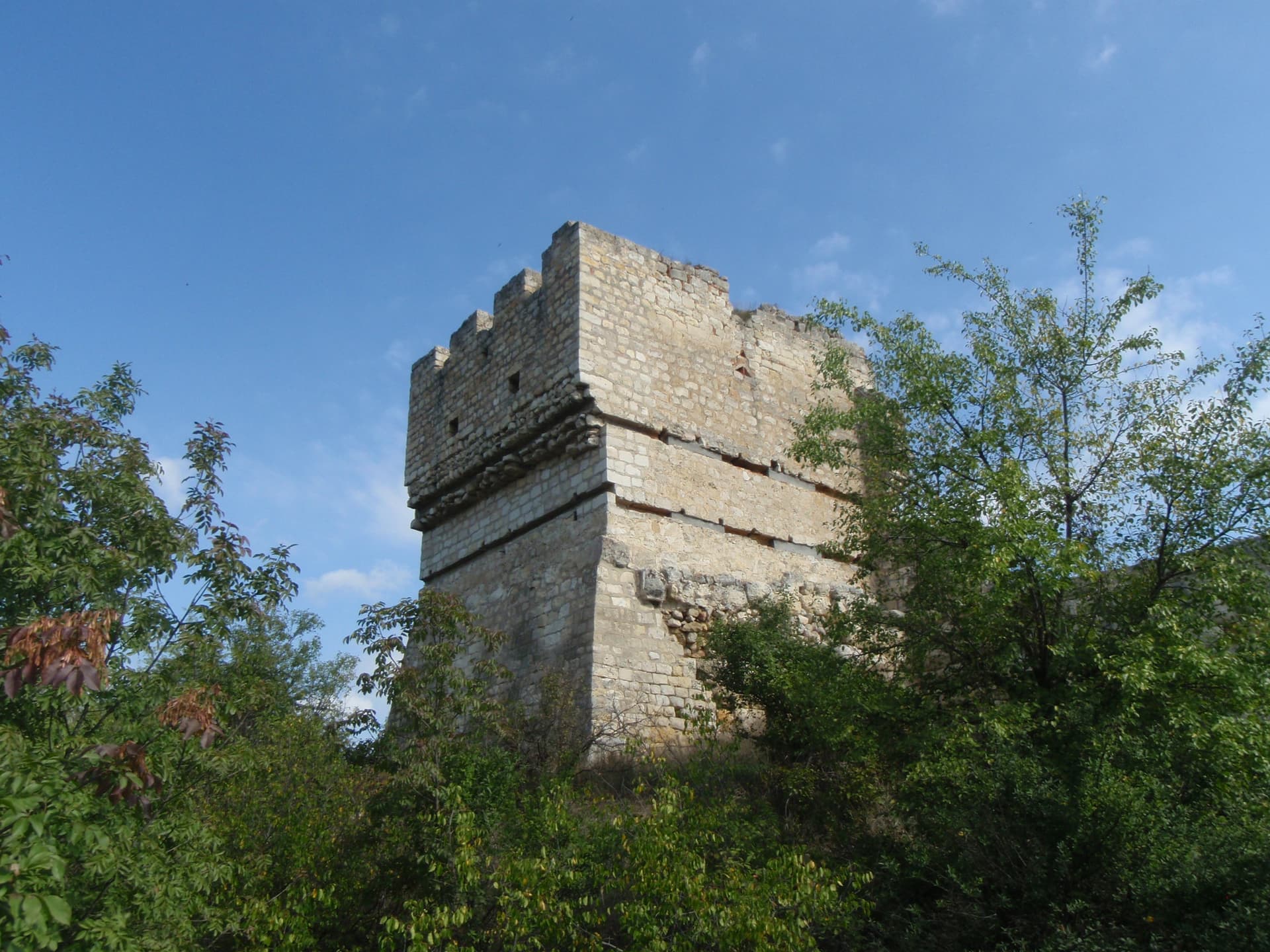
⛪ Basarbovo Rock Monastery
Closest to Ruse, the Basarbovo Rock Monastery is the gentlest of the three stops — and a rare one: it is one of only two functioning rock monasteries in Bulgaria (the other is Razboyna), still home to monastic life. Dedicated to St. Dimitar Basarbovski, it is dug into the cliff on the bank of the Rusenski Lom, with chapels, cells, a holy spring and staircases carved into the rock climbing to viewpoints above.
Because it's active and easy to reach, Basarbovo makes the ideal first or last stop of the day — quieter and more intimate than the big-name sites, and a reminder that this tradition of living in the rock never entirely ended.
Visiting: open 08:00–19:00 from April to September and 08:00–17:00 from October to March. Entry is €2, the monks' talks are free, and so is the car park (checked September 2026).

🌿 The Nature Park Itself
Beyond the monuments, the Rusenski Lom is a genuine nature reserve. Its cliffs are a stronghold for birds of prey — Egyptian vultures, eagles and falcons ride the thermals over the gorge — and the caves, oak woods and river bends shelter a rich mix of wildlife. Marked trails follow the canyon between the villages, and the calm river stretches draw the occasional kayak. Even without the churches and fortresses, the landscape alone would justify the drive.
🗺️ Doing It as a Day Loop
From Ruse, the natural circuit is Basarbovo → Ivanovo → Cherven (or the reverse), a compact triangle you can complete comfortably in a day:
- Start early to beat the midday heat on the exposed rock terraces.
- Allow around an hour at each site, plus the climbs at Ivanovo and Cherven.
- Bring water and sturdy shoes; there's little shade at the churches and the fortress.
- Late spring to early autumn is the sweet spot — green canyon, dry trails, active raptors.
Cap the day back in the city with dinner on the riverfront — see the Ruse travel guide for the where and when.
A flat plateau, a hidden river, and a thousand years of people carving their faith and power straight into the rock — the Rusenski Lom is northern Bulgaria's quiet masterpiece. Base yourself in Ruse, follow the canyon south, and keep exploring with Mestala.com.
This guide covers 4 places
Want more Mestala in your Google results?
Add mestala.com as a preferred source and our guides will show up more often when you search. Requires a Google account.
Frequently Asked Questions
Where is the Rusenski Lom valley and how do you get there?▾
The valley cuts through the plateau 10 to 35 km south of Ruse in northeastern Bulgaria, following the Rusenski Lom river and its tributaries. The Ivanovo churches, Cherven fortress and Basarbovo monastery all lie along it. Ruse is the natural base — about 20 minutes to Basarbovo, 25 to Ivanovo and 40 to Cherven. A car makes the day loop far easier than public transport.
What are the Ivanovo Rock-Hewn Churches?▾
A complex of chapels, churches and cells carved into the vertical cliffs above the Rusenski Lom, about 3 km from the village of Ivanovo. The monk Joachim founded it in the early 13th century with the support of Tsar Ivan Asen II. It is famous for its remarkably well-preserved 14th-century frescoes, from the time Tsar Ivan Alexander was its patron — his donor portrait survives in the main church — and has been a UNESCO World Heritage Site since 1979.
Can you visit all three sites in one day?▾
Yes — Basarbovo, Ivanovo and Cherven sit within a compact triangle south of Ruse and make an excellent single day loop from the city. Start early, allow around an hour at each, and budget for the walk up to the Ivanovo churches and around the Cherven ruins, both of which involve some climbing.
How much does it cost to visit the Ivanovo churches and Basarbovo?▾
The Ivanovo Rock-Hewn Churches cost €5 for adults and €2.50 for pupils, students and pensioners, or €3 each in groups of more than five; a guided talk is €7.50 in Bulgarian and €12.50 in English. Cherven Fortress costs €5 for adults and €2.50 for pupils, students and pensioners. Basarbovo Monastery charges €2, and its talks are free. Parking is free at all three sites (checked September 2026).
Is Basarbovo Rock Monastery still active?▾
Yes. Basarbovo is one of only two functioning rock monasteries in Bulgaria (the other is Razboyna), carved into the cliff and still home to monastic life. It's dedicated to St. Dimitar Basarbovski and is an easy, atmospheric stop just south of Ruse, with a spring, chapels and stairs cut into the rock.
What is Cherven Fortress?▾
Cherven was one of the most important military, administrative and religious centres of the Second Bulgarian Empire in the 12th to 14th centuries. Its ruins spread across a rocky meander of the Cherni Lom, where excavations have uncovered 16 churches, and its restored 14th-century tower is one of the best-preserved pieces of medieval Bulgarian military architecture.
When is the best time to visit the valley?▾
Late spring through early autumn is ideal, when the canyon is green, the trails are dry and the resident and migrating raptors are active over the cliffs. Summer can be hot on the plateau, so start early. The sites are quietest on weekday mornings.
You might be interested in
Dryanovo Monastery & Bacho Kiro Cave
A guide to the Dryanovo Monastery and the Bacho Kiro cave in the Andaka gorge: the nine-day siege of 1876, the cave's two lit routes, the 45,000-year-old human remains found inside, and how to walk the gorge trails.
Belogradchik Rocks & Fortress: NW Bulgaria's Wonder
A guide to the Belogradchik Rocks and Fortress: how to get there, what to see, the Magura Cave, parking, family tips, distances and where to stay.
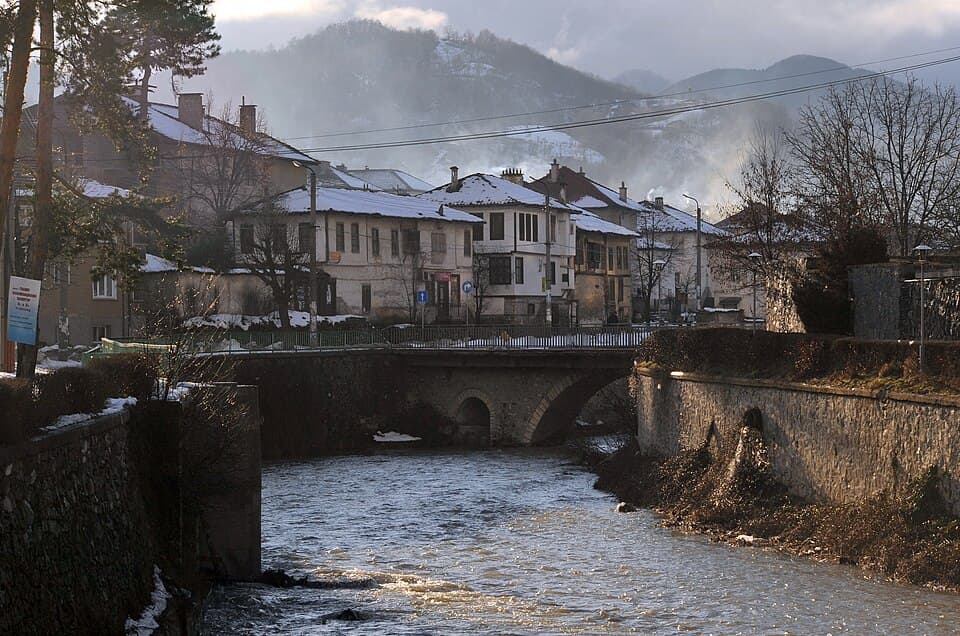
Devin and Zlatograd Weekend: Rhodope Spa Towns, Struilitsa and Old Zlatograd
A Rhodope spa weekend: Devin's mineral water and the Struilitsa eco-trail, Zlatograd's ethnographic complex and Revival quarter, with Trigrad and Yagodina nearby.
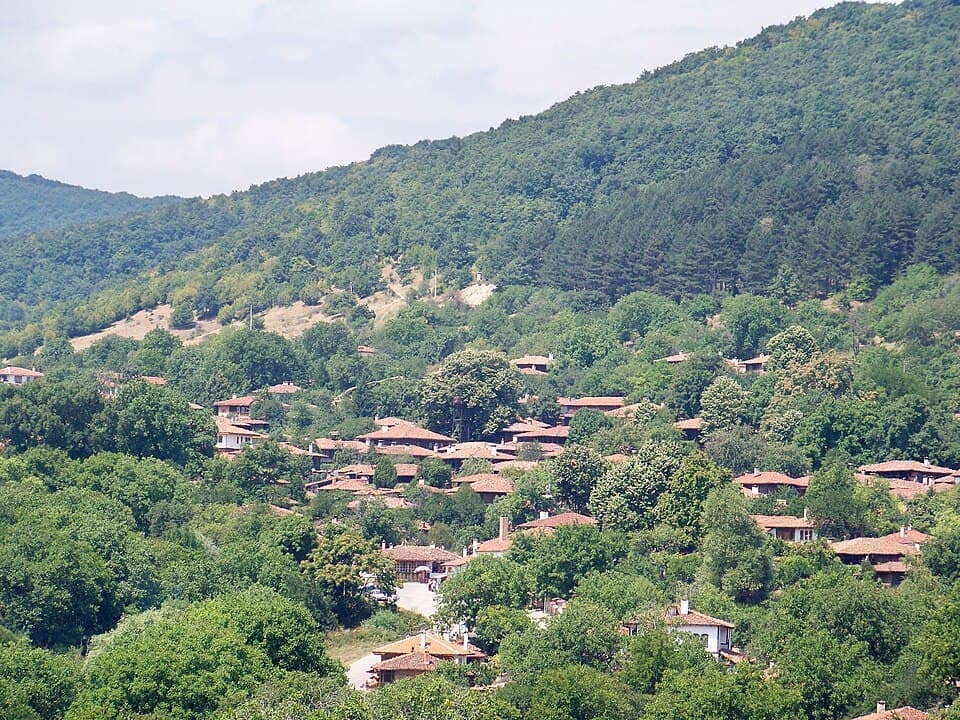
Kotel and Zheravna Weekend: Revival Houses, Kotel Carpets and Medven
A winter weekend in Kotel and Zheravna: Rakovski's Pantheon, Kotel carpets and the natural history museum, Zheravna's 200 wooden houses and Medven — getting there from Burgas and Varna.