The Rock-Hewn Churches of Ivanovo represent one of the most magnificent and globally acclaimed monuments of medieval Bulgarian art, culture, and spirituality. Nestled in the dramatic limestone canyon of the Rusenski Lom River, about 18 km south of the city of Ruse and near the village of Ivanovo, this extraordinary complex is designated as a UNESCO World Heritage Site (one of only 10 such sites in Bulgaria). Unlike traditional monasteries consisting of a central church and living quarters, Ivanovo features a unique cluster of small, hand-carved rock churches, chapels, and hermit cells hollowed out at various heights in the sheer cliffs.
The monastery was established in the early 13th century under the name "St. Archangel Michael" by the devout monk Joachim, who was later chosen as the first Patriarch of Tarnovo. In 2021, the complex celebrated its 800th anniversary with a solemn liturgy led by Metropolitan Naum of Ruse.
The rock-cut temples preserve highly refined frescoes from the 13th and 14th centuries, painted by master artists of the Tarnovo Artistic School. Their expressive realism, anatomical precision, and emotional depth have earned the Ivanovo Churches global renown. The cavern walls also feature numerous medieval inscriptions and graffiti, including the famous historical text by Ivo Gramatik.
Managed as an open-air museum by the Regional Historical Museum of Ruse, the complex comprises six primary archaeological sites:
Through a successful partnership between the Ruse Historical Museum and the Holy Metropolis of Ruse, spiritual life has returned to these ancient rock walls through periodic religious services:

Ruse region
7.8 km away
Ruse region
8.8 km away

Ruse region
8.9 km away

Ruse region
11.9 km away
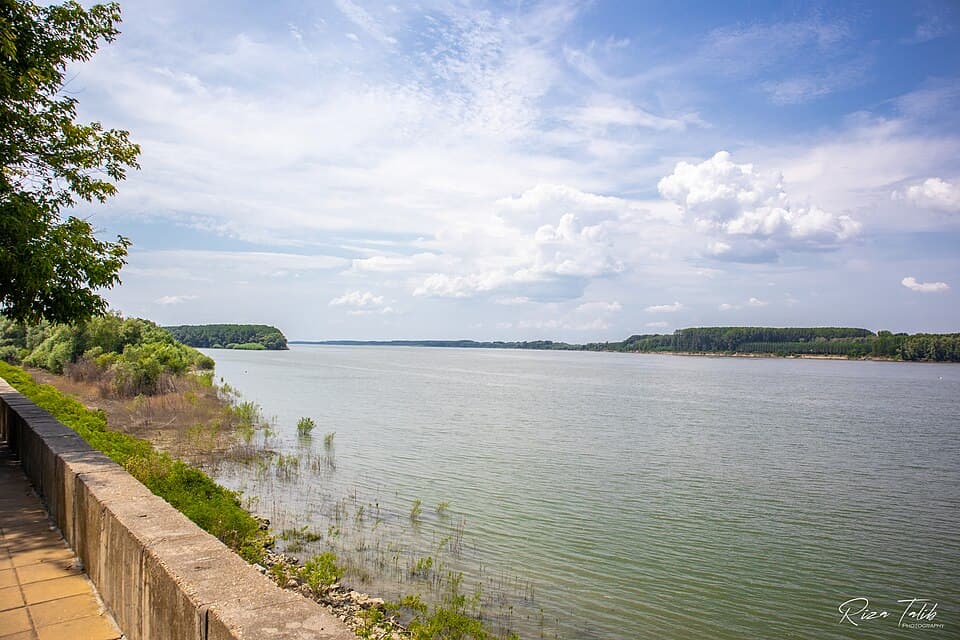
A weekend in Tutrakan: the Fishermen's Quarter and the Danube fishing museum, the 1916 military cemetery, Danube fish — and Srebarna and Silistra for day two.
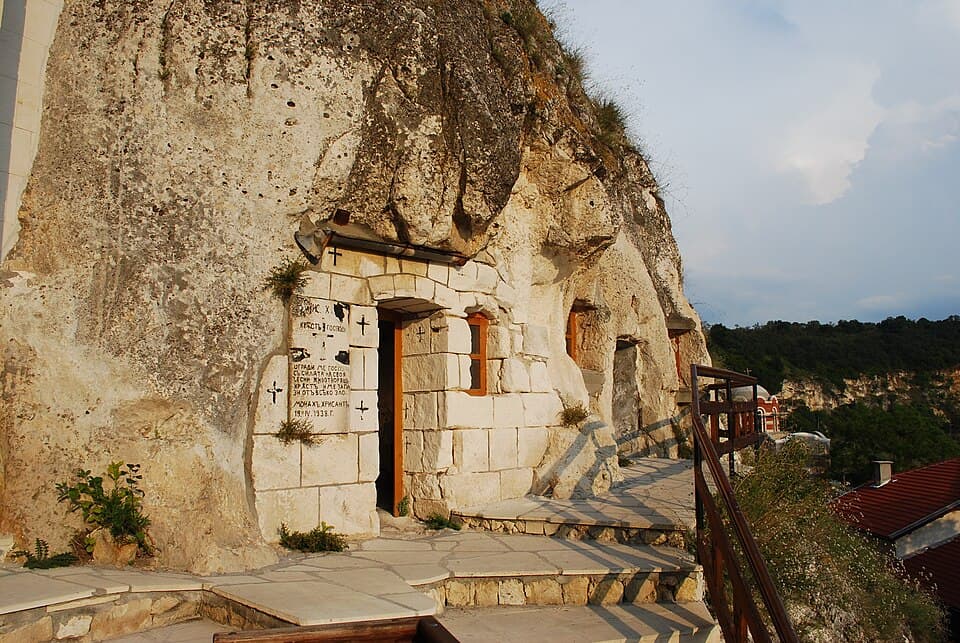
A travel guide to the Rusenski Lom valley south of Ruse: the UNESCO Ivanovo Rock-Hewn Churches and their medieval frescoes, the Cherven fortress, the working Basarbovo rock monastery, and how to combine all three in one day.
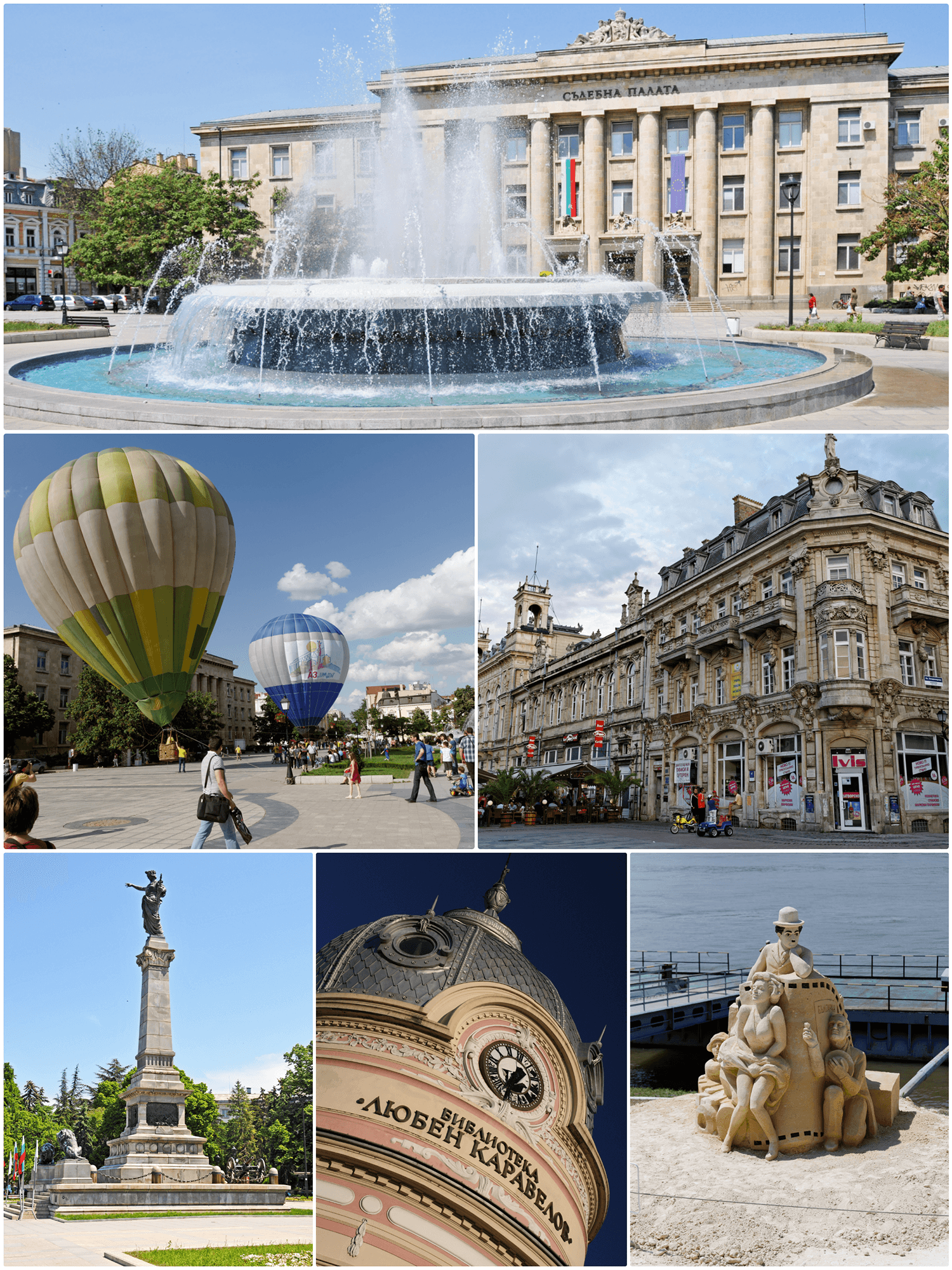
A travel guide to Ruse, Bulgaria's largest Danube port and 'Little Vienna': neo-Baroque architecture, Freedom Square, the Sexaginta Prista Roman fortress, and day trips to the Ivanovo rock churches, Cherven fortress and Basarbovo monastery.
Rock-Hewn Churches of Ivanovo is located in Ruse, Bulgaria.
Rock-Hewn Churches of Ivanovo is most easily reached by car. Use the coordinates above to navigate, or open the location in OpenStreetMap or your preferred maps app for turn-by-turn directions. Public transport options vary by region — for remote destinations a rental car gives the most flexibility.
Rock-Hewn Churches of Ivanovo can be visited year-round. Spring and autumn offer the most pleasant conditions for exploring, with mild temperatures and fewer crowds. Summer is ideal for photography and longer day trips; winter visits are possible but weather can limit access at some sites.
Most natural landmarks in Bulgaria are freely accessible and open year-round, though some sites have entrance fees or require a guide. Wear sturdy footwear and bring water, as the terrain can be uneven. Respect any protective barriers and stay on marked paths to preserve the site.