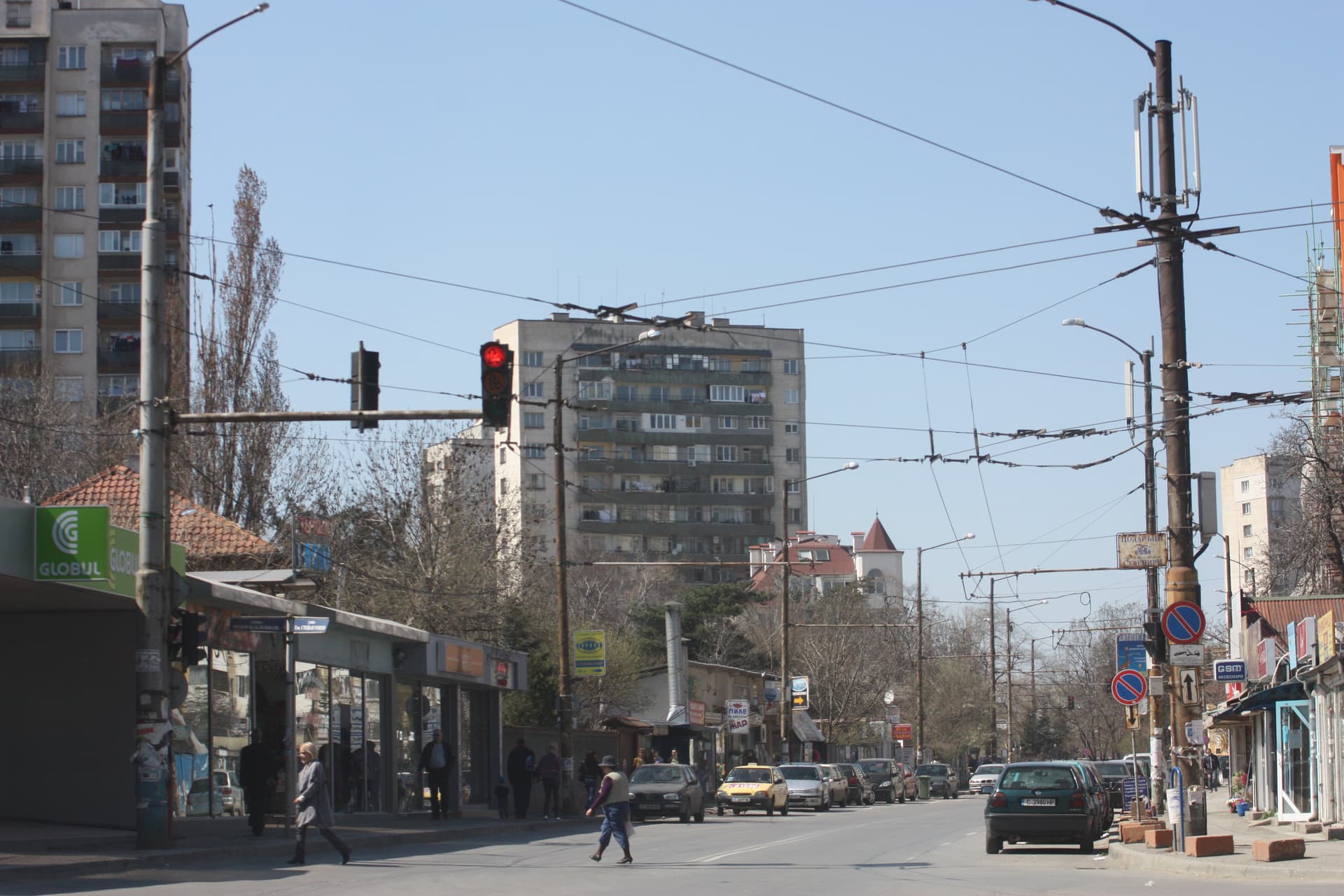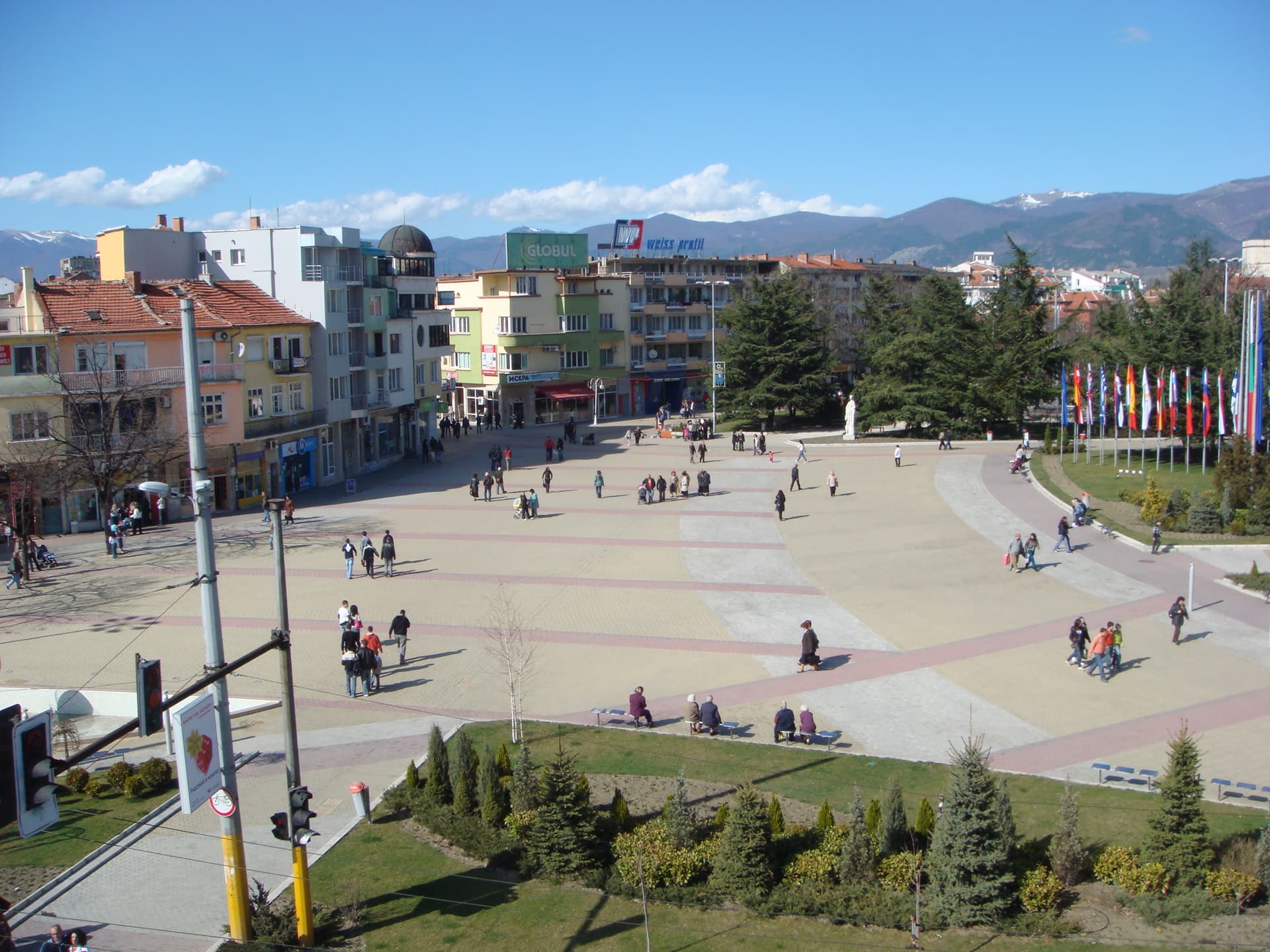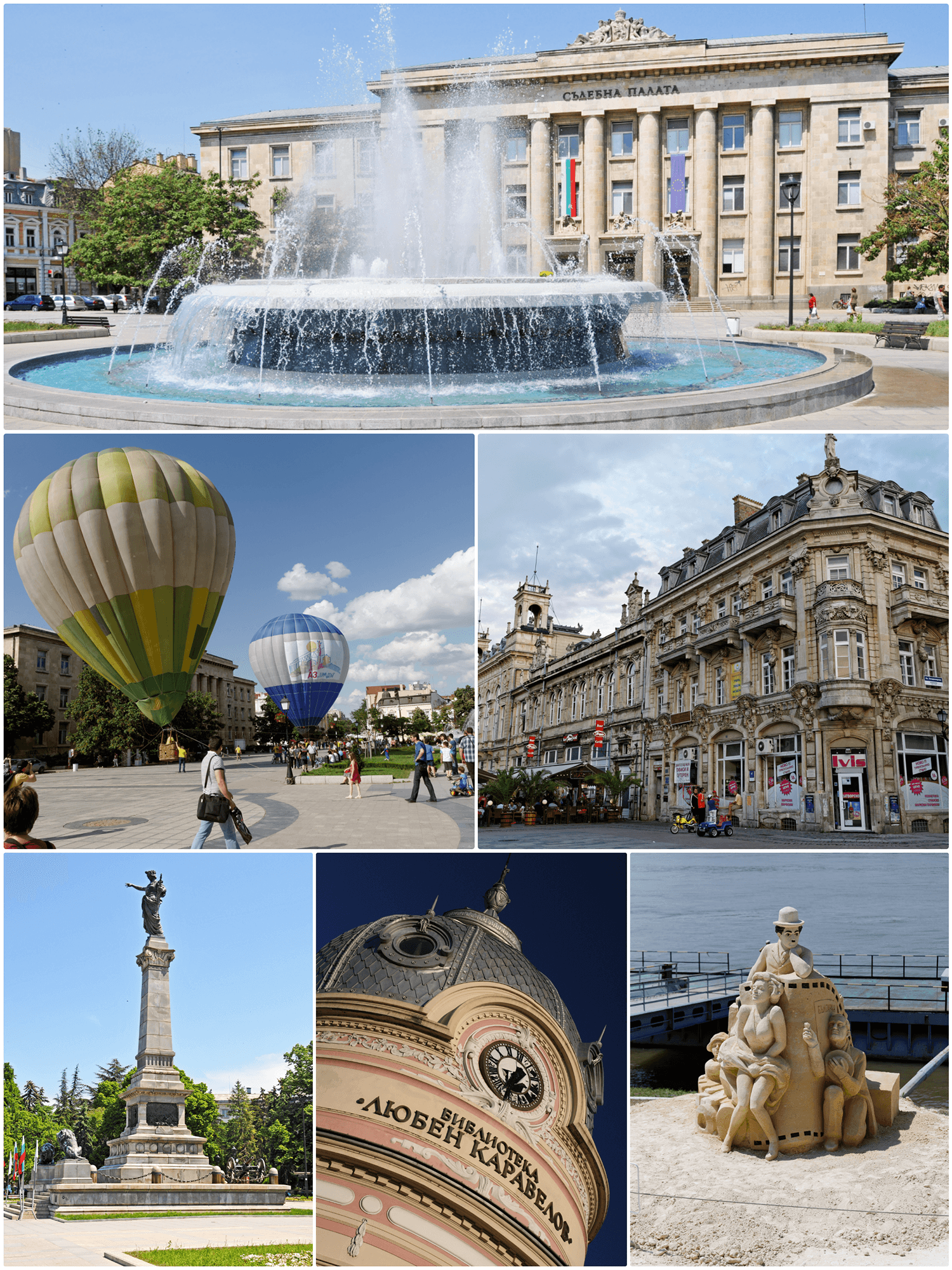
The city of Ruse is the largest Bulgarian settlement along the banks of the Danube River and the fifth-largest city in the country. Located on the northeastern border with Romania, Ruse serves as a vital administrative, industrial, and logistical hub for both Bulgaria and Southeastern Europe. The presence of the country’s first bridge over the Danube (Danube Bridge) and its position along the Pan-European Transport Corridor 7 provide excellent opportunities for commercial, freight, and cruise shipping. The city is situated 313 kilometers from the capital Sofia and only 73 kilometers from the Romanian capital Bucharest. Bearing the proud motto City of the Free Spirit, Ruse captivates visitors with its cosmopolitan atmosphere, rich European culture, and aristocratic charm.
Ruse region
0.8 km away

Ruse region
9.1 km away

Ruse region
24.1 km away
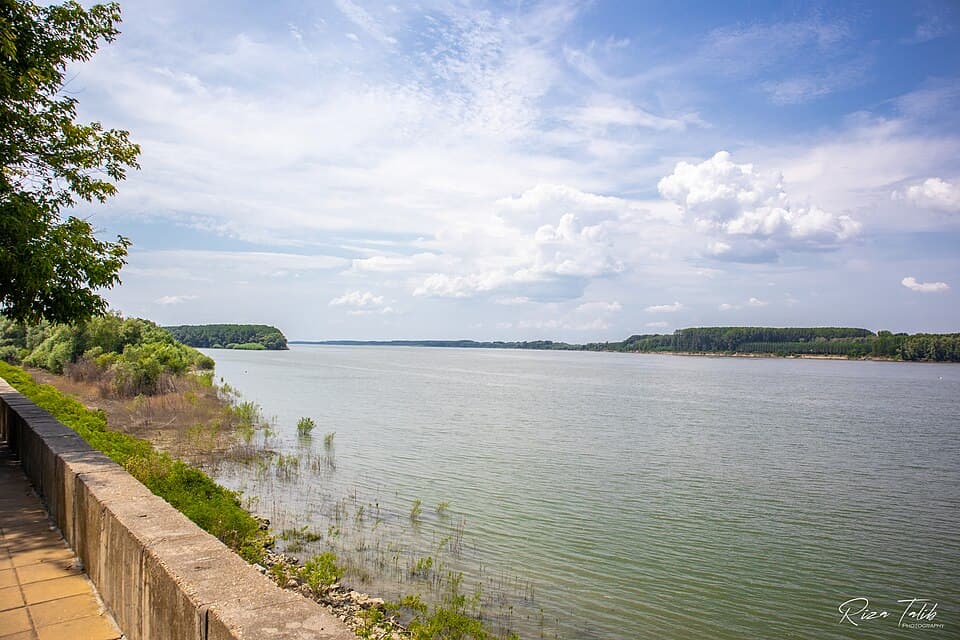
A weekend in Tutrakan: the Fishermen's Quarter and the Danube fishing museum, the 1916 military cemetery, Danube fish — and Srebarna and Silistra for day two.
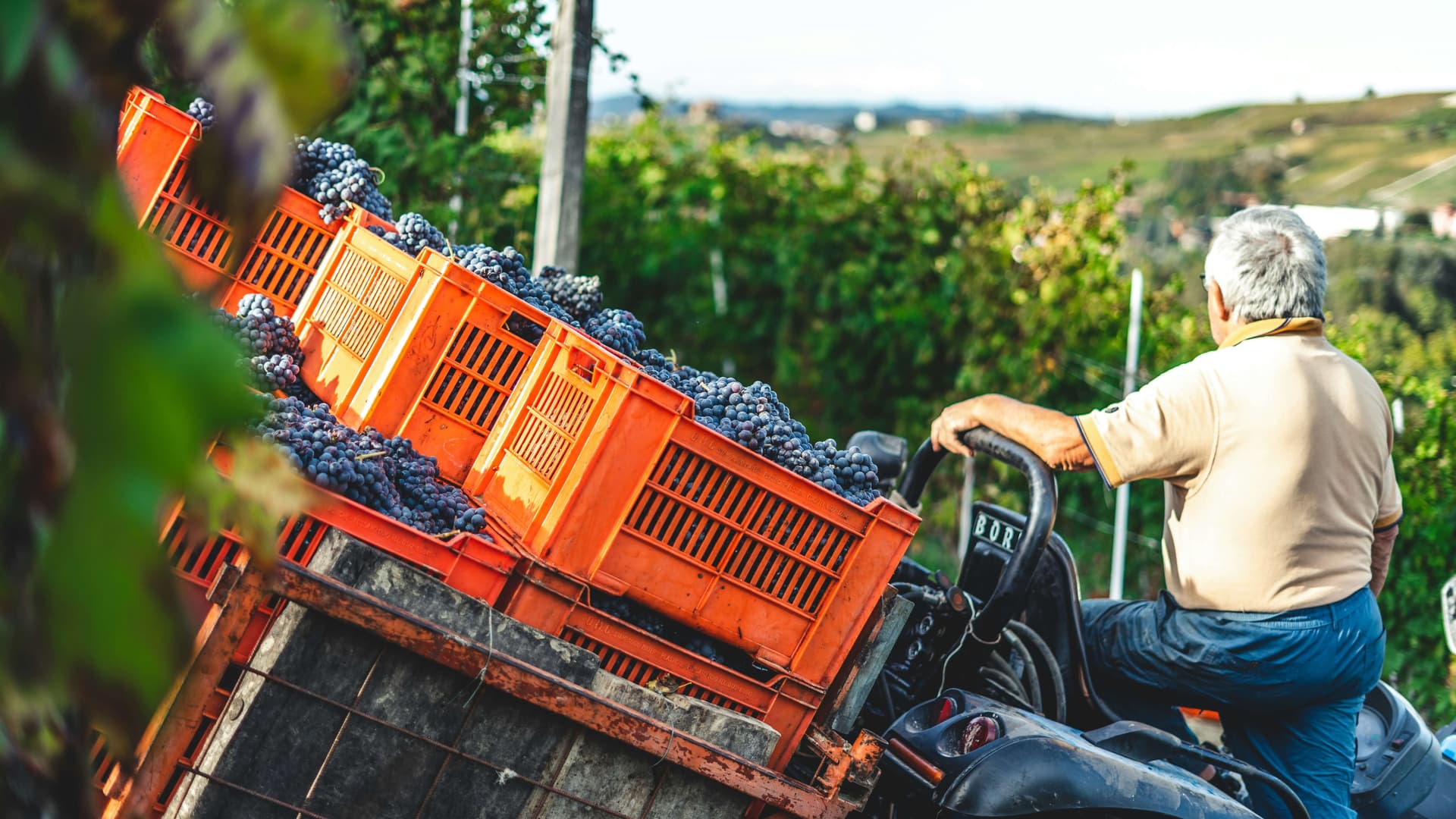
When the Bulgarian grape harvest happens, which wine regions to visit in September and October, how a harvest day works and what to book in advance.
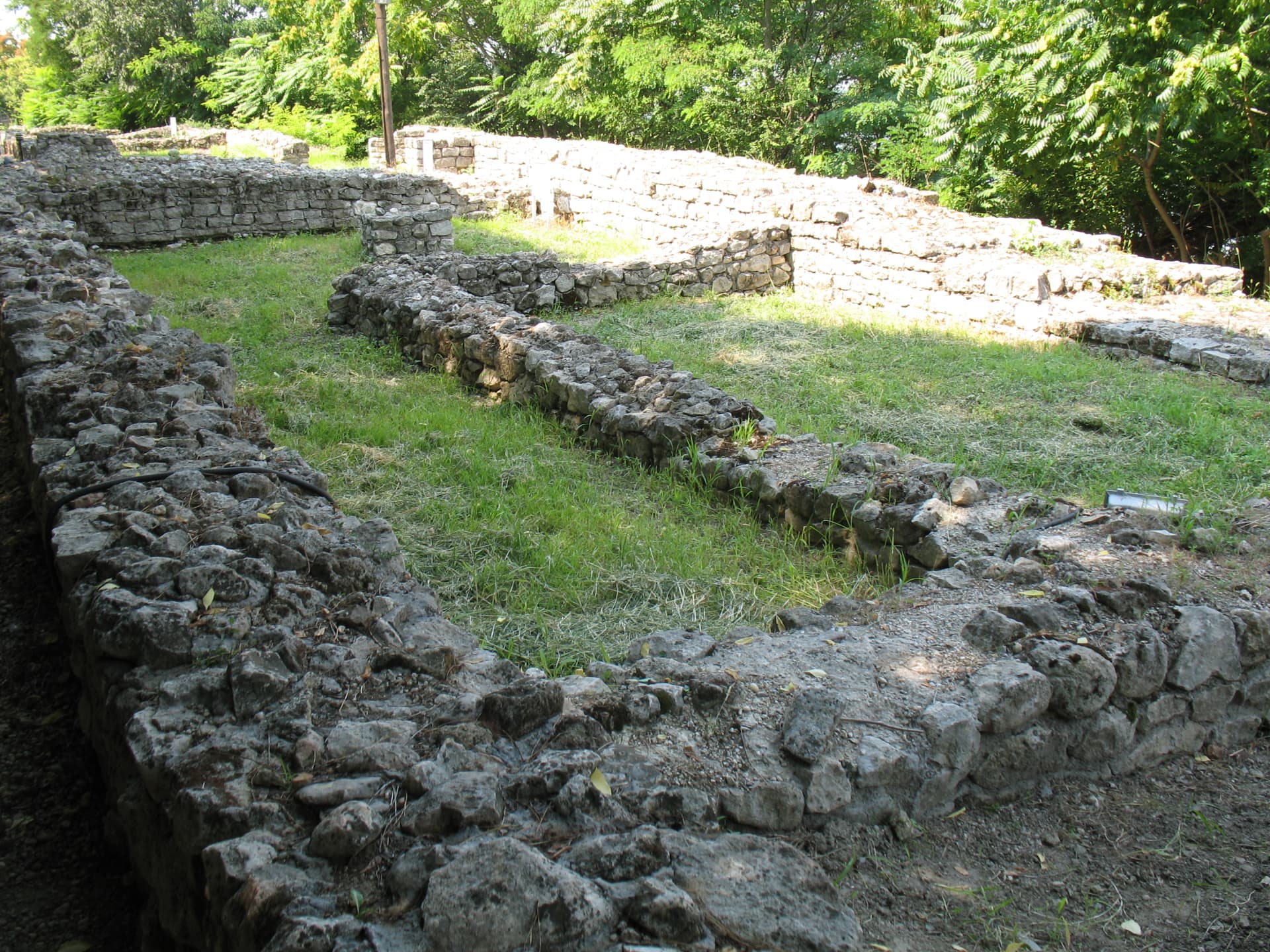
A travel guide to Ruse, Bulgaria's largest Danube port and 'Little Vienna': neo-Baroque architecture, Freedom Square, the Sexaginta Prista Roman fortress, and day trips to the Ivanovo rock churches, Cherven fortress and Basarbovo monastery.
Ruse is located in Ruse, Bulgaria.
Ruse is most easily reached by car. Use the coordinates above to navigate, or open the location in OpenStreetMap or your preferred maps app for turn-by-turn directions. Public transport options vary by region — for remote destinations a rental car gives the most flexibility.
Ruse can be visited year-round, but late spring (May–June) and early autumn (September–October) offer the most pleasant weather and fewer tourists. Summer is the busiest season; winter is the quietest, with shorter daylight and possible cold weather.
Bulgarian settlements typically reward unhurried walking — historic centres, churches and monasteries, local markets, and family-run restaurants serving regional dishes. Larger towns often have museums and seasonal cultural events. The local tourist information centre is a good first stop for current opening hours and what's on.