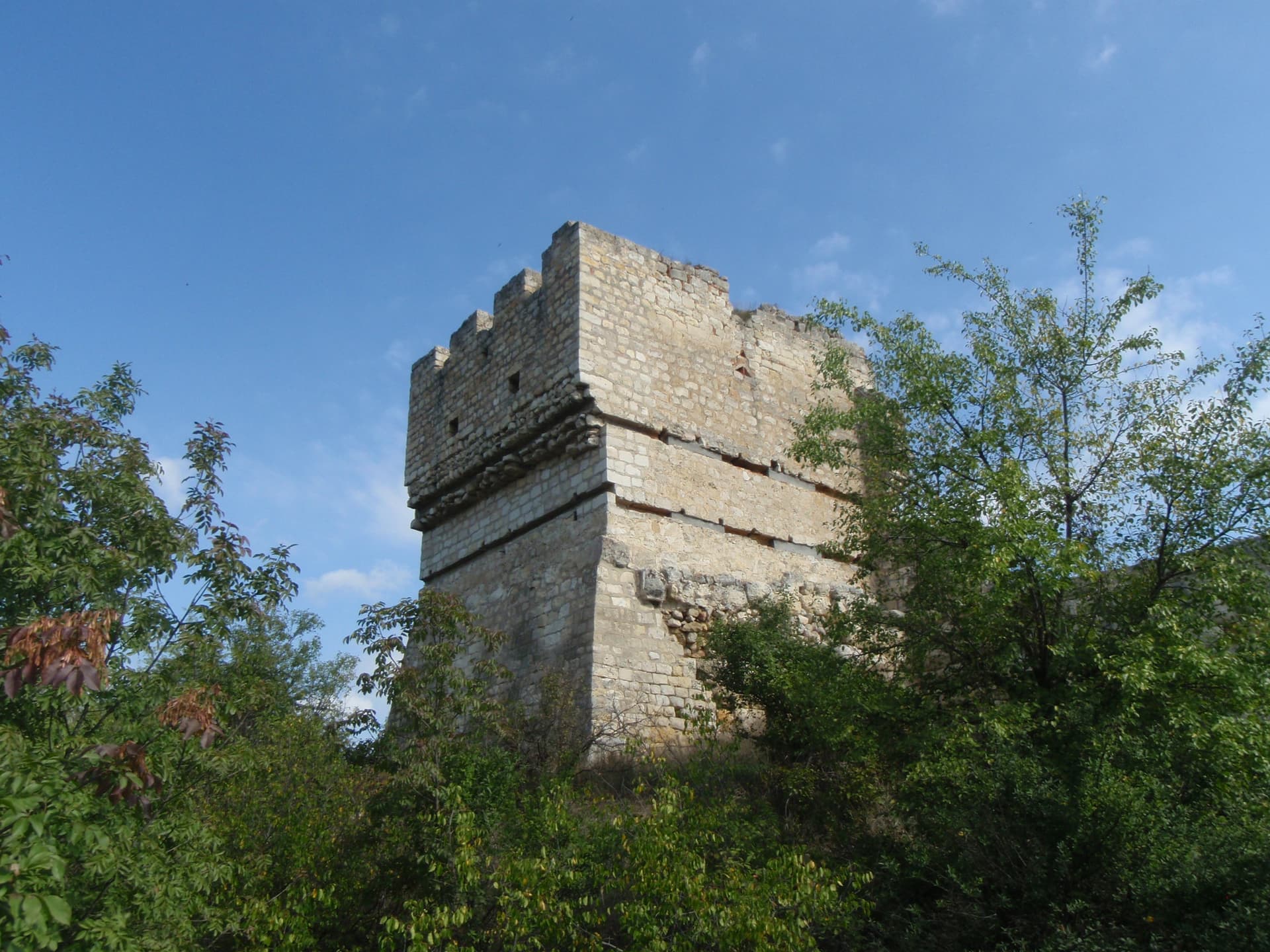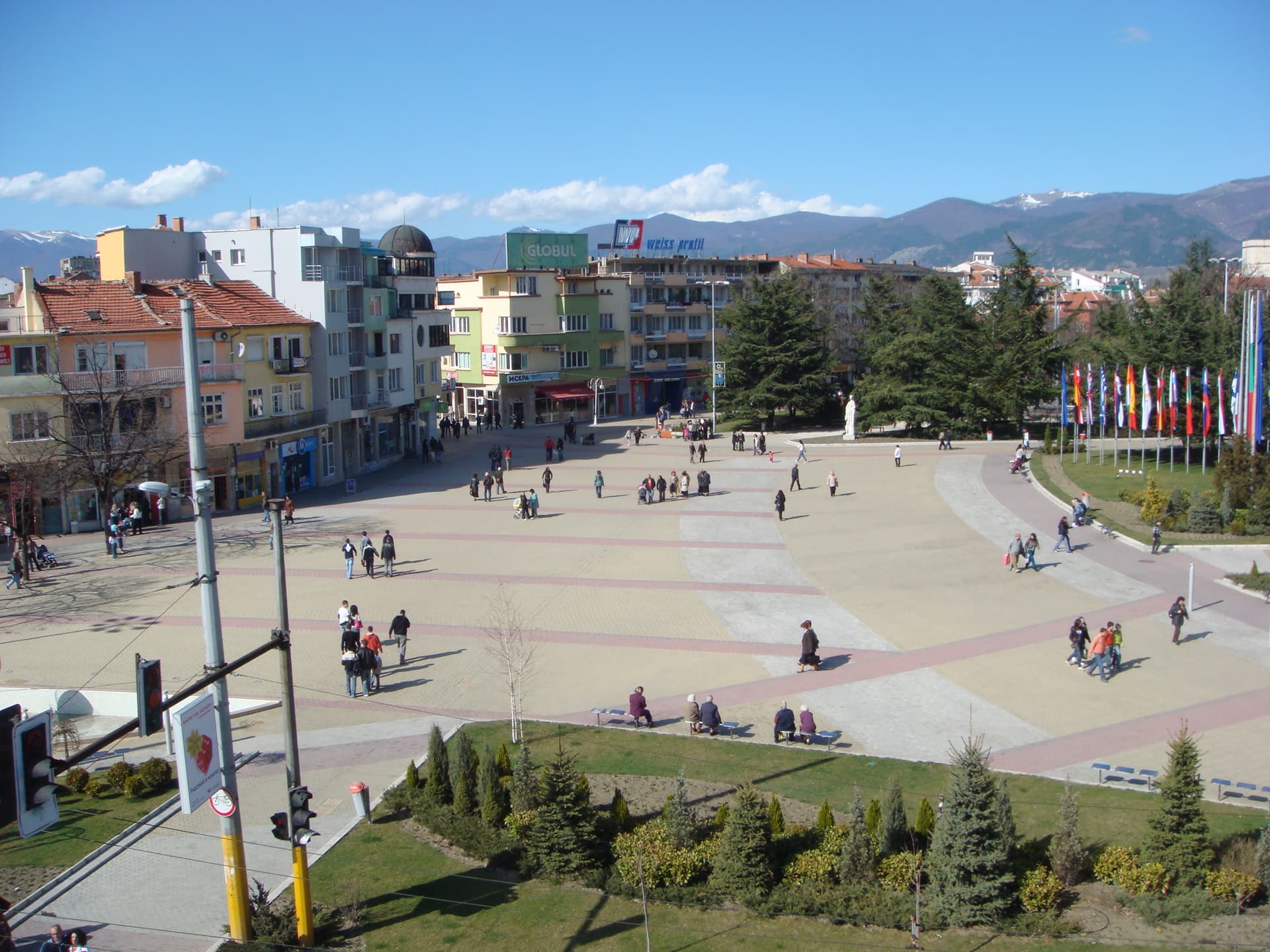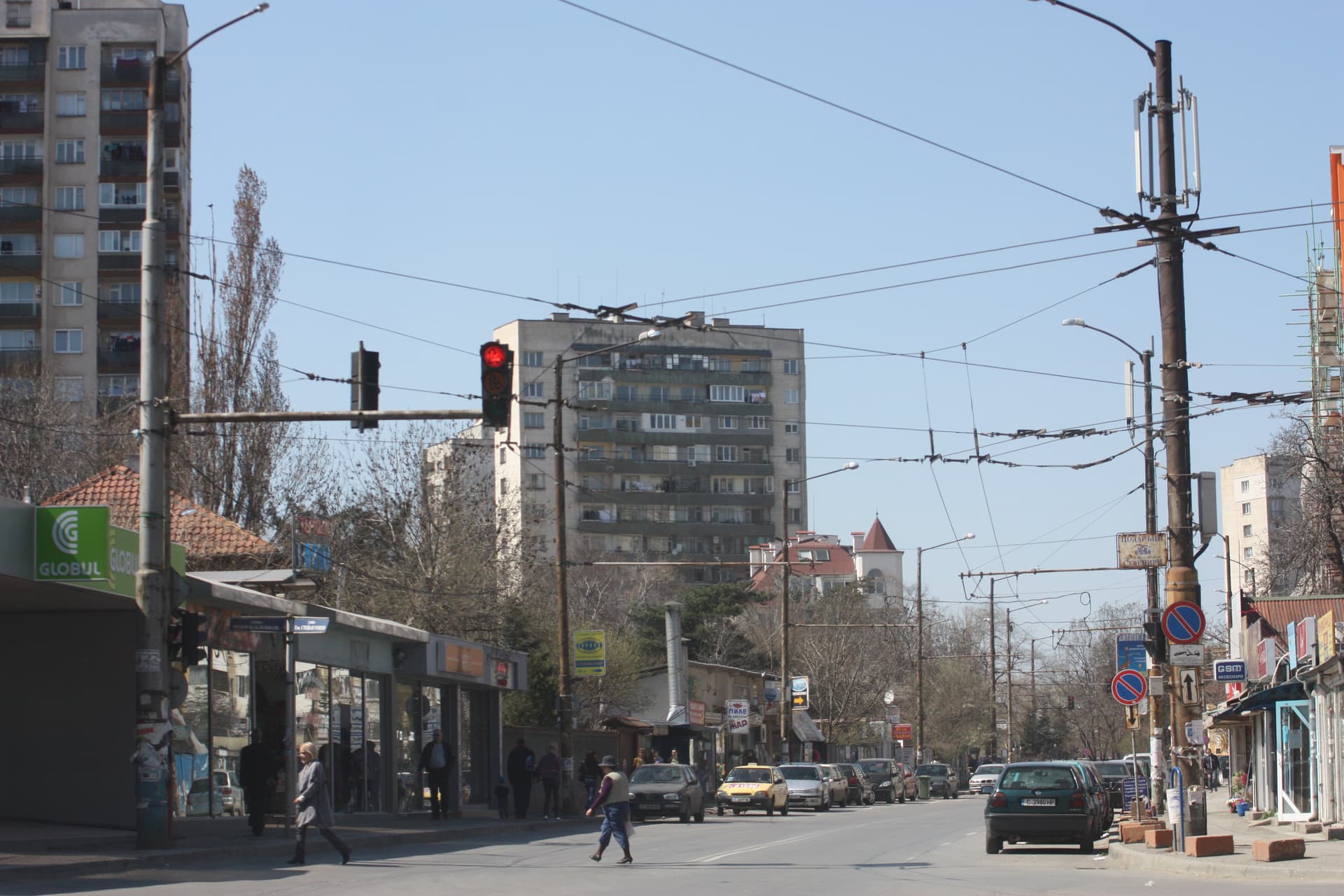
The town of Borovo is one of those remarkable corners of Northern Bulgaria where the layers of history unfold with genuine grandeur. Situated at an altitude of 278 meters in the Northeastern Danubian Plain (Ruse region), the town preserves the memory of ancient Thracian kings, Roman legions, and mystical cults. With its strategic location along major European transport corridors and the main Ruse–Sofia railway line, Borovo welcomes its visitors as a true guardian of Danube heritage. Architectural Masterpieces, Museums, and History - The Borovo Museum Collection: A remarkable cultural hub that houses over 14,000 valuable artifacts. The collection displays the traditional life and culture of the region through items of Thracian, Roman, Greek, Slavic, and Bulgar origin—ranging from ancient coins and unique pottery to authentic folk costumes. - A Journey Through Names: The first written records of the settlement date back to 1657 under the name Chiflik Manastir. The modern town unites two historic zones: Borovo-North (the old village of Gorna Manastiritsa) and Borovo-South (the former village of Gorazd / Balabanliy), officially gaining town status in 1984. - Traces of the Roman Road: In the area between the nearby villages of Batin and Gorno Ablanovo, archaeologists have discovered undeniable evidence of a major ancient Roman road that once connected the historic fortresses along the Danube River. Spirituality, Mysticism, and Thracian Treasures - The World-Famous Borovo Treasure: Discovered in November 1974 in the "Sivri Tepe" area, this silver-gilt treasure from the 4th century BC is among the most precious sources of Thracian culture and religion. It features five magnificent vessels crafted in the ancient city of Beos on the Sea of Marmara: - Three exquisite rhytons shaped as the foreparts (protomes) of a horse, a bull, and a mythical sphinx—symbols of royal power that are missing even from the famous Rogozen Treasure. - A large silver bowl with gilded details depicting a dramatic scene of a griffon attacking a doe. - The Gift of King Cotys I: Inscriptions in Greek can be clearly read on the vessels, proving that they belonged to the great Odrysian king Cotys I (383–359 BC) and were given as a diplomatic gift to the local Thracian tribe of the Getae. - The Mysteries of the Kabeiroi: The small rhyton-jug from the treasure depicts the mystical ecstasy of satyrs and maenads (followers of Dionysus) alongside a sacred marriage scene. These rituals reflect the cult of the Kabeiroi—ancient deities of fertility, fire, and metallurgy, worshipped at the sanctuaries of Samothrace and Lemnos. - The Thracian Tomb: A monumental Thracian tomb from the 4th century BC has also been unearthed within the town's territory, testifying to the high social and spiritual status of the local Thracian rulers.

Ruse
28.0 km away
Ruse
34.6 km away

Veliko Tarnovo
39.6 km away
Borovo is located in Ruse, Bulgaria.
Borovo is most easily reached by car. Use the coordinates above to navigate, or open the location in OpenStreetMap or your preferred maps app for turn-by-turn directions. Public transport options vary by region — for remote destinations a rental car gives the most flexibility.
Borovo can be visited year-round, but late spring (May–June) and early autumn (September–October) offer the most pleasant weather and fewer tourists. Summer is the busiest season; winter is the quietest, with shorter daylight and possible cold weather.
Bulgarian settlements typically reward unhurried walking — historic centres, churches and monasteries, local markets, and family-run restaurants serving regional dishes. Larger towns often have museums and seasonal cultural events. The local tourist information centre is a good first stop for current opening hours and what's on.