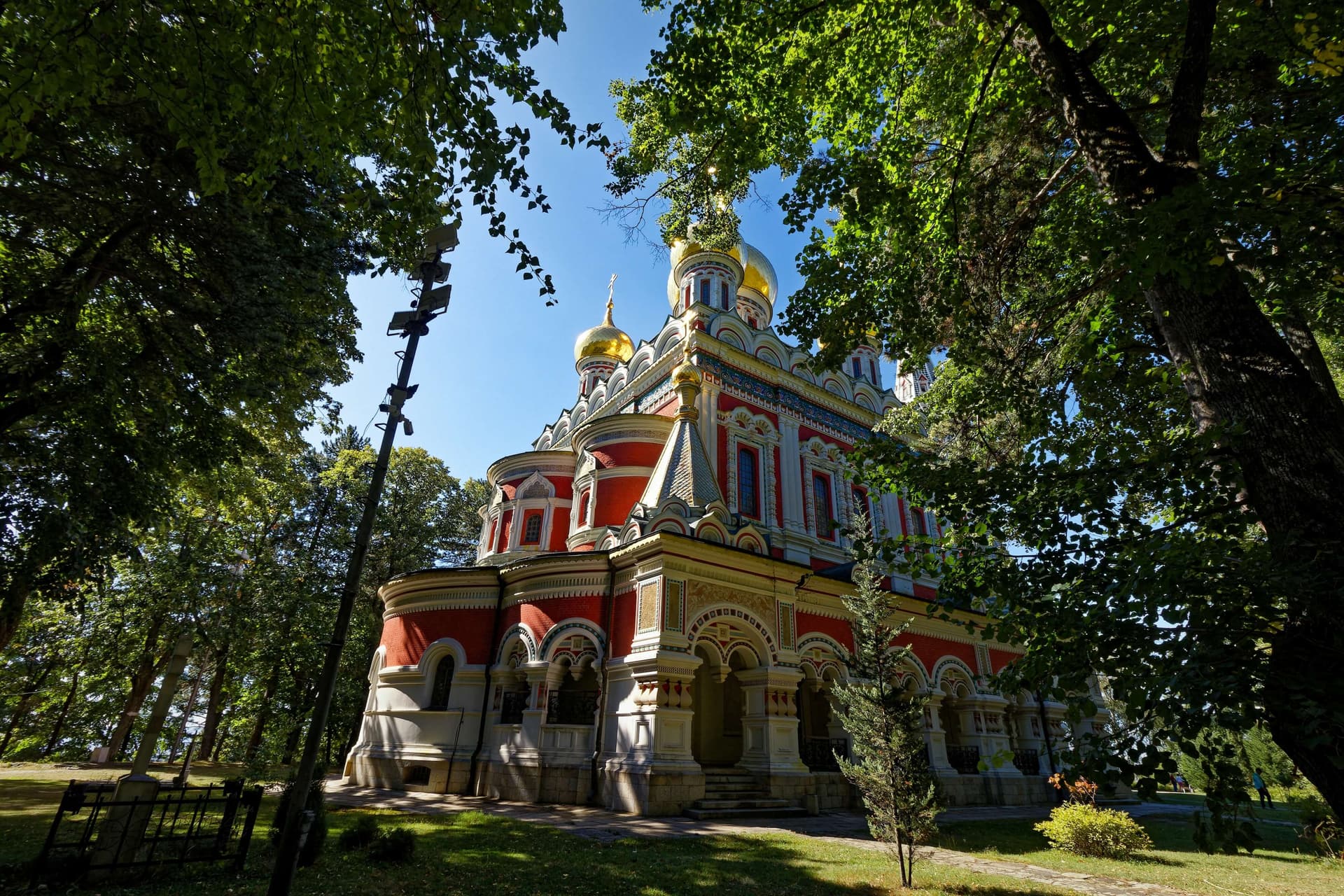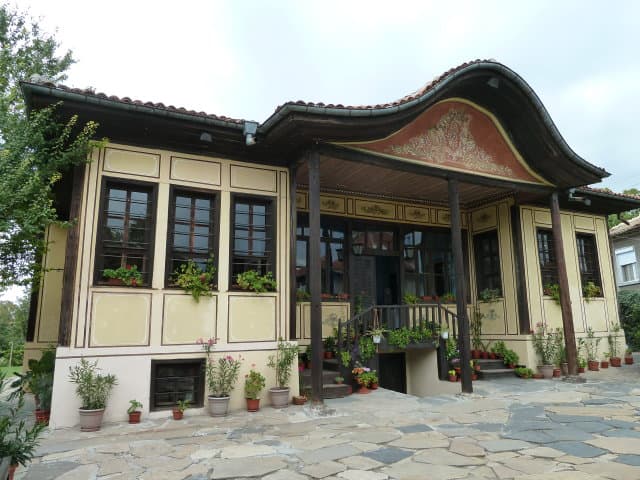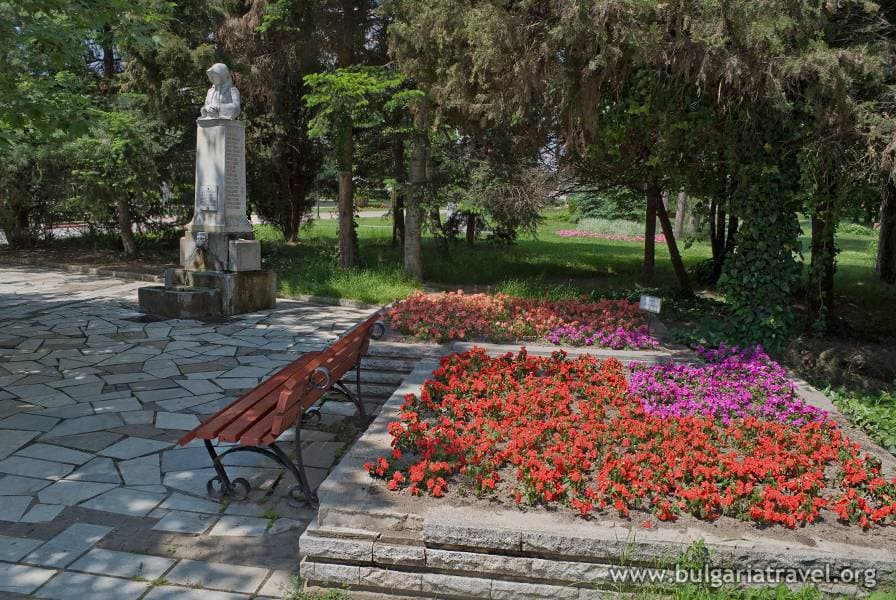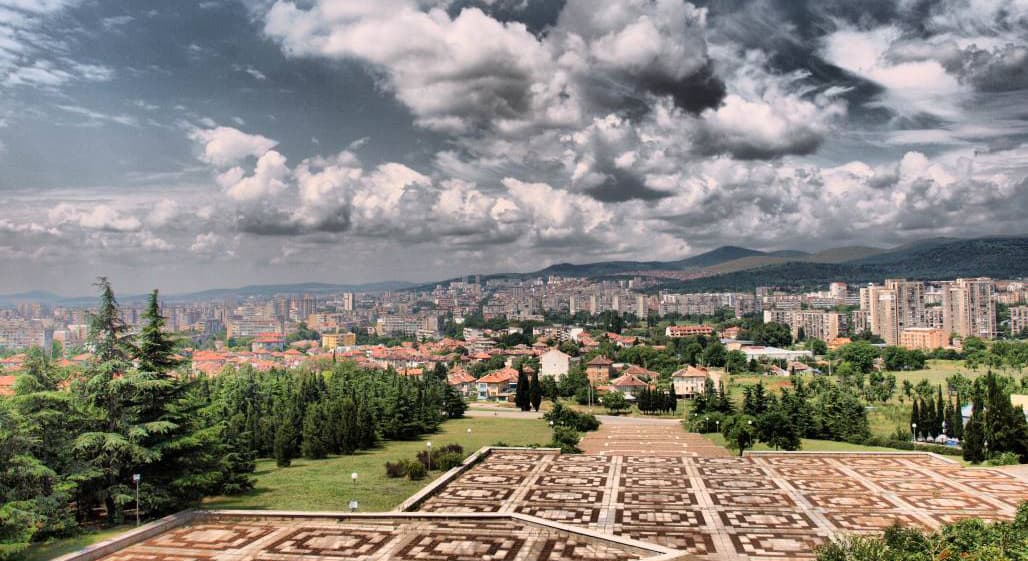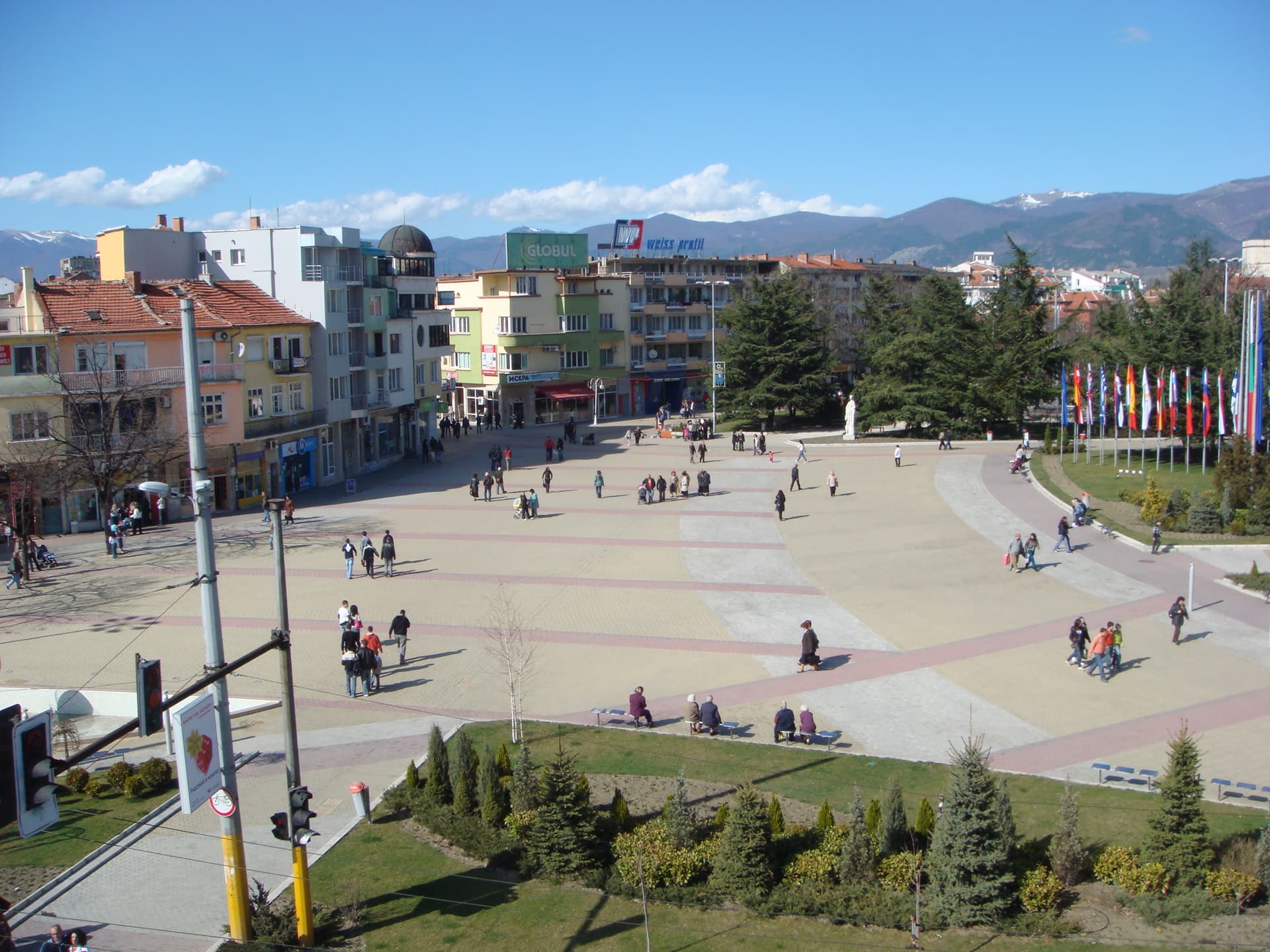
Kazanlak stands as a large, economically developed, and culturally rich town situated in Central Bulgaria, operating as the administrative center of the matching municipality within the Stara Zagora Province. The town commands an exceptionally favorable geographical location, nestled within the core of the picturesque Kazanlak Valley, at the foothills of the Balkan Mountain Range and Sredna Gora. According to official data provided by the National Statistical Institute, as of December 31, 2025, the urban area accommodates a population of exactly 41 260 residents.
Kazanlak is globally recognized as the official epicenter of the Rose Valley in Bulgaria. Located within the parameters of the town is the largest and best-preserved ancient Thracian Tomb across the nation, officially inscribed on the prestigious UNESCO World Heritage List, alongside the unique specialized Museum of the Rose. Positioning in close proximity are the waters of the Koprinka Reservoir, covering the submerged ancient city of Seuthopolis, and the extensive archaeological network forming the Valley of the Thracian Kings.
The contemporary nomenclature defining the town dates back to the epoch of its Ottoman foundation at the close of the 14th century. The original root of the name derives from the Turkish expression Akce Kizanlar, which translates literally to white girls. This title was assigned to commemorate an event where Sultan Murad I observed the local girls welcoming his arrival. At the opening of the 15th century, the settlement was recorded inside official Ottoman tax documents under the name Akce Kazanlak.
The contemporary spelling arrangement of the name is linked to Russian military topographers who conducted extensive military operations across the Balkan Peninsula. This was accompanied by the creation of highly detailed military topographic charts of the terrain. Inside these documents, Russian officers recorded the town utilizing a Slavic transcription characteristic of their language, replacing the letter u with the letter a within the word Akce Kazanlak, resulting in the contemporary variant of Kazanlak. Prior to the major language orthography reform, until 1945, the town was officially written under the old spelling system as Kazanlak.
The initial organized human settlement within the territory of the contemporary town originated during the Early Neolithic Era (New Stone Age). Throughout the subsequent epochs of the Eneolithic and Bronze Ages, human life inside the district continued without interruption. During the timeline covering the 5th and 4th centuries BC, the high civilization of the Thracians flourished across this valley.
The ancient city of Seuthopolis, named after the Thracian ruler Seuthes I, operated as the official capital city of the powerful Thracian Odrysian Kingdom. This extensive and heavily fortified capital positioned within the fertile valley of the ancient Tonzos River, which flows today as the Tundzha River. Currently, the structural remnants of the Thracian capital rest entirely beneath the water masses of the Koprinka Reservoir, located approximately 5 kilometers west of the contemporary town.
Seuthopolis was exposed by accident during massive excavation works driving the construction of the reservoir dam wall, with rescue archaeological operations executed between 1948 and 1954 under the scientific direction of Professor Dimitar P. Dimitrov and Professor Maria Chichikova. From that epoch to the present day, over 12 monumental sub-mound tombs have been analyzed and conserved across the district, led by the Kazanlak Tomb, providing an excellent overview tracking the advanced culture, architecture, and lifestyle of the Thracians. Unearthed across the territory of the municipality are clear material proofs documenting the military marches executed by Macedonian Kings Alexander the Great and Philip II of Macedon, while Greek, Celtic, and Persian conquerors briefly occupied the region during separate historical intervals.
The number of artifacts excavated inside the parameters of the Rose Valley dating to the Classical Roman Empire epoch is exceptionally large. Historical written chronicles from that era provide the earliest confirmation that oil-bearing roses were systematically cultivated inside this geographical sector for perfumery and medical requirements. Inside the celebrated scientific treatise compiled by Pliny the Younger, over 20 distinct varieties of roses are documented in detail, with the author assigning the official title of Thracian Rose to one of these specific regional cultivars.
The relief outline of a rose is further engraved upon the surface of an authentic ancient Thracian coin recovered during excavations. The Kazanlak region was integrated into the sovereign state boundaries of the First Bulgarian Kingdom in the historical year 815, following the ratification of the famous 30-year peace treaty signed between Bulgarian Khan Omurtag and the Byzantine Empire.
The contemporary urban layout of Kazanlak originated at the close of the 14th century along the left bank of the Stara Reka River. This settlement pattern was triggered after Ottoman columns completely destroyed and burned the old medieval Bulgarian settlement and fortress standing along the right bank of the riverbed. Until the close of the 19th century, the town commanded immense renown throughout the Ottoman Empire and Western Europe for its production of premium rose oil, coppersmithing products, heavy woolen fabrics (aba), and decorative braiding (gaytan).
The oil-bearing rose, transported from India through Persia, Syria, and Asia Minor, found ideal climatic and soil parameters exclusively within the Kazanlak Valley - high atmospheric humidity, moderate temperatures, and light, permeable sandy cinnamon-forest soils. The first official rose trading house in the country was established in Kazanlak, founded by the prominent merchant Doncho Papazov in 1820. The town secured its position as the primary center of rose cultivation across Bulgaria, and Kazanlak's pure rose oil achieved international fame, winning gold medals at global commercial expositions held in London, Philadelphia, Paris, Milan, and Antwerp.
During the Russo-Turkish Liberation War, the town of Kazanlak transformed into a strategic logistical center hosting severe and bloody combat operations. Following the Liberation of Bulgaria, traditional old craftsmanship declined rapidly due to the loss of the vast market networks operating inside the Ottoman Empire, which stimulated the launch of modern industrial capitalization. Following the Liberation, large-scale textile manufacturing began to expand successfully across the urban area.
Based inside the industrial zone of Kazanlak is the largest and most strategically vital military production complex in the nation - Arsenal. Concurrently, the famous Caproni aircraft component and aviation factory operated inside the town from 1930 until 1945, which was structurally converted in 1961 to manufacture hydraulic gear pumps. At the close of the twentieth century, specifically in 1999, the Arkomat - Bulgaria company launched the nation's first specialized factory dedicated to manufacturing cable harness assemblies for the automotive industry. Throughout subsequent years, this enterprise established itself as a primary employer across the town, maintaining over a thousand employees on its payroll, until 2019 when the facility sharply reduced its manufacturing footprint within the region.
In 2004, the prominent Bulgarian archaeologist Professor Georgi Kitov executed epochal discoveries inside the colossal Thracian burial mound of Golyama Kosmatka, situated near the town of Shipka. His field team exposed the completely unplundered tomb belonging to the powerful Thracian King Seuthes III. Standing out among the recovered treasures are a unique solid gold mask, attributed to ruler Teres I, and a masterfully cast bronze portrait head of King Seuthes III featuring inlaid jasper eyes.
This major scientific discovery triggered a strong and continuous year-round influx of international and domestic travelers heading toward the Kazanlak Municipality. The discoveries coordinated by Professor Georgi Kitov, the original UNESCO Thracian Tomb, the ancient layouts of Seuthopolis, and an array of adjacent studied monuments across the valley render the Kazanlak Municipality a premium historical destination for both Bulgarian and international visitors.
Within the Early Neolithic settlement mound positioning inside the urban parameters of the town, the globally recognized Bulgarian palaeoornithologist Professor Zlatozar Boev discovered and analyzed unique skeletal remains belonging to 8 distinct avian species. Featured among the studied fossil elements are the bones of the black grouse, great bustard, Eurasian crane, mute swan, golden eagle, capercaillie, Eurasian eagle-owl, and hooded crow. These discoveries possess immense scientific value, as the first three recorded species are completely extinct today within the modern boundaries of Bulgaria's avian ecosystem, and the excavated black grouse bone stands as the absolute first material proof in science verifying the historical presence of this valuable game bird within the native ornithofauna profile of Bulgaria.
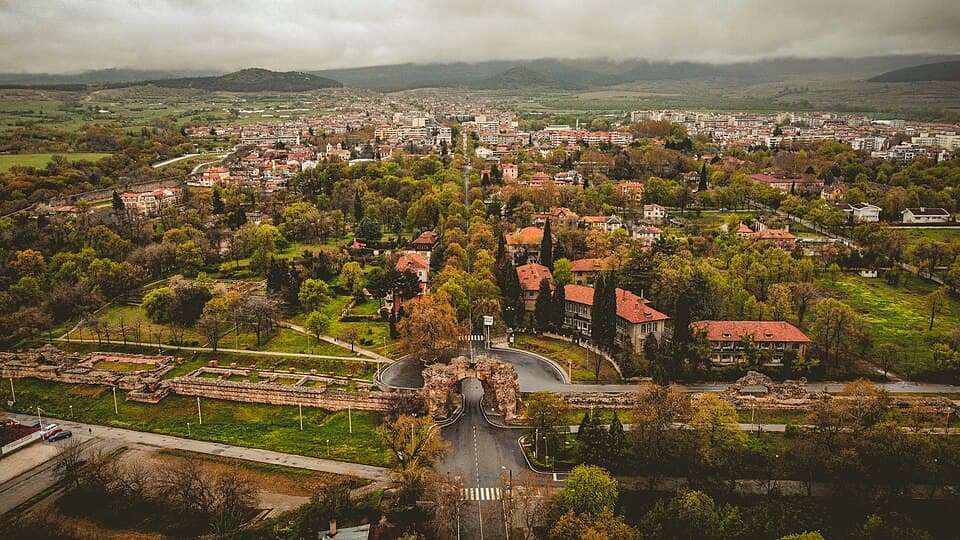
Hisarya or Pavel Banya for a spa weekend: Roman walls and mineral fountains, or a five-star spa base in the Rose Valley — tickets, parking, prices and which to pick.
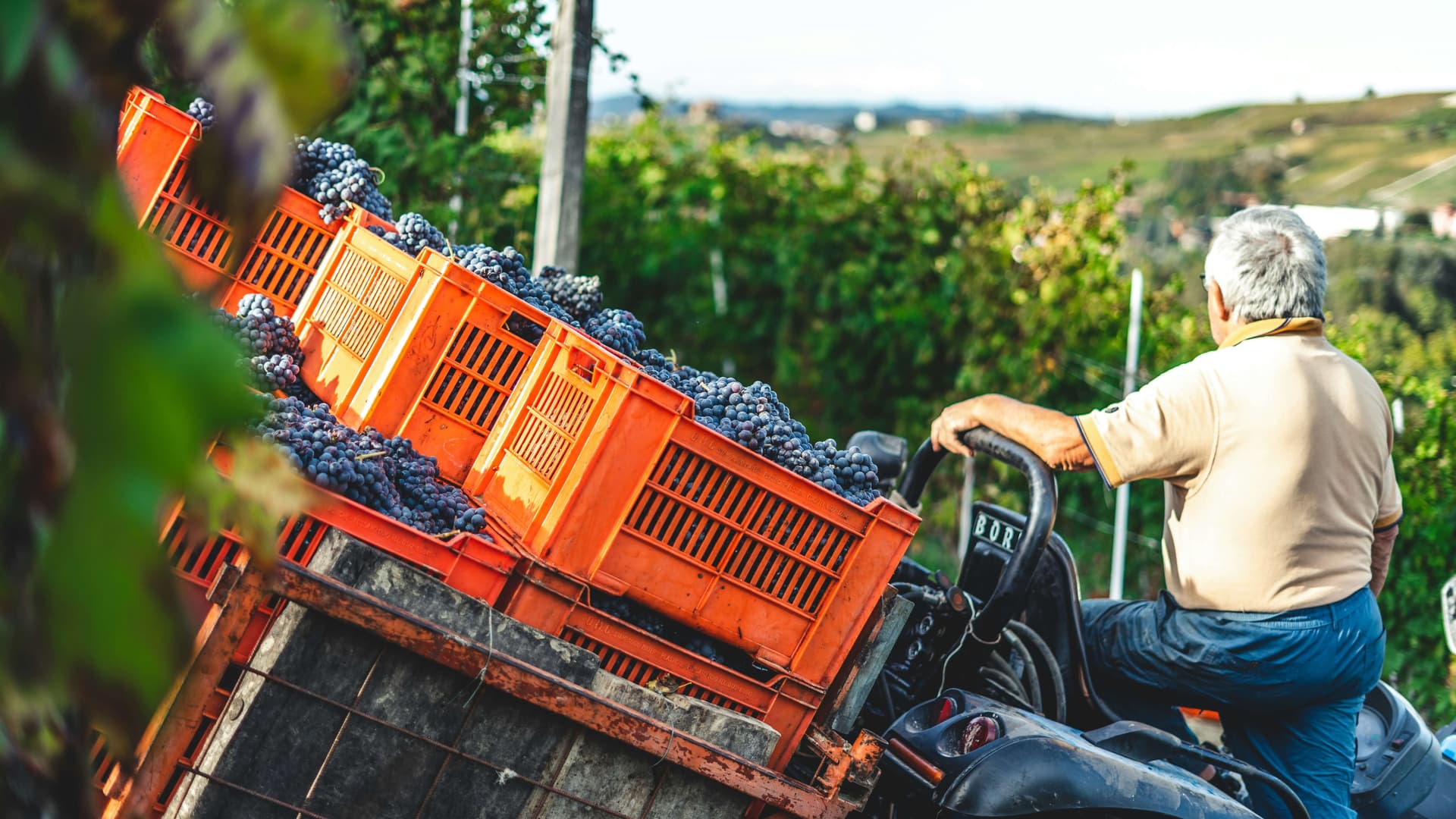
When the Bulgarian grape harvest happens, which wine regions to visit in September and October, how a harvest day works and what to book in advance.
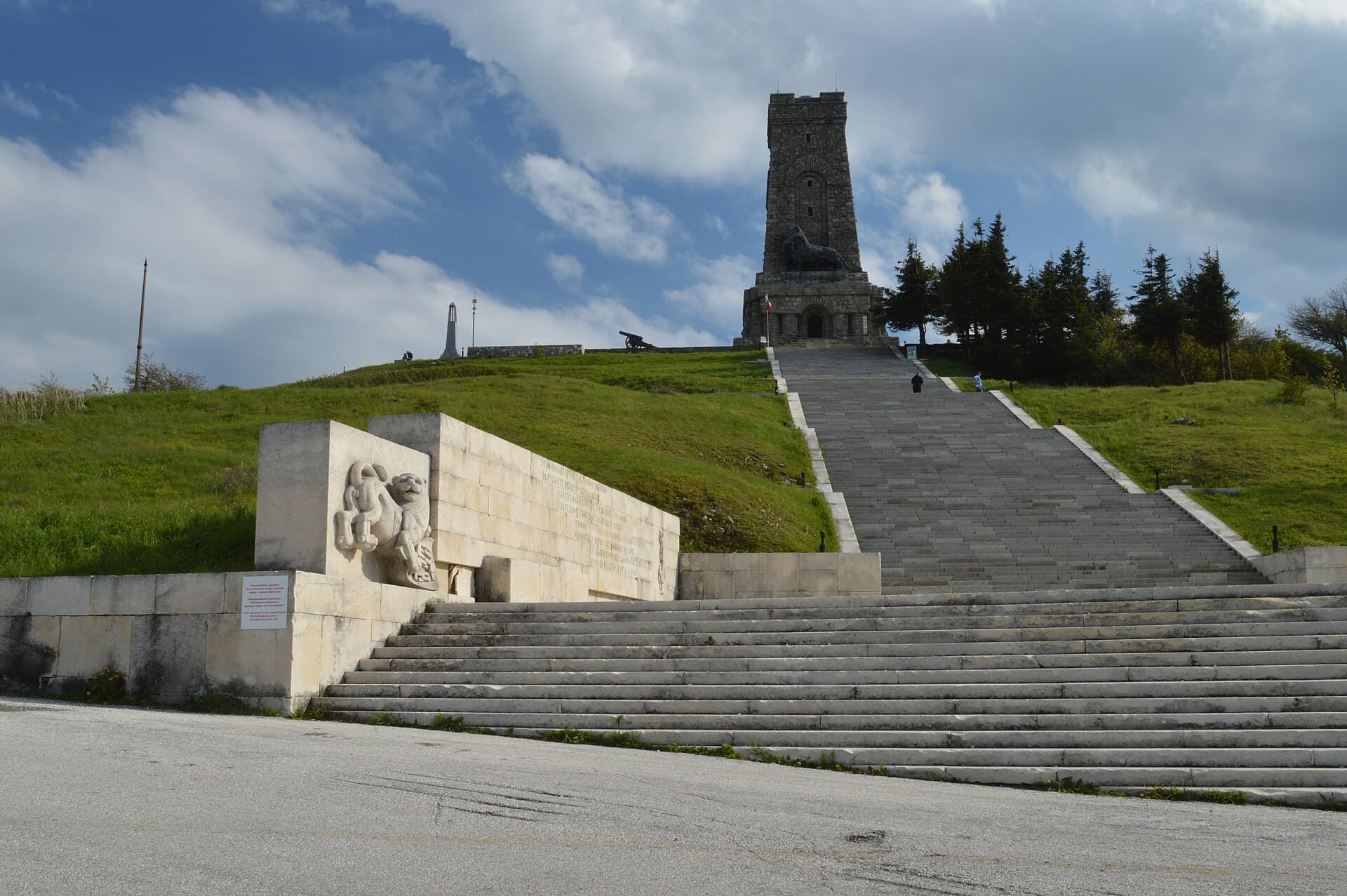
A complete guide to crossing the Shipka Pass: Climb the 890 steps to the Monument of Freedom, visit the gold-domed Shipka Memorial Church, and explore nearby Buzludzha.
Kazanlak is located in Stara Zagora, Bulgaria.
Kazanlak is most easily reached by car. Use the coordinates above to navigate, or open the location in OpenStreetMap or your preferred maps app for turn-by-turn directions. Public transport options vary by region — for remote destinations a rental car gives the most flexibility.
Kazanlak can be visited year-round, but late spring (May–June) and early autumn (September–October) offer the most pleasant weather and fewer tourists. Summer is the busiest season; winter is the quietest, with shorter daylight and possible cold weather.
Bulgarian settlements typically reward unhurried walking — historic centres, churches and monasteries, local markets, and family-run restaurants serving regional dishes. Larger towns often have museums and seasonal cultural events. The local tourist information centre is a good first stop for current opening hours and what's on.