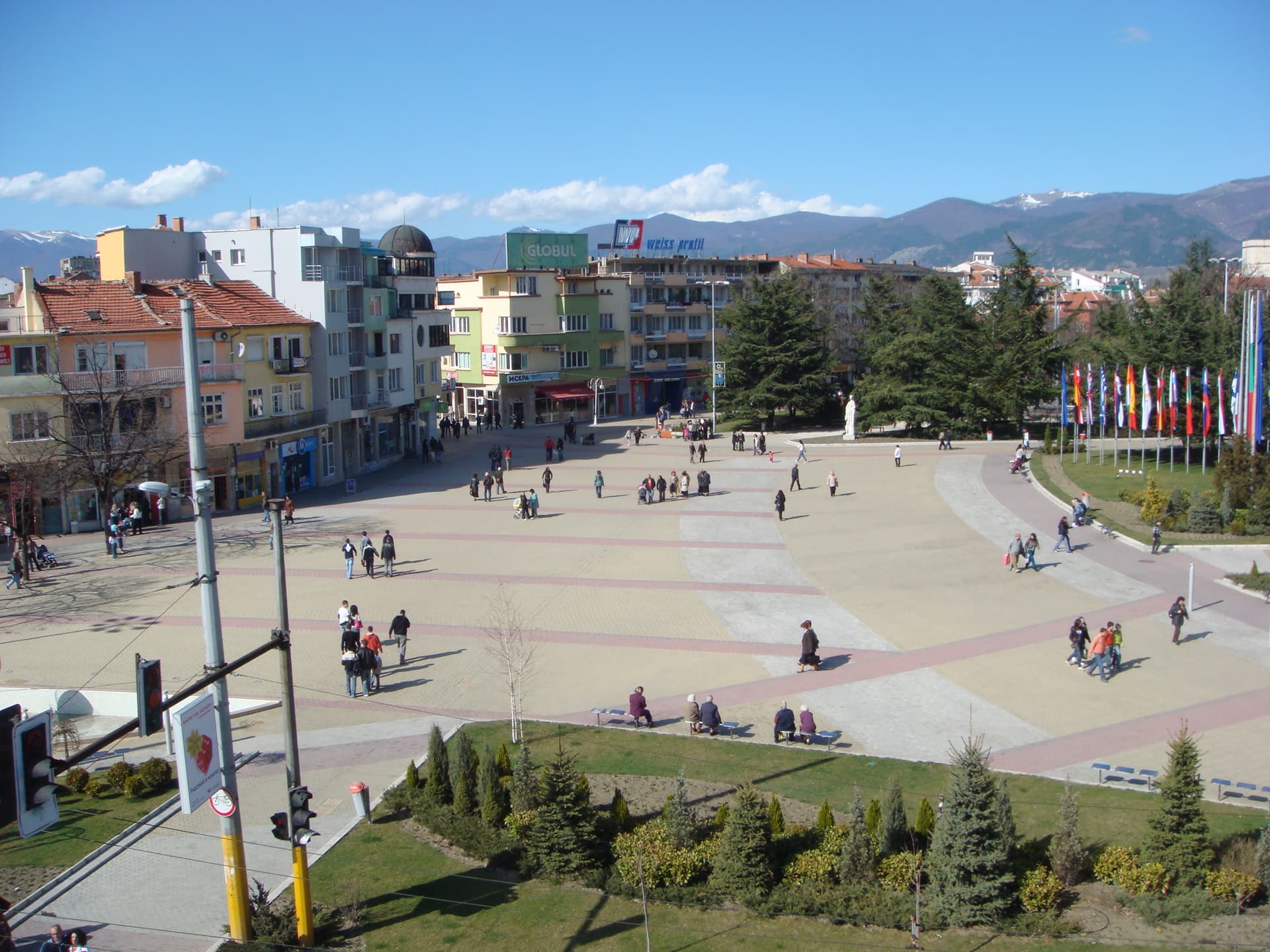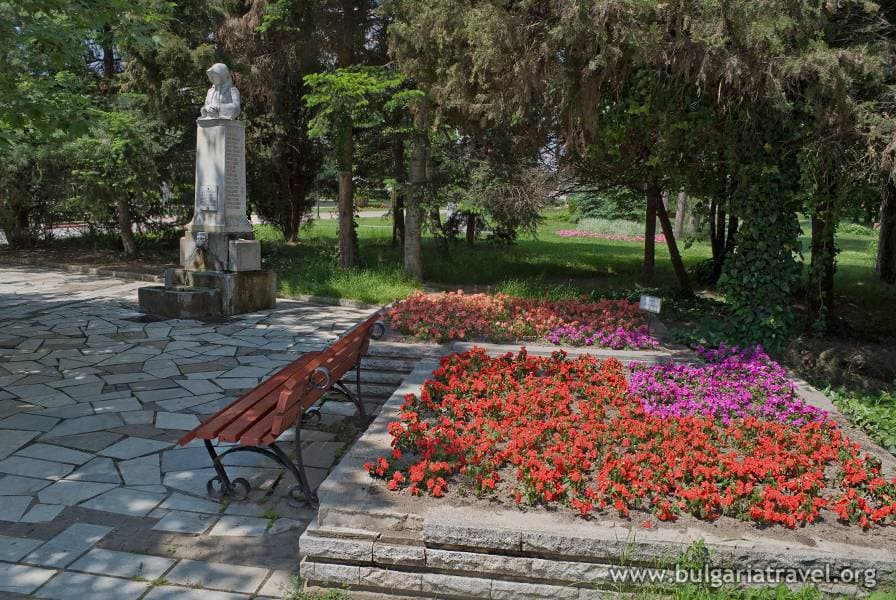
Pavel Banya is a small town in Stara Zagora Province, at the western end of the Kazanlak valley between the Balkan range and Sredna Gora. It has about 2,400 inhabitants (NSI, end of 2025) and is a spa resort of national importance. Besides tourism, the town lives from essential-oil crops — oil-bearing rose, lavender and clary sage. The mineral springs, the hotels, getting here and the trips to Kazanlak and Shipka are covered in our guide below; this page is about the town itself and the villages around it.
On the Russian three-verst map from the war of 1877–1878 the place is marked as Lüdja Ali, from the Turkish word for a warm mineral spring. After 1878, people from the nearby village of Turiya, whose homes had been burned during the war, settled on the site of the abandoned Turkish village. The new settlement was first called Pavel — after the Apostle Paul and after Grand Duke Pavel Alexandrovich, youngest son of Emperor Alexander II. It became a town in 1978.

Stara Zagora region
6.4 km away

Stara Zagora region
13.0 km away
Stara Zagora region
14.5 km away
Stara Zagora region
14.6 km away
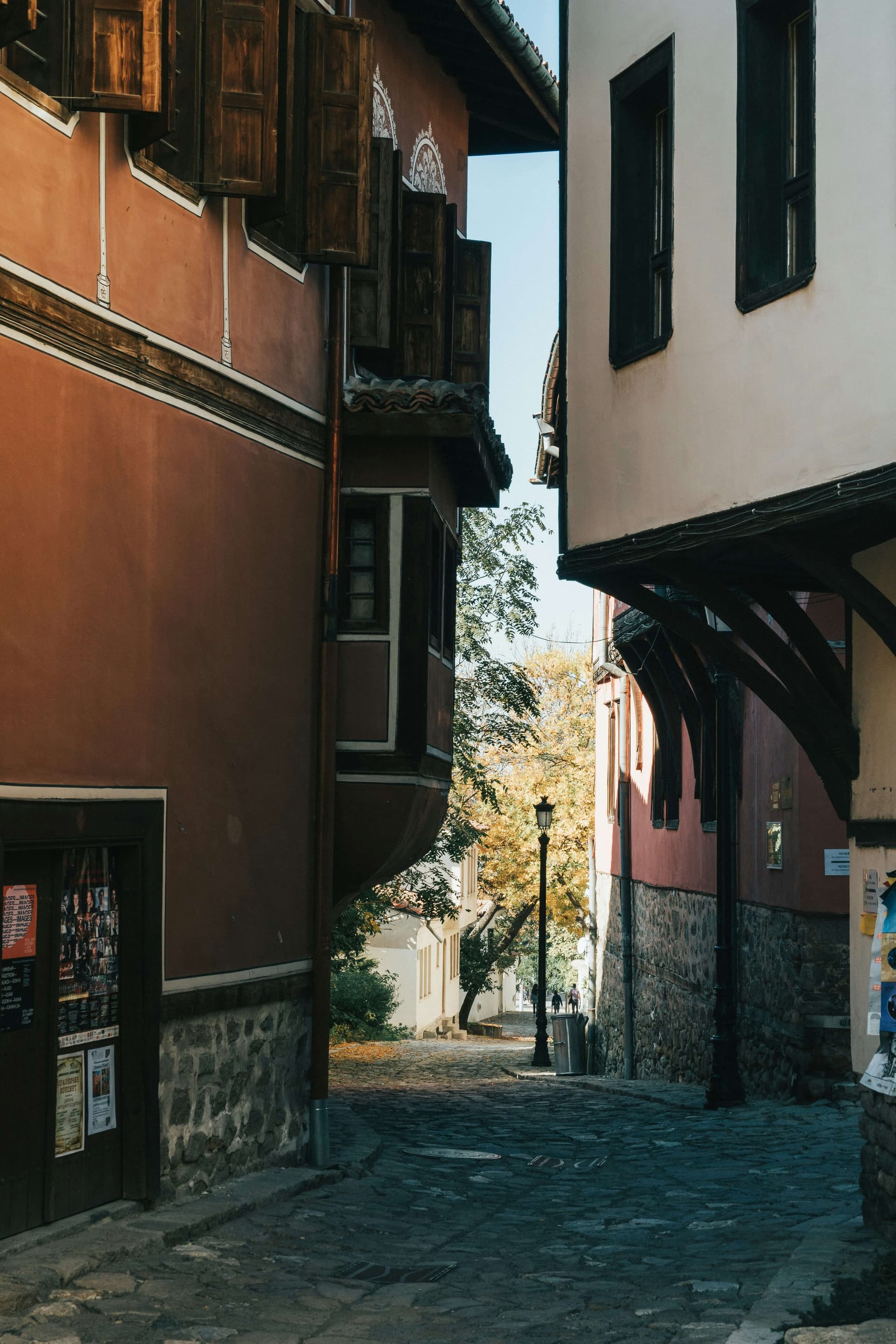
8 overnight getaways from Plovdiv: spa towns, Rhodope villages and caves, Troyan and skiing — with drive times, transport and what is open in winter.
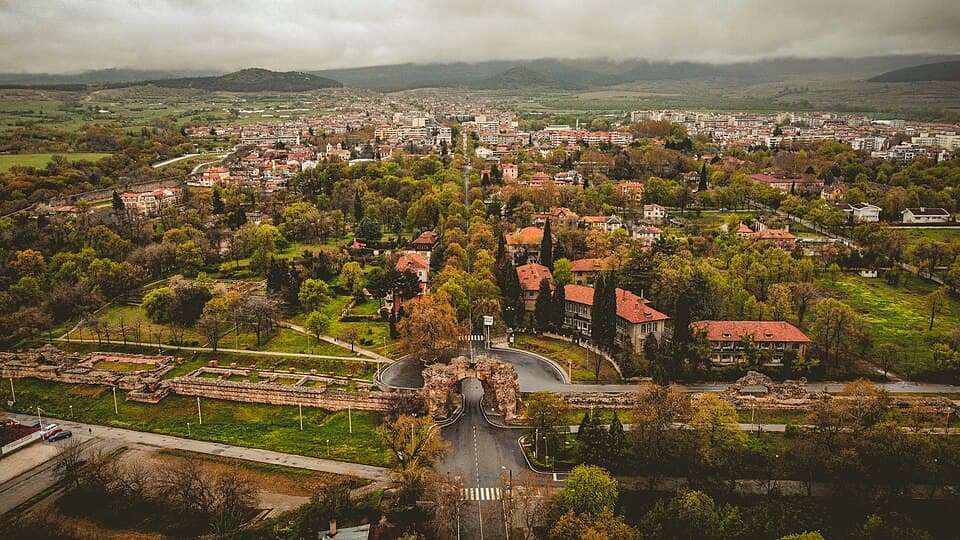
Hisarya or Pavel Banya for a spa weekend: Roman walls and mineral fountains, or a five-star spa base in the Rose Valley — tickets, parking, prices and which to pick.
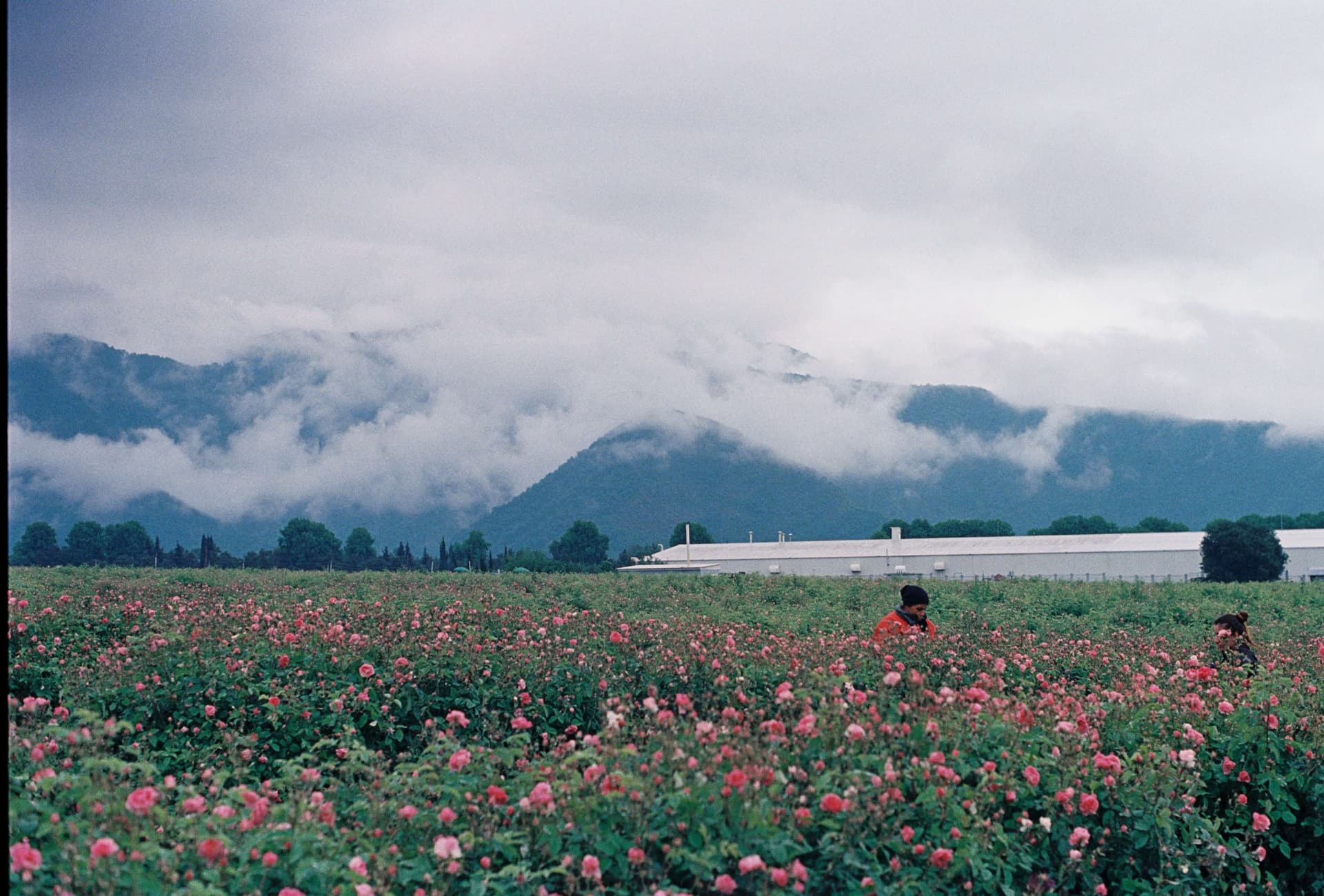
Plan your trip to Kazanlak and the Rose Valley. Discover the flexible dates for the Rose Festival, the unique Rose Museum, Mount Shipka, and Buzludzha.
Pavel Banya is located in Stara Zagora, Bulgaria.
Pavel Banya is most easily reached by car. Use the coordinates above to navigate, or open the location in OpenStreetMap or your preferred maps app for turn-by-turn directions. Public transport options vary by region — for remote destinations a rental car gives the most flexibility.
Pavel Banya can be visited year-round, but late spring (May–June) and early autumn (September–October) offer the most pleasant weather and fewer tourists. Summer is the busiest season; winter is the quietest, with shorter daylight and possible cold weather.
Bulgarian settlements typically reward unhurried walking — historic centres, churches and monasteries, local markets, and family-run restaurants serving regional dishes. Larger towns often have museums and seasonal cultural events. The local tourist information centre is a good first stop for current opening hours and what's on.