The Koprinka Reservoir stands as one of the largest, most strategic, and economically vital artificial water basins situated within Central Bulgaria. The asset positions along the upper course of the high-volume Tundzha River, anchoring within the administrative boundaries of the Stara Zagora Province. The reservoir occupies a pivotal geographical location in the scenic western sector of the Rose Valley, widely designated as the Kazanlak Valley, at a baseline distance of only 3 kilometers west of the town of Kazanlak.
In historical terms, the reservoir commands an interesting nomenclatural background, as from March 14, 1950, until November 27, 1992, it bore the official state title of Georgi Dimitrov, subsequently reverting to its authentic name of Koprinka. The artificial lake features an advanced shoreline profile, displaying a continuous horizontal length spanning approximately 7 kilometers along its primary axis. Due to the undulating regional topography, the basin develops a highly fragmented shoreline layout, forming a multitude of branches, quiet bays, and accessible sandy beaches that establish it as a prominent hub for water sports, beach tourism, sailing, and recreational angling across the region.
The water body operates as the primary and central structural infrastructure facility within the framework of the extensive Koprinka Hydro-Engineering Complex. This major civil engineering network commands a distinct multipurpose profile, driving vital infrastructure and economic operations across Central and Southern Bulgaria through three core channels:
The reservoir lake commands a massive surface area flooding extensive land tracts. The vast water mirror and the baseline architecture of the reservoir bed spread across the rural territories belonging to four adjacent riparian villages, whose local economies remain directly linked to the water asset:
A major historical and archaeological hallmark of the Koprinka Reservoir is that anchored upon its floor, directly beneath the water mass, lies Seuthopolis, the fully excavated and documented ancient capital city of the Thracian Odrysian Kingdom, established by ruler Seuthes III at the close of the 4th century BC.
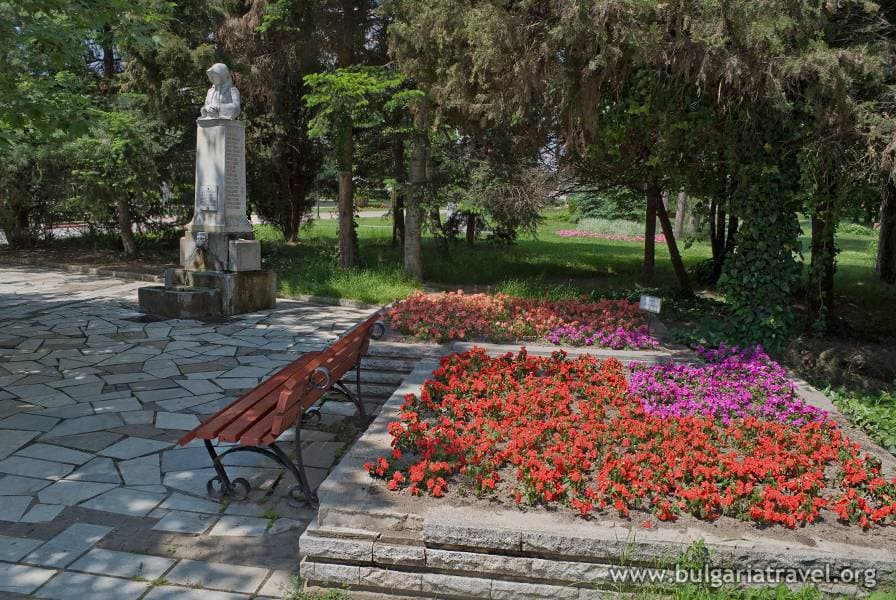
Stara Zagora region
6.4 km away

Stara Zagora region
9.0 km away
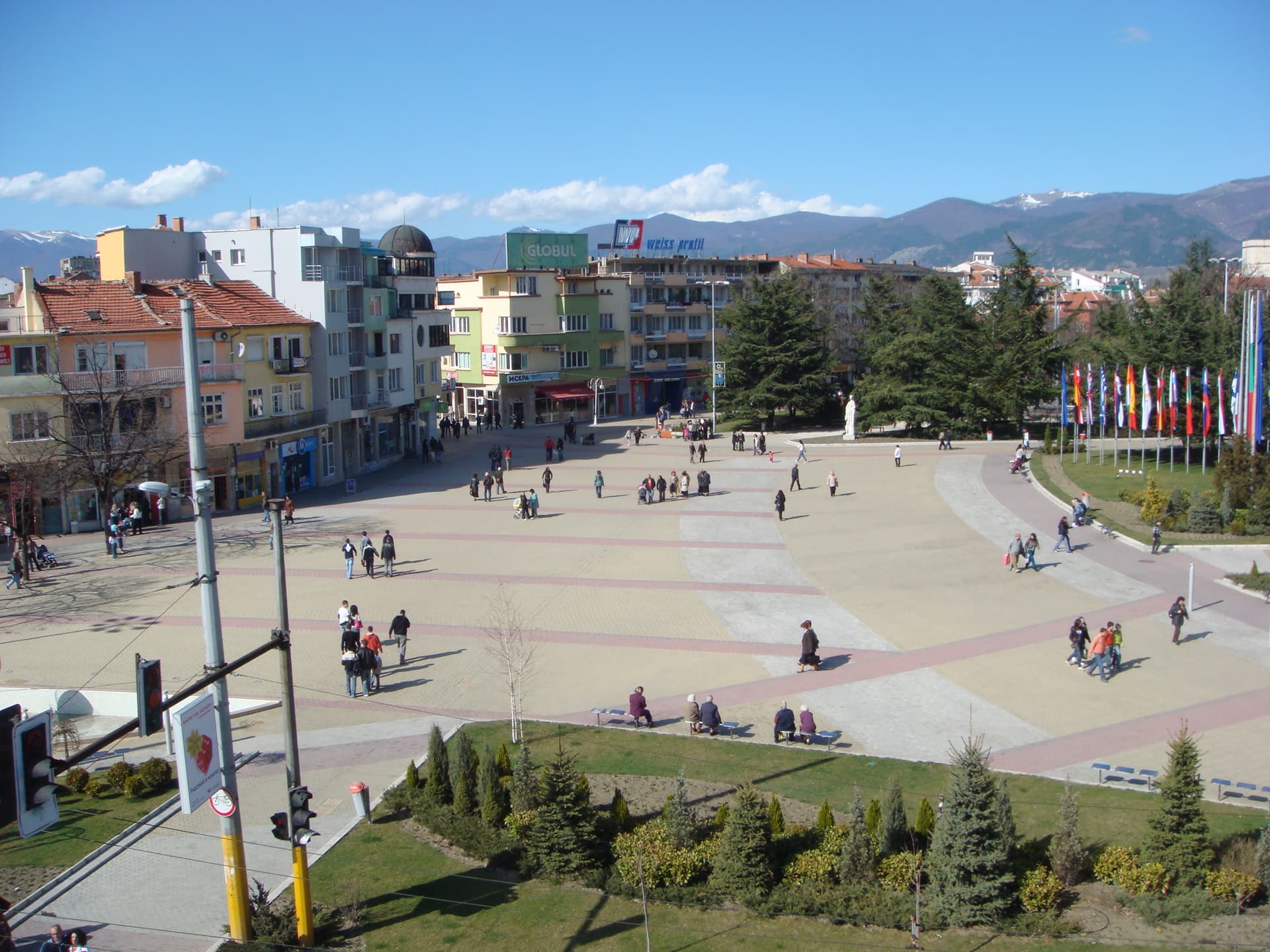
Stara Zagora region
9.3 km away
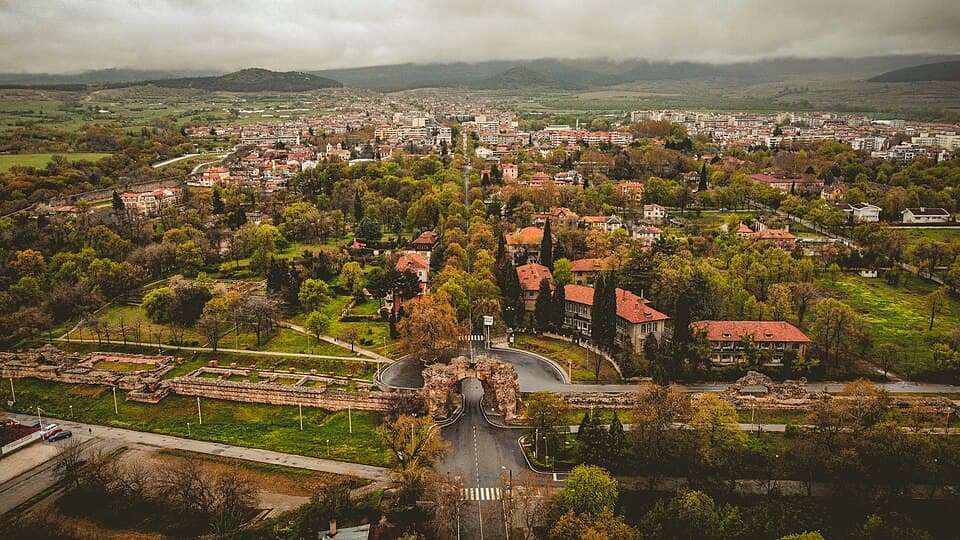
Hisarya or Pavel Banya for a spa weekend: Roman walls and mineral fountains, or a five-star spa base in the Rose Valley — tickets, parking, prices and which to pick.
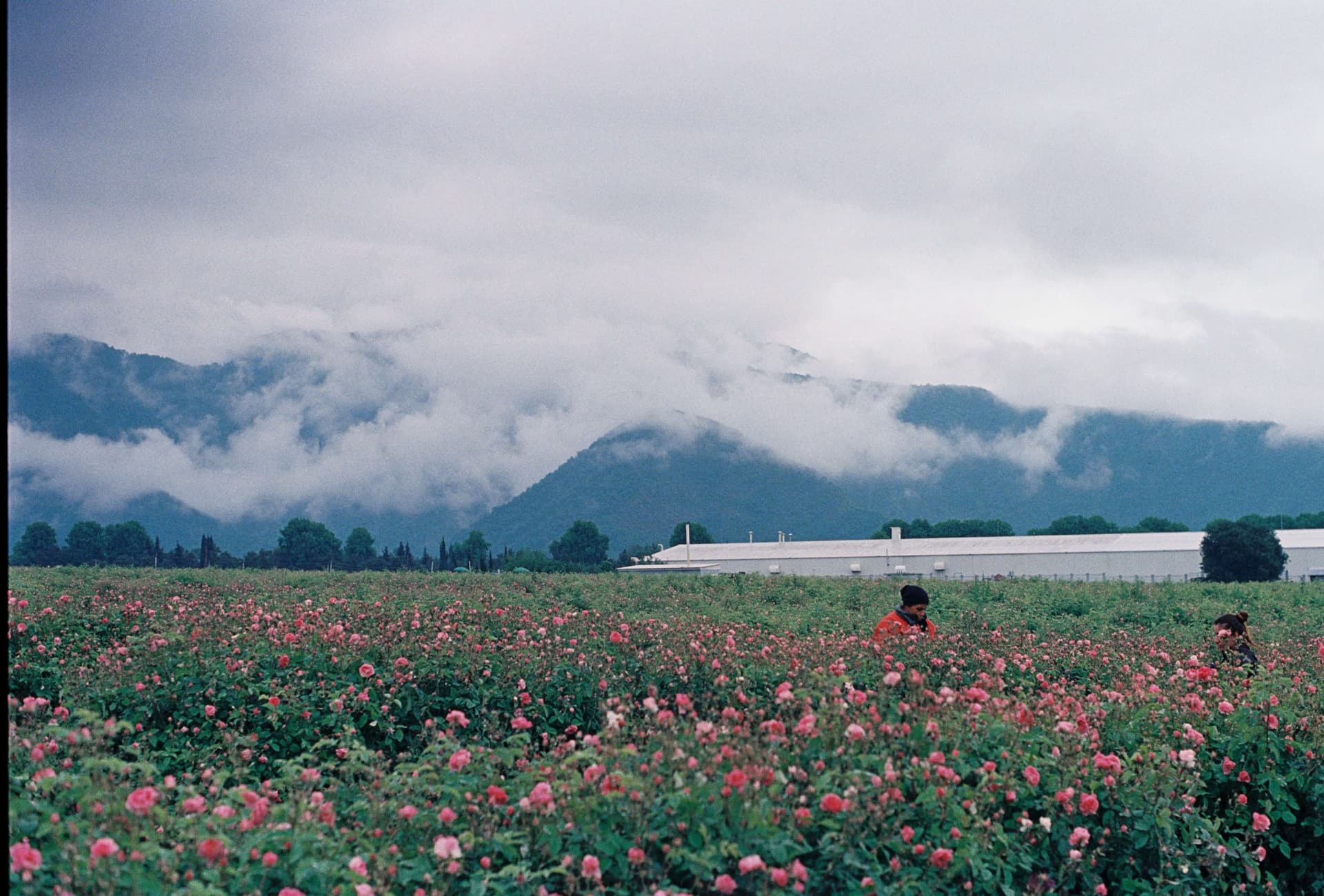
Plan your trip to Kazanlak and the Rose Valley. Discover the flexible dates for the Rose Festival, the unique Rose Museum, Mount Shipka, and Buzludzha.
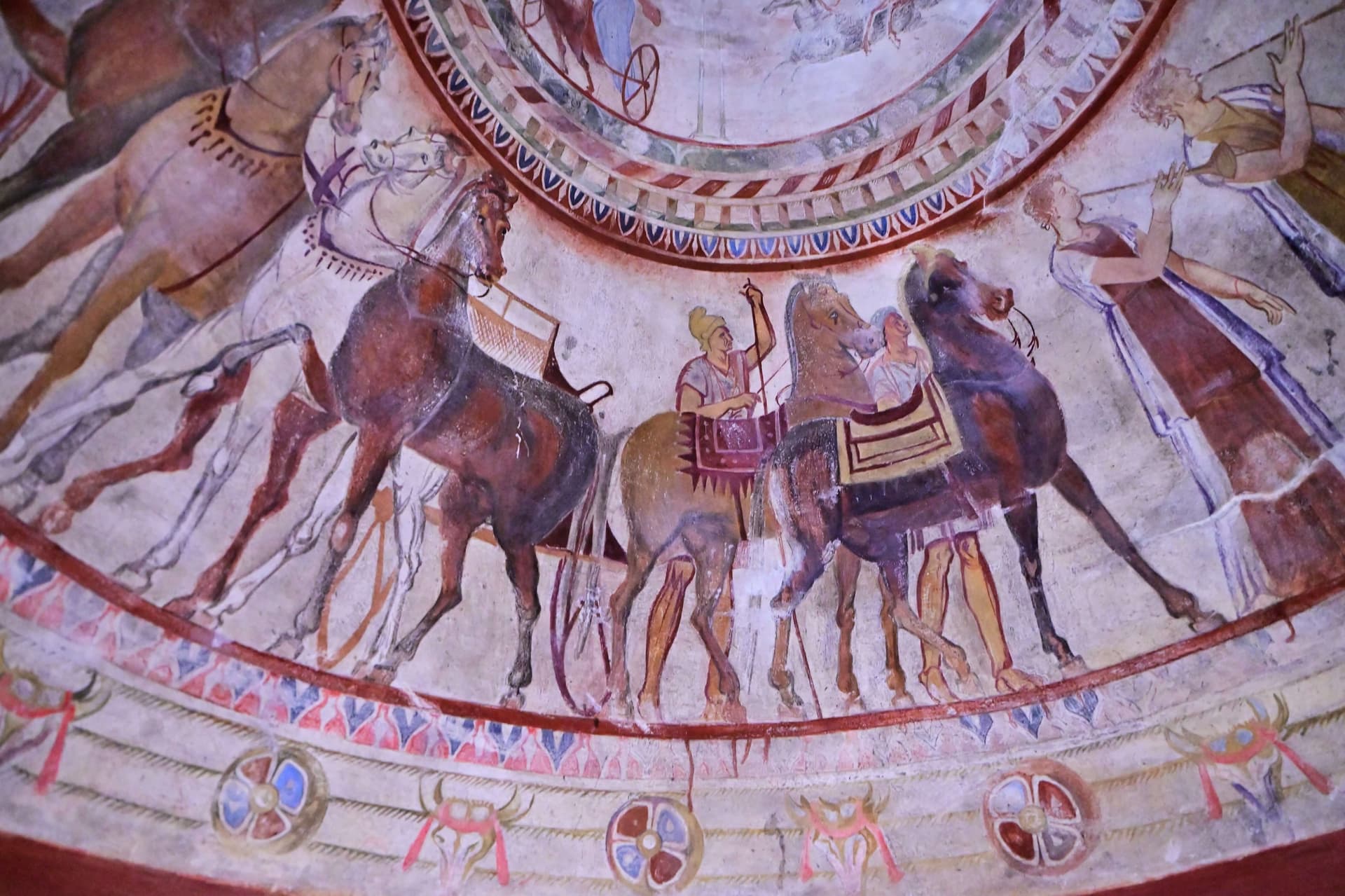
Explore the Valley of the Thracian Kings in Kazanlak: Discover the UNESCO Kazanlak Tomb, Golyama Kosmatka, the sunken city of Seuthopolis, and ancient gold treasures.
Koprinka Reservoir is located in Stara Zagora, Bulgaria.
Koprinka Reservoir is most easily reached by car. Use the coordinates above to navigate, or open the location in OpenStreetMap or your preferred maps app for turn-by-turn directions. Public transport options vary by region — for remote destinations a rental car gives the most flexibility.
Late spring through early autumn (May–September) is the most popular time to visit Koprinka Reservoir. Water is warmest in July and August. Mountain lakes may be inaccessible or frozen in winter.
Permitted activities at Koprinka Reservoir depend on local regulations and conditions. Many Bulgarian lakes allow swimming and recreational fishing with a permit; some — particularly drinking-water reservoirs and protected glacial lakes — restrict access. Check signage on site and verify with local authorities before swimming or fishing.