

The Valley of the Thracian Kings: Ancient Travel Guide
In this guide▾
When travellers think of ancient tombs and lost civilizations, their minds immediately wander to the Valley of the Kings in Egypt. However, few mainstream tourists know that right here, in the very heart of Bulgaria, lies an equally majestic and mystical valley-necropolis guarding the secrets of one of the most powerful, warlike, and enigmatic civilizations of the ancient world—the Thracians.
Nestled within the Rose Valley near Kazanlak, the Valley of the Thracian Kings is home to over 1,500 burial mounds (with only about 300 fully excavated to date). These mounds conceal unique royal tombs, temple-mausoleums, and priceless gold treasures. It is a destination where ancient history, the mythology of Thracian Orphism, and jaw-dropping engineering seamlessly merge.
Here is your comprehensive guide to the most awe-inspiring sites in the Valley.
🏛️ Cultural Masterpieces: The Tombs You Must See
1. The Kazanlak Tomb (UNESCO World Heritage Site)
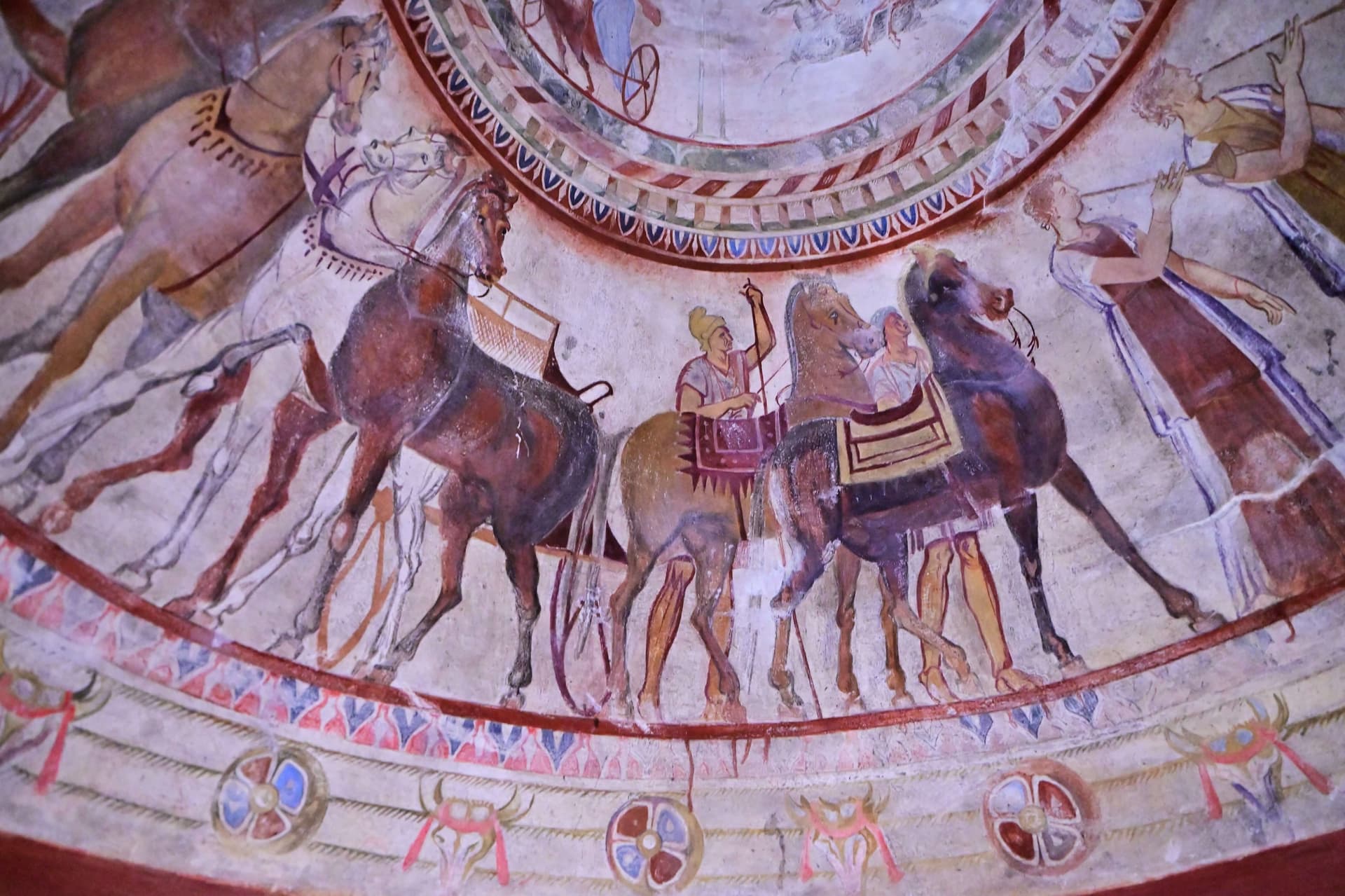
The Kazanlak Tomb is the crown jewel of the valley and one of the first four Bulgarian landmarks inscribed on the UNESCO World Heritage list, in 1979 — alongside Boyana Church, the Madara Rider and the Ivanovo rock churches. Discovered accidentally by soldiers digging a trench in 1944, this tomb dates back to the end of the 4th century BC. Its global fame rests on the phenomenal and perfectly preserved frescoes decorating the narrow vaulted corridor and the brick burial chamber. The murals depict a solemn funeral feast, magnificent war chariots, and a central scene where the ruler and his wife tenderly hold hands in a final, touching gesture of farewell before his journey to the afterlife.
Practical Tip: To protect the delicate original frescoes, visitors tour a meticulously crafted, life-sized replica located right next door.
2. Golyama Kosmatka Mound (The Tomb of the Great King Seuthes III)
Uncovered in 2004 by the legendary Bulgarian archaeologist Dr. Georgi Kitov, the tomb at Golyama Kosmatka is one of the most magnificent archaeological discoveries of the 21st century. The tomb is a grand temple-mausoleum fronted by an imposing stone facade. This is the resting place of King Seuthes III, the powerful ruler of the Odrysian Kingdom. A 13-metre corridor leads to three chambers. In the first, a horse was sacrificed as part of the burial ritual; the last is carved from a single granite block of around 60 tonnes and held the king's personal armour and treasures: his solid gold oak-leaf wreath, helmet, greaves, sword and a gold kylix. The most famous find — a hyper-realistic bronze head of Seuthes III with piercing inlaid eyes — was buried separately, 7 metres in front of the facade. The original head is in the National Archaeological Museum in Sofia; the Iskra museum in Kazanlak shows a copy.

3. Ostrusha Mound – The Cultic Monolith
Ostrusha is a unique monument of Thracian cult architecture from the 4th century BC. The complex features six chambers, but the mind-boggling engineering feat here is the central burial chamber. It was carved out entirely from a single, gargantuan monolithic stone block weighing over 60 tonnes. The ceiling of this chamber was meticulously engineered to resemble the roof of a house and is decorated with fine, geometric reliefs and frescoes depicting human figures, animals, and floral motifs.

4. Shushmanets and Helvetia Tombs
Shushmanets: Dating from the late 5th century BC, this tomb has a rare feature: the dome of its round burial chamber rests on a single central Doric column, while seven Doric half-columns line the walls and an Ionic door frame marks the entrance. It is often called the masterpiece of Thracian architecture, and the central column is read as a symbol of the cosmic axis connecting the earthly world to the heavens.
Helvetia: Located just a stone's throw away, this tomb impresses with its massive stone walls, its long dromos (corridor) designed for secret Orphic initiation mysteries, and a unique stucco technique on the walls that expertly mimics polished marble blocks.

🌊 The Sunken City: The Atlantis of Bulgarian Archaeology
You cannot truly appreciate the Valley of the Thracian Kings without mentioning Seuthopolis—the magnificent capital city of the Odrysian Kingdom, founded by King Seuthes III himself in the late 4th century BC. It was a remarkably modern city, built on a classic Hellenistic grid with straight streets, a sophisticated sewage system, and a massive fortified royal palace.
In a bitter twist of historical irony, the ancient city was excavated and documented between 1948 and 1954, only to be submerged under the waters of the newly constructed Koprinka Reservoir. Today, the remains of Seuthopolis lie at the bottom of the lake, just a few kilometres from Kazanlak, inspiring long-running plans to wall off the site and open it to visitors.

🗺️ Location and How to Get There
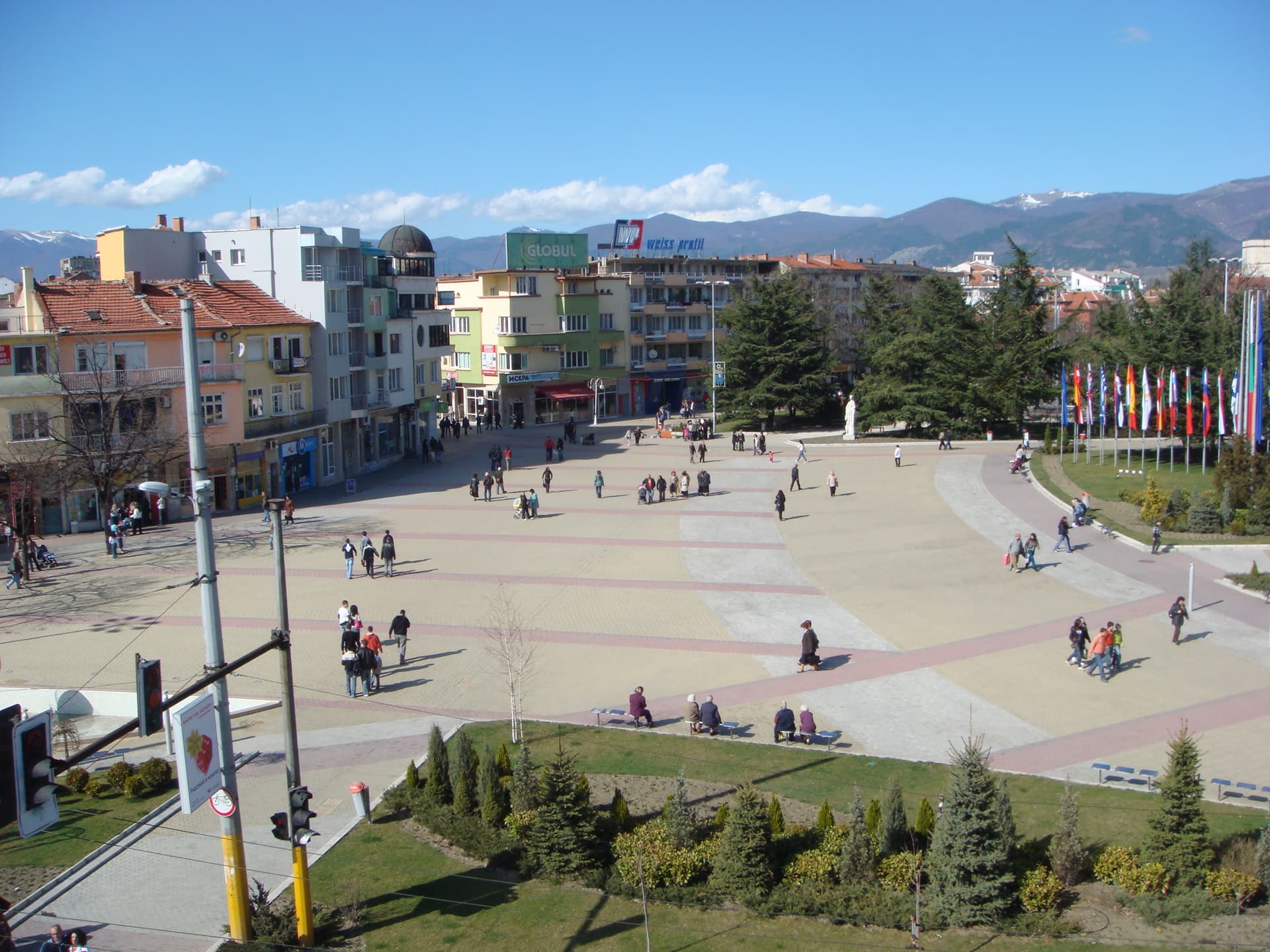
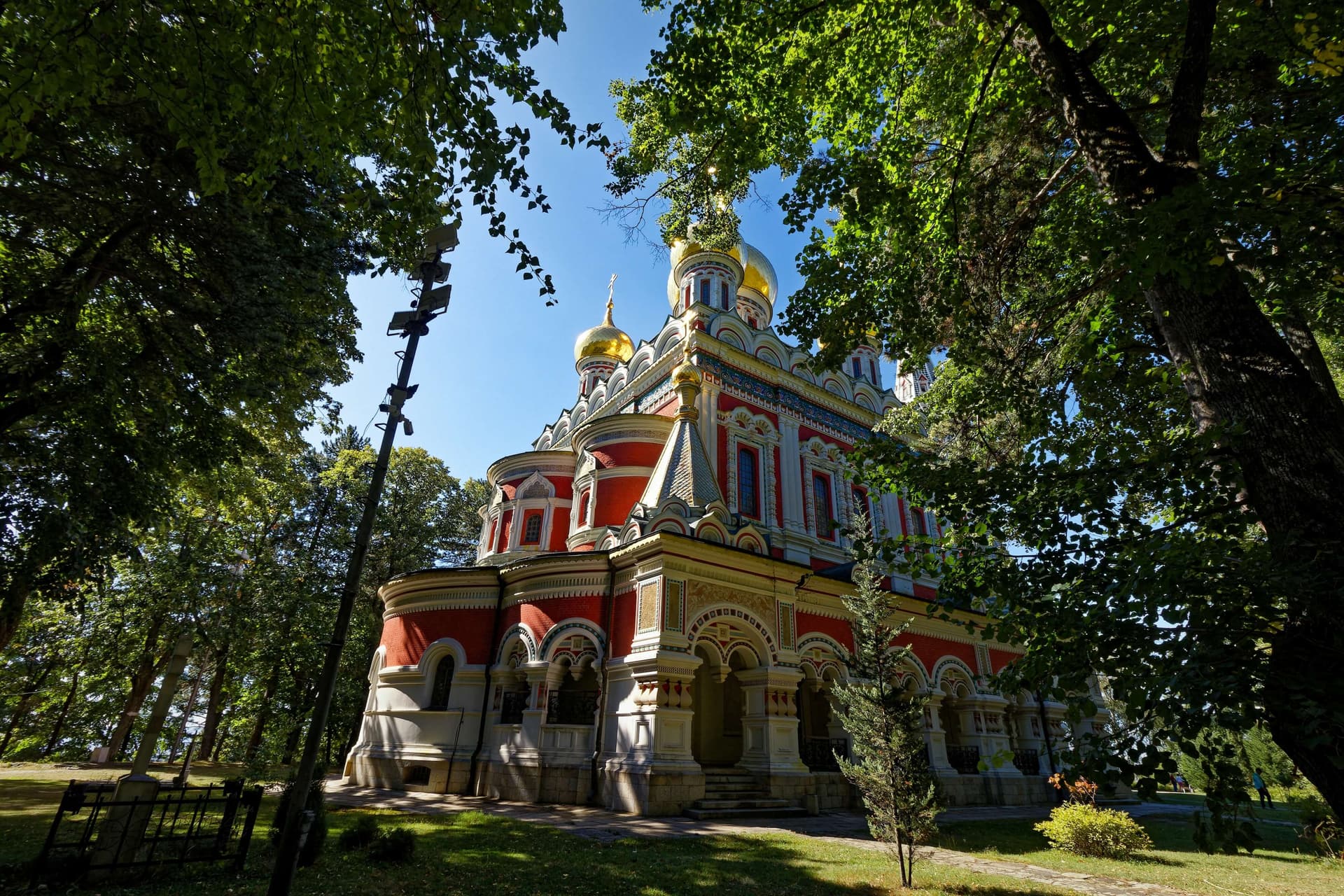
The Valley of the Thracian Kings stretches across Central Bulgaria, situated primarily between the town of Kazanlak and the nearby town of Shipka.
🚗 By Car: The valley is exceptionally well-positioned for a weekend road trip. It is roughly a 3-hour drive from Sofia (~200 km) via the incredibly scenic Sub-Balkan road, about 1 hour and 30 minutes from Plovdiv (~105 km), and around 3 hours 30 minutes from Varna (~300 km).
🚌 Getting Around: Most of the tombs are scattered across open rose fields within a 5-to-10 km radius of each other. The region now features a modern visitor hub, the "Valley of the Thracian Kings" archaeological complex (also called "World of the Thracians") in Shipka, close to the Griffins, Helvetia, Golyama Kosmatka, Ostrusha and Shushmanets tombs, with virtual-reality experiences, a model of ancient Seuthopolis and a replica of Seuthes III's throne hall. However, to explore all the individual tombs at your own pace, travelling by personal car or rental vehicle remains by far the most flexible option.
🌹 Best Time to Visit
While the tombs are open year-round and offer a pleasantly cool escape during the scorching summer heatwaves, the ideal moment to combine ancient history with natural beauty is spring.
In late May and early June, the entire valley bursts into bloom. This allows you to combine your historical tour with the world-famous Kazanlak Rose Festival. To learn more about when natural sights and cultural events in Bulgaria hit their absolute peak, check out our seasonal guide: Best Time to Visit Bulgaria: A Complete Season Guide.
🎟️ Tickets, Hours & Parking
All the tombs in this guide can be visited every day from 09:00 to 17:00. Each has a small free car park right in front of it.
| Single tomb | Price |
|---|---|
| Adults | €3 |
| Pensioners | €2 |
| Pupils and students | €1 |
| Children under 7 | free |
| Guided talk in Bulgarian / in a foreign language | €2 / €5 |
Families with two or more children pay €2 per adult and €1 per child. Independent visitors go in free on the last Monday of each month.
If you plan to see several sites, a package ticket from the Iskra Historical Museum, which runs the tombs, works out cheaper:
| Package | Adults | Pupils, students |
|---|---|---|
| Three sites | €7.50 | €1.50 |
| Three sites, including the museum's permanent exhibition and Vault | €8.50 | €1.50 |
| Four sites | €8 | €2 |
| Four sites, including the permanent exhibition and Vault | €9 | €2 |
| All of the museum's sites, valid for three days | €20 | €5 (pensioners €10) |
Prices checked September 2026; they can change.
🎒 Practical Tips for Travelers
- The Combined Ticket: When you arrive, head to the Iskra Historical Museum in the centre of Kazanlak and purchase a combined ticket for several of the main tombs—from €7.50 for three sites, or €20 for all of them over three days (see the table above).
- The Iskra Museum Vault: Do not skip the museum itself! Its heavily guarded treasury room holds the genuine gold, silver, and bronze artifacts excavated from Golyama Kosmatka and Ostrusha, including Seuthes III's gold wreath (the bronze head of Seuthes on show here is a copy — the original is in Sofia). Seeing the craftsmanship up close in person is an entirely different experience from seeing them in photographs.
- Next Stop on Your Journey: If the Valley of the Thracian Kings has ignited your appetite for mystical and ancient landmarks, the next logical step on your Bulgarian itinerary should be exploring the Womb Cave or the Deaf Stones sanctuary, which we mapped out in 10 Hidden Places in Bulgaria Most Tourists Never Find.

Ready to walk among kings? Keep planning your journey into ancient Bulgaria with Mestala.com!
This guide covers 10 places
Want more Mestala in your Google results?
Add mestala.com as a preferred source and our guides will show up more often when you search. Requires a Google account.
Frequently Asked Questions
Where is the Valley of the Thracian Kings?▾
The Valley of the Thracian Kings lies in the Kazanlak Valley (the Rose Valley) in central Bulgaria, mainly between the town of Kazanlak and the nearby town of Shipka, in the Stara Zagora region. It is home to over 1,500 burial mounds, of which only around 300 have been excavated to date.
What is the most famous tomb in the valley?▾
The Kazanlak Tomb is the best-known. Discovered by soldiers in 1944 and dating to the end of the 4th century BC, it was one of Bulgaria's first four UNESCO World Heritage Sites, inscribed in 1979, famous for its perfectly preserved frescoes of a funeral feast. Visitors tour a precise life-sized replica next door to protect the fragile original.
Who was buried in the Golyama Kosmatka mound?▾
Golyama Kosmatka is the tomb of King Seuthes III, the powerful ruler of the Odrysian Kingdom. Excavated in 2004 by archaeologist Dr. Georgi Kitov, it yielded a sacrificed horse, the king's gold oak-leaf wreath, helmet, greaves, sword and a gold kylix, and — buried in front of the facade — the famous hyper-realistic bronze head of Seuthes III with inlaid eyes. The head is now in the National Archaeological Museum in Sofia.
What happened to the ancient city of Seuthopolis?▾
Seuthopolis, the capital of the Odrysian Kingdom founded by Seuthes III, was excavated between 1948 and 1954 and then submerged under the Koprinka Reservoir near Kazanlak. Its remains still lie at the bottom of the lake, and there are long-standing plans to wall off the site and exhibit it.
How do you get to the Valley of the Thracian Kings?▾
The valley is in central Bulgaria around Kazanlak — roughly a 3-hour drive from Sofia (~200 km) via the scenic Sub-Balkan road, about 1 hour 30 minutes from Plovdiv (~105 km), and around 3 hours 30 minutes from Varna (~300 km). The tombs are scattered across the fields within a 5–10 km radius, so a personal or rental car is by far the most flexible way to explore.
When is the best time to visit the Valley of the Thracian Kings?▾
The tombs are open year-round and stay pleasantly cool in summer, but late May and early June are ideal: the valley bursts into bloom and you can combine the ancient sites with the world-famous Kazanlak Rose Festival.
Where can I see the gold treasures from the tombs?▾
The original gold, silver, and bronze artifacts excavated from Golyama Kosmatka and Ostrusha — including Seuthes III's gold wreath — are kept in the treasury of the Iskra Historical Museum in the centre of Kazanlak. The one major exception is the bronze head of Seuthes III: the original is in the National Archaeological Museum in Sofia, and Iskra shows a copy. The museum is also where you can buy a combined ticket for several of the main tombs.
How much does it cost to visit the Thracian tombs?▾
Each tomb costs €3 for adults, €2 for pensioners and €1 for pupils and students; children under 7 go in free. A combined ticket for three sites of the Iskra Historical Museum is €7.50 (€1.50 for students), for four sites €8, and a three-day ticket for all of the museum's sites €20. Entry is free for independent visitors on the last Monday of each month. All tombs are open daily 09:00–17:00, and parking in front of them is free (checked September 2026).
You might be interested in
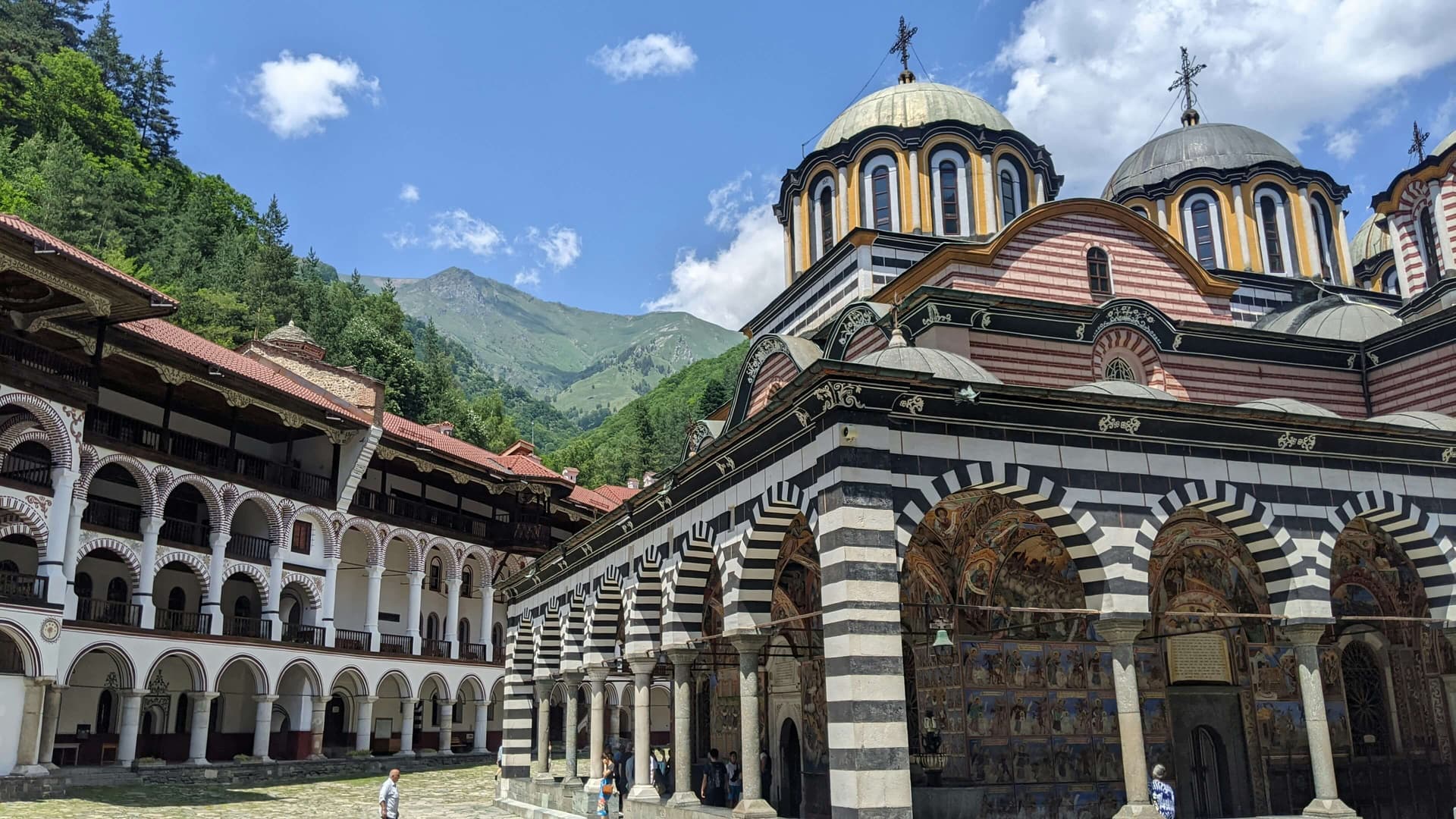
Rila Monastery: The Complete Day-Trip Guide from Sofia
Plan a day trip to Rila Monastery from Sofia: driving distances, parking, how long to spend, family tips, what to see, and where to stay overnight.
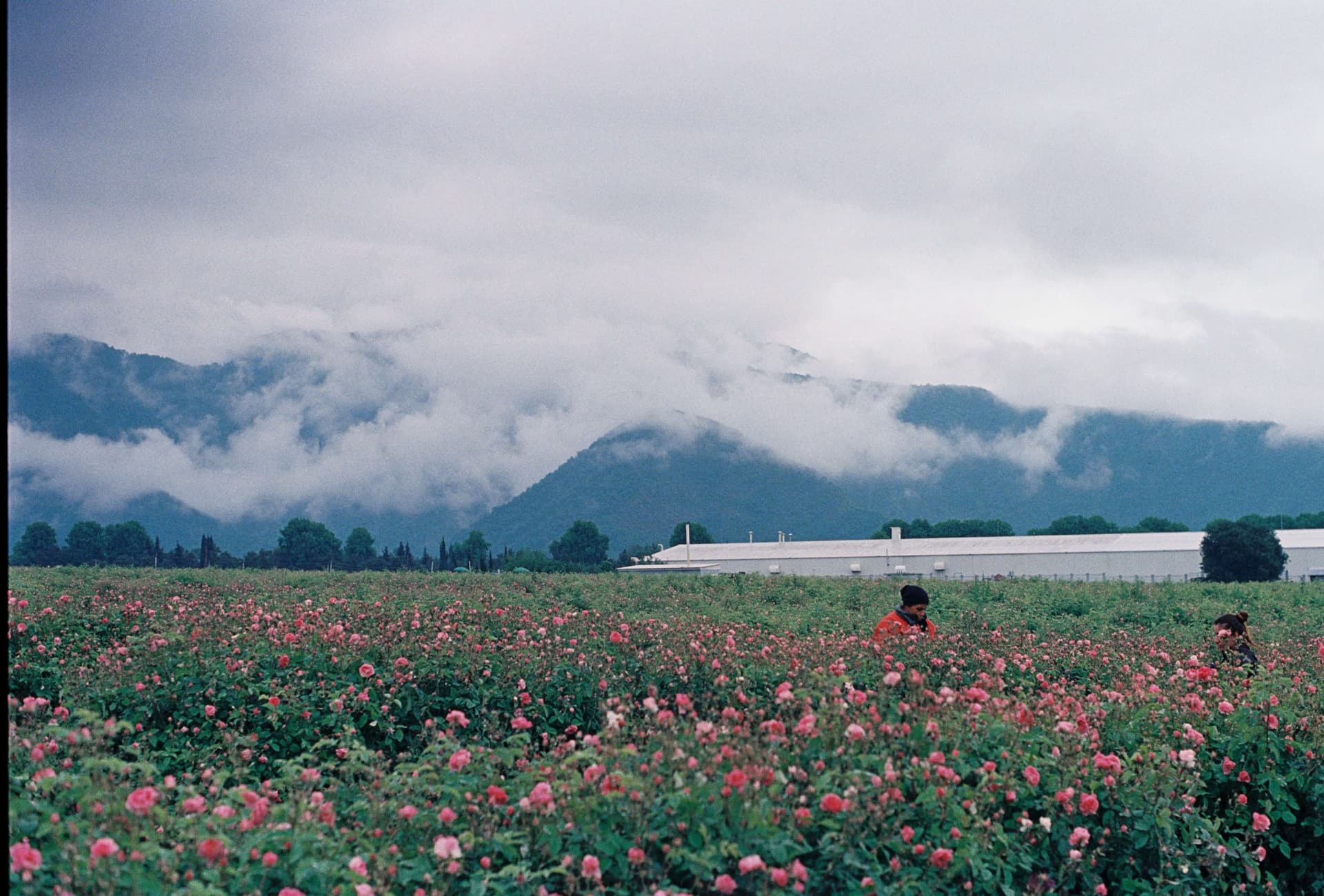
Kazanlak & the Rose Valley: Bulgarian Rose Festival Guide
Plan your trip to Kazanlak and the Rose Valley. Discover the flexible dates for the Rose Festival, the unique Rose Museum, Mount Shipka, and Buzludzha.
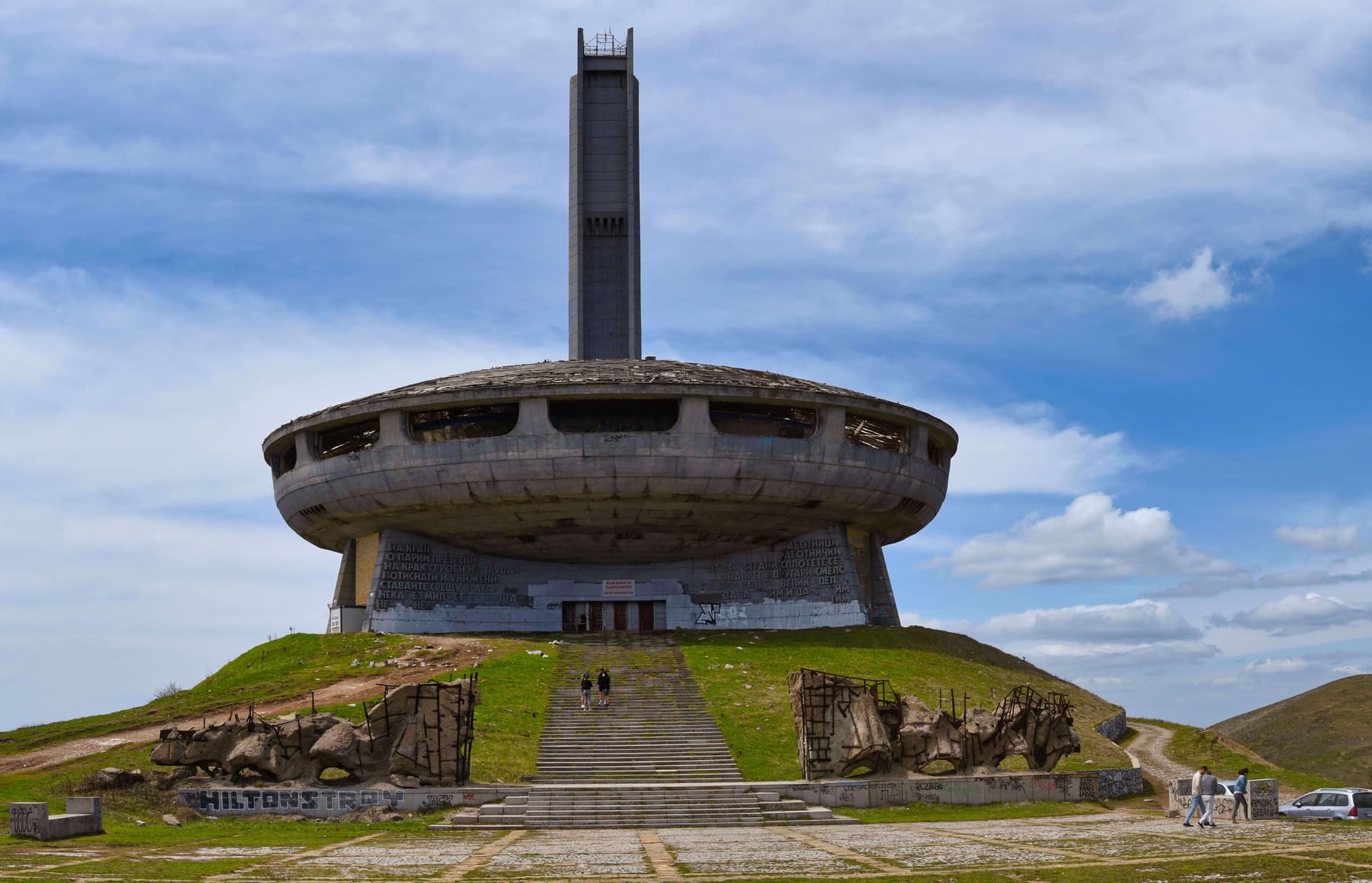
Buzludzha: Bulgaria's Abandoned Communist 'UFO' Monument
A guide to the Buzludzha Monument: what it is, how to get there, whether you can go inside, the mosaics, and the best time to visit Bulgaria's UFO landmark.
Gotse Delchev: Kovachevitsa, Leshten & the Mesta Valley
Roman ruins at Nicopolis ad Nestum, the stone villages of Kovachevitsa and Leshten, and Ognyanovo's hot springs — what to see around Gotse Delchev.