10 Hidden Places in Bulgaria Most Tourists Miss
10 lesser-known places in Bulgaria: Prohodna Cave, Emen Canyon, the Shashkanite rock monastery, the Womb Cave, Kosti in Strandja and Venetsa Cave, with tips.
Ten places most visitors to Bulgaria miss: God’s Eyes (Prohodna Cave), the Vratsata Gorge and Vrachanski Balkan, Emen Canyon, the Shashkanite rock monastery near Provadia, Delchevo village, the Gluhite Kamani Thracian sanctuary, the Canyon of Waterfalls near Smolyan, the Womb Cave (Utrobata), Kosti village in Strandja, and Venetsa Cave. None of them is served by reliable public transport, so you need a car.
If you are craving an authentic adventure and want to experience places radiating incredible energy without the commercial crowds, here are 10 hidden gems in Bulgaria waiting to be discovered.
1. God’s Eyes (Prohodna Cave)
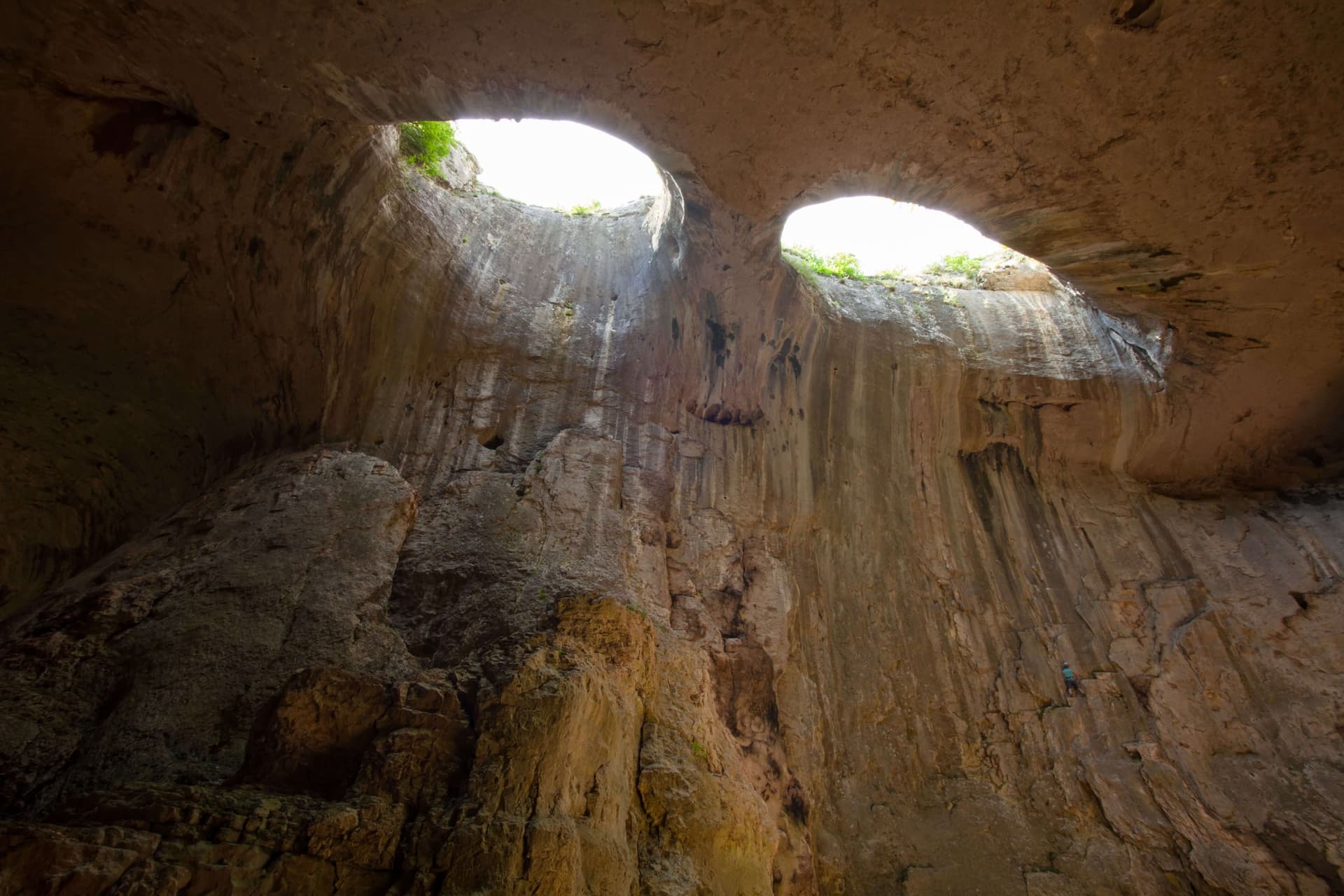
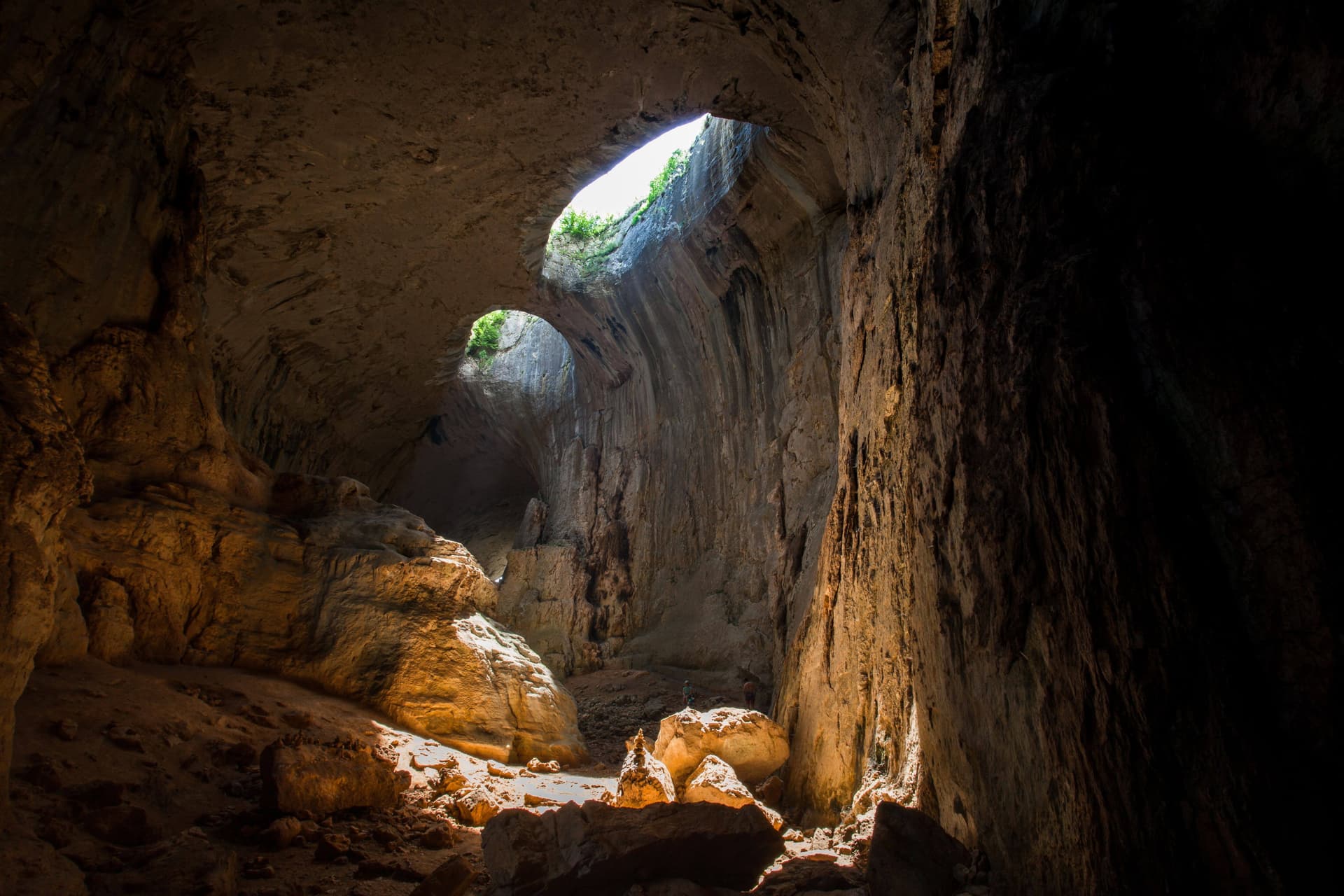
Located near the village of Karlukovo, Prohodna is one of Bulgaria's most striking caves. It is a massive walk-through rock tunnel featuring two identical, almond-shaped holes in its ceiling that look strikingly like a pair of human eyes. Standing directly beneath them and looking up is a mystical experience, and on rainy days, it genuinely looks as though tears are flowing down from the stones. Despite its jaw-dropping scale, it remains largely absent from mainstream tour bus routes. Our Prohodna Cave guide covers parking, the best light and the day loop with Devetashka.
2. Vratsata Gorge and the Vrachanski Balkan
While most tourists head straight for the Rila and Pirin mountain ranges, Northwestern Bulgaria hides some of the country's most dramatic limestone scenery. The Vratsata Gorge near Vratsa is a narrow canyon between sheer cliffs rising about 400 meters. Driving along the floor of the canyon between these towering rock walls feels surreal. Nearby, you can also hike up to the Skaklya waterfall — at 141 m Bulgaria's highest, though it flows mainly in spring and after heavy rain. Our Vrachanski Balkan guide plans the area, and Ledenika Cave is just above the town.

3. Emen Canyon and Momin Skok Waterfall
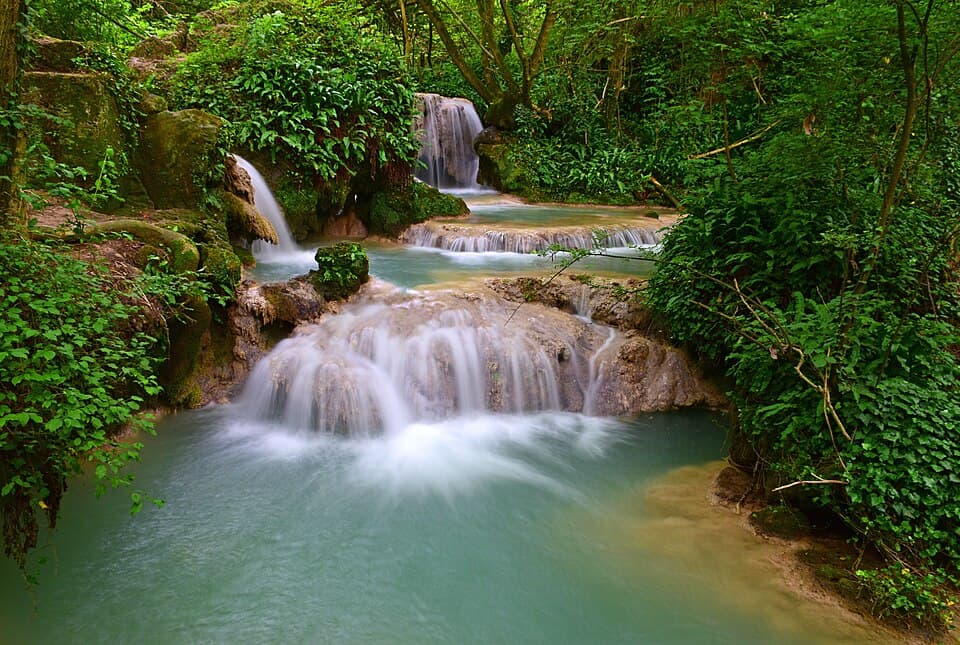
Tucked away in the foothills of the Balkan Mountains near Veliko Tarnovo, the Negovanka River canyon is a quiet, wild corner of forest and rock. It features one of the first eco-trails built in Bulgaria, leading you across wooden bridges and platforms pinned into the sheer cliffs above the river. The trail starts north-east of Emen village and runs about 2 km down the gorge to the tail of the Negovanka reservoir; on the way it passes Momin Skok (Maiden's Leap) waterfall, which empties into an isolated, emerald-green pool hidden deep within the forest.

4. "Shashkanite" Rock Monastery near Provadia
While Aladzha Monastery is famous worldwide, very few travelers have ever heard of "Shashkanite". This medieval monastic complex dating back to the 12th–14th centuries is carved high up into the vertical cliffs of the plateau overlooking the town of Provadia. The most thrilling part of the visit is how you reach the cells—via a narrow metal bridge over the drop. The view from the top is breathtaking, and the feeling of isolation is absolute.

5. Delchevo Village – The Hidden Architectural Reserve
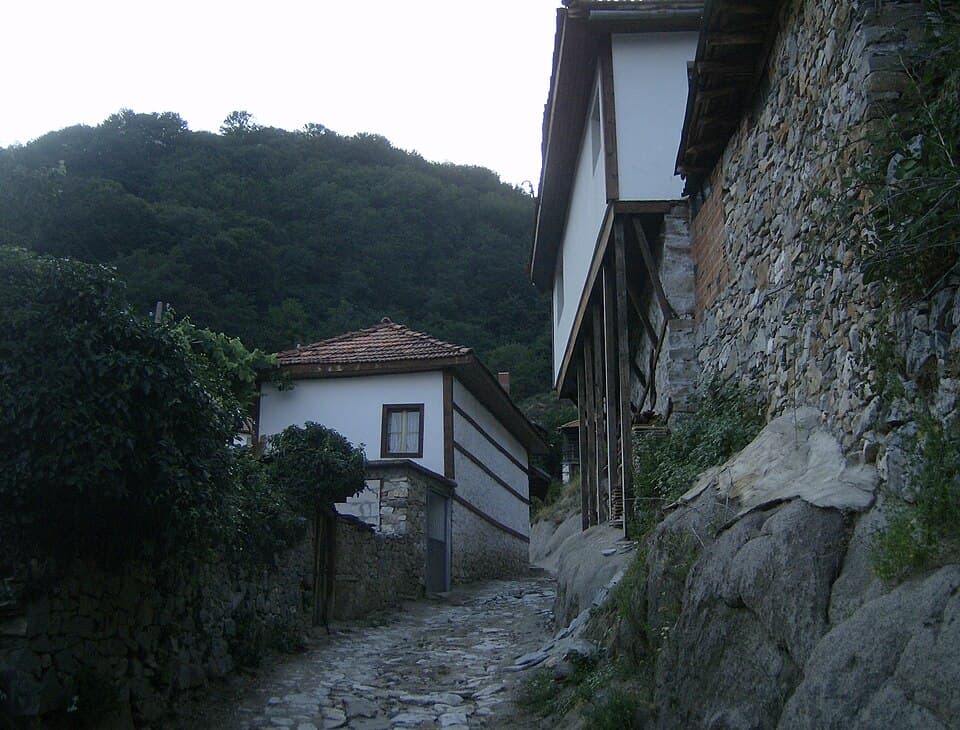
Forget the packed historical streets of Koprivshtitsa. Delchevo is a fairytale village perched amphitheatrically on the steep slopes of the Pirin Mountain, high above the town of Gotse Delchev. With its narrow cobblestone lanes and authentic 19th-century houses crafted entirely from heavy stone and dark wood, the village has preserved its historical spirit completely intact. It also commands a phenomenal panoramic view over the entire valley below. Delchevo pairs naturally with the stone villages of Kovachevitsa and Leshten — our Gotse Delchev guide plans the whole Mesta valley.
6. "Gluhite Kamani" (The Deaf Stones) Thracian Sanctuary
Located in the Eastern Rhodope Mountains, this is one of the most striking rock sanctuaries of ancient Thrace. The complex consists of several massive boulders separated by deep ravines. Carved directly into the rock faces are over 200 mysterious trapezoidal niches whose true purpose remains a puzzle to modern archaeologists. Thirty-three narrow, low steps hewn into the near-vertical rock lead to the top of the central crag, where a deep rock-cut cistern collected rainwater beside the remains of an altar or ritual basin.

7. The Canyon of Waterfalls near Smolyan
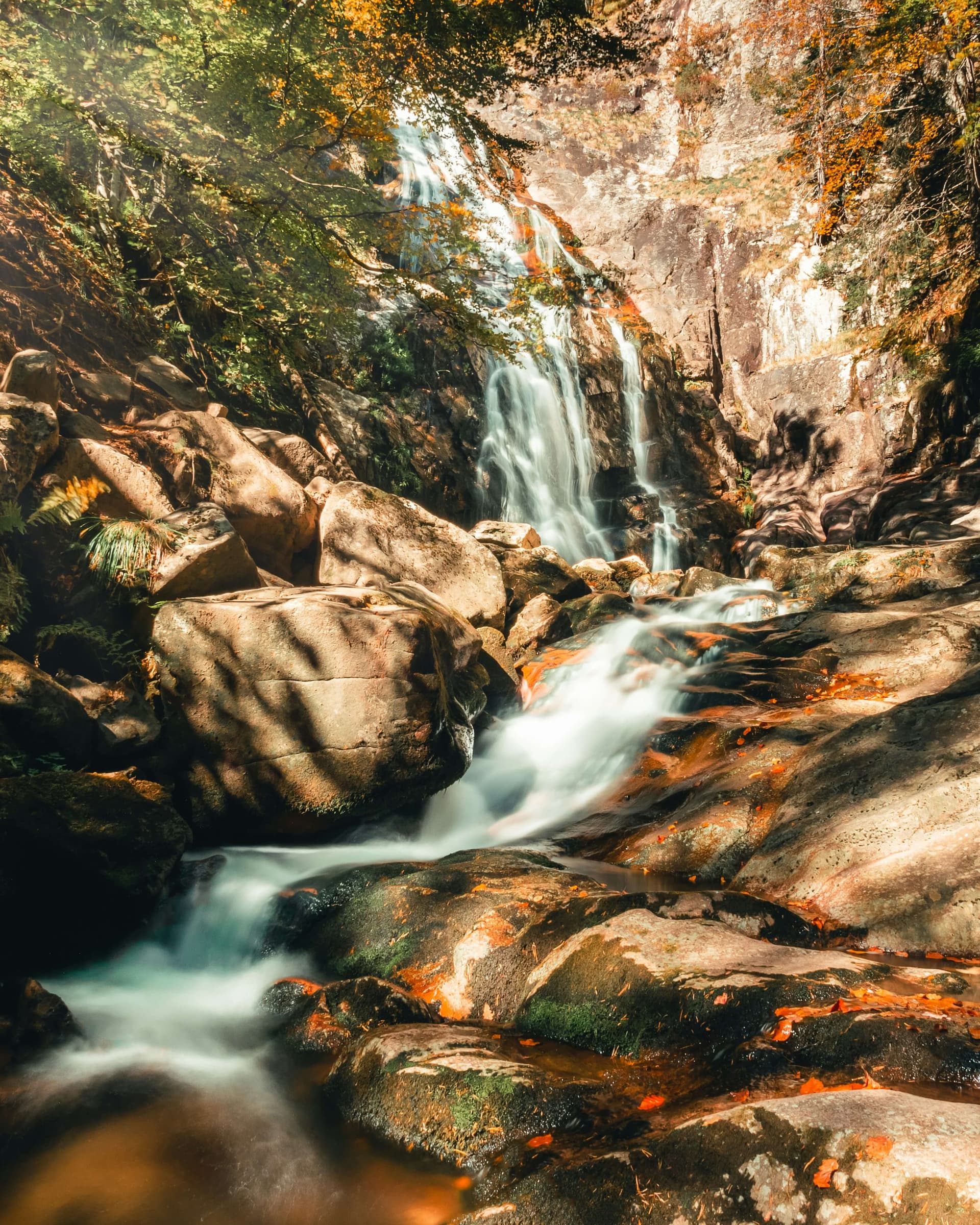
Deep in the heart of the Rhodopes, this eco-trail is a magical forest wonderland that often gets overshadowed by nearby show caves. Our Smolyan guide covers the trail and the town. The trail winds through centuries-old spruce forests and crosses dozens of small wooden bridges over the Gerzovska River. Along the canyon, you can witness a staggering total of 46 waterfalls, the most spectacular being the "Orpheus" waterfall — a cascading water veil dropping 68 meters down the smooth rock.
8. The Womb Cave (Utrobata)
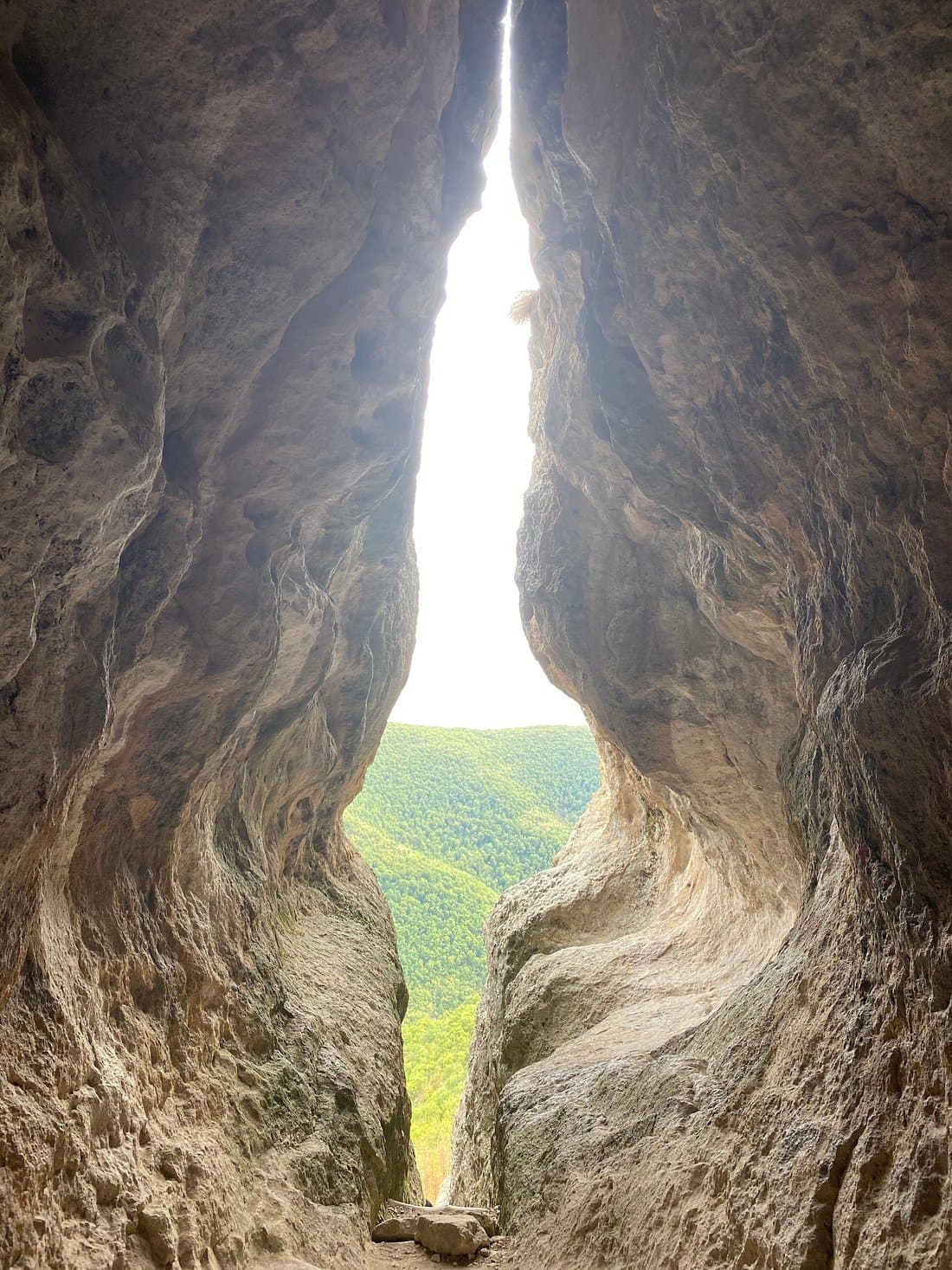
Perched high in the cliffs above the Kardzhali Reservoir, this cave is an ancient Thracian sanctuary from the Early Iron Age. The cave was intentionally hand-carved into the shape of a female womb. Around midday, at certain times of the year, a ray of sunlight enters through the opening and falls on the stone altar at the back, read as the sacred marriage between Sun and Earth. Reaching it requires a steep trek, keeping it safe from mass commercial tourism. More of the Eastern Rhodopes is in our Rhodope Mountains guide.
9. Kosti Village and Mystical Strandja
Strandja is Bulgaria's least explored and most enigmatic mountain range, and the village of Kosti, sitting along the Veleka River, is its hidden heart. The village preserves unique wooden architectural styles and centuries-old oak forests, and it is one of the Strandzha villages tied to the ancient custom of Nestinarstvo (dancing barefoot on live embers), still kept alive today mainly in nearby Bulgari and listed by UNESCO. Time stands completely still here, and the surrounding nature is truly wild.
10. Venetsa Cave – The Colorful Underground Kingdom
Located near the village of Gara Oreshets in Northwestern Bulgaria, Venetsa Cave was closed to the public for a long time, making it virtually unknown to international tourists. It is considered one of the most beautiful caves in the country due to its colored crystals, calcite formations, and rare stalactites. The cave has been equipped with an artistic, colored LED lighting system that transforms its underground caverns into a breathtaking subterranean palace. It is open all year; hours and tickets are in our Belogradchik guide.

Practical Tips for Explorers
We may earn a commission if you book through the links in this guide. It costs you nothing extra. How affiliate links work
- A Car is Essential: Absolutely no regular or reliable public transport reaches these remote hidden treasures. Driving your personal vehicle or a rental car is the only way to comfortably reach the trailheads. Compare car hire across Bulgaria on DiscoverCars.
- Offline GPS Maps: Deep within canyons (like Emen) and across the mountain ridges of Strandja or the Eastern Rhodopes, cellular signal is often completely nonexistent. Before you set off, make sure to download offline navigation maps (like Google Maps or Maps.me) so you never lose your orientation.
- Sturdy Gear: Unlike commercialized show caves and landmarks, you won't find asphalt walkways here. For the metal bridge at Shashkanite, the steep mountain paths to the Womb Cave, or the rocky heights of Vratsata, you will need sturdy athletic footwear and a backpack stocked with plenty of fresh water.
Compare car hire
This DiscoverCars box loads only with cookies. It comes through Travelpayouts, our affiliate partner, and turns on Google Analytics, which shows us which guides are useful.
Which hidden treasure will you discover first? Keep exploring authentic Bulgaria with Mestala.com!
First published
Frequently Asked Questions
What are the best hidden places in Bulgaria?
Among the top hidden gems are God’s Eyes (Prohodna Cave) near Karlukovo, the Vratsata Gorge and Vrachanski Balkan, Emen Canyon near Veliko Tarnovo, the Shashkanite rock monastery near Provadia, the Gluhite Kamani Thracian sanctuary and the Womb Cave (Utrobata) in the Rhodopes, the Canyon of Waterfalls near Smolyan, the villages of Delchevo and Kosti, and the colorful Venetsa Cave.
Do you need a car to reach these places?
Yes. None of these hidden spots are served by regular or reliable public transport. Driving a personal or rental car is practically the only way to reach the trailheads.
What are 'God’s Eyes'?
God’s Eyes is Prohodna Cave near the village of Karlukovo — a massive walk-through rock tunnel with two identical almond-shaped openings in its ceiling that look strikingly like human eyes. On rainy days, water trickles down through them as if the eyes are crying.
What makes the Womb Cave (Utrobata) special?
Utrobata, above the Kardzhali Reservoir, is an ancient Thracian sanctuary hand-carved into the shape of a female womb. Around noon, a ray of sunlight enters through the opening and illuminates the stone altar, symbolizing the sacred marriage between Sun and Earth. Access is via a steep trek, which keeps the crowds away.
What is Emen Canyon and what should I expect on the trail?
Emen Canyon, on the Negovanka River near Veliko Tarnovo, is an eco-trail of wooden bridges and platforms pinned into the sheer cliffs above the river, passing the Momin Skok waterfall on its way to the Negovanka reservoir. The trail is spectacular but requires care because of the heights — wear comfortable shoes.
Can I visit Venetsa Cave?
Yes. Venetsa, near the village of Gara Oreshets in Northwestern Bulgaria, was closed for a long time but is now open to visitors. It is open all year and famous for its colored crystals and calcite formations, lit by an artistic LED system that turns the halls into an underground palace.
When is the best time to visit these hidden places?
Late spring and early autumn are ideal — nature is green, the waterfalls are full (especially the seasonal Skaklya near Vratsa and Momin Skok), and the weather is good for hiking. In winter, many of the trails and canyons become hard to access.
What should I pack for these adventures?
Sturdy athletic footwear, a backpack with plenty of water, and offline maps downloaded in advance. In the deep canyons and the mountains of Strandja and the Eastern Rhodopes, cellular signal is often completely lost.
This guide covers 15 places
Like these guides?
Add Mestala as a preferred source in Google