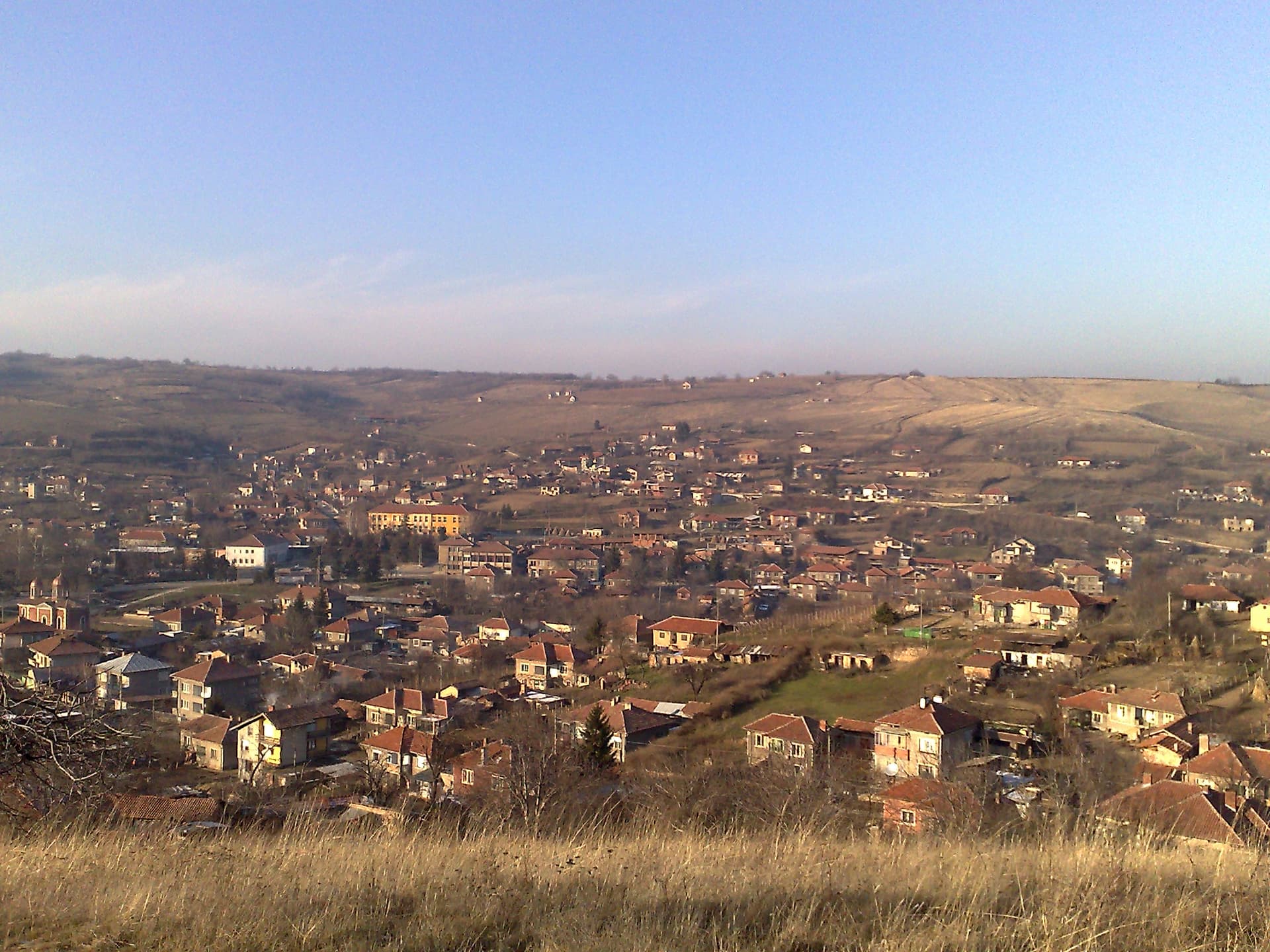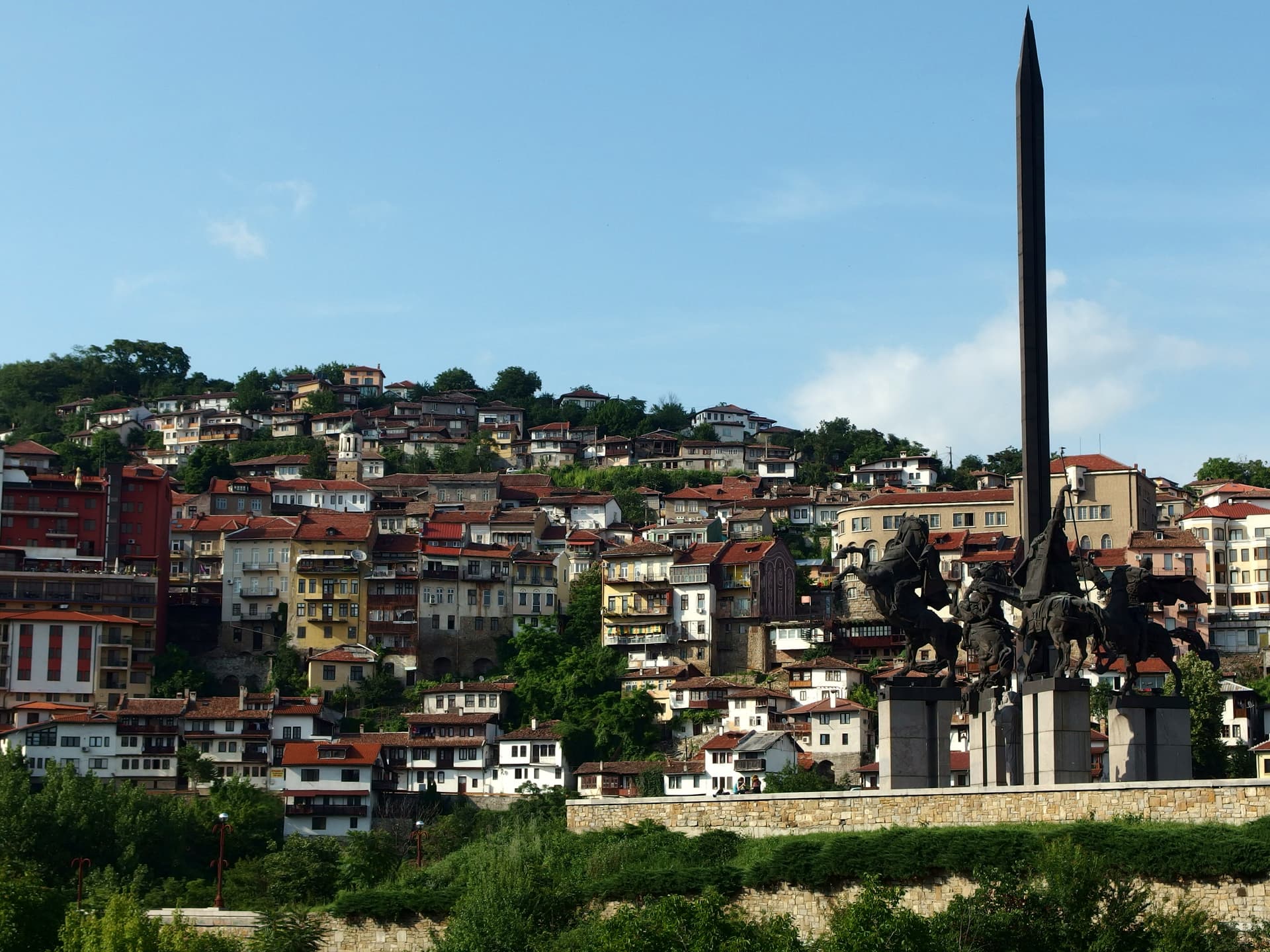
Veliko Tarnovo is an iconic and globally renowned city in Northern Bulgaria, serving as the official administrative center of the Veliko Tarnovo Province and Veliko Tarnovo Municipality. The city commands exceptional historical prestige, having operated as the primary capital of the glorious Second Bulgarian Kingdom and the Principality of Bulgaria during the transitional period between 1878 and 1879. Throughout the Middle Ages, the settlement carried the official name Tarnovgrad, subsequently becoming popular in colloquial speech and documents under the shorter title Tarnovo. By an official state decree issued on July 27, 1965, the honorific Veliko (meaning Great) was prefixed to its name to commemorate the enduring glory of the city during its tenure as the political and spiritual core of the Bulgarian realm. Today, leveraging its rich and perfectly preserved cultural-historical heritage, Veliko Tarnovo operates as a premier tourism hub in the Balkans. By an official and solemn resolution of the 44th National Assembly passed on April 16, 2019, the city of Veliko Tarnovo was formally proclaimed the Historical and Spiritual Capital of Bulgaria.
According to official metrics from the national population census executed in September 2021, the city ranks as the 15th largest in the Republic of Bulgaria, boasting a permanent population of 58 507 residents. Research demonstrates that Veliko Tarnovo is one of merely four Bulgarian cities that recorded a sustained and positive natural growth rate during the period from 2006 to 2014. A powerful and economically integrated urban agglomeration is structured around the city, encompassing the towns of Veliko Tarnovo, Gorna Oryahovitsa, Dolna Oryahovitsa, Lyaskovets, and the large neighboring villages of Arbanasi, Parvomaytsi, Samovodene, and Sheremetya, bringing the total population of this cluster to 99 278 individuals.
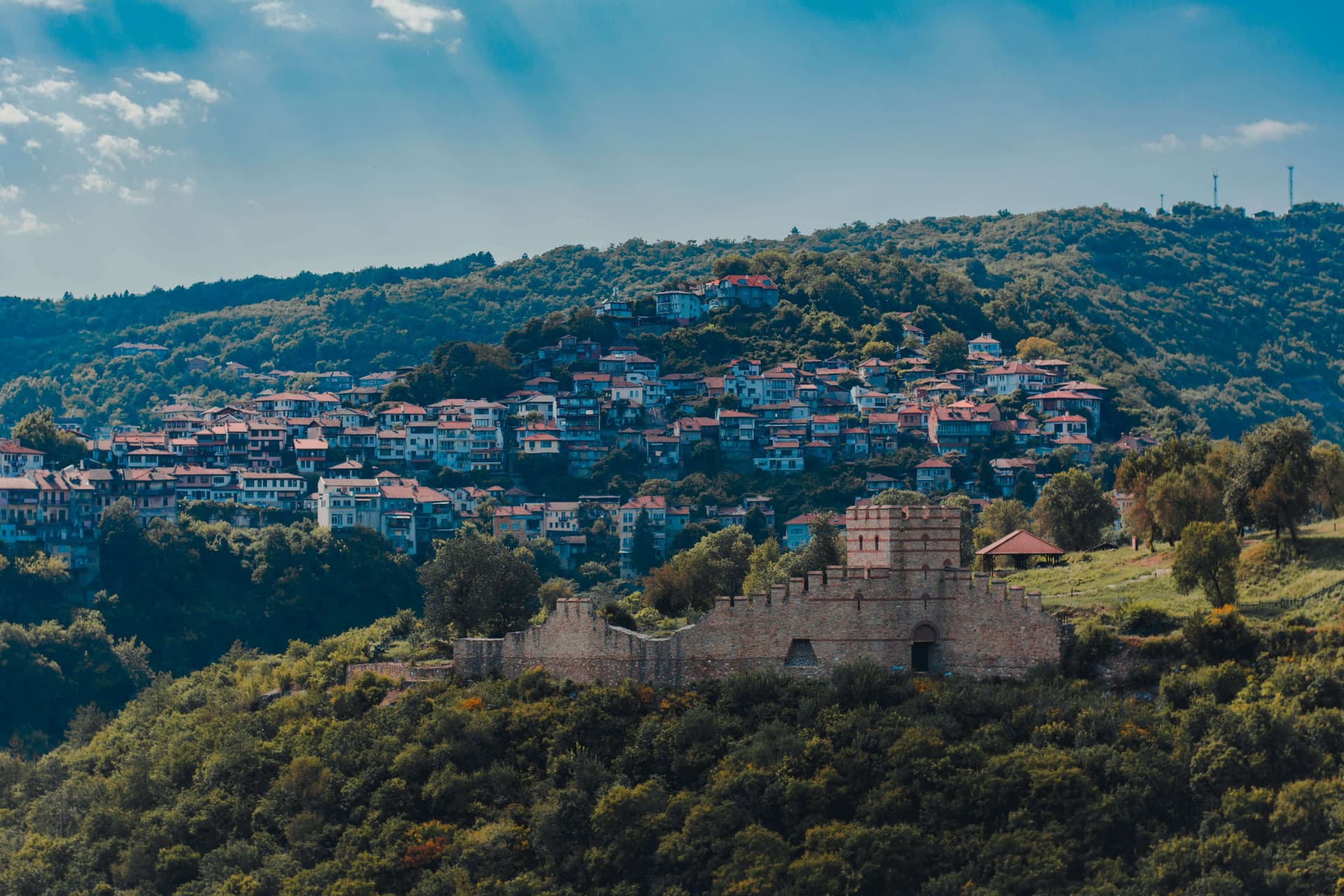
Veliko Tarnovo occupies a highly rugged, scenic, and strategic geographical position, situated on the border between the fertile Danube Plain and the northern slopes of the Balkan Mountains, anchored upon the initial rocky ridges of the Fore-Balkan. The city functions as the primary administrative, transport, industrial, and educational hub for the entire region.
Prominent educational and state institutions operate within the city limits:
In 1879, the city became the historic host of the celebrated Constituent Assembly, which drafted the landmark Tarnovo Constitution and marked the legitimate dawn of the modern Third Bulgarian State. In a sign of international recognition of the cultural weight of the old Bulgarian capital, a high mountain peak on Antarctica's Livingston Island was officially named Tarnovo Peak. The city actively develops cultural diplomacy and was among the leading official candidates for the prestigious title of European Capital of Culture for 2019.
The most widespread and scientifically supported theory regarding the origin of the initial medieval name Tarnovgrad is the Slavic hypothesis. It proves that the nomenclature derives directly from the Old Bulgarian words traneva or tranova, bearing the literal meaning of thorny or briery, combined with the ancient Slavic word grad, meaning an enclosed space, a fortified stronghold, or a stone fortress. From these root forms, subsequent linguistic variations of the city's name evolved over centuries.
The official symbols of the city carry a deep historical context:
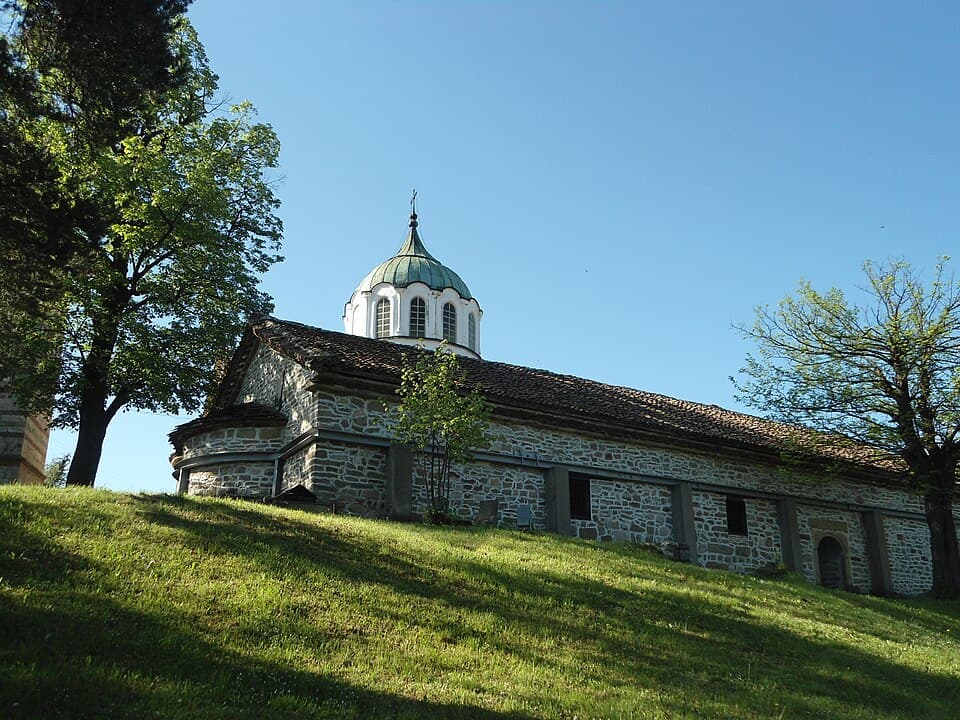
A weekend in Elena: the Daskalolivnitsa museum complex, Elena ham and its festival, the walk to Kapinovo Monastery, how to get there and when to go.
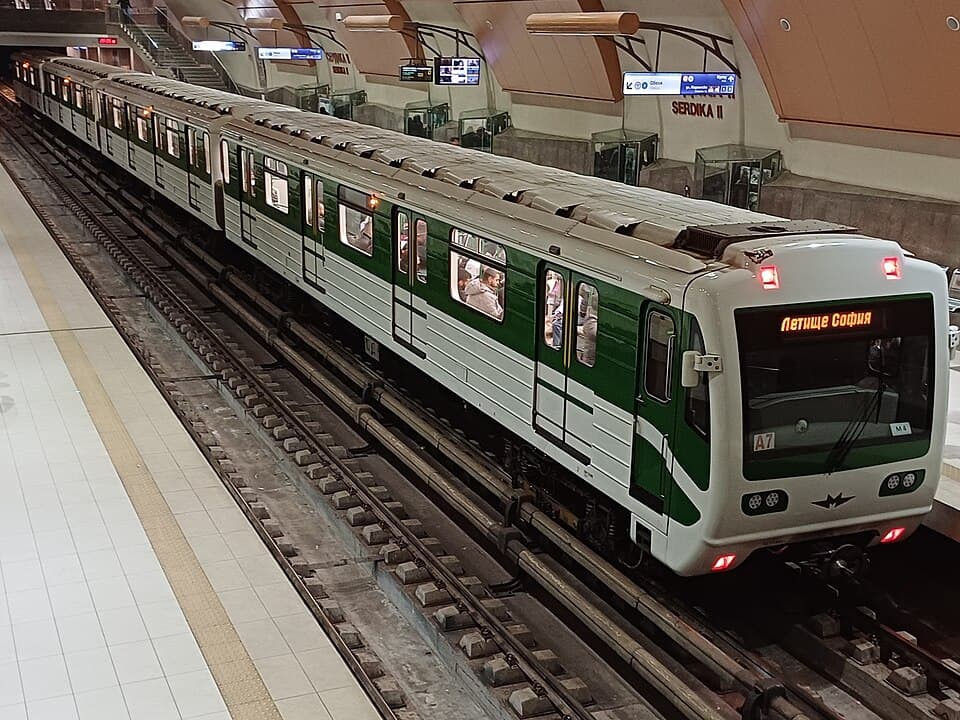
A complete guide to getting around Bulgaria: all four international airports, intercity buses, BDŽ trains, car rentals, vignettes, and public transport.
The complete 7-day Bulgaria travel itinerary: explore Sofia, Rila Monastery, Plovdiv, Veliko Tarnovo, and the Black Sea coast with distances and travel times.
Veliko Tarnovo is located in Veliko Tarnovo, Bulgaria.
Veliko Tarnovo is most easily reached by car. Use the coordinates above to navigate, or open the location in OpenStreetMap or your preferred maps app for turn-by-turn directions. Public transport options vary by region — for remote destinations a rental car gives the most flexibility.
Veliko Tarnovo can be visited year-round, but late spring (May–June) and early autumn (September–October) offer the most pleasant weather and fewer tourists. Summer is the busiest season; winter is the quietest, with shorter daylight and possible cold weather.
Bulgarian settlements typically reward unhurried walking — historic centres, churches and monasteries, local markets, and family-run restaurants serving regional dishes. Larger towns often have museums and seasonal cultural events. The local tourist information centre is a good first stop for current opening hours and what's on.