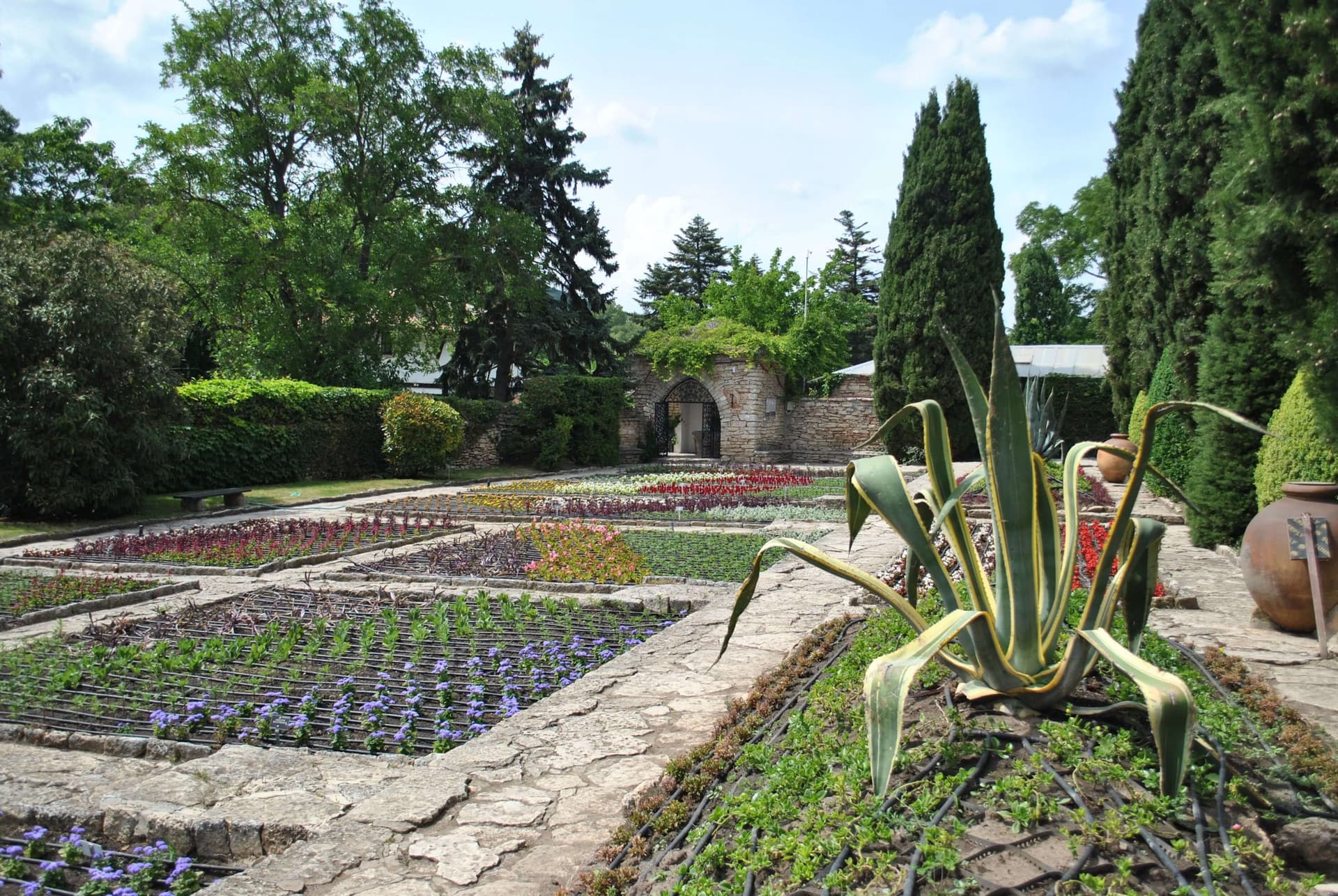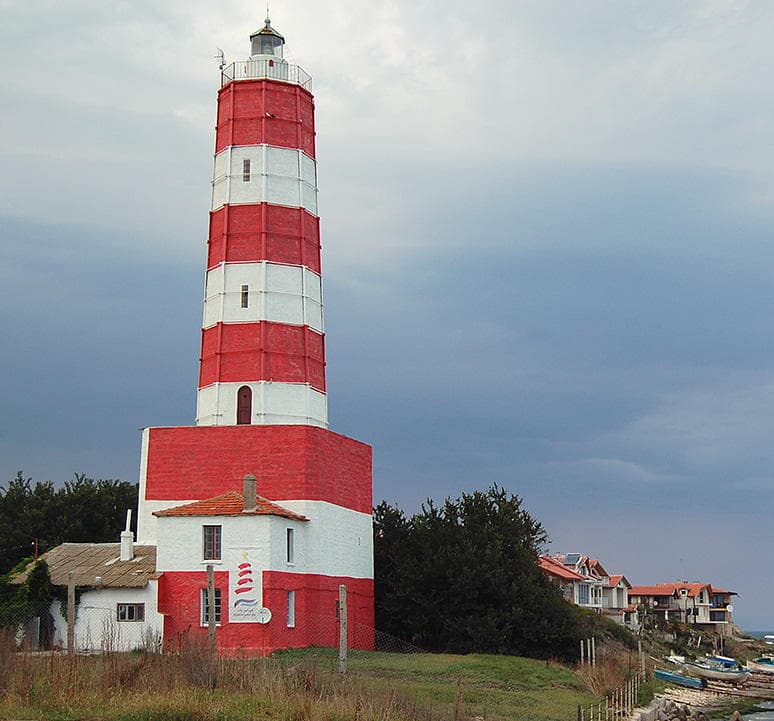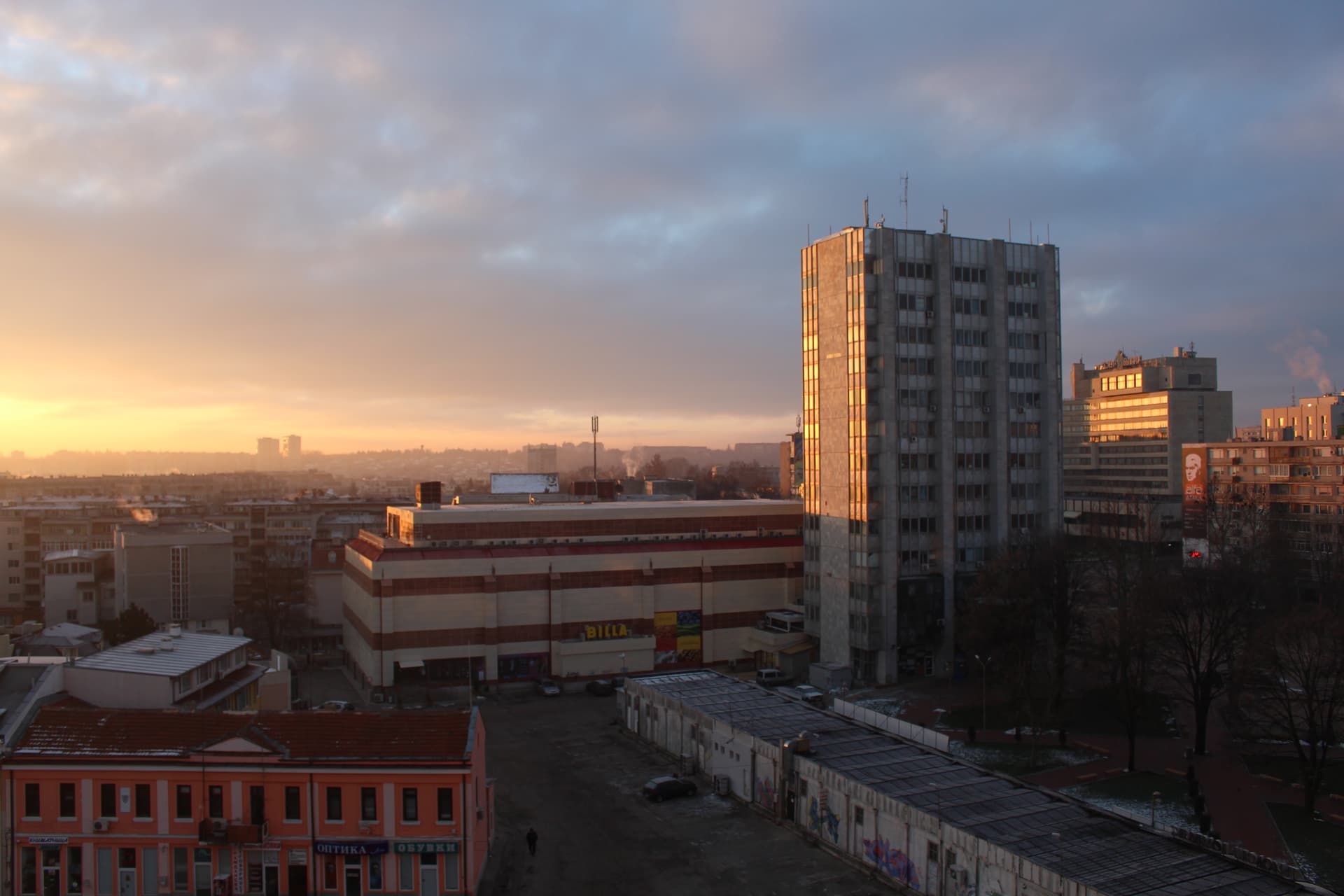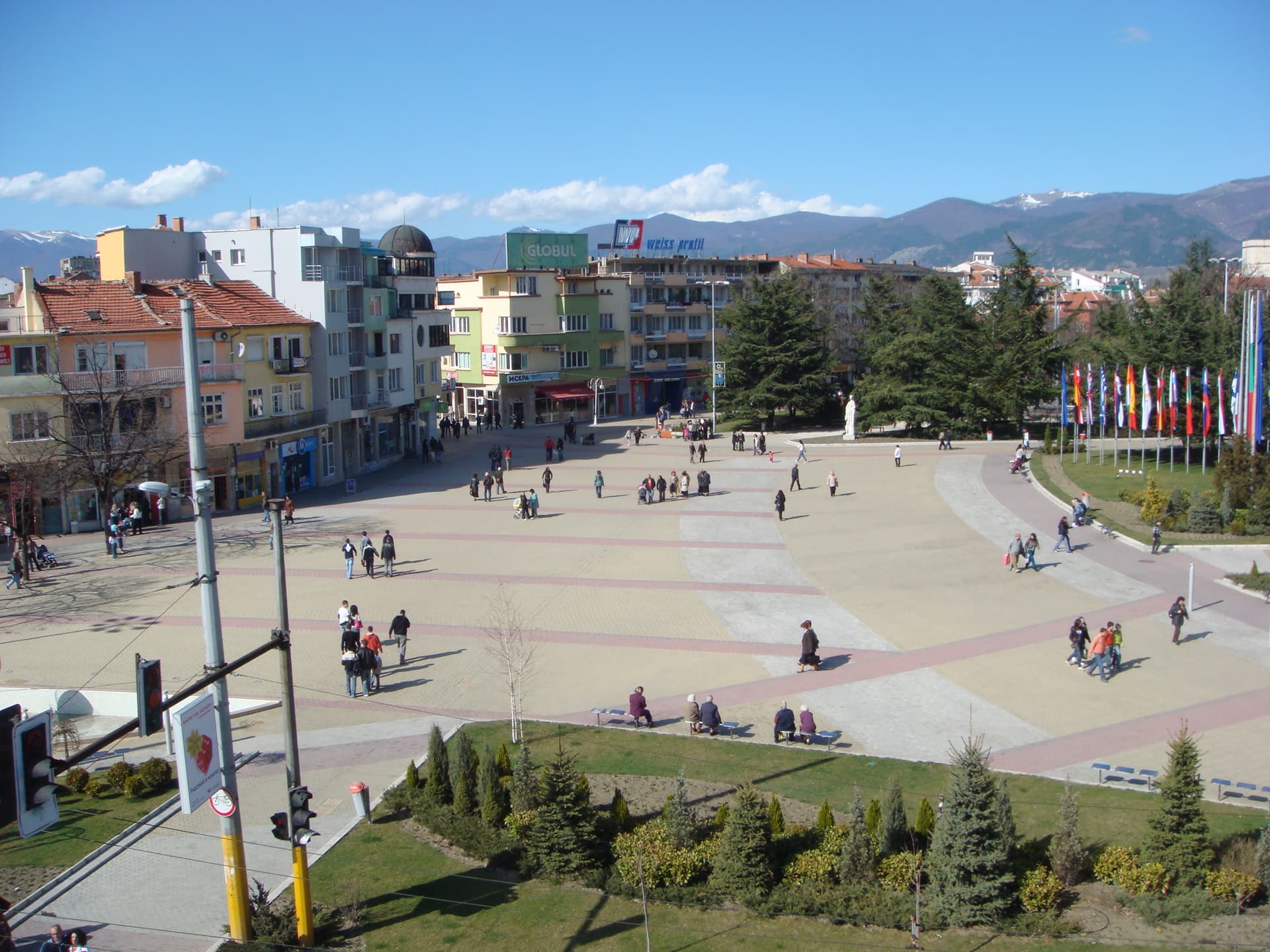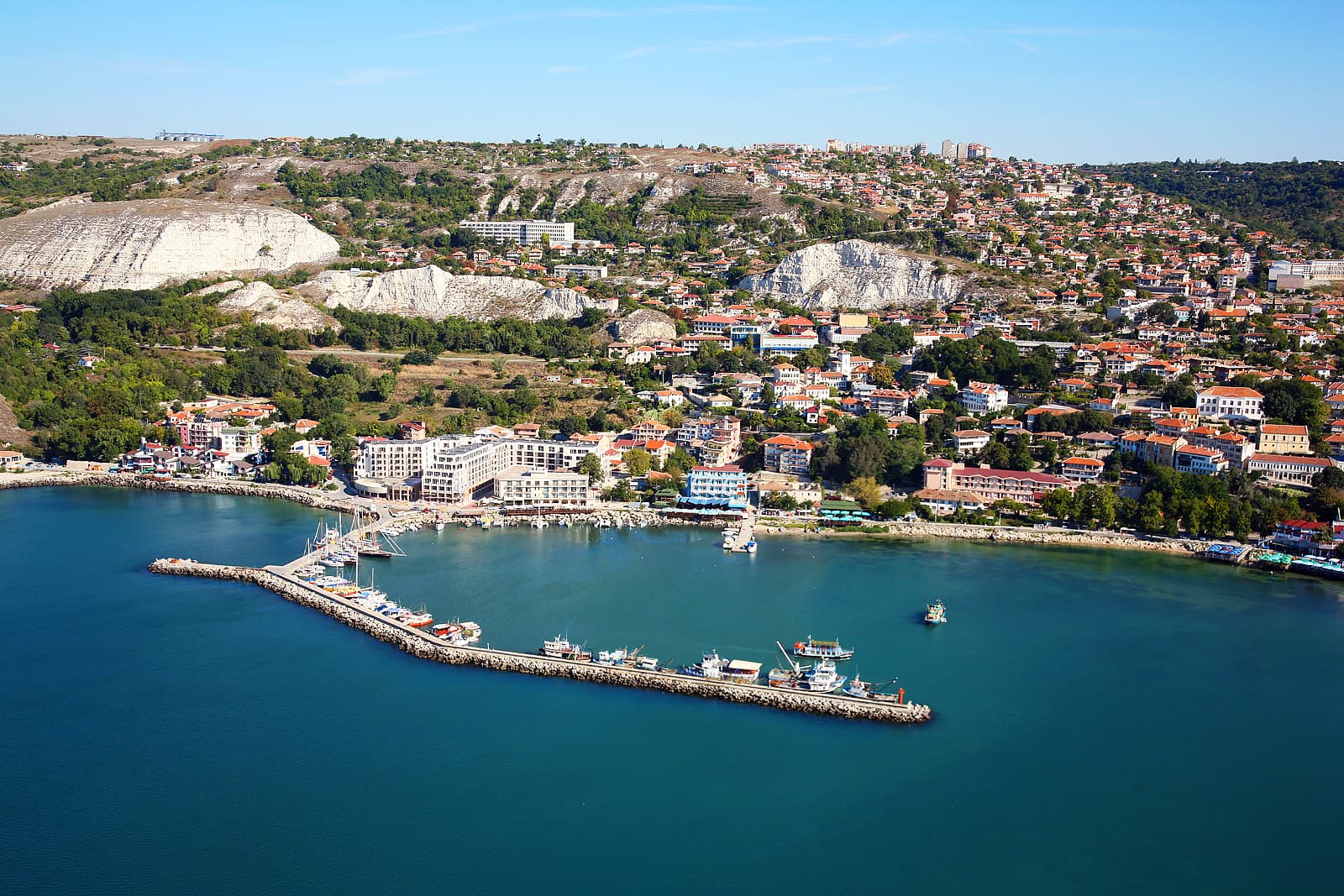
Balchik is a town on the northern Black Sea coast, in Dobrich province, with 9,454 inhabitants (NSI, end of 2025), the fifth-largest town on the Bulgarian coast. It is built in terraces on white limestone cliffs, about 40 km north of Varna and 8 km from Albena.
By car on main road 9 from Varna, about 45 minutes. Buses on the Varna – Balchik – Kavarna line are frequent; the bus station is in the upper town, about 2 km above the sea. The car park at the palace is paid and fills early in summer. Details are in our guide below.
Greek colonists from Miletus founded the town as Krouni; it was later named Dionysopolis. Medieval Karvuna, the centre of Dobruja in the 14th century, is usually identified with Balchik. In the 19th century the town grew rich as a grain port. From 1913 to 1940 it was under Romanian rule, when Queen Marie built her palace.
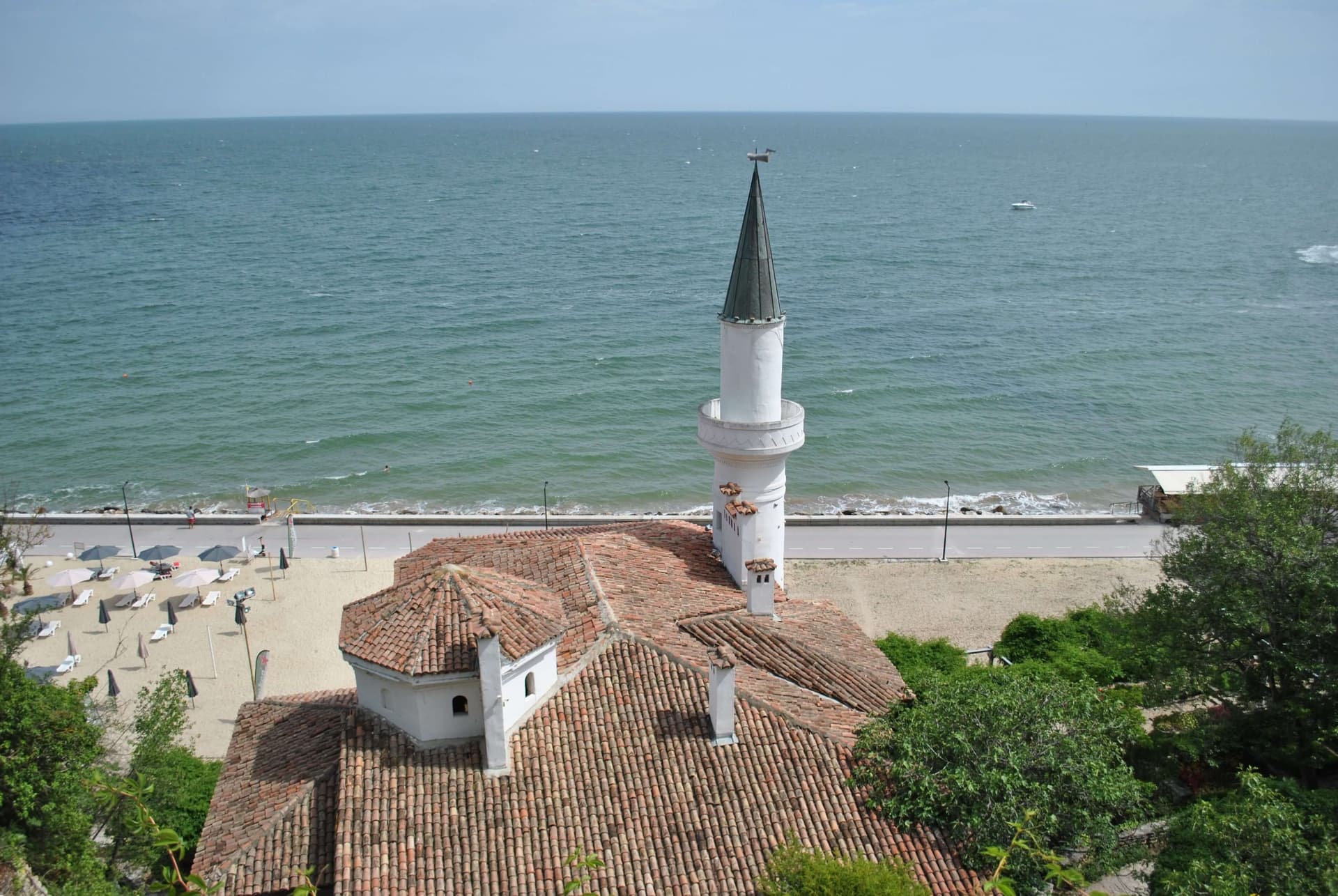
Dobrich region
1.7 km away

Dobrich region
8.4 km away
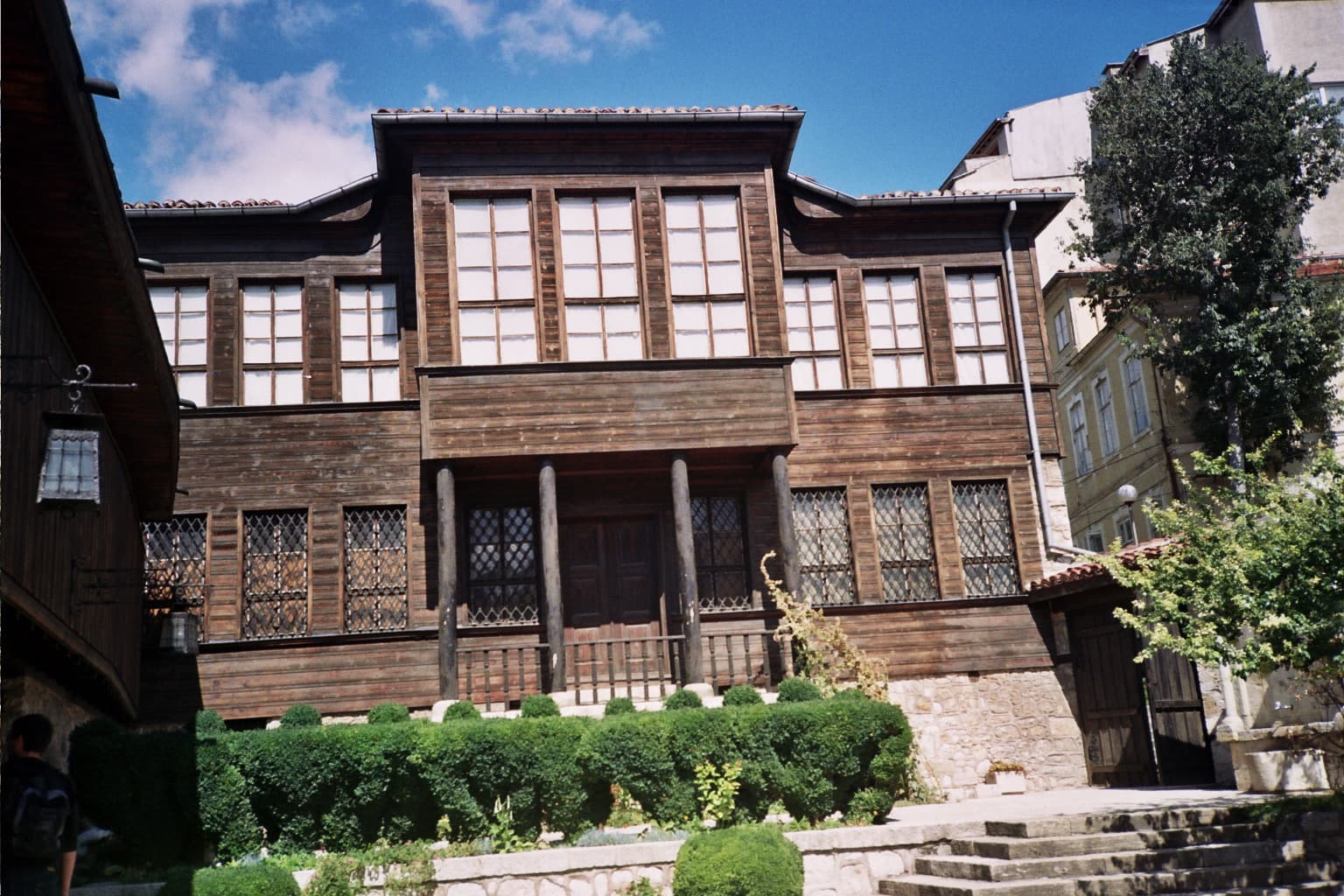
Dobrich region
13.8 km away
Discover Balchik: Queen Marie's Palace, the famous seaside Botanical Garden and cacti, ticket prices, parking tips, why the beach isn't here, and where to stay.
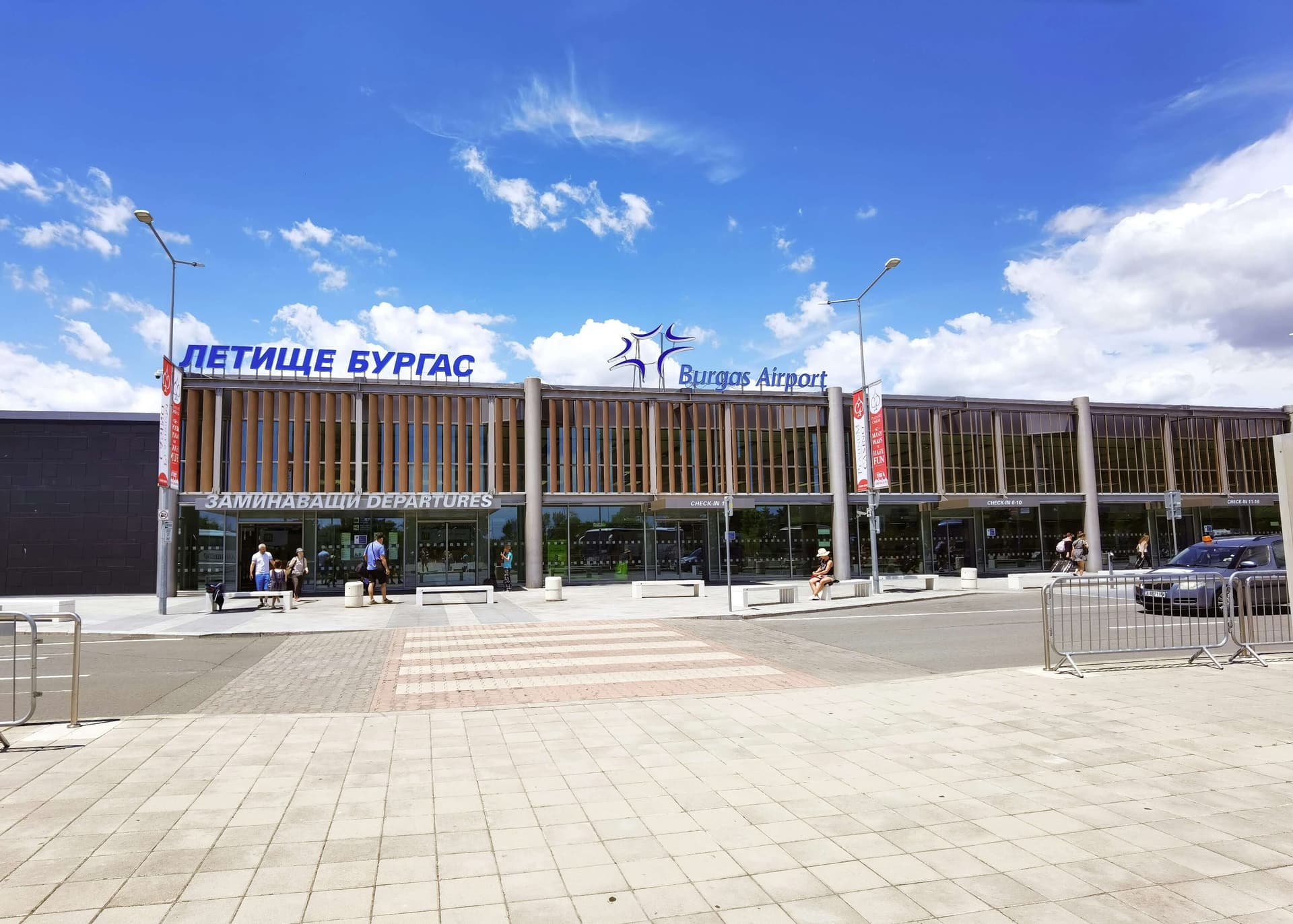
A complete guide to transfers from Burgas Airport (BOJ): Bus No. 15 to the city, direct Bus No. 10 to Sunny Beach and Nessebar, taxis, and fare details.
Bus 409 reaches central Varna in 20 minutes for about €1 and Golden Sands in 50. Zoned fares, the two operators to tell apart, and taxi costs.
Balchik is located in Dobrich, Bulgaria.
Balchik is most easily reached by car. Use the coordinates above to navigate, or open the location in OpenStreetMap or your preferred maps app for turn-by-turn directions. Public transport options vary by region — for remote destinations a rental car gives the most flexibility.
Balchik can be visited year-round, but late spring (May–June) and early autumn (September–October) offer the most pleasant weather and fewer tourists. Summer is the busiest season; winter is the quietest, with shorter daylight and possible cold weather.
Bulgarian settlements typically reward unhurried walking — historic centres, churches and monasteries, local markets, and family-run restaurants serving regional dishes. Larger towns often have museums and seasonal cultural events. The local tourist information centre is a good first stop for current opening hours and what's on.