

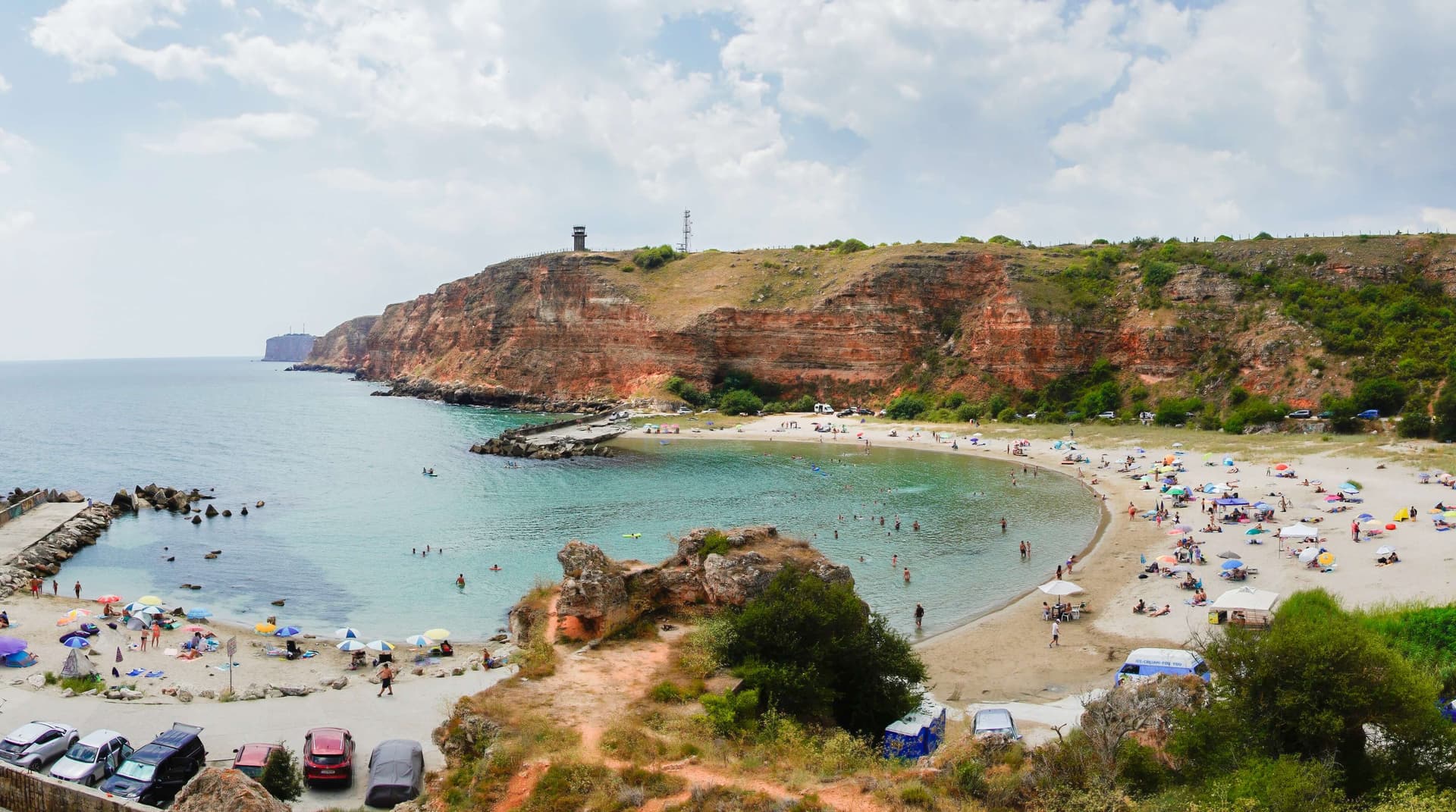
Best Time to Visit Bulgaria: Seasons & Weather
In this guide▾
Bulgaria is one of Europe's hidden gems, boasting four distinct, highly enchanting seasons. Thanks to this climatic balance, the country offers diverse travel opportunities year-round — from snowy alpine slopes in the winter to sun-drenched golden beaches in the summer, surrounded by colorful, fragrant springs and golden autumns.
Whether you are planning your first visit or returning to explore further, this detailed seasonal guide breaks down the weather, top activities, and practical tips to help you choose the ideal time for your trip.
🌸 Spring (March – May): Cultural Exploration, Wild Waterfalls & Blooming Valleys
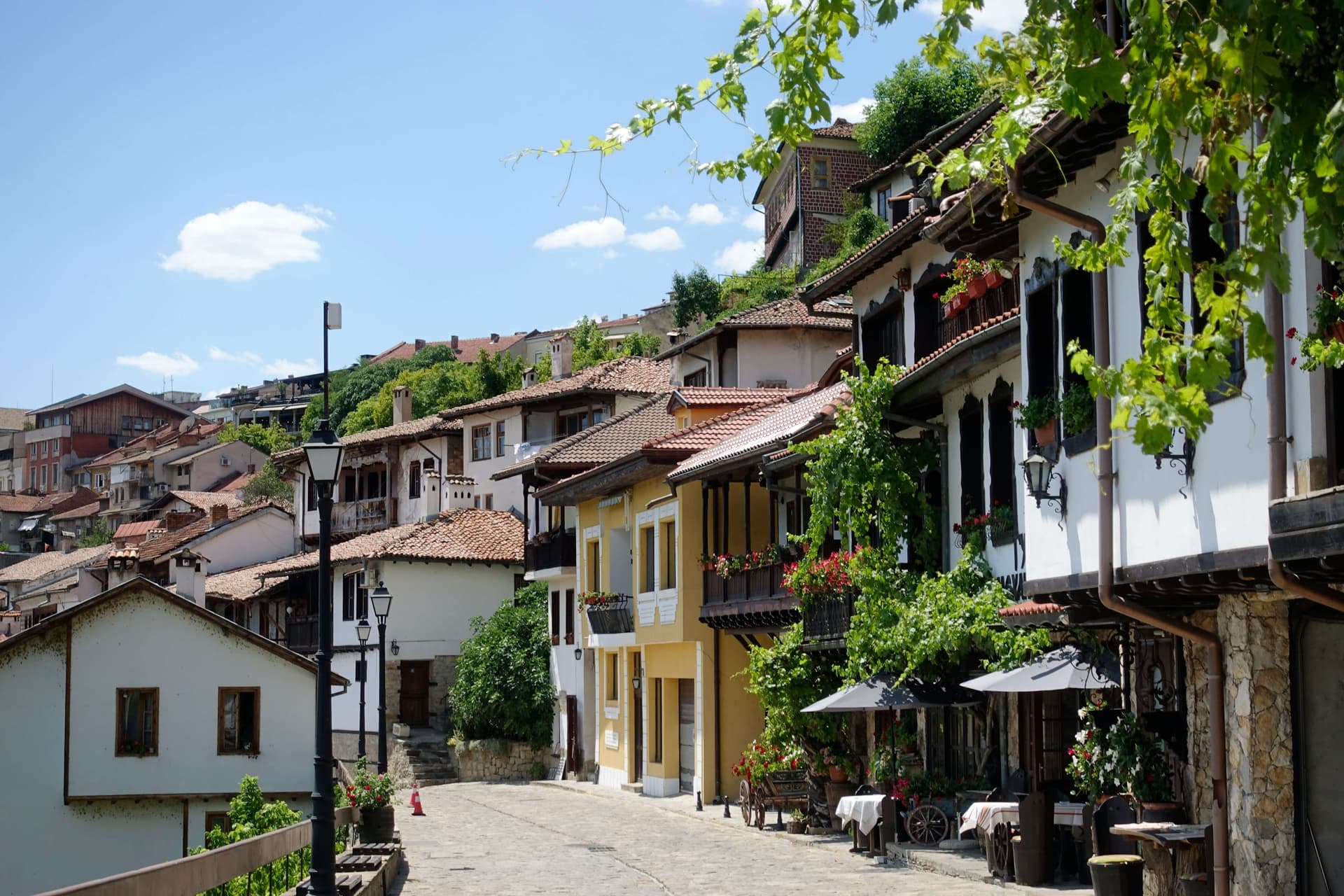
Spring brings warming temperatures and brings Bulgaria's countryside back to life. As snow melts in the lower elevations, rivers and waterfalls reach their peak volume, and city parks burst into greenery. It is arguably the best season for city breaks and cultural sightseeing, offering pleasant weather free from summer heatwaves.
Why Visit in Spring?
- City Breaks & Sightseeing: Comfortable temperatures make spring ideal for exploring Sofia, Plovdiv, and Veliko Tarnovo. If you're trying to choose between the country's two largest hubs, check out our comparison guide: Sofia vs Plovdiv: The Battle of Bulgaria's Two Largest Cities.
- The Iconic Rose Festival: Late May and early June mark the famous rose-harvesting season in the Rose Valley near Kazanlak. Visitors can experience century-old rose-picking rituals and traditional festivals celebrating Bulgarian rose oil production.
- Peak Waterfalls & Hidden Gems: Spring runoff makes waterfalls like Raysko Praskalo and Krushuna spectacular. It's also the best time to visit off-the-beaten-path destinations like Prohodna Cave ("The Eyes of God") before summer tourist traffic arrives. See our top picks in 10 Hidden Places in Bulgaria Most Tourists Never Find.
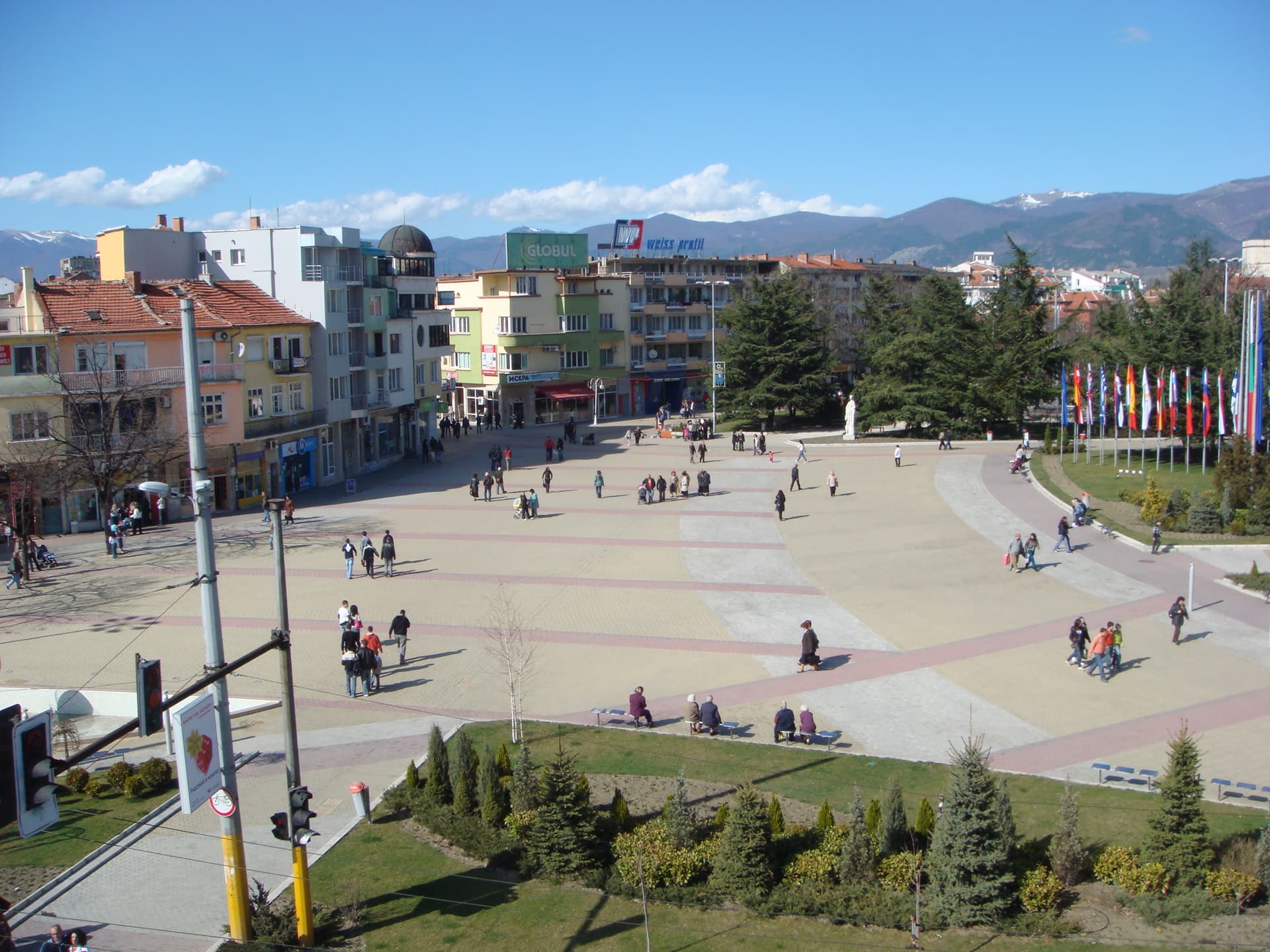
🎤 Upcoming Event Highlight: In May 2027, the coastal city of Burgas will host the Eurovision Song Contest — plan ahead with our complete guide to Eurovision 2027 in Burgas.
☀️ Summer (June – August): Sunny Beaches, Nightlife & High Alpine Trails
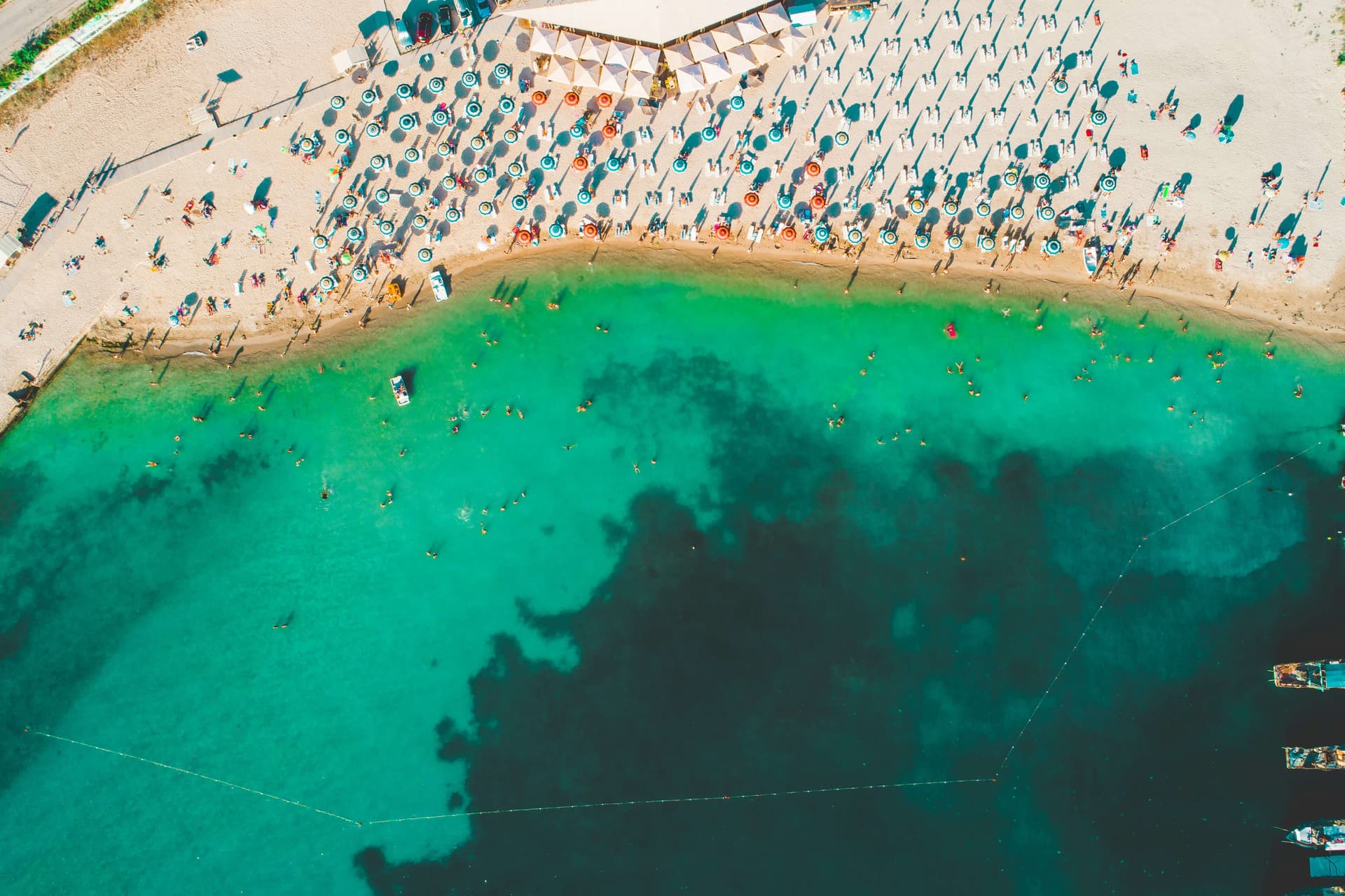
Summer is peak travel season across Bulgaria. Days are long and sunny, with temperatures in the lowlands frequently topping 30°C. Life moves outdoors to open-air beach clubs, rooftop terraces, and music festivals, while high-altitude mountains offer a cool escape from urban heat.
Top Summer Activities:
- Black Sea Beach Holidays: Coastal towns and resorts operate at full capacity. If you're deciding where to base yourself, compare the top options in our breakdown: Golden Sands vs Sunny Beach: Which Resort Is Right for Your Summer Holiday?.
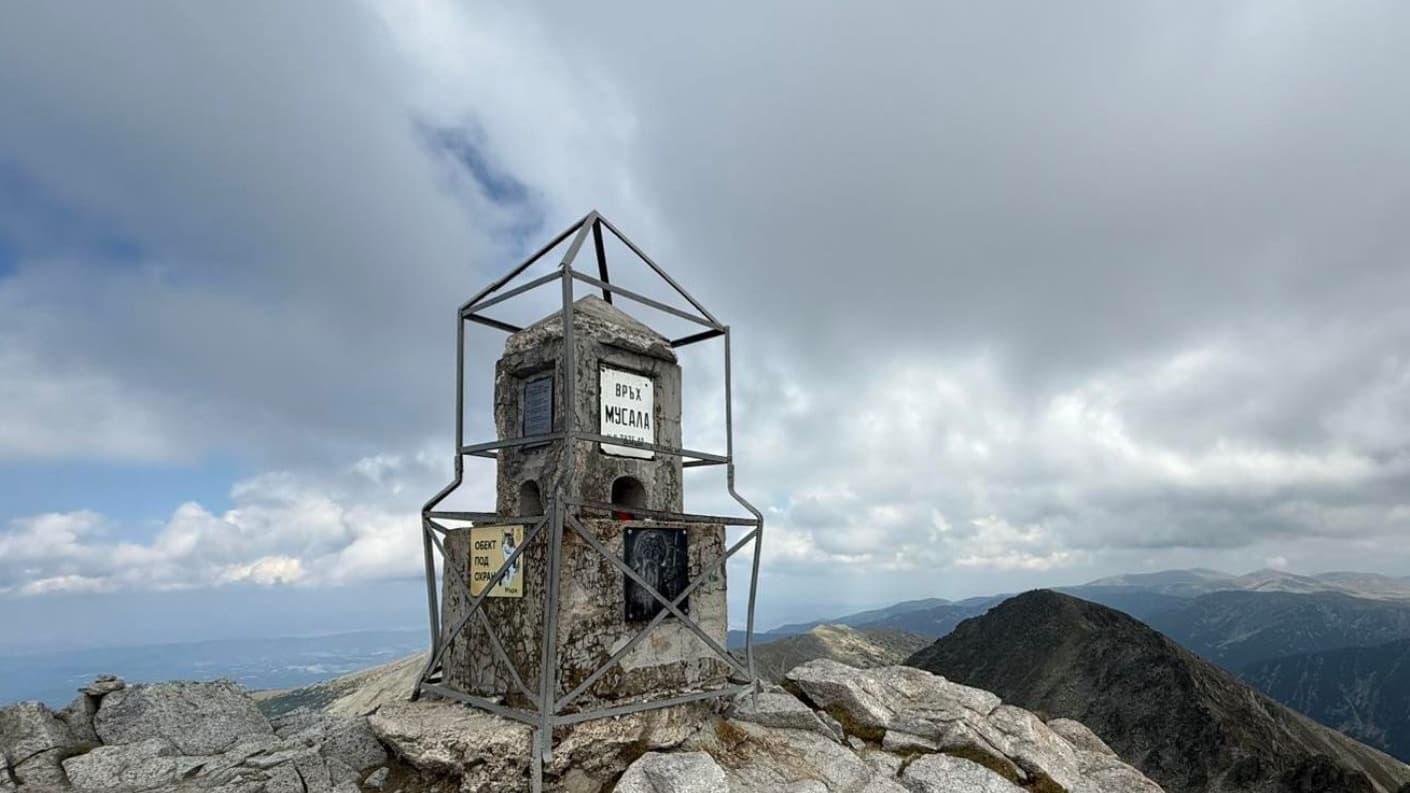
- Conquering Alpine Peaks: July and August are the safest months for high-altitude trekking in the Rila and Pirin ranges. Snow has cleared from the passes, making it possible to hike to the top of the Balkans at Mount Musala (2,925 m), scale the marble ridge of Mount Vihren (2,914 m), or trek around the iconic Seven Rila Lakes.
🍁 Autumn (September – November): Indian Summer, Foliage & Wine Tasting
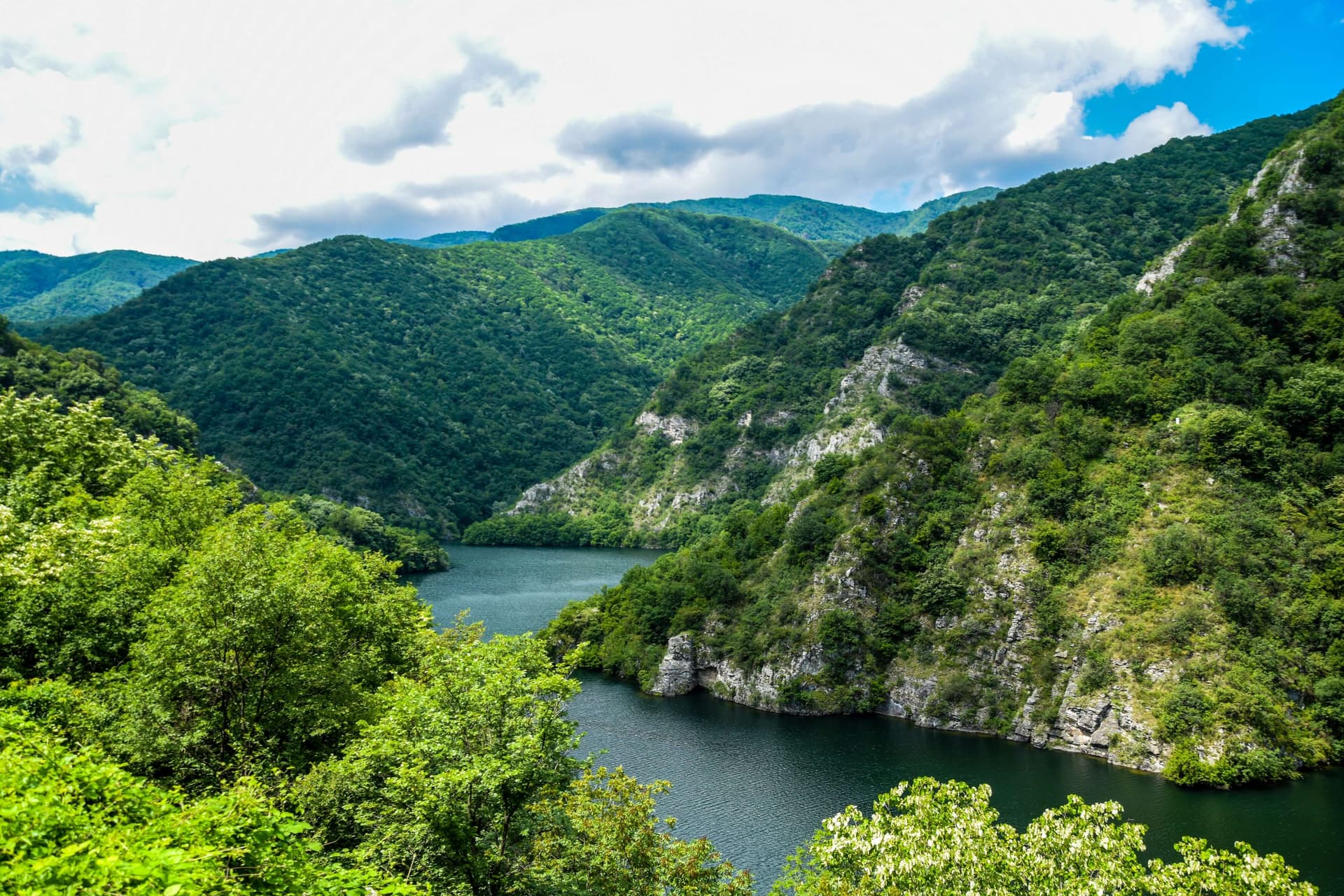
Autumn is a favorite season for seasoned travelers and photographers. Daytime temperatures remain comfortably warm through October, rainfall is generally low, and the mountain countryside turns into a vibrant palette of red and gold. For the full picture of what the season opens up, see our guide to Bulgaria in autumn.
Highlights of Autumn Travel:
- Indian Summer on the Coast: September is one of the finest months for a seaside trip. The Black Sea remains warm, beaches are uncrowded, and hotels drop their rates. It is an incredible window for an oceanfront drive — view our suggested route in The Ultimate Bulgarian Black Sea Coast Road Trip Itinerary.
- Rhodope Foliage & Wine Harvest: October is the grape harvest season and the best time for wine tasting across the Melnik, Thracian Valley, and Danube regions. The ancient forests of the Rhodope Mountains present breathtaking foliage vistas.
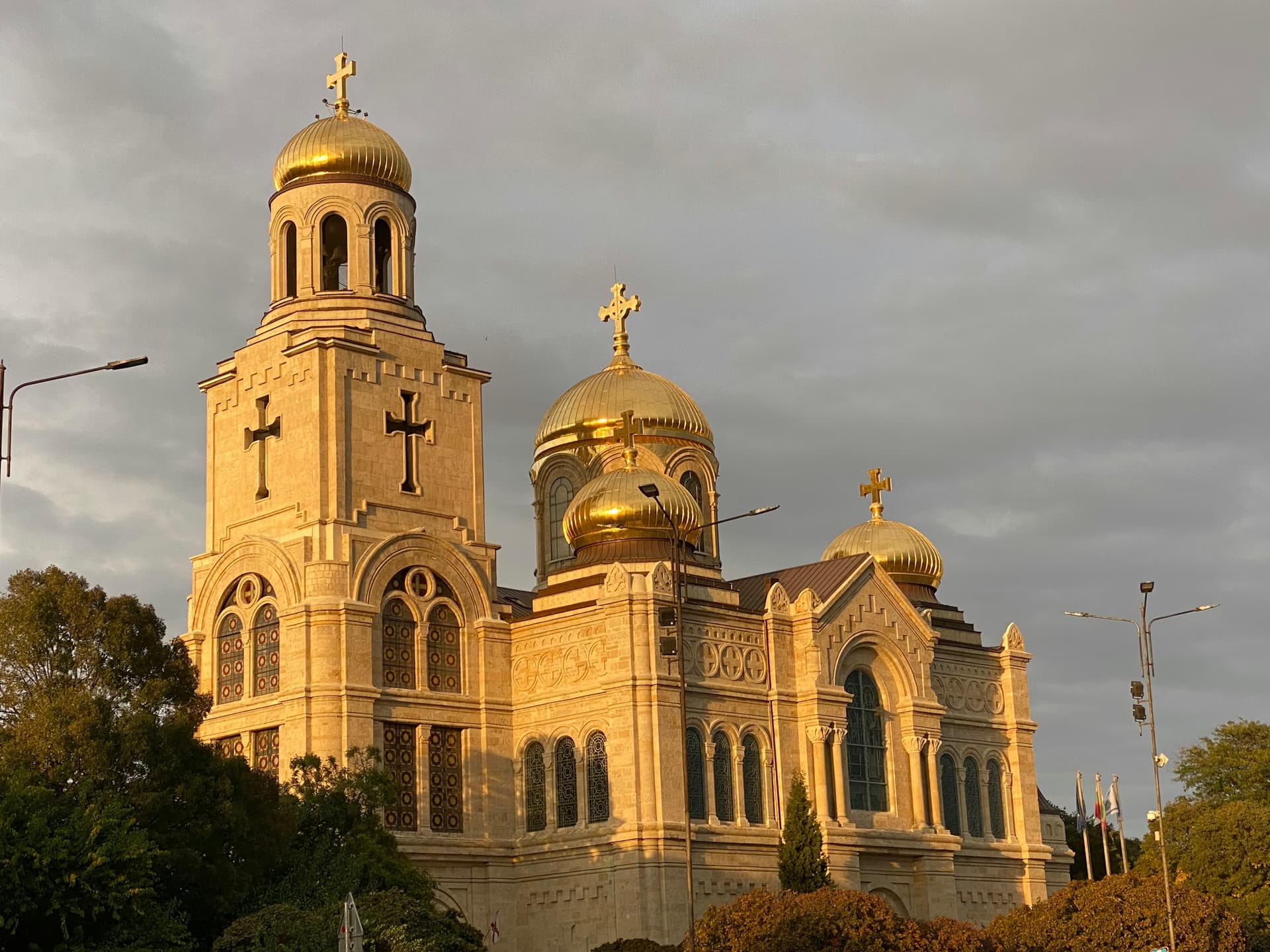
- Easy Day Trips: If you are staying in Varna, crisp autumn days are ideal for excursions to the Madara Rider rock relief or the Botanic Gardens in Balchik. Explore all options in The Best Day Trips from Varna.
❄️ Winter (December – February): Skiing, Snowboarding & Thermal Hot Springs
Bulgarian winters deliver reliable snow cover across its major mountain ranges, providing a high-quality, budget-friendly alternative to the Western European Alps. Our Bulgaria in winter guide covers the season beyond the slopes.
Winter Sports & Thermal SPA Escapes:
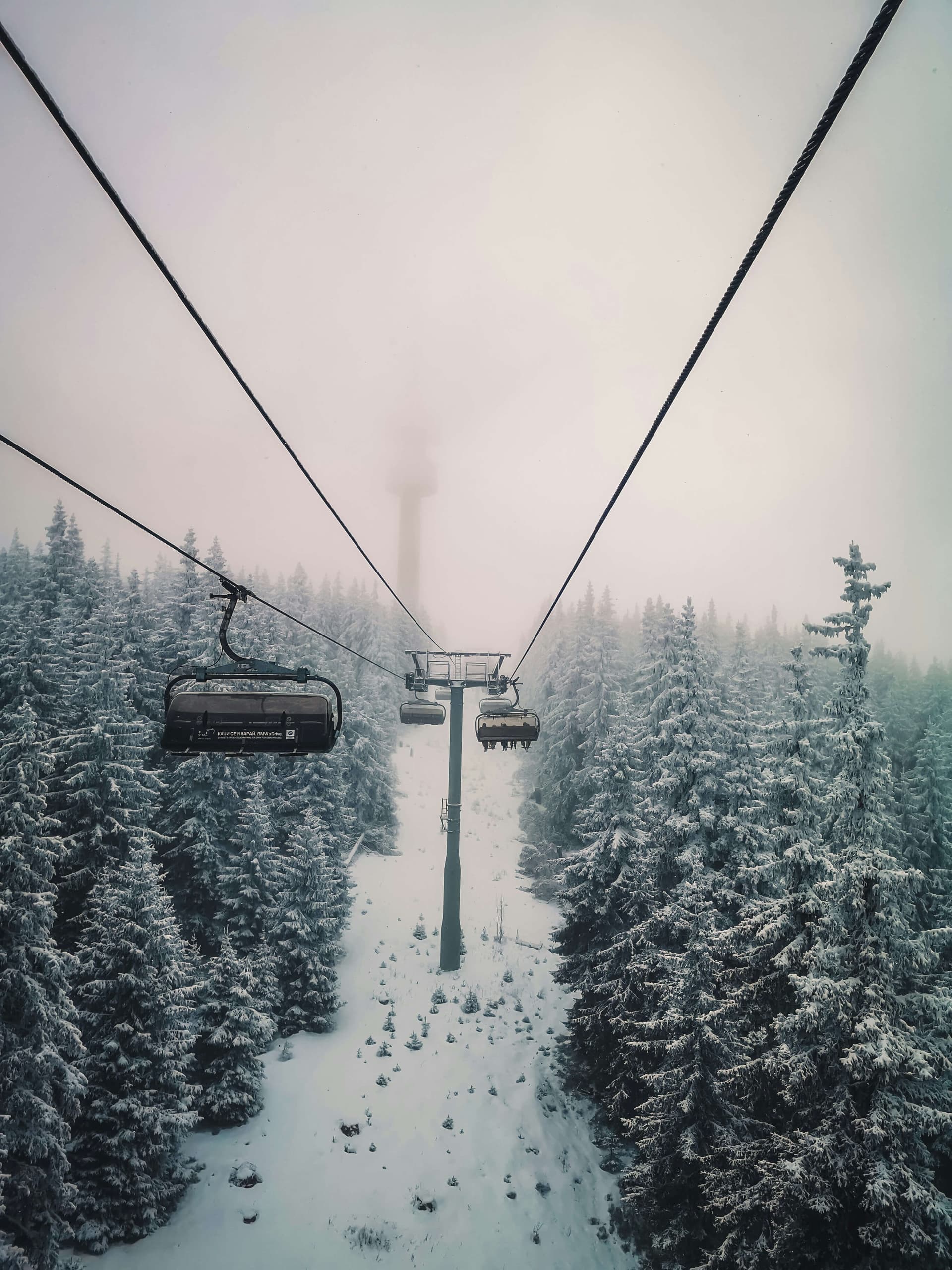
- Skiing & Snowboarding: World-class resorts like Bansko, Borovets, and Pamporovo feature modern lift systems, well-groomed runs, ski academies, and lively traditional taverns (mehanas). Not sure which to pick? Compare all three in our Borovets vs Bansko vs Pamporovo guide, or go deep on Bansko and Borovets. On a tighter budget, Chepelare sleeps you 10 km below Pamporovo for noticeably less.
- Thermal Mineral Waters: Bulgaria ranks among the top countries in Europe for mineral water springs. Pairing a day on the ski slopes with a soak in an outdoor heated mineral pool is a popular ritual in towns like Sapareva Banya, Velingrad, and Devin. Our spa and thermal springs guide covers them in full.
- Christmas Markets: December brings festive markets to Sofia, Plovdiv and Bansko — see our Christmas markets in Bulgaria guide.
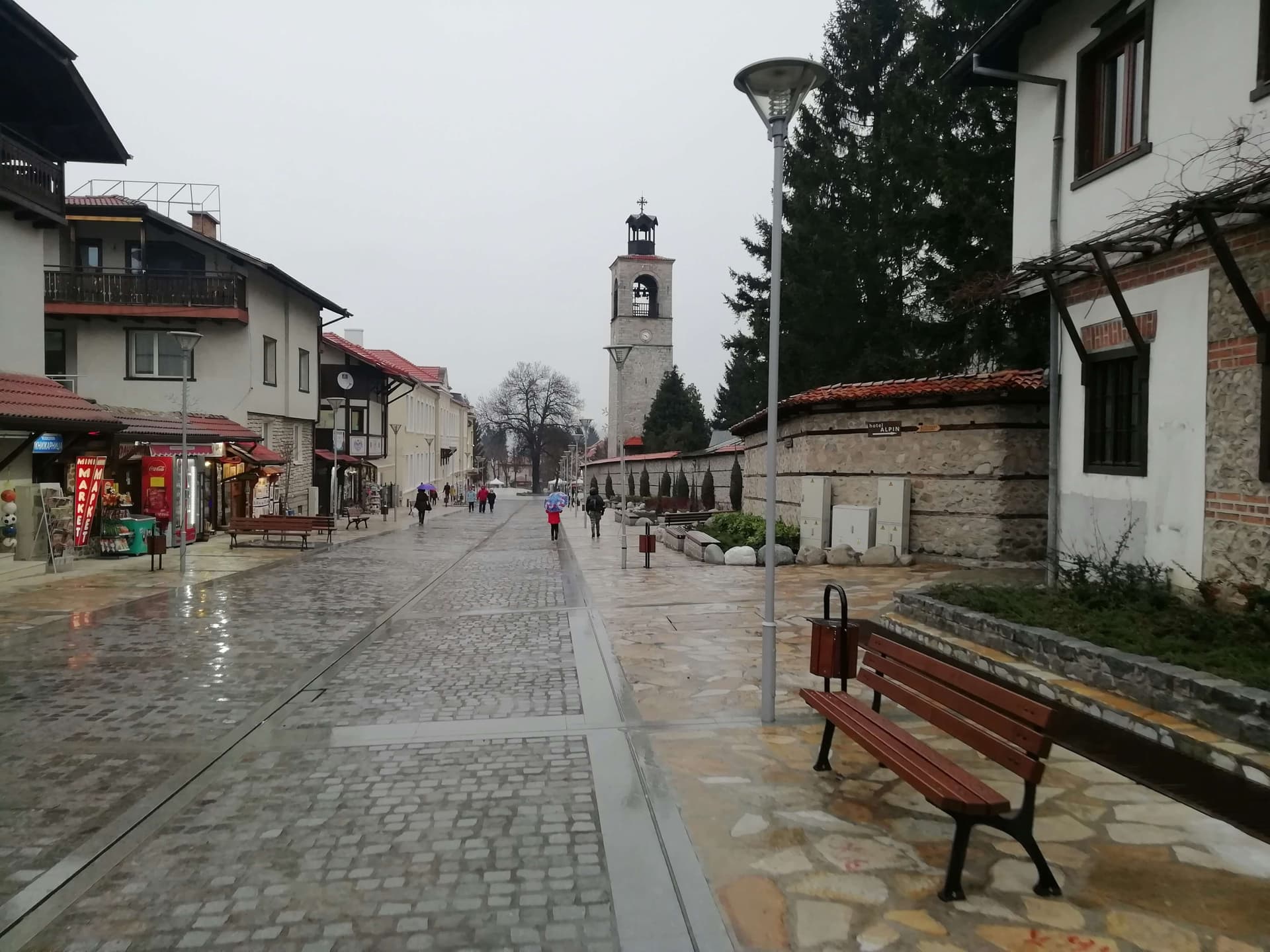
📊 Monthly Travel Calendar
| Months | Ideal Activities | Season Type | Average Temp |
|---|---|---|---|
| Dec – Feb | Skiing, snowboarding, winter hiking, thermal SPAs | High (Mountain Resorts) | -5°C to 5°C |
| Mar – May | City breaks, cultural sites, waterfalls, Rose Valley | Shoulder (Great Value) | 10°C to 22°C |
| Jun – Aug | Beach resorts, sea sports, high-altitude alpine trekking | High (Coastal Resorts) | 25°C to 35°C |
| September | Quiet beach holidays, coastal road trips, sightseeing | Shoulder (Very Pleasant) | 20°C to 26°C |
| Oct – Nov | Wine tasting, forest photography, historic tours | Low (Few Crowds) | 5°C to 18°C |
🏆 The Verdict: When Should You Book Your Trip?
- For Beaches, Nightlife & Alpine Trekking: Book during July or August.
- For Comfortable Sightseeing, Fewer Crowds & Value: Book during May or September.
- For Skiing, Snowboarding & Hot Springs: Book during January or February.
Plan your next unforgettable Bulgarian journey with Mestala.com!
This guide covers 13 places
Want more Mestala in your Google results?
Add mestala.com as a preferred source and our guides will show up more often when you search. Requires a Google account.
Frequently Asked Questions
When is the best time to visit Bulgaria?▾
Bulgaria is a year-round travel destination. May and September offer the ideal balance of pleasant weather, fewer crowds, and lower accommodation rates. July and August are prime for beach holidays and high-altitude trekking, while January and February offer the best conditions for skiing and thermal SPA retreats.
When is the Black Sea beach season in Bulgaria?▾
The peak beach season runs from June through August, when temperatures are hot and coastal resorts are lively. September (the Indian summer) is an ideal alternative — the sea remains warm, the beaches are far quieter, and prices drop significantly.
How long does the ski season last in Bulgaria?▾
The ski season in major mountain resorts like Bansko, Borovets, and Pamporovo typically runs from mid-December through March, with peak snow coverage in January and February. A unique bonus is pairing a day on the slopes with hot thermal mineral springs.
What is the best time for city breaks and cultural sightseeing?▾
Spring (March–May) and autumn (September–November) are the best seasons for city breaks and historical tours. The weather is comfortable for outdoor walking, and you can explore Sofia, Plovdiv, and Veliko Tarnovo without peak tourist crowds.
Is autumn a good season to visit Bulgaria?▾
Absolutely. September offers warm weather for coastal road trips and quiet beaches, while October paints the Rhodope and Pirin mountain forests in breathtaking autumn foliage — perfect for photography, hiking, and wine tasting.
When is the best time for hiking and mountain trekking in Bulgaria?▾
The summer months from June to September are the safest for high-mountain trekking in the Rila and Pirin ranges. Trails are free of snow, alpine huts are open, and major peaks like Musala and Vihren are fully accessible.
You might be interested in
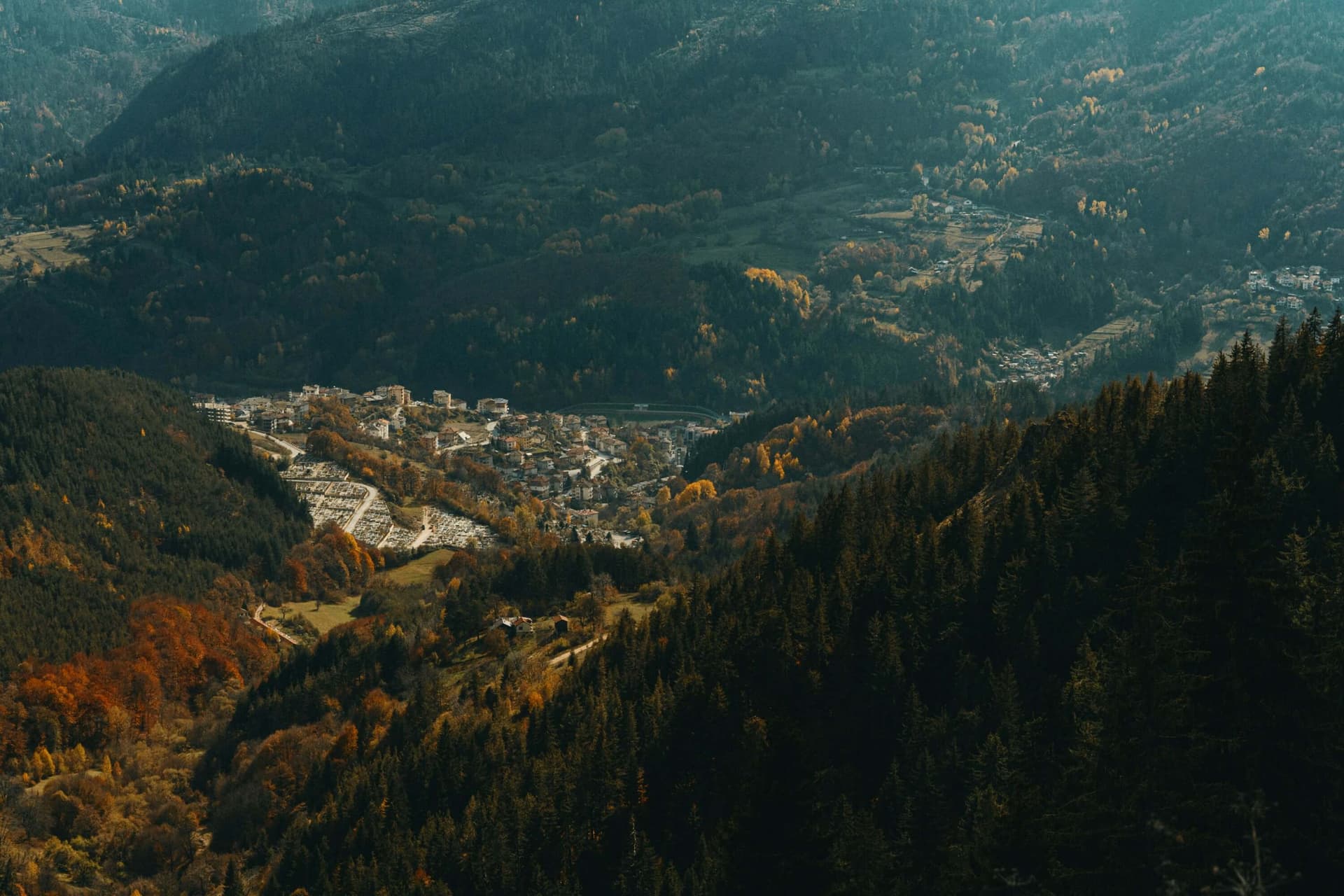
Bulgaria in Autumn: Things to Do Beyond the Beach
Grape harvest in the Struma and Thracian valleys, Rhodope forests turning gold in October, the last safe hiking window, and a coast without the crowds.
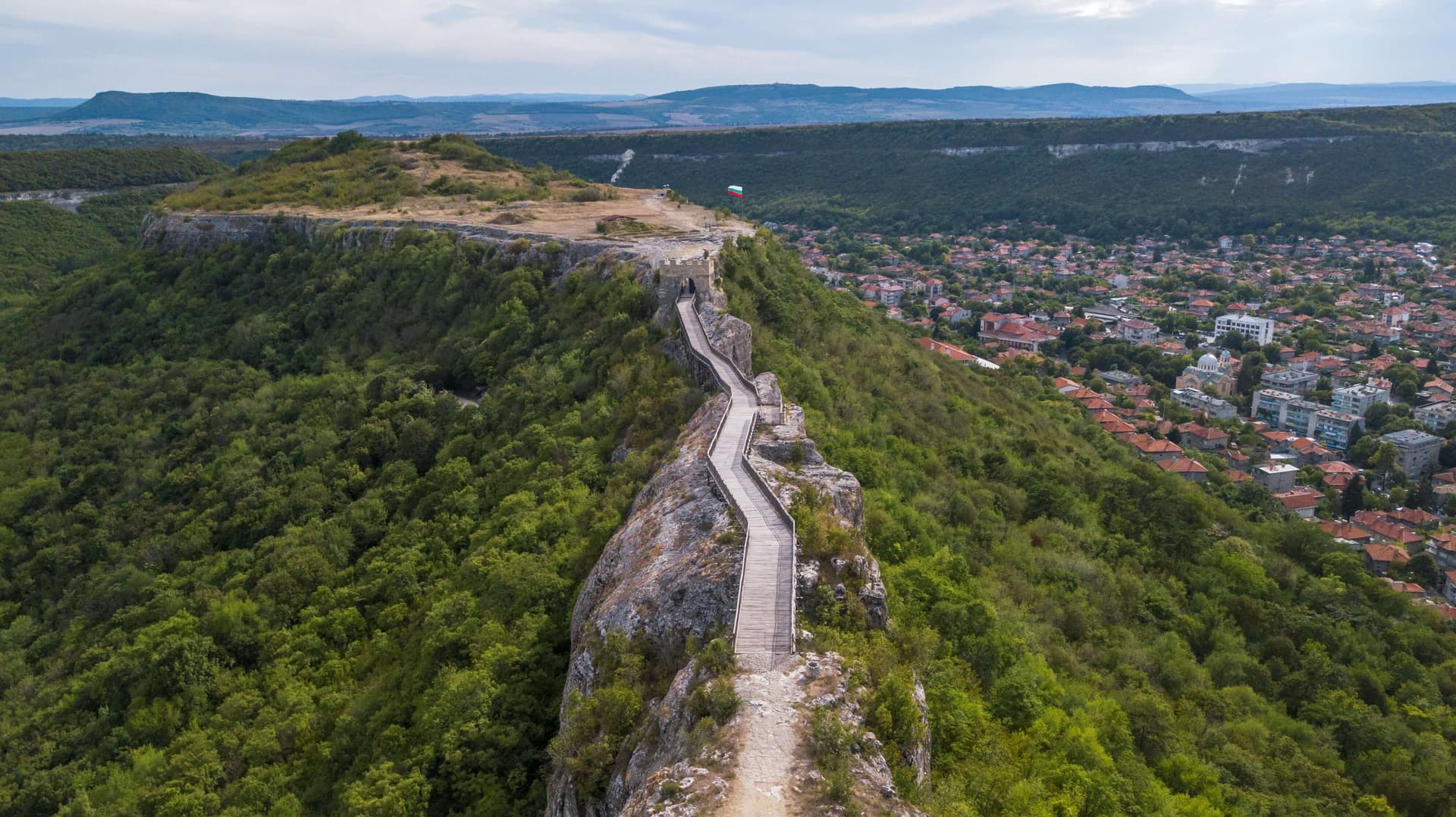
Bulgaria with Kids: A Family Travel Guide
How to pick a base by your children's ages, the drive times that make or break a family trip, which caves and beaches actually work with young kids, which ski resort suits which age, and rainy-day fallbacks.
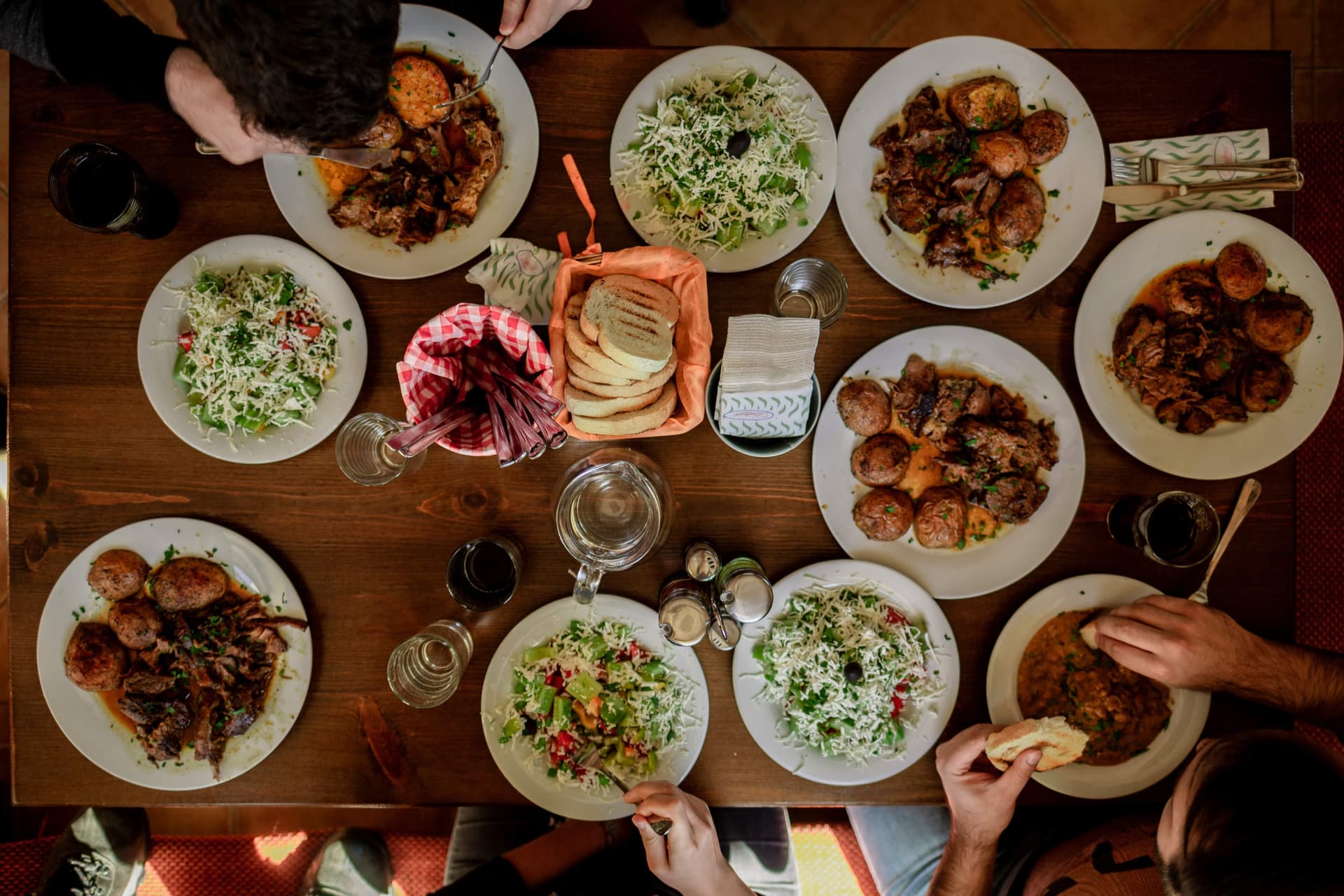
Bulgarian Food: The Dishes Worth Seeking Out
Shopska salad and rakia to open, banitsa from the bakery, the mixed grill, clay-pot stews and the fasting dishes that make the country quietly vegetarian-friendly.
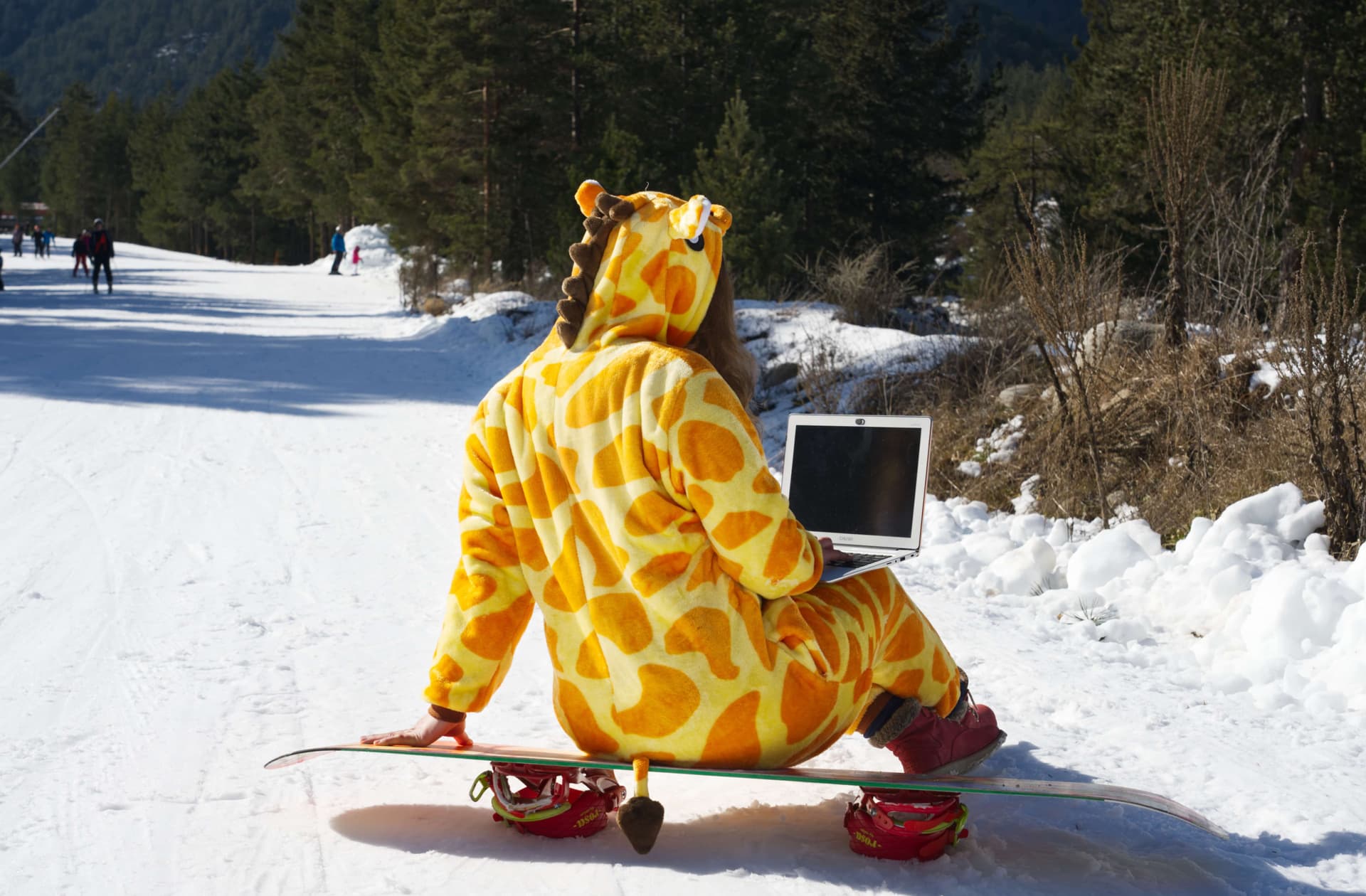
Digital Nomad Guide to Bulgaria: Visa, Tax and Where to Base
Bulgaria's new digital nomad visa, the 10% flat tax, and how Sofia, Plovdiv and Bansko actually compare for remote work — internet, coworking, cost of living and community.