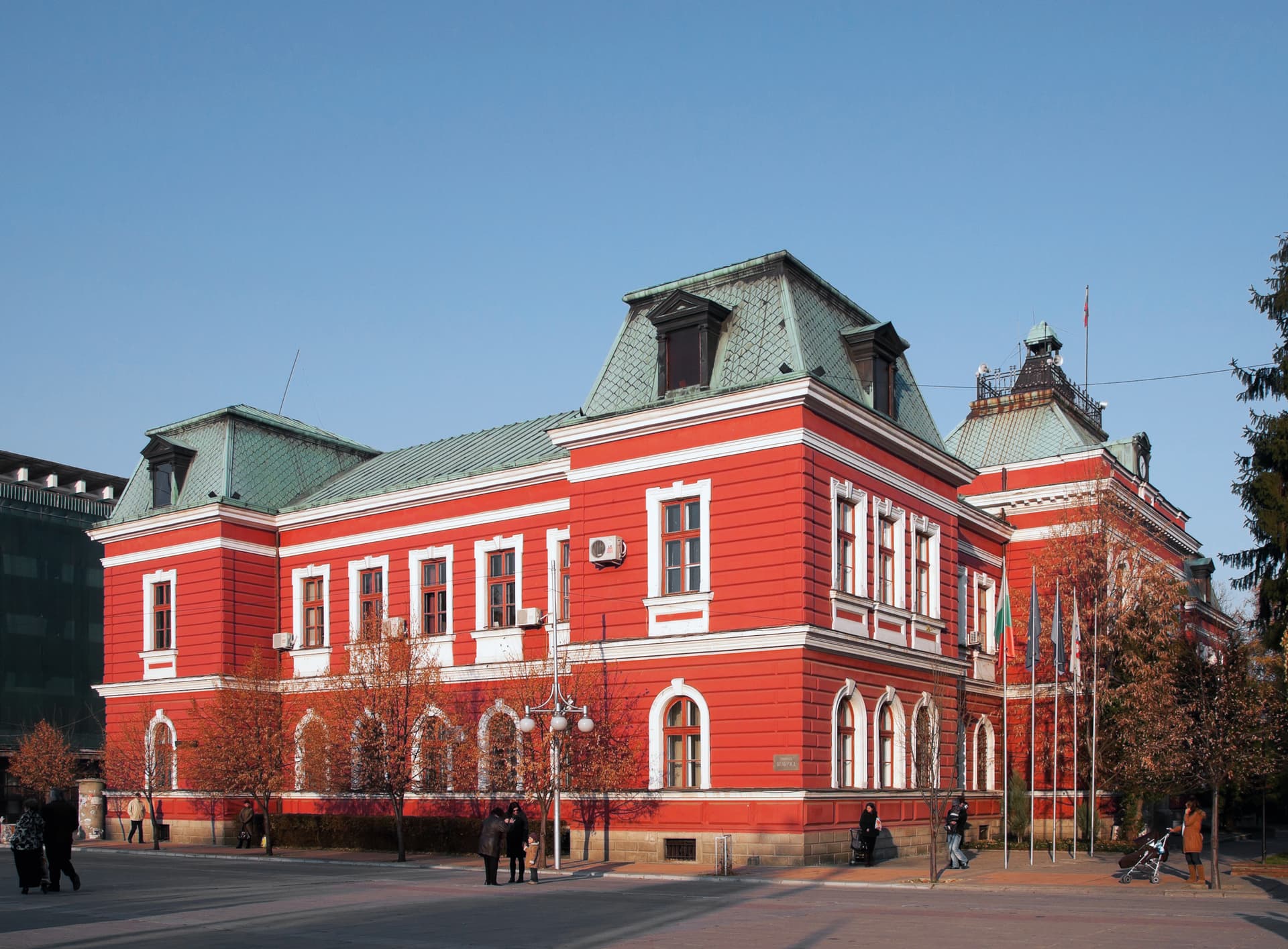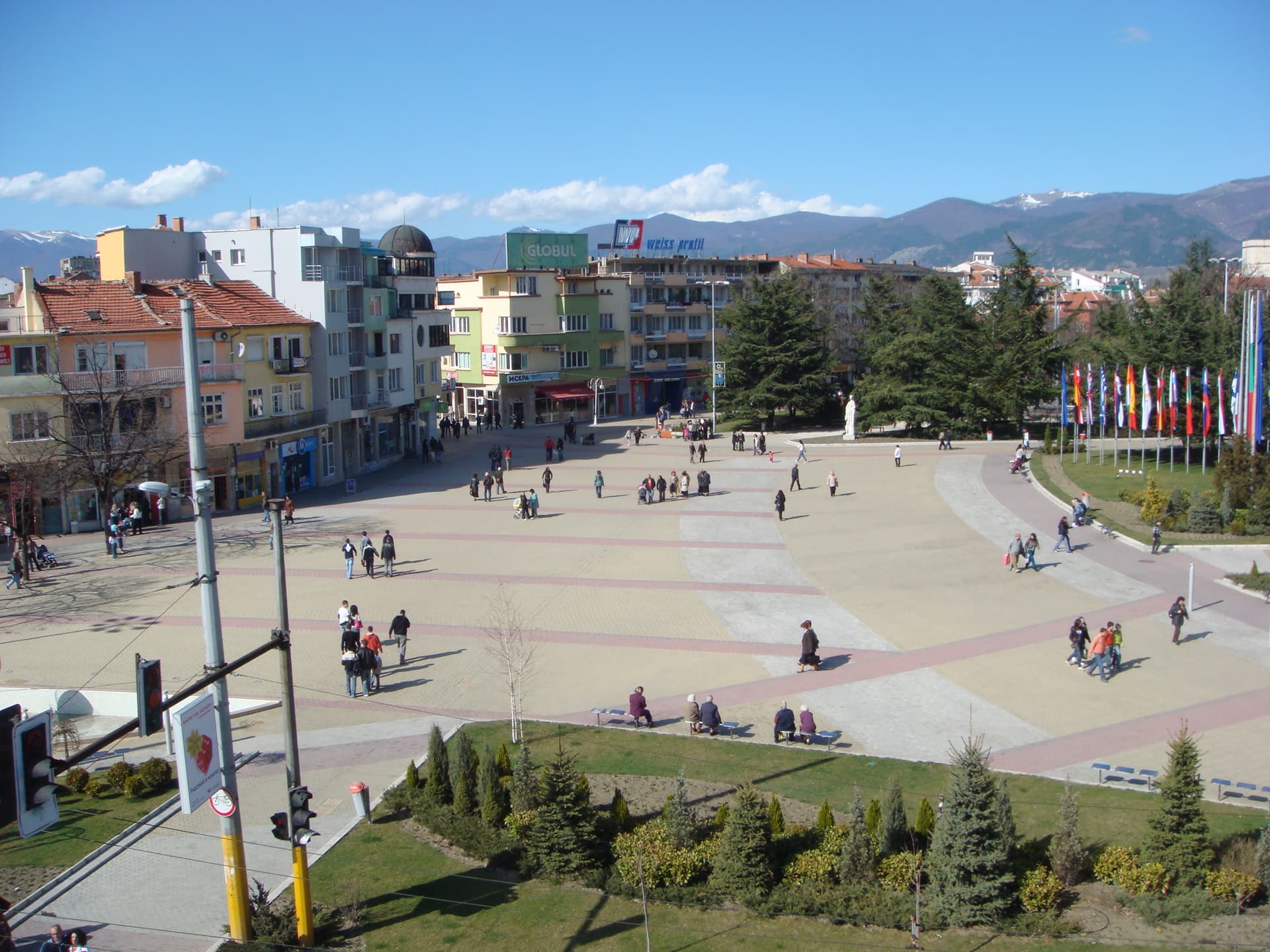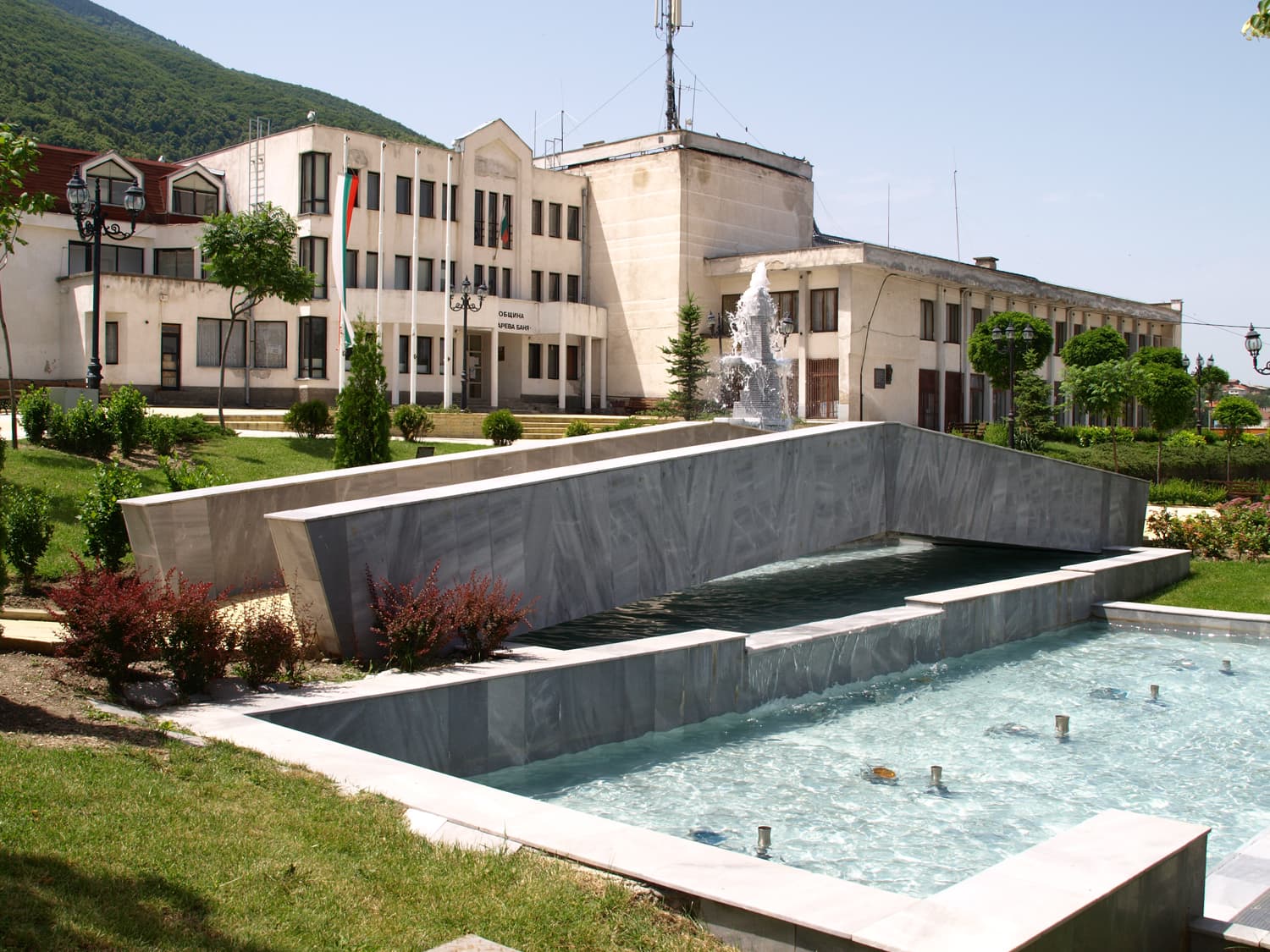
Sapareva Banya is a charming resort town nestled in the northern foothills of the Rila Mountains, just 15 km from Dupnitsa. The town is globally renowned for its hyperthermal mineral water, which gushes out at a staggering 103 °C (217 °F)—making it the hottest mineral spring in Continental Europe. Highly valued since antiquity, these thermal waters were used as a cure by the ancient Thracians and Romans, who established the famous spa settlement of Germaneia here.
The mineral water in Sapareva Banya is clear and colorless, with a distinct hydrogen sulfide scent. Its chemical profile includes:
Sapareva Banya’s mineral springs are widely used for the prevention, treatment, and rehabilitation of various medical conditions:
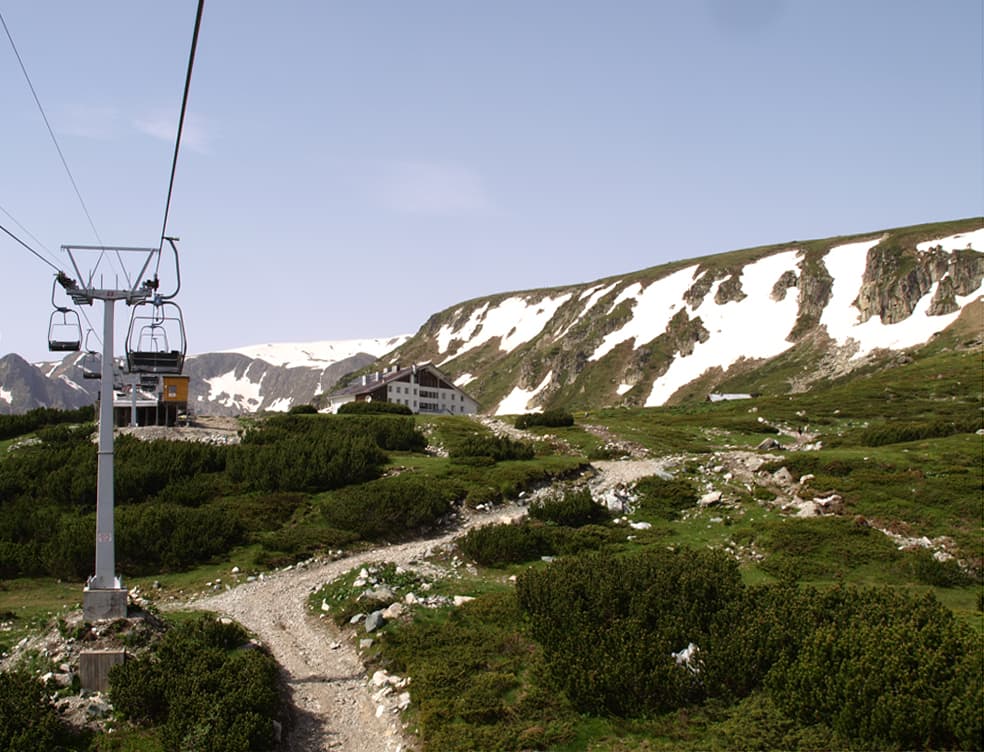
Kyustendil region
3.8 km away

Kyustendil region
6.8 km away
Kyustendil region
7.1 km away
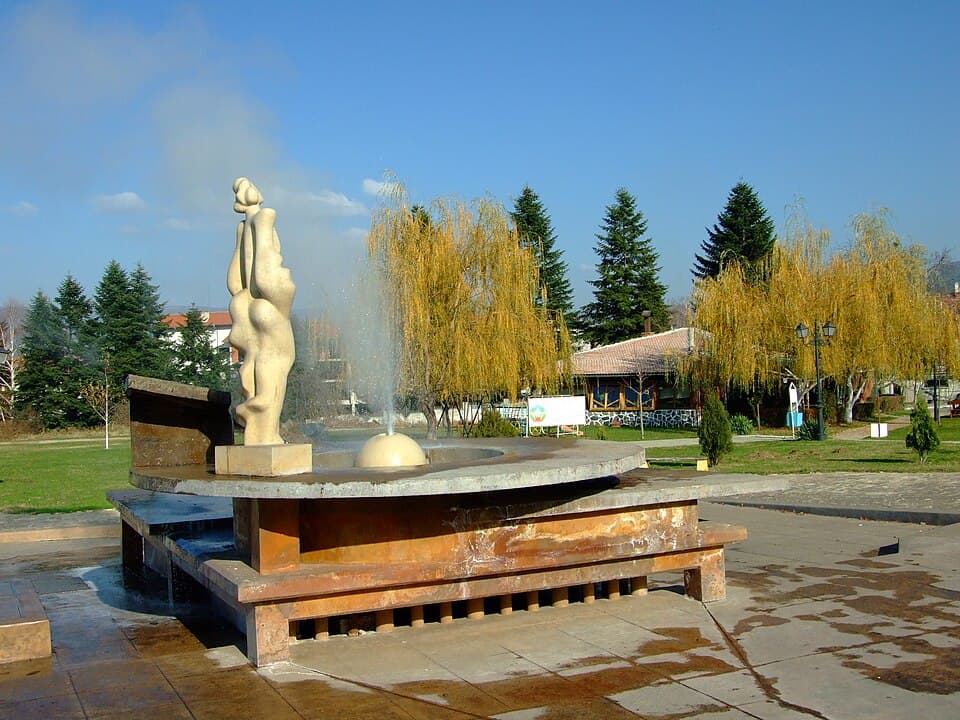
A weekend in Sapareva Banya and Panichishte: the geyser with 103 °C water, mineral pools in winter, Panichishte as the snowy side, and the way up to the Seven Rila Lakes.
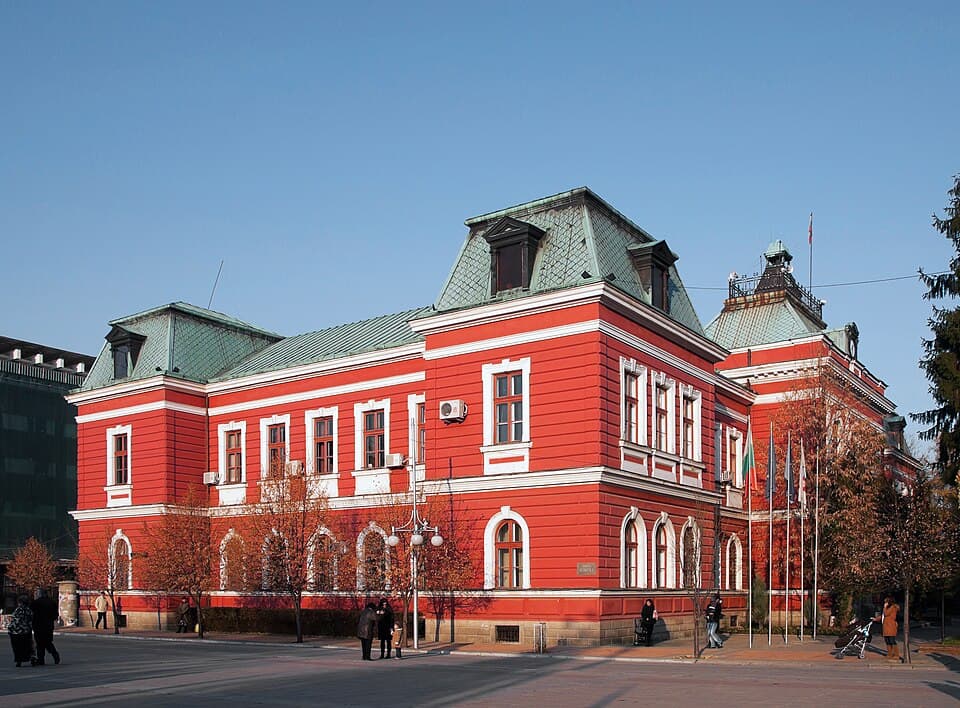
A weekend in Kyustendil: soaking in the Chifte Banya bathhouse, the Vladimir Dimitrov – Maystora gallery, Roman Pautalia, Hisarlaka fortress, Osogovo and what's nearby — getting there from Sofia.
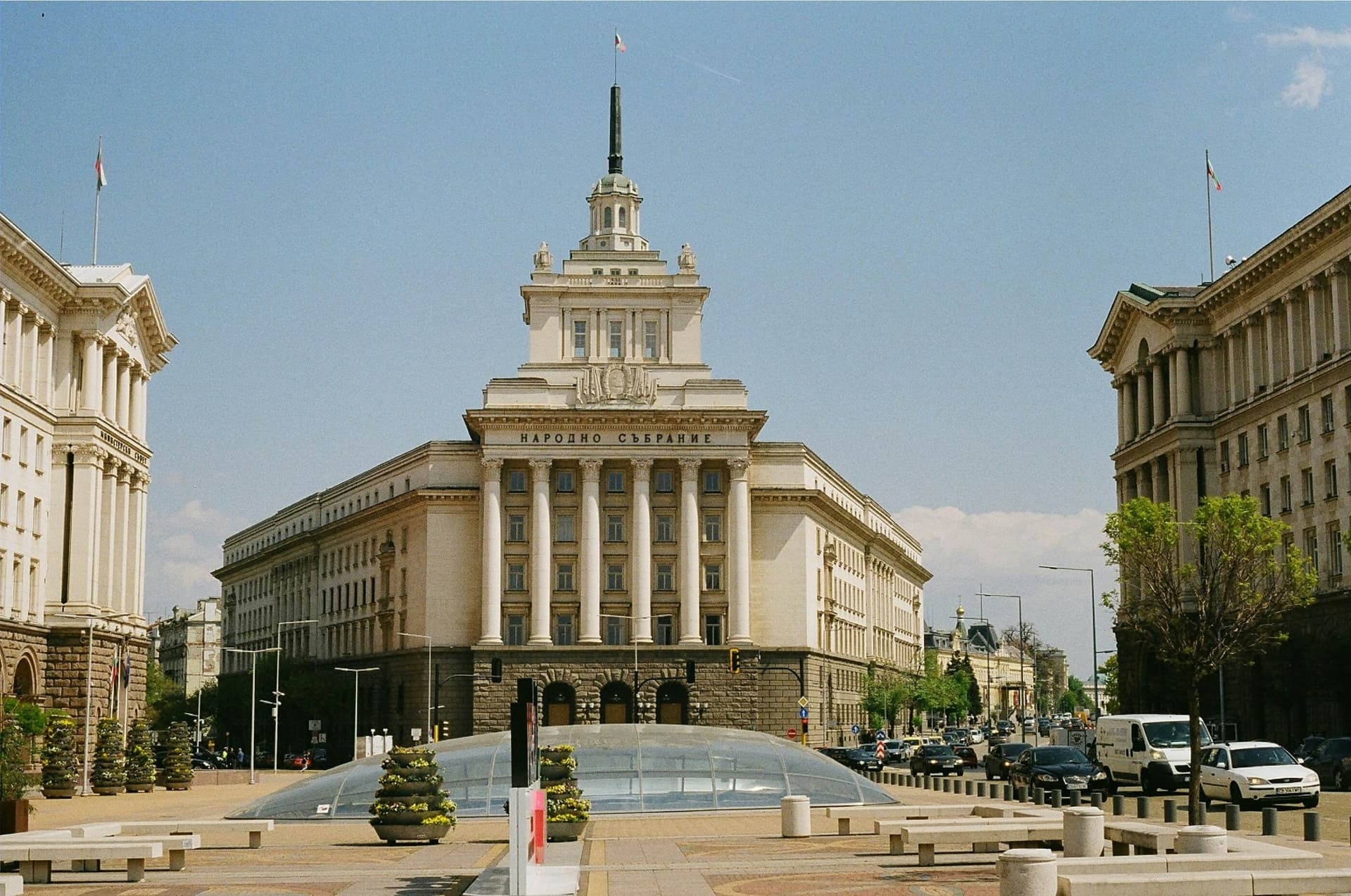
10 overnight weekend getaways within 2.5 hours of Sofia: mineral baths and spa towns, guest-house villages, winter walks and ski — with distances and transport.
Sapareva Banya is located in Kyustendil, Bulgaria.
Sapareva Banya is most easily reached by car. Use the coordinates above to navigate, or open the location in OpenStreetMap or your preferred maps app for turn-by-turn directions. Public transport options vary by region — for remote destinations a rental car gives the most flexibility.
Sapareva Banya can be visited year-round, but late spring (May–June) and early autumn (September–October) offer the most pleasant weather and fewer tourists. Summer is the busiest season; winter is the quietest, with shorter daylight and possible cold weather.
Bulgarian settlements typically reward unhurried walking — historic centres, churches and monasteries, local markets, and family-run restaurants serving regional dishes. Larger towns often have museums and seasonal cultural events. The local tourist information centre is a good first stop for current opening hours and what's on.