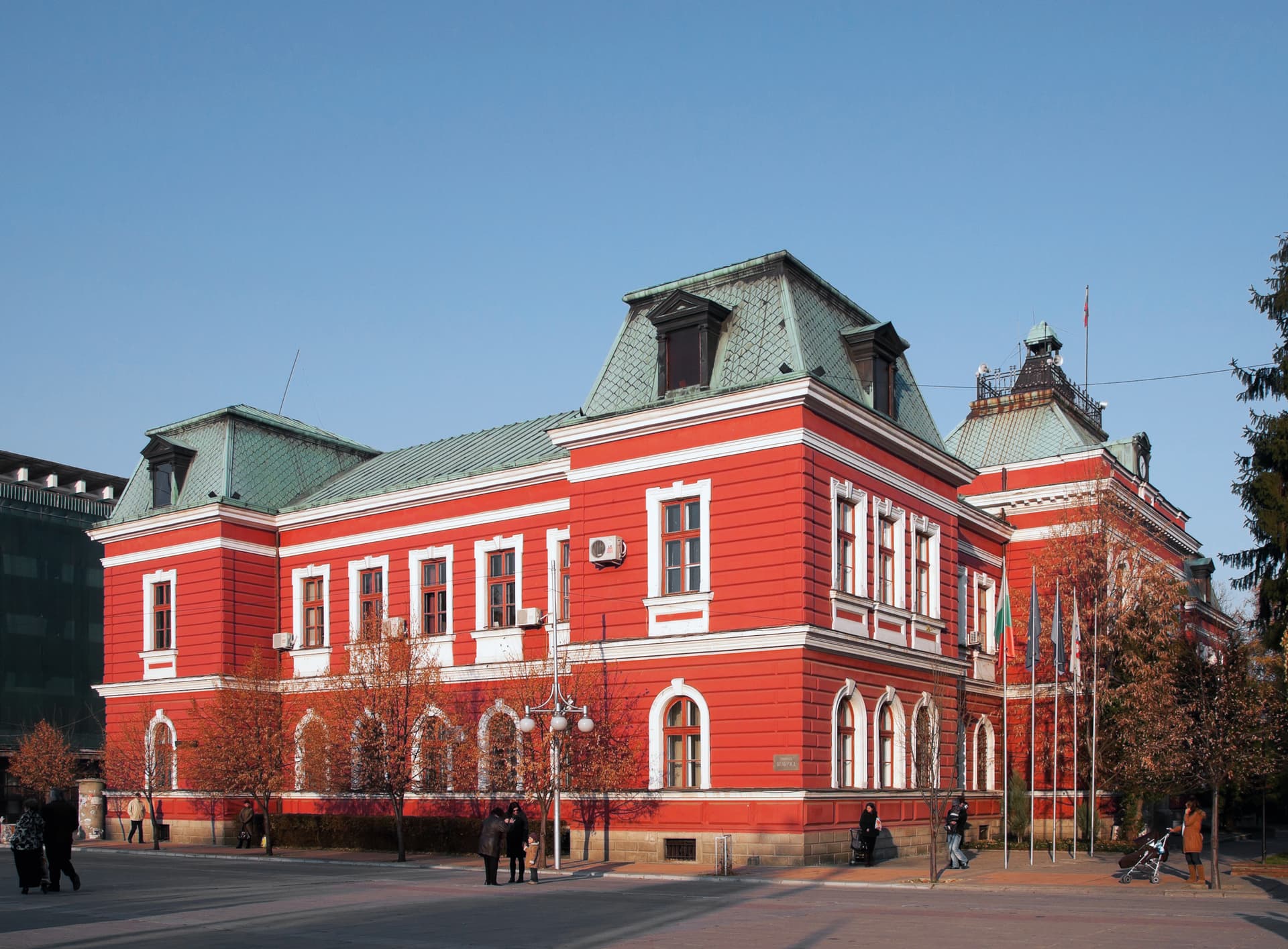
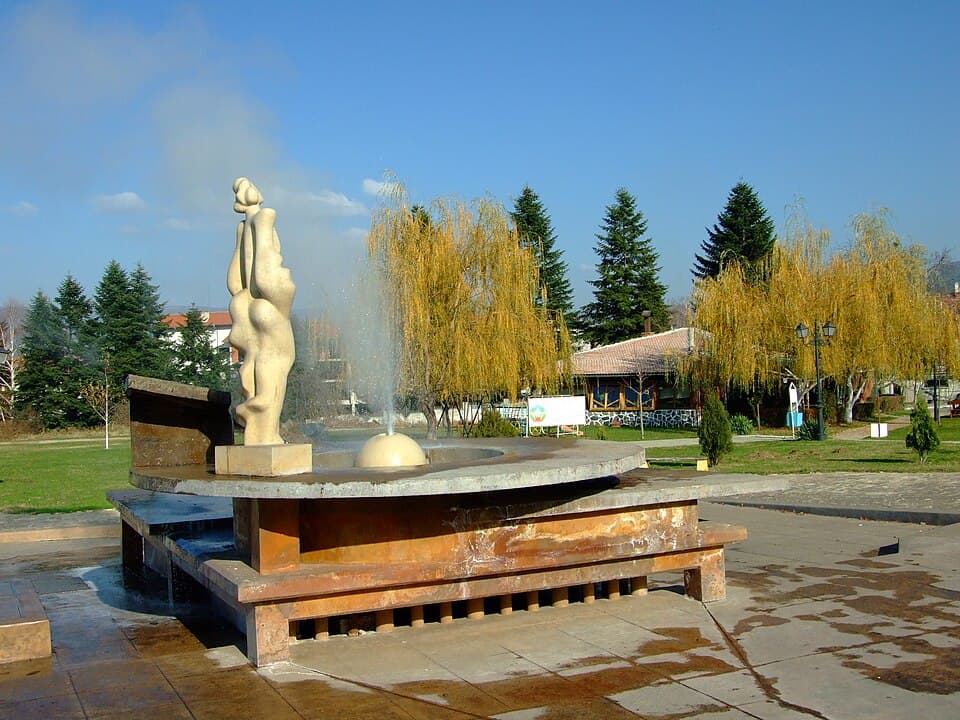
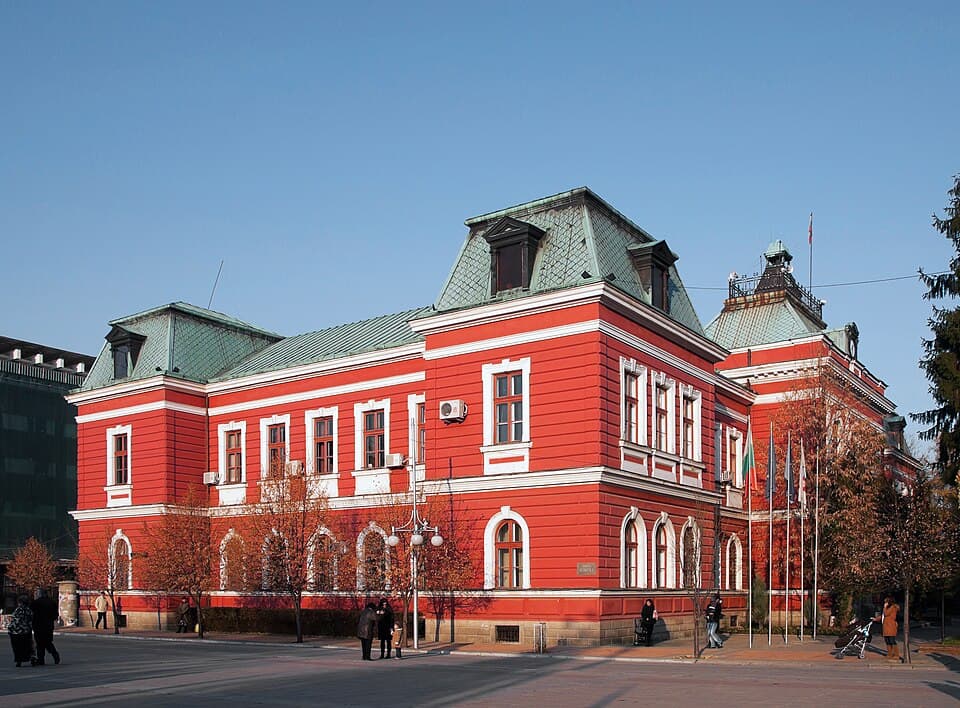
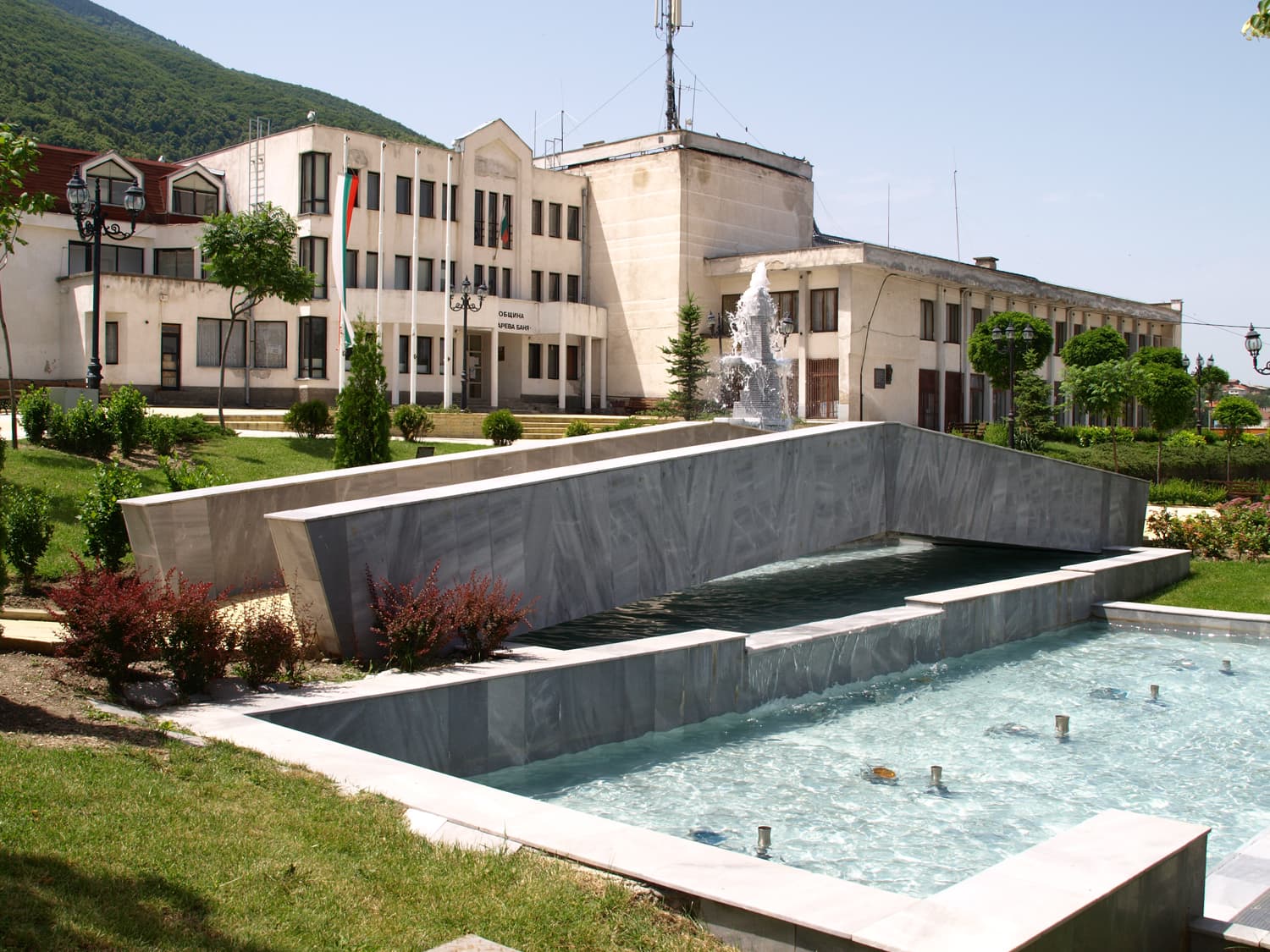
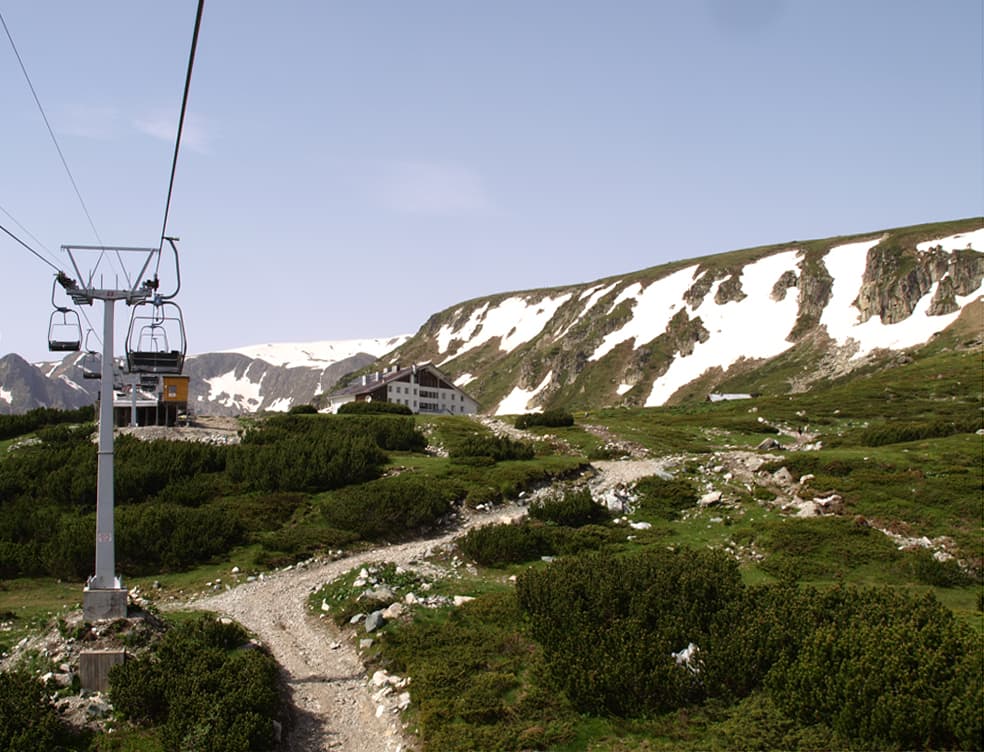
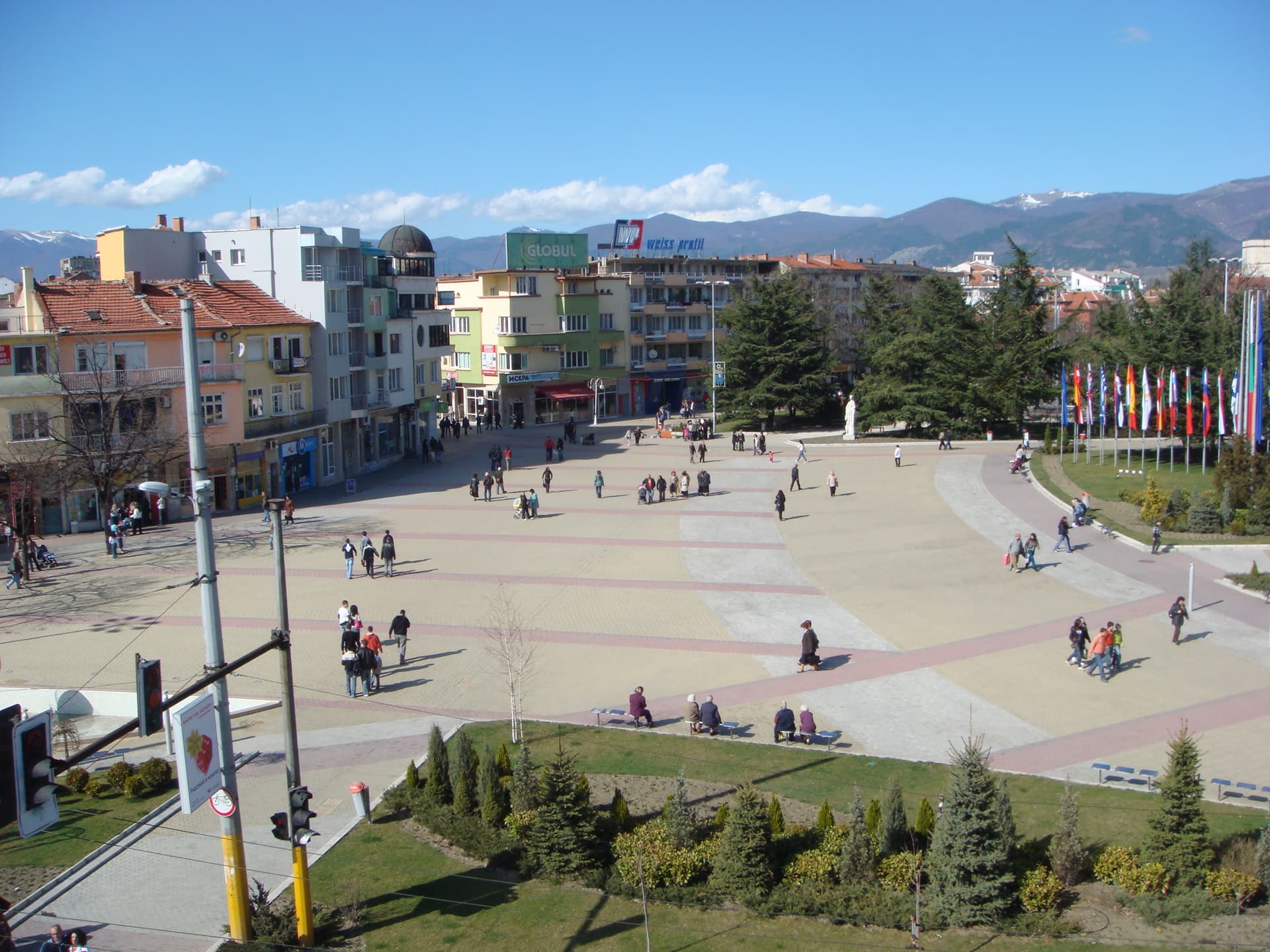
Kyustendil (known as Velbazhd during the Middle Ages and Pautalia in Antiquity) is one of the oldest and most captivating cities in Southwestern Bulgaria. Serving as the administrative capital of the Kyustendil Municipality and Province, it is located in close proximity to the borders with Serbia and North Macedonia. The city is a nationally and internationally recognized balneological, spa, and wellness center, an official archaeological and architectural reserve, and a primary starting point for mountain tourism and winter sports in the Osogovo Mountains. As of late 2024, the city counts a population of 34 334 residents. Two rivers run through Kyustendil - the Banshtitsa and its tributary, the Kolushka, the latter of which features a completely covered riverbed.
The Healing Power of Kyustendil Mineral Springs
One of Kyustendils greatest assets is its abundant thermal mineral springs with proven medical and healing benefits. They are concentrated along the fault line that separates the Osogovo Mountain from the Kyustendil Valley. A total of 40 natural springs are channeled into a shared reservoir, delivering a combined flow of 35 liters per second.
At the source, the mineral water emerges at a temperature of 74 degrees Celsius, making it one of the hottest thermal springs in all of Bulgaria. The water is perfectly clear, colorless, and carries a strong scent of hydrogen sulfide. Chemically, it is classified as hydrocarbonate sulphate sodium water with a beneficial alkaline reaction. The thermal waters of Kyustendil are highly effective for treating and preventing disorders of the musculoskeletal system, respiratory system diseases, and gynecological conditions.
Museums, Art Galleries, and Cultural Heritage
The immense cultural and historical baseline of Kyustendil is preserved across several notable museums and art galleries:
- Academician Yordan Ivanov Regional Historical Museum: Located at 55 Bulgaria Boulevard. Its archaeological exhibition inside the Asclepius Hall showcases unique artifacts discovered across the region, dating from the 7th - 6th millennium BC up to the 17th century.
- Vladimir Dimitrov - The Master Art Gallery: Situated at 20 Patriarch Evtimiy Street. It holds the largest and most prestigious collection of original masterpieces by the legendary Bulgarian artist Vladimir Dimitrov - The Master, displayed in a permanent exhibition. The gallery also curates temporary exhibitions featuring other prominent artists from the Kyustendil Art School, such as Stoyan Venev, Moritz Bentzionov, and Nikola Mirchev. A massive 3.2-meter bronze monument dedicated to The Master stands proudly in front of the building.
- Dimitar Peshev House Museum: Located at 11 Tsar Simeon I Street. A permanent exhibition featuring original personal belongings, photographs, and historical documents detailing the events of March 1943. It honors the global merits of Dimitar Peshev and his fellow citizens who successfully saved the Bulgarian Jewish population during World War II.
- Ilyo Voivode House Museum: Located at 189 Tsar Osvoboditel Street, inside the beautifully restored home of the legendary freedom fighter Ilyo Markov. It displays an educational exhibition on the national liberation struggles of the Kyustendil region.
- Emfiedzhieva House Museum: Located at 24a Gorotsvetna Street. An exceptional architectural monument from the Bulgarian National Revival era, showcasing the urban lifestyle, crafts, and culture of Kyustendils citizens during the late 19th and early 20th centuries.
- Georgi Goranov House: A museum collection dedicated to the composer Georgi Goranov, who composed the famous Labor Song (Druzhna Pesen), located at 2 Georgi Goranov Street.
Roman Heritage and Historic Thermal Baths
Kyustendil features an array of historic bathhouses built around its thermal hot springs:
- Roman Thermae: Situated in the center of the city, adjacent to the Ahmed Bey Mosque. Constructed during the 2nd - 3rd centuries AD, they were an integral part of a massive ancient Asclepeion complex and are classified as a cultural monument of national importance.
- Dervish Bath: An authentic Ottoman public bathhouse built in 1566. It functioned continuously for over 400 years (until 1992) and underwent complete restoration in 2005.
- Chifte Bath: A late medieval bath built in 1489 on top of the original foundations of the Roman Asclepeion. In 1910, it was transformed into a modern public bath facility, which officially opened in 1913.
- Alay Bath: Another late medieval public bath, partially destroyed after the Liberation and later rebuilt between 1912 and 1914.
Fortresses and Medieval Defenses
- Hisarlaka Fortress: A late Roman and medieval fortress situated at the highest plateau of Hisarlaka Hill, 2 km southeast of Kyustendil. Built in the late 4th century and reinforced in the 6th century, it served during the First and Second Bulgarian Empires before being demolished by Ottoman conquerors in the 15th century. It is a designated monument of national importance.
- Pirgova Tower: A medieval defensive tower dating back to the late 14th or early 15th century, located in the central part of the city near the Roman Thermae. Its name derives from the Greek word pyrgos, meaning tower.
Historic Churches and Mosques
- Medieval Church of St. George: Located in the Kolusha district. It stands as the oldest surviving medieval cross-in-square church in Southwestern Bulgaria (late 10th - early 11th century) and features valuable ancient frescoes. A monument to Prof. Asen Vasiliev is located next to it.
- Assumption of the Theotokos Church: Built in 1816 in the city center, this National Revival-era church is a partially dug-in three-nave pseudo-basilica. It is an active temple of national importance. Its courtyard hosts the restored St. St. Cyril and Methodius Mutual School (known as the Cell School).
- St. Mina and St. Great Martyr Mina Churches: The old National Revival church was built in 1859 as a monastery temple featuring a small underground chapel with a holy water spring (ayazmo). Adjacent to it, the grand St. Great Martyr Mina Church was erected in 1934 by Arch. Anton Tornyov, standing as one of the most imposing and beautiful churches in Bulgaria.
- Ahmed Bey and Fatih Mehmed Mosques: Built during the mid-15th century. The Ahmed Bey Mosque (also known as the Christian Mosque) currently serves as an elegant exhibition hall for the Kyustendil Historical Museum, while the Fatih Mehmed Mosque is preserved as an inactive architectural monument.
Revival Architecture, Parks, and Landmarks
Kyustendil preserves several beautiful old residences, including the Prokopieva House (18th century), the Lekarska House, the House of Kostandiy Berovski, the House of Tonche Kadinmostki, the Mayors House, and the House of Dona Kovacheva (which served as Gotse Delchevs headquarters between 1895 and 1903). Another city landmark is the Iron Bridge over the Banshtitsa River (1909), designed by Arch. Rudolf Fisher and decorated with four female statues sculpted from white Vratsa limestone.
For leisure and outdoor walks, the city offers two exceptional parks:
- Hisarlaka Forest Park: Perched on the hill overlooking the city, accessible via a scenic pedestrian path starting near the Osogovo Stadium. The park houses the Kyustendil Zoo and a monument honoring the pioneering forester Yordan Mitrev.
- Banska Gradina Park: Established in 1912 alongside the Central Public Bath renovation, featuring a monument dedicated to the legendary Bulgarian poet Peyo Yavorov.
Traditional Festivals and Annual Events
- January 29: Official Holiday of Kyustendil - Celebrating the citys liberation from Ottoman rule.
- March 21: Kyustendil Spring Festival. A traditional celebration dating back to 1966, featuring a popular beauty pageant to elect Miss Kyustendil Spring and a mass public picnic on Hisarlaka Hill.
- June: The Cherry Festival. A three-day summer expo that traces its roots back to Bulgarias first national fruit exhibition held in Kyustendil in 1896. The region is proudly nicknamed the Fruit Orchard of Bulgaria.
- August 15: Panagia - The Rising of the Bread. Held on the Assumption of Mary, this festival features an open-air display of beautifully decorated traditional ritual breads and iconographic art.
- October: The Fertility Festival. A traditional three-day autumn exhibition celebrating the rich harvest of fruits and vegetables grown by local farmers in the Kyustendil Valley.