

Bulgaria in Winter: Top Things to Do & Places to Visit Beyond Skiing
In this guide▾
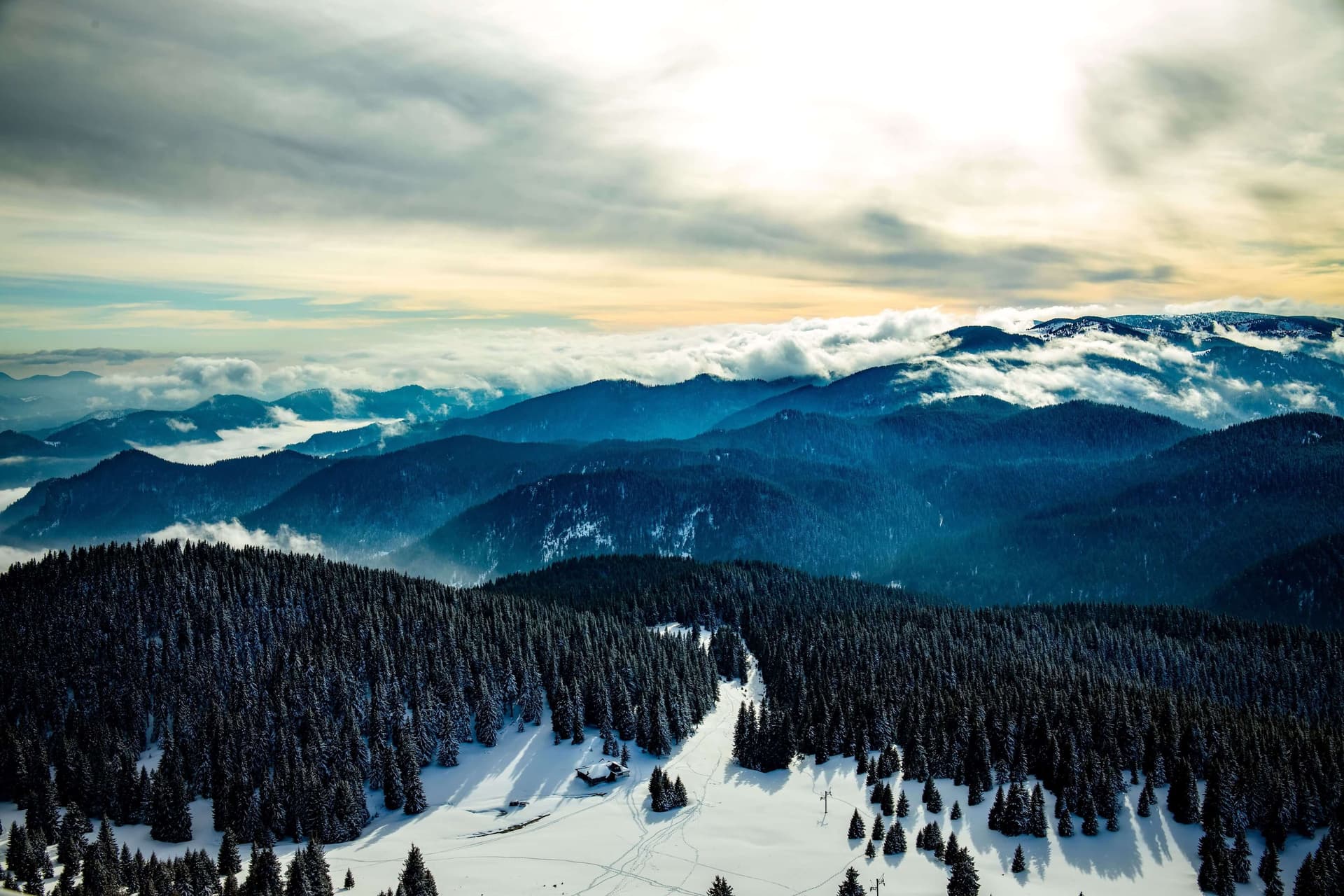
Bulgaria's winter reputation often revolves strictly around budget ski holidays — and that does the country a huge disservice. From December to March, Bulgaria reveals its most authentic and atmospheric self: steaming thermal pools surrounded by snow, ancient monasteries free of tourists, vibrant pre-Christian mask festivals, and comforting traditional cuisine made for cold weather.
This guide highlights the best ideas for a Bulgarian winter holiday that isn't focused on skiing — although we'll still cover the country's main mountain resorts for those who want a quick run on the slopes.
⛷️ Ski Resorts in Bulgaria: A Quick Overview
If you do want to combine your winter travels with some time on the slopes, Bulgaria boasts three major ski destinations:
- Bansko: Offers the most extensive ski network and a vibrant town atmosphere with lively nightlife.
- Borovets: Conveniently located just an hour from Sofia, making it ideal for short weekend getaways.
- Pamporovo: Nestled in the Rhodope Mountains, it features gentler slopes, sunny weather, and excellent ski schools for beginners and families.
Read our detailed Borovets vs Bansko vs Pamporovo ski comparison, or dive deeper into our dedicated guides for Bansko and Borovets. If the budget matters more than the piste count, Chepelare is the small Rhodope town 10 km below Pamporovo with its own ski area and far cheaper beds. The ski season typically runs from mid-December to early April, with lift passes priced at a fraction of Alpine rates.
♨️ Winter Thermal Spas: Natural Hot Springs in the Snow
With over 500 mineral springs, Bulgaria is one of Europe's top spa destinations. Winter is the absolute best time to experience them — soaking in a steaming outdoor pool while snow falls around you is pure relaxation.
- Velingrad: Named the Spa Capital of the Balkans in 2008, with more than 80 mineral springs and over 60 hotels. Its outdoor municipal pool closes in October, so in winter the soak is in hotel pools — see our Velingrad spa weekend guide.
- Hisarya: Famous for its healing mineral waters since ancient Roman times, combining ancient ruins with modern wellness facilities. See our spa weekend guide to Hisarya and Pavel Banya.
- Devin: Tucked away in the scenic Rhodope Mountains, perfect for combining crisp mountain air with thermal relaxation.
- Sapareva Banya: Home to Europe's hottest geyser (103°C) and a great spot for a relaxing day trip.
Explore our full guide to thermal springs and spa resorts in Bulgaria. The ultimate winter itinerary tip: combine two days of active mountain sightseeing with two days of rejuvenating hot spring relaxation.
⛪ Cultural Sightseeing: Quiet Monasteries and Historic Towns
Winter offers a rare chance to experience Bulgaria's most iconic historic landmarks in peaceful solitude.
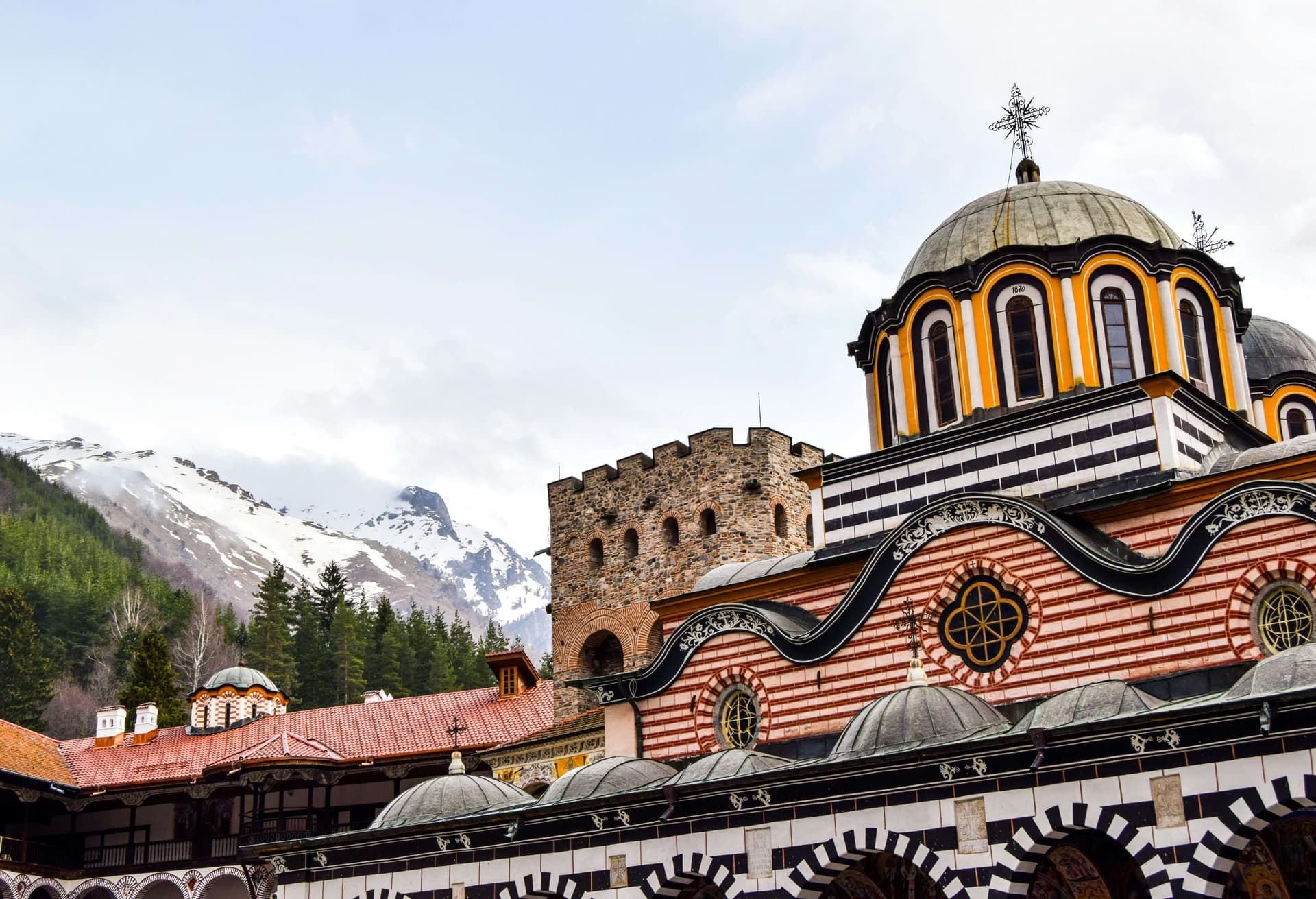
Rila Monastery draws hundreds of thousands of visitors during summer. In January, however, you'll find quiet courtyards, snow-dusted arches, and vivid medieval frescoes set against a serene white backdrop. Check our complete Rila Monastery day trip guide from Sofia (ensure your vehicle is equipped with winter tires for the mountain drive).
Historic National Revival towns like Koprivshtitsa and Veliko Tarnovo are incredibly picturesque in the snow — think steep cobbled lanes, smoking chimneys, and cozy traditional taverns welcoming you in from the cold. Our National Revival Trail itinerary is wonderful in winter, provided the mountain passes are clear.
👹 Kukeri Festival & Winter Masquerade Traditions
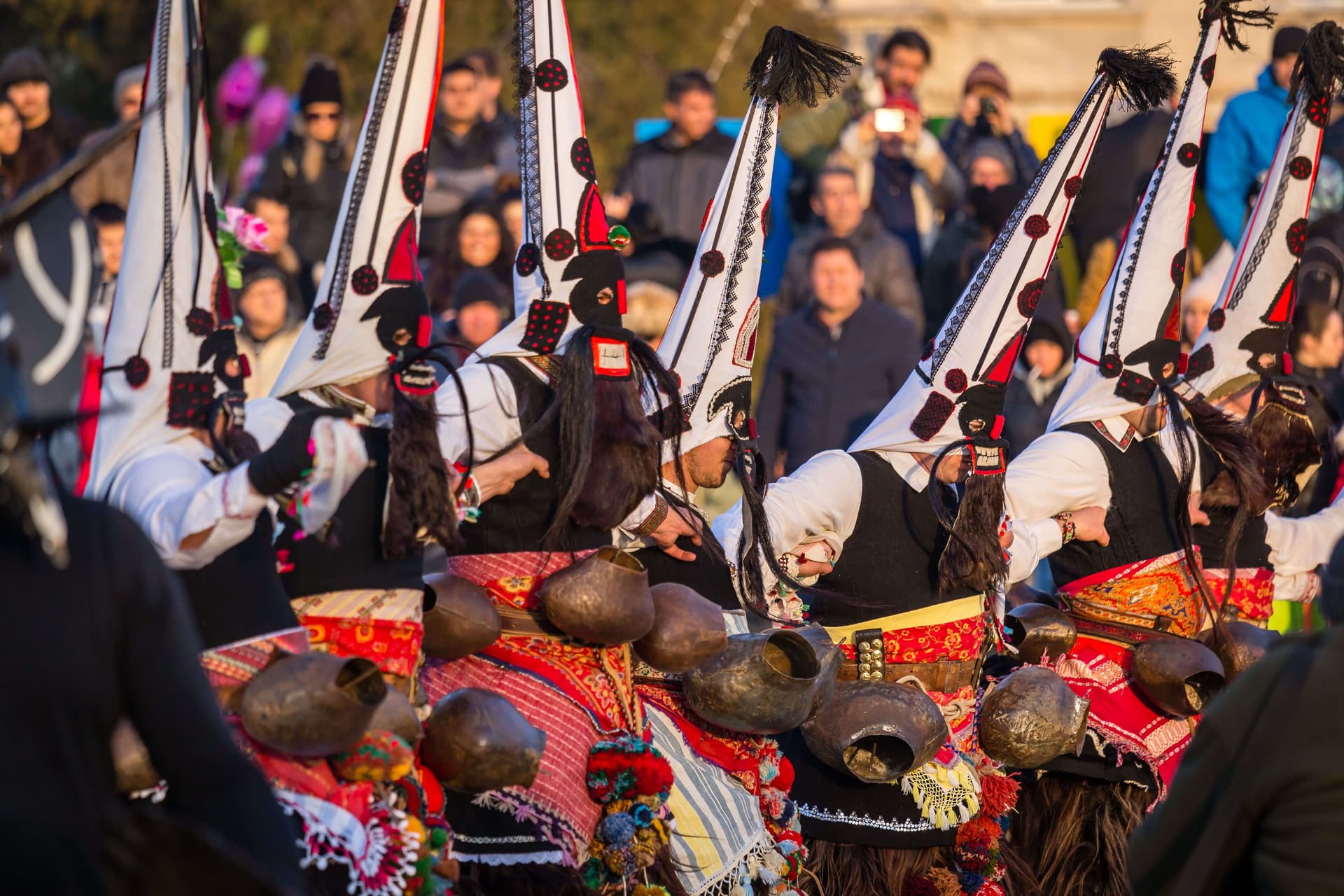
Bulgaria’s most captivating winter cultural tradition has nothing to do with Christmas. Kukeri are mummers who dress in striking costumes made of long-haired goat fur, intricate wooden masks, and heavy copper bells. They dance through towns and villages to drive away evil spirits and welcome the coming spring.
- Surva Festival in Pernik: Held in late January, this is the largest masquerade festival in the Balkans, featuring thousands of participants and an unforgettable spectacle of sound and color. Our Pernik guide covers what else to see in the town.
- Village Celebrations: Smaller, highly authentic Kukeri rituals take place in rural villages around New Year's Day and Cheese-fare Sunday (Sirni Zagovezni).
This ancient pagan ritual is unlike anything else in Europe. Check our guide to Bulgarian festivals and traditions for exact event dates.
🎄 Winter City Breaks: Christmas Markets in Sofia and Plovdiv
During December, Sofia and Plovdiv come alive with charming holiday festivities:
- Sofia: Combine museum visits and historic thermal baths with a half-day snow trip up Vitosha Mountain, accessible directly via city transit (see our Vitosha mountain guide). For a night out of the city, our weekend getaways from Sofia covers spa towns, winter walks and ski within 2.5 hours.
- Plovdiv: The romantic Old Town and the creative Kapana district are exceptionally cozy for winter walks and cafe stops.
Bulgaria's festive Christmas markets offer wooden stalls selling hot mulled wine, grilled local specialties, and handmade gifts. Learn more in our Bulgarian Christmas markets guide and check out our ready-to-use city itineraries for 72 Hours in Sofia and a Plovdiv weekend break.
🥾 Winter Hiking and Snowshoeing Adventure
For outdoor enthusiasts, Bulgaria’s mountain ranges offer magnificent opportunities for winter trekking:
- Vitosha Plateau: Located right above Sofia, the snow-covered plateau offers wide-open panoramic views. However, winter hikes to Cherni Vrah summit require proper alpine gear and weather preparation.
- Seven Rila Lakes: While the frozen lakes look ethereal, winter routes above the chairlift are recommended only for experienced winter hikers.
- Rhodope Mountains & Borovets: The forested trails in these areas are gentle and ideal for snowshoeing, with equipment rental available in most resort towns.
⚠️ Safety Warning: Above the treeline, trail markers can be hidden by snow, and mountain weather can shift rapidly. Always check forecast reports, consult the Mountain Rescue Service (PSS), and carry appropriate winter gear.
🗺️ The Ultimate 7-Day Bulgaria Winter Itinerary (Non-Skiers)
If you want to experience the best of winter in Bulgaria without spending your time on ski slopes, follow this balanced 1-week route:
- Days 1–2 (Sofia): Explore historic city highlights, visit Christmas markets (in December), and take a short scenic trip up Vitosha Mountain.
- Day 3 (Rila Monastery): Experience the iconic monastery in its quiet, snow-dusted winter setting.
- Days 4–5 (Spa & Wellness): Head to Velingrad or Devin for outdoor hot spring pools and gentle forest walks in the Rhodopes.
- Days 6–7 (Plovdiv): Wander through the peaceful Old Town and enjoy dinner at cozy taverns in the Kapana district.
Travel Tip: If you are visiting in late January, adjust your schedule to include the Surva Festival in Pernik.
🍲 Hearty Bulgarian Cuisine for Cold Weather
Bulgarian gastronomy truly shines during the colder months. Winter menus focus on rich, comforting dishes cooked slowly in clay pots:
- Traditional Soups: Try bob chorba (hearty bean soup), kurban chorba (lamb soup), or traditional shkembe chorba.
- Oven-Baked Dishes: Order kavarma (slow-cooked meat and vegetable stew), stuffed cabbage rolls (sarmi), or fresh hot banitsa.
- Warming Drinks: Along with local red wines, sample greyana rakia (heated rakia sweetened with honey and spices).
Enjoy these meals in a traditional mehana — a rustic tavern featuring stone interiors, roaring fireplaces, and often live folk music.
🗓️ Essential Travel Planning Tips for Winter in Bulgaria
Seasonal Weather Breakdown:
- December: Christmas markets, festive lights, and early snowfall in the mountains.
- January: The coldest and most budget-friendly month, ideal for thermal spas and the Surva Festival.
- February: Deepest snow cover, perfect for winter landscapes and sports.
- March: Mild spring conditions emerge, celebrated with the cultural tradition of Baba Marta on March 1st.
Practical Travel Advice:
- Car Rentals & Driving: Winter tires are mandatory by law from November 15 to March 1. Mountain passes may close temporarily during heavy snowstorms.
- Daylight Hours: Winter days are short, with sunset occurring around 5:00 PM in December and January. Plan outdoor activities early in the day.
- The Black Sea Coast: Coastal resort towns (like Sunny Beach and Golden Sands) close down completely for the winter. While major cities like Varna and Burgas function normally, the coast is not recommended for a winter vacation.
For a comprehensive year-round overview, check out our guide on the best time to visit Bulgaria or explore our complete 1-week Bulgaria itinerary.
Affordable, uncrowded, and filled with authentic cultural experiences. Start planning your winter getaway with Mestala.com.
This guide covers 11 places
Want more Mestala in your Google results?
Add mestala.com as a preferred source and our guides will show up more often when you search. Requires a Google account.
Frequently Asked Questions
Is Bulgaria worth visiting in winter?▾
Absolutely! Beyond offering some of Europe's most affordable ski resorts, winter in Bulgaria features steaming outdoor thermal pools, festive Christmas markets, crowd-free monasteries, unique Kukeri masquerade festivals, and cozy taverns serving hearty local cuisine.
What is there to do in Bulgaria in winter besides skiing?▾
You can relax in natural hot springs in Velingrad or Hisarya, explore the festive Christmas markets in Sofia and Plovdiv, visit the snow-covered Rila Monastery without summer crowds, experience the Kukeri mummers festival in Pernik, or go snowshoeing in the mountains.
How cold does it get in Bulgaria in winter?▾
In lowland cities like Sofia and Plovdiv, daytime temperatures usually range between 0°C and 5°C, dropping below freezing at night. Mountains experience proper alpine conditions with heavy snowfall, while thermal spa towns remain warm and comfortable thanks to their hot spring waters.
What are the Kukeri festivals in Bulgaria?▾
Kukeri are traditional Bulgarian mummers who wear heavy fur costumes, intricate wooden masks, and large copper bells. They perform ritual dances to scare away evil spirits and welcome spring. The largest event is the Surva Festival in Pernik held in late January.
Does Bulgaria have good Christmas markets?▾
Yes, Sofia and Plovdiv host charming Christmas markets from late November through December. They feature wooden chalets, mulled wine, traditional foods, artisanal crafts, and festive lights in an intimate setting.
Which are the best spa towns in Bulgaria for a winter vacation?▾
Velingrad (known as the Spa Capital of the Balkans), Hisarya, Devin, and Sapareva Banya are top destinations offering thermal mineral springs, luxury wellness centers, and heated outdoor pools perfect for cold weather.
You might be interested in
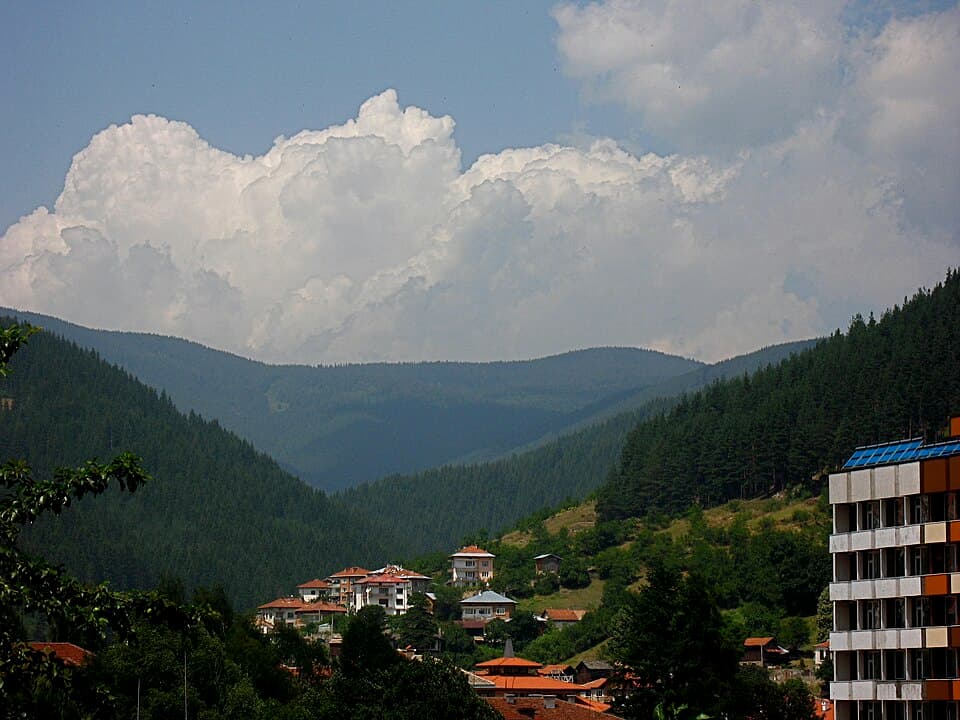
Chepelare: Bulgaria's Quiet Ski Town in the Rhodopes
A practical guide to Chepelare: the Mechi Chal ski area, Snezhanka Peak, getting there from Plovdiv, parking, where to stay, and why it beats Pamporovo on price.
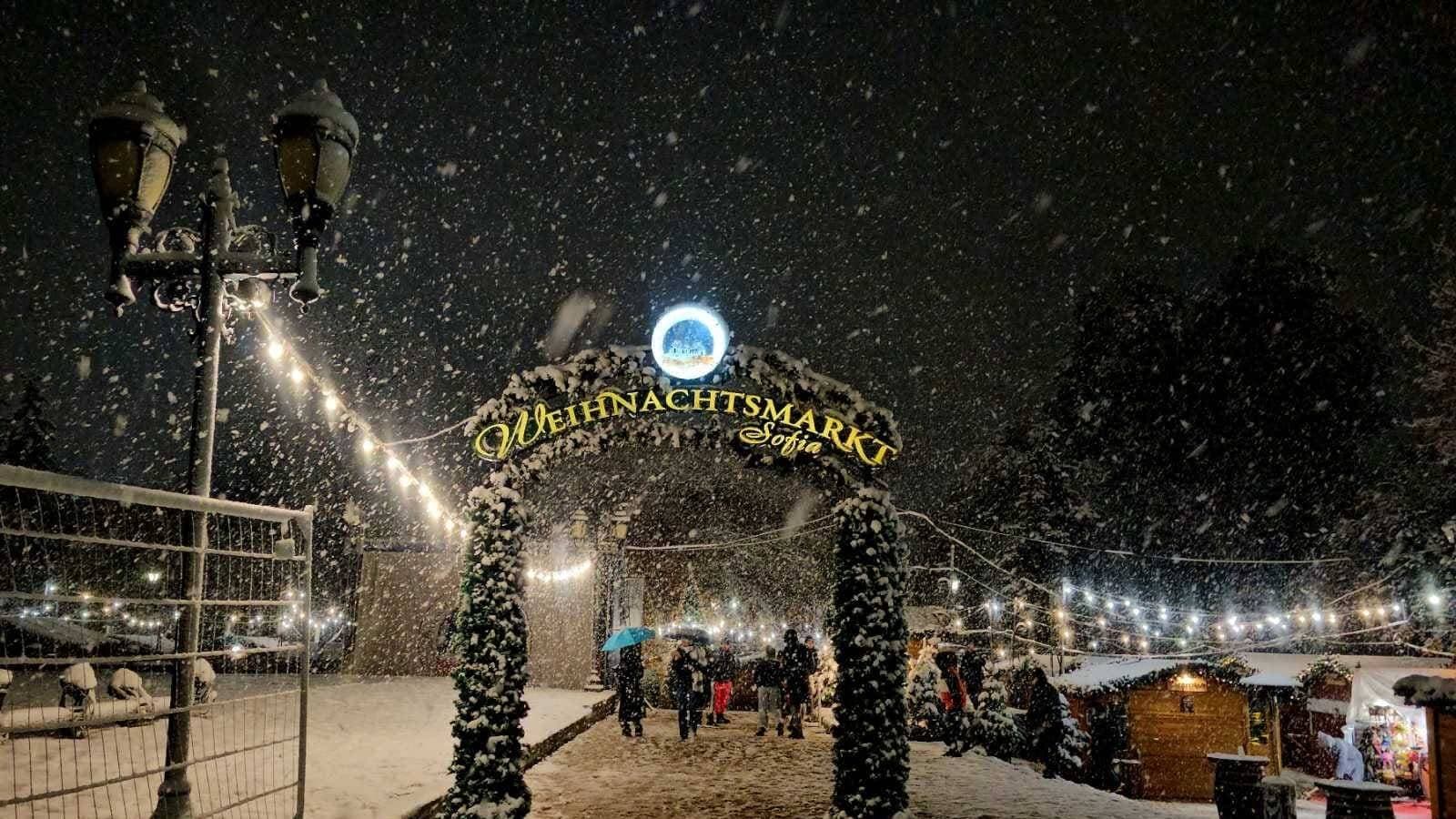
Christmas Markets in Bulgaria: Sofia, Plovdiv & Bansko
Sofia's German market by the National Theatre, Plovdiv's Kapana bazaar, Bansko's ski-town lights and the coastal markets — when they open and what to expect.
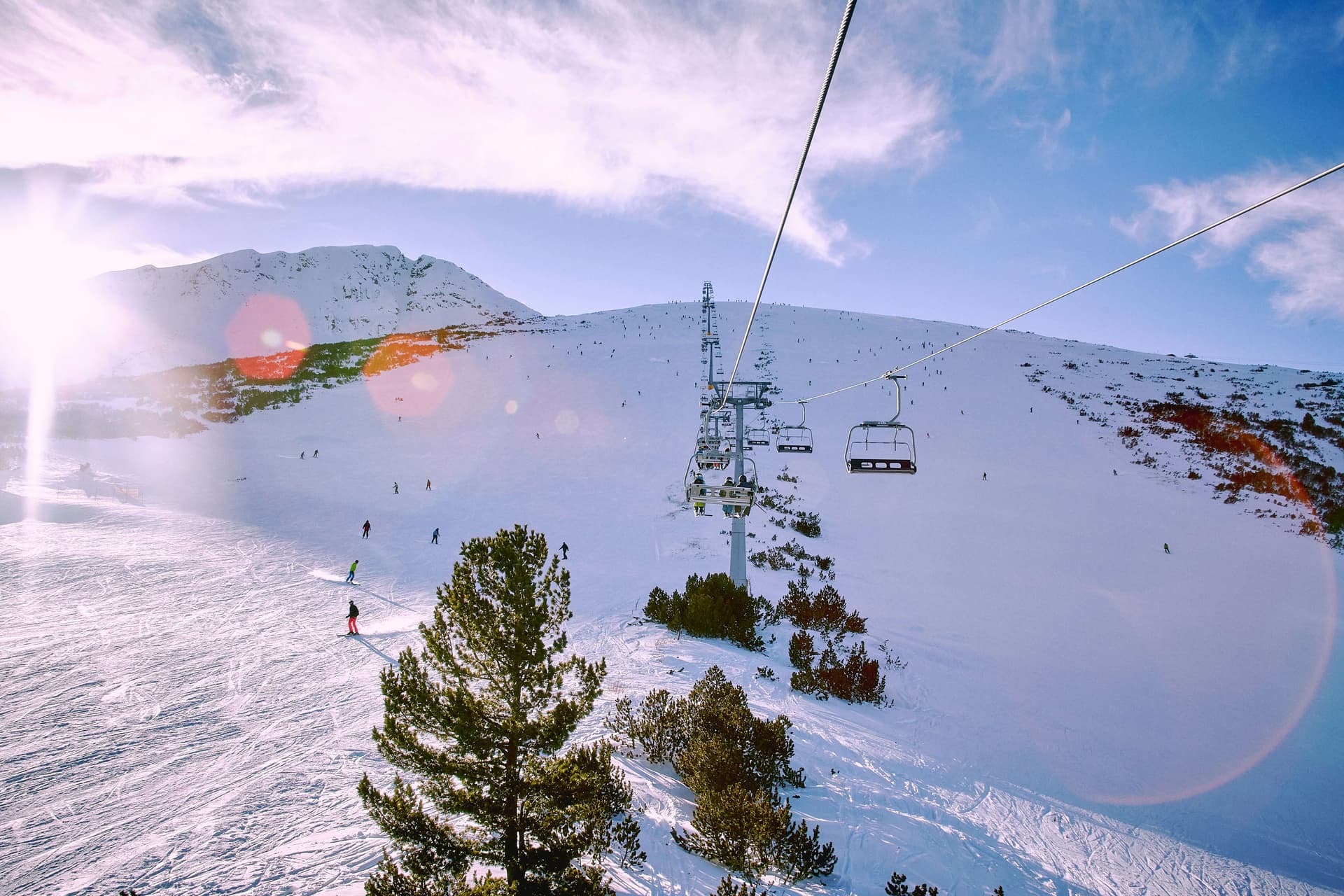
Bansko Ski Resort: Pistes, Gondola, Lift Passes & Parking
A complete guide to Bansko ski resort: 75 km of pistes, the gondola from town, lift pass prices, night skiing, parking, family skiing, and where to stay.
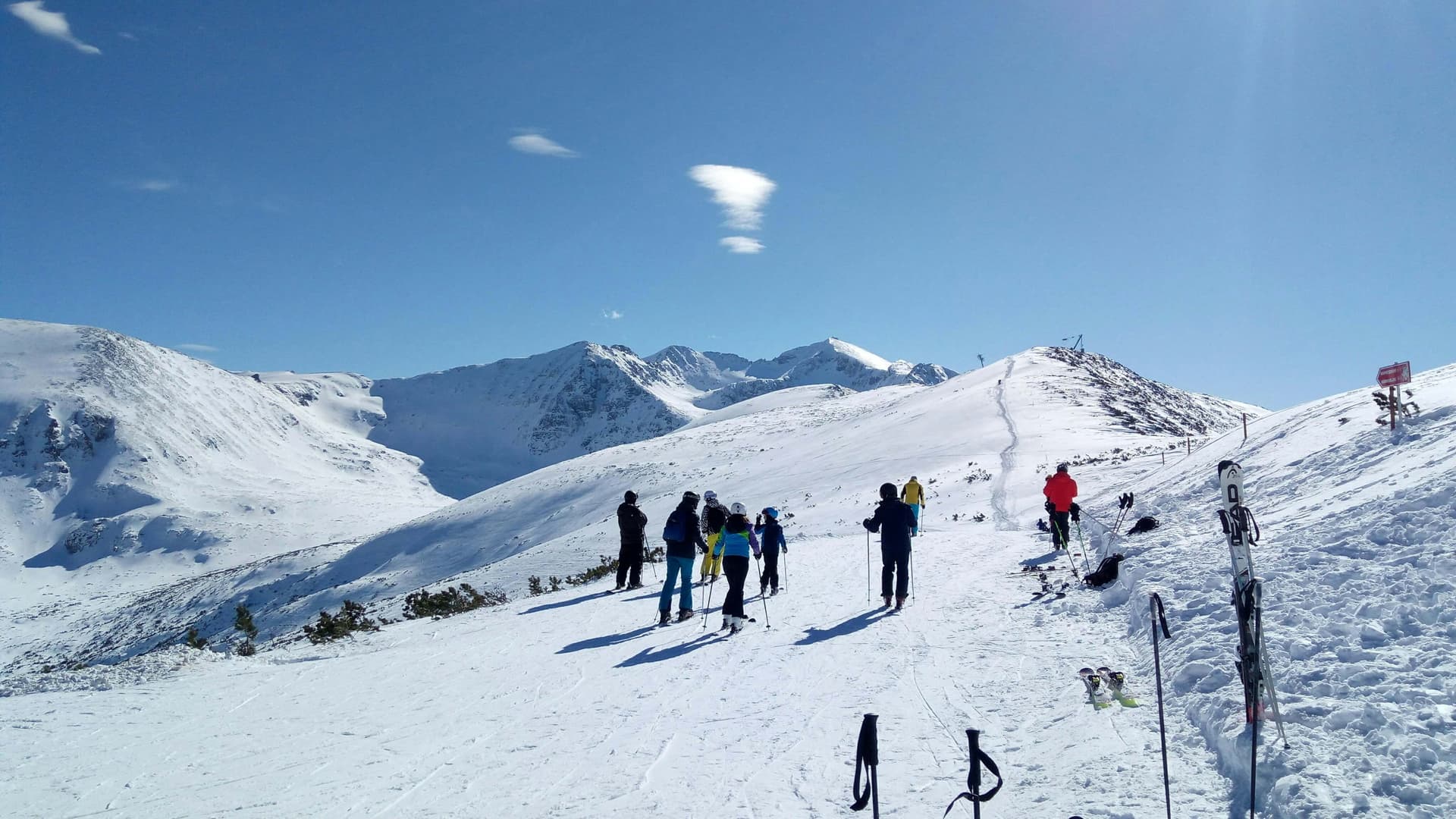
Borovets: Ski Slopes, Lifts & Hiking Musala
A complete guide to Borovets: ski sectors Sitnyakovo and Yastrebets, gondola tips, night skiing, lift passes, hiking Peak Musala, and accommodation.