

Bulgarian Festivals & Traditions: Kukeri and Baba Marta
In this guide▾
Bulgarian folk traditions possess extraordinary vitality. Having survived five centuries of Ottoman rule as the anchor of national identity, these customs remain deeply rooted in daily life. What travelers encounter today is authentic intangible heritage: ancient pre-Christian rites still performed in towns and villages as living traditions rather than staged historical reenactments for tourists.
In this practical guide, we outline Bulgaria's annual folklore calendar: what happens, when and where it takes place, and how to plan your travel itinerary around these unique cultural events.
🗓️ Bulgaria's Annual Festival & Folklore Calendar
| Date / Period | Festival or Celebration | Location / Region |
|---|---|---|
| 1 January | Survakane (New Year Ritual) | Nationwide |
| Late January | Surva International Kukeri Festival | Pernik |
| 14 February | Trifon Zarezan (Vinegrower's Day) | Wine regions (Melnik, Thrace, Danubian Plain) |
| 1 March | Baba Marta (Exchanging Martenitsi) | Nationwide |
| February / March | Sirni Zagovezni (Village Kukeri) | Various villages, especially Southwestern Bulgaria |
| 24 May | Cyrillic Alphabet & Culture Day | Nationwide |
| Early June | Kazanlak Rose Festival | Kazanlak (Valley of the Roses) |
| 3–4 June | Nestinarstvo (Fire Dancing Ritual) | Bulgari Village (Strandzha Mountains) |
| August | National Folklore Festival | Koprivshtitsa |
🎤 Major Event Highlight: Bulgaria is hosting the Eurovision Song Contest in Burgas on 11, 13, and 15 May 2027. Read our complete guide to Eurovision 2027 in Burgas for venue and ticket details, as well as our Eurovision week itinerary.
👹 Kukeri Masquerades: Ancient Rituals to Drive Away Evil
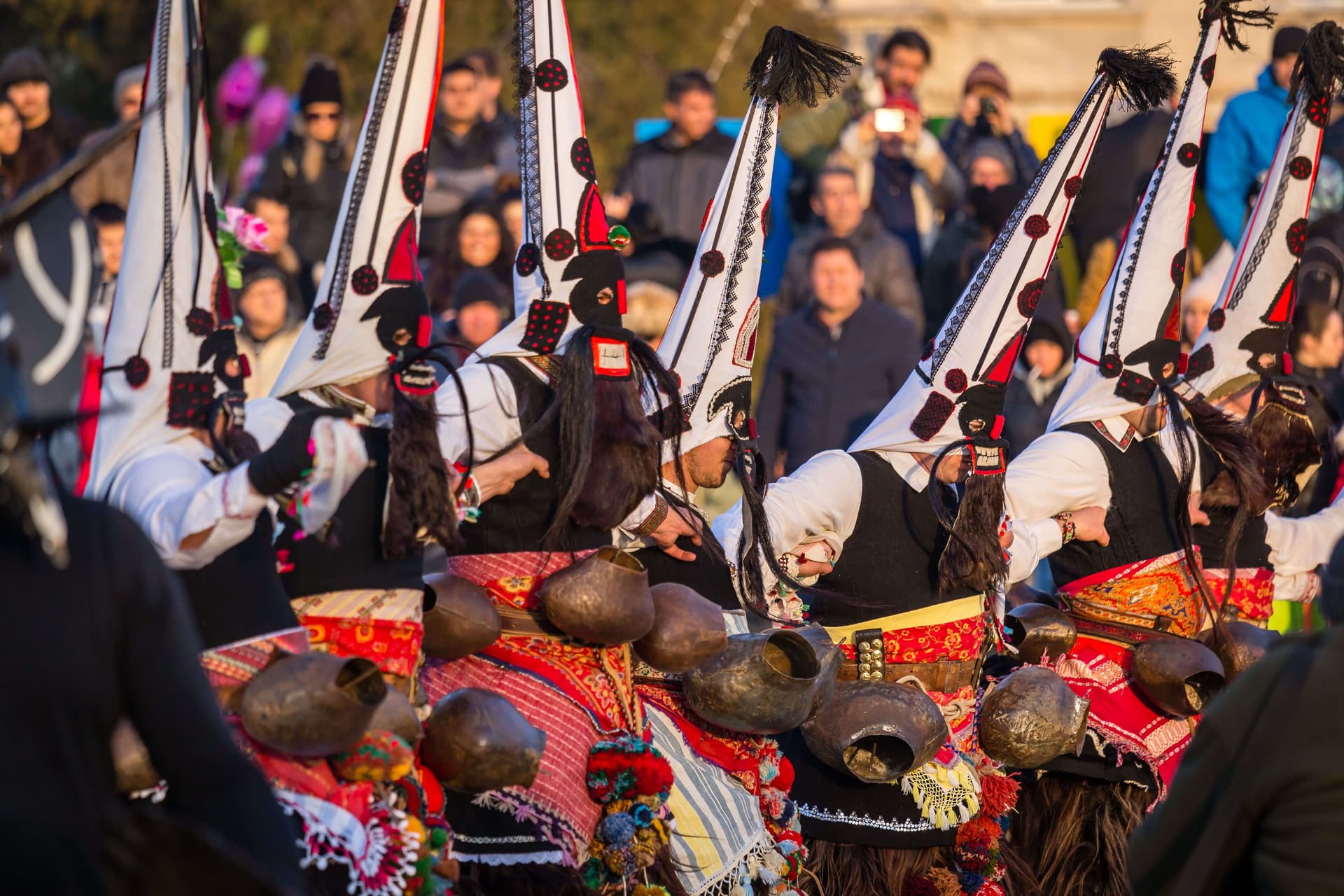
The Kukeri tradition is among the most striking and visually impressive Bulgarian customs. Kukeri are mummers wearing heavy suits crafted from goat or sheep hides, elaborate hand-carved wooden masks, and large copper and bronze bells (chani) strapped around their waists. By dancing rhythmically and ringing their deafening bells, they aim to drive away evil spirits, purify the land, and ensure good health and fertility for the community.
This ritual has pre-Christian, Dionysian origins and has survived virtually unchanged for centuries.
🎭 The Surva Festival in Pernik
The Surva International Festival of Masquerade Games in Pernik, held annually in late January, is the largest event of its kind in the Balkans. Gathering over 10,000 performers from Bulgaria and around the world, it is located just 30 km from Sofia. The town is worth a visit outside festival week too — see our Pernik guide for the mining museum, Krakra Fortress and the Tran corner.
- How to Get There: Driving takes roughly 30 minutes via the A3 highway from Sofia. Alternatively, frequent direct trains and buses run from Sofia Central Railway/Bus Station.
- Practical Tips: Dress in heavy winter layers. Parades run outdoors all day, and winter temperatures in Pernik often drop below freezing. If arriving by car, aim to get there before 09:30 AM to secure a parking spot near the central square.
🏘️ Authentic Village Masquerades
In addition to the main festival in Pernik, authentic village Kukeri rituals take place around New Year's Day and on Sirni Zagovezni (Cheese-fare Sunday, seven weeks before Easter). Villages across Razlog, Bansko, Karlovo, and Yambol host these intimate gatherings where the entire local community participates.
🧵 Baba Marta & Martenitsi: Welcoming Spring (1 March)
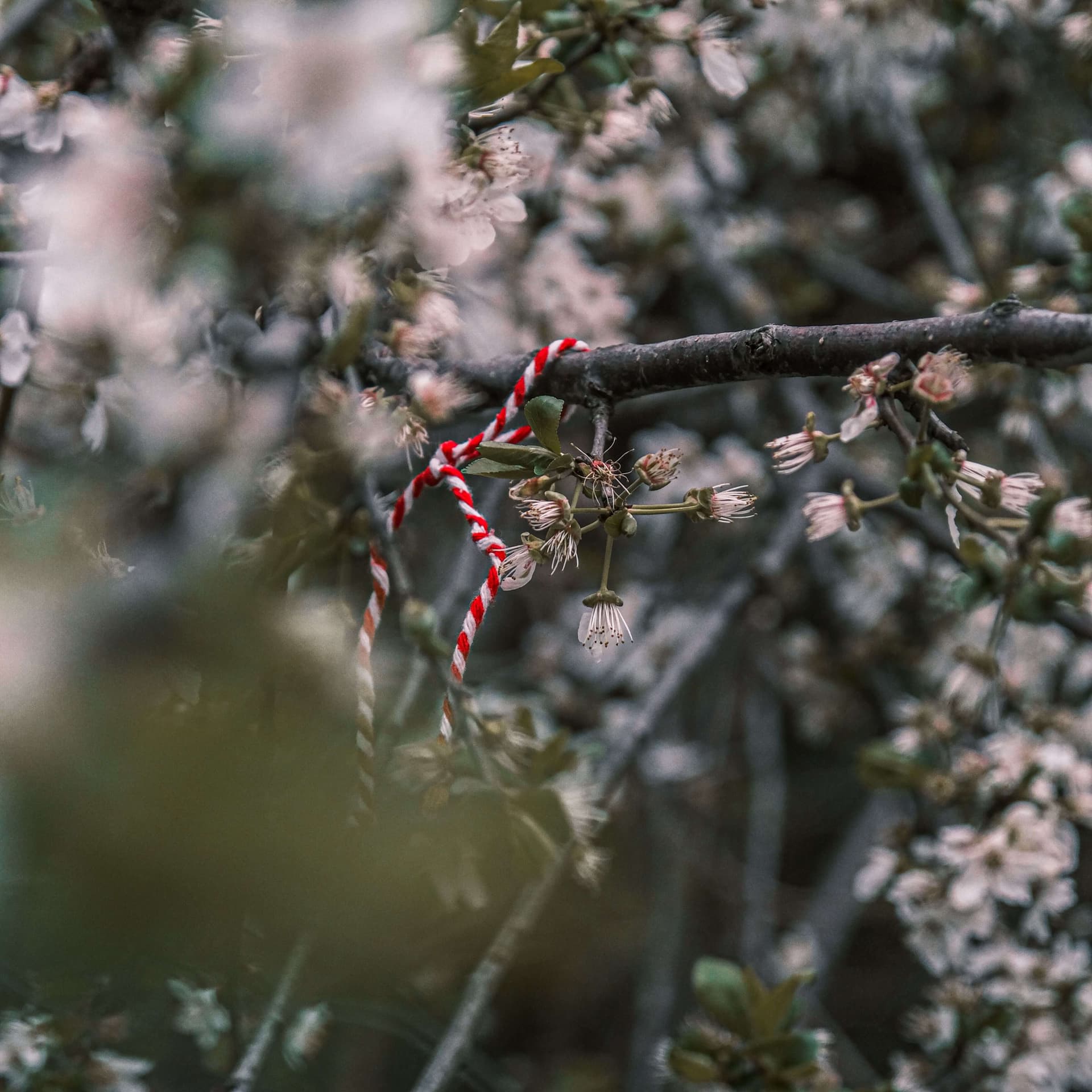
On March 1, Bulgarians celebrate the arrival of spring with the holiday Baba Marta ("Grandma March"). On this day, friends and family exchange martenitsi — red-and-white woven tassels, wristbands, or small woolen figures (known as Pizho and Penda).
- Symbolism: Red represents health, vitality, and blood, while white symbolizes purity, happiness, and long life.
- The Tradition: You wear your martenitsa pinned to your clothes or around your wrist until you see the first stork, swallow, or blossoming tree of the season. You then tie it to a flowering tree branch to bring good health.
If you are visiting Bulgaria in early March, accepting a martenitsa is a warm gesture of local friendship and hospitality.
🌹 The Kazanlak Rose Festival (Early June)
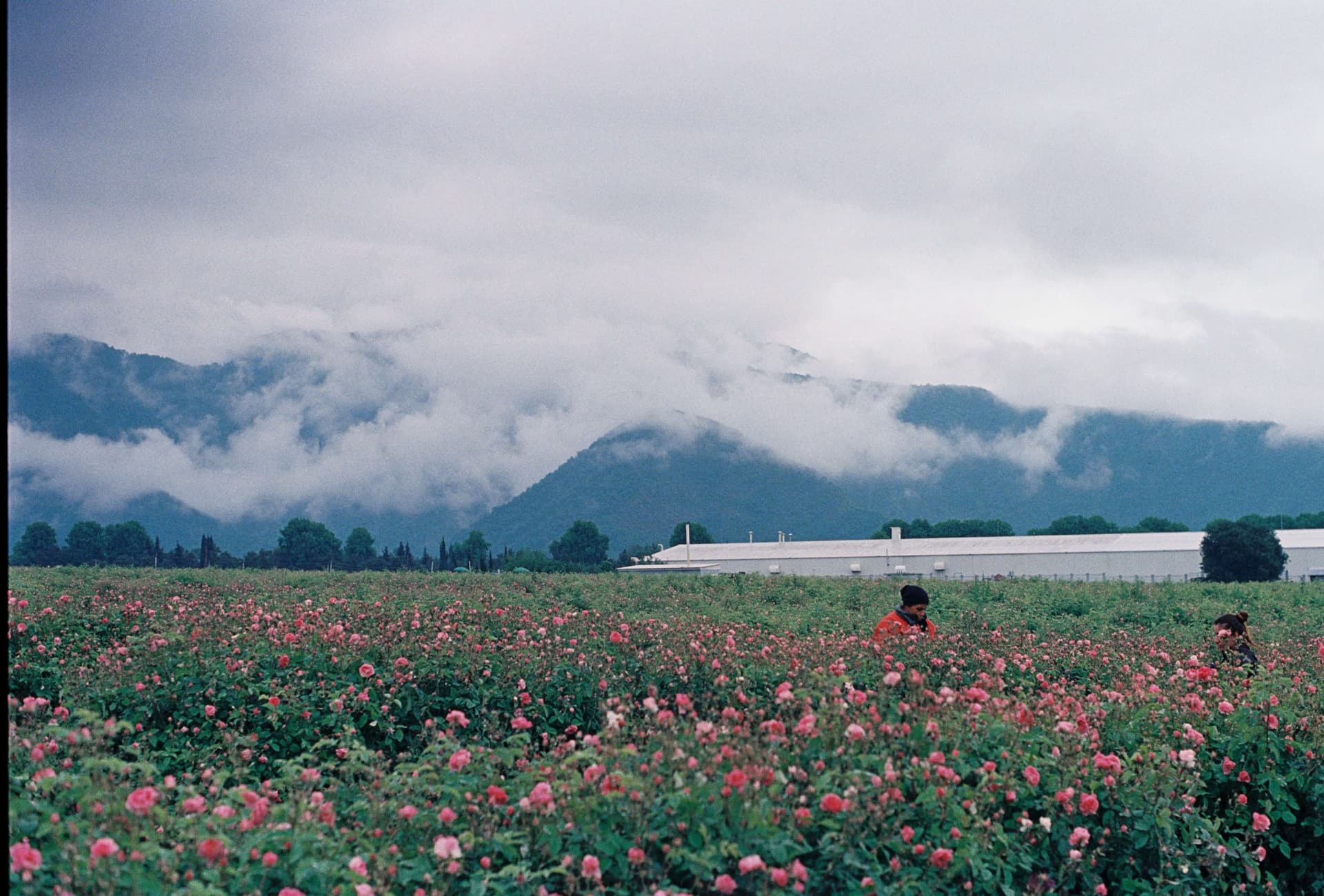
Bulgaria is one of the world's leading producers of premium rose oil, distilled from the fragrant Rosa Damascena cultivated in the Valley of the Roses near Kazanlak.
The annual harvest culminates in the Rose Festival during the first weekend of June:
- Rose-Picking Ritual: Held at dawn (around 09:00 AM) in surrounding rose fields, where flowers are harvested by hand while still wet with morning dew.
- Festival Events: Features a grand street parade through Kazanlak, folklore concerts, and the coronation of the Rose Queen.
💡 Travel Tip: Accommodation in Kazanlak for the first weekend of June sells out months in advance. If you cannot find open rooms, consider staying in nearby Stara Zagora or Plovdiv and driving over early in the morning.
Read our detailed guide to Kazanlak and the Valley of the Roses, home to the UNESCO-listed Thracian Tomb of Kazanlak.
🔥 Nestinarstvo: Barefoot Fire Dancing
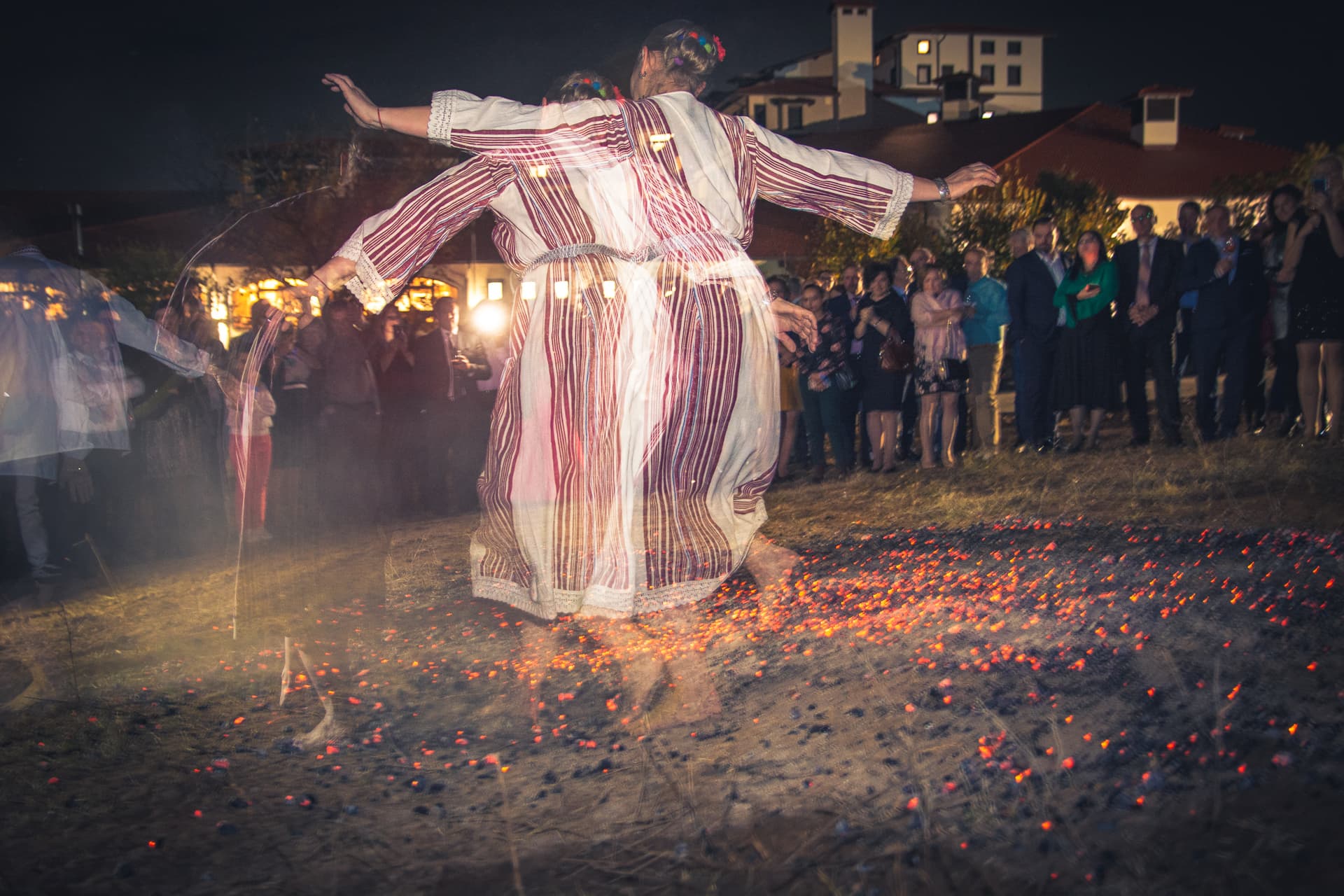
In the foothills of the Strandzha Mountains, on the feast day of Saints Constantine and Helena (3–4 June), locals perform one of Bulgaria's most mysterious rituals — Nestinarstvo. Dancers (nestinari) walk and dance barefoot across a glowing bed of red-hot embers while holding a sacred icon of the saints.
Recognized as UNESCO Intangible Cultural Heritage, the most authentic setting to witness this ancient ritual is the village of Bulgari.
- Logistics: Bulgari is best reached by car from Burgas or Tsarevo. Since the fire dancing occurs after sunset, we recommend booking overnight accommodation in Tsarevo or neighboring coastal towns.
🍷 Trifon Zarezan: The Feast of Wine & Vineyards (14 February)
On February 14, Bulgarians celebrate Trifon Zarezan, the traditional holiday dedicated to vinegrowers, winemakers, and tavern owners. Vineyard owners ceremonially prune their vines, sprinkle them with red wine for an abundant harvest, and elect a "King of the Vineyards".
It is celebrated enthusiastically across famous wine regions such as Melnik, the Thracian Valley, and the Danubian Plain. It is the winter half of the wine year — the harvest itself, Grozdober, falls in September and October and is covered in our Bulgarian grape harvest guide. See also our guide to Bulgarian wine and Melnik.
⛪ Eastern Orthodox Feasts & Name Days
The Orthodox Christian calendar plays a central role in Bulgarian culture, with Name Days (Imenden) often celebrated with as much enthusiasm as birthdays.
- Yordanovden / Epiphany (6 January): Priests throw a wooden cross into freezing rivers or lakes, and brave young men dive into the ice-cold water to retrieve it for good health. In Kalofer, men perform a famous traditional chain dance (horo) inside the icy Tundzha River.
- Gergyovden / St. George's Day (6 May): A beloved spring feast celebrating shepherds, nature, and the traditional family meal of slow-roasted lamb.
🎶 Major Folklore Gatherings & Music Festivals
- Koprivshtitsa National Folklore Fair: Held every five years in the Voivodenets meadows above Koprivshtitsa, gathering thousands of singers, musicians, and dancers from every corner of the country.
- Rozhen Folklore Fair: Set high in the Rhodope Mountains, world-renowned for the deep, resonant sound of hundreds of traditional kaba gaida bagpipes echoing across the mountain pastures.
- Pirin Sings Festival: Held at the Predel Pass, showcasing the distinct diaphonic two-part singing tradition of the Pirin region.
🧭 How to Plan Your Trip Around Traditional Events
If you want to build your travel itinerary around major Bulgarian cultural events, the two best anchor festivals are:
- Surva Festival in Pernik (Late January): Excellent for combining with a winter break or a skiing trip — Borovets is the closest resort to Pernik, and Bansko is the bigger mountain if you want a full week on snow.
- Kazanlak Rose Festival (Early June): Perfect for a scenic spring countryside road trip paired with fire dancing in Strandzha.
Also check out our guides on the best time to visit Bulgaria and Bulgaria in winter: Things to do beyond skiing. December has its own calendar of open-air festivities — the Christmas markets guide covers where they run and for how long.
Vibrant, ancient, and deeply authentic — plan your next cultural getaway in Bulgaria with Mestala.com!
This guide covers 5 places
Want more Mestala in your Google results?
Add mestala.com as a preferred source and our guides will show up more often when you search. Requires a Google account.
Frequently Asked Questions
What are the most famous Bulgarian festivals and traditions?▾
Bulgaria's most famous traditional celebrations include the winter Kukeri masquerade games (highlighted by the Surva International Festival in Pernik), Baba Marta on March 1 with red-and-white martenitsi, the Kazanlak Rose Festival in early June, and Nestinarstvo fire dancing in the Strandzha region.
What is Baba Marta and what do martenitsi represent?▾
Baba Marta ('Grandma March') is a centuries-old holiday celebrated on March 1 to welcome spring. People exchange martenitsi — handcrafted red-and-white yarn tokens worn for good health, luck, and vitality until spotting the year's first stork, swallow, or blossoming tree.
Who are the Kukeri and what is their ritual?▾
Kukeri are ritual mummers dressed in heavy costumes made of sheep or goat hides, wearing hand-carved masks and heavy bronze bells. Their rhythmic dancing and bell ringing aim to drive away evil spirits, purify the land, and bring health and a fruitful harvest.
When and where is the Rose Festival held in Bulgaria?▾
The Rose Festival takes place in Kazanlak in the famous Valley of the Roses, culminating during the first weekend of June. The event features traditional morning rose-picking rituals, colorful street parades, and the coronation of the Rose Queen.
What is Nestinarstvo (fire dancing)?▾
Nestinarstvo is a UNESCO-recognized ritual where barefoot dancers walk across glowing embers while holding an icon of Saints Constantine and Helena. This ancient tradition takes place annually in early June, primarily in the village of Bulgari in the Strandzha Mountains.
When is the best time to experience traditional folklore festivals in Bulgaria?▾
Bulgaria features cultural events all year long: Kukeri masquerades in January and February, Baba Marta in March, Orthodox Easter and St. George's Day in spring, the Rose Festival and fire dancing in June, and massive folklore fairs in Koprivshtitsa and Rozhen in summer.
You might be interested in
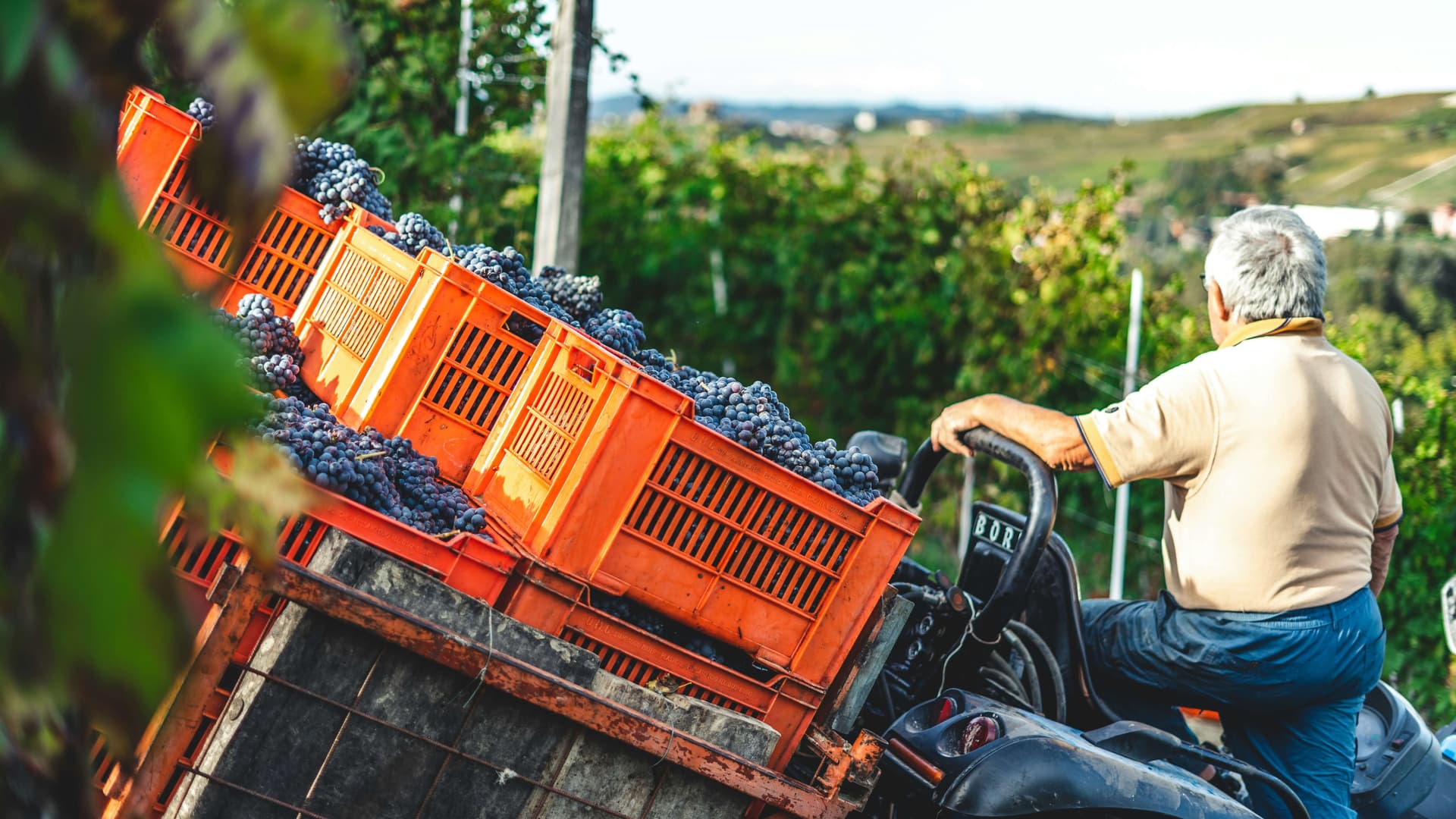
Grozdober: Bulgaria's Grape Harvest Season & How to Join It
When the Bulgarian grape harvest happens, which wine regions to visit in September and October, how a harvest day works and what to book in advance.
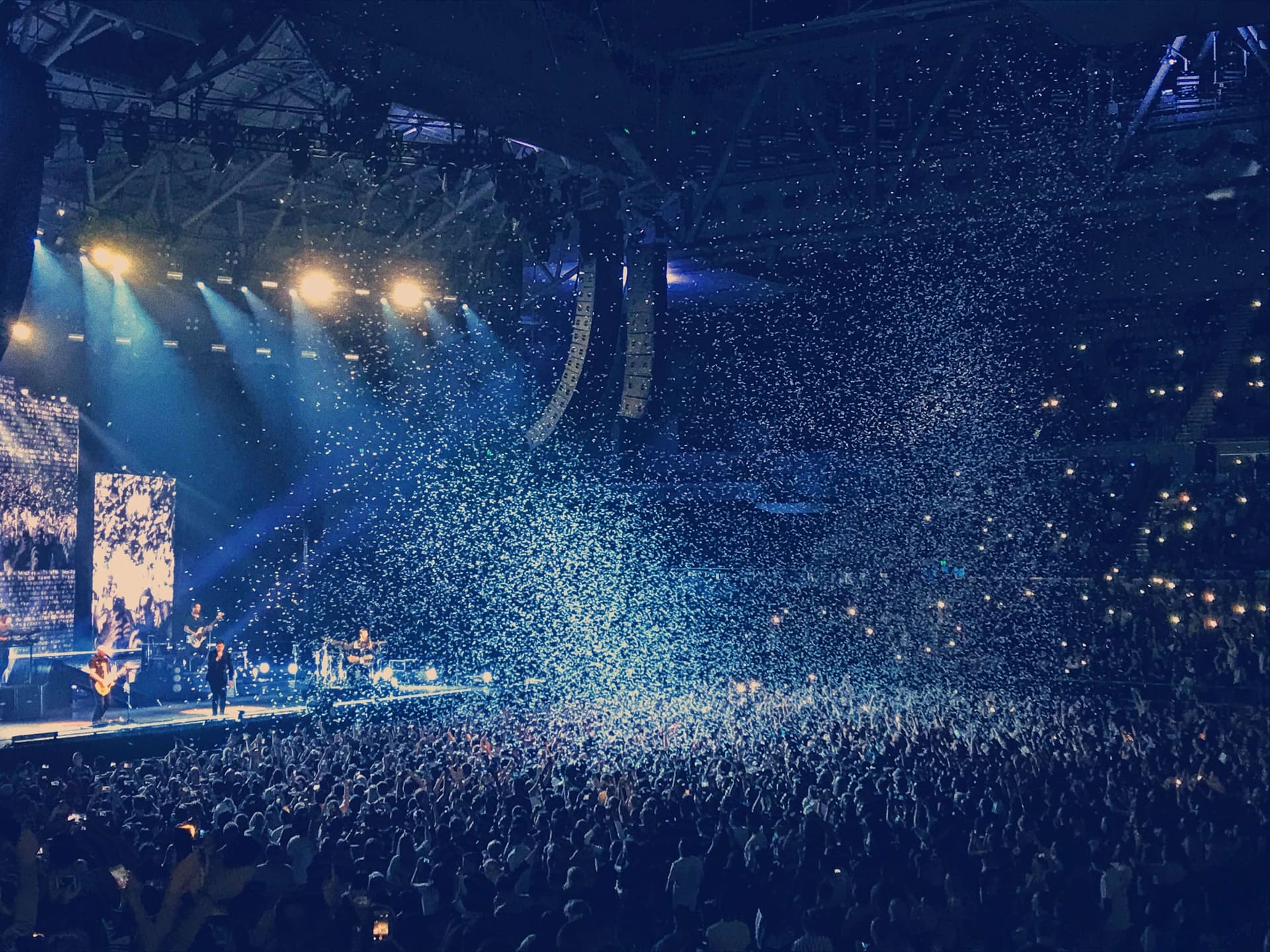
Arena Burgas: Venue Guide, Capacity, Seating & Transport
A practical, first-hand guide to Arena Burgas in Izgrev: seating plan, capacity, parking, transit from the city center, and late-night departure tips.
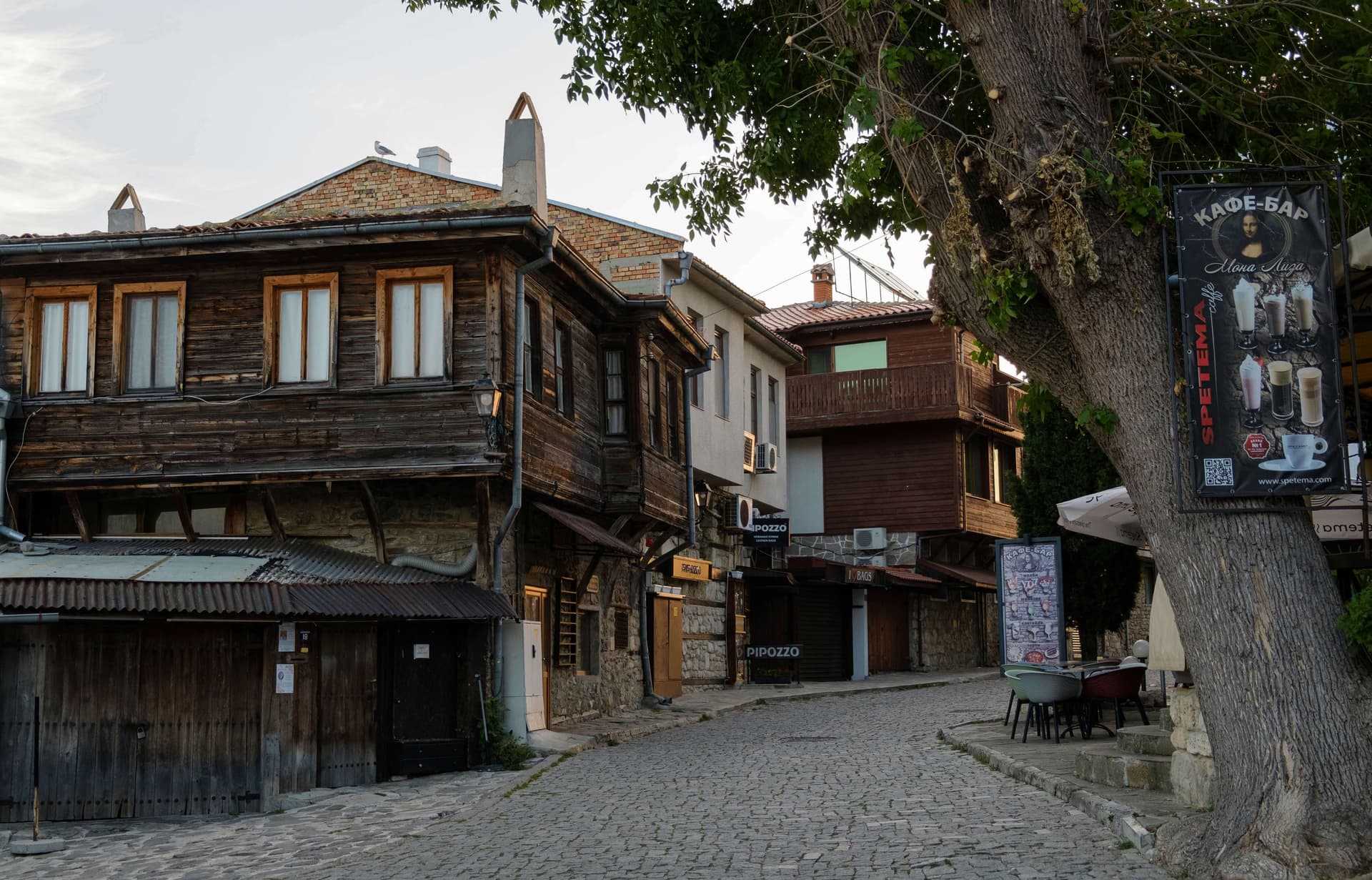
Eurovision 2027 Burgas Itinerary: A Day-by-Day Schedule
An expert day-by-day plan for Eurovision 2027 week in Burgas: semi-final dates, free-day coastal trips to Nessebar and Sozopol, fan zones, and late-night tips.
Eurovision 2027 Tickets: Sale Waves, 9 Shows & Scam Advice
Eurovision 2027 tickets in Burgas: the nine ticketed shows, how preview rehearsals work, Eurofan registration, ticket tiers and avoiding scams.