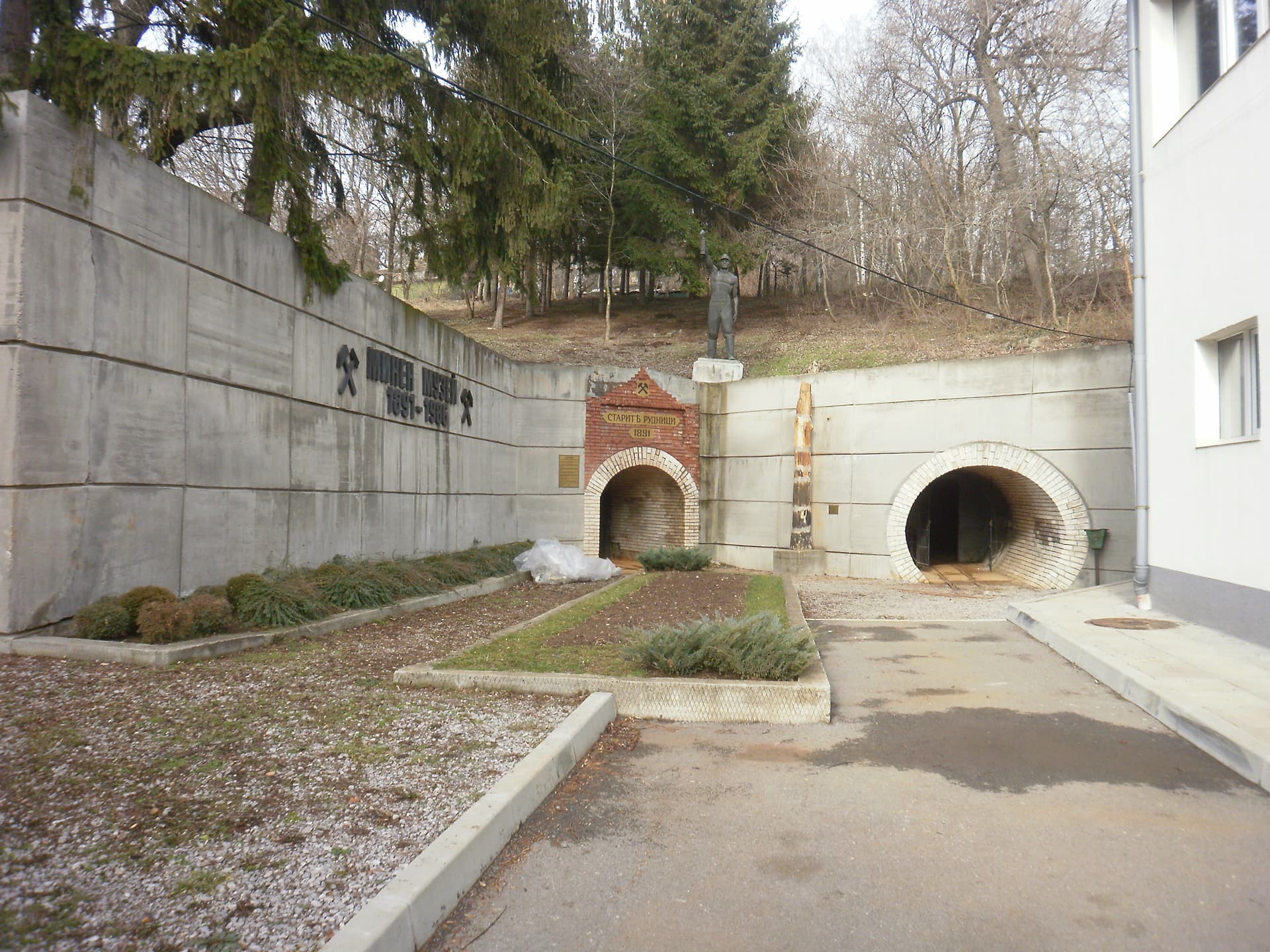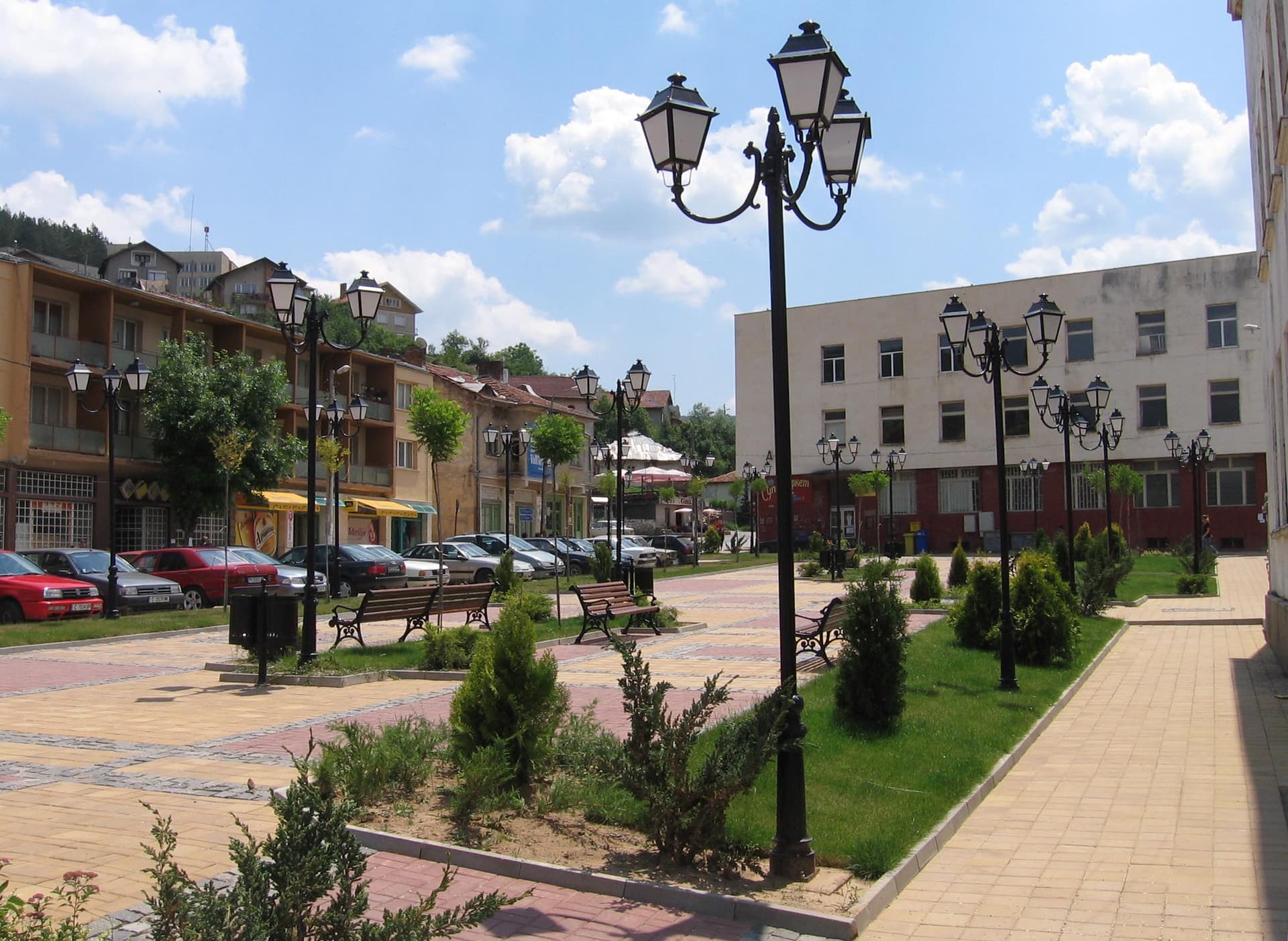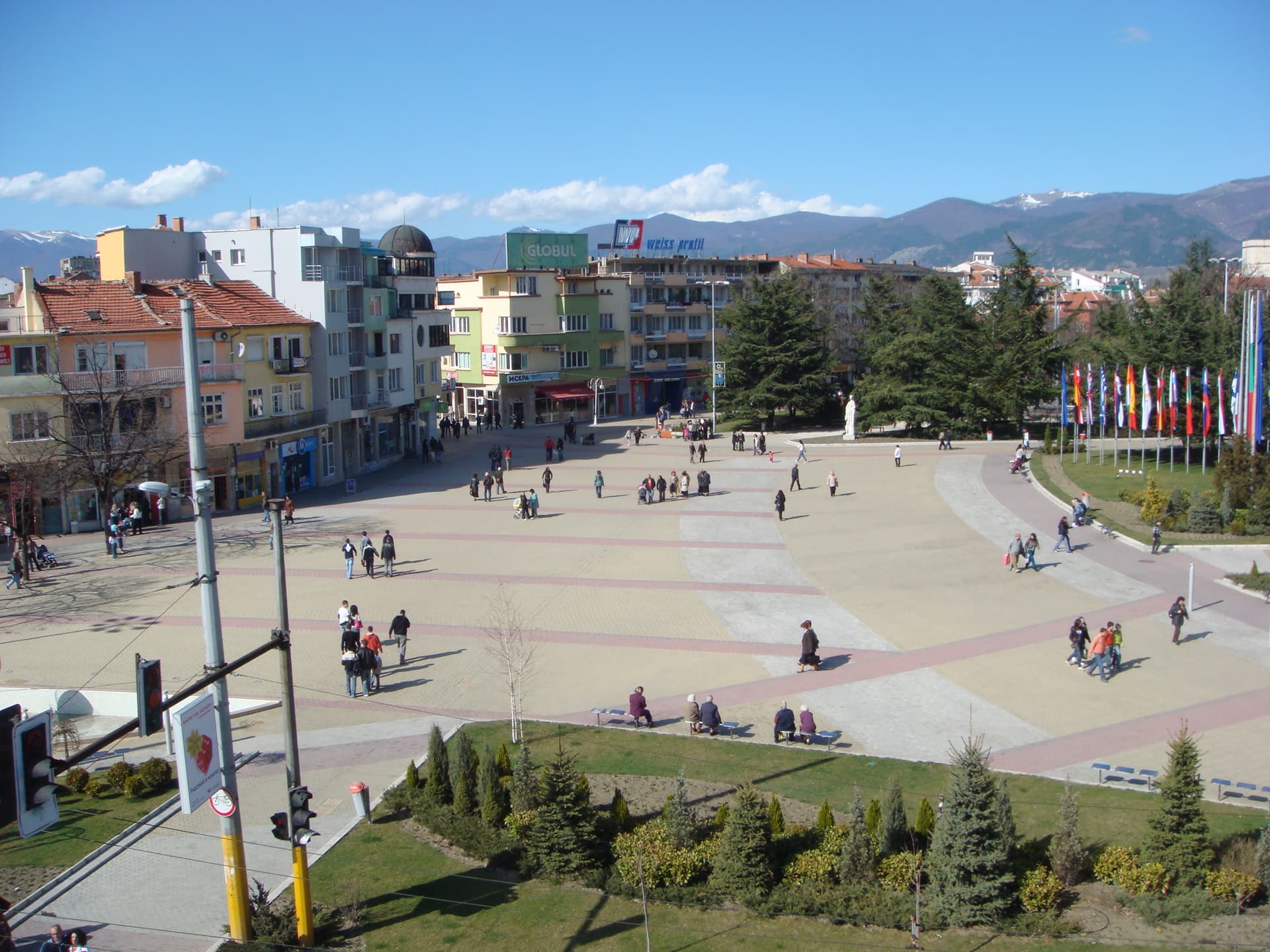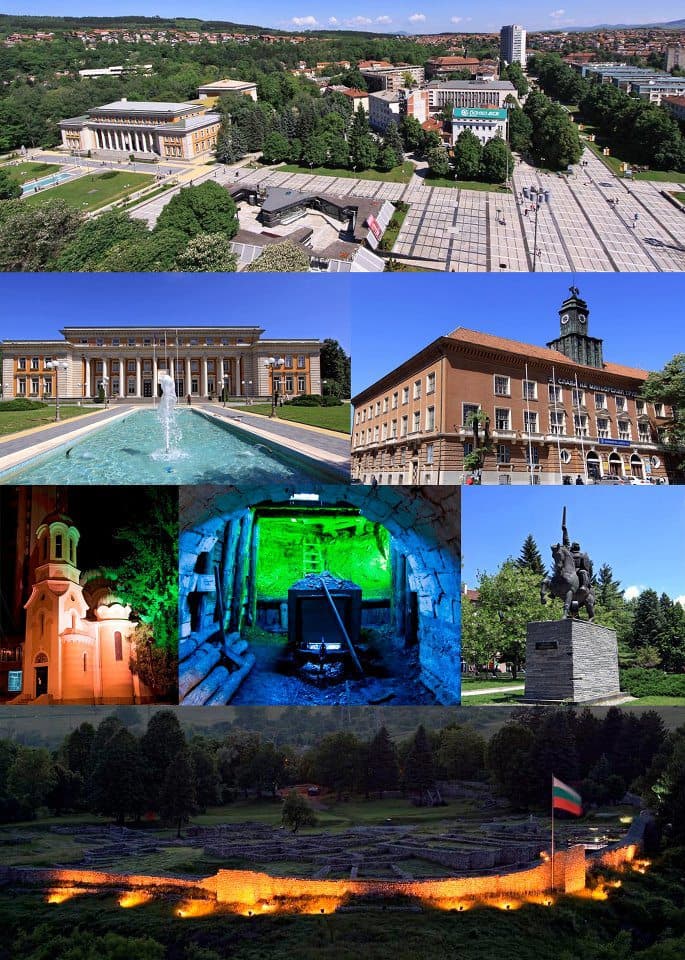
Pernik is a provincial town in western Bulgaria with 65,317 inhabitants (NSI, end of 2025), the largest in western Bulgaria after Sofia. It lies at 710 m on the upper Struma, about 30 km south-west of Sofia.
On the Struma motorway, 30–40 minutes from Sofia. Trains from Sofia Central Station to Pernik run almost hourly and take 40–50 minutes; minibuses also leave from the Zapad bus station. The underground mining museum and Krakra fortress, with hours and tickets, are in our guide below.
A Neolithic settlement stood here at the start of the 6th millennium BC. The name Pernik is recorded from the 9th century, and around the year 1000 the fortress was the seat of the governor Krakra of Pernik. The modern town grew up around the coal mine opened on 17 August 1891; it became a town in 1929. From 1949 to 1962 it was called Dimitrovo.
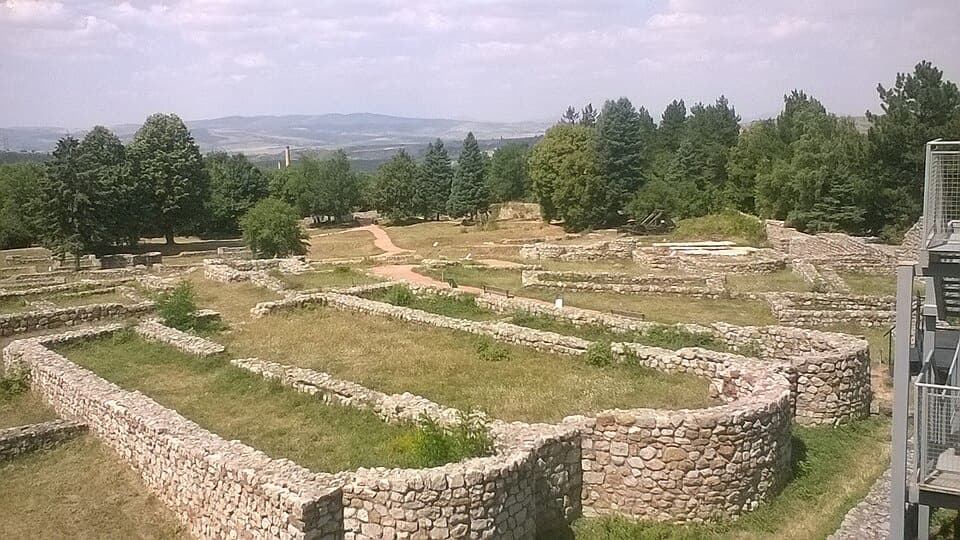
Pernik region
2.0 km away

Pernik region
11.5 km away
Sofia City region
11.5 km away
Discover Pernik and the Tran region on a day trip from Sofia! Explore the Underground Mining Museum, Krakra Fortress, the dramatic Erma River Gorge, and the Bulgarian Yoghurt Museum — tickets, parking, and insider tips.
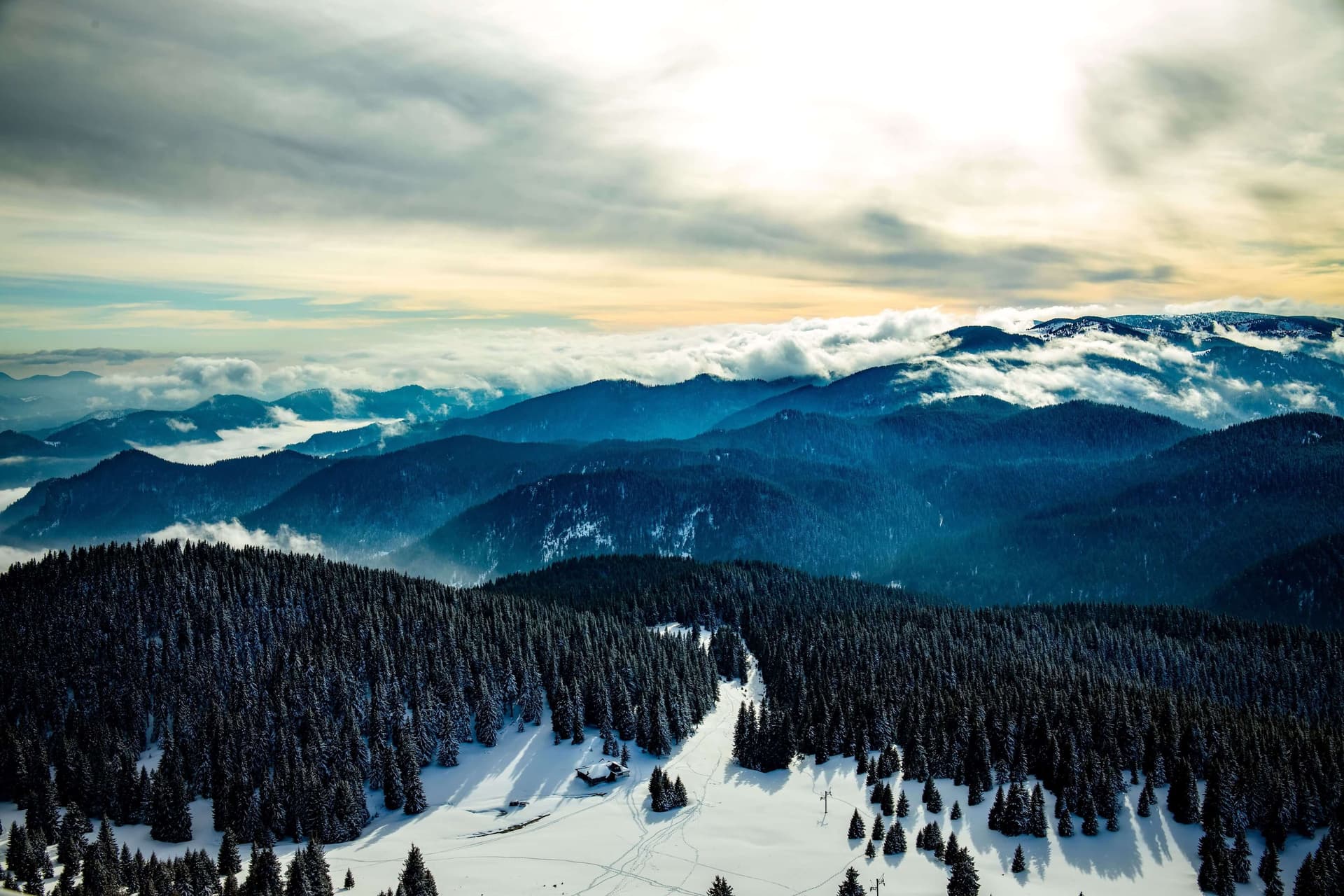
Discover the best of Bulgaria in winter beyond the slopes: hot thermal spa towns, quiet snow-covered monasteries, the Kukeri mask festival, and winter hiking.
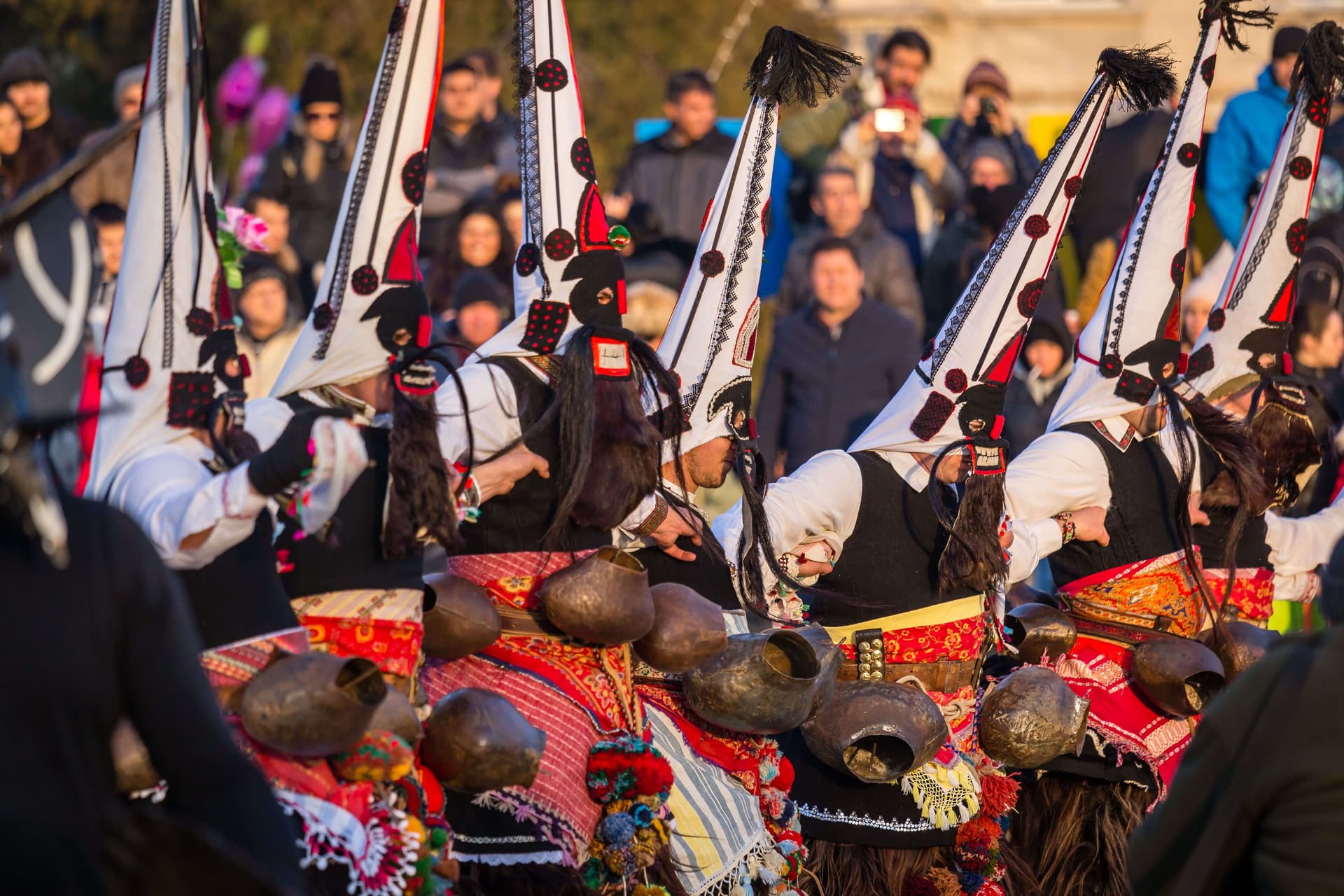
A guide to Bulgaria's festivals and traditions: Kukeri mummers, Baba Marta martenitsi, the Kazanlak Rose Festival and Nestinarstvo fire dancing.
Pernik is located in Pernik, Bulgaria.
Pernik is most easily reached by car. Use the coordinates above to navigate, or open the location in OpenStreetMap or your preferred maps app for turn-by-turn directions. Public transport options vary by region — for remote destinations a rental car gives the most flexibility.
Pernik can be visited year-round, but late spring (May–June) and early autumn (September–October) offer the most pleasant weather and fewer tourists. Summer is the busiest season; winter is the quietest, with shorter daylight and possible cold weather.
Bulgarian settlements typically reward unhurried walking — historic centres, churches and monasteries, local markets, and family-run restaurants serving regional dishes. Larger towns often have museums and seasonal cultural events. The local tourist information centre is a good first stop for current opening hours and what's on.