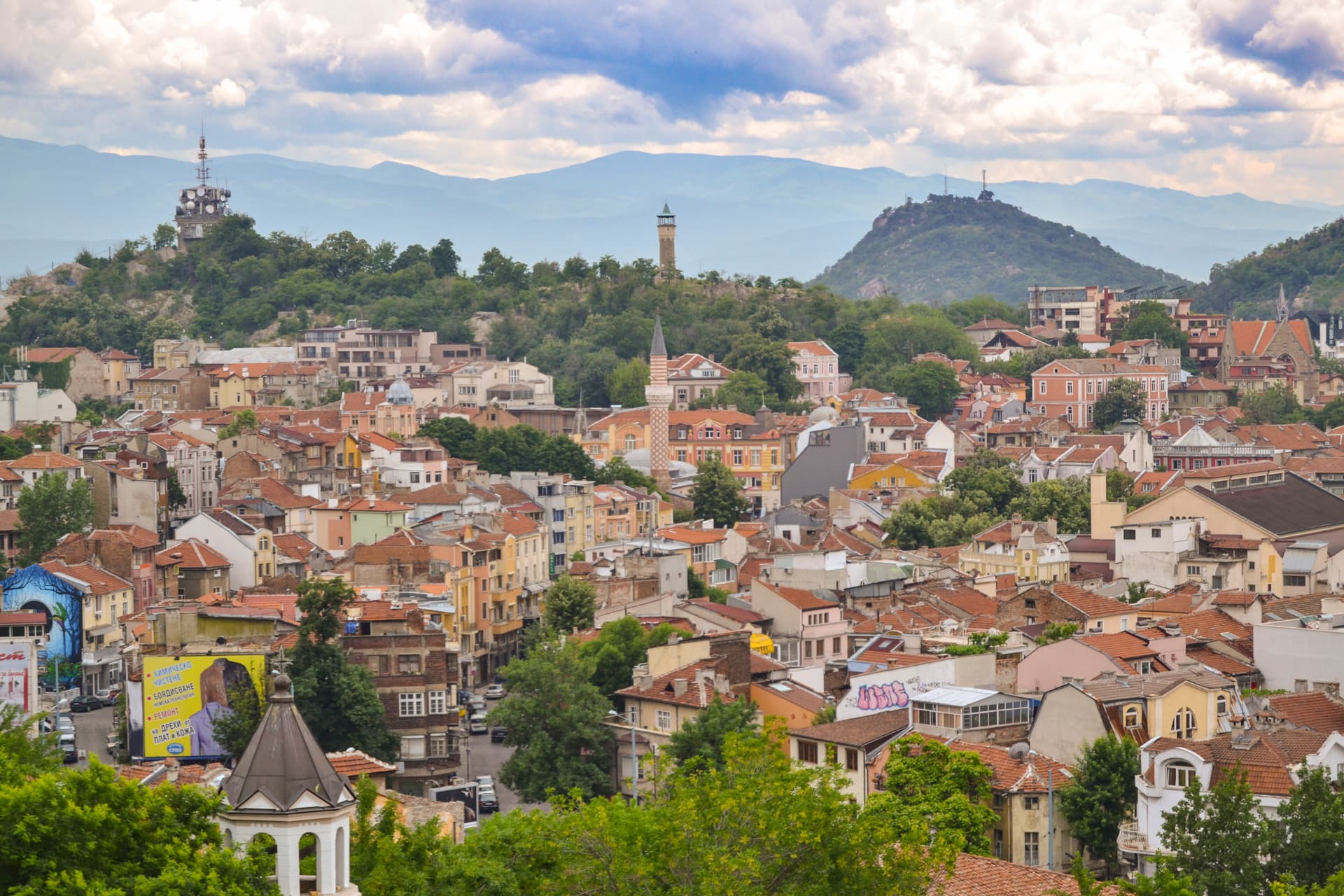
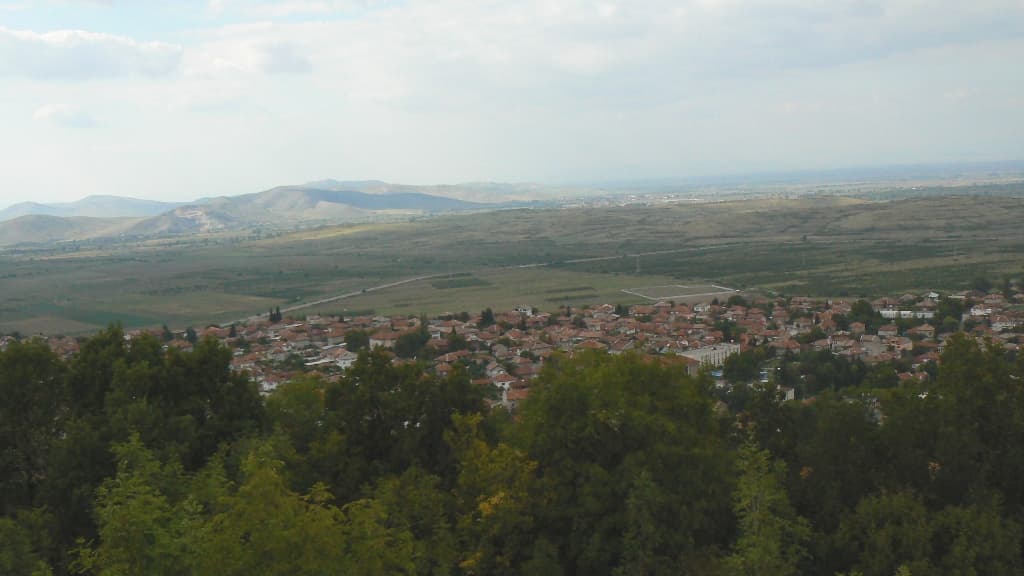
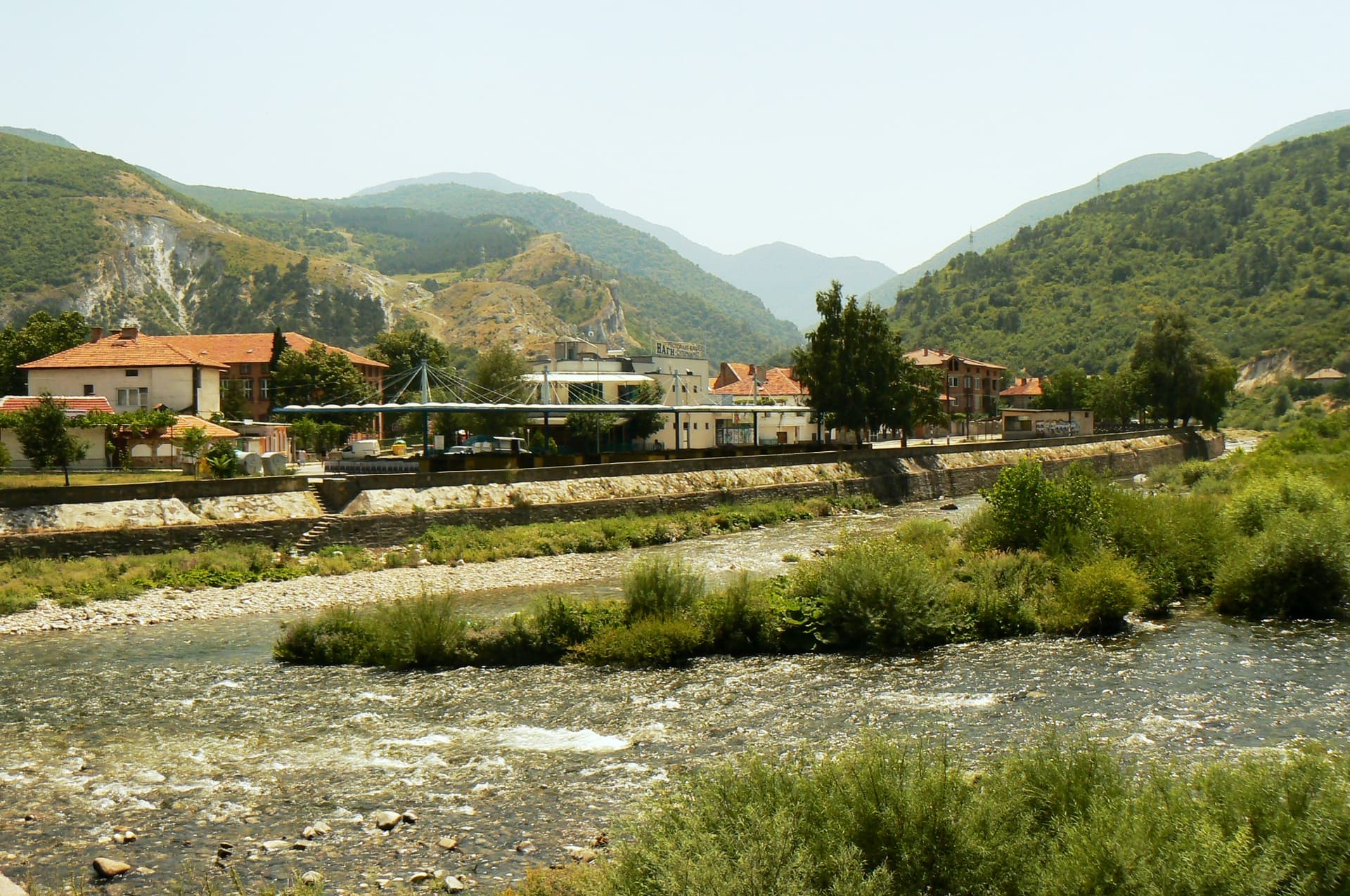
The town of Hisarya is one of the most famous and ancient balneological and climate resorts in Bulgaria, located in the fertile Plovdiv Region. Situated in an ecologically clean environment, it serves as the administrative center of the Hisarya Municipality, encompassing several historic neighborhoods (including Momina Banya, Miromir, and Verigovo — the former historic village of Sindzhirliy). Hisarya holds the prestigious title of the pioneer of organized medical tourism in the country; it was here in 1882 that the government of Eastern Rumelia issued the first official "Regulations for the Exploitation of the Hisarya Baths." During the same year, the Czech chemist Sosterzonek conducted the historical first chemical analysis of five local mineral springs, establishing the foundations of modern Bulgarian balneology.
The ultimate wealth of the resort lies in its 22 mineral springs (16 natural and 6 deep-drilled), which feature distinct physical and chemical properties while sharing crystal-clear transparency and excellent drinking qualities. All of them are low-mineralized, soft, and hyperthermal with a high alkaline reaction, chemically classified as sodium-sulfate-hydrocarbonate waters. Remarkably, within a small radius of just 100 meters in the town center, several world-renowned springs are concentrated, each serving a unique medical purpose:
The grand history of the city comes alive through the majestic ruins of the largest Roman Thermal Baths in Bulgaria, discovered during archaeological excavations in 1935. Archaeologists date this monumental complex back to the IV century, built using durable mixed masonry with walls up to 2 meters thick. The interior was a masterpiece of ancient luxury, featuring floors and walls lined with premium white marble, dedicated chambers for hot and cold baths, a caldarium, relaxation zones, and two massive swimming pools measuring 15 by 5 meters with a depth of 1.40 meters. The Romans performed advanced medical and wellness treatments here, including therapeutic massages and the application of aromatic oils, supported by a sophisticated hypocaust system that circulated hot water and steam beneath the marble floors and between double-layered walls. An essential part of the terms was the Nymphaeum — a sacred shrine dedicated to the nymphs, who were revered as the divine guardians of healing spring waters.
Today, Hisarya beautifully bridges its ancient heritage with a vibrant, modern cultural calendar. The town hosts several annual events that draw visitors from across the country: in March, the streets fill with color during the traditional "Dzhumali" Kukeri carnival for Cheesefare Sunday (Sirni Zagovezni); from May 1-3, the town welcomes the prestigious "Fifteen Tulips" National Youth Pop Song Competition; the first week of June marks the official Town and Mineral Water Festival, celebrated alongside an Amateur Theater Festival and the prestigious "Euro Folk – Living Water" Balkan Folklore Championship. Throughout the summer, local heritage is kept alive through major traditional neighborhood fairs — on May 2 in Verigovo, June 29 in Miromir, and August 15 in Momina Banya.

Plovdiv region
16.3 km away
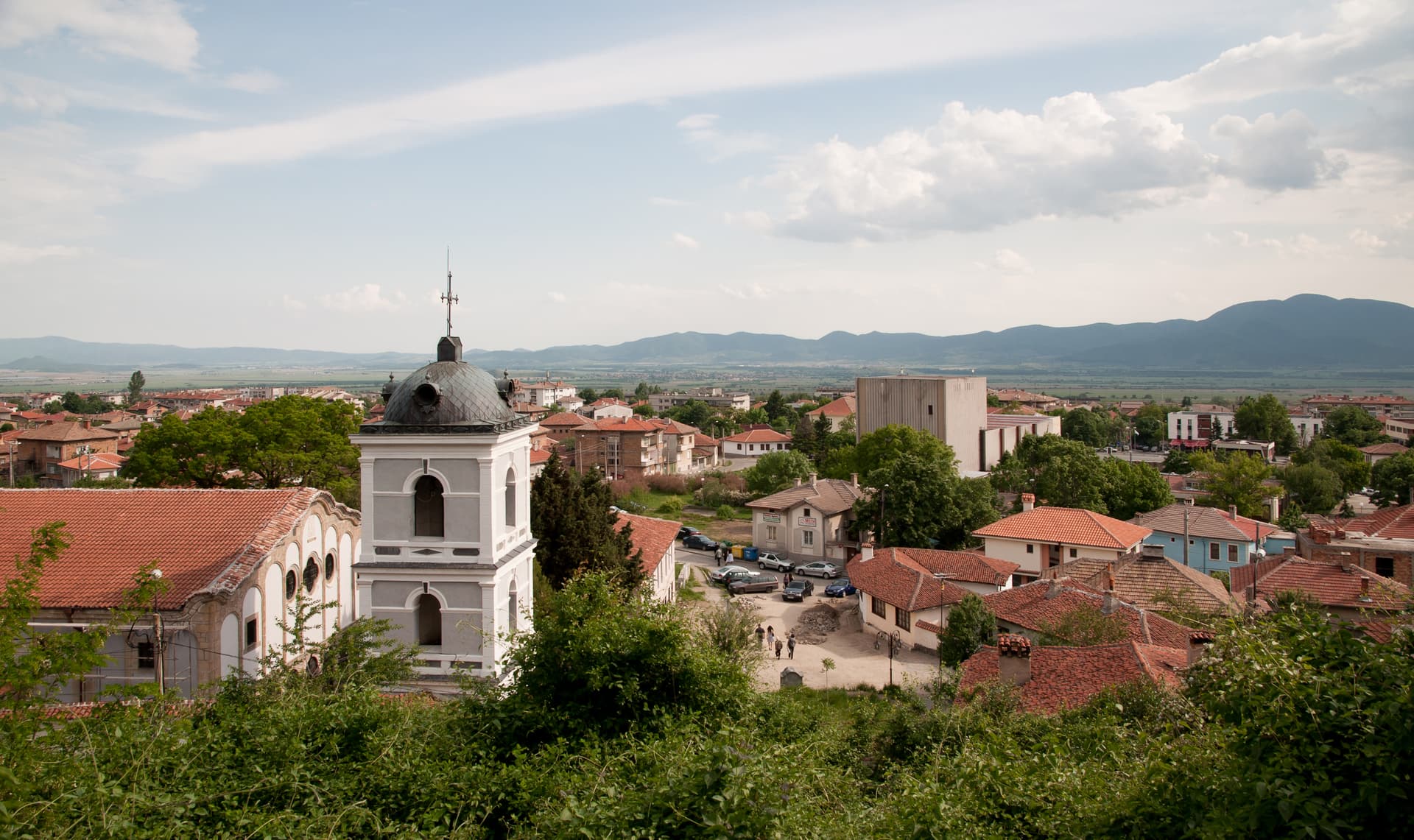
Plovdiv region
16.4 km away

Plovdiv region
16.7 km away
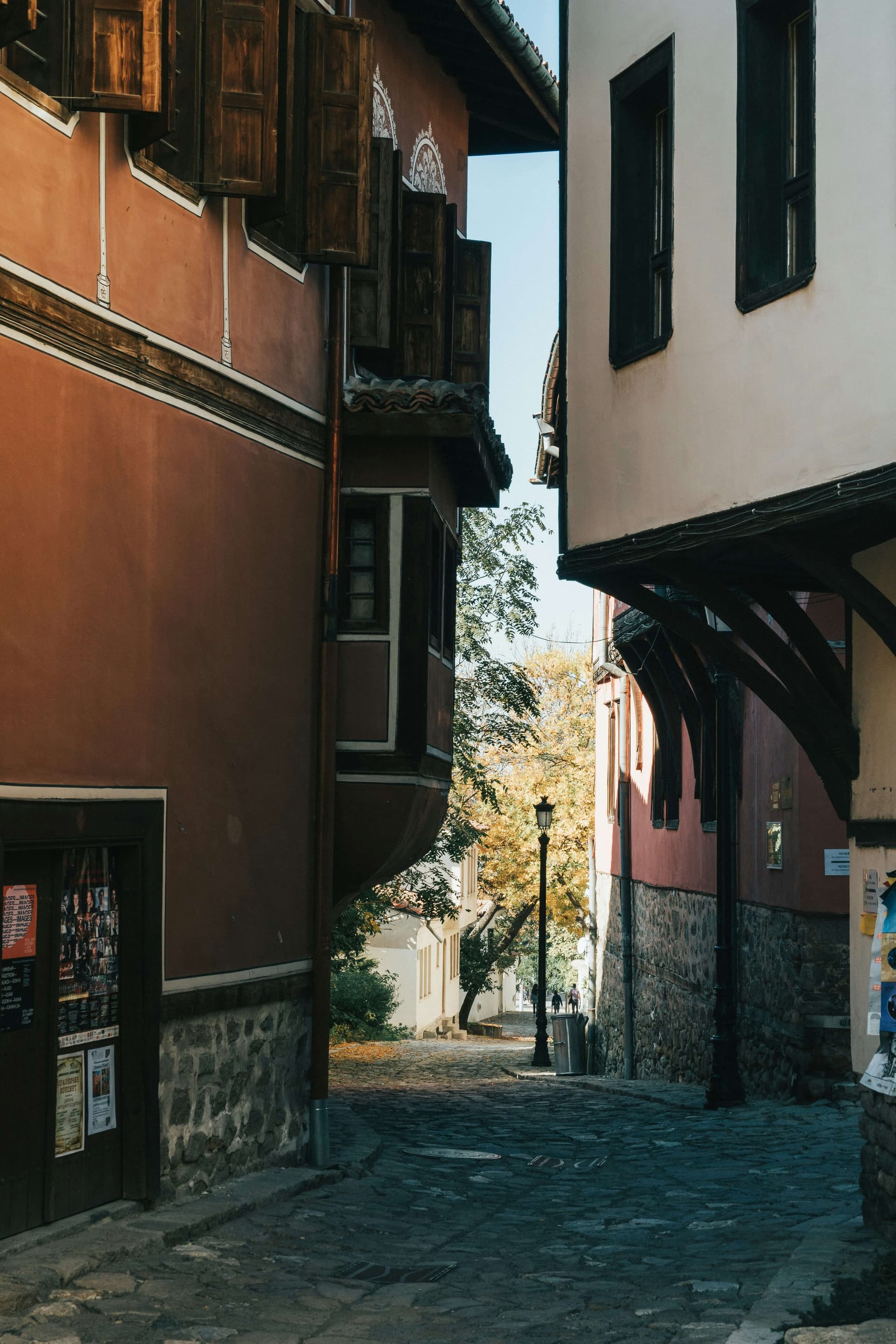
8 overnight getaways from Plovdiv: spa towns, Rhodope villages and caves, Troyan and skiing — with drive times, transport and what is open in winter.
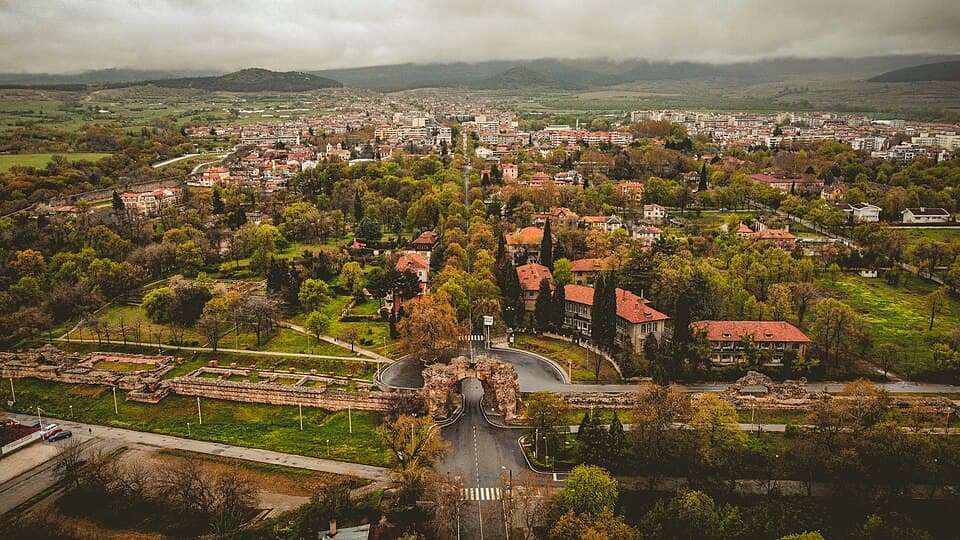
Hisarya or Pavel Banya for a spa weekend: Roman walls and mineral fountains, or a five-star spa base in the Rose Valley — tickets, parking, prices and which to pick.
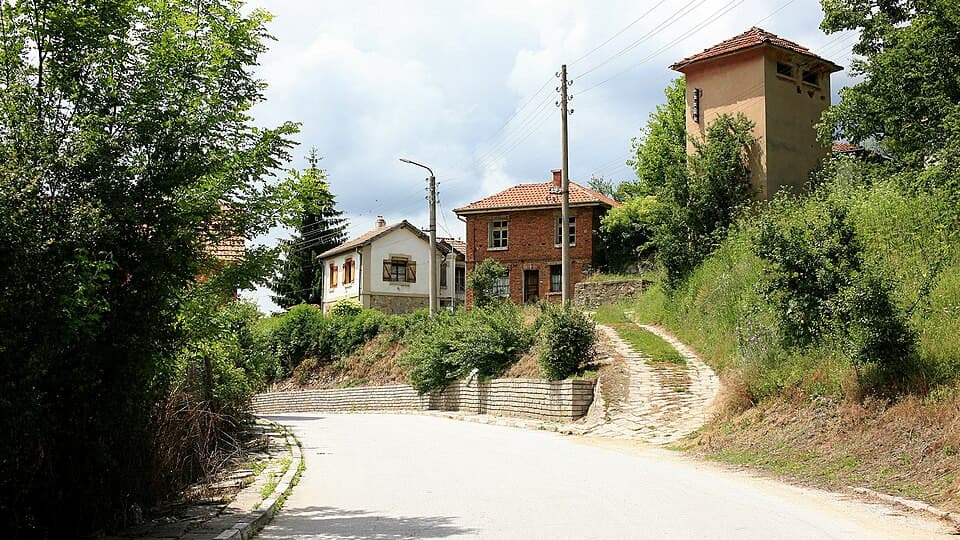
A guide to Svezhen — the architectural reserve above Brezovo: how to get there, the road, the museums and their opening hours, the hut, autumn hiking and where to stay.
Hisarya is located in Plovdiv, Bulgaria.
Hisarya is most easily reached by car. Use the coordinates above to navigate, or open the location in OpenStreetMap or your preferred maps app for turn-by-turn directions. Public transport options vary by region — for remote destinations a rental car gives the most flexibility.
Hisarya can be visited year-round, but late spring (May–June) and early autumn (September–October) offer the most pleasant weather and fewer tourists. Summer is the busiest season; winter is the quietest, with shorter daylight and possible cold weather.
Bulgarian settlements typically reward unhurried walking — historic centres, churches and monasteries, local markets, and family-run restaurants serving regional dishes. Larger towns often have museums and seasonal cultural events. The local tourist information centre is a good first stop for current opening hours and what's on.