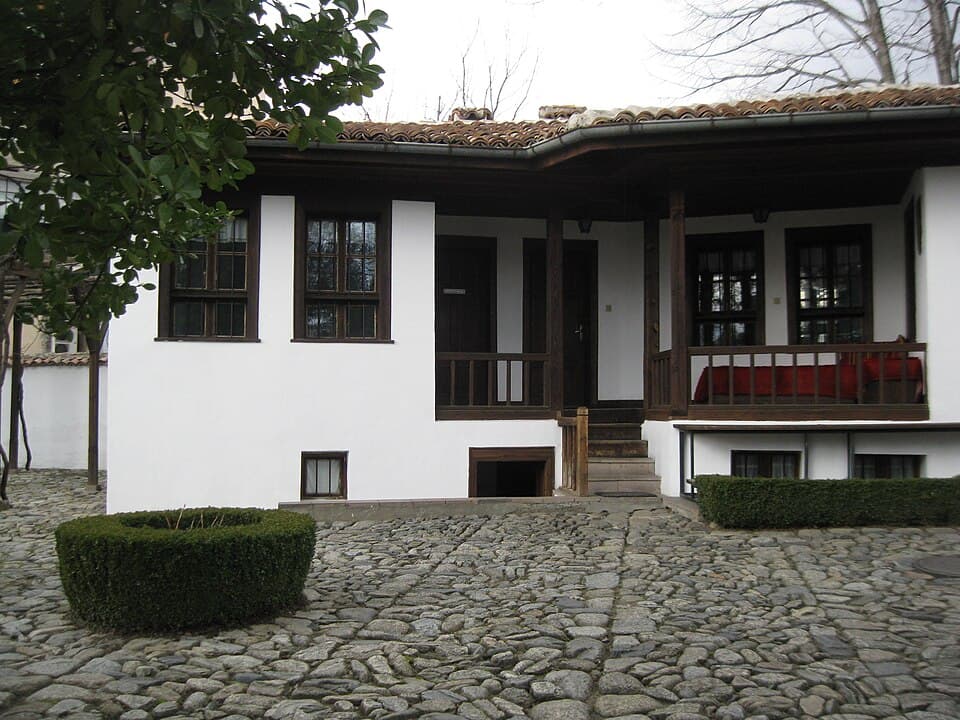
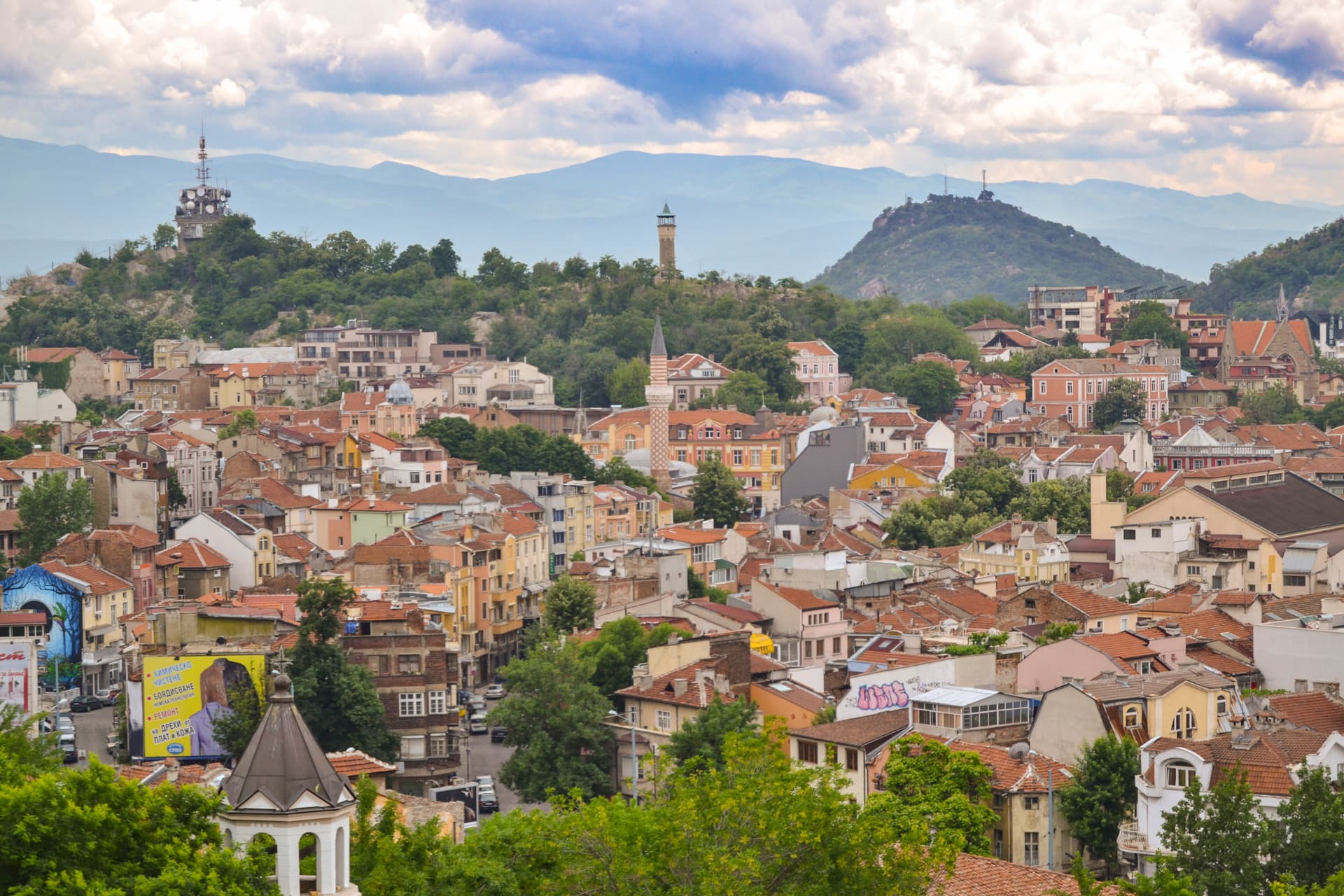
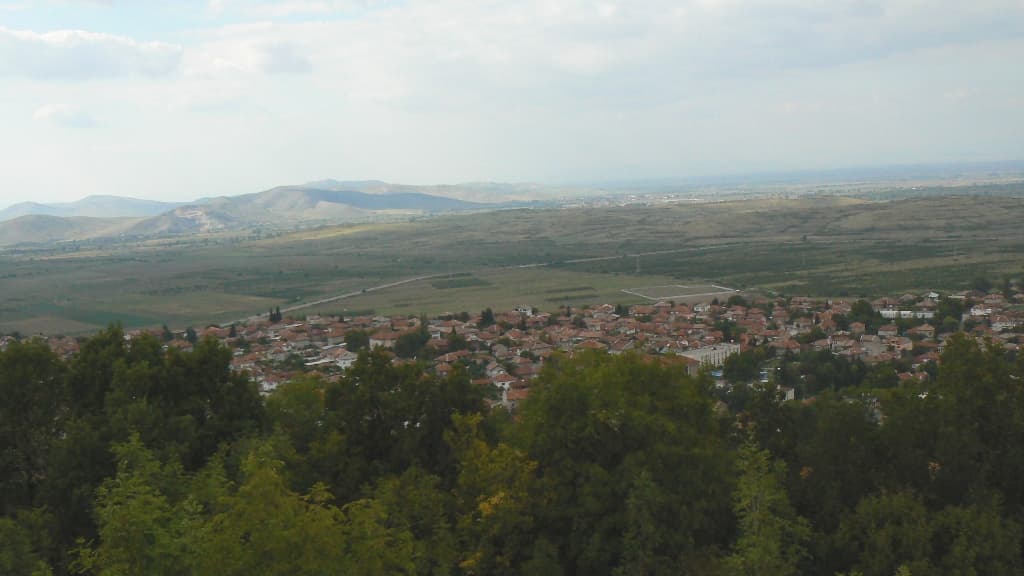
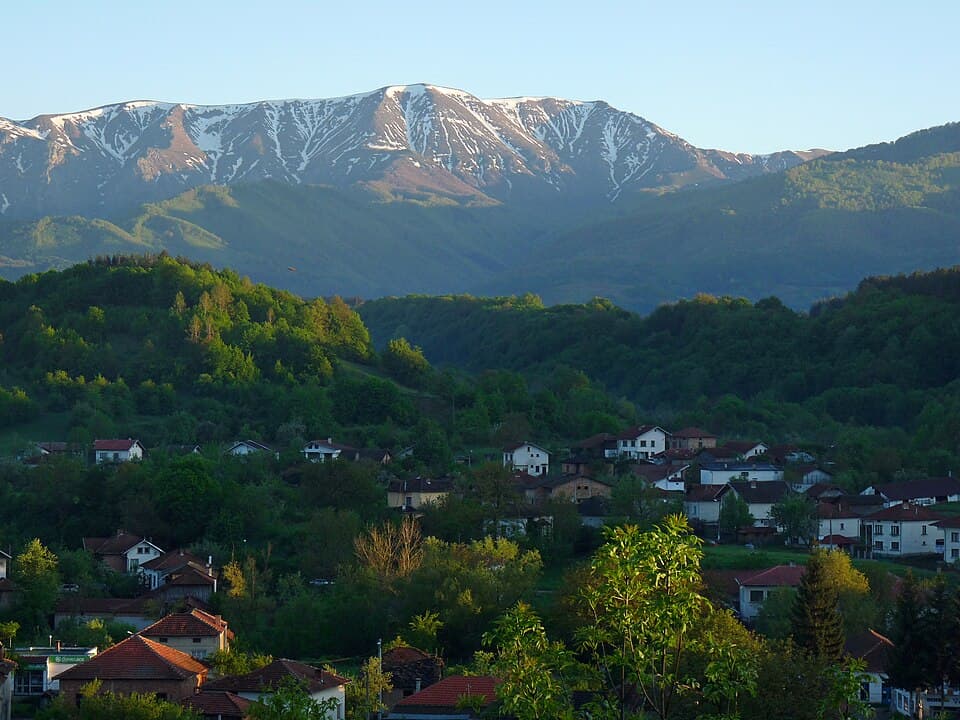
Karlovo is a town in Plovdiv province with 18,590 inhabitants (NSI, end of 2025), at the southern foot of the Balkan range. It lies 52 km north of Plovdiv, 5 km east of Sopot and about 145 km from Sofia.
The town is on the Sofia – Burgas railway, where the line to Plovdiv branches off; buses run from Sofia and Plovdiv. The centre is a paid blue zone on weekdays. The Levski museum, Old Karlovo and the Suchurum waterfall, with hours and tickets, are in our guide below.
The town grew from the village of Sushitsa, which Sultan Bayezid II granted around 1482–1485 to Karlizade Ali Bey; in 1496 it became a waqf and took his name. Karlovo is the birthplace of Vasil Levski (1837–1873) and of the brothers Evlogi and Hristo Georgiev, benefactors of Sofia University. From 1953 to 1962 it was called Levskigrad.
The Rose Festival falls in late May or early June. Around Shrovetide the kukeri mummers come out in the Sushitsa quarter.
A weekend in Troyan, Oreshak and Apriltsi: Troyan pottery and plum rakia, the crafts museum, the Oreshak exhibition by Troyan Monastery, and Apriltsi as a Balkan base.
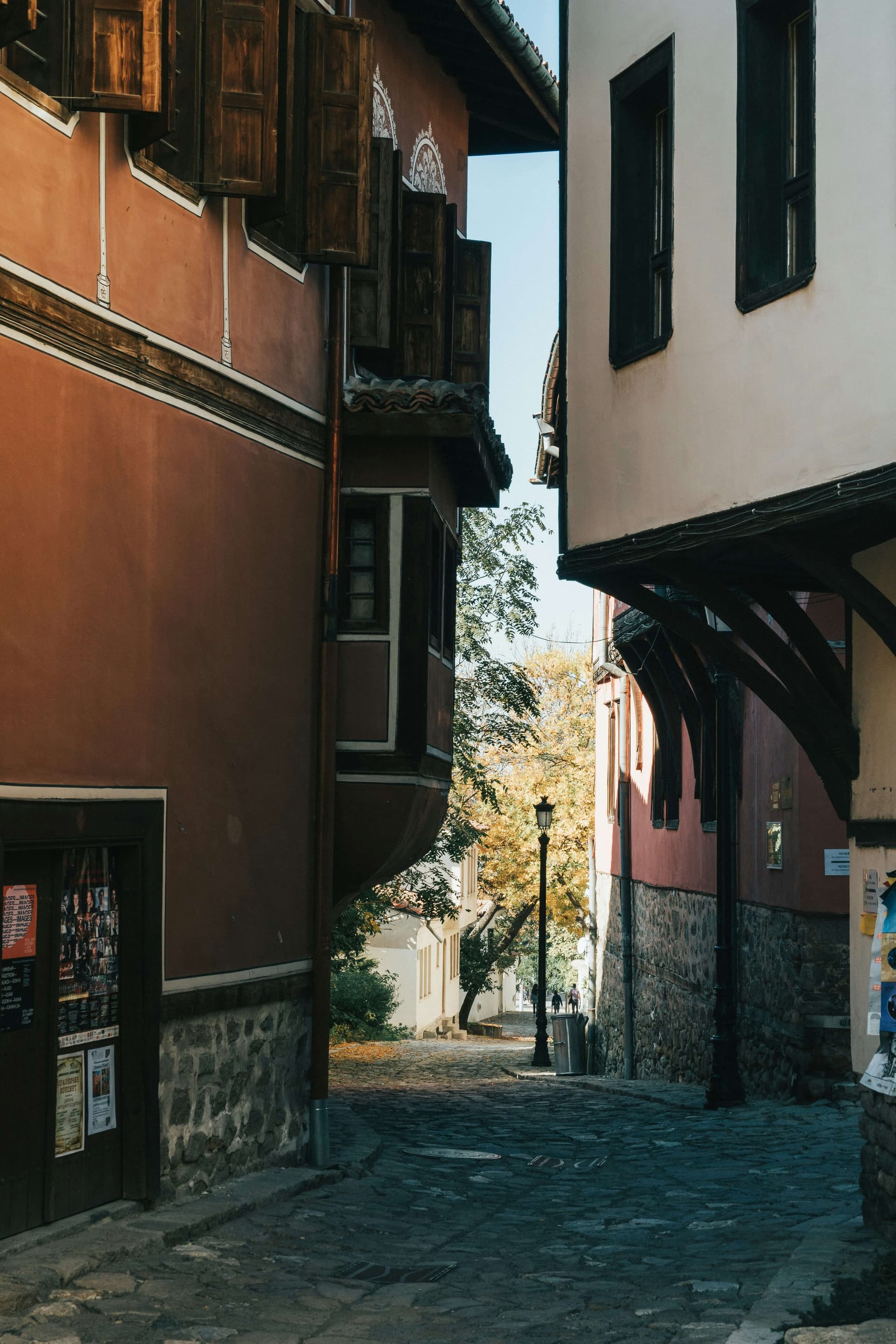
8 overnight getaways from Plovdiv: spa towns, Rhodope villages and caves, Troyan and skiing — with drive times, transport and what is open in winter.
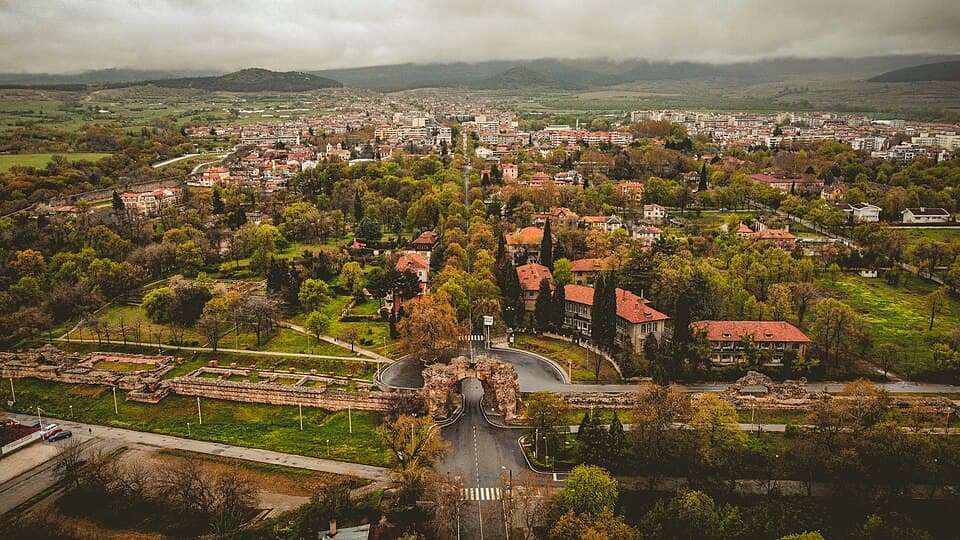
Hisarya or Pavel Banya for a spa weekend: Roman walls and mineral fountains, or a five-star spa base in the Rose Valley — tickets, parking, prices and which to pick.
Karlovo is located in Plovdiv, Bulgaria.
Karlovo is most easily reached by car. Use the coordinates above to navigate, or open the location in OpenStreetMap or your preferred maps app for turn-by-turn directions. Public transport options vary by region — for remote destinations a rental car gives the most flexibility.
Karlovo can be visited year-round, but late spring (May–June) and early autumn (September–October) offer the most pleasant weather and fewer tourists. Summer is the busiest season; winter is the quietest, with shorter daylight and possible cold weather.
Bulgarian settlements typically reward unhurried walking — historic centres, churches and monasteries, local markets, and family-run restaurants serving regional dishes. Larger towns often have museums and seasonal cultural events. The local tourist information centre is a good first stop for current opening hours and what's on.