

Grozdober: Bulgaria's Grape Harvest Season & How to Join It
In this guide▾
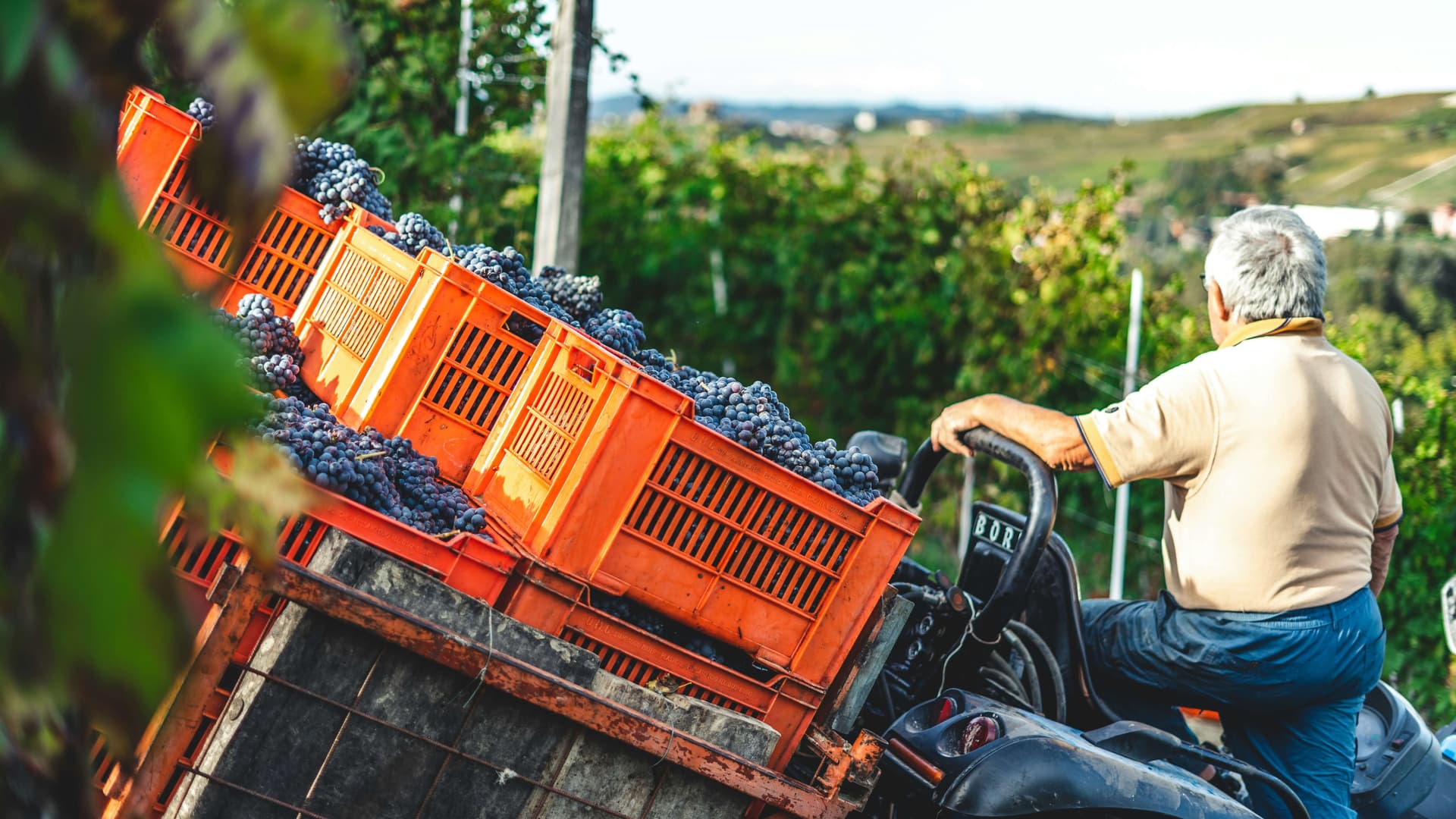
For six or seven weeks each autumn, the entire rhythm of rural Bulgaria transforms. Pickup trucks queue outside cellars, crates of fresh fruit stack up in the sun, and every conversation in village squares centers around sugar levels and whether the rain will hold off. This is Grozdober — the annual grape harvest — and it is easily the most authentic, energetic working season in the Bulgarian calendar.
It is also the one time of year when a wine journey becomes far more than a standard tasting room visit. In this guide, we cover when the harvest actually takes place, which regions offer the best experiences, what a hands-on harvest day involves, and what logistics you need to arrange in advance.
🍇 What Grozdober Actually Is
Grozdober (гроздобер) refers to the annual grape harvest — the crucial weeks when ripe fruit is hand-picked in the vineyards and brought into the cellar for crushing and fermentation. It is not a single dated festival, which is the first detail to understand when planning your travel itinerary: there is no fixed weekend on the calendar. Grozdober is a fluid working season dictated entirely by weather patterns throughout late summer.
It is also frequently confused with Trifon Zarezan on 14 February. The two represent opposite ends of the winemaking year. Trifon Zarezan is the traditional vinegrowers' feast day, when dormant vines are ceremonially pruned and sprinkled with wine for fertility — a lively winter celebration, but set in bare fields. Grozdober is the active autumn season when the vines are heavy with fruit. Our Bulgarian festivals and traditions guide covers the February side of the tradition.
🗓️ When the Harvest Happens: Regional Timeline
The harvest moves gradually from the warm Mediterranean south-west up to the north, and from white grape varieties to heavy reds. Here is how the six-week window breaks down across the country:
| Timeframe | What is Being Picked | Key Regions |
|---|---|---|
| Late August | Early white grapes and sparkling base wines | Struma Valley, warmest Thracian sites |
| Early September | Whites — Dimyat, Red Misket, Sauvignon Blanc | Thracian Valley, Black Sea region |
| Mid to Late September | The peak harvest: most international red varieties | Nationwide; the busiest two weeks |
| Early October | Late-ripening indigenous reds, Mavrud above all | Thracian Valley, Asenovgrad, Perushtitsa |
| Mid to Late October | Final parcels, high-altitude and northern vineyards | Danubian Plain, Sub-Balkan valleys |
The third week of September is our top recommendation if you want to experience a cellar operating at full speed. If your primary goal is tasting and harvesting Mavrud — Bulgaria's signature late-ripening red — plan your visit for the first half of October instead.
From our experience, keep in mind that harvest dates shift by up to two weeks from year to year based on summer heatwaves. Winemakers rarely know the exact picking day more than ten days in advance, which is why harvest travel experiences are sold as general weekend packages rather than fixed dates.
📍 Where to Go: Top Wine Regions for Harvest Travel
Bulgaria features five official viticultural regions, but two stand out as prime choices for planning a harvest-centered road trip. While our Bulgarian wine and Melnik guide explores regional terroirs in detail, here is what to expect during harvest specifically:
1. The Struma Valley & Melnik
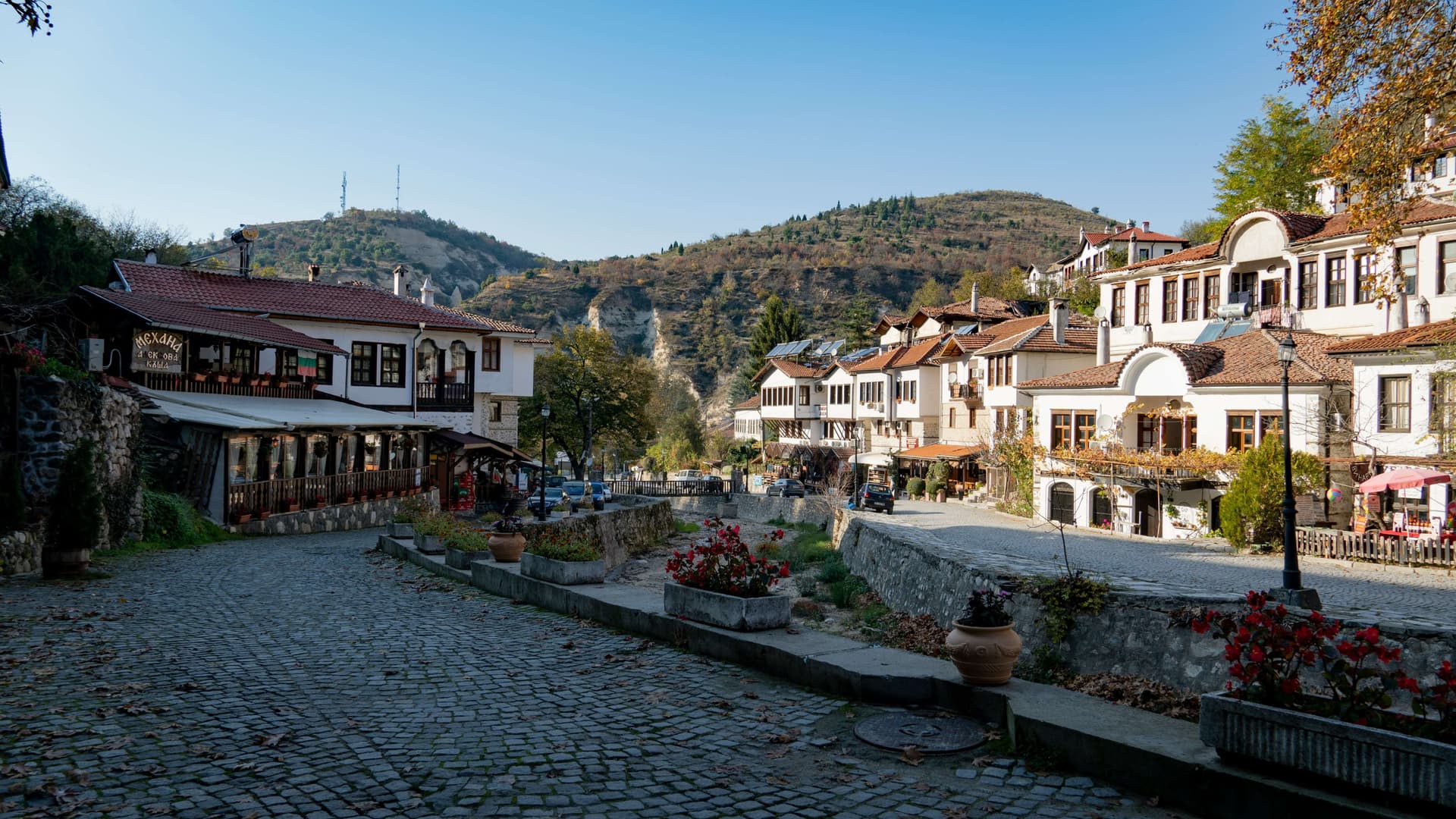
Located in the sunny south-western corner near the Greek border, this is Bulgaria's warmest wine zone and the first to begin picking. Melnik is the smallest town in the country, nestled beneath dramatic sandstone pyramids, with historic cellars carved directly into soft rock faces.
The primary advantage here is geographical compactness: boutique estate cellars around Katuntsi and Kromidovo, the sandstone formations, Rozhen Monastery (just 6 km away), and the spa town of Sandanski are all within a 20-to-30-minute drive.
2. The Thracian Valley
Bulgaria's primary winemaking heartland and the home of Mavrud. It hosts the country's highest concentration of boutique estate wineries. The logistics here are exceptionally convenient: you can base yourself in Plovdiv, using the city as a hub while exploring vineyards around Asenovgrad, Perushtitsa, Chirpan, and Stara Zagora on short day trips.
If you have a single weekend and want the highest probability of catching cellars active during the crush, choose the Thracian Valley.
3. The Danubian Plain
Running along the northern Danube riverbank toward Ruse. Due to cooler temperatures, harvest runs later here — activity continues into late October long after southern cellars have finished. This is the home of Gamza, offering authentic, uncrowded encounters with independent winemakers.
4. The Black Sea Region
Stretching inland from the coast toward Shumen and Varna. Known primarily for crisp white wines, picking starts early (late August through September). It offers a unique opportunity to combine a late summer coastal holiday with vineyard visits after resort crowds have dispersed.
5. The Sub-Balkan Valleys
Nestled along the Rose Valley near Karlovo and Kazanlak. Famous for aromatic Red Misket and elegant rosés, picking here fits seamlessly into a broader Sub-Balkan road trip.
🍷 What a Harvest Day Experience Includes
Boutique wineries opening their harvest activities to travelers generally run structured day itineraries. Here is what to expect from a typical experience:
What You Will Experience:
- Early Morning Start: Picking begins early (around 08:30–09:00 AM) and concludes by 11:00 AM. This timing is essential for quality winemaking: grapes picked during afternoon heat arrive at the press warm, disrupting temperature-controlled fermentation.
- Hands-On Vineyard Work (1–2 Hours): Equipped with secateurs and collection crates, you work alongside pickers along assigned rows. A couple of hours provides an authentic taste of vineyard labor without causing fatigue.
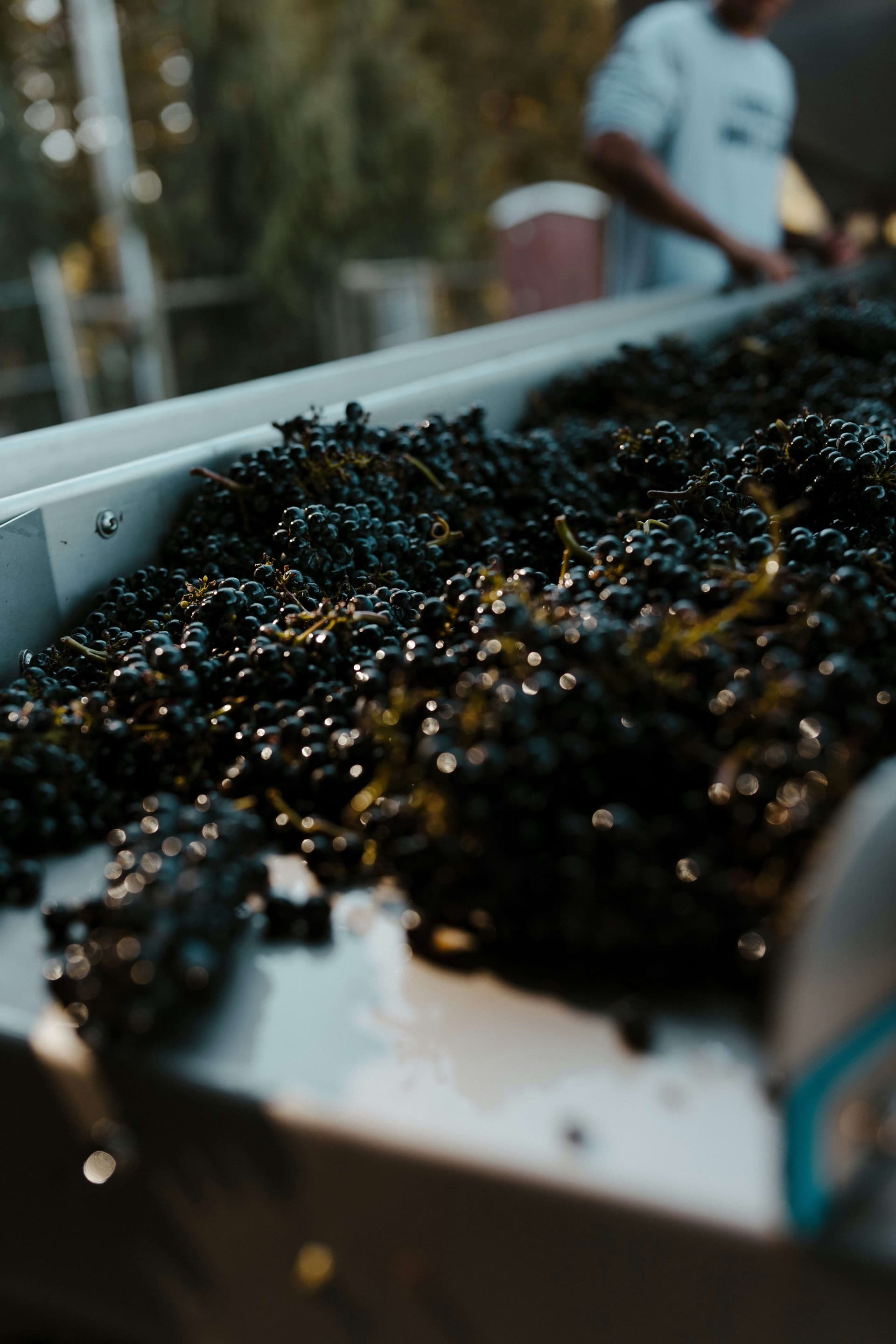
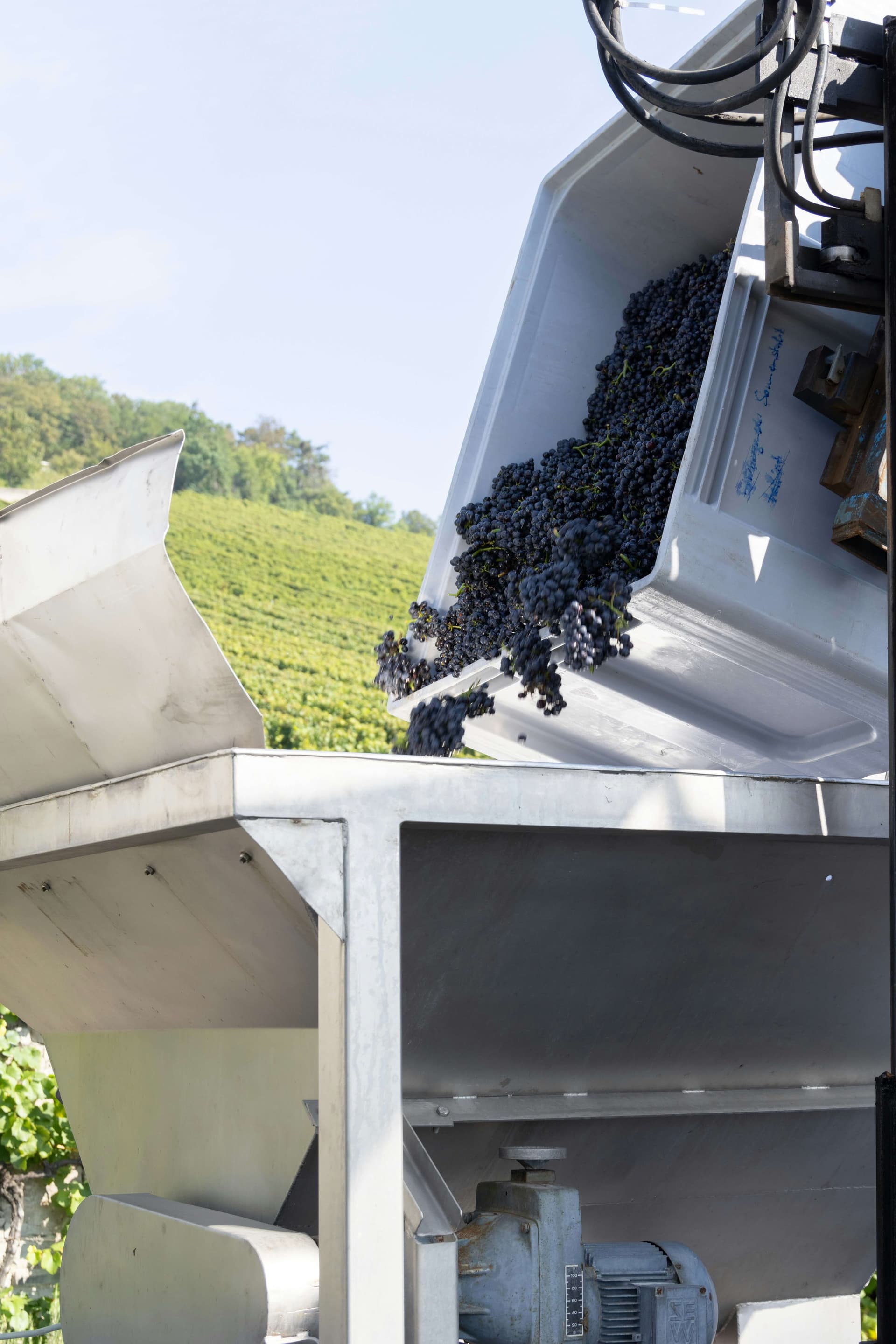
- Cellar Processing & Crush: You follow the fruit to the receiving bay to watch sorting tables, destemming, and pressing — witnessing the immediate transformation of fresh grapes into juice.
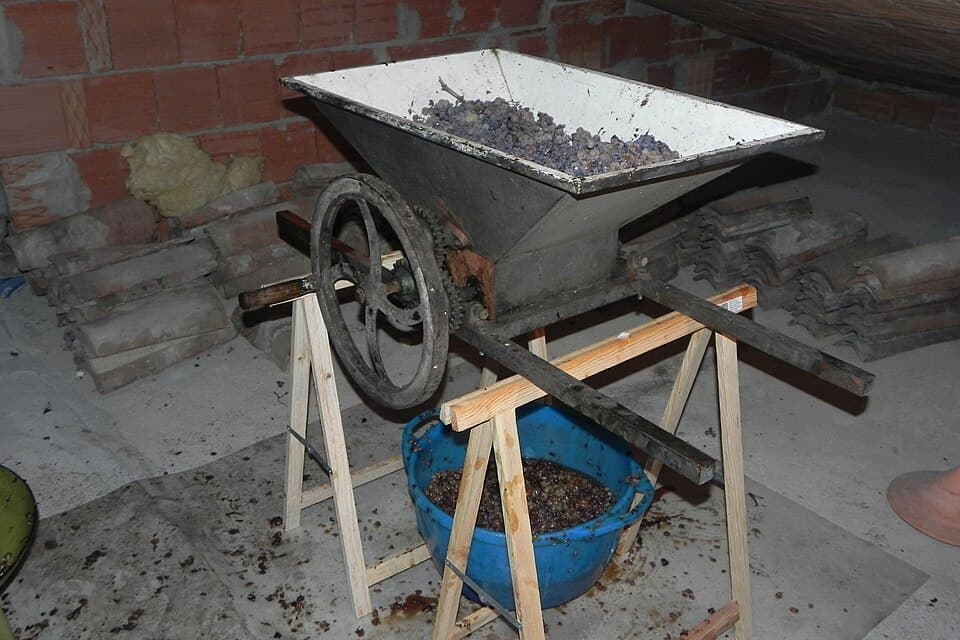
- Traditional Grape Stomping: Many family estates set aside wooden tubs for traditional grape stomping — a fun cultural activity, especially for families.
- Feast & Wine Tasting: The experience culminates in a long, relaxed vineyard lunch paired with cellared vintages and fresh grape must tastings.
👟 What to Wear for Picking:
Wear sturdy, closed-toe shoes with good grip (vineyard rows are dusty or muddy), long trousers, and breathable clothing layers (September mornings start cool but warm up quickly). Wear a hat, sunglasses, and sunscreen since vineyard rows offer no shade. Keep in mind that red grape juice stains permanently!
🗓️ Booking & Planning in Advance
Harvest is the most intensive working month of the year for winemakers. Estates processing heavy fruit loads cannot accommodate spontaneous walk-in guests, making advance booking essential.
| What You Are Booking | Recommended Lead Time | Practical Notes |
|---|---|---|
| Winery Harvest Day with Lunch | 4–8 weeks | Small group sizes; September weekend slots fill first |
| Accommodation in Melnik | 4–6 weeks | Melnik is a compact town with limited room inventory |
| Hotel in Plovdiv or Sandanski | 2–4 weeks | Ample inventory; watch out for holiday weekends |
| Private Driver / Tour Transfer | 2–3 weeks | Essential for safe wine tasting without driving |
| Standard Cellar Tasting | 3–7 days | Off-peak weekdays can often be booked on short notice |
When booking your session, always confirm two vital details: whether the itinerary includes active vineyard picking or simply a walking tour, and what transport arrangements are available for returning safely after wine tastings.
🚗 Transport & Logistics Between Estates
Most boutique wineries sit in rural locations directly adjacent to their vineyards. Public transport does not service these locations, and tasting wine rules out personal driving.
We recommend three reliable transport options:
- Hiring a private driver for the day.
- Booking a guided wine tour with included transport.
- Staying at a wine estate with on-site accommodation, allowing you to enjoy the evening tasting without needing to commute.
For more transit advice across the country, check our guide to getting around Bulgaria.
🧭 Combining Harvest with an Autumn Itinerary
September and October offer ideal travel weather across Bulgaria: warm sunshine, quiet roads, and stunning autumn foliage. Consider pairing your wine trip with these routes:
- 3-Day Struma Valley Escape: Wine tastings around Melnik, exploring the Melnik Pyramids, visiting Rozhen Monastery, and relaxing in Sandanski's thermal spa pools.
- 3-Day Plovdiv & Thracian Heartland Tour: Wandering Plovdiv's Old Town, joining a Mavrud harvest day in the Thracian Valley, and visiting Bachkovo Monastery and Asen's Fortress.
Discover more seasonal inspiration in our guides to Bulgaria in autumn and traditional Bulgarian food. The wine year does not stop with the picking: the young wine reappears as mulled wine at the Christmas markets in December, and Sandanski is only one of the thermal-spring towns that stay open long after the vineyards have been stripped.
Plan your autumn wine harvest journey through Bulgaria's vineyards with Mestala.com.
This guide covers 13 places
Want more Mestala in your Google results?
Add mestala.com as a preferred source and our guides will show up more often when you search. Requires a Google account.
Frequently Asked Questions
When is the grape harvest in Bulgaria?▾
Grozdober runs from late August to late October. Early white varieties come in from the end of August, the bulk of the harvest falls in the second half of September, and late-ripening reds — Mavrud above all — are usually picked in the first half of October. Warm, low-lying regions such as the Struma Valley start earlier than the cooler Danubian Plain.
Can tourists take part in the grape harvest in Bulgaria?▾
Yes, but by arrangement rather than by turning up. A number of boutique wineries run harvest days for visitors during September and October, usually combining a few hours of picking with a cellar tour, a tasting and a meal. Harvest is the busiest working month of the winemaking year, so these have to be booked in advance — a cellar in the middle of crushing grapes cannot take walk-ins.
What is the difference between Grozdober and Trifon Zarezan?▾
They are opposite ends of the same year. Grozdober is the grape harvest in September and October, when the fruit comes off the vine. Trifon Zarezan, on 14 February, is the vinegrowers' feast day, when the vines are ceremonially pruned for the season ahead. Trifon Zarezan is the bigger celebration, but Grozdober is when there is actually something to see in the vineyards.
Which Bulgarian wine region is best to visit during the harvest?▾
The Struma Valley around Melnik and the Thracian Valley around Plovdiv are the two easiest to plan a trip around. The Struma Valley is the warmest and picks earliest, and Melnik pairs the cellars with sandstone pyramids and Rozhen Monastery. The Thracian Valley has the greatest concentration of wineries, is Mavrud's heartland, and works as a series of day trips from Plovdiv without changing hotels.
Do I need a car for a Bulgarian wine harvest trip?▾
In practice, yes — or a driver. Wineries sit outside the villages they are named after, public transport does not serve them, and tasting rules out driving yourself back. The common solutions are a hired driver for the day, a winery that offers transfers from the nearest town, or basing yourself in Plovdiv or Sandanski and booking a guided day out.
What should I wear for a grape harvest day?▾
Closed shoes you do not mind ruining, long trousers, and layers. Vineyard rows are dusty or muddy depending on the week, mornings in late September are cold and midday is still hot, and grape juice stains permanently. Bring a hat and sunscreen — there is no shade between the rows.
You might be interested in
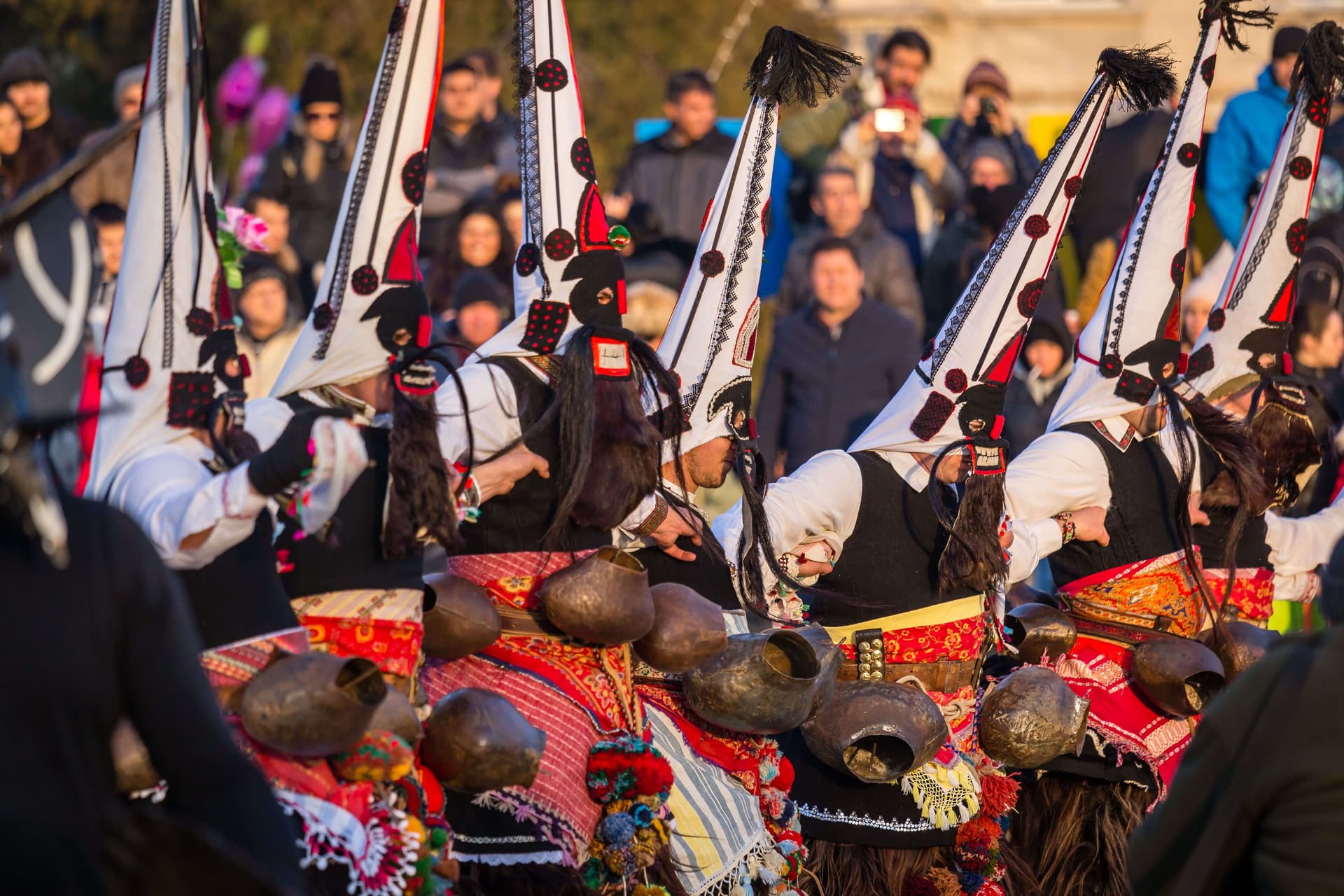
Bulgarian Festivals & Traditions: Kukeri and Baba Marta
A guide to Bulgaria's festivals and traditions: Kukeri mummers, Baba Marta martenitsi, the Kazanlak Rose Festival and Nestinarstvo fire dancing.
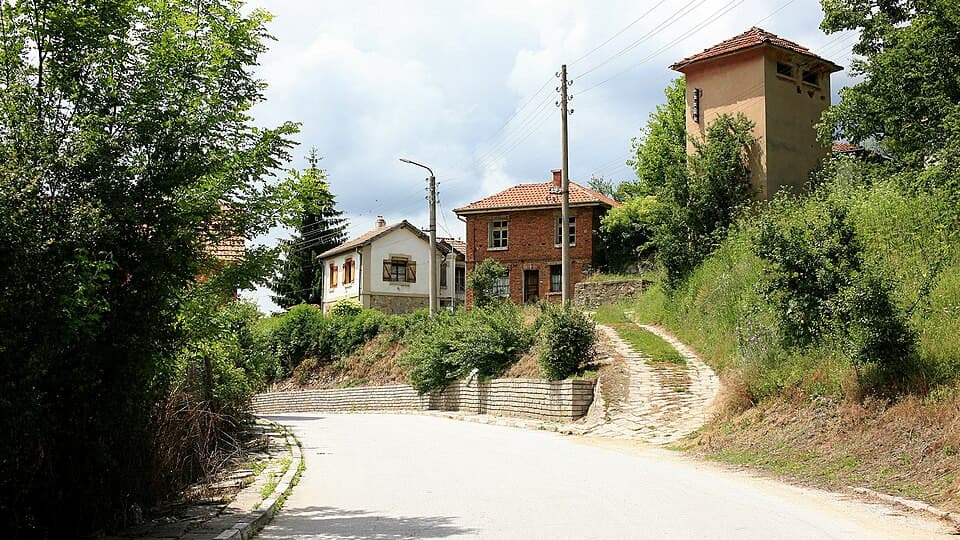
Svezhen: The Emptied Revival Village in Sredna Gora
A guide to Svezhen — the architectural reserve above Brezovo: how to get there, the road, the museums and their opening hours, the hut, autumn hiking and where to stay.
Kotel and Zheravna Weekend: Revival Houses, Kotel Carpets and Medven
A winter weekend in Kotel and Zheravna: Rakovski's Pantheon, Kotel carpets and the natural history museum, Zheravna's 200 wooden houses and Medven — getting there from Burgas and Varna.
Troyan, Oreshak and Apriltsi Weekend: Pottery, Plum Rakia and the Central Balkan
A weekend in Troyan, Oreshak and Apriltsi: Troyan pottery and plum rakia, the crafts museum, the Oreshak exhibition by Troyan Monastery, and Apriltsi as a Balkan base.