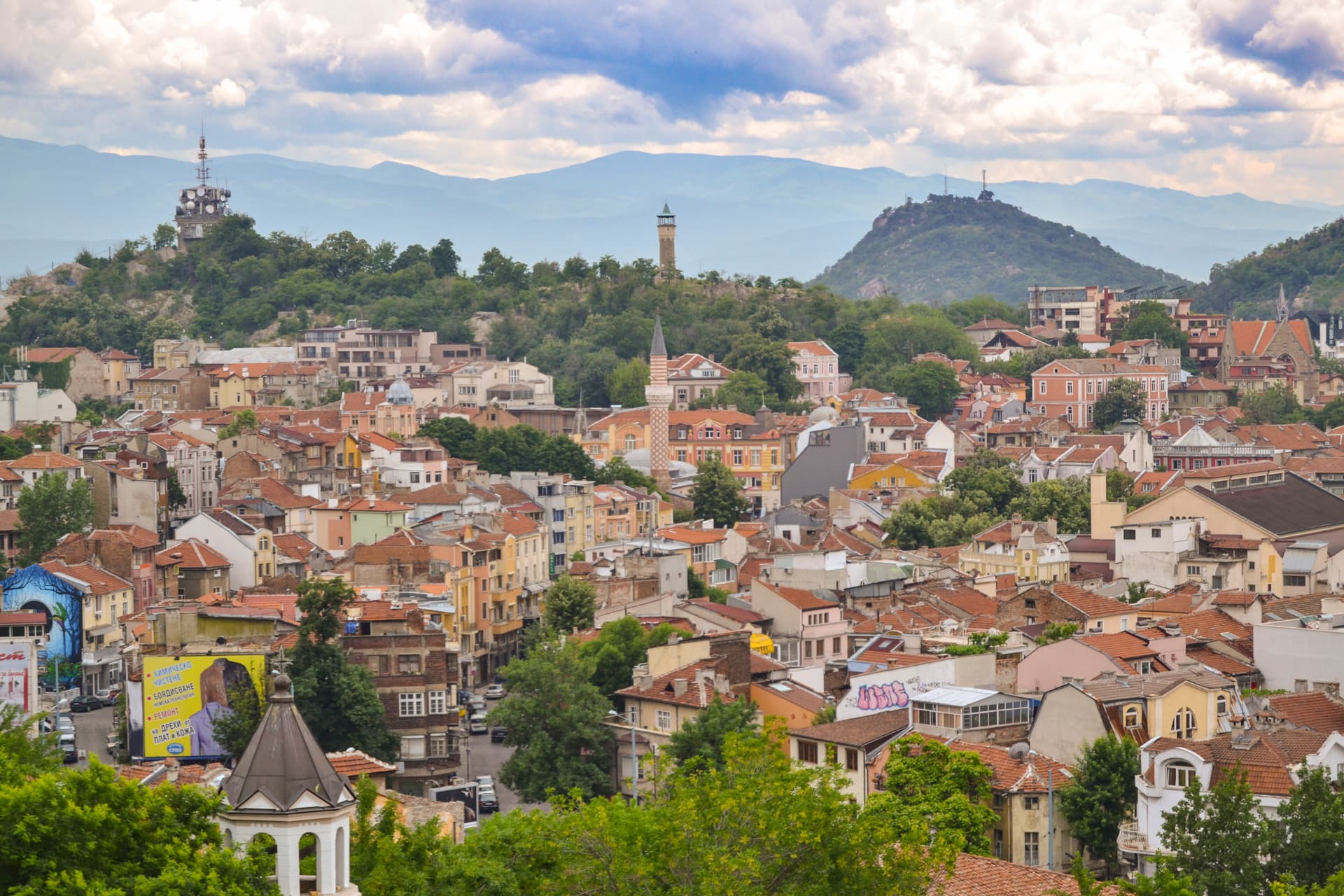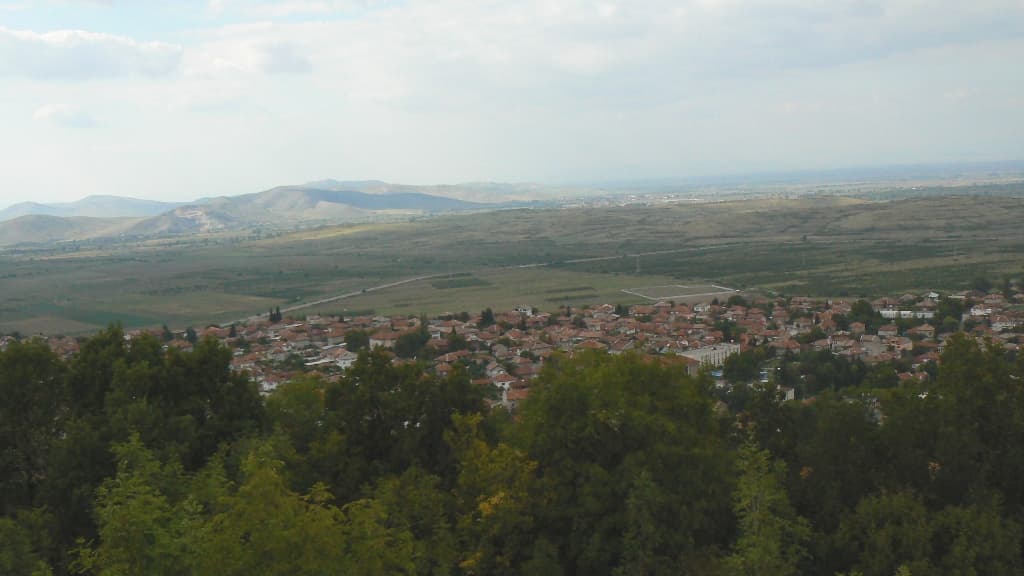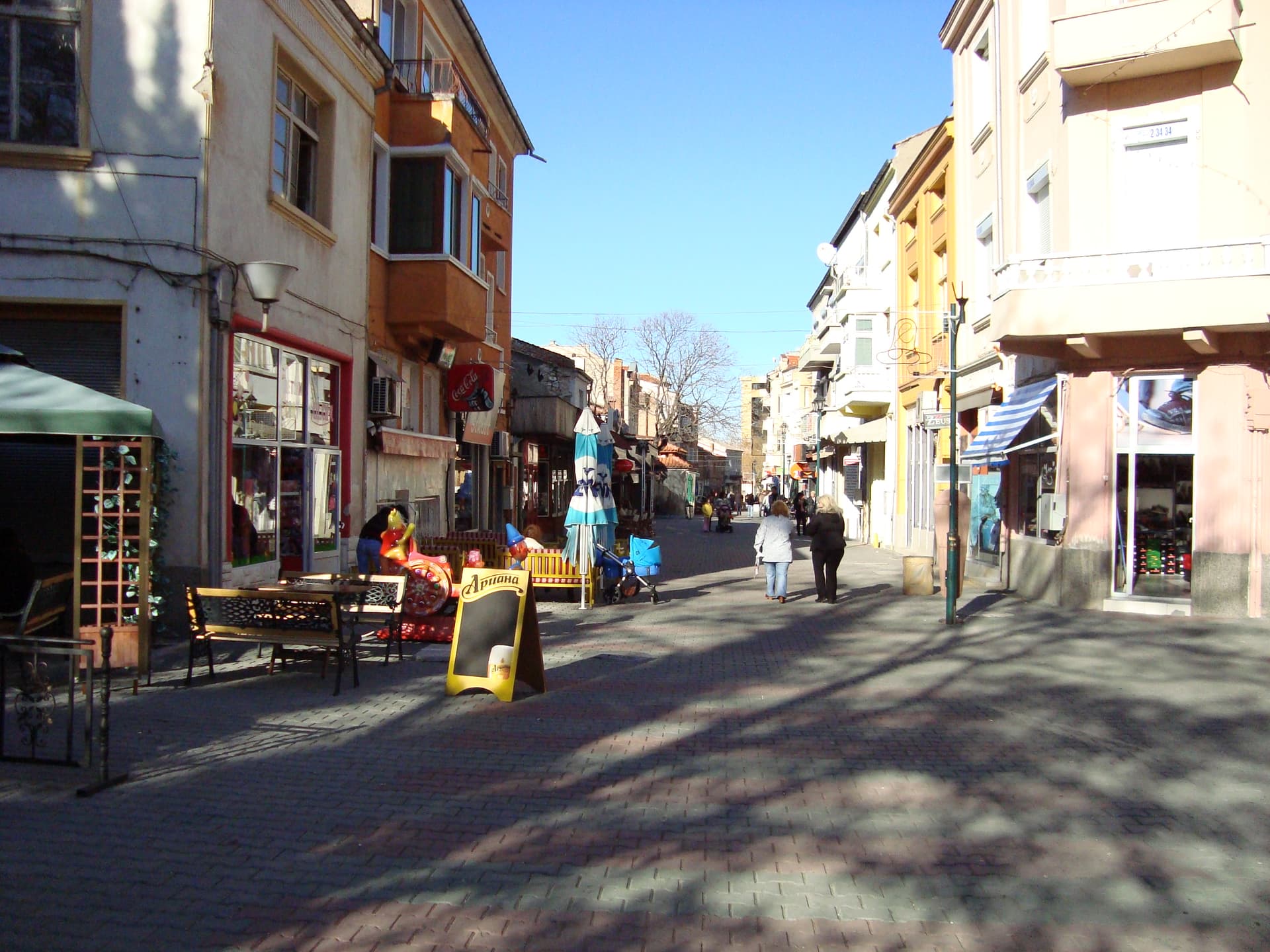
Asenovgrad sits where the Chaya River (also called the Asenitsa or Chepelare River) leaves the Rhodope Mountains for the Upper Thracian Plain — about 19 km southeast of Plovdiv by road and 167 km from Sofia. It is the largest town in the Rhodopes and the largest town in Bulgaria that isn't a regional capital, with 45,271 residents (National Statistical Institute, 31 December 2025), making it the country's 18th largest. The Gorni Voden and Dolni Voden quarters, separate villages until 1986, are now part of the town.
Its nickname, Little Jerusalem, is not an exaggeration: the town and its surroundings hold 5 monasteries, 15 churches and 58 chapels — more per resident than anywhere else in Bulgaria. Its second nickname is more down to earth. Asenovgrad is "the town of wedding dresses", home to dozens of bridal studios and shops that draw customers from across the country.
The climate is mild in winter and relatively cool in summer, which makes Asenovgrad a comfortable year-round base for the Central Rhodopes.
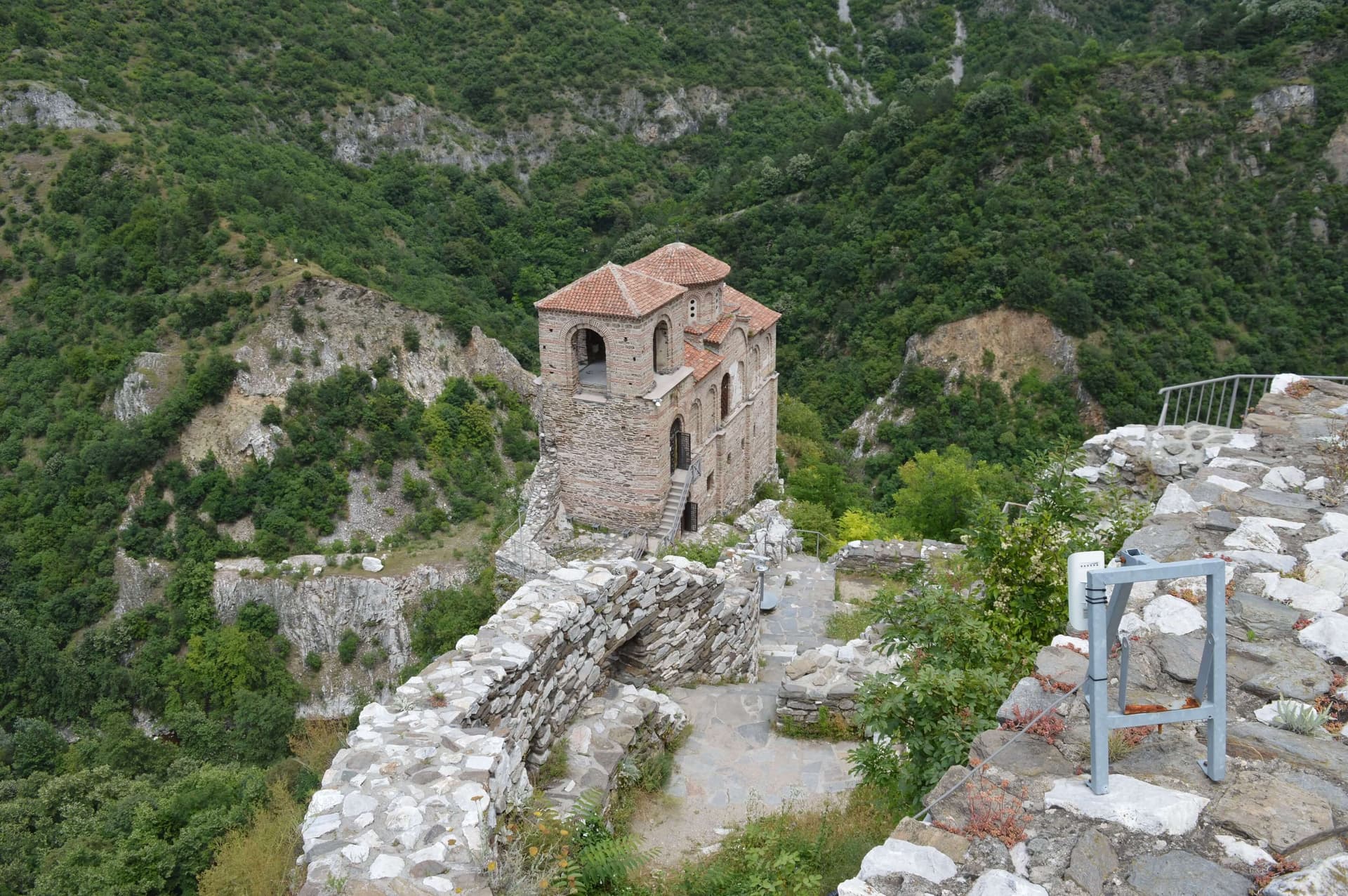
Two kilometres south of town, on a sheer rock above the gorge, stands Asen's Fortress (Asenova Krepost) — the town's defining landmark and one of Bulgaria's Hundred National Tourist Sites. The rock was fortified as far back as Thracian times; under Tsar Ivan Asen II the fortress was substantially rebuilt into a key post defending the southern borders of the Second Bulgarian Empire, and it carries his name today.
The only fully preserved building is the church of St Mary of Petrich, restored and back in use as an Orthodox church since 1991. The fortress is open year round and reached by a short asphalt road from town — though plenty of locals walk up to the rock every day. It's a short, steep climb with a big payoff: the whole gorge opens up beneath you.
St Petka Monastery (Muldava) — 4 km southeast of town. Legend holds that Vasil Levski stayed here, and every year around 19 February the monastery marks the anniversary of the revolutionary's death.
Sts Kirik and Julita Monastery and Arapovo Monastery — the other two anchors of the town's most popular pilgrimage routes.
The church of St Mary — the Annunciation in the Sveti Georgi quarter holds an icon of the Virgin believed to be miracle-working. On 15 August it is carried in procession to Bachkovo Monastery and back.
Palaeontology Museum — a branch of the National Museum of Natural History, founded in 1990, with one of the richest collections in the country: a sabre-toothed cat, a Metailurus, and the skeleton of a Deinotherium — an elephant relative that lived 8 million years ago and weighed over 12 tonnes. The skeleton was unearthed near the village of Ezerovo in 1967 and is one of only five ever excavated worldwide; the original bones are kept in Sofia, and the Asenovgrad museum displays an exact cast.
The town also has history, ethnographic, wine and rock music museums.
Stanimaka — where the name comes from
Until 1934 the town was called Stanimaka, a Bulgarian rendering of the Greek Stenimachos (Στενήμαχος). Several explanations compete: from stenomachos, "a fight in a narrow place" — or simply "narrow pass", after the tight gorge of the Chaya; from Istieomachi, after the battles fought by settlers from the Euboean city of Histiaea; or from the personal name Sthenemachos. In 1934 the town was renamed Asenovgrad in honour of Tsar Ivan Asen II.
Greek sources date the town's founding to the 7th century BC, by colonists from Histiaea. Research by Prof. Atanas Milchev, however, points to Thracian origins — Thracian burial mounds, sanctuaries and abundant pottery, with the main settlement around today's St Dimitar chapel, and Greeks arriving later as traders. A wealthy Thracian was buried in a mound near the railway station with chariot wheels, horse skeletons and bronze vessels, and Thracian armour found nearby is now in the National Archaeological Museum in Sofia.
The medieval name Stanimaka first appears in the charter of Bachkovo Monastery, written by its Georgian founder Gregory Pakourianos, where the fortress is recorded as Petrichos. The town turns up in the chronicles of the Third Crusade, was besieged by Alexios III, and in 1205 the knight Renier de Trit held out here through a year-long siege by Tsar Kaloyan's army. Between 1259 and 1344 Stanimaka served as the capital of the Rhodope region, changing hands repeatedly between Bulgaria and Byzantium, until Tsar Ivan Alexander brought it firmly into Bulgaria — until the Ottoman conquest in 1363, or after the Battle of Chernomen in 1371.
Through the National Revival, Stanimaka was a predominantly Greek town and the scene of a hard-fought church struggle: the first Bulgarian church and school opened in the Marasha quarter in 1847, and in 1857 the liturgy was read in Church Slavonic at St Athanasius for the first time. The town was liberated on 6 January 1878. Its Greek population left after 1906 and again under the Kalfov–Politis agreement; many families founded a new Stenimachos near Drama and settled in Kilkis — which is why Asenovgrad is twinned with Kilkis and Naousa to this day.
The hills around Asenovgrad are gentle and accessible — this is walking country rather than serious mountaineering.

Plovdiv region
1.3 km away
Plovdiv region
2.3 km away
Plovdiv region
2.7 km away
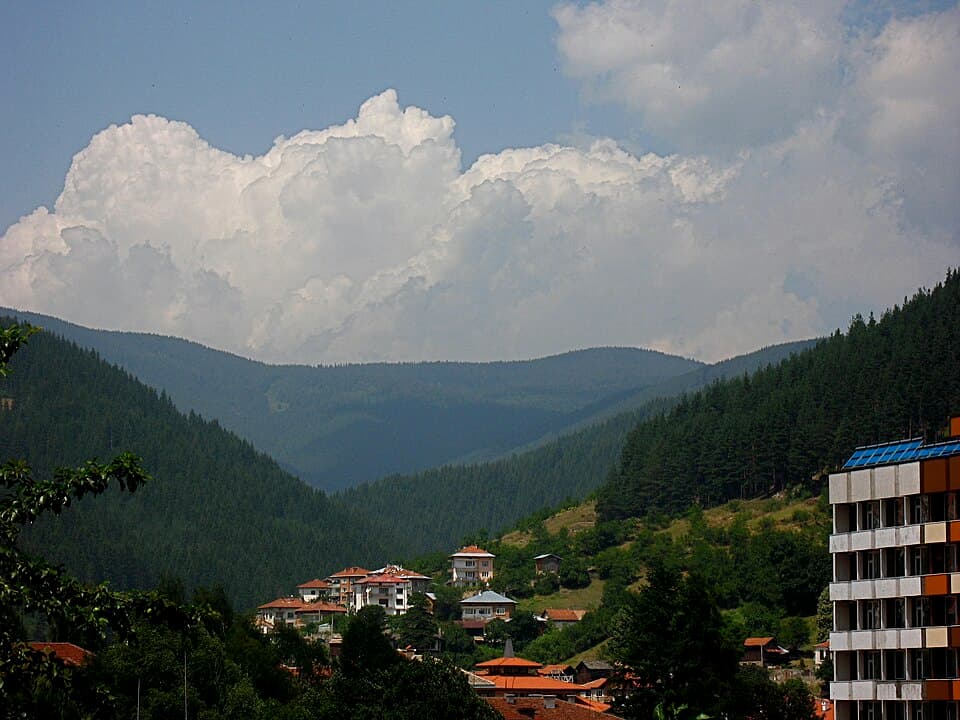
A practical guide to Chepelare: the Mechi Chal ski area, Snezhanka Peak, getting there from Plovdiv, parking, where to stay, and why it beats Pamporovo on price.
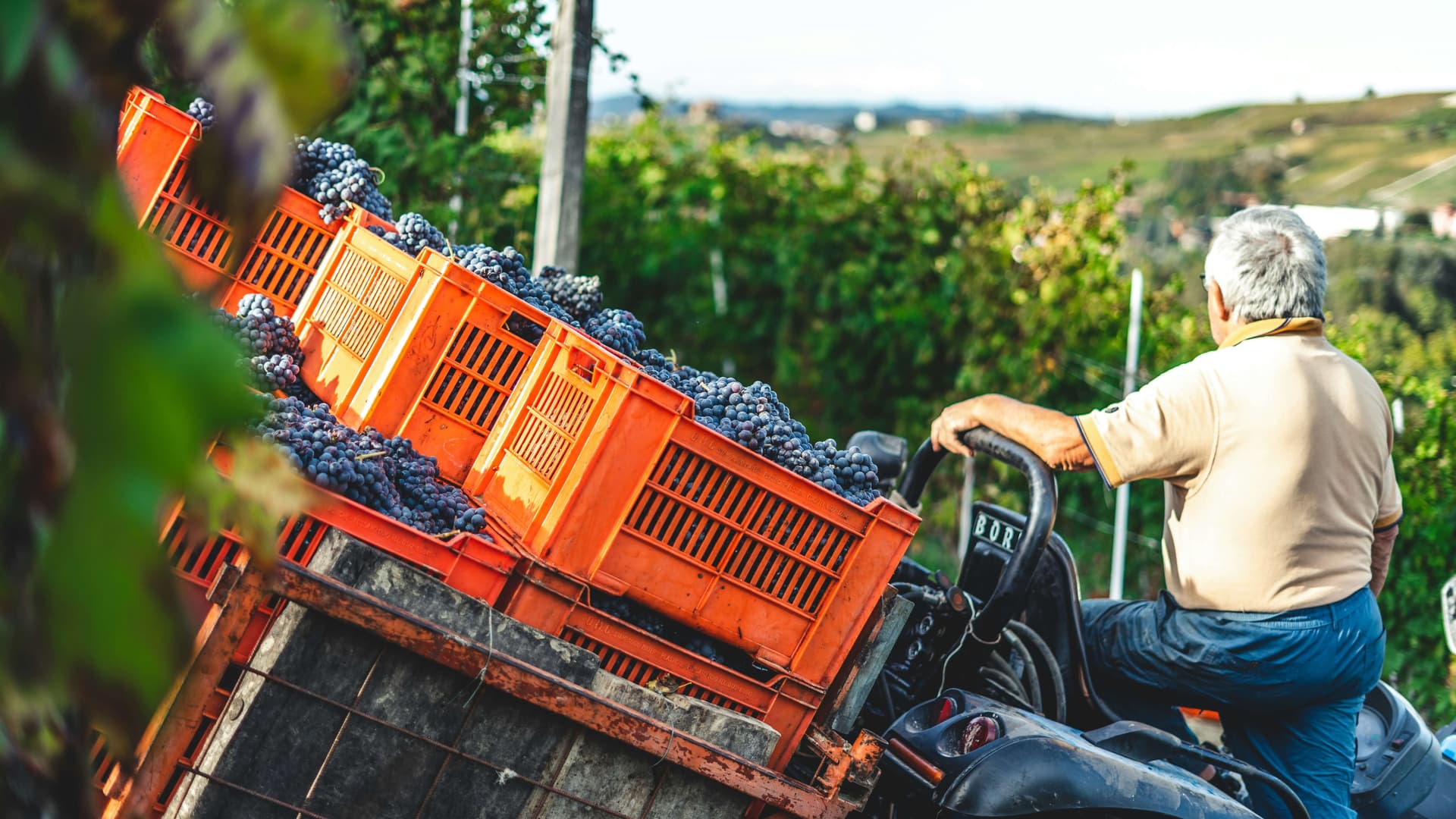
When the Bulgarian grape harvest happens, which wine regions to visit in September and October, how a harvest day works and what to book in advance.

The best day trips from Plovdiv: Bachkovo Monastery, Asen's Fortress, the Rose Valley, Buzludzha, Koprivshtitsa and more — with distances and how to go.
Asenovgrad is located in Plovdiv, Bulgaria.
Asenovgrad is most easily reached by car. Use the coordinates above to navigate, or open the location in OpenStreetMap or your preferred maps app for turn-by-turn directions. Public transport options vary by region — for remote destinations a rental car gives the most flexibility.
Asenovgrad can be visited year-round, but late spring (May–June) and early autumn (September–October) offer the most pleasant weather and fewer tourists. Summer is the busiest season; winter is the quietest, with shorter daylight and possible cold weather.
Bulgarian settlements typically reward unhurried walking — historic centres, churches and monasteries, local markets, and family-run restaurants serving regional dishes. Larger towns often have museums and seasonal cultural events. The local tourist information centre is a good first stop for current opening hours and what's on.