

Bulgarian Food: The Dishes Worth Seeking Out
In this guide▾
Bulgarian food is one of the country's better-kept secrets, and it is not really "Balkan food with a different flag". The cooking sits where Ottoman, Greek, Slavic and its own mountain traditions overlap — heavy on dairy, peppers, herbs and slow-cooked pots, with a genuine claim to inventing the yogurt everyone else copied.
This is a guide to what to eat and how a Bulgarian meal actually works. It deliberately names no restaurants: those change hands, close and slide, and a list that was accurate this year would quietly mislead you next.
🥗 The Table Opens With Salad and Rakia
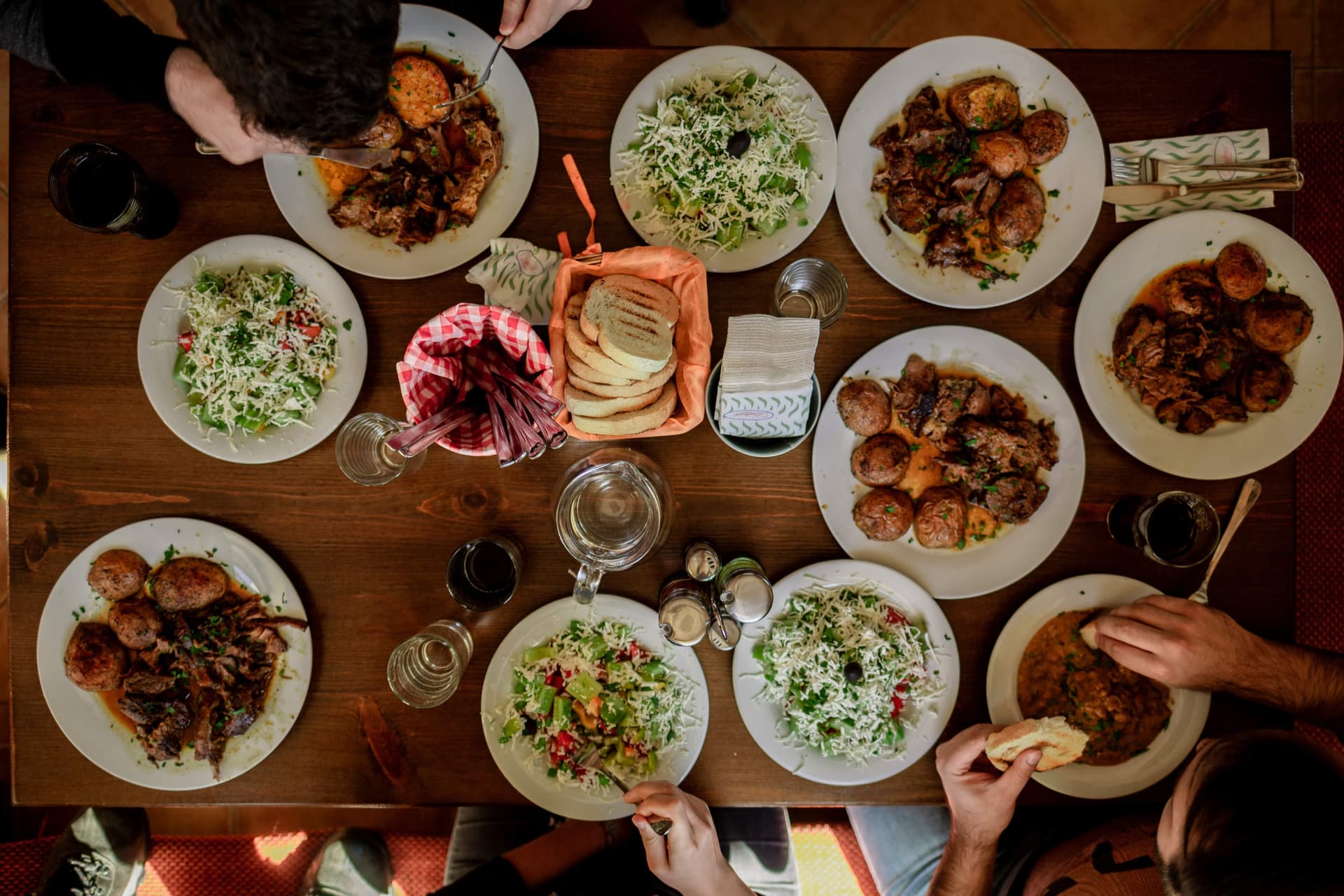
Get this part right and the rest follows. A Bulgarian meal does not start with a main course being rushed to the table — it starts with salad, mezze and rakia, and it lingers there.
Shopska salad is the one everybody knows: tomato, cucumber, raw onion and pepper, buried under grated white sirene cheese. It is genuinely excellent in summer, when the tomatoes justify it. It is also — and Bulgarians will tell you this themselves — a modern invention, created in the mid-20th century by the state tourism agency, its white, green and red layers matching the flag.
Beyond it:
- Snezhanka ("Snow White") — strained yogurt with cucumber, garlic, dill and walnuts, closer to a thick dip than a salad.
- Ovcharska salata ("shepherd's salad") — the shopska plus ham, egg, and mushrooms, for a bigger appetite.
- Katak — a sharp, spreadable cheese mixture, one of the great underrated things on any menu.
Rakia arrives with these, not after them. It is a fruit brandy, usually grape or plum, typically 40% and frequently stronger when it comes from someone's family still. It is sipped slowly across the whole opening stretch of the meal. Say nazdrave and make eye contact.
🧀 Dairy Is the Foundation
Three things underpin an enormous amount of Bulgarian cooking:
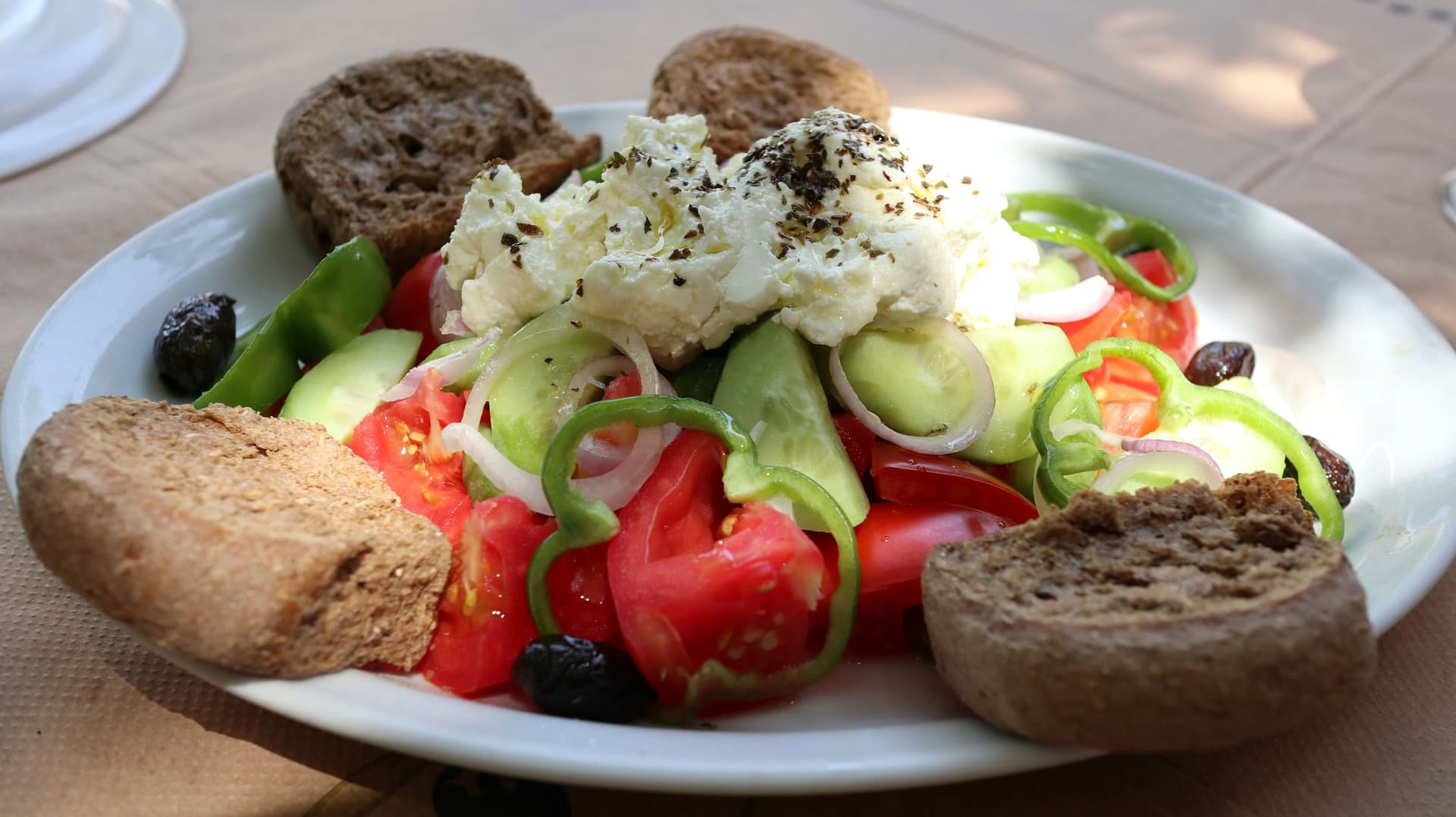
- Sirene — a white brine cheese, salty and crumbly, the default cheese of the country. It goes into pastry, over salad, baked in a pot with egg and peppers, and onto almost everything else.
- Kashkaval — the yellow, firmer cheese. Fried in breadcrumbs as kashkaval pane, it is a menu fixture.
- Yogurt — and here the national pride is earned. Lactobacillus bulgaricus, the bacterium that makes it work, was identified in Bulgaria in 1905 and is named after the country. Local yogurt is thicker and sharper than most visitors expect.
In summer, yogurt becomes tarator: a cold soup of yogurt, cucumber, garlic, dill, walnuts and a little oil, served genuinely cold. On a July afternoon on the coast, it makes complete sense.
🥐 The Bakery, and Breakfast
Bulgarian breakfast happens at a bakery counter, and it is very cheap.
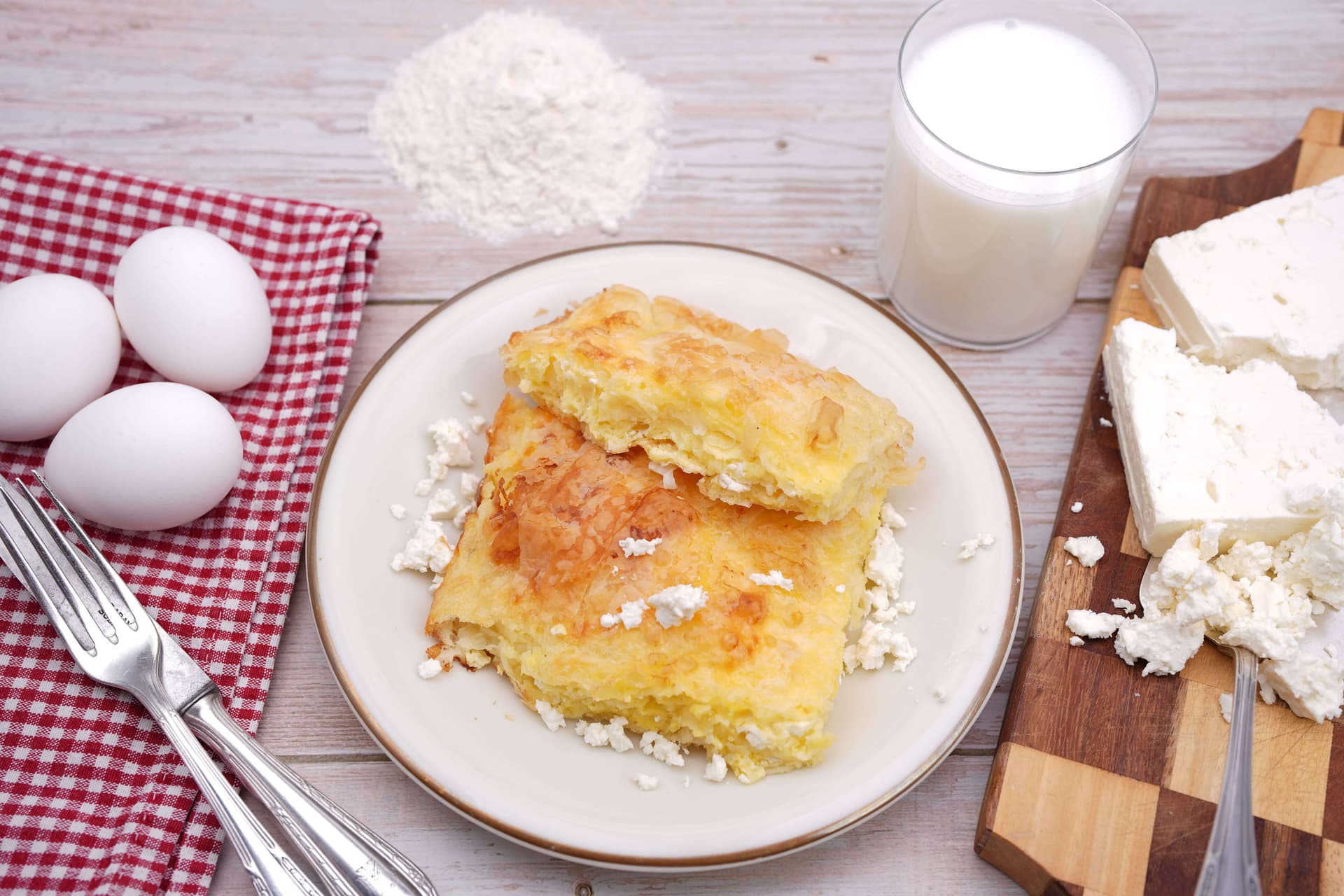
- Banitsa — coiled filo pastry with sirene and egg, the national breakfast. On New Year's Eve, fortunes on slips of paper get baked inside.
- Mekitsi — fried dough, eaten hot with jam, honey, yogurt or cheese. Best straight from the pan.
- Princesa — an open-faced toast with minced meat or cheese, grilled to order.
- Boza — a thick, pale, mildly fermented wheat drink, low in alcohol and very sweet. It is the traditional partner to banitsa and one of the sharpest dividing lines between visitors who like Bulgaria and visitors who love it.
Sweet versions of banitsa exist too — tikvenik, made with pumpkin and walnuts, is the autumn one and well worth ordering when it appears.
🔥 The Grill
Skara — grilled meat — is where most restaurant menus put their weight, and the vocabulary is worth ten minutes of your time:
- Kebapche — a long, thin minced-meat roll, cumin-heavy.
- Kyufte — the same idea as a round patty, usually with onion.
- Shishche — skewered chunks of pork or chicken.
- Karnache — a coiled spiral sausage, ordered by length.
- Meshana skara — the mixed grill, a plate of all of the above, designed for sharing.
It comes with bread, lyutenitsa and often a pile of fries. Order one mixed grill between two people and add salads — portions here are not shy.
🍲 The Slow Pots
Away from the grill is the food that actually rewards a long lunch:
- Kavarma — meat, onions and peppers stewed slowly in an individual clay pot, often finished with an egg cracked on top.
- Gyuvech — a clay-pot bake of vegetables with or without meat, named after the pot itself.
- Sach — a sizzling metal plate of meat and vegetables, brought to the table still spitting.
- Sarmi — vine or cabbage leaves rolled around rice and mince, or rice and herbs in the meat-free version.
- Chushki burek — peppers stuffed with sirene, battered and fried, and one of the best things in the cuisine.
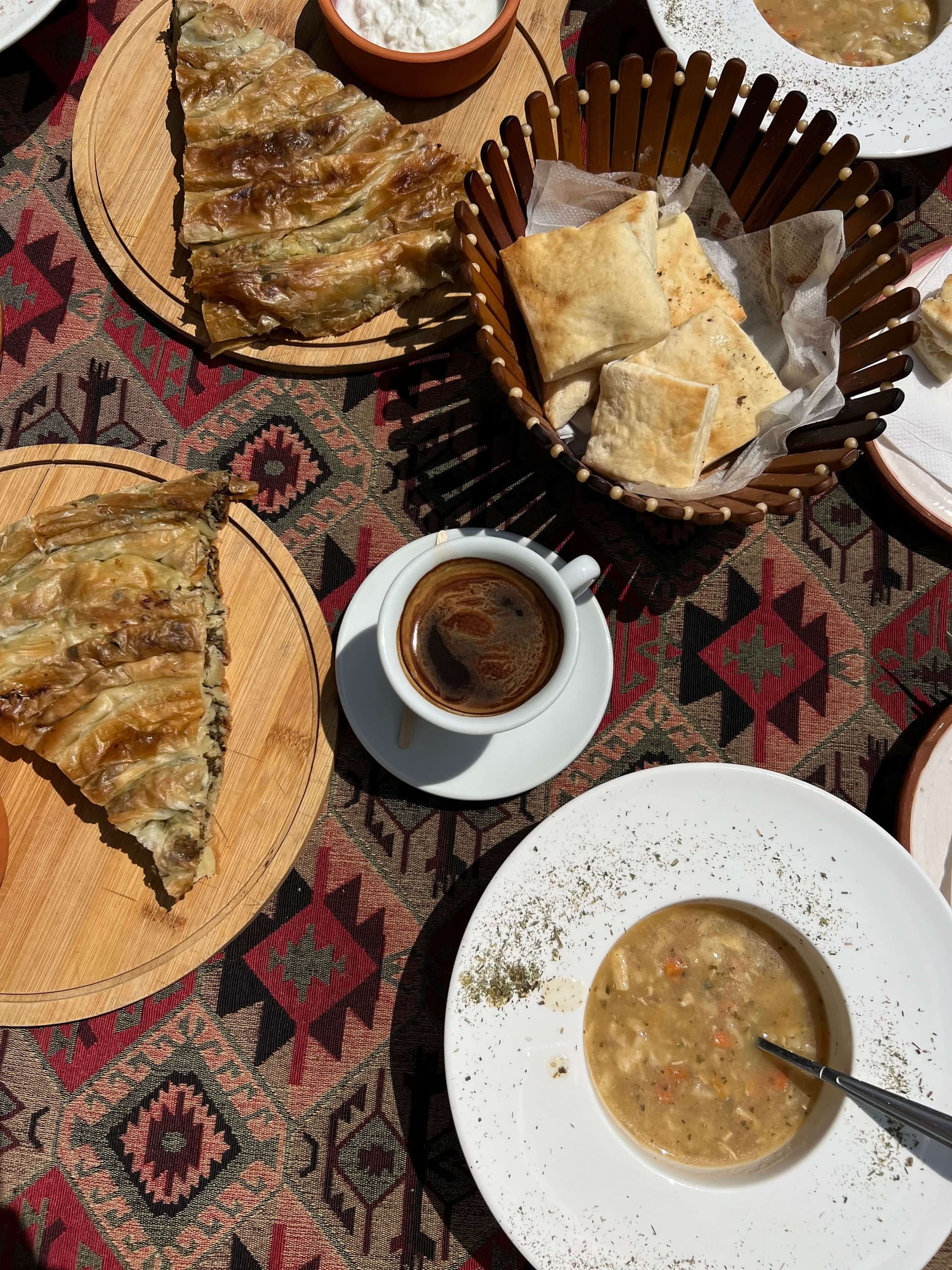
- Bob chorba — bean soup, the everyday national soup, unremarkable-sounding and consistently good.
- Shkembe chorba — tripe soup with garlic and vinegar stirred in at the table. It is the traditional hangover cure and an acquired taste. It is also entirely fair to skip it.
🌱 Eating Vegetarian and Vegan
Bulgaria has a reputation as difficult for vegetarians. It is largely undeserved, and the reason is religious rather than modern.
Orthodox fasting periods run for a substantial part of the year and exclude meat, dairy and eggs — so the cuisine developed a full parallel repertoire of dishes to cover them. These are marked postno on menus, and the word is the single most useful one a vegetarian visitor can learn.
Reliably meat-free: shopska salad, tarator, bean soup, roasted peppers, lyutenitsa, sarmi in the rice-and-herb version, chushki burek, gyuvech, most of the mezze table, and the entire bakery counter apart from meat pastries.
🫑 The Winter Shelf
Between late August and October, the country turns to preserving, and you can smell it — the scent of peppers being charred over open flame in yards and on balconies is the signal of a Bulgarian autumn.
What gets made:
- Lyutenitsa — the roasted pepper and tomato relish that sits on every table, in every degree of sweetness and heat.
- Kyopolou — the aubergine-led cousin, sharper and smokier.
- Turshia — mixed pickled vegetables, the winter salad.
- Rakia — distilled once the fruit is in, often on a shared village still.
If you visit in the autumn, this is fully visible from the road. Our autumn guide covers the season, and the wine and Melnik guide covers the harvest that runs alongside it.
🗺️ It Changes by Region
It is worth eating regionally rather than assuming one national menu:
- The Rhodopes — the most distinctive regional cooking in the country. Patatnik, a baked grated-potato cake with mint, and cheverme, whole lamb turned slowly over an open fire. The village of Smilyan grows a famous bean and holds a festival for it.
- The Black Sea coast — fish, and specifically tsatsa, small fried sprats eaten whole by the plateful, plus rapan sea snail on southern menus.
- The Danube north — river fish and fish soup, distinct from the coastal tradition.
- The southwest — Melnik and the Struma Valley, where the food is built around the wine rather than the other way round.
🍰 To Finish
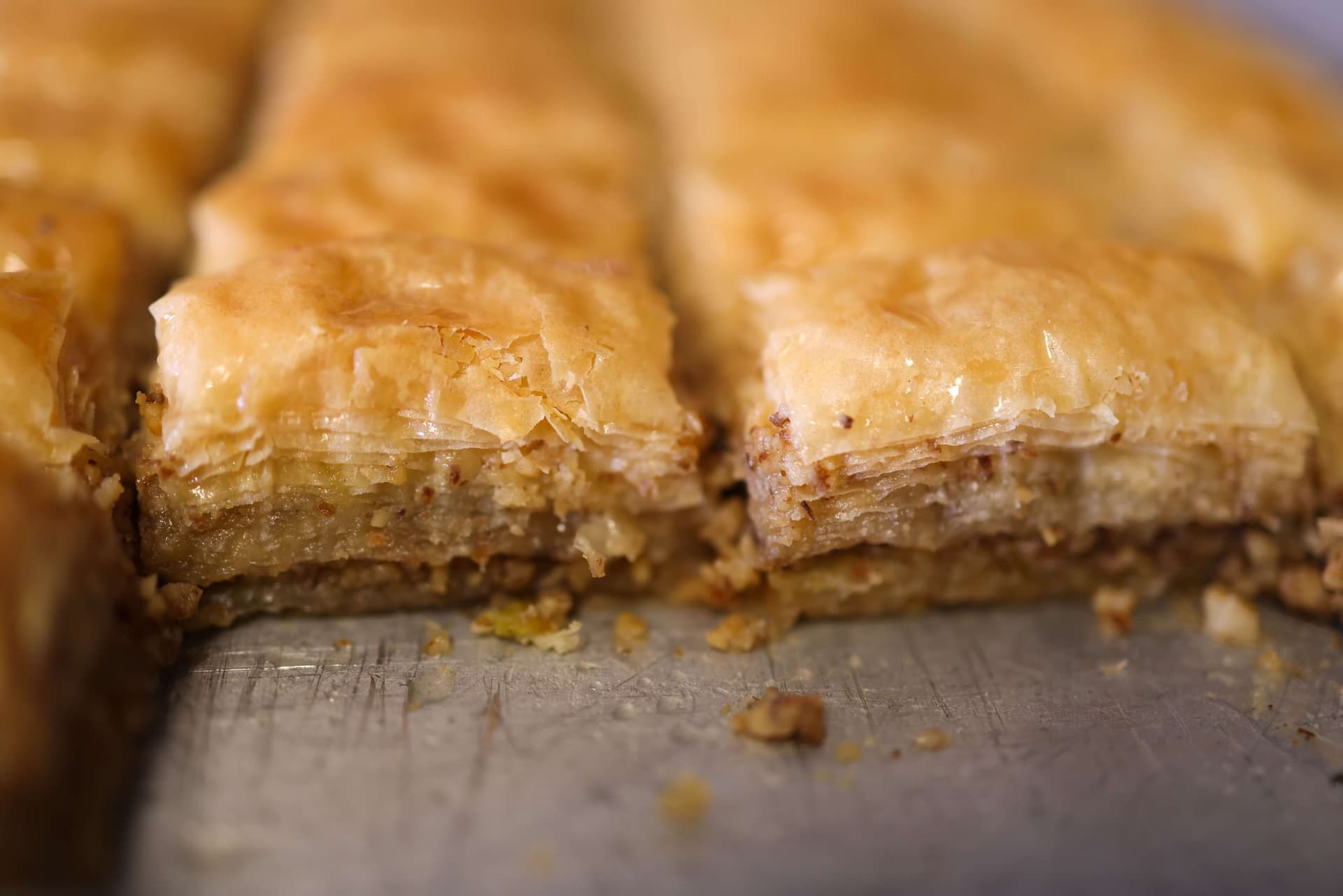
Dessert is where the Ottoman inheritance shows most clearly. Baklava and kadaif are both fully local by now. Garash — a dense walnut and chocolate cake with no flour in it — is the Bulgarian classic worth ordering. And in season, the fruit does the work: this is a country with very good cherries, plums and melons, and it does not always feel the need to improve on them.
Coffee culture is strong, cheap and taken seriously, which makes the end of a meal linger about as long as the beginning did.
🍽️ How to Eat Well Here
A few practical notes:
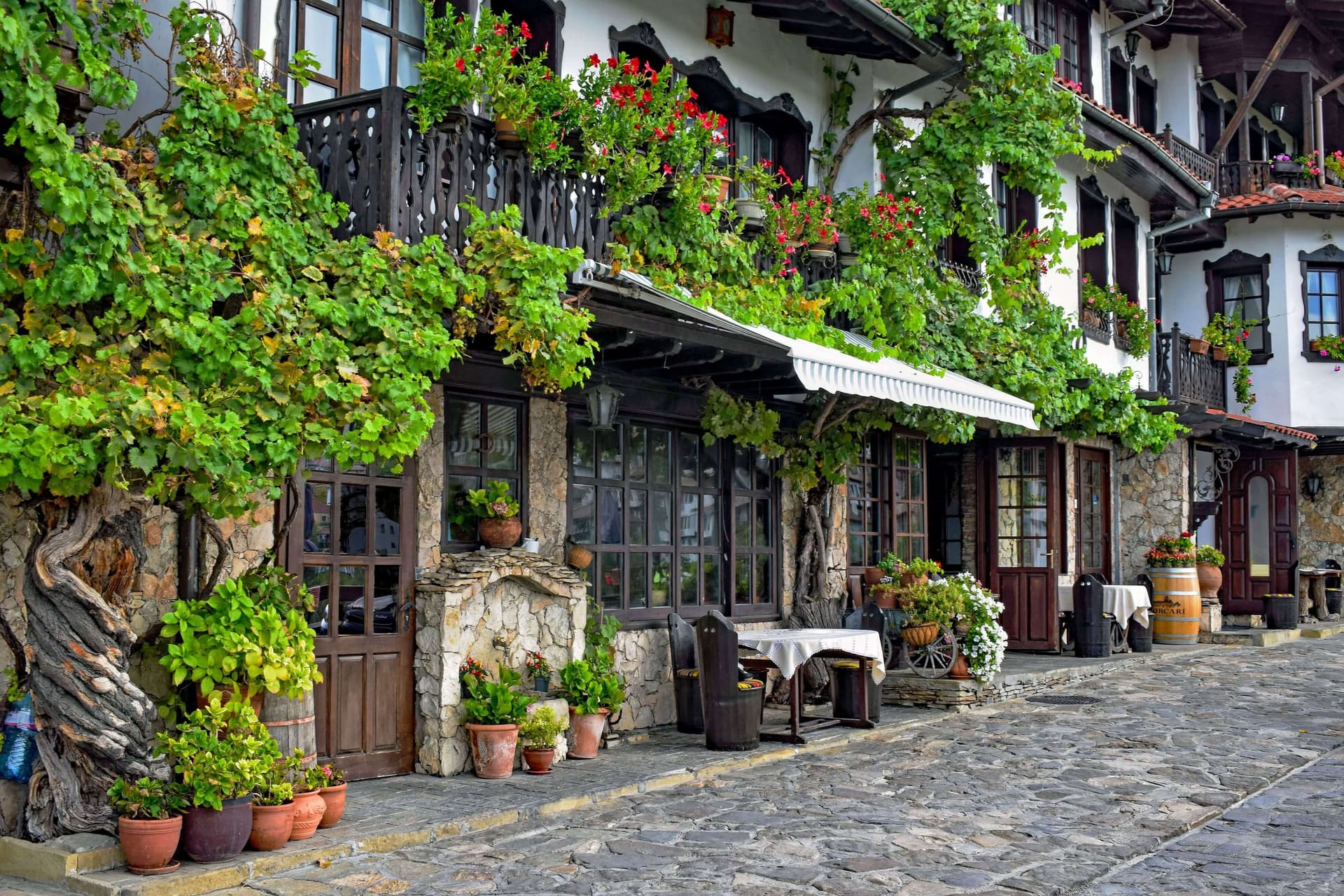
- Go to a mehana for a full traditional meal — the wooden-interiored tavern is the format the food was designed for.
- Order in waves, salads and mezze first, mains later. The kitchen expects it, and the meal is better for it.
- Portions are large and prices are low — see our cost guide for what a meal actually runs.
- Bread arrives with everything and is used to chase lyutenitsa around the plate.
- Homemade rakia is stronger than it tastes. Treat an offered glass with more respect than its size suggests.
Food is bound tightly to the calendar here — our festivals and traditions guide covers the days that come with their own dishes, and the winter guide picks up the heavy end of the cooking year.
Eat slowly, start with the salad, and say yes to the rakia. Keep planning your trip with Mestala.com.
Want more Mestala in your Google results?
Add mestala.com as a preferred source and our guides will show up more often when you search. Requires a Google account.
Frequently Asked Questions
What is the national dish of Bulgaria?▾
Shopska salad — tomato, cucumber, raw onion and pepper under a heavy layer of grated sirene cheese. It is worth knowing that it is not an ancient recipe: it was created in the mid-20th century by the state tourism agency, and its white, green and red layers match the Bulgarian flag. That does not make it any less good, and it is on essentially every menu in the country.
What is banitsa?▾
A coiled pastry of filo layers filled with sirene cheese and beaten egg, baked until the top blisters. It is the standard Bulgarian breakfast, sold in every bakery, and usually eaten with boza — a thick, mildly fermented wheat drink that divides visitors sharply. Sweet versions exist too, most commonly tikvenik, made with pumpkin and walnuts.
Is Bulgarian food good for vegetarians?▾
Better than its grill-heavy reputation suggests. Orthodox fasting periods mean Bulgarian cooking has a deep repertoire of meat-free and dairy-free dishes, often marked postno on menus. Shopska salad, tarator, bean soup, stuffed peppers, sarmi, roasted peppers and most of the mezze table are all vegetarian, and several are vegan.
What is rakia and how is it drunk?▾
A fruit brandy, usually from grapes or plums, typically 40% and often much stronger when homemade. The important thing for visitors is the timing: rakia is drunk at the start of the meal alongside the salad, slowly, over conversation — not as an after-dinner digestif. Ordering it with dessert marks you out immediately.
Is Bulgarian yogurt actually different?▾
Yes, and the claim is unusually well founded. The bacterium responsible is Lactobacillus bulgaricus, first identified here in 1905, and the local yogurt is noticeably thicker and sharper than most Western supermarket versions. It appears throughout the cuisine rather than only at breakfast — in tarator, as a sauce, alongside grilled meat and stirred into pastry fillings.
What is a mehana?▾
A traditional tavern, usually with heavy wooden interiors, and the default place to eat a full Bulgarian meal rather than a bakery snack. Expect the whole table to order salads and mezze to share first, with mains arriving later — the pace is deliberately slow, and rushing it is the most common visitor mistake.
You might be interested in
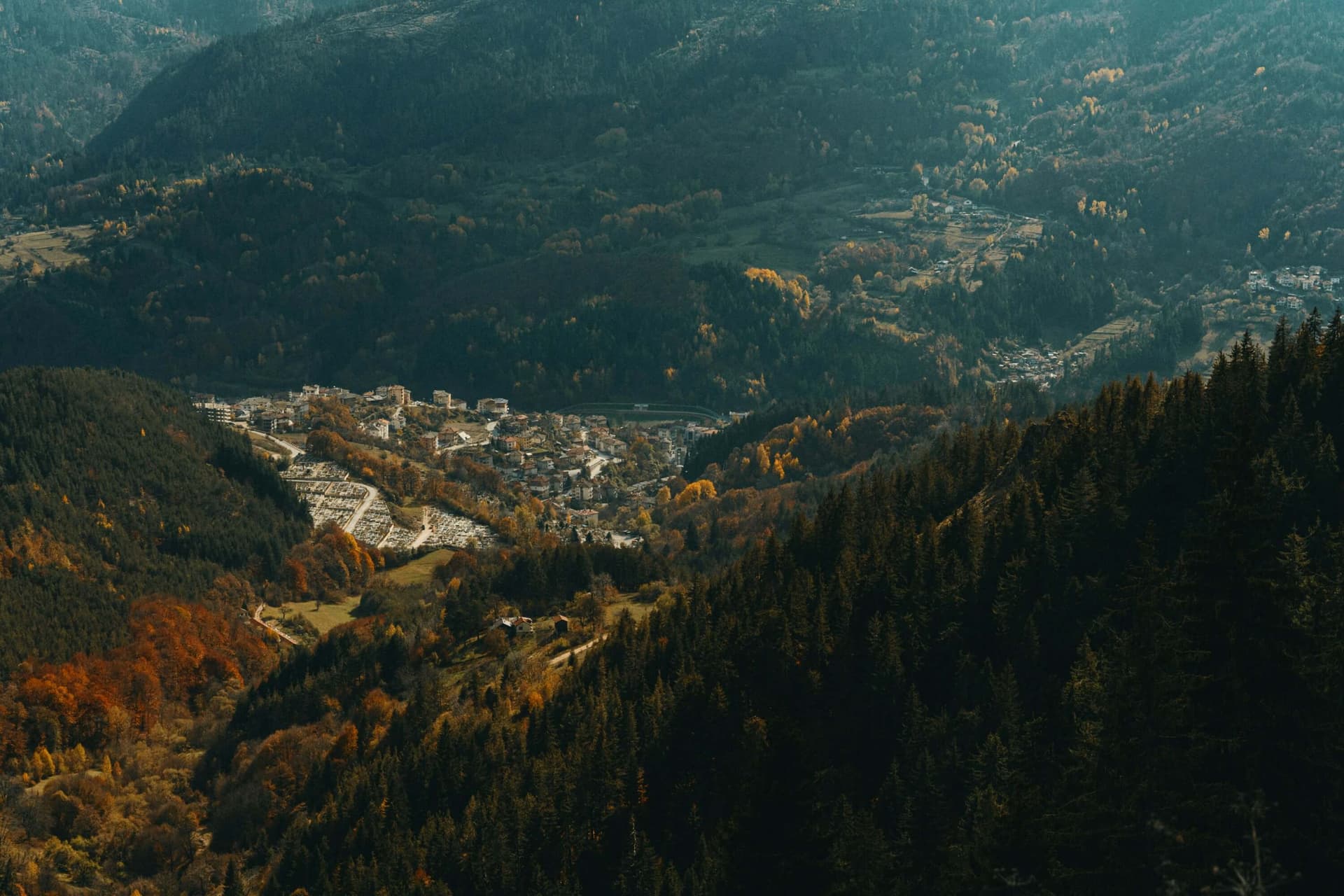
Bulgaria in Autumn: Things to Do Beyond the Beach
Grape harvest in the Struma and Thracian valleys, Rhodope forests turning gold in October, the last safe hiking window, and a coast without the crowds.
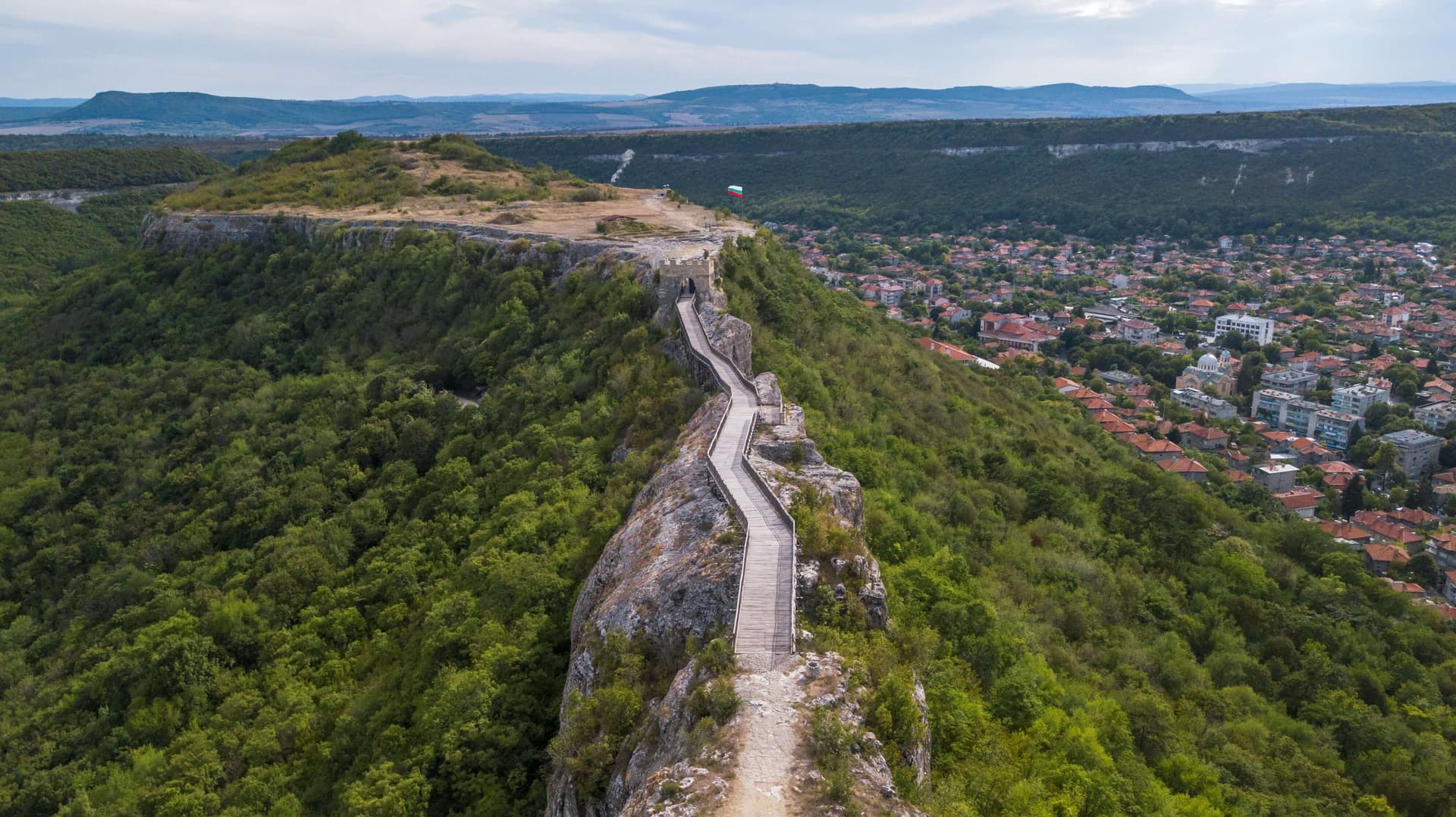
Bulgaria with Kids: A Family Travel Guide
How to pick a base by your children's ages, the drive times that make or break a family trip, which caves and beaches actually work with young kids, which ski resort suits which age, and rainy-day fallbacks.

Digital Nomad Guide to Bulgaria: Visa, Tax and Where to Base
Bulgaria's new digital nomad visa, the 10% flat tax, and how Sofia, Plovdiv and Bansko actually compare for remote work — internet, coworking, cost of living and community.
What to Pack for Bulgaria: A Season-by-Season List
Master the art of layering for a country where temperatures can swing from a 30°C afternoon in Sofia to a freezing morning on Mount Musala. Includes plug types, monastery dress codes, the winter tyre law, and what you can buy locally.