

What to Pack for Bulgaria: A Season-by-Season List
In this guide▾
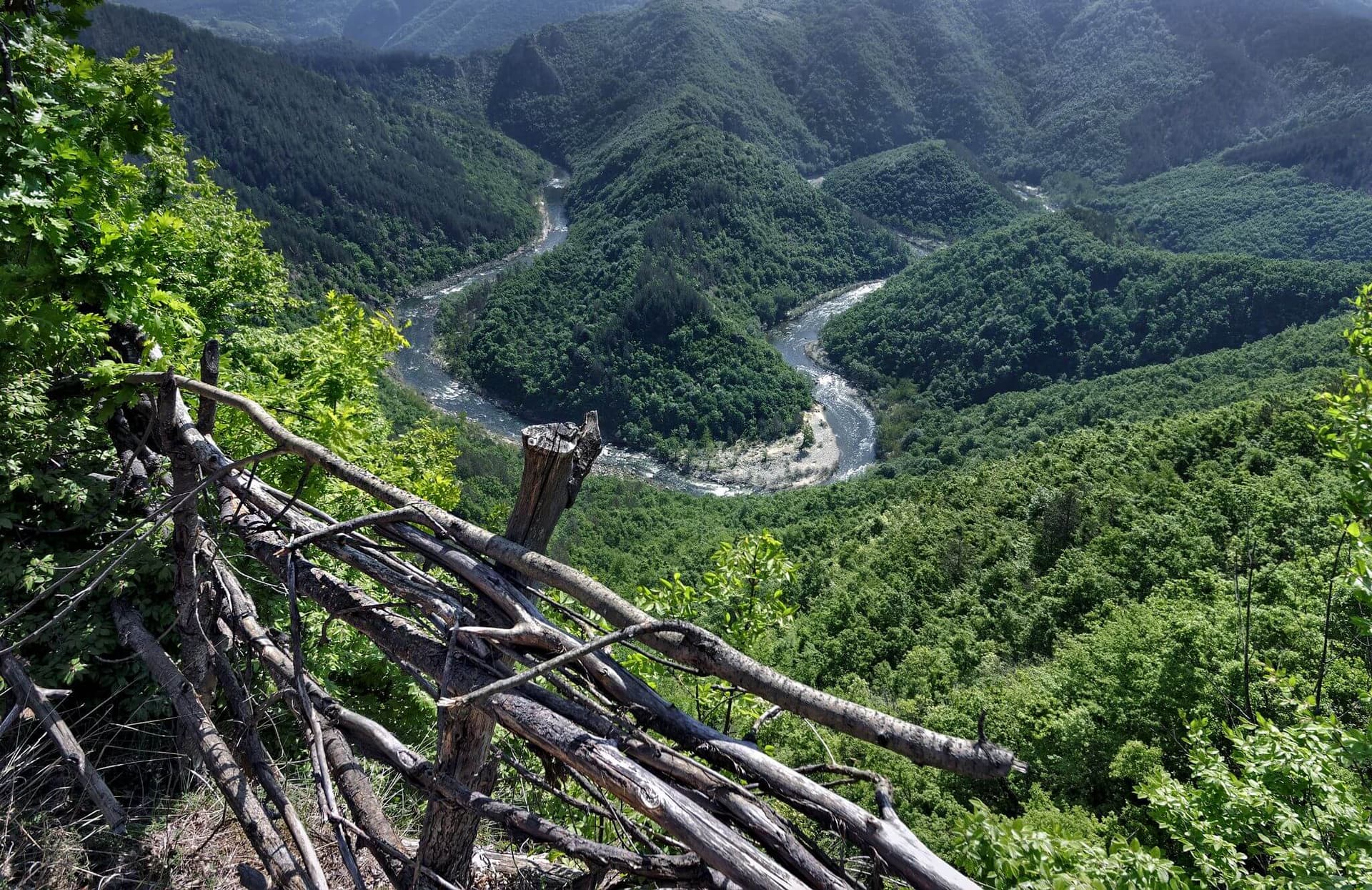
Packing for Bulgaria is trickier than its compact size suggests, largely due to its dramatic shifts in altitude. On a single September day you can be in a 30°C Sofia beer garden in the afternoon and near freezing on a Rila ridge the next morning. The country runs from Black Sea beaches to 2,900-metre peaks, and the weather does not care what the calendar says once you go up.
So the golden rule here is layers, and the rest of this guide is season by season. It closes with the things that catch visitors out — the plug, the dress codes, the winter tyre law — regardless of when you come.
🧳 The Year-Round Basics
Whatever the season, these earn their place in the bag:
- A plug adapter if you're coming from outside continental Europe (see below)
- A refillable water bottle — city tap water is safe and Sofia has public mineral fountains
- Comfortable walking shoes — old-town cobbles in Plovdiv, Nessebar and Veliko Tarnovo are uneven and steep
- A daypack with a layer and a scarf, for monastery dress codes and mountain weather that turns
- Any prescription medication you rely on, in its original packaging
- A card and a little cash — Bulgaria is on the euro now, cards are widely accepted, but small mountain villages and some taxis still prefer cash
☀️ Summer (June–August)
Lowland Bulgaria in high summer is genuinely hot — 30°C and up, and humid on the coast. Pack for it as you would for any Mediterranean summer:
- Light, breathable clothing and swimwear
- Strong sun protection — sunscreen, sunglasses, a hat. The Black Sea sun is fierce and the high mountains are worse for UV
- Sandals plus one pair of proper shoes for old towns and any walking
The catch is the mountains. If your summer trip includes hiking — the Seven Rila Lakes, Musala, the Pirin peaks — the summits are cold, exposed and prone to afternoon thunderstorms even in July. Throw a fleece and a waterproof in the bag even if the forecast in town says 32°C.
🍂 Autumn (September–November)
The best season to visit and the trickiest to pack for, because it spans so much. September is still summer in the lowlands and on the coast; November is cold, wet and bringing the first mountain snow.
- Layers above all — t-shirts to a warm mid-layer, with a bigger day-to-night swing than summer
- A waterproof jacket — October and November are the wet months
- Closed shoes with grip for wet leaves and muddy trails
- Swimwear if you're going early — the sea holds its warmth into September
Our autumn guide has the month-by-month picture — the short version is that September packs like late summer, November like early winter, and October demands a bit of everything.
❄️ Winter (December–February)
Two very different winters depending on where you go.
City breaks — Sofia, Plovdiv, Veliko Tarnovo — sit around freezing, cold and sometimes snowy but manageable:
- A warm coat, hat, gloves and scarf
- Waterproof boots with grip for slushy, icy pavements
- Thermal layers if you feel the cold
Ski and mountain trips — Bansko, Borovets, Pamporovo — are on an entirely different level of cold, well below zero with wind chill. Pack as for the Alps: proper insulated outerwear, base layers, goggles and serious gloves. Most gear can be rented at the resorts, so there's no need to fly with skis. Our winter guide covers the season beyond the slopes.
❄️ Driving in winter? Winter-suitable tyres are legally required from 15 November to 1 March — see the dedicated section below. This is not optional and it is enforced.
🌸 Spring (March–May)
Spring mirrors autumn: unpredictable, wet, warming as it goes. March can still be wintry, especially up high where the ski season runs on; May is warm and green in the lowlands.
- Layers and a waterproof, same logic as autumn
- Comfortable walking shoes for a lot of sightseeing in mild weather
- A warm layer for the evenings, which stay cool into May
- Light clothing (and an early-morning layer) for the Rose Festival if you are visiting the valley in early June
🔌 The Plug, and Electronics
Bulgaria uses the standard European setup: plug types C and F, 230V, 50Hz.
- Continental Europe — your plugs fit, bring nothing
- UK and Ireland — you need a plug adapter
- US, Canada, Australia — a plug adapter, and check devices are dual-voltage (110–240V). Phones, tablets and laptop chargers almost always are; hair dryers and straighteners frequently are not, and a 110V-only device will burn out
⛪ Dress Codes and Cultural Notes
Bulgaria is relaxed about dress in general, with one firm exception: monasteries and churches.
Rila, Bachkovo, the Rozhen and Troyan monasteries are working religious sites. Cover shoulders and knees — visitors in shorts, tank tops, or sleeveless shirts can be turned away or handed a wrap at the door. In summer, a light scarf and a pair of trousers or a long skirt in the daypack is the whole solution. Our monasteries guide covers the sites themselves.
Otherwise, cities are casual, beach resorts are beachwear, and there's no formal dress expectation at restaurants outside the top end.
🚗 If You're Driving: The Winter Tyre Law
While not strictly about packing, this is the single most important rule for drivers:
- Winter-suitable tyres are mandatory from 15 November to 1 March, with a minimum tread depth of 4mm
- It applies to foreign-plated and rental cars too
- Non-compliance carries a fine, and far more importantly, mountain roads genuinely ice over
- A rental booked across those dates should come fitted — confirm it when you collect the car
Full detail on vignettes, mountain roads and rental gotchas is in our driving in Bulgaria guide.
🎒 What to Leave at Home
Bulgaria is well stocked and cheap, so don't overpack:
- Toiletries and basics — pharmacies and supermarkets in every town, on the euro
- Bottled water by the crate — the tap water is fine in cities; bring a refillable bottle instead
- Heavy ski gear you don't own — rent it at the resort
- Large amounts of cash — cards work almost everywhere; a modest amount covers the exceptions
For what a trip actually costs once you're there, see our budget guide, and to pin the season to your plans, the best time to visit guide.
Pack layers, respect the mountains and the monasteries, and buy the rest there. Keep planning your trip with Mestala.com.
Want more Mestala in your Google results?
Add mestala.com as a preferred source and our guides will show up more often when you search. Requires a Google account.
Frequently Asked Questions
What kind of power adapter do I need for Bulgaria?▾
Bulgaria uses the standard European plug — types C and F, at 230V and 50Hz. Travelers from the rest of continental Europe need nothing. Visitors from the UK, Ireland, the US, Canada and Australia need a plug adapter, and US and Canadian visitors should check that their devices are dual-voltage (phones and laptops almost always are; hair tools often are not).
Can you drink the tap water in Bulgaria?▾
Yes, in the cities. Tap water in Sofia and other urban areas is treated to EU standards and safe to drink. Many locals still prefer bottled water for taste, partly because of older distribution pipes in some buildings, and in remote mountain villages it is worth asking. Bring a refillable bottle — Sofia even has public mineral-water fountains.
What should I wear to visit monasteries in Bulgaria?▾
Cover your shoulders and knees. Bulgaria's monasteries and churches — Rila, Bachkovo, the Rozhen and Troyan monasteries — are active religious sites, and shorts, short skirts or bare shoulders can mean being turned away or handed a wrap at the door. A lightweight scarf or a pair of trousers in the daypack solves it in summer.
Do I need winter tyres to drive in Bulgaria?▾
If you are driving between 15 November and 1 March, yes — winter-suitable tyres with a tread depth of at least 4mm are mandatory, including on foreign-plated and rental cars, with a fine for non-compliance. A rental car booked for those dates should already have them, but confirm it when you collect the car. This matters far more than most visitors expect, because mountain roads ice over.
How cold does Bulgaria get, and do I need serious winter clothing?▾
Lowland winters sit around freezing, but the mountains and ski resorts are properly cold, well below zero with wind chill. If your trip is city-based you need a warm coat, hat and gloves. If it involves Bansko, Borovets or any hiking, pack as you would for the Alps. Summer is the opposite problem — 30°C and up in the lowlands — so a single trip in spring or autumn might require both.
Can I just buy what I forget when I get there?▾
Mostly, yes, and cheaply. Bulgaria is on the euro as of 2026, and cities have full pharmacies, supermarkets and outdoor shops. Sofia, Plovdiv and Varna have everything you would find at home. The things worth bringing rather than buying are prescription medication, a plug adapter, and any specialist hiking or ski gear you already trust.
You might be interested in
Bulgaria in Autumn: Things to Do Beyond the Beach
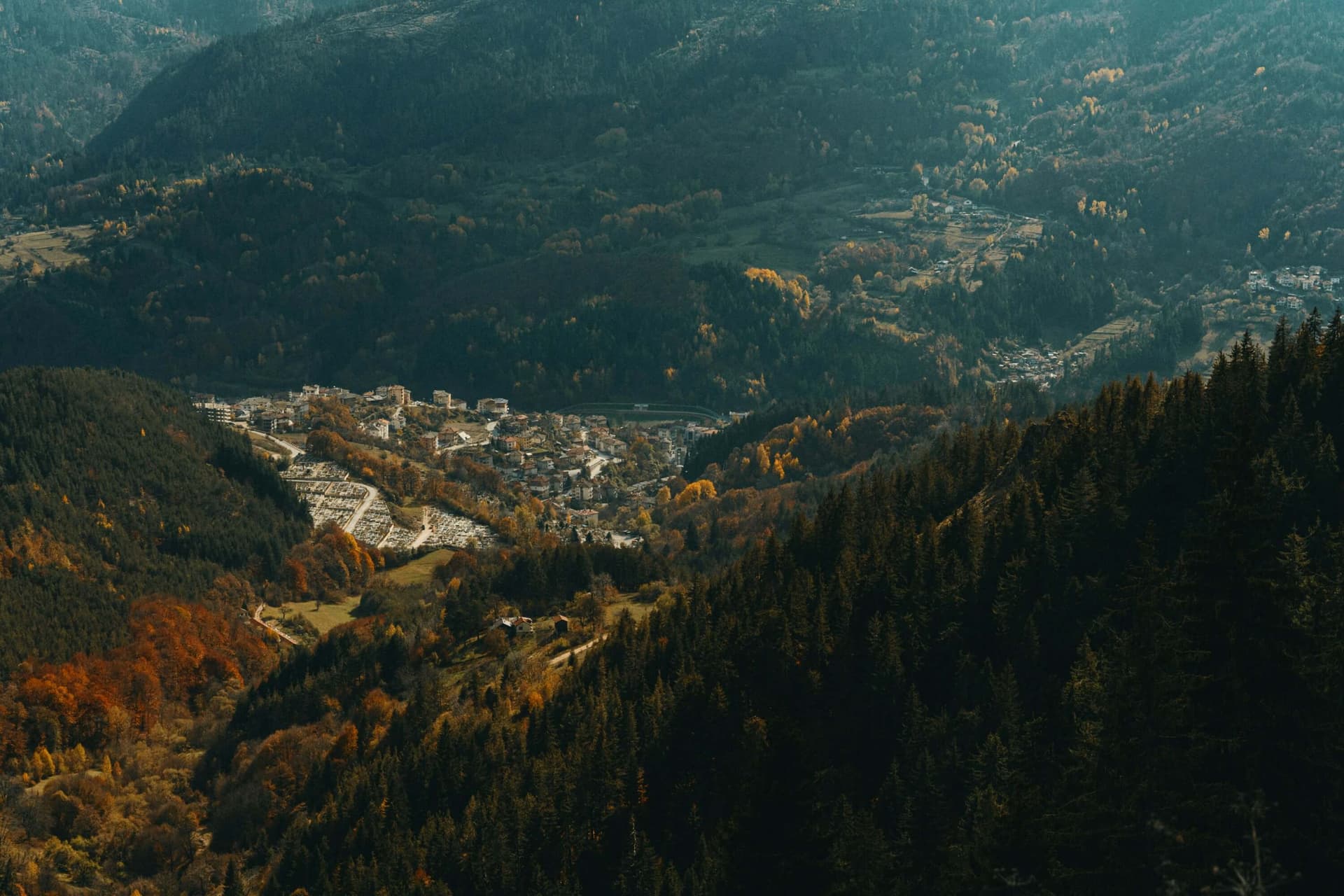
Grape harvest in the Struma and Thracian valleys, Rhodope forests turning gold in October, the last safe hiking window, and a coast without the crowds.
Bulgaria with Kids: A Family Travel Guide
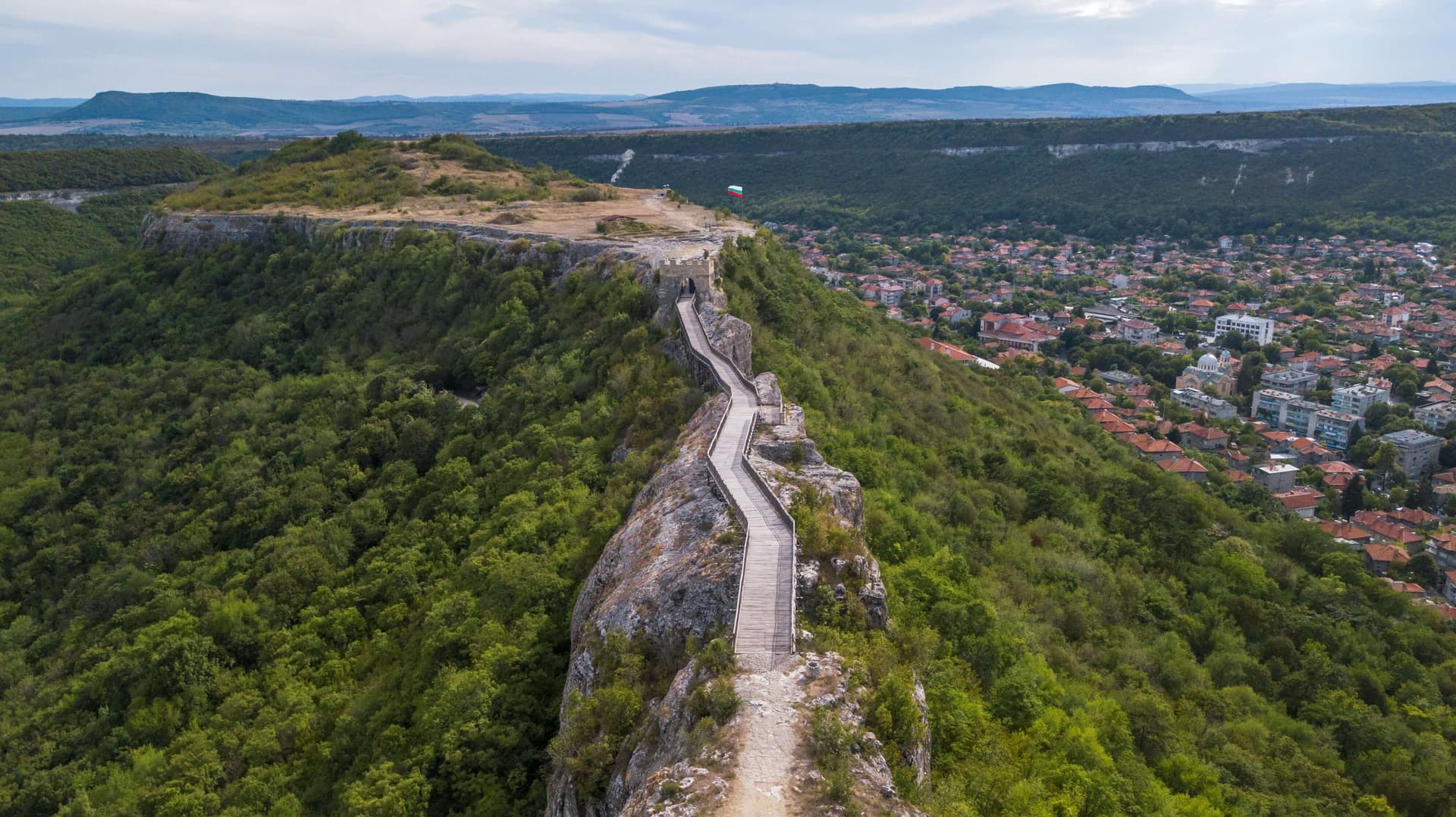
How to pick a base by your children's ages, the drive times that make or break a family trip, which caves and beaches actually work with young kids, which ski resort suits which age, and rainy-day fallbacks.
Bulgarian Food: The Dishes Worth Seeking Out
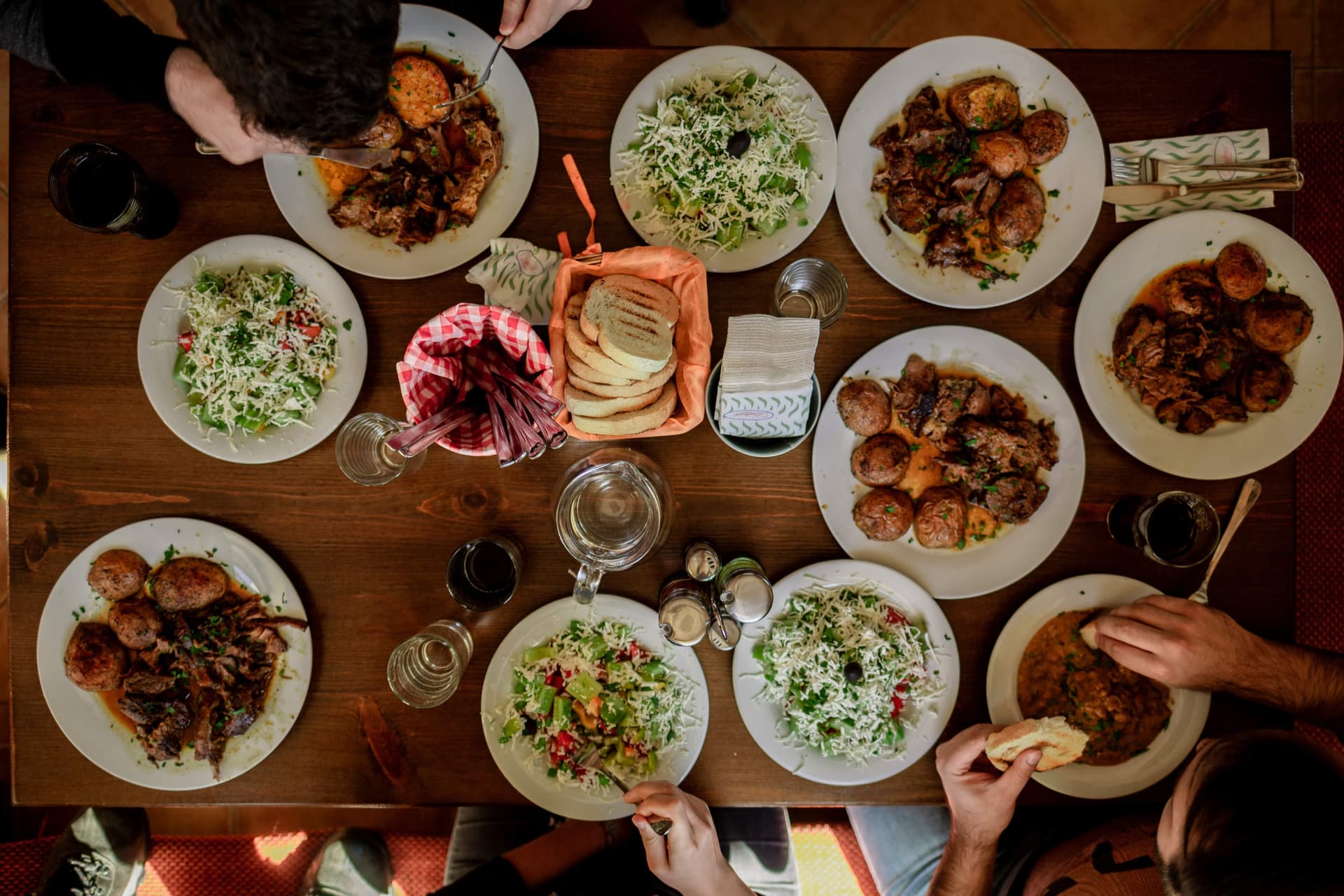
Shopska salad and rakia to open, banitsa from the bakery, the mixed grill, clay-pot stews and the fasting dishes that make the country quietly vegetarian-friendly.
Digital Nomad Guide to Bulgaria: Visa, Tax and Where to Base
Bulgaria's new digital nomad visa, the 10% flat tax, and how Sofia, Plovdiv and Bansko actually compare for remote work — internet, coworking, cost of living and community.