

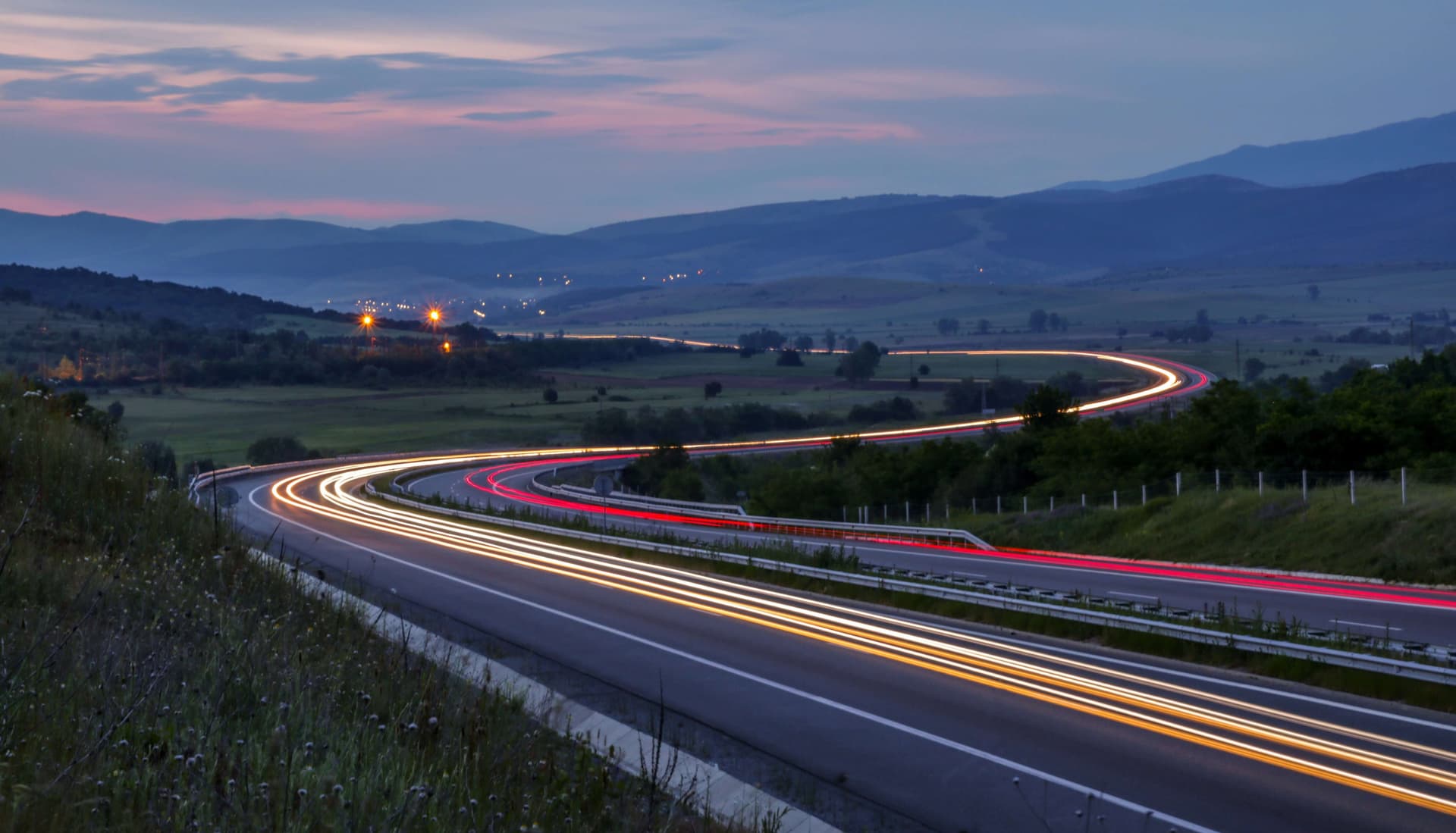
Driving in Bulgaria: Car Rental, Vignettes & Road Rules (2026)
In this guide▾
Bulgaria is one of the more rewarding European countries to drive in — mountain roads with almost no traffic, short distances between very different landscapes, and fuel that costs less than most of the EU. It also has a few rules that catch first-time visitors out, starting with a vignette system that has no physical sticker.
🤔 First: Do You Need a Car at All?
Worth answering honestly before you book, because for a lot of itineraries the answer is no.
You probably don't need a car if:
- You're staying in Sofia, Plovdiv, Varna or Burgas. All are walkable, all have decent public transport, and city parking ranges from irritating to genuinely difficult.
- You're doing a city-and-coast trip. Trains and intercity buses connect the major cities and resorts cheaply and often.
- You're heading to a single ski resort. Transfers are straightforward and you won't drive once you arrive.
You probably do want a car if:
- You're exploring the Rhodopes, the Balkan range, or the Danube north — public transport here is sparse, slow, or simply doesn't run where you want to go.
- You want to reach monasteries, villages and natural sites that see one bus a day, if that.
- You're travelling as a family or group, where the per-person cost tips quickly in a car's favour.
🚗 The middle path most people miss: base yourself in cities and use trains and buses, then rent a car for just two or three days for the rural stretch. It's usually cheaper and far less stressful than keeping a car for the whole trip.
Our getting around Bulgaria guide covers the train and bus network in detail if you'd rather skip driving entirely.
🎫 The E-Vignette — Read This Before You Set Off
Bulgaria charges for use of its national roads and motorways through an electronic vignette. Two things surprise visitors:
- There is no sticker. The vignette is linked to your number plate and checked by camera. Nothing goes on your windscreen.
- It applies to national roads, not just motorways. You cannot avoid it by staying off the A-roads.
2026 prices (vehicles up to 3.5 t)
| Duration | Price |
|---|---|
| 1 day | €4.09 |
| Weekend | €5.11 |
| 7 days | €7.67 |
| 30 days | €15.34 |
| 3 months | €27.61 |
| 1 year | €49.60 |
The weekend vignette is unusual in Europe and genuinely useful — it runs from Friday 00:00 to Sunday 23:59, which covers a full weekend trip for barely more than a single day.
Renting? Your car will normally already carry a valid vignette. Confirm it at the desk rather than assuming — the fine for driving without one is far more than the vignette costs.
Driving your own car in? Buy online before you cross, or at the border and major petrol stations. You'll need your plate number and country of registration.
🚦 Road Rules That Differ From Home
| Rule | Bulgaria |
|---|---|
| Built-up areas | 50 km/h |
| Open roads | 90 km/h |
| Motorways | 140 km/h |
| Blood alcohol limit | 0.05% — effectively, don't drink and drive |
| Headlights | Dipped headlights required 1 Nov – 1 Mar, and in tunnels, rain and poor visibility year-round |
| Seatbelts | Mandatory, front and rear |
| Phones | Hands-free only |
Speed cameras are widespread, both fixed and mobile. Rental companies pass fines on to you with an administration fee attached, so they will find you.
❄️ Winter Driving
This is the section most worth reading if you're coming between November and March.
- Winter tyres are required from 15 November to 1 March.
- Minimum tread depth in winter is 4 mm — higher than the 1.6 mm summer standard.
- Studded tyres are banned outright.
- Dipped headlights are required throughout this period, day and night.
Mountain passes can close at short notice in heavy snow, and roads to ski resorts and higher villages may require chains. If you're renting in winter, confirm the car has proper winter tyres before you drive away. This matters far more in Bulgaria than in flatter countries — see our Bansko guide and winter things to do guide for what the season actually looks like.
🔑 Renting a Car: What to Check
- Licence: EU and EEA licences are fine as-is. Non-EU visitors should carry an International Driving Permit with their national licence — some desks will refuse the car without one.
- Vignette: confirm it's valid for your rental period.
- Cross-border travel: taking the car into Greece, Romania, Serbia or Turkey usually requires prior permission and an extra fee. Arrange it when booking, not at pickup — and note that non-Schengen crossings mean border queues.
- Deposit: normally held on a credit card. Debit cards are often refused.
- Damage check: photograph the car thoroughly before leaving, including wheels and windscreen. This is standard advice anywhere, but minor-damage disputes are common enough here to be worth the two minutes.
- Winter equipment: as above, non-negotiable between November and March.
🛣️ What the Roads Are Actually Like
Bulgaria's motorways — Trakia to Burgas, Struma toward Greece, Hemus in progress — are modern and quick. Away from them, quality varies considerably.
- Main national roads are generally decent, though often single-carriageway with slow lorries.
- Mountain roads in the Rhodopes and Balkan range are scenic and enjoyable, but expect tight bends, occasional potholes and slow average speeds. Budget more time than the map distance suggests.
- Village and rural roads can deteriorate quickly. A regular car is fine for anywhere you're likely to go as a tourist; you don't need a 4×4.
- Fuel stations are plentiful on main routes and sparser in the mountains — fill up before a long rural stretch.
Driving standards are more assertive than in Western Europe. Overtaking can be optimistic. Drive defensively and you'll be fine.
🗺️ Where a Car Really Pays Off
If you do rent, these are the trips that justify it:
- The Black Sea coast road trip — the northern coves in particular are hard to reach otherwise
- The Rhodope mountains — gorges, caves and villages with almost no bus service
- Day trips from Sofia and from Plovdiv — doable by bus, far better by car
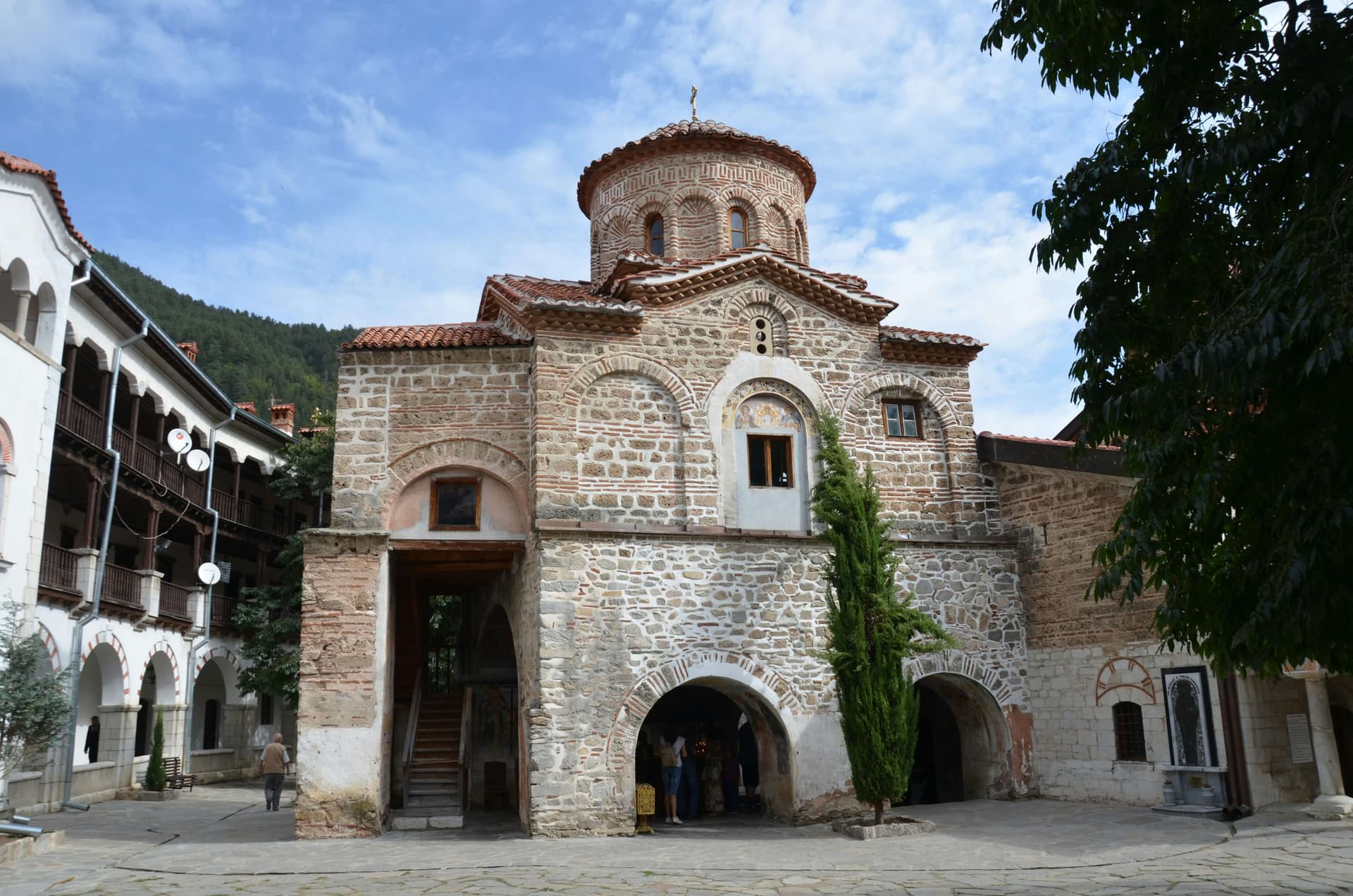
- Monasteries and hidden corners — Bachkovo Monastery, the Devil's Bridge, Trigrad Gorge and the village of Shiroka Laka are all far easier with a car. See our hidden gems guide
Bottom line: buy the vignette, check the winter tyres, and consider renting for only part of your trip. Plan the route with Mestala.com.
Latest prices as of October 2026 — fees change, so check before you travel.
This guide covers 4 places
Want more Mestala in your Google results?
Add mestala.com as a preferred source and our guides will show up more often when you search. Requires a Google account.
Frequently Asked Questions
Do I need a vignette to drive in Bulgaria?▾
Yes, for all national roads and motorways. Bulgaria uses an electronic vignette linked to your number plate — there is no sticker to display. A rental car will normally already have a valid one, but confirm this with the rental desk rather than assuming. Driving without a vignette carries a substantial fine.
How much does a Bulgarian vignette cost in 2026?▾
For a car up to 3.5 tonnes: one day €4.09, weekend €5.11, seven days €7.67, thirty days €15.34, three months €27.61, and a year €49.60. The weekend vignette is unusual and useful — it runs from Friday 00:00 to Sunday 23:59.
What are the speed limits in Bulgaria?▾
50 km/h in built-up areas, 90 km/h on open roads, and 140 km/h on motorways. Limits are enforced with both fixed and mobile cameras, and fines for foreign-plated and rental vehicles are routinely passed on by rental companies with an administration fee attached.
Are winter tyres mandatory in Bulgaria?▾
Winter tyres are required from 15 November to 1 March, and minimum tread depth in winter is 4 mm rather than the usual 1.6 mm. Studded tyres are banned outright. If you're renting in winter, confirm the car is properly equipped — this is the rental detail most worth checking in the mountains.
Do I need an International Driving Permit for Bulgaria?▾
EU and EEA licences are valid as they are. Visitors from outside the EU — including the US, Canada and Australia — should carry an International Driving Permit alongside their national licence. Rental companies may refuse to hand over a car without one.
Do I actually need a car in Bulgaria?▾
For Sofia, Plovdiv, Varna and the main coastal resorts, no — trains and intercity buses are cheap and adequate, and city parking is a nuisance. Rent a car for the Rhodopes, the Balkan range, monasteries and small villages, where public transport is sparse or non-existent. Many travellers do best hiring one for just a few days in the middle of a trip.
You might be interested in
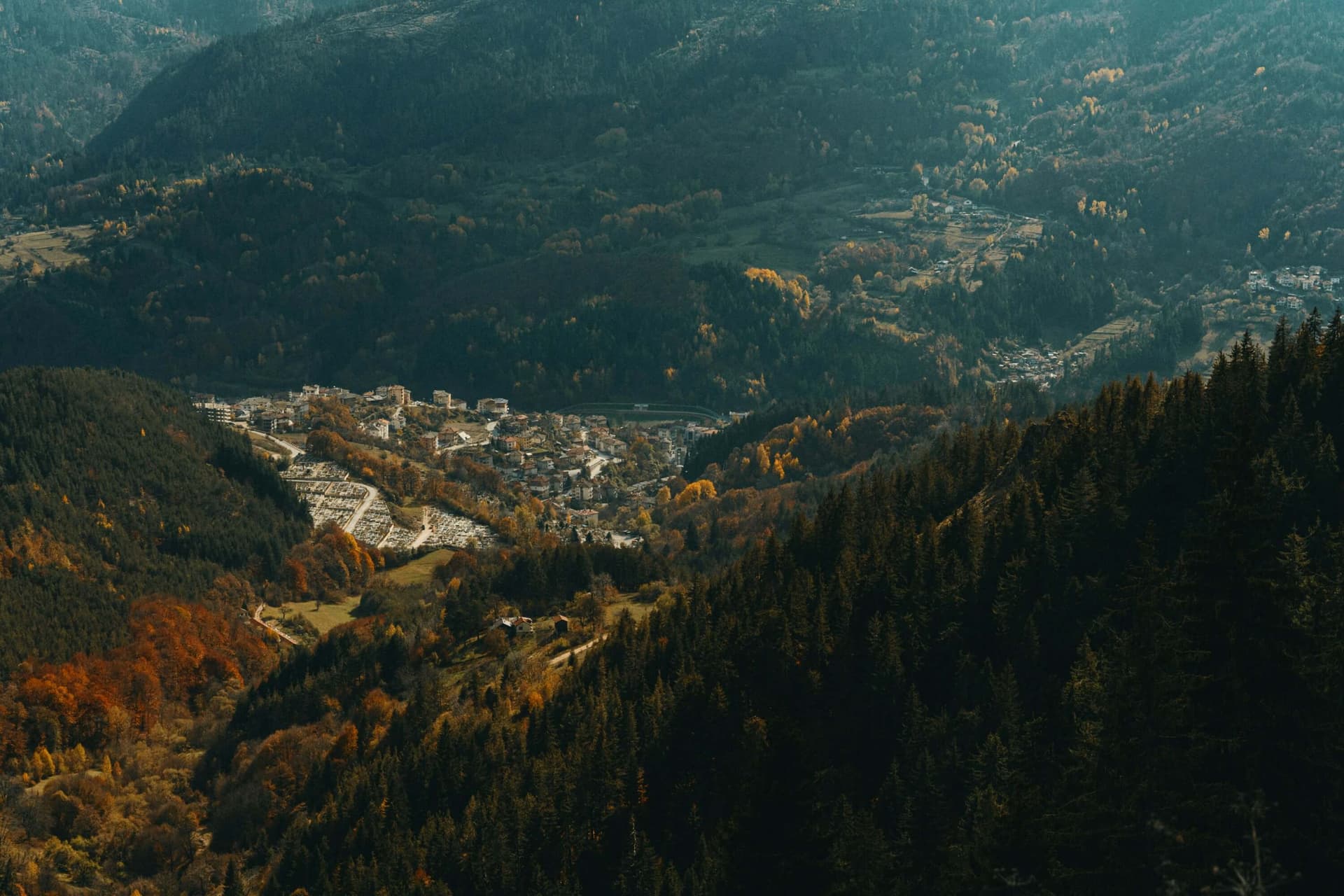
Bulgaria in Autumn: Things to Do Beyond the Beach
Grape harvest in the Struma and Thracian valleys, Rhodope forests turning gold in October, the last safe hiking window, and a coast without the crowds.
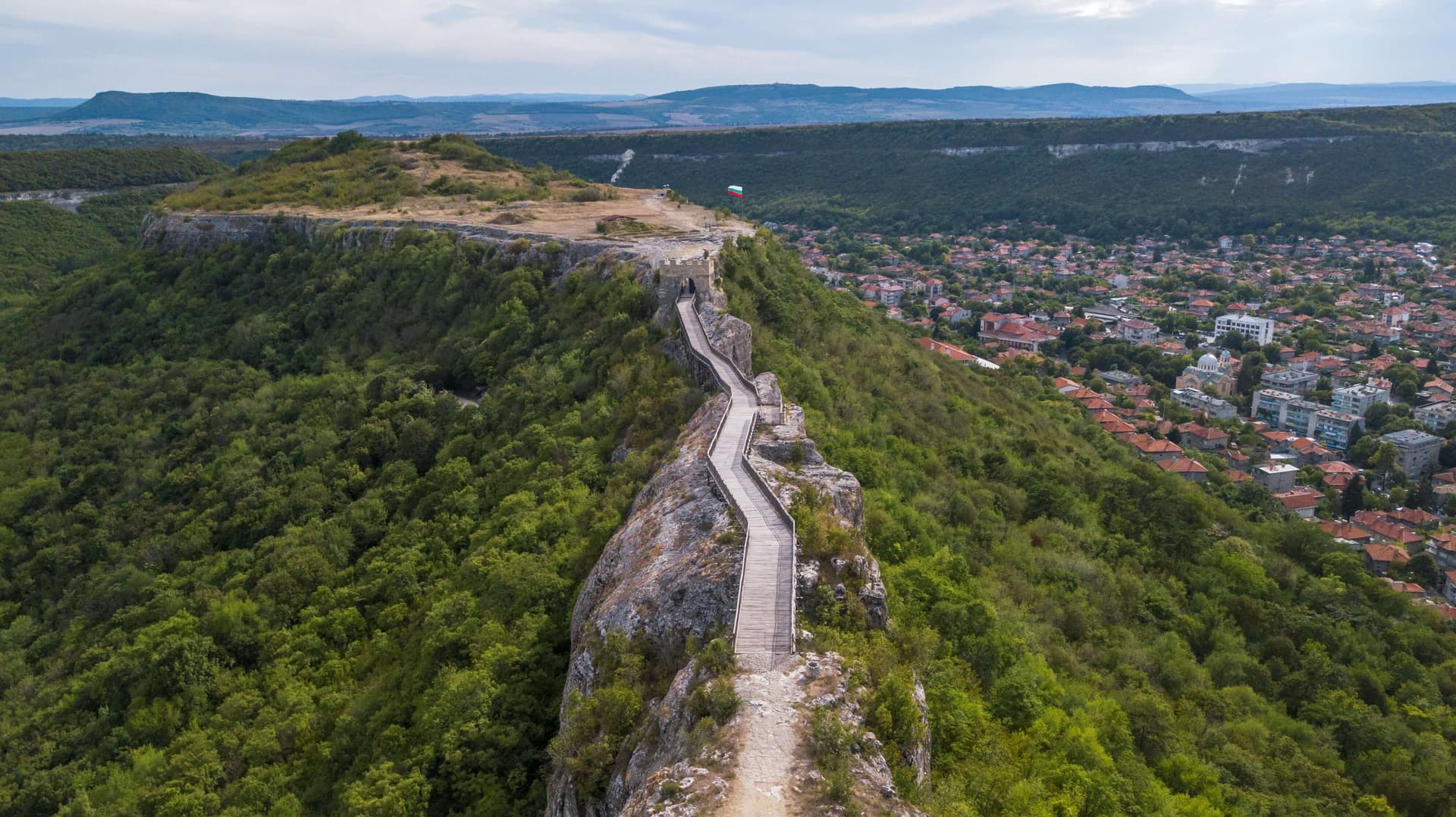
Bulgaria with Kids: A Family Travel Guide
How to pick a base by your children's ages, the drive times that make or break a family trip, which caves and beaches actually work with young kids, which ski resort suits which age, and rainy-day fallbacks.
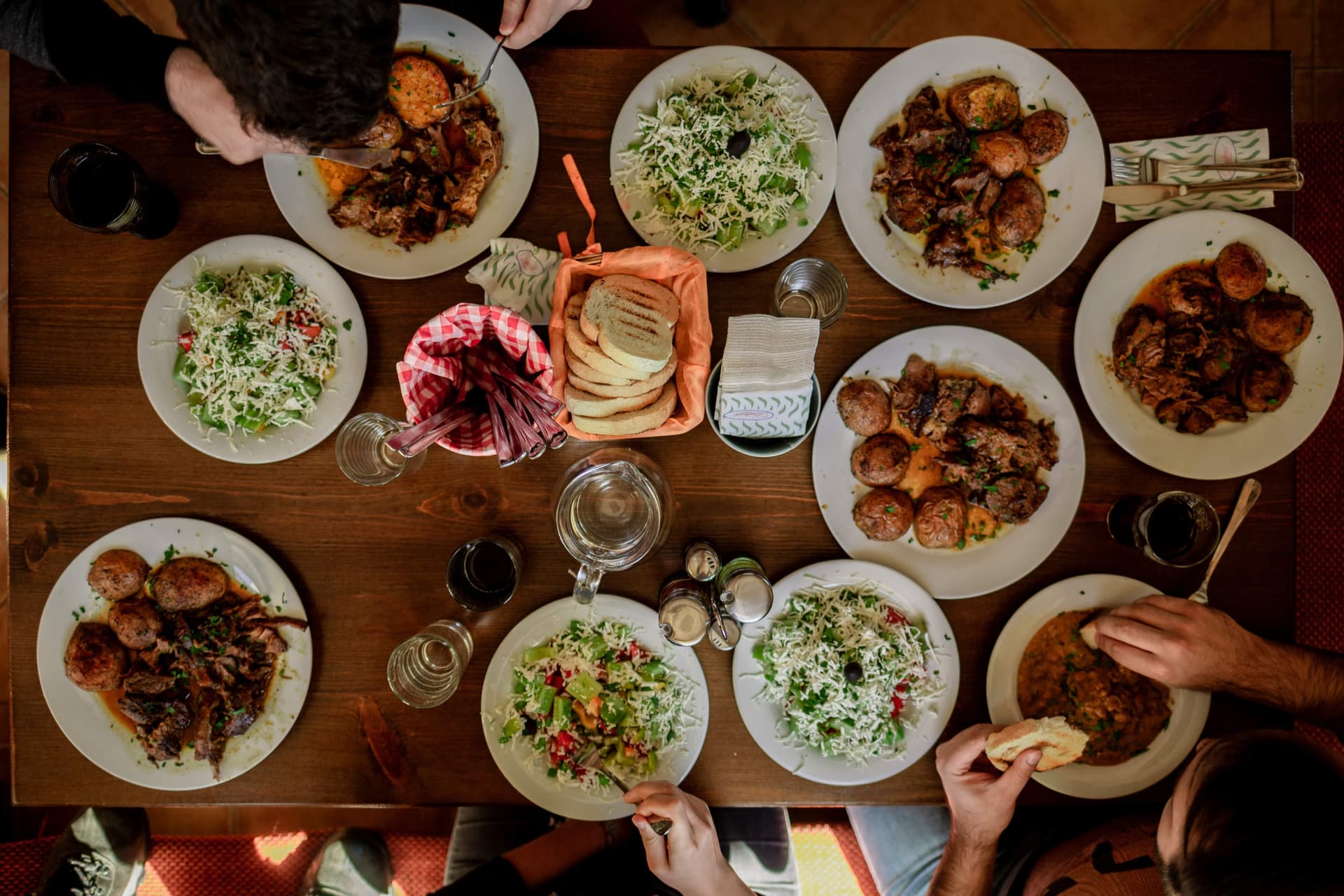
Bulgarian Food: The Dishes Worth Seeking Out
Shopska salad and rakia to open, banitsa from the bakery, the mixed grill, clay-pot stews and the fasting dishes that make the country quietly vegetarian-friendly.

Digital Nomad Guide to Bulgaria: Visa, Tax and Where to Base
Bulgaria's new digital nomad visa, the 10% flat tax, and how Sofia, Plovdiv and Bansko actually compare for remote work — internet, coworking, cost of living and community.