

Bansko Ski Resort: Pistes, Gondola, Lift Passes & Parking
In this guide▾
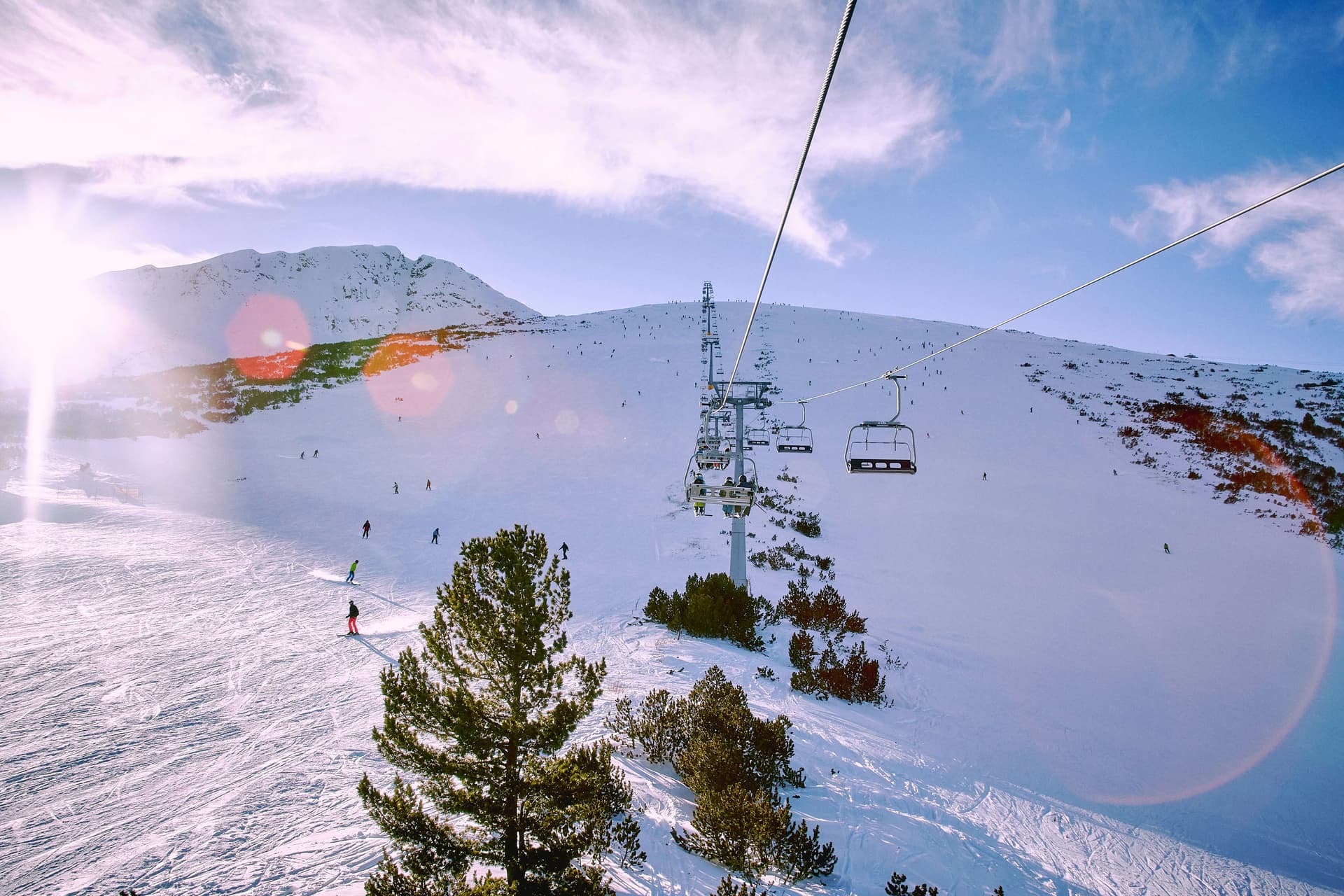
Tucked at the foot of the dramatic Pirin Mountains in southwestern Bulgaria, Bansko is the country's largest and most developed ski resort — and one of the best-value winter destinations in Europe. It combines about 75 km of pistes, a gondola straight from town, a historic National Revival Old Town, lively après-ski and spa hotels, with a season that usually runs from mid-December to mid-April.
Here is your guide to skiing in Bansko: the slopes, the gondola, lift passes, night skiing, parking, family advice, nightlife, and accommodation.
📍 Where Is Bansko?
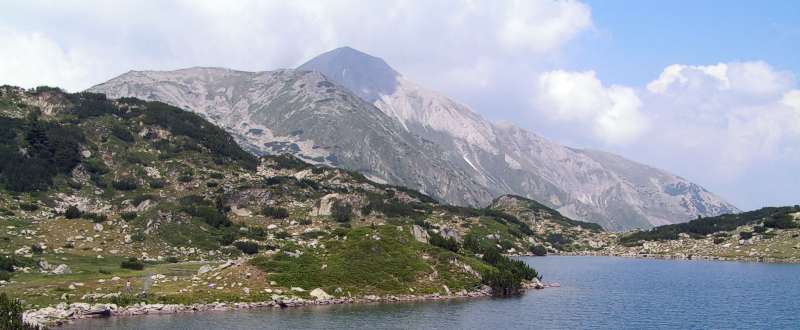
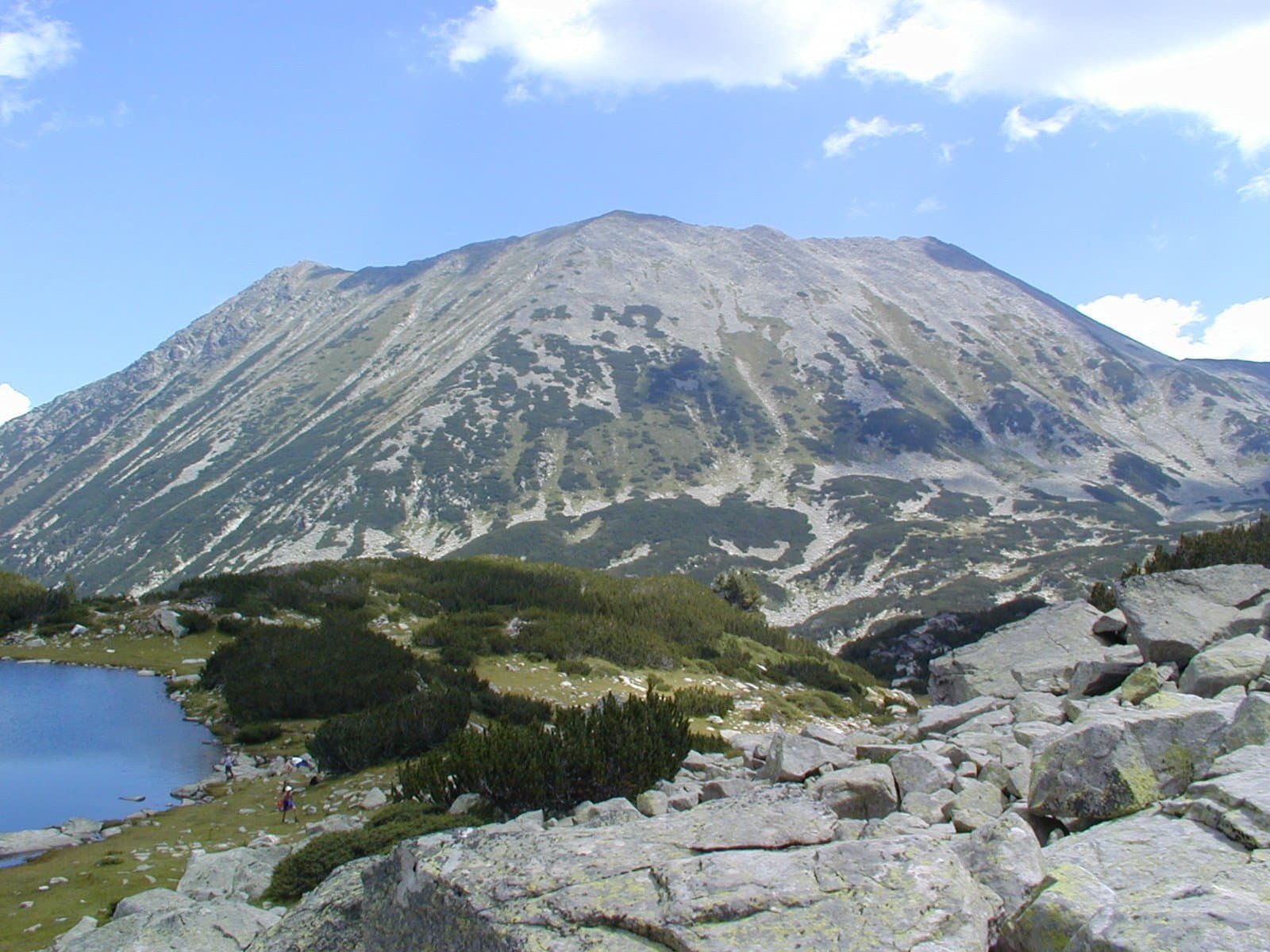
The town of Bansko sits at about 925 m in the Razlog Valley, at the northern foot of the Pirin Mountains — a rugged alpine range crowned by Vihren Peak (2,914 m), the second-highest peak in Bulgaria. The town lies in Blagoevgrad Province between Razlog and Dobrinishte, and the resort's slopes extend up the northern flanks of Todorka Peak. The gondola's lower station is just above the town, at around 1,000 m.
Bordered by the UNESCO World Heritage-listed Pirin National Park, Bansko operates as a year-round destination for both winter sports and summer mountain hiking.
🚗 Distances & Transportation
| Origin | Distance | Driving Time |
|---|---|---|
| Sofia | ~160 km | ~2 h 30 min |
| Plovdiv | ~200 km | ~2 h 30 min – 3 h |
| Burgas | ~390 km | ~4 h 15 min |
| Varna | ~510 km | ~6 hours |
- By Car (Recommended): From Sofia, drive south on the A3 Struma motorway (E79) to Simitli, then turn east over the Predel pass to Razlog and Bansko. From Plovdiv, take the mountain road via Velingrad and Yundola. In winter, carry chains or have proper winter tyres for the pass sections.
- By Bus or Transfer: Intercity buses run daily from Sofia Central Bus Station (around 3 hours). Private and shared transfers from Sofia Airport (SOF) straight to your hotel are also widely available.
- By Narrow-Gauge Train: The slow Septemvri–Dobrinishte narrow-gauge railway stops in Bansko. It is a scenic ride rather than a practical way to arrive with ski gear.
💡 Traveler Tip: A car is handy for exploring the thermal springs and the Razlog Valley, but it isn't necessary within Bansko itself. Most hotels offer shuttle services, and the town centre is easily walkable. If arriving via the capital, check out our 72 Hours in Sofia itinerary for a city break before or after hitting the slopes. Our driving in Bulgaria guide covers vignettes and winter road rules.
🎿 The Ski Area
Bansko offers about 75 km of pistes and ski roads, the most extensive ski network in Bulgaria:
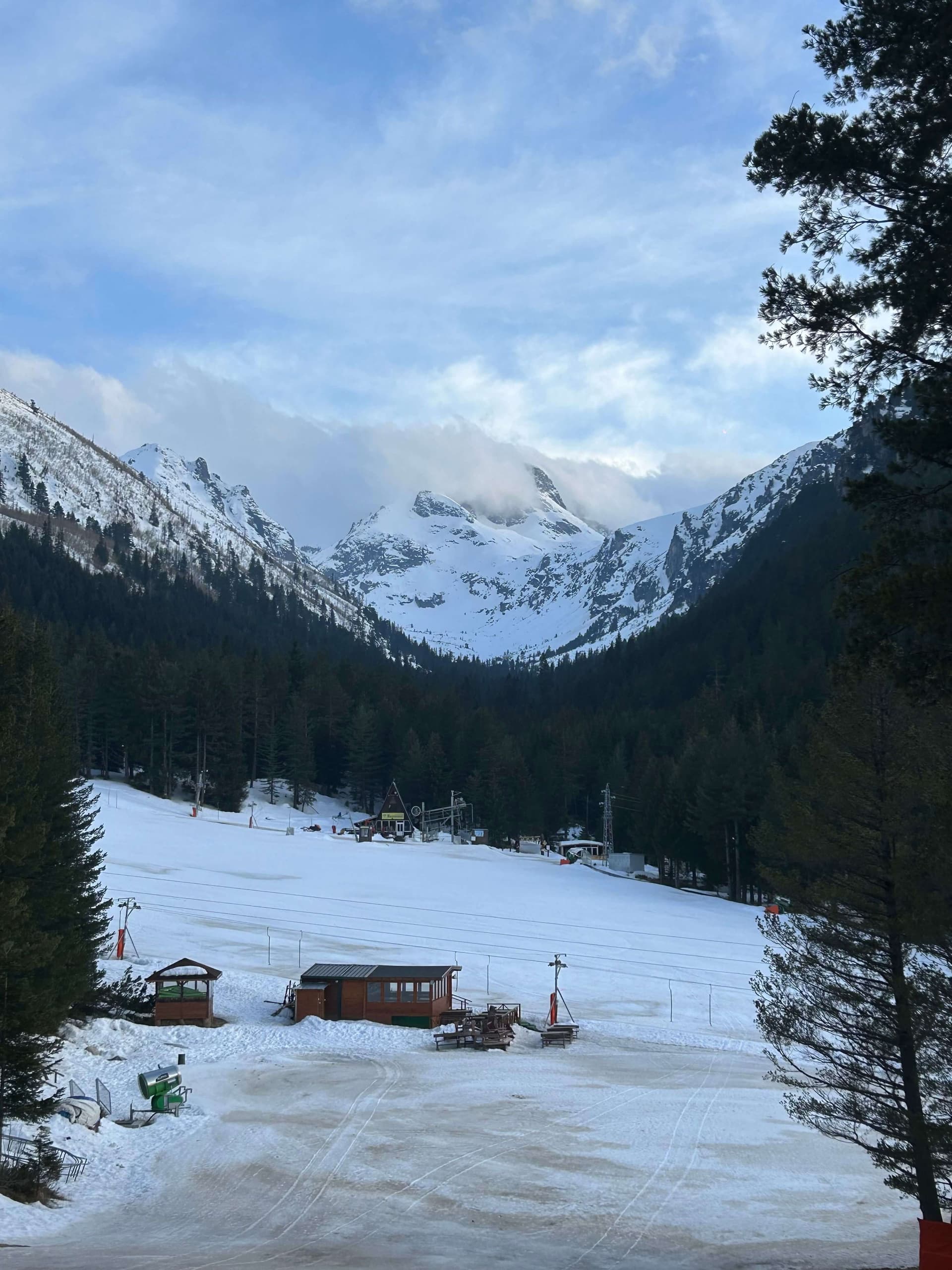
- Elevation: From about 1,000 m at the gondola base to around 2,500 m at the top of the Todorka chairlift, below Todorka Peak. The main hub is Banderishka Polyana (~1,630 m), where most lifts, ski schools and restaurants are.
- Terrain: A mix of wide blue runs for beginners and cruisers, red runs for intermediates, and black pistes — including the "Tomba" run, named after the Italian champion Alberto Tomba and used for World Cup races.
- Lift Network: 14 lifts in total — the 8-seat gondola from town, four- and six-seat chairlifts, and drag lifts on the upper mountain.
- Ski Road Back to Town: An easy ski road of about 8 km runs from Banderishka Polyana back down to the gondola base. From the top of the ski area to town, that makes a continuous descent of roughly 16 km, one of the longest in the Balkans. It needs good snow cover low down, so it is not always open early and late in the season.
- Winter Season: Typically mid-December to mid-April. How much of the area relies on snowmaking varies from season to season with natural snowfall, and Bansko regularly hosts FIS Alpine Ski World Cup races.
- Piste Map: The official piste map and live lift status are published on the operator's website, banskoski.com. Check it on the morning you ski, as lifts and runs open and close with conditions.
How long do you need? A day trip from Sofia is possible but means five hours in the car. Most skiers come for 3–6 days, which is also where multi-day passes start to pay off.
🚡 The Gondola from Town: Tips & Morning Logistics
The 8-seat gondola is the main link between the town and the ski area. It runs 6.2 km from the lower station to Banderishka Polyana — 3,318 m to the mid-station at Chalin Valog, then 2,915 m to the top — climbing about 600 m. The ride takes about 20–25 minutes at a design speed of 6 m/s, which staff may reduce in heavy traffic or bad weather.
The gondola runs year-round: 08:30–17:00 in the ski season and usually 08:00–16:30 outside it, though hours can vary. The other lifts run 08:45–16:15 in winter.
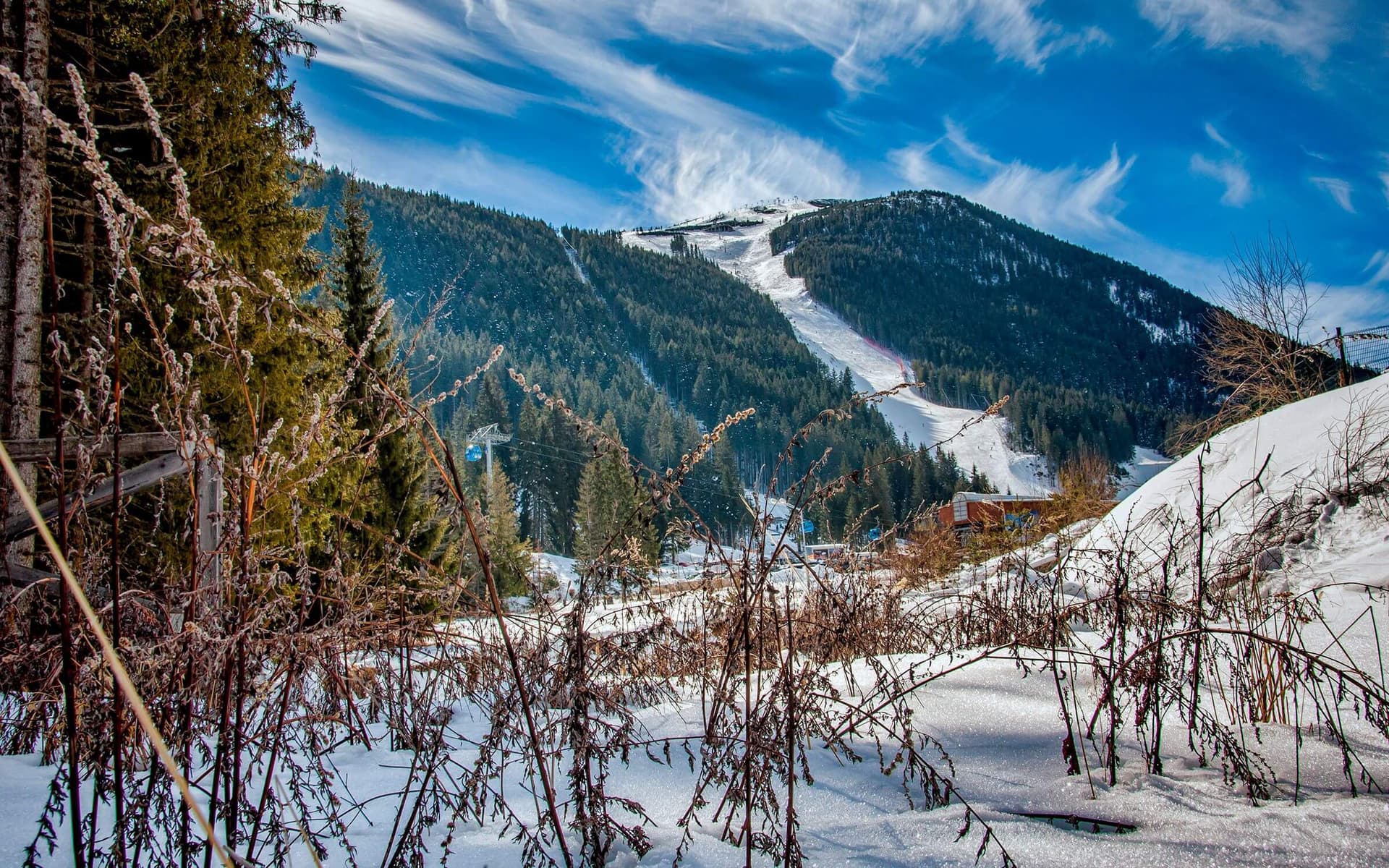
During peak winter periods (Christmas, New Year, and February school holidays), long morning queues form at the lower station — often longer than the ride itself.
How to Beat the Gondola Queues
- Arrive at the lower station early — ideally before 08:15.
- Take hotel-arranged shuttle buses that drop off directly at higher points when the road is open.
- Buy your lift pass the day before, online or at a ticket office, so you only queue once in the morning.
🌙 Night Skiing in Bansko
Bansko has night skiing once a week. The 7–8 km run from Banderishka Polyana down to town is floodlit and covered by snowmaking, and you reach the top by the gondola from town. It is an easy-to-intermediate run, so it suits most skiers, from confident beginners up.
- When: usually on a Friday or Saturday, sometimes on public holidays, from 18:30 to 21:30.
- Best period: December to February, when interest is highest.
- Tickets: you need a separate night pass, which covers the gondola and the floodlit run but not equipment. It costs a little more on weekends and holidays, and places go early, so buy it in advance.
If you want night skiing on more evenings, Borovets has a dedicated floodlit zone — see the Borovets mountain guide.
🅿️ Parking Facilities
- Gondola Base Station: A large paid car park sits directly next to the gondola entrance — the most convenient choice for day-trippers. Expect to pay around €10 a day.
- Town Parking: Paid street parking zones operate throughout central Bansko, alongside free parking areas in outer sectors. Old Town lanes are narrow and restricted.
- Peak Season Warning: The main gondola car park frequently fills up by 08:30–09:00 during peak holidays, so early arrival is strongly recommended. If you are staying in town, walking or a hotel shuttle is faster than looking for a space.
👨👩👧👦 Skiing for Families & Beginners
Bansko is widely recognized as one of Eastern Europe's most family-friendly ski resorts:
- Ski Schools: Qualified, English-speaking instructors offer group and private lessons for all ages.
- Dedicated Learning Zones: Banderishka Polyana features beginner lifts, gentle slopes, and a dedicated kids' ski kindergarten.
- Lift Passes for Children: Children under 7 ski for a token €0.60, and children aged 7–11 pay less than half the adult price. Both passes are valid only when the child is with an adult.
- Rental Equipment: Numerous ski shops near the gondola base offer modern equipment packages at affordable rates.
With small children, factor in the gondola: 20–25 minutes each way plus the queue is a lot for a four-year-old, so a hotel near the base station is worth paying for.
🍽️ Après-Ski, Old Town & Cultural Highlights
Bansko pairs excellent skiing with authentic Bulgarian mountain culture:
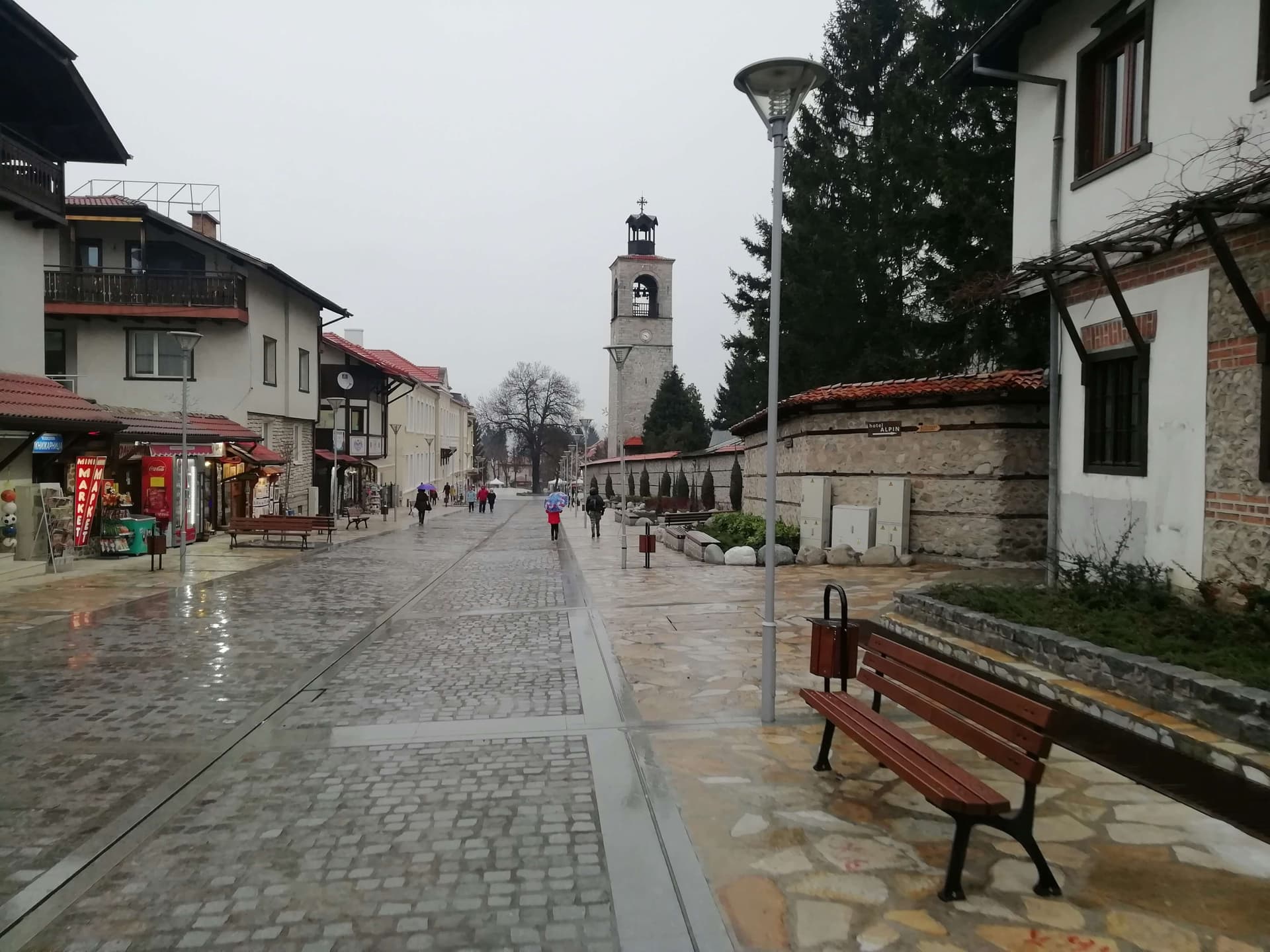
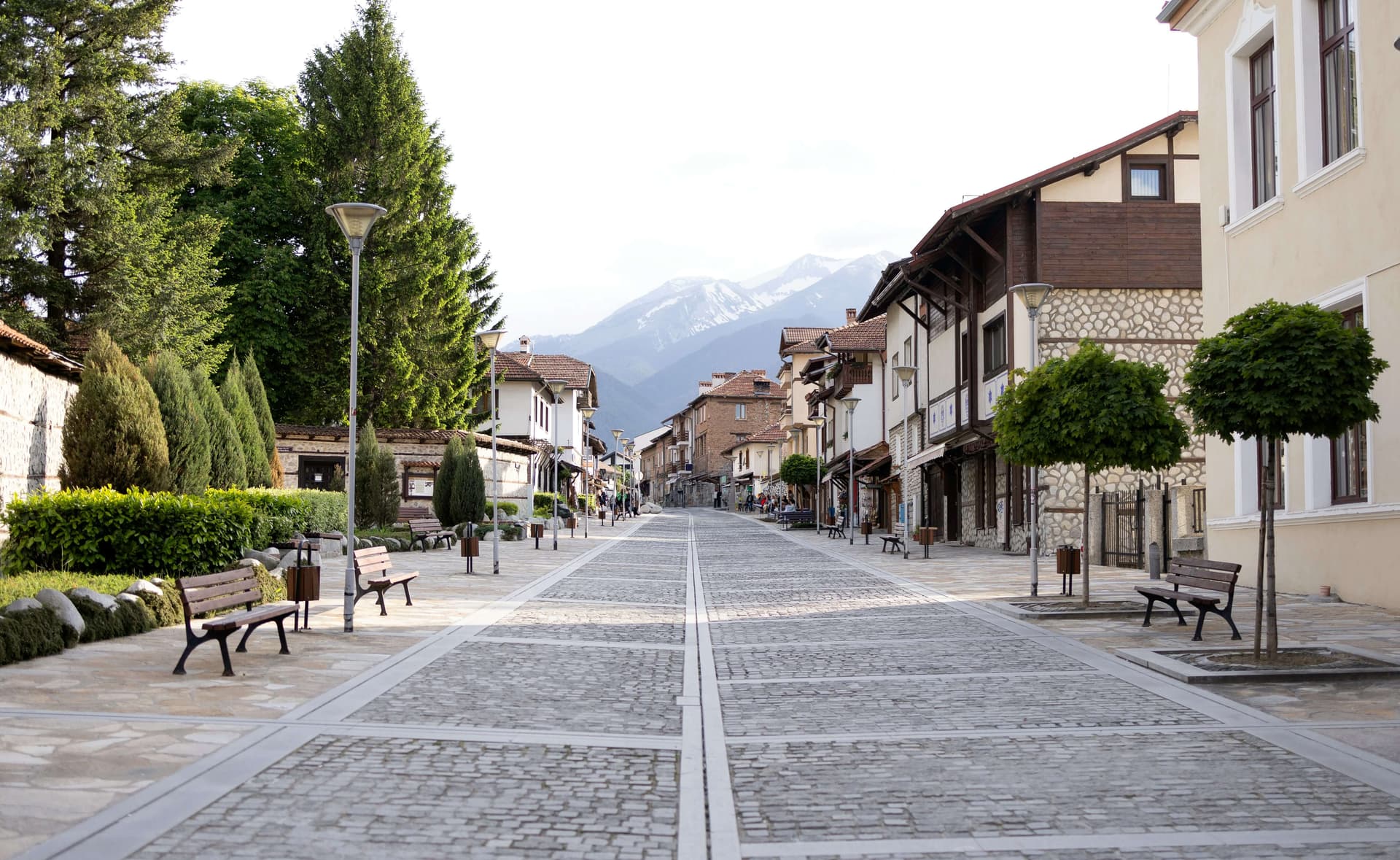
- Historic Old Town: A protected National Revival architectural reserve filled with cobblestone streets, stone fortress-houses, the Holy Trinity Church with its bell tower, and local museums.
- Traditional Mehanas (Taverns): Dozens of rustic taverns serve hearty Pirin cuisine — including Bansko kapama (slow-cooked meat and sauerkraut stew), starets cured sausage, fresh grilled meats, and regional wines, often accompanied by live folk music.
- Après-Ski & Nightlife: Bansko has the liveliest nightlife of any Bulgarian ski resort, with slope-side bars, Irish pubs, and late-night music venues.
- Spa & Wellness: Most 4- and 5-star hotels have spa facilities, indoor pools, and saunas.
🎄 Bansko at Christmas
December is Bansko's busiest month. The town runs one of Bulgaria's longest Christmas markets, usually from late November into early January, with stalls, mulled wine and lights in the Old Town. The ski season opens around the same time, so a Christmas trip can combine the market in the evening with the slopes by day. The catch is price: Christmas and New Year are the most expensive and crowded weeks of the season. Our Christmas markets in Bulgaria guide covers the Bansko market alongside Sofia and Plovdiv.
☀️ Visiting Bansko in Summer
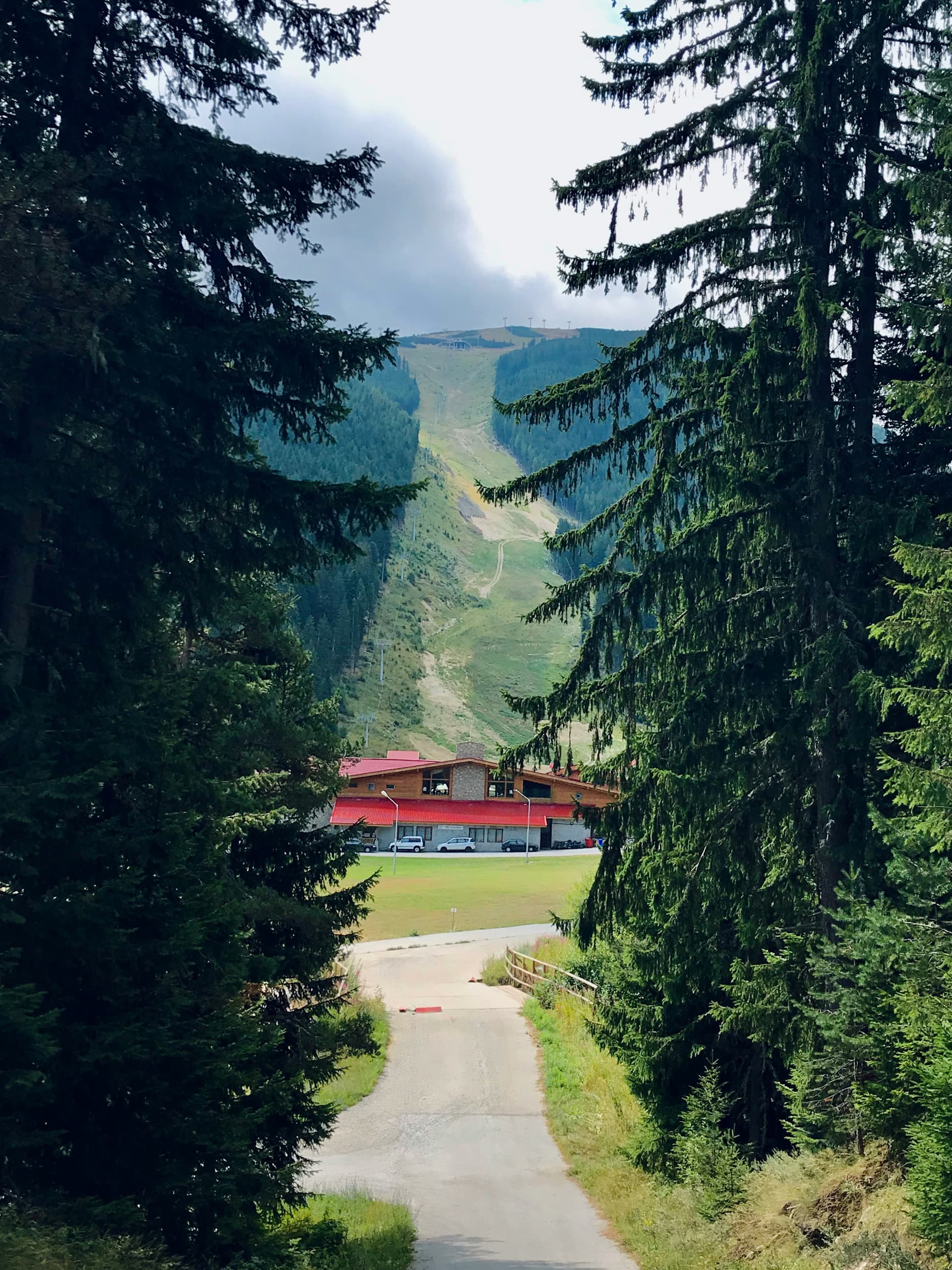
When the snow melts, Bansko becomes a hub for summer mountain sports. It is the main base for climbing Vihren Peak — see our Vihren and Koncheto hiking guide — exploring the glacial Banderishki and Vasilashki lakes, or visiting the Baikushev Pine, a Bosnian pine thought to be over 1,300 years old.
Summer activities include mountain biking, rock climbing, golf at the nearby Pirin Golf resort, and the annual Bansko International Jazz Festival. For more seasonal planning, read our guide on the best time to visit Bulgaria. Bansko also has a well-known community of remote workers who stay through the off-season — our digital nomad guide covers what a longer stay costs.
🏨 Where to Stay in Bansko
Bansko offers exceptional value for money across various budget levels:
- Near the Gondola Base (New Town): Home to 4- and 5-star spa hotels and holiday apartments. You walk straight to the lift and are close to the après-ski bars. It costs more, but it saves the most time every morning.
- The Old Town: Boutique hotels and family-run guesthouses along historic cobblestone streets. Quieter and close to the traditional mehanas, but a 10–20 minute walk or a shuttle ride from the gondola.
- Razlog Valley & Resort Outskirts: Sprawling resort complexes with golf courses and large spa facilities, often cheaper for the space you get. Best suited for travelers with a car or those using hotel shuttle buses.
🗓️ Seasonal Price Guide & Booking Strategy
Prices and crowd levels fluctuate significantly depending on when you visit:
| Timeframe | What to Expect | Recommended Booking Lead Time |
|---|---|---|
| Christmas & New Year | Peak crowds, festive atmosphere, highest prices | Book 4–6 months in advance |
| Mid-January | Good snow conditions, lower rates, minimal queues | Book 1–2 months in advance |
| February Half-Term | Secondary peak (school holidays), reliable snow | Book 2–3 months in advance |
| March | Longer sunny days, softer snow in the afternoon, great deals | Book 2–4 weeks in advance |
💡 Booking Tip: During peak winter weeks, reserve your ski rental packages and ski school lessons online simultaneously with your accommodation to secure availability.
🎟️ Lift Pass Prices & Tips
These are the official prices valid from 1 April 2026, as published on banskoski.com. We checked them on 15 September 2026. Prices can change for the new season, so confirm them before you travel.
| Pass | Adult | Students & retirees up to 74 | Children 7–11 | Under 7 & 75+ |
|---|---|---|---|---|
| 1 day | €45 | €40 | €20 | €0.60 |
| Half day (from 12:30) | €35 | €30 | €16 | €0.60 |
| 2 days | €88 | €78 | €38 | €1.10 |
| 3 days | €131 | €116 | €56 | €1.60 |
| 4 days | €173 | €154 | €74 | €2.20 |
| 5 days | €217 | €192 | €92 | €2.70 |
| 6 days | €259 | €230 | €110 | €3.20 |
| Gondola round trip | €27 | €24 | €19 | €0.60 |
- Children and Seniors: Bring ID to prove age for the reduced passes. Passes for children under 12 can only be bought and used when the child is with an adult.
- Season Pass Promotion: Season passes are sold at a promotional price in the autumn, before the season opens.
- Ski Storage: Use the ski storage lockers at the gondola base to avoid carrying your gear through town every morning.
🧭 What Is Nearby
- Dobrinishte (~10 min) — a small spa town with hot mineral pools, the easiest after-ski soak outside the hotels. More in our spa and thermal springs guide.
- Razlog (~10 min) — the valley town below Bansko, with cheaper accommodation and the Pirin Golf resort nearby.
- Gotse Delchev and the Mesta Valley (~50 min) — the Revival villages of Kovachevitsa and Leshten and a sunnier, quieter side of the region. See our Gotse Delchev guide.
🆚 Bansko or Borovets? And Pamporovo?
Bansko has the most terrain, a long ski road, a real old town and the liveliest après-ski. Borovets is much closer to Sofia, with sheltered forest runs and regular night skiing. Pamporovo is gentler and suits families with young children.
Compare all three in our Borovets vs Bansko vs Pamporovo guide, or read the dedicated Borovets mountain guide. If Bansko's lift-pass and hotel prices are the sticking point, the Chepelare guide covers Bulgaria's cheapest serious ski base.
Beyond the slopes, our Bulgaria in winter guide covers the wider season.
Plan your ultimate winter getaway to Bansko with Mestala.com!
This guide covers 5 places
Want more Mestala in your Google results?
Add mestala.com as a preferred source and our guides will show up more often when you search. Requires a Google account.
Frequently Asked Questions
How big is the Bansko ski area?▾
Bansko has about 75 km of pistes and ski roads served by 14 lifts: an 8-seat gondola from town, chairlifts and drag lifts. The ski area runs from about 1,000 m at the gondola base station to around 2,500 m below Todorka Peak, with the main hub at Banderishka Polyana (~1,630 m). It is the largest ski area in Bulgaria, and the season usually runs from mid-December to mid-April.
How long does the Bansko gondola take from town to the ski area?▾
The gondola runs 6.2 km from the lower station just above town to Banderishka Polyana, climbing about 600 m with a mid-station at Chalin Valog. The ride takes about 20–25 minutes, but in peak weeks the morning queue can add far more than that. The gondola runs year-round: 08:30–17:00 in the ski season and usually 08:00–16:30 outside it.
How much is a lift pass in Bansko?▾
Under the official prices valid from 1 April 2026, an adult day pass costs €45, students and retirees up to 74 pay €40, children aged 7–11 pay €20, and children under 7 and seniors aged 75 and over pay €0.60. A 6-day adult pass is €259, a half-day pass from 12:30 is €35, and a gondola round trip is €27. We checked these prices on 15 September 2026; they may change for the new season, so confirm on the official Bansko ski website before you travel.
Is there night skiing in Bansko?▾
Yes, once a week. The 7–8 km run from Banderishka Polyana down to town is floodlit, usually on a Friday or Saturday and sometimes on public holidays, from 18:30 to 21:30. It is an easy-to-intermediate run reached by the gondola, and you need a separate night pass. December to February is the busiest period, so buy your pass early for weekends and holidays.
Is there parking at the Bansko gondola?▾
Yes. A large paid car park sits directly at the gondola lower station and costs around €10 a day, alongside paid and free street parking throughout the town. During high season (Christmas, New Year, and February school holidays), the gondola car park fills up early, so aim to arrive before 08:30 or use a hotel shuttle.
Bansko or Borovets: which is better for a ski holiday?▾
Bansko has more terrain (about 75 km against Borovets' 58 km), a longer ski road, a real old town and livelier après-ski. Borovets is much closer to Sofia (about 1 hour 10 minutes against 2.5 hours), has tree-lined runs and regular floodlit night skiing, and has no single gondola bottleneck. Our Borovets vs Bansko vs Pamporovo comparison sets out the choice in full.
Is Bansko good for families and beginners?▾
Very much so. Bansko offers reputable ski schools with English-speaking instructors, dedicated beginner zones, and a kids' park at Banderishka Polyana, as well as plenty of gentle blue slopes. Children under 7 ski for a token fee when accompanied by an adult, equipment rental and childcare are widely available, and the town centre is compact and easy to navigate.
How far is Bansko from Sofia?▾
Bansko is located approximately 160 km south of Sofia — about a 2.5-hour drive via the A3 Struma motorway, Simitli and Razlog. It is also accessible by intercity bus (about 3 hours) or airport transfer. From Plovdiv, the distance is roughly 200 km (2.5–3 hours) via Velingrad and Yundola.
What is there to do in Bansko besides skiing?▾
Bansko features a lively après-ski scene, a historic National Revival Old Town with cobbled streets and stone houses, and dozens of traditional taverns (mehanas) serving regional Pirin cuisine. Many hotels have spa centres, the hot springs of Dobrinishte are 10 minutes away, and in December the town runs one of Bulgaria's longest Christmas markets. In summer it is the main gateway for hiking in Pirin National Park.
Where should I stay in Bansko?▾
Bansko is renowned for exceptional value, offering four- and five-star spa hotels, self-catering apartments, and family guesthouses. Staying near the gondola base saves time on morning lift queues, while staying in the Old Town puts you within walking distance of traditional taverns and historic sights.
You might be interested in
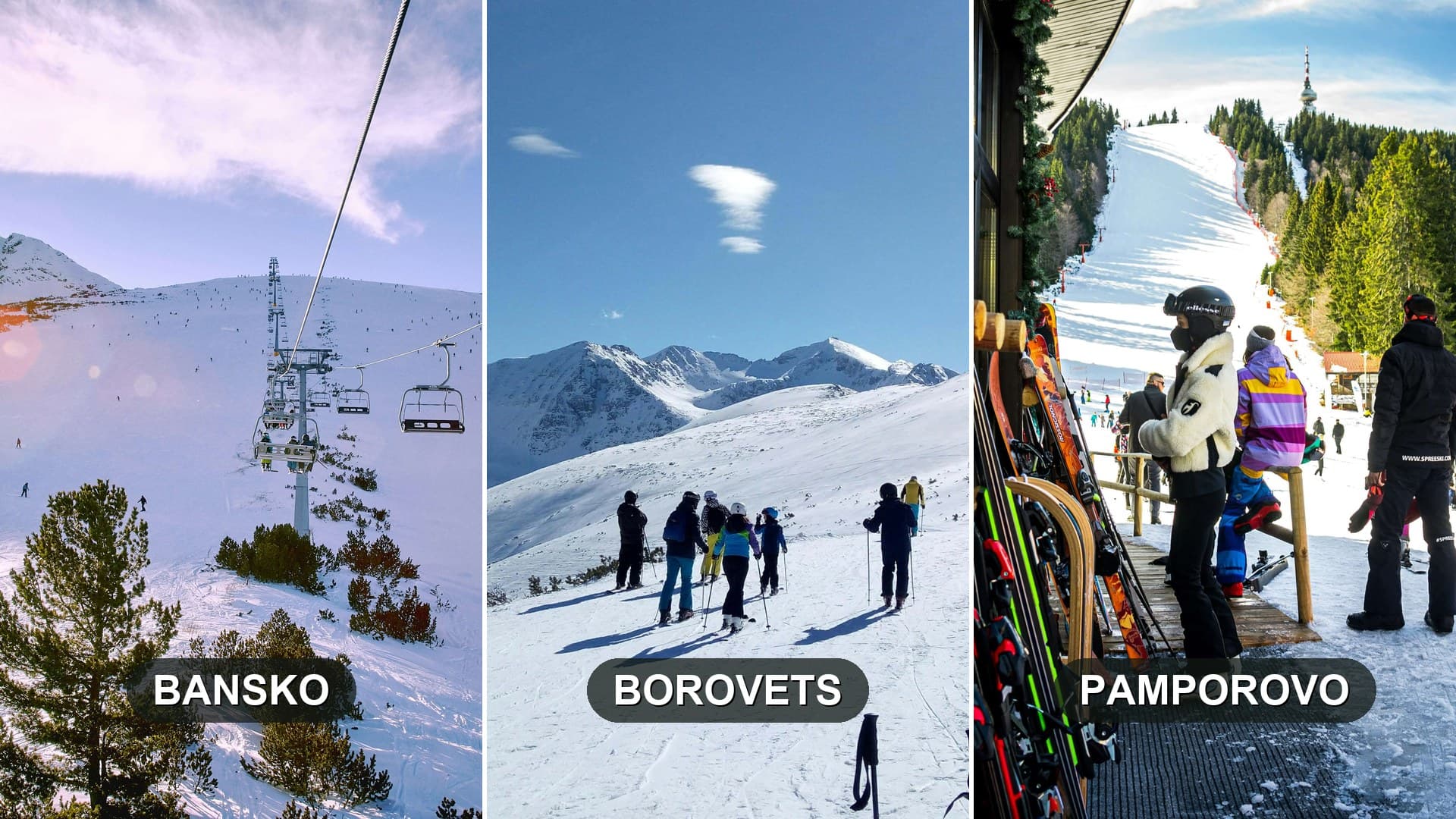
Borovets vs Bansko vs Pamporovo: Which Ski Resort to Pick
Borovets, Bansko, or Pamporovo? Bulgaria's top ski resorts compared on pistes, snow, beginners, lift passes, nightlife, and transfer times.
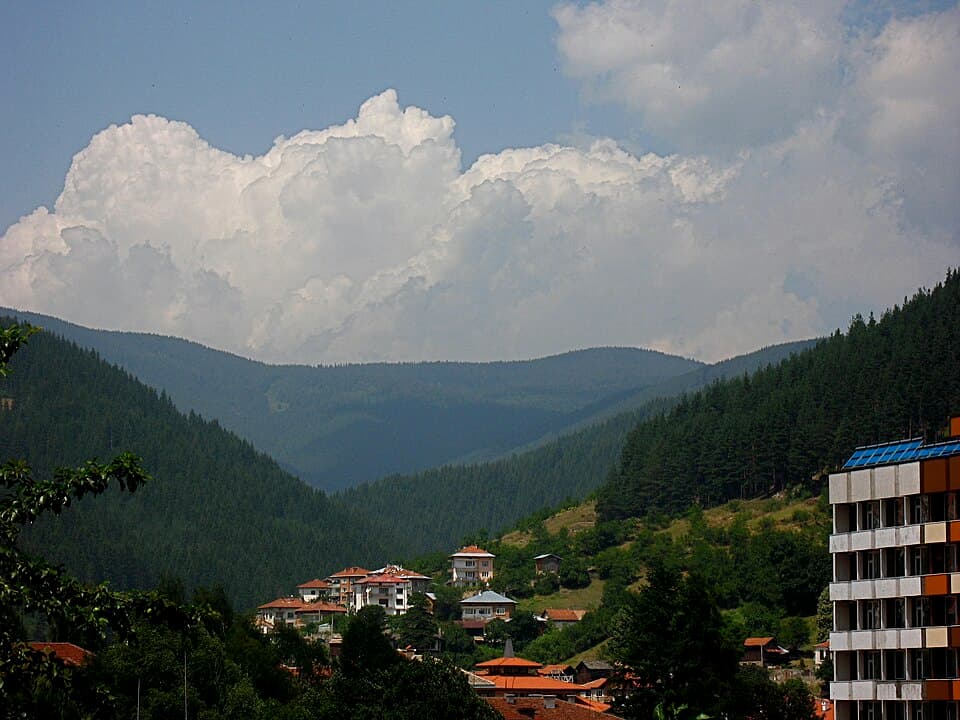
Chepelare: Bulgaria's Quiet Ski Town in the Rhodopes
A practical guide to Chepelare: the Mechi Chal ski area, Snezhanka Peak, getting there from Plovdiv, parking, where to stay, and why it beats Pamporovo on price.
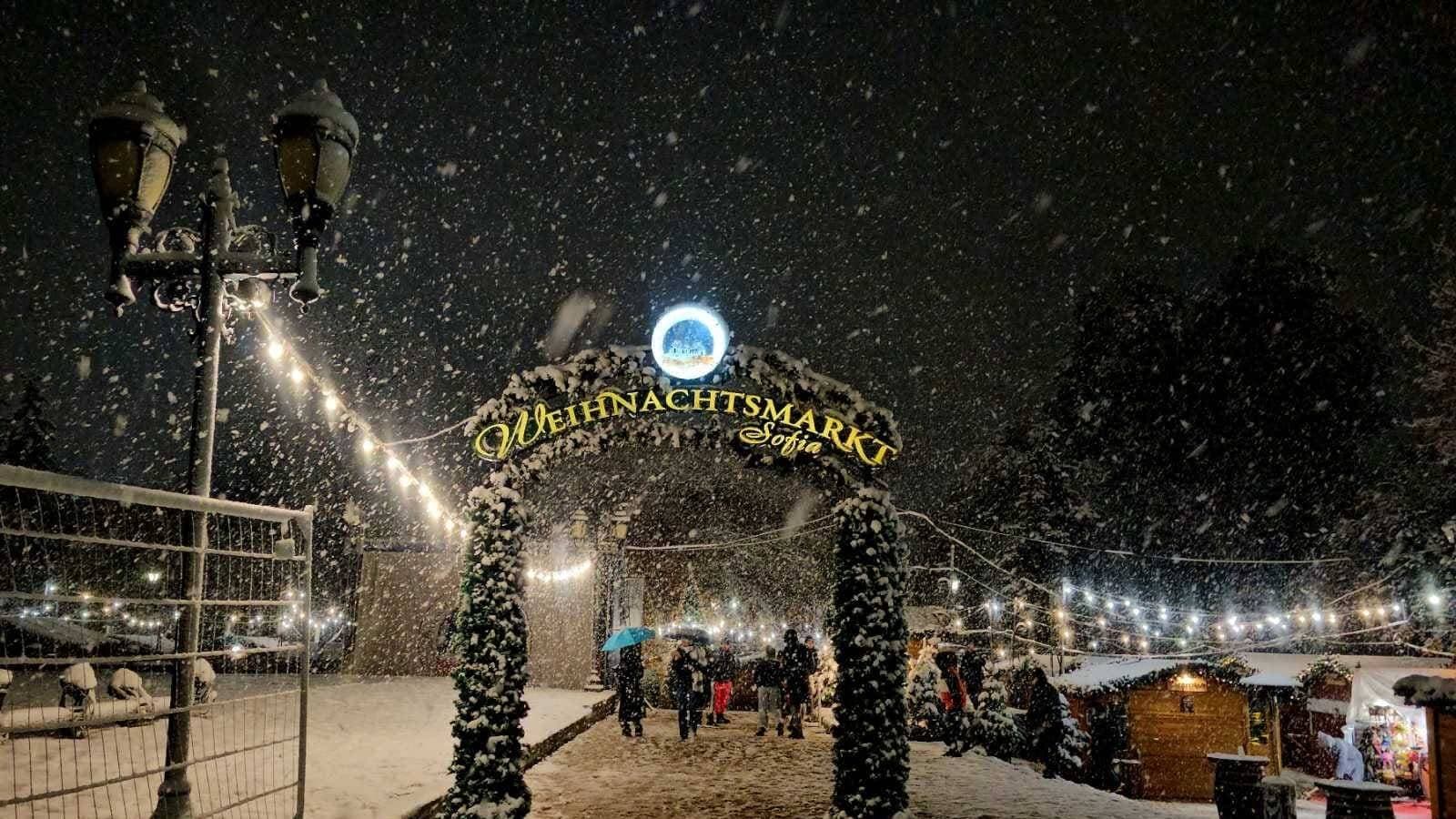
Christmas Markets in Bulgaria: Sofia, Plovdiv & Bansko
Sofia's German market by the National Theatre, Plovdiv's Kapana bazaar, Bansko's ski-town lights and the coastal markets — when they open and what to expect.
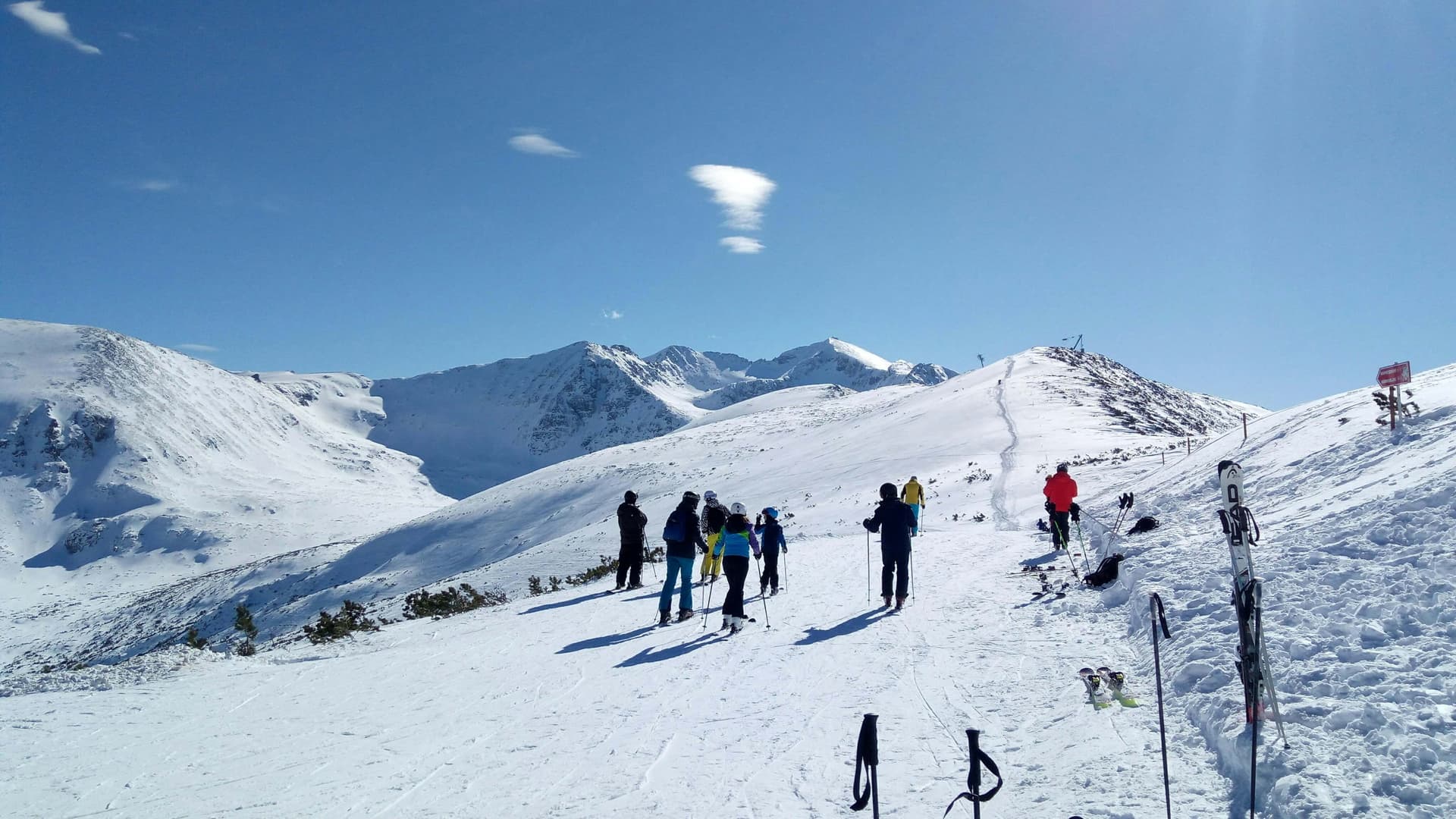
Borovets: Ski Slopes, Lifts & Hiking Musala
A complete guide to Borovets: ski sectors Sitnyakovo and Yastrebets, gondola tips, night skiing, lift passes, hiking Peak Musala, and accommodation.